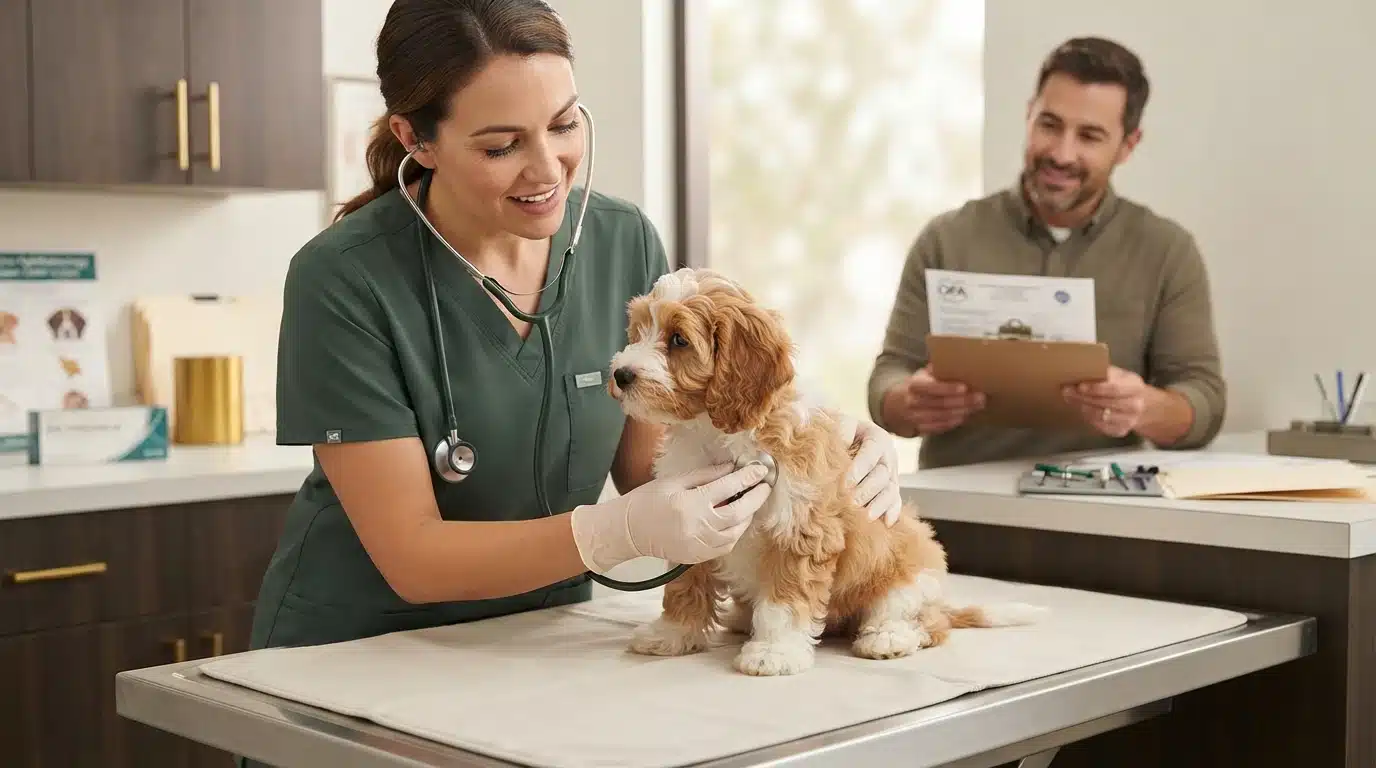
Quick Summary: Finding healthy puppies requires verifying documented, breed-specific health tests on parents, not just trusting vague claims. Good breeders show records, raise puppies in clean, social environments, and match puppies to families based on temperament. Clear contracts and detailed pickup or delivery plans are essential for a smooth, responsible purchase. Patience and thorough questions help ensure a healthy, well-matched puppy for your home.
If you are searching for health tested puppies near me, the biggest question is not which Havanese, Havapoo, or Cavapoo puppy looks the cutest. It is whether the breeder can show real proof of health testing, early care, and a careful placement process. That is where many families get stuck.
A lot of listings for health tested puppies near me sound good, but they skip the details that matter. Parents may not be fully tested. Health records may be vague. Delivery and pickup plans may feel rushed. For first-time buyers, it is hard to tell what is normal and what is a red flag.
This guide fixes that. You will learn how to check health testing, ask better questions, compare local pickup with nationwide delivery, and choose a puppy that fits your home.
The advice here is built for families looking at health tested puppies near me who want clear standards, not sales talk, especially when comparing small-breed companion litters from trusted breeders in Utah and beyond.
1. Verify the Health Testing Behind the Litter
What counts as real health testing
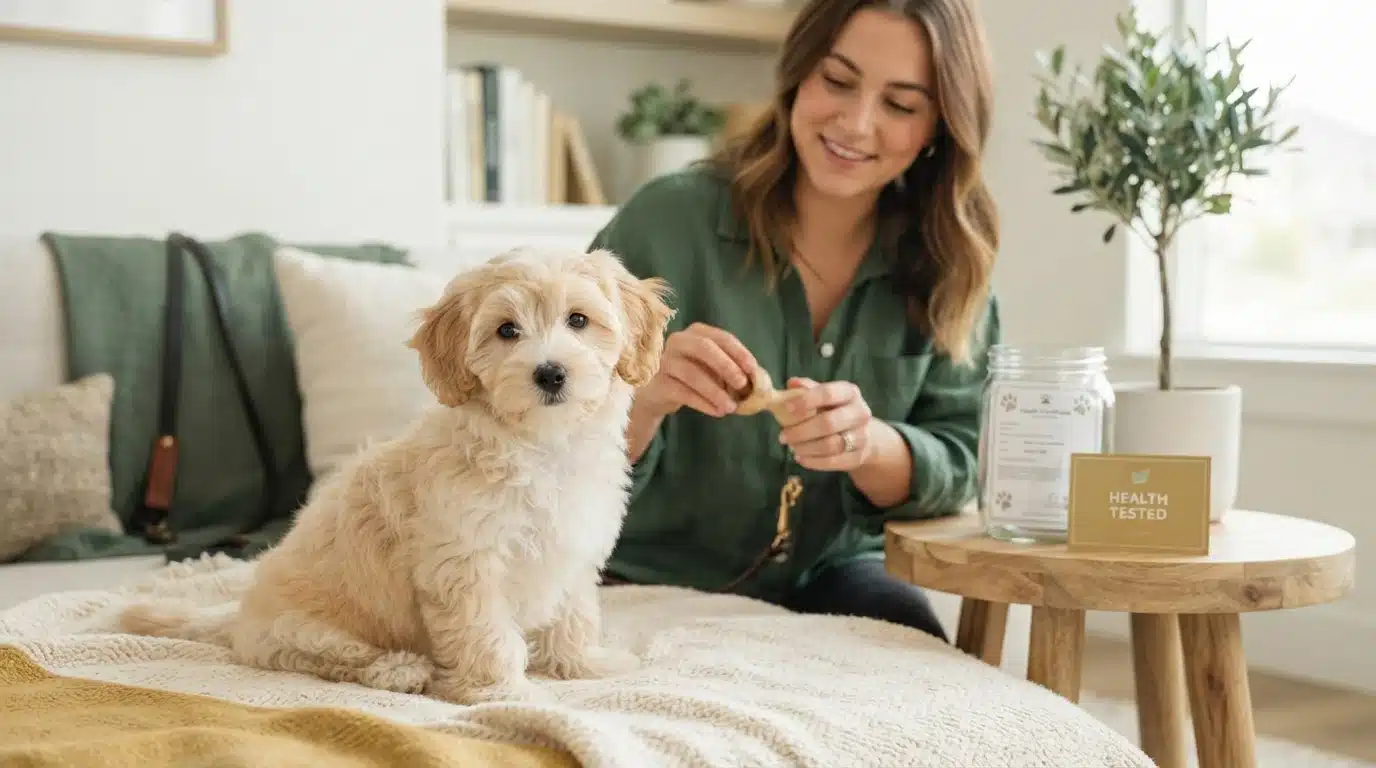
Real health testing means documented, breed-relevant screening on the parents, not a quick puppy exam. A breeder should show what was tested, when it was done, and who recorded the result.
The best place to start is the OFA database. The OFA says the CHIC program tracks breed-specific screening protocols, and dogs earn a CHIC number only after completing the tests their breed club recommends and making those results public, according to the OFA CHIC program.
For small companion breeds, real testing often includes a mix of:
- Patella checks
- Eye exams
- Cardiac screening
- DNA testing for known inherited conditions
- Any breed-specific tests tied to the parent breeds
A breeder should also know that mixed breeds still need testing. OFA notes that health screening still matters even when a dog is not purebred, and buyers can use OFA records to review results and related dogs through the OFA disease screening guide.
| Claim | What it really means |
|---|---|
| Health tested | Ask which tests, on which parent, with what result |
| Vet checked | Usually a basic exam, not genetic or orthopedic screening |
| DNA tested | Helpful, but not enough by itself |
| CHIC or OFA listed | Stronger proof because records are public |

Which records you should ask to see
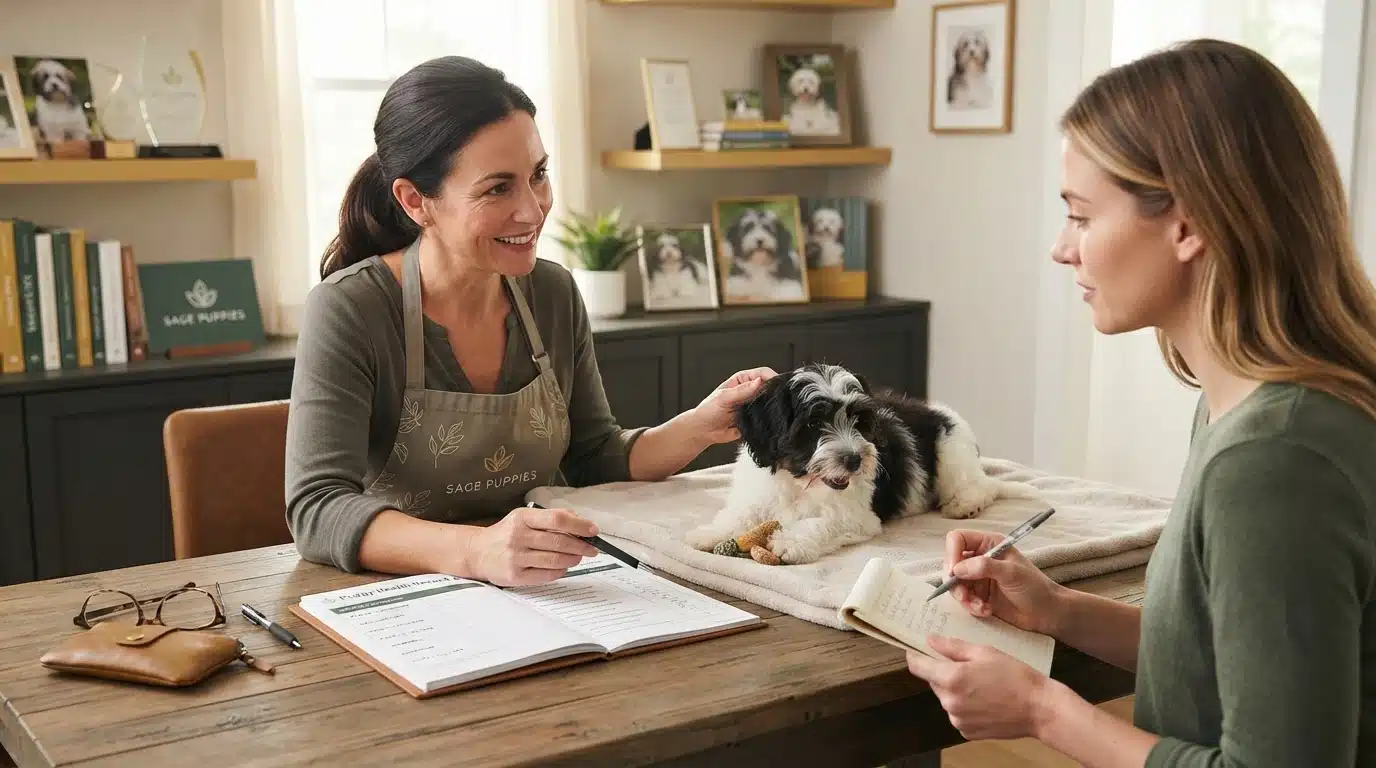
Ask for copies before you place a deposit. A good breeder will not act annoyed by this.
Request:
- Parent names and registration details
- OFA or other registry numbers
- DNA test reports for each parent
- Eye and cardiac exam records, if those apply
- Patella or hip results, if those apply
- Dates for every test
- Pedigree or parent links if records are searchable online
Use this checklist when you review them:
- The records match the actual sire and dam
- The dog names are consistent across every report
- The testing is recent enough to matter
- The tests fit the breed or mix
- The breeder can explain any carrier result calmly and clearly
If a breeder says, “We can send records after your deposit,” slow down. You should see proof first.
How to read vague claims carefully
Watch for soft wording. It often hides missing steps.
Be careful with phrases like:
- Parents are cleared
- Genetically sound
- From healthy lines
- No issues in our program
- Vet approved
Those claims may be true, but they are not proof. Ask one direct question: “Which exact tests were done on each parent, and can I see the results?”
A trustworthy breeder answers with records, not speeches.
Good breeders welcome careful buyers. Clear paperwork is a trust signal, not a burden.
If you are comparing programs, give extra weight to breeders who share parent testing early and explain it in plain English, the way a transparent boutique program like Sage Puppies should.
Also Read: Puppies for Sale Near Me: How to Spot Healthy Litters
2. Check the Breeder’s Home-Raised Care and Socialization
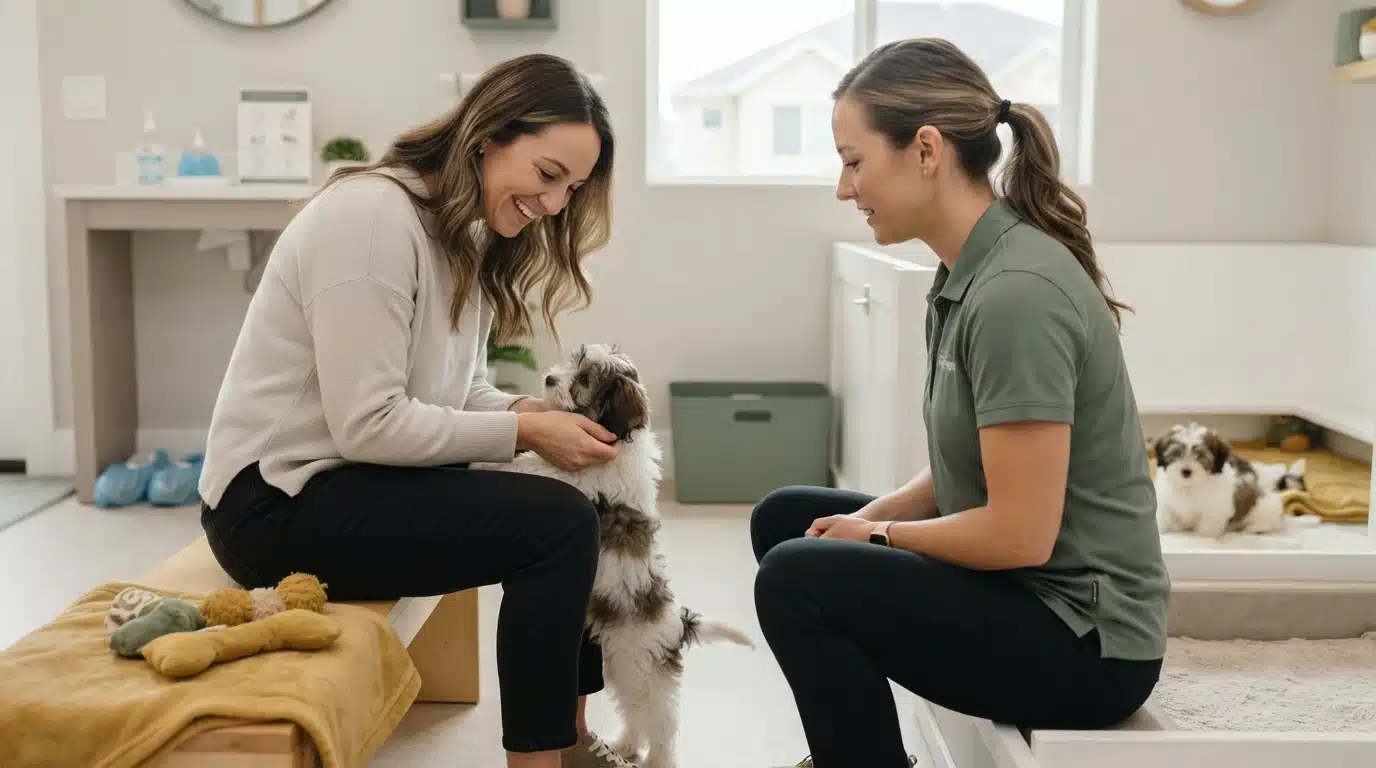
Ask where the puppies actually live. You want clear proof they are being raised in a home, not just photographed there. A good breeder should show you the whelping area, play space, and where the puppies rest, eat, and start potty habits.
Look for:
- Daily handling by adults and gentle, supervised kids
- Time with mom and littermates
- Clean bedding, fresh water, and safe toys
- Exposure to normal home life like dishes, doors, and vacuum noise
- Short videos, not just polished photos
According to the AKC’s breeder socialization guidance, puppies begin a key social period around 3 weeks and should stay with their mother and siblings while getting short, positive human interaction.
| What to check | Good sign | Red flag |
|---|---|---|
| Living area | Clean, bright, used daily | Bare, hidden, outdoor-only setup |
| Human contact | Handled often by family | “They’re shy at first” with no details |
| Mom access | Mom is calm and present | Mom is never shown |
| Updates | Unedited videos over time | Only glamour shots |
Once you know the puppies are home-raised, ask what the breeder is doing on purpose to build confidence.
Early socialization should sound specific, not vague. “We love on them a lot” is not enough. Good breeders can explain the routine in simple steps.
Ask if the puppies are getting:
- Different surfaces like tile, grass, rugs, and crate mats
- Calm sound exposure
- Gentle grooming, nail, mouth, and paw handling
- Short solo time away from littermates
- Early crate and car ride practice
The AKC notes that the 6 to 8 week period is critical for meeting people and experiencing new sights, sounds, and objects before fear responses increase.
A strong answer sounds like a routine. A weak answer sounds like a slogan.
If you are buying from a distance, ask for a live video call. Have the breeder show:
- The puppy moving freely
- Response to being picked up
- Reaction to normal sound
- Interaction with littermates
- The full room, not one corner
Also ask who handles the puppy before delivery, how travel is prepared, and what transition notes you will get. Sage Puppies, for example, should be able to explain both home-raised care and how that work carries through local pickup or nationwide delivery.
Also Read: 10 Questions to Ask Before Buying a Puppy Locally
3. Compare Temperament Fit Before You Reserve
Before you reserve, check whether the puppy fits your home, not just your wish list. This is where many first-time buyers rush. If you want the full buyer process, go back to the parent guide, Health-Tested Puppies for Sale Near Me: Buyer Checklist.
Ask how the breeder matches puppies to families
A good breeder should explain how they place puppies, not just ask who pays first. Ask what they track each week, such as:
- energy level
- startle recovery
- comfort with kids
- confidence in new spaces
- cuddle vs independence
The AVMA socialization guidance says puppies do best with a socialization plan and positive early exposure. That matters because a breeder should already know which puppy is softer, bolder, busier, or more easygoing.
If a breeder promises you can pick only by color at 4 weeks, slow down.
Use this quick check:
| Ask this | Good sign | Red flag |
|---|---|---|
| How do you match? | Notes on behavior over time | “First deposit picks anything” |
| When do you decide? | After traits become clearer | Very early guessing |
| What if we need calm? | Recommends best fit | Pushes any puppy |

Look for calm, confident behavior in parent dogs and puppies
You are not looking for a robot puppy. You are looking for steady nerves.
Watch for:
- loose body language
- curiosity after a new sound
- willingness to approach without panic
- ability to settle after play
The AKC notes that the first three months shape how a puppy responds to the world later, and early socialization helps build a confident, well-adjusted dog according to AKC.
Shyness, panic, or nonstop frantic behavior should not get brushed off as “just puppy stuff.”
Use breed pages to narrow the right match
Breed pages help you filter faster before you compare litters. For example:
- Havanese often suit families who want a cheerful, social companion.
- Cavapoo homes should expect a people-focused dog that may need help learning alone time.
- Havapoo families often want a mix of affection, play, and trainability.
At Sage Puppies, this is where breed pages can save time. Start with your real life:
- quiet home or busy home
- small kids or teens
- home often or gone for work
- want cuddly or more playful
Pick the temperament fit first. Then choose the puppy.
4. Review the Contract, Policies, and Lifetime Support
A good puppy contract should feel clear, not tricky. You should see the puppy’s identity details, price, deposit terms, pickup or delivery terms, and what happens if a vet finds a problem right after go-home. The AKC notes that strong contracts often include the puppy’s registration number, microchip ID, sire and dam information, and return-to-breeder terms in its buyer guide.
Use this quick check before you sign:
| Contract item | What to look for | Red flag |
|---|---|---|
| Puppy details | Breed, birth date, microchip, parents | Missing or vague identity info |
| Health terms | Records, exam window, clear remedy terms | Broad promises with no details |
| Return policy | Breeder will take dog back or help rehome | No lifetime return plan |
| Deposit terms | Refundable or non-refundable stated plainly | Verbal promises only |

Lifetime support matters because first-time families always hit a few bumps. Potty training, feeding changes, sleep routines, travel, and grooming questions come up fast. A breeder who stays available after pickup is showing real accountability. That matters even more if your puppy is shipped or delivered. USDA rules also require certain licensed sellers to keep written veterinary programs and records, which supports better follow-up and care history under federal regulations.
A breeder who disappears after payment is telling you something. Believe it.
Before you place a deposit, confirm these points in writing:
- When is the deposit due, and is it refundable?
- What exact puppy or litter are you reserving?
- What records come home with the puppy?
- Who do you contact after pickup for support?
- What happens if your family cannot keep the dog later?
Read the full contract before sending money. Ethical programs, including boutique breeders like Sage Puppies, should expect careful questions.
Also Read: 10 Adorable Havapoo Colors You Need to See (2026 Guide) – Sage Puppies
5. Confirm Pickup or Delivery Details Early
A good puppy match can still go wrong if the handoff plan is vague. Confirm the date, exact location, who handles transport, what records you receive, and what happens if weather or health delays the trip.
What local buyers in Utah should ask
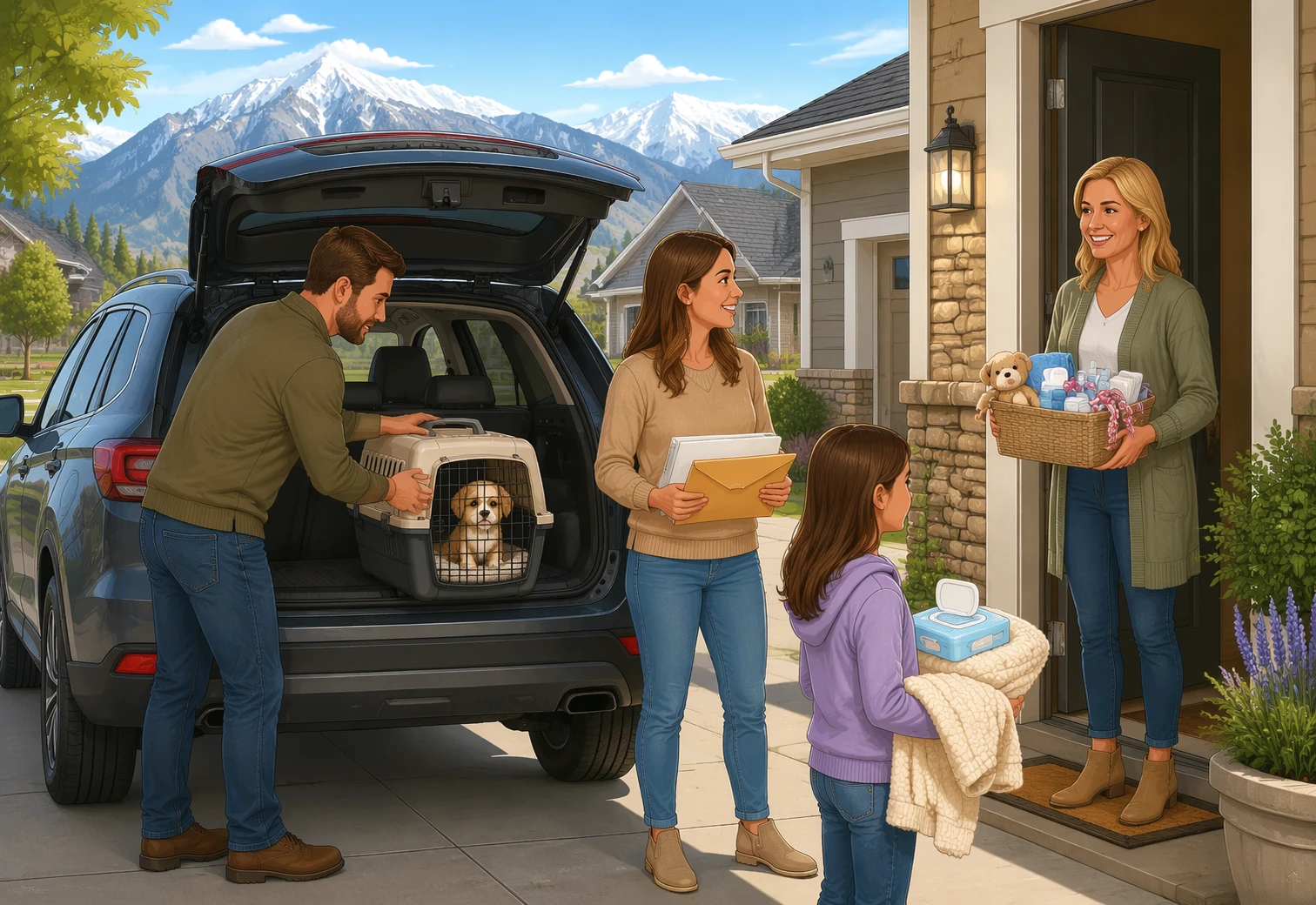
If you are picking up in South Jordan or nearby, ask these questions before you reserve:
- Where does pickup happen – at the home, a meeting spot, or after a vet visit?
- What time window is realistic on pickup day?
- Which records come home with the puppy – vaccine log, microchip details, food guide, and contract copy?
- Who can attend pickup if children want to come?
- What should you bring – carrier, blanket, wipes, and payment balance if needed?
Families working with Sage Puppies should also ask how much time is built in for a calm handoff, not a rushed parking lot exchange.
What nationwide buyers should clarify
Delivery needs more detail. Get the full route and handler plan in writing.
| Question | Why it matters | What to confirm |
|---|---|---|
| Travel method | Safety and stress level | Flight nanny, ground delivery, or in-cabin pickup |
| Documents | Smooth handoff | Health record, microchip info, feeding notes |
| Timing | Avoid missed arrivals | Departure day, arrival window, delay process |
| Backup plan | Fewer surprises | Weather, illness, or airline change steps |
The CDC says dogs entering or returning to the U.S. need a CDC Dog Import Form receipt, and dogs from low-risk countries must also be healthy, microchipped, and at least 6 months old per CDC entry rules. That matters if your puppy’s route involves international travel.
Never accept “we’ll sort it out later” on delivery.
How to prepare for a smooth first day home
Keep day one simple. Your goal is rest, water, potty breaks, and a quiet landing.
- Set up one small safe area before arrival.
- Use the same food the breeder sends for the first few days.
- Plan one direct trip home, with limited stops.
- Offer a potty break right away, then calm crate time.
- Wait a day or two before inviting friends over.
Ask for the puppy’s last meal time, last potty break, and comfort items before pickup or delivery.
Also Read: 10 Signs a California Puppy Listing Is a Scam – Sage Puppies
Common Mistakes to Avoid
Do not accept “health tested” as the whole answer. Ask which tests were done, on which parent, and where the results live. A good breeder should name the screening, explain why it matters, and show records. If they dodge details, slow down.
Do not rush because a puppy is “available now.” Fast availability is not proof of quality or a problem by itself. Pressure is the issue. If delivery is involved, ask extra questions. For dogs entering the U.S., the CDC says they must meet entry rules, including age, health appearance, and paperwork in many cases CDC dog entry requirements.
A puppy is a long commitment. A 24-hour rush decision can create a 15-year mismatch.
Do not skip the written terms. Read the contract before you send a deposit. The AKC notes that solid puppy contracts often cover microchip ID, health records, return terms, and care expectations AKC puppy contract basics. Check these points:
- Deposit and refund rules
- Pickup or delivery details
- Vet check window
- Return policy
- Spay or neuter terms
- What happens if the puppy is not a fit
Ready to move from research to a confident next step? Sage Puppies helps families verify what matters most – health-tested parents, clear breeder communication, home-raised socialization, and flexible local pickup or nationwide delivery. If you want a small-breed companion raised with care, review available puppies and start the application.
Frequently Asked Questions
Q1: health-tested puppies for sale near me
Look past distance first. Ask for parent health testing, vaccine records, vet checks, and clear details on how puppies are raised. A nearby puppy is not automatically the safer choice. Good breeders welcome questions, share paperwork, and explain pickup or delivery clearly.
Q2: What health records should I ask to see before reserving?
Ask for proof of parent testing, the puppy’s vet exam, age-based vaccines, deworming dates, and any microchip paperwork. You should also ask what issues the breeder screens for in that breed and whether they will explain each document in plain English.
Q3: Is local pickup better than delivery?
Not always. Local pickup lets you meet the breeder in person. Delivery can still be a strong option if communication is clear, records are shared early, and the handoff plan is safe. Focus on breeder transparency, not just miles from your home.
Q4: How can I tell if a breeder is hiding something?
Watch for pressure, vague answers, missing records, or shifting stories about parents and health testing. A solid breeder stays consistent. At Sage Puppies, families should expect direct answers, clear next steps, and a process that does not feel rushed.
Q5: What small breed fits first-time families best?
That depends on your home, schedule, and grooming budget. Havanese often suit families wanting an affectionate companion. Havapoos and Cavapoos can also fit well, but energy, coat care, and size range matter more than a cute photo.
Q6: When should I walk away from a puppy listing?
Leave if the seller refuses live updates, avoids health questions, will not show where puppies are raised, or pushes a fast deposit before screening you.
A good match should feel informed and calm, not urgent.
Conclusion
A smart puppy search comes down to proof, fit, and patience. Ask for real health testing on the parent dogs, confirm what those results mean, and make sure the breeder shares records without delay. Cornell notes that responsible breeders test for breed-related conditions, raise puppies in clean home settings, and provide early socialization according to Cornell’s breeder guidance.
For families, the best puppy is not just cute. It matches your home, schedule, kids, and comfort with pickup or delivery. Routine vet care, handwashing, and supervised child-dog contact also matter after bring-home day, as the CDC explains in its dog safety guidance. Use the checklist, slow down, and choose a breeder whose standards stay clear from first message to pickup day.