Quick Summary: Buying a puppy in Delaware requires asking for proof of health testing, detailed records, and transparent raising practices. Focus on verifying breeder honesty through documents, temperament, and clear pickup or delivery plans. Slow down, compare proof, and prioritize long-term fit over speed or charm to ensure a safe, responsible purchase.
If a Delaware breeder tells you a puppy is “ready now,” pause. The first question is not how fast you can send a deposit. It is what proof they can show you before you buy puppies in Delaware. That is where many families get stuck. Listings look polished, promises sound good, and first-time buyers often do not know which claims are real, which papers matter, or what Delaware-specific questions to ask.
This guide fixes that. You will learn how to buy puppies in Delaware with a clear checklist, what health and breeder records to verify, how pickup or delivery details should be explained, and which warning signs deserve a hard no. You will also see how to compare litters without getting rushed by cute photos or vague answers.
We work from the standards serious families care about most: health testing, temperament, family-raised care, and honest process. If you want to buy puppies in Delaware with more confidence, this guide helps you ask better questions before you commit.
What Health Proof Should a Responsible Delaware Breeder Share?
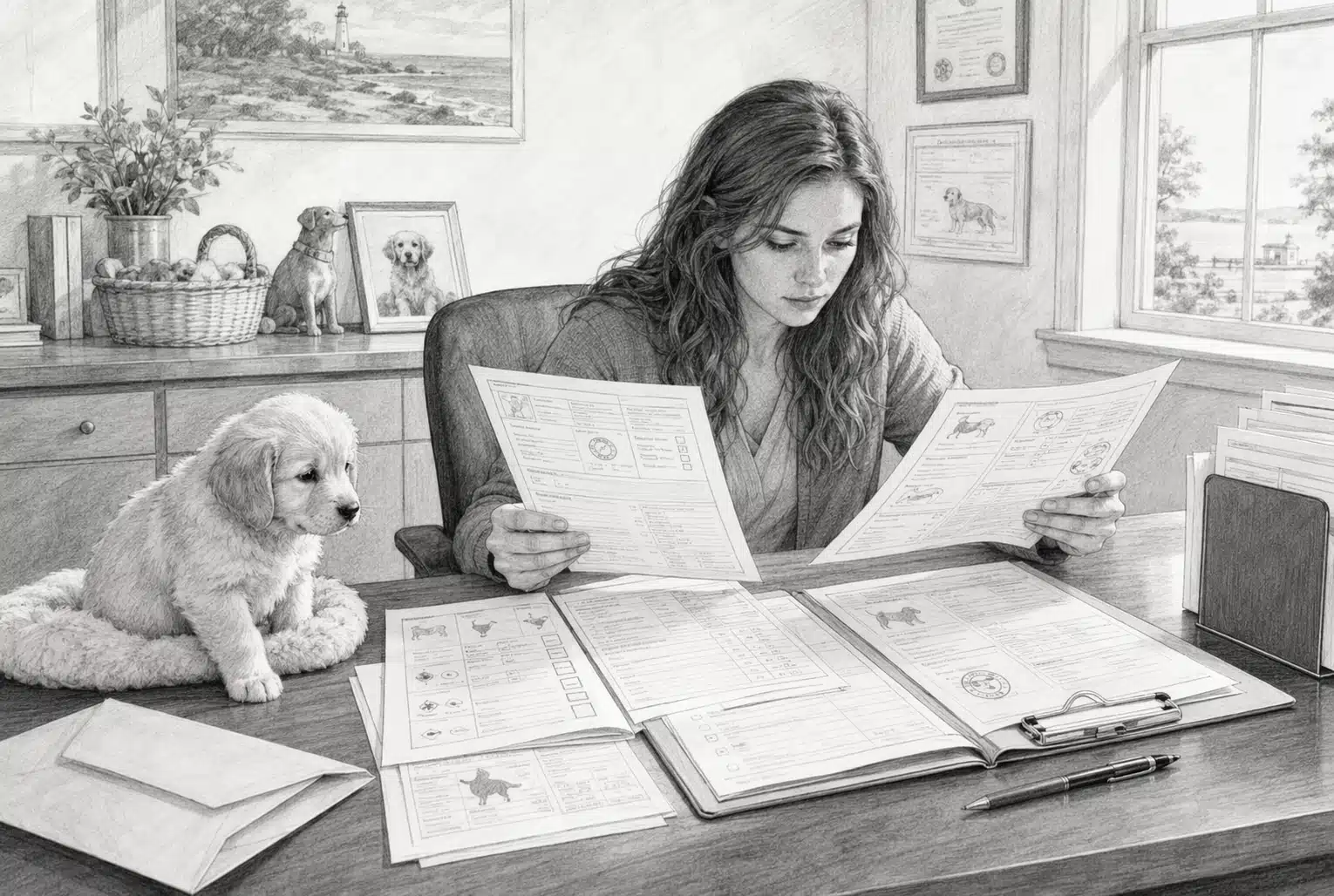
A good breeder should show you documents, not just make kind promises. Start with proof on the parents, then the puppy, then the sale paperwork Delaware expects.
Ask for parent health testing, not just a quick vet check
A recent vet visit is helpful, but it is not the same as breed-relevant health testing on the sire and dam. For small companion breeds, ask what the parents were screened for and request copies of the actual results, not a text screenshot or verbal summary.
Use this simple check:
| Proof to request | Why it matters | What a strong breeder shares |
|---|---|---|
| Parent test results | Helps you gauge inherited risk | Named reports tied to each parent |
| Breeding pair identity | Confirms the records match the puppy | Registered names or clear parent IDs |
| Family health history | Adds context beyond one exam | Honest notes on known issues |
Look for breeders who can clearly explain:
- Which tests were done
- When they were done
- Which parent each result belongs to
- Whether any issue affects breeding decisions
If a breeder says, “Our vet checked them and they’re healthy,” keep asking. A vet check shows current condition. It does not replace inherited health screening.
Confirm the puppy’s own veterinary records are current
You should also get the puppy’s records for care already given. Delaware law says sellers must provide a written record of any inoculations and worming treatments, including dates and the type given, plus any diagnosis, treatment, or medication the puppy received while with the seller, according to the Delaware Code disclosure rules.

Before you place a deposit or finalize pickup, ask for:
- Vaccination dates
- Deworming dates
- The puppy’s exam record
- Notes on any treatment or medication
- The vet clinic name, if provided
Records should match the puppy in front of you. Check name, color, sex, birth date, and any ID used by the breeder.
Use Delaware’s disclosure rules as a buyer baseline
Delaware gives buyers a useful baseline, even if you are also comparing out-of-state programs. At sale, covered sellers must provide written details such as birth date if known, breeder source, breed, sex, color, vaccine and worming record, and veterinary treatment history under Delaware Code § 4002.
That does not mean you should settle for the bare minimum. Use the law as your floor, not your ceiling.
A smart buyer asks:
- Is this disclosure complete?
- Does it match the contract?
- Do the health records support the breeder’s claims?
Sage Puppies families often use this same standard when comparing breeders: clear parent testing, current puppy records, and zero fuzziness around paperwork.
Also Read: 10 Adorable Havapoo Colors You Need to See (2026)
How Are the Puppies Raised Before They Leave Home?
Ask for the daily routine, not just cute photos. Good breeders can explain how puppies sleep, eat, play, rest, and interact with people. Early socialization should start very young. The AVMA says exposure to people and everyday life should begin by or before 3 weeks of age, then continue with the owner after adoption AVMA socialization review.
Learn what a typical day looks like for the litter
Look for a home-raised routine with structure. Puppies should spend time with their mother and littermates, then have short, positive sessions with people, new surfaces, sounds, and gentle handling.
A strong answer usually includes:
- Age-based feeding and rest
- Clean sleeping and potty areas
- Short play sessions, not nonstop stimulation
- Daily handling of paws, ears, mouth, and body
- Safe exposure to normal household sounds
| What to ask | Good sign | Red flag |
|---|---|---|
| Where do they spend the day? | In the home, with regular family activity | Isolated kennel setup only |
| What do they hear and see? | Vacuum, TV, kitchen noise, visitors | “We keep things very quiet” |
| How often are they handled? | Daily, gently, by trusted people | Only for cleaning or photos |
[IMAGE_PLACEHOLDER]
Ask how the breeder builds confidence before go-home day
Confidence comes from small wins. Research found that puppies given gentle, age-appropriate challenge exercises between 3 and 6 weeks were bolder with novelty and recovered faster from sudden noise at 6 to 7 weeks published puppy socialization study.
After you introduce that idea, ask about the breeder’s method.
Good confidence-building examples:
- Walking on tile, rugs, grass, and wobble-safe surfaces
- Brief crate naps and short car rides
- Meeting calm adults and supervised children
- Hearing normal sounds at low, safe levels
- Recovering at their own pace, never being forced
A puppy that has seen a little of life is often easier to settle, train, and travel with.
Look for temperament matching, not impulse placement
The right breeder matches energy, sensitivity, and family pace. They do not place the boldest puppy with every family just because that puppy is flashy.
Ask:
- Which puppy is more people-focused?
- Which one bounces back fastest from new things?
- Which one is calmer for a first-time family?
At Sage Puppies, this kind of matching matters because small companion breeds do best when the fit is right. That is better than first-pick pressure or same-day decisions.
Also Read: 10 Small Breed Puppies That Stay Friendly & Easygoing
What Contract Questions Should You Ask Before Paying a Deposit?
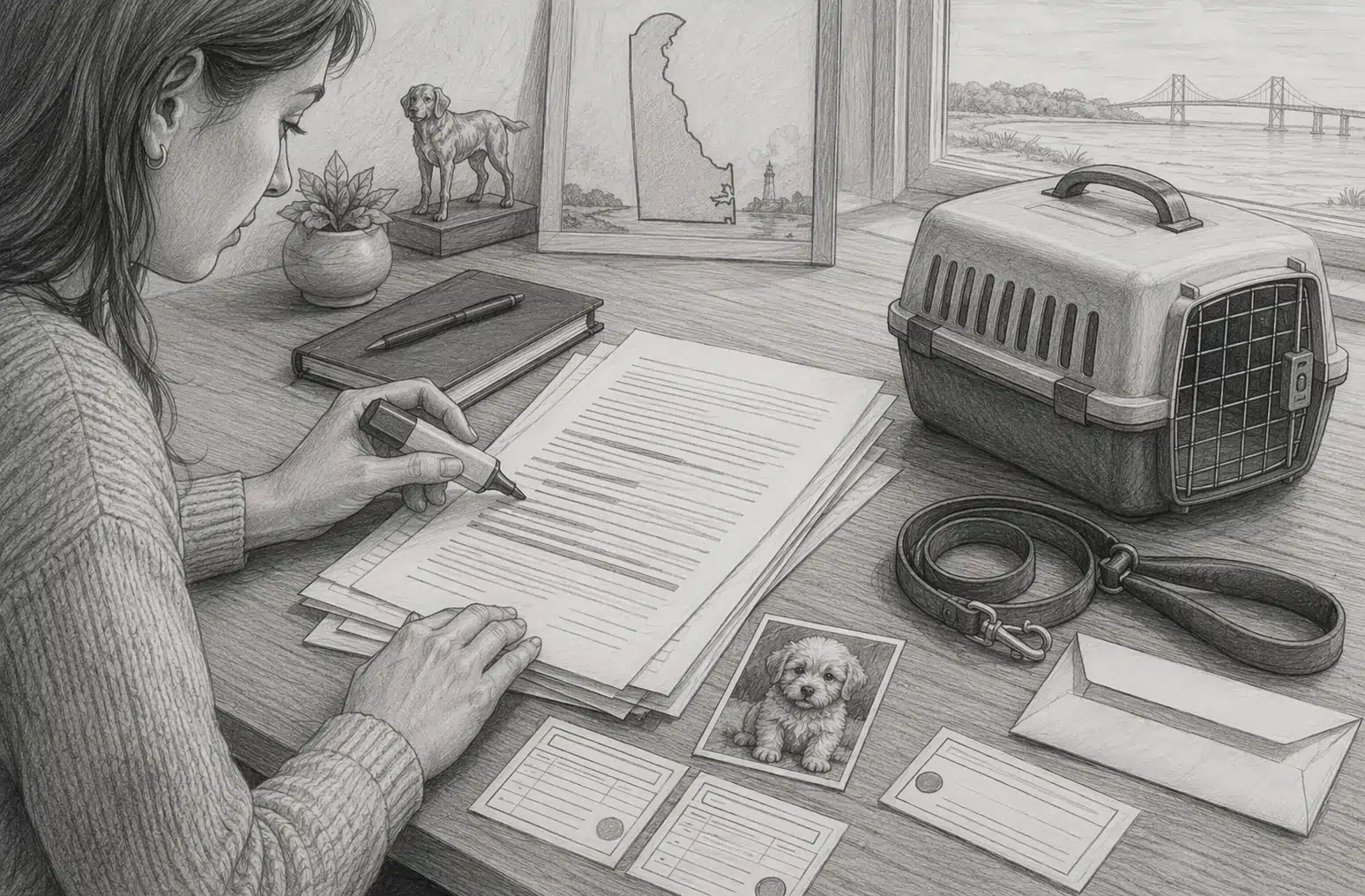
A good puppy contract should answer your biggest risks before money changes hands. If anything feels vague, stop and ask for it in writing. Delaware law says sellers must provide key facts at the time of sale, including the dog’s breed, sex, birth date if known, vaccine and worming records, and breeder or source details under Delaware Code Title 6, Chapter 40.
Verify the puppy identity and purchase terms line by line
Start with the basics. Make sure the contract matches the exact puppy you chose, not just the litter.
Ask these questions before you send a deposit:
- What is the puppy’s identifying information?
- Is the deposit refundable, transferable, or neither?
- What happens if the breeder keeps the puppy longer?
- What is included in the total price?
- Are delivery, pickup, and travel costs separate?
Use this quick check:
| Contract item | What to confirm | Why it matters |
|---|---|---|
| Puppy identity | Sex, color, birth date, markings | Prevents bait-and-switch problems |
| Price terms | Total price, deposit amount, balance due | Avoids surprise fees |
| Registration status | Pet home or full rights | Sets clear expectations |
| Timeline | Go-home date, pickup window, delay terms | Protects your schedule and deposit |
If a breeder will not tie your deposit to one named puppy or one clearly defined litter, slow down.
Understand what a health guarantee really covers
“Health guarantee” can sound stronger than it is. Read the limits, deadlines, and what proof you need.
Ask:
- Does the guarantee cover illness found right after pickup?
- Does it cover congenital or hereditary issues later on?
- Do you need a vet exam within a set number of days?
- Will the breeder reimburse vet costs, replace the puppy, or only offer credit?
In Delaware, Chapter 40 lays out buyer remedies for certain illnesses found soon after purchase and for some hereditary or congenital conditions within a longer window under the state pet warranties law. Your contract should not make those rights harder to use.
A short guarantee is not always a bad sign. A vague guarantee is.
Ask how returns, replacements, and support are handled
This is where stress shows up fast. Get the answer before you pay.
Ask the breeder to spell out:
- Who decides if the puppy qualifies for return or replacement
- Whether you can keep the puppy and receive partial reimbursement
- How fast you must notify them
- What support they offer after pickup
BBB says many puppy scam reports start online and often involve repeated payment requests after the first deposit, so firm written terms matter when buying a puppy online.
A careful program, including Sage Puppies, should be willing to explain contract terms calmly, answer follow-up questions, and point you back to the main buyer guide, Puppies for Sale in Delaware: Buyer Questions That Matter, before you commit.
What Delivery, Pickup, and Timing Questions Prevent Surprises?
Ask these questions before you place a deposit. They save stress later.
Ask where and how the handoff happens
Get exact details on the handoff location, who meets you, and what comes with the puppy that day. If delivery is used, ask whether the puppy stays with the breeder, a family courier, or a third-party carrier. The USDA says hired businesses that take custody of regulated animals in commerce must follow transport rules under the Animal Welfare Act, so this is not a small detail according to APHIS.
Use this quick check:
| Question | Good answer | Red flag |
|---|---|---|
| Where is pickup? | Specific home, airport, or agreed meeting point | “We will text you later” |
| Who handles transport? | Named person or licensed service | Vague middleman |
| What comes home with puppy? | Records, food, care notes | “We send that later” |
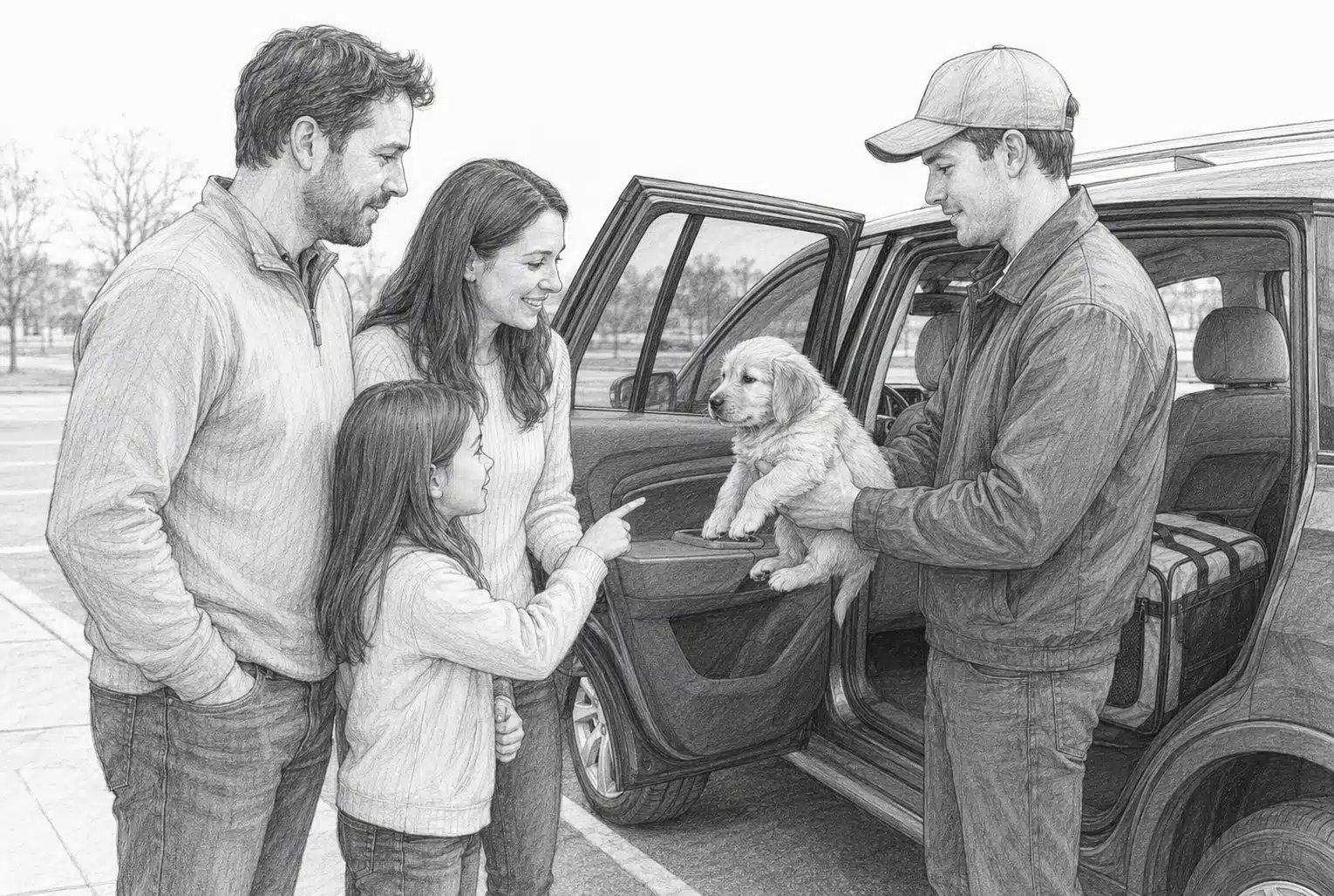
If the breeder cannot explain the handoff step by step, expect confusion on delivery day.
Confirm readiness, schedule, and travel fit
Ask if the puppy is old enough, fully weaned, and ready for travel. USDA guidance says dogs and cats must be at least 8 weeks old and weaned before commercial transport under this APHIS transport age note.
Also confirm:
- The earliest go-home date
- Backup plans for weather or flight delays
- Feeding, potty, and rest timing before travel
- Whether your home schedule fits the pickup window
A careful breeder will slow down the timeline if the puppy is not ready.
Use logistics as a trust signal
Good logistics usually mean good care. Look for clear answers on:
- pickup or delivery fees
- expected travel time
- same-day communication
- what happens if plans change
Families buying from Sage Puppies should expect a clear process for local pickup or nationwide delivery, not guesswork.
Also Read: 10 Questions to Ask Before Buying a Puppy Locally
How Do You Tell a Confident Answer from a Risky One?
A good breeder sounds clear, calm, and consistent. A risky seller sounds vague, annoyed, or too smooth.
Listen for specifics, dates, and documents
Ask simple questions, then listen for exact answers. In Delaware, sellers covered by the pet warranty law must give buyers written details such as birth date if known, breeder source, vaccine and worming records, and any vet treatment at the time of sale under Delaware Code § 4002. A confident answer names the date, vet, test, and document.
Good signs include:
- “Her wellness exam was on May 12.”
- “Here is the vaccine record and fecal result.”
- “These are the parents’ health test copies.”
Risk signs include:
- “Everything is up to date.”
- “My vet handles that.”
- “I can send papers later.”
If the answer does not come with paperwork, treat it as unproven.
Watch for pressure, rushing, or missing paperwork
Risk often shows up in the seller’s pace. If someone pushes for a deposit before showing records, slow down. USDA-licensed dealers must keep medical and acquisition records, and written vet care plans are part of that system under USDA APHIS requirements.
Watch for these red flags:
- “This puppy will be gone in an hour.”
- Refusing a video call or live puppy view
- No signed contract yet
- No clear pickup or delivery steps
- Excuses for missing parent info
A steady breeder welcomes careful questions. That is usually what serious families want, and what programs like Sage Puppies try to make easy.
Use a simple side-by-side comparison method
Do not compare breeders by feeling alone. Use a short checklist.
| Question | Confident answer | Risky answer |
|---|---|---|
| Health records | Shared now | Shared later |
| Parent testing | Specific proof | Verbal claim only |
| Timeline | Clear dates | Vague timing |
| Contract | Sent before deposit | Sent after payment |
Use this 3-step method:
- Ask the same five questions to each breeder.
- Save screenshots, records, and dates.
- Pick the one with the most proof, not the best pitch.
Also Read: Puppy Health Guarantees: What Good Breeders Include
What Is the Smart Next Step After You Narrow the List?
Review the breeder’s application and available puppies. A good application should ask about your home, schedule, kids, other pets, and breed fit. That shows care, not friction. Compare that with the puppy listings. In Delaware sales, sellers must provide key written details at sale, including breed, birth date if known, vaccines, worming, and vet treatment history under Delaware pet warranty law.
Request pricing and reservation details in writing. Ask for the full puppy price, deposit amount, what the reservation holds, when payments are due, and what happens if the match changes. Keep it simple. If terms feel vague on the phone, pause. Clear written terms usually point to a more organized breeder.
If you are buying from outside the U.S. or arranging an imported puppy, check current USDA APHIS dog import rules before you send money.
Stay focused on fit, not speed. The right puppy should match your home, energy level, and comfort with grooming and training. Sage Puppies families often do best when they slow down, ask one more question, and choose for long-term fit.

If you want a Delaware puppy search to feel clear, not risky, start with a breeder that welcomes real questions. Sage Puppies helps families compare proof, not promises, with health-tested parents, home-raised Havanese, Havapoo, and Cavapoo puppies, plus clear pickup or delivery steps. View available puppies, review pricing, and submit an application when you are ready.
Frequently Asked Questions
Q1: best Delaware puppy breeders
The best Delaware puppy breeders show proof, not promises. Ask for parent health testing, puppy vet records, home-raising details, socialization steps, and clear pickup or delivery terms. A good breeder answers calmly, welcomes questions, and never rushes your deposit.
Q2: What should I ask before reserving a puppy?
Start with health testing, vaccine timing, temperament notes, and who raises the litter day to day. Ask what support you get after pickup, how deposits work, and what happens if the puppy is not the right fit.
Q3: Is delivery to Delaware safe for small breeds?
It can be, if the breeder explains the process clearly. Ask who handles transport, how long travel takes, what care happens during the trip, and when local pickup may be the better choice for your puppy.
Q4: How can I spot red flags fast?
Watch for vague answers, no parent info, pressure to pay immediately, and stock photos only. If the breeder avoids live updates, health records, or direct conversation, step back.
Q5: Are out-of-state breeders a good option?
Yes, if they stay transparent. Families in Delaware often choose trusted programs like Sage Puppies when they want clear communication, family-raised small breeds, and organized delivery or pickup details.
Conclusion
Buying a puppy in Delaware gets safer when you slow down and verify everything. Ask for health records, parent testing, temperament details, pickup or delivery terms, and the exact paper trail tied to your puppy. Delaware law also requires sellers covered by the state pet warranty rules to give key written details at sale, including birth date, breeder source, vaccine and worming records, and known vet treatment, according to Delaware Code Section 4002. After you bring your puppy home, remember Delaware requires dog licensing for dogs age six months and older, with proof of rabies vaccination, per the Delaware Office of Animal Welfare. The big takeaway is simple:
- Trust proof, not promises
- Compare breeders on records, not charm
- Choose a puppy whose care history is clear and complete