Two Kentucky families can search for Kentucky puppy breeders, find polished websites, and get very different answers about parent health records, daily puppy care, and the written agreement. That gap matters. A cute photo cannot show whether a puppy had thoughtful early care or whether the breeder stands behind clear records.
This guide helps you compare Kentucky puppy breeders with questions you can verify. You will learn what to request, what to watch during a visit or video call, and how to check pickup or delivery details before sending a deposit.
Healthy puppy choices start with proof, not promises. Families comparing Kentucky puppy breeders should look for open communication, health-tested parents, family-raised routines, and paperwork that explains each side’s responsibilities.
Start With Proof of Parent Health Testing
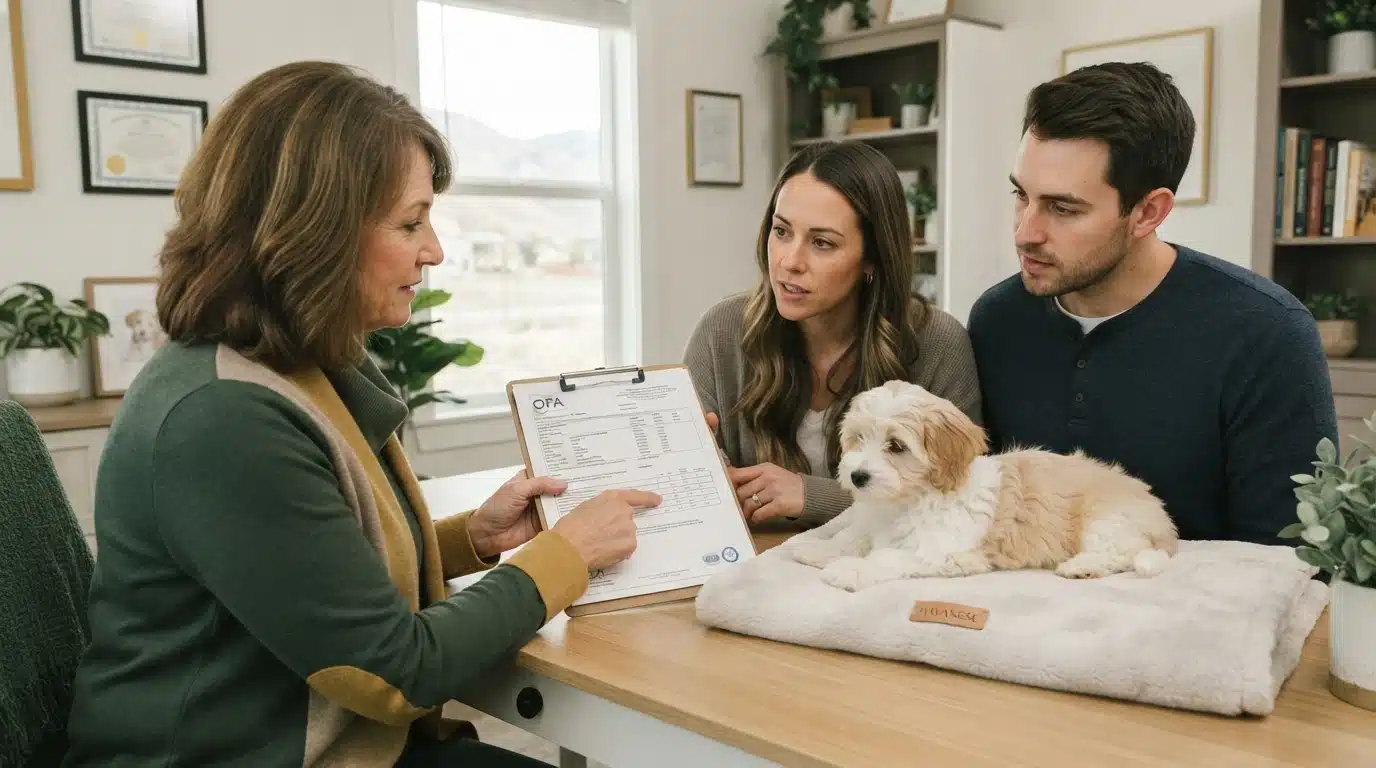
A breeder saying parents are “health tested” is not enough. Ask to see results for both parents before you place a deposit. Testing lowers risk, but it cannot promise a puppy will never have a health issue.
Ask for the Actual Results, Not a Summary
Request the parent dogs’ registered names, test dates, lab or registry, and full result pages. Then make sure each record matches the dog shown to you.
The OFA database lets buyers check many health records by dog name. A clear photo of a certificate is helpful, but a searchable record gives you another way to verify it.
Ask these direct questions:
- Which tests did the sire and dam complete?
- What were the exact results?
- Were the dogs permanently identified by microchip?
- Can I view the reports before reserving?
A breeder who shares records calmly is showing you how they make breeding choices, not just trying to close a sale.

Compare Breed-Relevant Testing Across Havanese, Havapoo, and Cavapoo Programs
Do not expect one identical panel for every small companion dog. A Havanese, Havapoo, and Cavapoo program should consider concerns from each parent breed, then explain why each test matters.
| Program | Evidence to ask for | What to verify |
|---|---|---|
| Havanese | Eye, patella, hearing, and relevant DNA results | Both parent names and current reports |
| Havapoo | Havanese and Poodle parent testing | The panel covers both sides of the cross |
| Cavapoo | Cavalier and Poodle parent testing | Heart, eye, patella, and relevant DNA records |
Patella records matter for small dogs because kneecap luxation may be inherited, according to the OFA’s patellar guidance. Ask whether results are final or preliminary, and whether a specialist performed any eye or heart exam.
Use a Simple Evidence Rating
Rate each breeder before comparing price or delivery options:
- Strong: Named parents, full reports, dates, IDs, and easy verification.
- Partial: Some records shared, but gaps remain.
- Weak: General claims, screenshots without names, or no records before payment.
Choose proof over polished promises. Sage Puppies welcomes families who want clear parent-health records and thoughtful answers.
Also Read: Puppy Health Guarantees: What Good Breeders Include
Evaluate How the Puppies Are Raised
Ask Where the Litter Lives Every Day
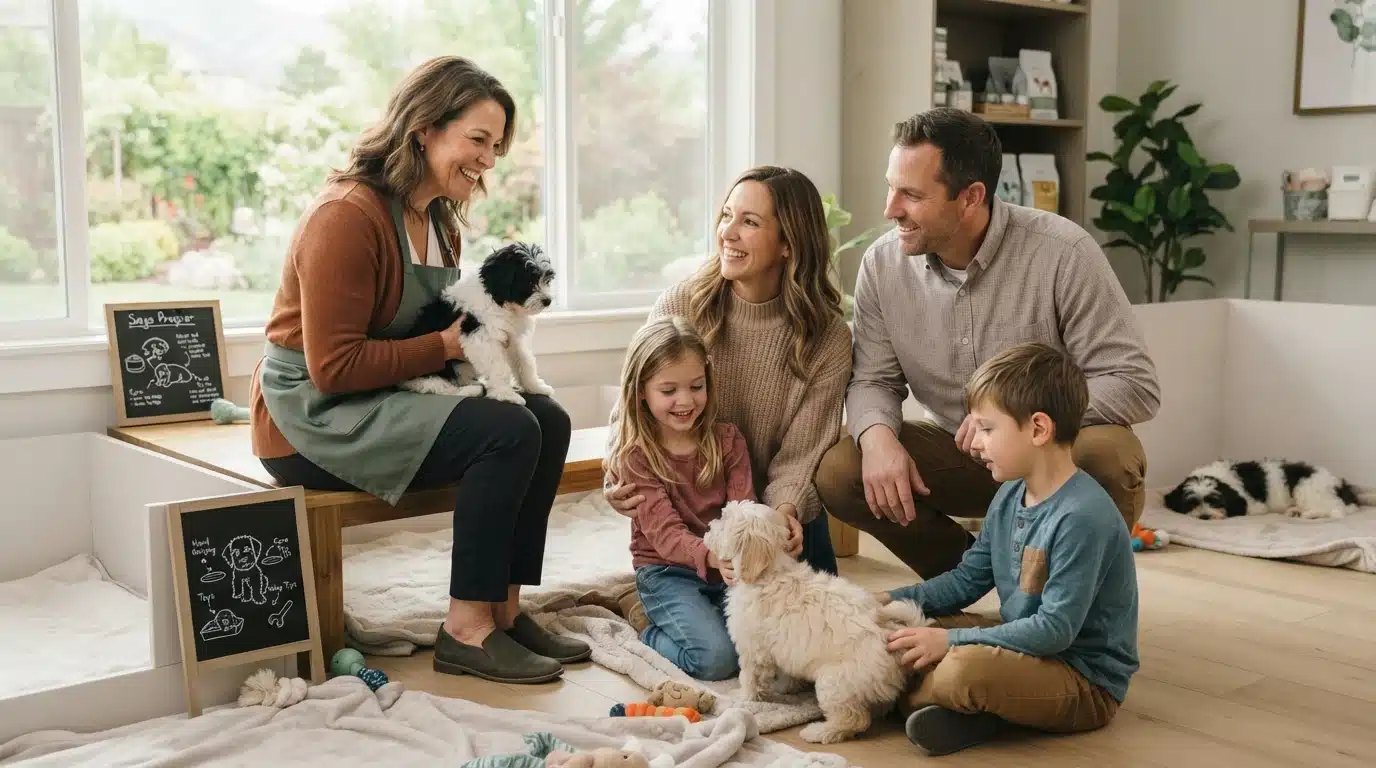
Ask to see where the litter spends its normal day, either in person or on a live video call. A clean photo of a puppy is not enough.
Look for a calm, bright space with room to sleep, play, eat, and move away from the potty area. Puppies should hear normal home sounds and have gentle contact with people.
Ask these direct questions:
- Do the puppies live in the home or a separate kennel?
- Who handles them each day?
- Can you meet or see the mother with her litter?
- How do you keep their space clean and warm?
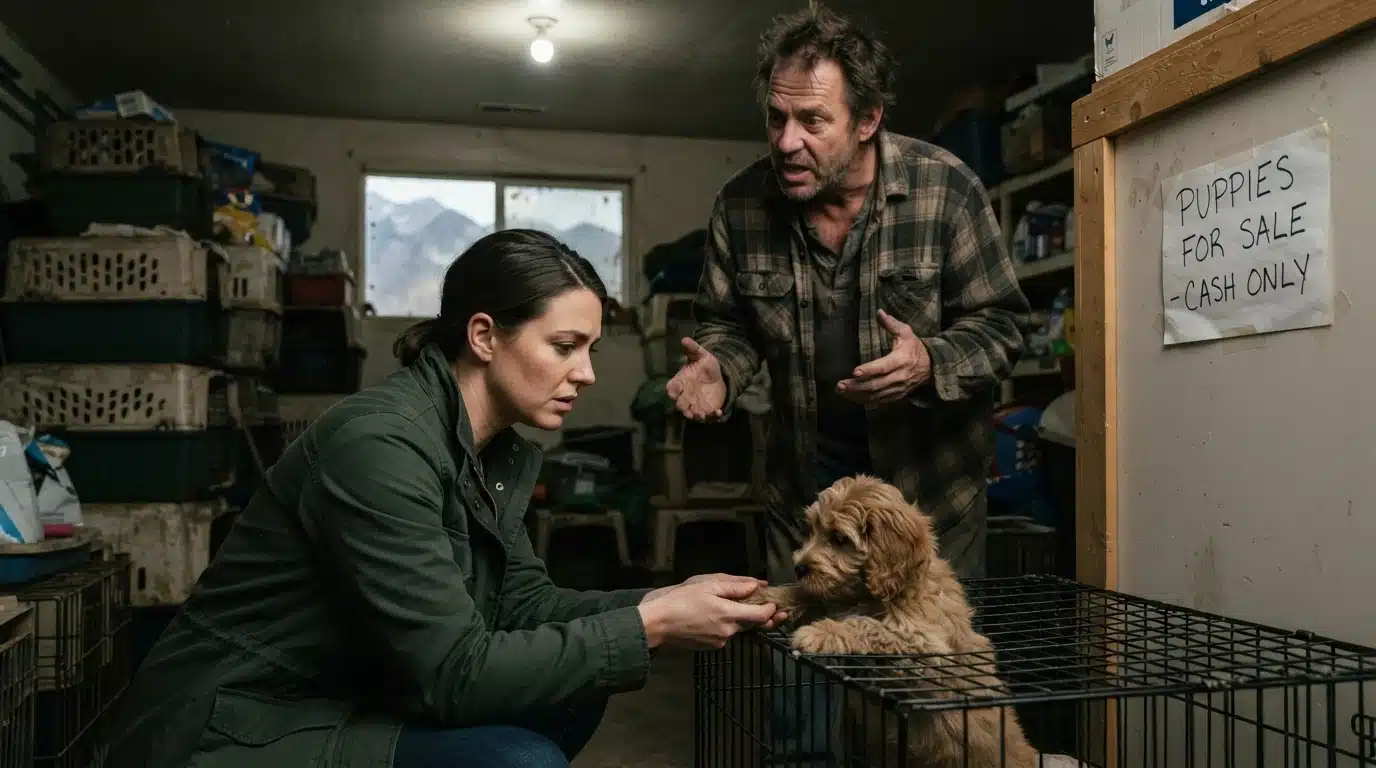
A breeder who cannot clearly show the puppies’ everyday setting should give you pause.
| Good sign | Concern |
|---|---|
| Clean, active, relaxed puppies | Dirty bedding or strong odor |
| Clear answers and live updates | Vague claims or old photos |
| Mother appears comfortable | Mother is never shown |

Look for Planned Socialization, Not Just Frequent Handling
“Handled daily” is a start, but it does not explain what the puppies learn. Ask for a simple age-based plan. The AVMA review of puppy socialization notes that positive early exposure should begin by or before three weeks and continue after your puppy comes home.
A thoughtful plan may include:
- Calm handling by different adults.
- Safe household sounds, such as a vacuum at low volume.
- Gentle grooming, nail touches, and crate time.
- New safe surfaces, toys, and short car rides.
The key is positive, gradual exposure. Puppies should be allowed to step back, then try again. Flooding a nervous puppy with noise or visitors is not socialization.
Ask what happens when a puppy seems unsure. A good answer includes patience, space, and rewards.
Compare the Mother’s Health and Temperament
The mother helps shape a puppy’s first weeks. Watch her body language if you can. She should appear clean, alert, and at ease around her caregiver. A brief break from her litter is normal.
Ask about her health records, daily life, and temperament. You want specific answers, not “she is sweet.”
- How does she respond to visitors?
- Does she enjoy normal family activity?
- What health testing was completed before breeding?
At Sage Puppies, families can ask these same clear questions about the parent dogs and early home care.
Also Read: Puppies for Sale in Kentucky: A Complete Buyer’s Guide
Compare Temperament Matching and Family Communication
Expect the Breeder to Ask You Questions Too
A thoughtful breeder should interview you, not simply take a deposit. Expect questions about your work hours, children, other pets, activity level, grooming plans, and who will handle daily care.
This is not a hurdle. It helps protect both your family and the puppy. The American Kennel Club notes that responsible breeders screen for a fit between a puppy’s needs and a family’s lifestyle.
Bring honest answers to the conversation:
- How long will the puppy be alone?
- Do you want a calm lap companion or a playful buddy?
- Have you planned for training and coat care?
- Are young children able to interact gently?
A breeder who asks no questions may be focused on a quick sale, not a lasting match.
Ask How Puppy Matching Decisions Are Made
Do not assume the first available puppy is the right one. Ask the breeder how they watch each puppy over time and what traits guide their recommendation.
A clear answer should cover:
- Daily observations of play style, confidence, and recovery after new experiences.
- Your family’s routine, home setting, and dog experience.
- Whether temperament can take priority over color, sex, or pick order.

A breeder may revise an early suggestion as puppies grow. That is a good sign. Temperament matching works best when the breeder knows each puppy and listens closely to your needs.
| Ask this | Reassuring answer |
|---|---|
| Who selects the puppy? | We recommend based on each puppy and your home. |
| Can preferences change? | Yes, if a better fit becomes clear. |
| What do you observe? | Energy, confidence, handling, play, and settling. |
Notice the Quality of the Conversation
Good communication feels calm, specific, and two-way. The breeder answers direct questions without vague promises, explains limits honestly, and welcomes follow-up questions.
Sage Puppies uses a family-first approach for Havanese, Havapoo, and Cavapoo homes, including local pickup in South Jordan or nationwide planning.
Choose the breeder who helps you make the right decision, even if that means waiting for the right puppy.
Also Read: Reputable Puppy Breeder Near Me: 9 Signs to Trust
Read the Contract, Health Terms, and Lifetime Support Policy
Review the Health Language Before You Reserve
Ask for the full contract before sending a reservation fee. Read the health section line by line. It should name the puppy, list parent health testing, explain the new-owner vet check, and state what happens if a covered issue appears.
| Check | What to confirm |
|---|---|
| Coverage | Conditions and time limits are named |
| Next step | Refund, replacement, or other remedy is clear |
| Your duties | Vet visit, records, and notice deadlines are realistic |
AKC contract guidance notes that health terms often include a prompt vet exam and records provided at pickup.
A health guarantee is not proof that a puppy will never get sick. Clear terms show how the breeder responds.

Look for a Clear Return or Rehoming Commitment
Life can change fast. A strong contract says to contact the breeder first if you cannot keep your dog. It should explain whether the breeder takes the dog back, helps screen a new home, or requires written approval before transfer.
Ask these questions:
- Who pays for travel if rehoming is needed?
- Can you give the dog to a relative without notice?
- Does the breeder remain available as the dog ages?
A return-to-breeder clause helps keep a dog out of unsafe resale or shelter situations, as AKC explains.
Compare What Comes Home With the Puppy
Do not rely on a verbal promise. Get a written list of take-home records and support.
- Vaccination and deworming history
- Vet or wellness paperwork, if provided
- Feeding routine and transition guidance
- Microchip details, if applicable
- Contact method for future questions
| Item | Why it matters |
|---|---|
| Health records | Helps your vet plan next care |
| Care guide | Makes the first week smoother |
| Ongoing contact | Gives first-time owners a trusted starting point |
Plan the Kentucky Pickup or Delivery Experience
Ask for the Complete Pickup or Delivery Plan
Get the plan in writing before you send a final payment. Ask for the pickup address, date window, contact person, travel method, handoff point, and every document you will receive.
For delivery into Kentucky, confirm who handles each part:
- The breeder’s travel coordinator
- The carrier or flight plan
- Your pickup timing and ID needs
- The health record and feeding details
Kentucky buyers should also check entry rules early. USDA APHIS notes that destination states may require health certificates, vaccines, tests, or treatments.
A clear plan protects your puppy from a rushed handoff and protects your family from surprises.
Prepare for the First Days in Kentucky
Set up one quiet room before your puppy arrives. Bring home the same food first, then change diets slowly if needed.
Keep these basics ready:
- Crate or pen
- Water bowl and measured meals
- Collar, leash, and ID tag
- Enzyme cleaner and puppy-safe chew toys
- A vet visit scheduled soon after arrival
Ask when the puppy last ate, drank, slept, and went potty. Those details make the first night much easier.
Compare Convenience Without Losing Transparency
A delivery option is only convenient if you know what happens at every step.
| Checkpoint | What to confirm |
|---|---|
| Pickup | Exact location, time, and responsible adult |
| Delivery | Travel method, updates, and handoff plan |
| Documents | Health record, contract, and feeding notes |
Sage Puppies helps families compare local pickup with nationwide delivery clearly, not vaguely.
Also Read: 10 Adorable Havapoo Colors You Need to See (2026)
Use a Side-by-Side Kentucky Breeder Scorecard
Score the Six Areas That Matter Most
Compare every Kentucky breeder on one sheet before you send a deposit. Give each area a score from 0 to 2: 0 means no clear proof, 1 means partial proof, and 2 means clear documents and direct answers. Health testing should be specific to the parents and breed, not a vague claim that dogs are “healthy.” AKC guidance on health testing supports asking to see parent results.
| Area | What earns a 2 |
|---|---|
| Parent health | Test results and parent details shared |
| Home care | Clear account of daily care and early social time |
| Puppy records | Vet, vaccine, and deworming records explained |
| Temperament match | Breeder asks about your home and routine |
| Contract and support | Written terms and clear post-home contact |
| Pickup or delivery | Dates, handoff plan, and travel details confirmed |
A responsible breeder should also ask you questions. Good matching works both ways.
Separate Missing Information From Genuine Red Flags
Missing information is not always a deal-breaker. A breeder may need time to locate a record or confirm a pickup date. Write down the question, ask once more, and set a clear deadline.
Red flags are patterns that stay vague or create pressure:
- Health claims with no records
- A request to pay before you can review terms
- No clear answer about where puppies are raised
- A puppy offered before eight weeks old
- Refusal to discuss the mother, care routine, or delivery plan
The AKC breeder checklist also advises buyers to ask about socialization, vaccines, contracts, and when puppies can go home.
Choose the Best Overall Fit, Not the Fastest Puppy
Total the scores, then read your notes. Choose the breeder who is open, organized, and careful about fit. A longer wait can be worth it for clear health records, family-raised care, and a calm handoff plan.
Also Read: 10 Must-Ask Questions Before Buying a Puppy Locally
Common Mistakes to Avoid When Comparing Breeders
Choosing Color, Size, or Availability Before Health Evidence
A perfect coat color or ready-now puppy can cloud good judgment. Ask to see the parents’ breed-relevant health results and learn what they mean. Health testing helps breeders lower the risk of inherited problems, but it cannot promise a lifetime free of illness.
Put health records, temperament, and care ahead of a fast timeline.
Treating a Guarantee or Registration as the Whole Evaluation
A contract and registration papers matter, but neither proves daily care or sound breeding choices. Read the full agreement before reserving. Ask how puppies are raised, socialized, and matched with homes. A responsible breeder should also welcome your questions and ask about your family.
Paying Before You Understand the Process
Before sending money, confirm the reservation terms, total price, pickup or delivery plan, and refund rules. Know when you will receive records and sign the contract. Pressure to pay before clear answers is a reason to pause.
Failing to Plan for the First Veterinary Visit
Book your own veterinary visit soon after arrival. Bring the breeder’s vaccine, deworming, and health records. AKC notes that a prompt exam by your veterinarian is a normal contract expectation.

Choose with proof, not promises. Sage Puppies offers home-raised Havanese, Havapoo, and Cavapoo puppies from health-tested parents, with clear adoption steps, local pickup, and nationwide delivery. Review available puppies, ask your questions, and find the right fit for your family.
Frequently Asked Questions
Q1: How can Kentucky buyers compare breeder practices?
Ask each breeder for parent health records, home-raising details, socialization steps, veterinary paperwork, and pickup or delivery terms. Compare the documents and answers, not promises. A clear process usually signals thoughtful care.
Q2: What health records should come with a puppy?
Request records for vaccinations, deworming, veterinary visits, and parent health testing. Review dates, names, and next due care. Keep copies for your own veterinarian.
Q3: Can I choose a puppy without visiting in person?
Yes. Ask for current photos, live calls, records, and clear delivery details. A responsible breeder should answer direct questions without rushing your decision.
Q4: What should I notice during a puppy visit?
Look for bright eyes, clean bedding, calm handling, and puppies that move well. Ask to see where they live and how they interact with people.
Q5: Is a deposit refundable if plans change?
Read the reservation terms before sending money. Ask what happens if timing, travel, or the selected puppy changes. Get the answer in writing.
Conclusion
Choosing among Kentucky puppies for sale should feel clear, not rushed. Ask for proof of parent health testing, meet or closely view the mother and puppy space, and check how each puppy is raised and matched to a home. Review the contract, vet records, pickup plan, and any delivery details before sending a deposit.
A good breeder will welcome your questions and ask thoughtful questions in return. The AKC’s breeder guidance also stresses documented testing, clean care settings, and careful buyer screening. Focus on facts you can verify, then choose the Havanese, Havapoo, or Cavapoo puppy that fits your family’s daily life.