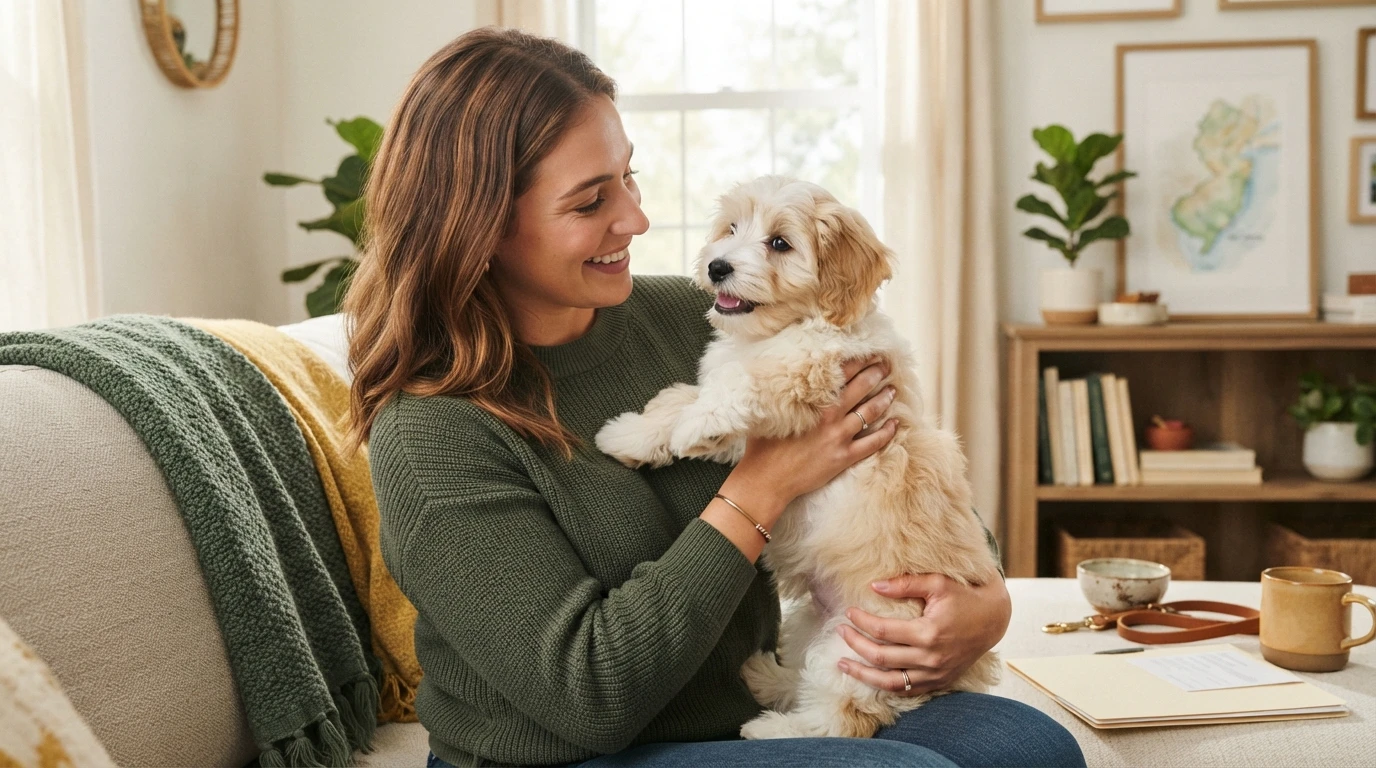
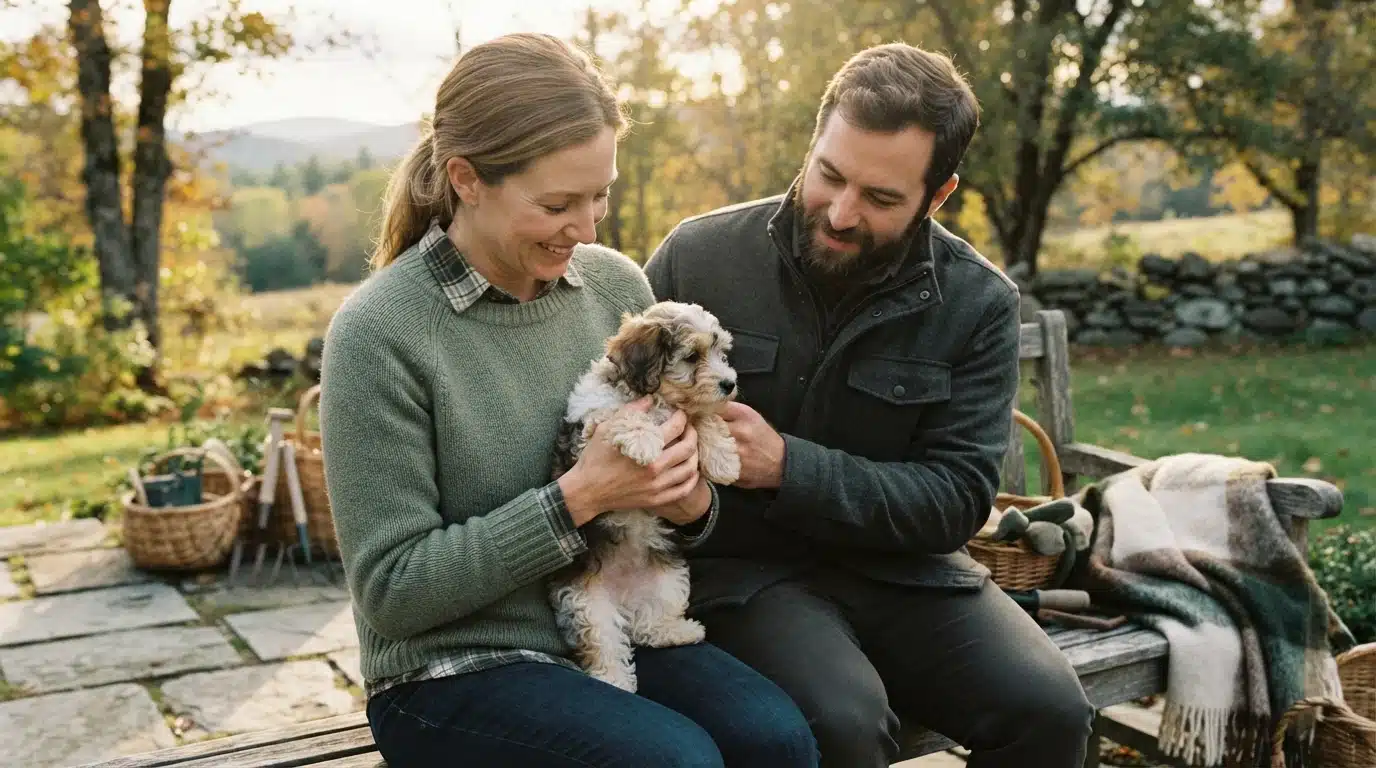
Quick Summary: Choosing a responsible breeder in Kentucky requires verifying health testing, breeder transparency, and proper socialization. Focus on temperament and home fit over looks, and ask detailed questions about health, contracts, and living conditions. Avoid rushed sales, low prices, or vague answers, and plan logistics for pickup or delivery carefully. A thorough, cautious approach helps ensure a healthy, well-adjusted puppy from a trustworthy source.
If you are looking for puppies for sale in Kentucky, the biggest choice is not the cutest photo or the first open litter. It is picking a breeder who raises puppies in a way that supports health, sound temperament, and real help after you bring your puppy home.
That is where many buyers get stuck. Some listings hide poor breeding, weak screening, or little care once the sale is done. Families often do not know how to spot red flags, compare breeders, or ask the right questions before they commit.
This guide fixes that. You will learn how to judge breeder quality, what health and social care matter most, what Kentucky buyers should know before placing a deposit, and how to move forward with confidence.
The advice here is built for serious puppy buyers who want a well-raised companion, not a rushed purchase.
1. Start With the Right Buying Mindset
Choose the puppy that fits your home, not just your wish list
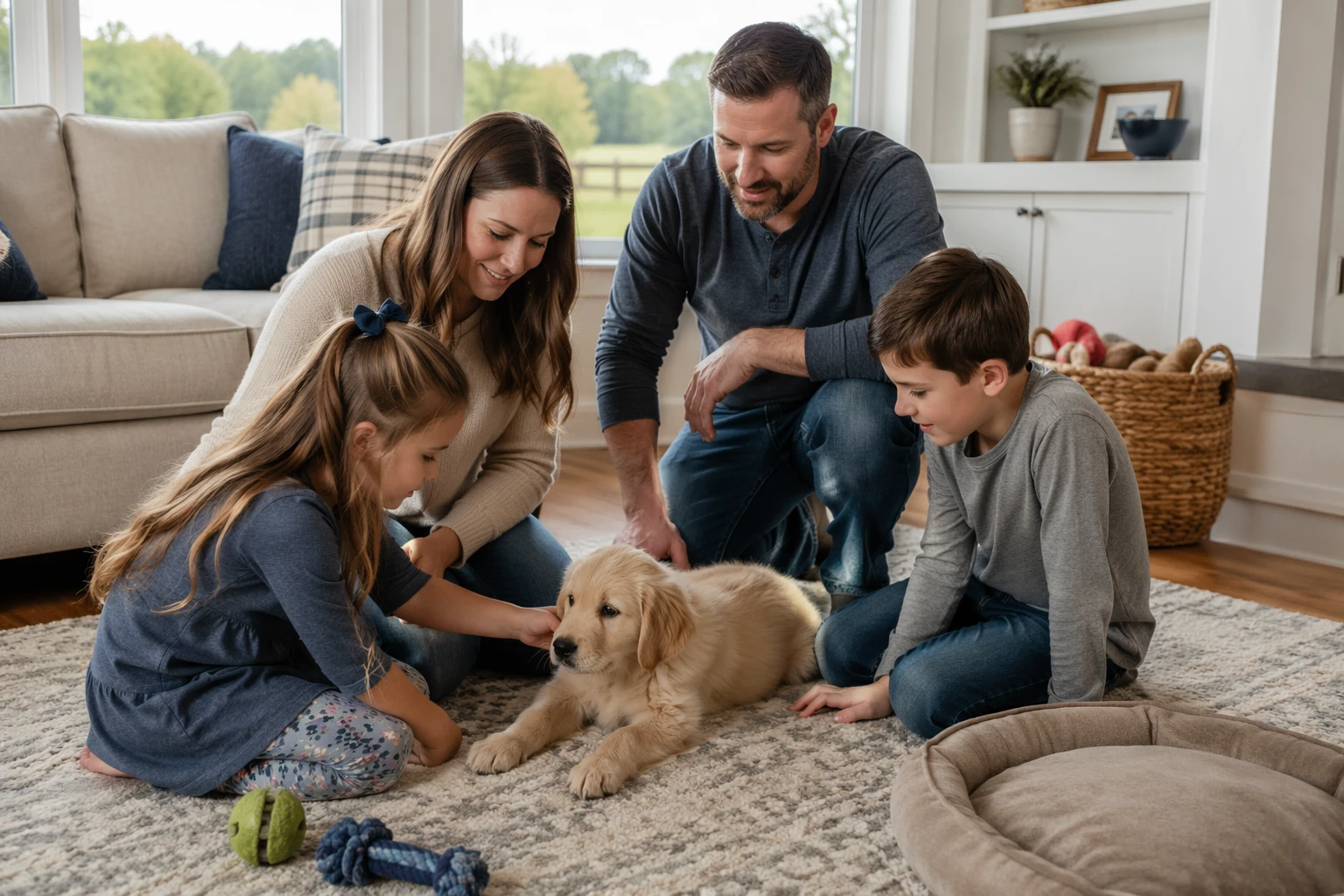
Start with your real life. The right puppy should match your home, schedule, budget, and energy level. A cute face or rare color should never lead the decision.
Ask yourself:
- How many hours will the puppy be alone?
- Do you want a calm lap dog or a busy, playful dog?
- Are your kids young, loud, or still learning dog manners?
- Can you handle grooming, training, and vet costs for years?
A good match feels easier after the first excitement fades. That matters for Kentucky families with farms, suburbs, or apartments because daily life looks very different in each setting.
Pick for temperament and fit first. Looks come second.
Understand the difference between a breeder and a seller
A breeder plans litters, knows the parents well, and cares where each puppy goes. A seller may only move puppies fast. That difference shapes health, support, and trust.
The ASPCA warns that online puppy listings can hide poor conditions, reused photos, or sellers who avoid visits, so buyers should verify what is real before sending money ASPCA guidance on shopping for a pet online. In Kentucky, state law also bars selling dogs in publicly accessible spaces like parking lots, flea markets, and roadside areas under Kentucky Senate Bill 56.
Look for a breeder who:
- Shows health records and parent details
- Asks you questions too
- Explains pickup or delivery clearly
- Stays available after go-home day
Also Read: About
2. Know What Responsible Breeding Looks Like
Health, temperament, and purpose come first
A responsible breeder does not start with color, size, or fast sales. They start with healthy parents, steady temperaments, and a clear reason for each pairing. The American Kennel Club says responsible breeders should health test breeding dogs, keep learning, and breed to improve, not just add more puppies to the market AKC’s guide to responsible dog breeding.
That shows up in simple ways:
- Parent dogs have documented health screening
- Puppies are raised for sound behavior, not just looks
- The breeder can explain why this match was planned
- The mother dog’s care matters as much as the puppies
A cute puppy can still come from poor breeding. Looks are never enough.
USDA APHIS also reopened public input in 2026 on standards for breeding female care, exercise, and socialization, which tells you these issues are central to dog welfare, not optional extras USDA APHIS notice.
Transparency should be easy to verify
Good breeders make it easy to check what they say. You should be able to meet the puppy where it was raised, see clean living spaces, meet the mother, and review records without a debate.
Ask for:
- Health test results for the parents
- Vet records for the puppy
- A clear contract and return policy
- Details on socialization and daily care
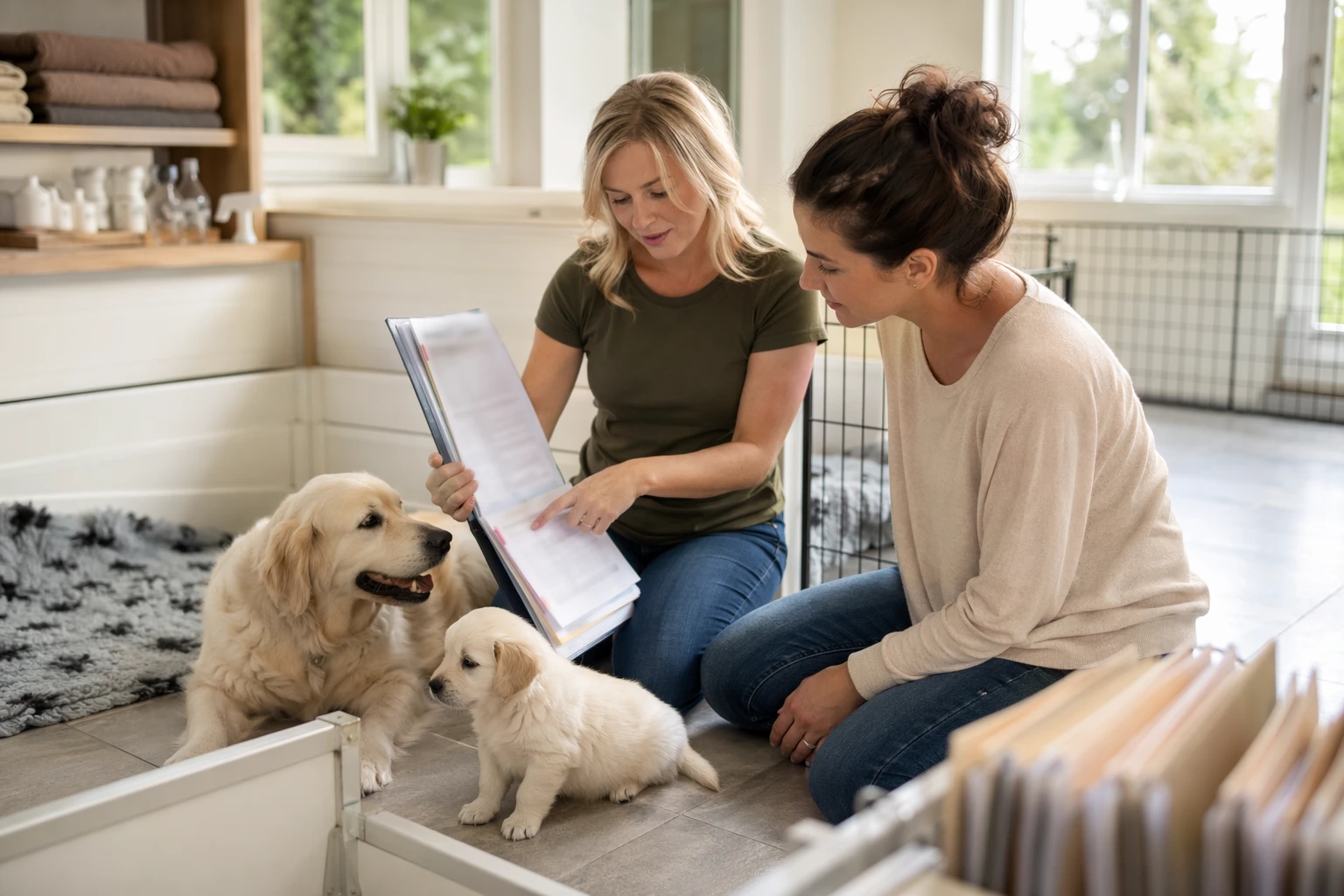
If answers stay vague, rushed, or defensive, move on.
A breeder who avoids visits, hides parents, or pushes payment before questions is showing you a red flag.
A good breeder plans for each puppy’s future
Responsible breeding does not end at pickup day. A strong breeder screens buyers, matches puppies by temperament, and stays available after the sale. The ASPCA says responsible breeders place dogs thoughtfully, sell directly to buyers, and stay willing to take a dog back if needed.
Look for breeders who:
- Ask about your home, kids, schedule, and dog experience
- Help match the right puppy, not just any puppy
- Give feeding, training, and transition guidance
- Care where the puppy ends up for life
That kind of process may feel slower. It is usually safer.
Also Read: 10 Adorable Havapoo Colors You Need To See 2026 Guide
3. Check Health Testing Before You Reserve a Puppy
A clean vet exam is not enough. You want proof that the puppy’s parents had breed-relevant health screening before the litter was planned.
Ask for the exact tests tied to that breed, not a vague “our dogs are healthy” promise. The AKC notes that health testing standards come from each breed’s parent club, so the right screens vary by breed and should match those recommendations in AKC’s breed health testing requirements. For many breeds, that can include hips, patellas, eyes, heart, or DNA panels.
A routine puppy wellness check looks at the puppy today. Health testing looks at inherited risk before the puppy is even born.
Before you send a deposit, review the paperwork line by line. Ask for:
- Parent dog names
- Test dates
- The issuing registry or lab
- Clear result copies, not screenshots with missing details
- A contract that explains what happens if a hereditary issue appears later
OFA tells buyers to ask what screenings were done on the parents and to verify results, not just accept claims at face value in its breeder interview guide. If a breeder hesitates, changes the subject, or says testing is unnecessary because their dogs have “never had problems,” step back.
A smart follow-up question is simple: “What were you trying to prevent with this pairing?” Good breeders can answer clearly. They should name common risks in their lines and explain how those tests helped them make breeding choices.
Look for answers like:
- “We screened knees because this breed can have patella issues.”
- “We checked eyes yearly because some eye disease shows up later.”
- “We used DNA testing to avoid pairing two carriers.”
That kind of answer shows planning, honesty, and breed knowledge. It is the difference between a breeder who is managing risk and one who is just selling puppies.
Also Read: 12 Small Breed Puppies That Are Perfect For Kids 2026
4. Compare Kentucky Sourcing Options Carefully
Kentucky puppy rules are not always the same everywhere. State law and local rules can overlap, so check both before you place a deposit. A 2025 Kentucky bill summary shows lawmakers were still debating how much control counties and cities should keep over retail pet shop sales, which tells you this area is still active and local details matter Kentucky bill summary.
- Ask the seller which city and county they operate in
- Check local animal control or city code pages
- Confirm pickup, licensing, and sales rules in writing
A breeder who knows the local rules and explains them clearly is usually easier to trust.
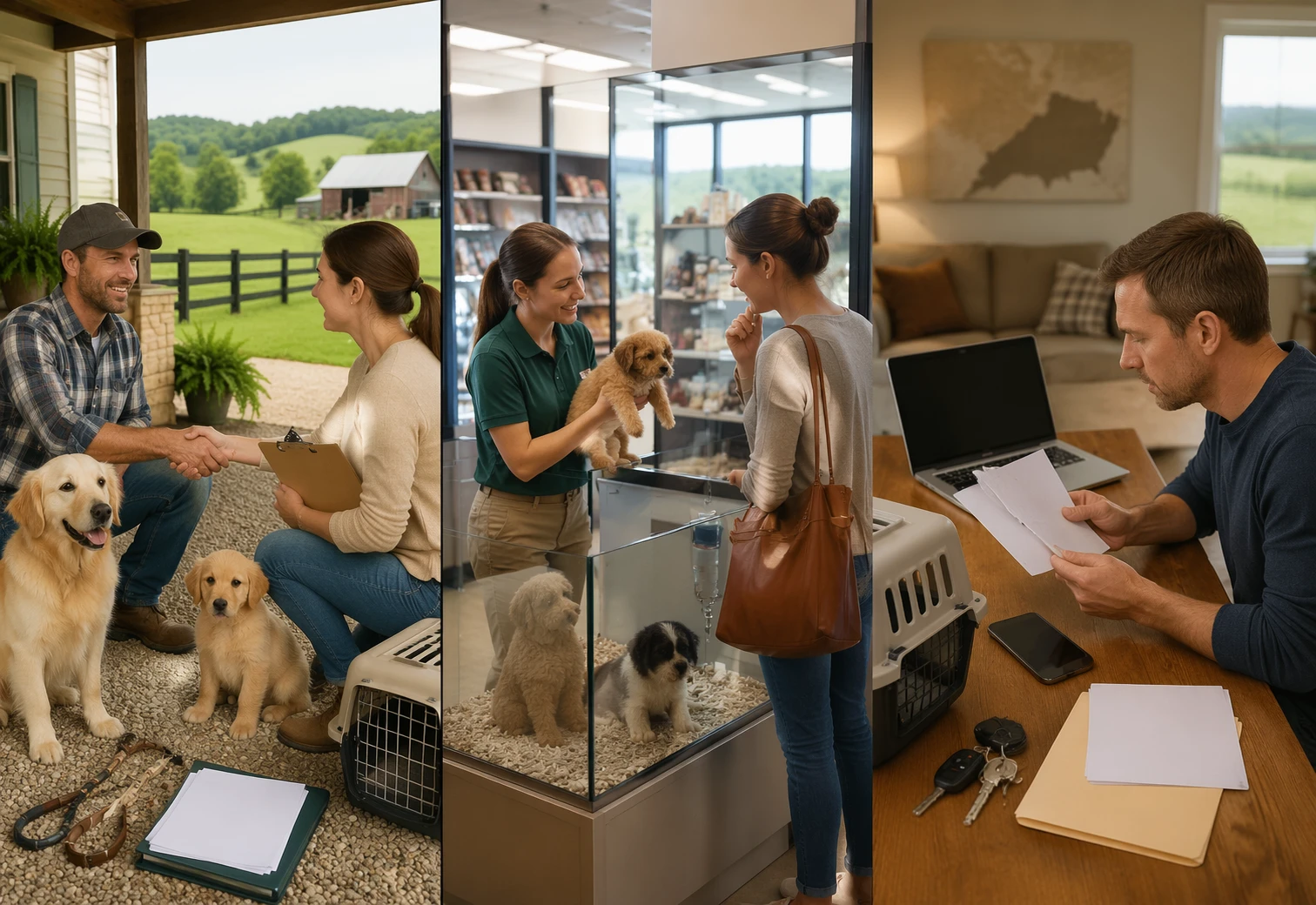
Pet stores and anonymous online listings need extra care. Lexington approved an ordinance that prohibits pet retail stores from selling dogs and cats and also bans sales in public places, which shows some Kentucky communities see higher risk in those channels Lexington ordinance details.
Watch for these red flags:
- The seller refuses video calls
- You cannot meet the puppy where it lives
- Records are blurry, missing, or sent late
- The ad pushes fast payment or same-day pickup
| Source | Main upside | Main risk |
|---|---|---|
| Responsible breeder | Better transparency | Waitlists and higher price |
| Pet store | Easy access | Limited source visibility |
| Anonymous listing | Fast contact | Highest scam and health risk |
Location matters, but it should not be your top filter. A close puppy is not better if the breeder avoids questions. A farther breeder with clear health records, parent information, and a calm process is often the safer choice. That is why families should compare trust signals first, then travel plans second.
5. Ask the Questions That Reveal Quality
Good breeders do not dodge direct questions. The right answers should be clear, specific, and easy to verify.
Ask about the puppy’s daily routine, vet care, and how the litter is being socialized. Ask to see proof of health testing for both parents, not just a basic vet check. If the breeder sells in Kentucky at a larger scale, ask how they meet care and record standards under Kentucky’s commercial dog breeding law.
- What health tests were done on the sire and dam?
- Can I meet the mother, and if not, why?
- What have the puppies been exposed to so far?
- Has any puppy from past litters had a major health or temperament issue?
- Why was this pairing chosen?
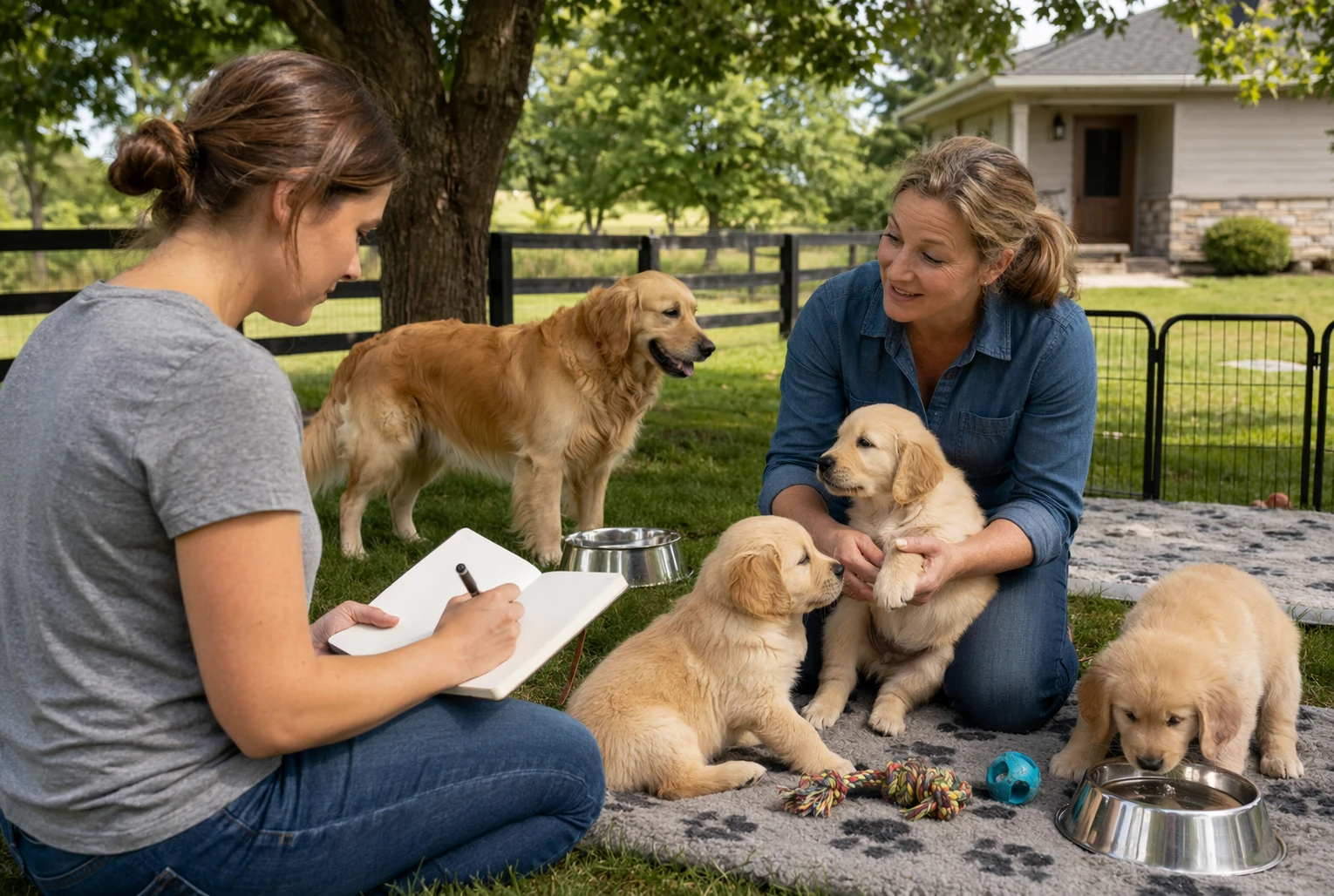
Ask for the contract before you leave a deposit. A strong contract should list the puppy, parents, price, health terms, and what happens if you cannot keep the dog. The AKC notes that reputable breeder contracts often include return-to-breeder language, health records, and a required post-purchase vet exam in the first few days in its breeder contract guide.
- What does the health guarantee cover, and for how long?
- Is there a return policy if the match is not right?
- Will you stay available for feeding, training, and transition questions?
- What support do you give after pickup or delivery?
If a breeder gets annoyed by careful questions, move on.
Use the same list with every breeder so you can compare fairly.
- Score each answer for clarity.
- Ask for records, not promises.
- Notice whether the breeder asks you good questions too.
- Choose the program that feels transparent, calm, and consistent.
6. Understand Price, Reservation, and What You Are Paying For
A higher puppy price should reflect real work, not just a cute breed name. In a thoughtful placement process, you are usually paying for more than the puppy itself.
- Clear answers about parent dogs, health testing, and early care
- A written agreement that explains deposits, pickup timing, and buyer duties
- Health records, vaccine and deworming details, and basic support after go-home
- Screening to make sure the puppy fits your home
The AKC notes that sound consumer protection should include health disclosures and a written bill of sale that explains both sides’ duties in the sale written bill of sale and health information.
A responsible breeder often says “not yet” or “not this puppy” if the fit is wrong. That is a good sign.
Very low prices deserve a closer look. Cheap can mean skipped health testing, weak socialization, poor housing, or a fast-sale scam. It can also mean the seller has no real process beyond collecting a deposit.
Watch for these red flags:
- Pressure to pay the same day
- No contract or vague refund terms
- No proof of recent care
- No questions about your home
- Extra surprise fees after reservation
Kentucky buyers should also know a 2025 state bill proposed rules for retail pet shops, including a ban on selling dogs under eight weeks old Kentucky SB 122 summary.
After you reserve, get ready for the real work:
- Review the contract line by line
- Confirm pickup or delivery details
- Book your first vet visit
- Buy supplies before go-home day
Also Read: Home
7. Plan for Pickup, Delivery, and the First Week Home
Confirm logistics before you commit
Get the handoff plan in writing before you send a final payment. Ask who is transporting the puppy, where pickup happens, what time window to expect, and what records come with the dog. For air travel, USDA says puppies must be at least 8 weeks old and fully weaned for transport in many cases under APHIS air travel guidance.
Use a simple checklist:
- Pickup or delivery date
- Driver or flight details
- Health record packet
- Food used now
- Microchip details
- Emergency contact
If a seller stays vague about timing, paperwork, or who handles the puppy, pause the sale.
Prepare the home and the first veterinary visit
Set up one quiet area before your puppy arrives. Keep a crate, playpen, water, the current food, cleaning supplies, and a safe chew ready. Book a vet visit within the first few days so your clinic can review the records, check weight, stool, hydration, and next vaccine dates.
Your first-week prep list:
- Choose a potty spot.
- Remove cords and small items.
- Limit access to one or two rooms.
- Bring a stool sample if your vet asks.
Keep the first week simple and consistent
Do less that first week. Keep meals, potty trips, naps, and bedtime on a steady schedule. AVMA’s socialization review shows puppies need positive, low-stress exposure early, but not chaos or constant visitors during the socialization window.
- Use calm handling
- Add one new thing at a time
- Watch appetite, stool, sleep, and energy
Also Read: 10 Small Breed Puppies That Stay Friendly and Easygoing
If you want a puppy from a program that matches the standards in this guide, start with Sage Puppies. Their home-raised Havanese, Havapoo, and Cavapoo puppies come from health-tested parents with clear next steps, local pickup, and nationwide delivery for qualified Kentucky families.
Frequently Asked Questions
Q1: What factors should I consider when buying a puppy in Kentucky?
Check health testing, breeder honesty, puppy temperament, living conditions, contract terms, and total cost. Ask about parent dogs, early socialization, vaccine records, and support after pickup. Pick a puppy that fits your home, schedule, and energy level.
Q2: How do I find reputable breeders for puppies in Kentucky?
Start with breeders who answer questions clearly and welcome screening both ways. Ask for health records, references, photos of the home setup, and a sample contract. Good breeders care where puppies go and never rush the sale.
Q3: What health tests should a responsible puppy breeder in Kentucky perform?
Testing depends on breed, but responsible breeders should screen parent dogs for genetic issues, joint problems, eye concerns, and heart conditions when relevant. Puppies should also have age-appropriate vet checks, vaccine records, and deworming history before going home.
Q4: How much should I budget beyond the puppy price?
Plan for food, a crate, grooming, training, supplies, routine vet care, and emergency costs. The first year usually costs more than buyers expect, so build a realistic budget before you place a deposit.
Q5: Should I buy locally in Kentucky or from an out-of-state breeder?
Local can make visits easier, but breeder quality matters more than distance. A trusted program like Sage Puppies may be worth considering if the breeder is transparent, health-focused, and clear about pickup or delivery.
Conclusion
Buying a puppy in Kentucky goes better when you slow down and verify everything. Focus on health testing, clean living conditions, honest breeder answers, a clear contract, and a puppy whose temperament fits your home. Kentucky buyers should also know the legal picture can shift. For example, Kentucky Senate Bill 122 shows how retail pet sale rules have been under review. At the federal level, USDA breeder licensing guidance explains that some breeders may need licensing based on how they sell puppies. The safest path is simple: ask better questions, check documents, meet the puppy responsibly, and choose trust over speed or price.