
Quick Summary: Puppies labeled as ‘family-raised’ should grow up in a real home environment with daily handling, socialization, and routine exposure to household sounds. Buyers should verify this by asking for detailed photos, records, and direct access to the living space, rather than trusting vague claims or sales pitches. Genuine home-raised puppies tend to transition more smoothly into family life, but beware of red flags like vague answers, rushed deals, or lack of proof, which often indicate scams or misleading marketing.
A listing that says puppies raised in family homes near me should mean real home life, not a nicer sales line. The puppies should grow up underfoot, hear vacuums, meet children, learn gentle handling, and get used to everyday sounds before they head to South Jordan or another home.
The problem is simple. Many listings use puppies raised in family homes near me loosely, so buyers cannot tell the difference between a true home-raised puppy and a puppy marketed that way.
This guide shows you how to check the claim, what questions to ask, and what signs matter most. At Sage Puppies, family-raised care is the standard, so if you are comparing puppies raised in family homes near me, you will know what deserves your trust.
What Family-Raised Really Looks Like in a Breeder’s Home
The household clues that matter
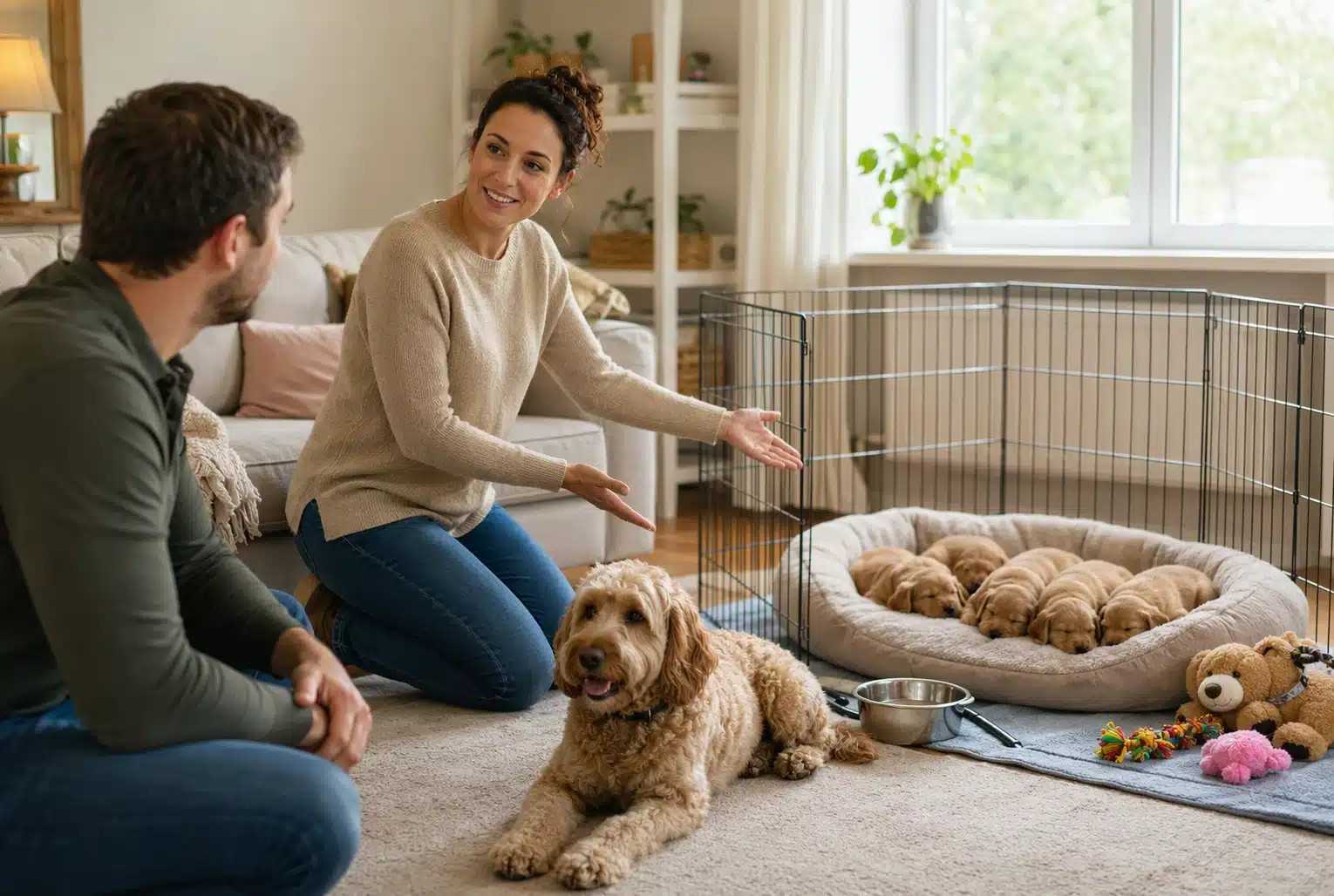
“Family-raised” should mean the puppies live in the home, not just near it. Look for signs of normal household life. You want to see where the litter sleeps, plays, eats, and hears daily sounds.
Good clues include:
- A clean puppy area connected to the family’s living space
- Gentle handling by adults and supervised children
- Regular exposure to vacuum noise, doors, kitchen sounds, and TV
- Clear routines for feeding, rest, cleanup, and play
- Calm adult dogs, if present, with safe boundaries
A recent breeder study found many litters start in the breeder’s residence, but socialization quality still varies, so “home-raised” alone is not enough according to this 2025 review of breeder practices.
| What to Notice | Good Sign | Red Flag |
|---|---|---|
| Living setup | Puppies are inside the home | Puppies are only shown outdoors |
| Cleanliness | Tidy, fresh, organized | Strong odor, clutter, soiled bedding |
| Handling | Calm, confident touch | Puppies seem shut down or panicked |

How family life supports early socialization
Real family life gives puppies safe, repeated practice with the world they are about to join. That matters. The key socialization window begins early, and positive experiences during this period shape later behavior as outlined in this canine socialisation review.
In a strong home program, puppies should get:
- Daily gentle handling
- Exposure to normal sounds and surfaces
- Short, positive visits with different people
- Age-appropriate alone time and crate intro
- Simple grooming and body-touch practice
The goal is not constant stimulation. It is calm, positive exposure without fear.
For small breeds like Havanese, Havapoo, and Cavapoo, this often looks quiet and steady, not busy and loud. At Sage Puppies, that home-based rhythm is part of what helps families bring home a puppy that feels better prepared for real life.
What family-raised does not mean
The phrase gets stretched a lot. It does not mean:
- Puppies are marketed with kids in photos but raised elsewhere
- Puppies have free run of the house with no structure
- Puppies skip health records, parent info, or clear pickup details
- Puppies are “socialized” by being overwhelmed
A true family setting should add transparency, not replace it.
If a breeder cannot show you the home setup, explain routines, and answer direct questions, “family-raised” is just a label.
Also Read: Family-Raised Puppies for Sale Near Me: What to Ask First
The Signs You’re Talking to a Real Home-Based Breeder
Start with a phone call or video chat
A real home-based breeder will usually talk with you before money comes up. That call matters. You should hear clear answers, thoughtful questions, and zero rush. The breeder should ask about your home, kids, work schedule, and what kind of puppy fits your life. The AKC notes that responsible breeders screen buyers too, not just the other way around, and many now use video calls to introduce families to the litter and setup according to AKC guidance.
If the first big question is how fast you can send a deposit, slow down.
Look for the mother, the home, and the details
You do not need a perfect farmhouse scene. You need proof the puppies are truly raised in the breeder’s home life. Ask to see:
- The mother with the litter
- Where the puppies sleep and play
- Food, bedding, toys, and cleanup setup
- How the breeder handles the puppies
ASPCA guidance says responsible breeders encourage buyers to see where dogs are bred and raised, meet the litter, and meet at least one parent in its breeder criteria.
| What you see | Good sign | Red flag |
|---|---|---|
| Mother present | Calm, healthy, comfortable with pups | Excuses for why she is never available |
| Home setup | Clean, lived-in, safe puppy area | Only tight close-up photos |
| Breeder answers | Specific and consistent | Vague, rehearsed, changing story |
Ask for proof, not promises
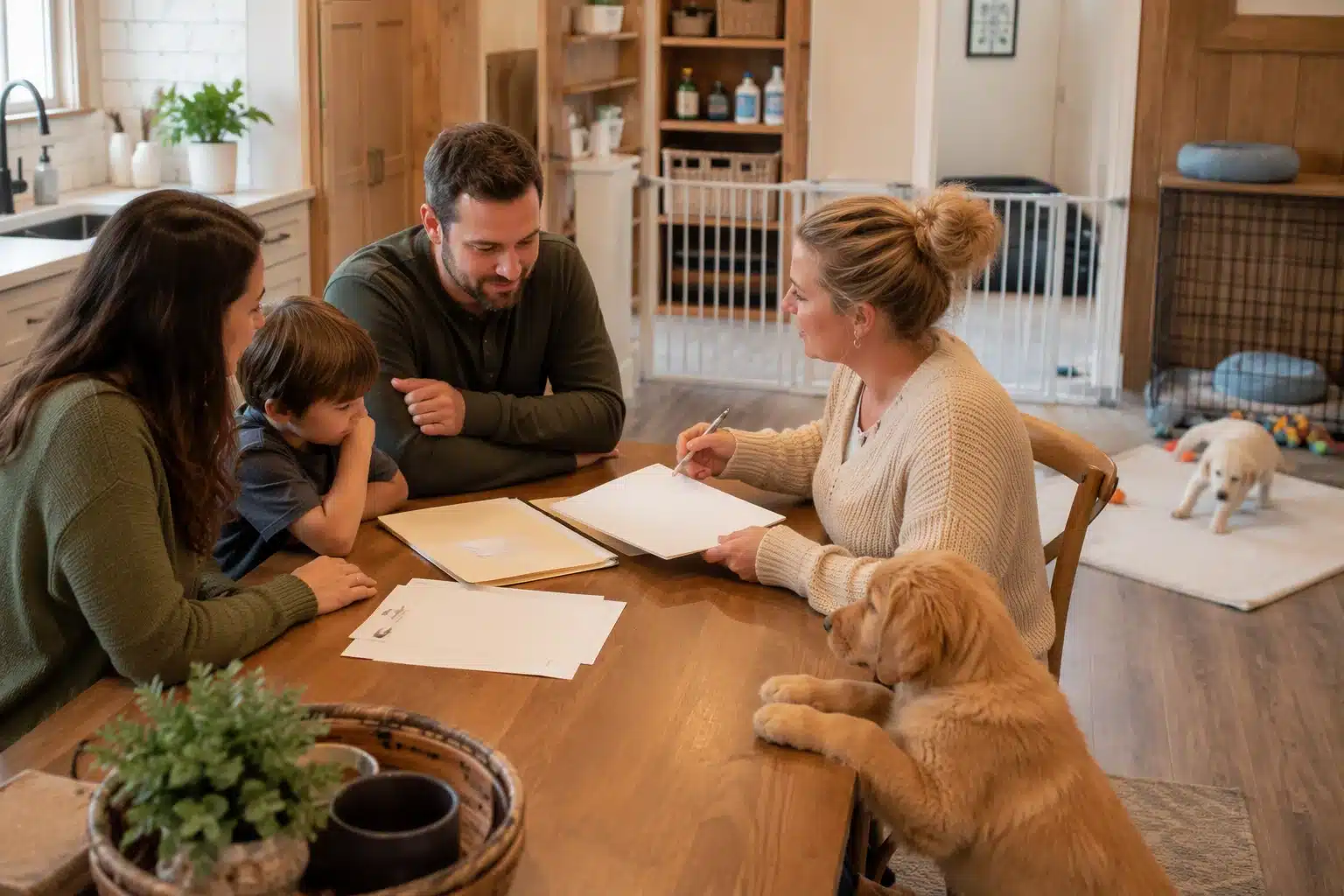
Warm words are easy. Records are better. Ask for health testing, vet records, vaccine schedule, and a simple contract. A good breeder will show paperwork and explain it in plain English.
Use this checklist:
- Parent health testing
- Puppy vet record
- Vaccination and deworming dates
- Go-home timeline
- Return policy or ongoing support
“Family-raised” should come with receipts, not just sweet photos.
That is the standard qualified families should expect from any breeder, including a boutique program like Sage Puppies.
Also Read: Havanese, Havapoo & Cavapoo Puppy Care Blog
Why Puppies Raised in a Family Home Often Transition More Smoothly
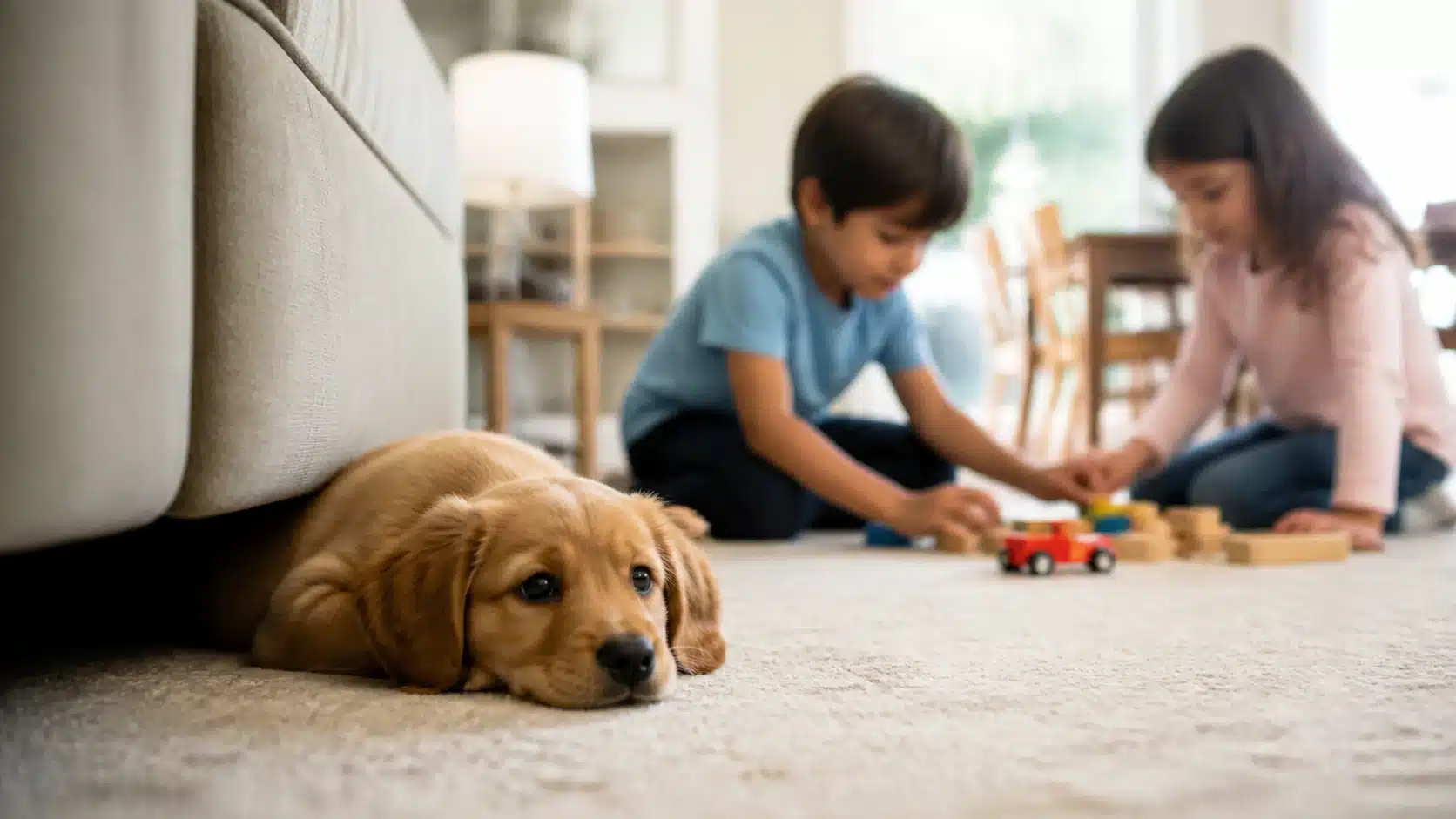
Everyday sounds become ordinary
A puppy raised in a real home hears the sounds that fill most family houses every day. Vacuums, pans, doors, kids moving around, TVs, and normal conversation stop feeling strange. That matters because early socialization helps puppies build confidence, and the key window starts very young, according to Penn State Extension’s puppy socialization guide.
When those sounds are part of daily life, a puppy is less likely to freeze, hide, or panic over basic home noise after pickup. You are not starting from zero.
A calm first week usually comes from many small exposures before your puppy ever comes home.
Handling, grooming, and routine become familiar
Puppies adjust better when human touch already feels safe and normal. Daily handling can include holding paws, checking ears, brushing coats, short crate time, and gentle cleanup after meals or potty breaks. The AKC notes that good breeders start socialization before a puppy goes home, with positive handling, safe environments, car rides, crates, sounds, and smells in the first weeks of life before the new family takes over.
That early practice helps with:
- First baths
- Nail trims
- Vet visits
- Car travel
- Bedtime routine
For small breeds, this matters even more. Tiny puppies need steady, calm care. If a breeder has already built simple routines, your puppy arrives with a basic pattern instead of guesswork.
Better match-making starts before pickup
A family-home setting also helps the breeder learn each puppy’s real style. One may bounce toward every visitor. Another may be gentle, observant, and slower to warm up. Those details are easier to spot when puppies live around people, not just in a separate kennel space.
That leads to better matching:
- Active homes can suit more outgoing pups.
- Quiet homes may fit softer temperaments.
- Families with kids may need puppies used to daily motion.
- Delivery or pickup plans can be timed around a puppy’s readiness.
At Sage Puppies, that kind of close daily observation supports a calmer handoff, whether you pick up in South Jordan or arrange delivery.
Also Read: Family-Raised Puppies Near Me: Red Flags to Avoid
Questions to Ask Before You Reserve a Family-Raised Puppy
A good breeder should welcome clear questions. If the answers feel vague, rushed, or polished but thin, pause.
Questions about the puppy’s day-to-day environment
Ask what the puppy’s normal day looks like, not just where it sleeps. You want real detail.
- Where does the puppy spend most of the day?
- Who handles the puppy every day – adults only, or adults and children?
- What sounds, surfaces, and routines has the puppy seen so far?
- How do you keep play areas clean and separate from food spaces?
- How do you supervise children around puppies?
The CDC says adults should always supervise young children around dogs and keep hands washed after contact with pets or supplies, according to CDC dog safety guidance.
Ask for examples, not labels. “Family-raised” means little unless the breeder can describe daily handling, rest, cleaning, and social time.
Questions about health and care
Health questions should get specific answers fast.
- What health testing was done on the parents?
- What vaccines and deworming has this puppy received so far?
- Has a vet examined the puppy, and when?
- What food is the puppy eating now?
- How do you lower illness risk while still socializing the litter?
Early social time matters. The AVMA notes puppies are most open to socialization between 3 and 14 weeks, so a breeder should have a thoughtful plan, not random exposure, per AVMA socialization guidance.
| Ask This | Good Answer Sounds Like | Red Flag |
|---|---|---|
| Parent health testing | Clear tests, records available | “They’ve always been healthy” |
| Vet care | Dates, exam details, next steps | No timeline |
| Deworming and vaccines | Age-based schedule | “We’ll do that later” |
Questions about match, pickup, and support
Before you reserve, ask how the breeder decides fit.
- How do you match puppy temperament to home life?
- Can I choose based on looks, or do you guide placement?
- What happens if local pickup or delivery timing changes?
- What support do you offer after the puppy goes home?
- What should I prepare for the first 72 hours?
At Sage Puppies, these questions matter because pickup, delivery, and temperament match all shape the first few weeks. A careful breeder will explain the process plainly and put it in writing.
Also Read: Family-Raised Puppies for Sale Near Me: Buyer’s Guide
Red Flags That Mean ‘Family-Raised’ Might Just Be a Sales Phrase
“Family-raised” should come with clear proof. If it does not, treat it as ad copy, not a fact.
When communication stays vague
A real home breeder can answer simple questions fast and clearly. A weak seller stays blurry on the basics.
Watch for red flags like:
- no phone or video call
- no full breeder name or location
- no clear answer about who raised the litter
- no chance to see where the puppy lives
- stock-style photos only
The AKC lists no phone calls, copied photos, and sketchy payment requests as common scam signs in online puppy sales AKC scam warning.
If “family-raised” is real, the seller should be comfortable showing the family setting.
When the deal moves too fast
Pressure is the point. A bad seller wants your deposit before you slow down and think.
Be careful if they:
- push same-day payment
- say “three other families are waiting”
- avoid your questions but keep asking for money
- offer odd payment methods, gift cards, or app transfers
- promise shipping first and details later
Good breeders screen you too. They want the right fit, not the fastest checkout. If the whole process feels like buying shoes online, step back. Family-raised puppies are usually placed with care, not rushed out the door.
Speed can hide problems with health, source, or even whether the puppy exists.
When proof is missing
“Family-raised” means nothing without records and access. Humane World for Animals warns that phrases like “small family breeders” and even USDA licensed can still hide poor conditions Humane World buyer warning.
Ask for:
- parent photos and health testing
- vaccine and vet records
- a live video of the puppy with the mother
- details on socialization
- pickup or delivery steps in writing
| Claim | Proof you should see |
|---|---|
| Family-raised | Home video, living area, daily routine |
| Healthy | Vet records, vaccine dates, parent testing |
| Well-socialized | Notes on sounds, handling, kids, crate work |
Also Read: 10 Signs a California Puppy Listing Is a Scam – Sage Puppies
How Sage Puppies Makes the Home-Raised Experience Clear
If a breeder says puppies are home-raised, you should be able to see what that means in real terms. Sage Puppies makes that easier by showing families the pieces that matter most, not vague claims.
What families can expect to see clearly
A clear home-raised program should show you:
- Where puppies are raised
- How they are handled each day
- What health steps are taken early
- How temperament and fit are discussed
Sage Puppies keeps that standard practical. Families should expect straight answers about parent dogs, early care, and what daily life looks like before pickup or delivery. That matters because early socialization shapes future behavior. The AVMA notes puppies are most open to learning between 3 and 14 weeks and benefit from a broad range of positive experiences during that time according to the AVMA.
If a listing says “family-raised” but cannot explain daily handling, social exposure, and health steps, treat that as a gap, not a small detail.
How the application and reservation process supports good matches
A strong application process should slow things down a bit. That is a good sign. It helps a breeder place the right puppy with the right home instead of treating every buyer the same.
At Sage Puppies, the goal is fit, not speed. Families should expect questions about:
- Home routine
- Kids and other pets
- Past dog experience
- Travel, work, and time at home
- Breed and size preferences
That kind of screening supports better starts after go-home day. It also gives families room to ask about breed traits, timing, pricing, and reservation steps before making a final choice.
Pickup, delivery, and ongoing support
Clear logistics matter too. Good breeders explain local pickup, delivery options, timing, and what families should prepare at home. Sage Puppies serves local Utah families and also works with out-of-state homes, so the process should feel organized from the first conversation.
- Expect a clear handoff plan
- Ask what your puppy has already experienced
- Confirm what records and next steps come home with you
Transport should be handled with care. The AVMA says humane animal transport should minimize stress, injury, and disease spread while considering age, route, and travel time under its transport policy.
Read the parent guide: [Family-Raised Puppies for Sale Near Me: What That Really Means] before comparing local listings.

Want a puppy that is truly family-raised, not just listed that way? See how Sage Puppies walks you through available puppies, pricing, pickup or delivery, and a clear application process so you can choose with confidence, not guesswork.
Frequently Asked Questions
Q1: where to find family-raised puppies for sale near me
Start with breeders who show where puppies live, how they are socialized, and who the parents are. Ask for home-setting details, health testing, and pickup or delivery steps. Local listings matter less than proof of daily care.
Q2: How can I tell if family-raised is real?
Ask direct questions. Who handles the puppies each day? Where do they sleep? What sounds, surfaces, and routines do they know? Real family-raised programs can explain this clearly and show consistent photos, updates, and process details.
Q3: Is local pickup better than delivery?
Not always. Pickup gives you face-to-face time, but delivery can still be a good choice if the breeder plans it well. What matters most is clear communication, safe transport, timing, and support before your puppy arrives home.
Q4: What should I ask before reserving a puppy?
Ask about parent health testing, temperament, age at go-home, socialization, deposit terms, and what happens if timing changes. You should also ask what food, routine, and training basics the puppy has already started.
Q5: Does family-raised mean the puppy will be easier to train?
It can help, but it does not replace your work at home. A well-started puppy often adjusts faster to people, touch, and routine. Your first weeks still shape confidence, sleep habits, potty training, and manners.
Conclusion
“Family-raised” should mean more than a warm phrase in a listing. It should point to daily home life, clear breeder access, health records, honest answers, and a puppy whose temperament has been shaped by real care. This guide showed how to verify those claims, compare pickup and delivery with a calm head, and spot weak listings fast. That matters, because the FTC warns that fake pet ads still target buyers, and Michigan’s consumer alert says sight-unseen sales and extra shipping fees are common scam signs. Trust the proof, not the label.



