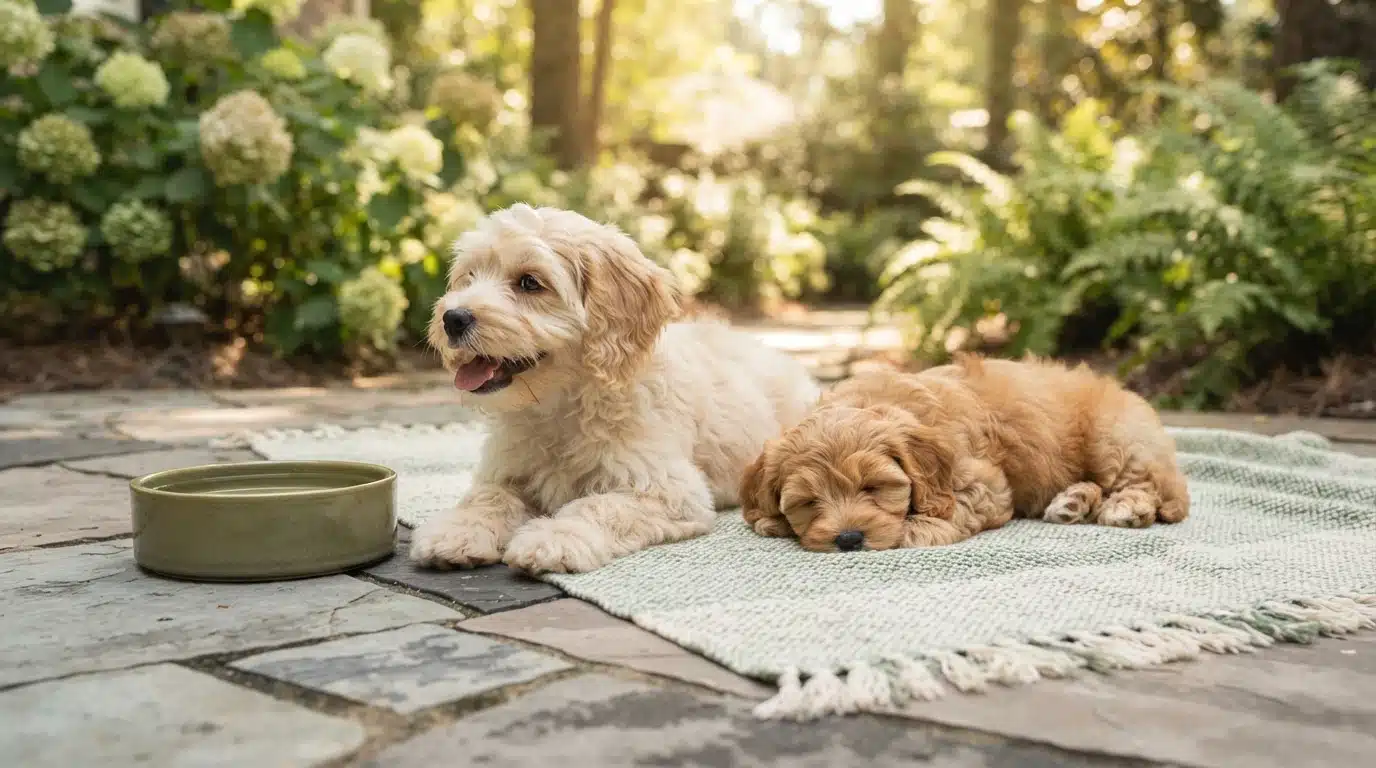
Quick Summary: New puppy owners often overlook seasonal risks like heat burns, cold frostbite, holiday toxins, parasites, dehydration, yard hazards, and environmental stress. These dangers can escalate quickly, especially for small breeds and young puppies, so proactive safety routines tailored to each season are essential. Planning ahead and adjusting care based on weather, holidays, and outdoor activities helps prevent common injuries and emergencies.
A puppy’s first year feels simple until an ordinary moment turns risky fast. A warm car during errands, a frozen sidewalk on a winter walk, a dropped holiday snack, or a backyard chemical left out after yard work can all become real Puppy Safety Risks in minutes.
Most new owners plan for crates, food, toys, and training. They often miss how fast seasonal hazards shift from month to month. That gap matters. Small and young dogs can dehydrate quickly, burn their paws, get frostbite, swallow toxins, pick up parasites, or suffer preventable injuries before a family realizes the danger.
This guide covers the seven Puppy Safety Risks new owners miss most often. You’ll see why each risk matters, what warning signs to watch for, and how to handle safer routines through weather changes, holidays, travel days, and outdoor transitions. The goal is simple: practical Puppy Injury Prevention that fits real family life.
We chose these Puppy Safety Risks because they are common, preventable, and often more serious for puppies than adult dogs, especially small breeds. In each section, look for early clues, age-related risk factors, and clear Puppy Care Tips you can use at home. That gives you a calmer, smarter way to protect your puppy through every season.
Seasonal Puppy Risks at a Glance
| Risk | Best for | When it shows up | Main concern | Prevention focus |
|---|---|---|---|---|
| Heat stress and hot-surface burns | Summer routines, warm-climate homes, travel days | Late spring through early fall | Overheating, dehydration, and paw burns | Timing, shade, water, and surface checks |
| Cold exposure and frostbite | Winter homes, snowy regions, small-breed puppies | Late fall through early spring | Hypothermia, frostbite, and paw irritation | Layering, timing, drying, and limiting exposure |
| Holiday food and decoration toxins | Fall and winter gatherings, decorated homes | November through January, plus major holidays | Poisoning, choking, and blockage | Guest rules, secure storage, and supervised access |
| Parasites and seasonal vector exposure | Spring, summer, and early fall | Warm, humid, grassy, and wooded periods | Bites, irritation, and illness transmission | Veterinary guidance, coat checks, and habitat control |
| Dehydration and water-access mistakes | Travel, summer, dry climates, and active days | Year-round, especially in heat or high activity | Low hydration, fatigue, and temperature stress | Water access, rest timing, and observation |
| Outdoor chemical and yard hazards | Spring yard work, winter driveway treatment, garage spaces | Spring, fall cleanup, and winter thaw periods | Poisoning, skin irritation, and accidental ingestion | Storage, access control, and post-outdoor cleanup |
| Escaping, overstimulation, and environment change | Travel, holidays, fireworks, storms, and guest-heavy weeks | Year-round, with spikes during high-activity seasons | Bolting, stress, and accidental injury | Containment, calm spaces, and predictable routines |
What to know about seasonal puppy safety
Seasonal puppy safety is not just about hot days or cold nights. Puppies are small, curious, and still learning, so they struggle more with temperature swings, household hazards, bugs, and sudden routine changes. A risk that seems minor to an adult dog can turn serious fast for a young puppy.
That matters even more for first-time owners, small-breed families, and anyone planning pickup or delivery during a busy season. Travel days, holiday guests, yard changes, and new plants can all create problems you did not expect. Prevention works better than reaction because puppies rarely give you much warning before they get chilled, overheated, scared, or sick.
The safest setup changes with the season. A home that works well in spring may need a very different plan by summer, fall, or winter.
Smart owners stay a step ahead. They adjust care, watch the environment, and make simple changes before trouble starts.
1. Heat stress and hot-surface burns
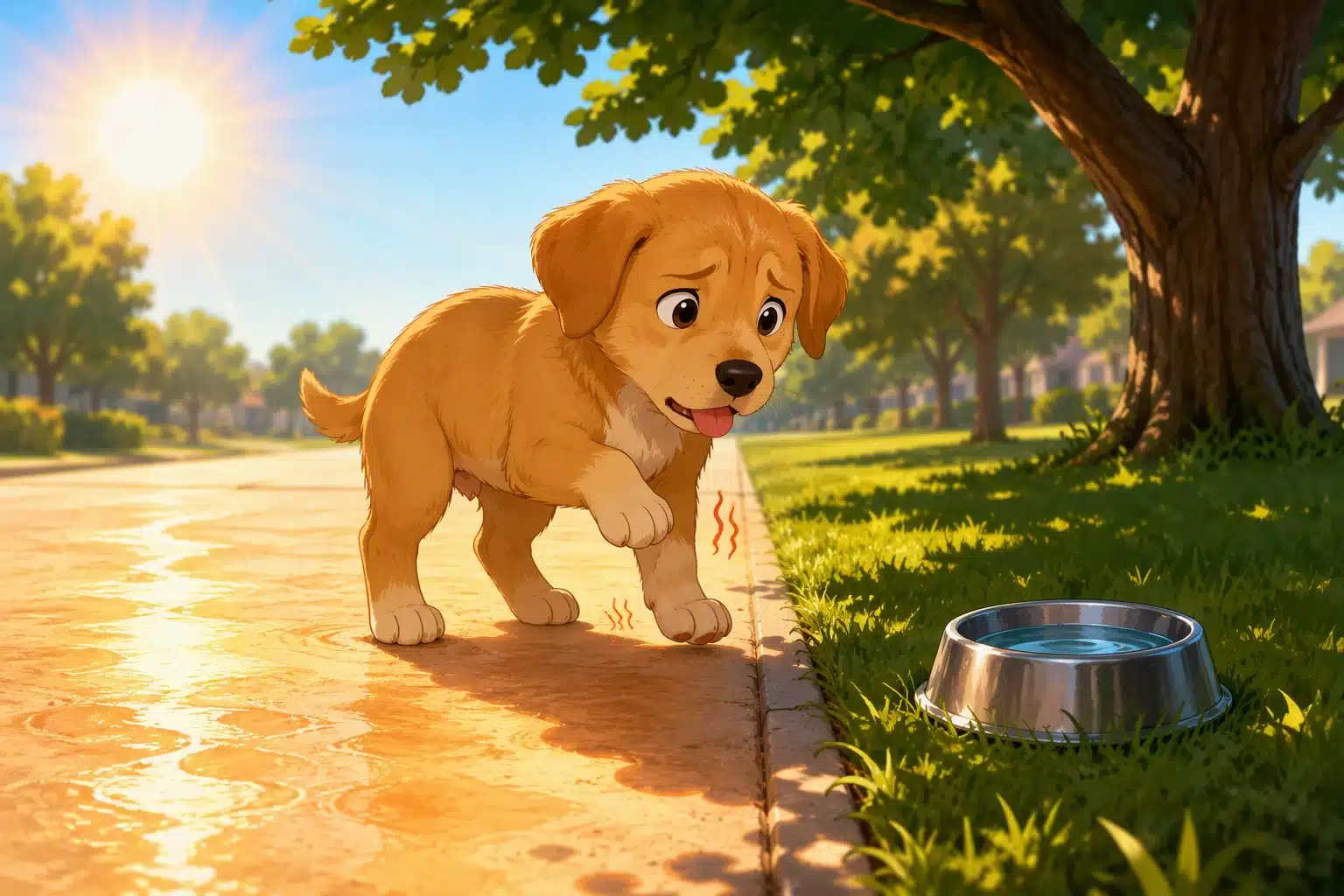
Summer heat can turn risky for puppies fast. Young dogs overheat quicker than most owners expect, and hot pavement, sand, cars, and direct sun can cause trouble before a short outing even feels serious.
Highlights
- Skip midday walks if pavement feels too hot for your hand. The AKC hot pavement guide notes that if you cannot hold your hand there for 10 seconds, it is too hot for paws.
- Use short outings, shade breaks, and steady access to cool water.
- Never leave a puppy in a parked car. The AKC car safety article explains that even mild outside temps can turn a car dangerous within minutes.
- Watch for heavy panting, drooling, weakness, or glazed eyes.
Specs
- Best for: Summer routines, warm-climate homes, travel days
- When it shows up: Late spring through early fall
- Main concern: Overheating, dehydration, and paw burns
- Prevention focus: Timing, shade, water, and surface checks
Pros
- Easy to prevent with planning
- Warning signs are often easy to spot if you know them
Cons
- Can become an emergency very quickly
- Small puppies are especially vulnerable to heat spikes
This ranks first because heat danger escalates fast during normal errands and short outdoor visits.
Last updated: August 4, 2026
Also Read: Puppy Care Blog & Resources | Sage Puppies
2. Cold exposure and frostbite
Tiny puppies lose body heat fast, especially on windy or wet winter days. Cold weather can lead to shivering, poor circulation, and frostbite on paws, ears, and tail tips. Small breeds face higher risk, and Cornell notes puppies and small dogs struggle more in cold weather.

Highlights
- Keep winter potty trips short and purposeful.
- Dry paws, belly, and legs after snow or slush.
- Use a well-fitted coat for small or fine-coated puppies.
- Watch for shivering, lifted paws, or refusing to walk.
- Frostbite often affects ears, paws, and tail tips, and AKC warns wet fur and long exposure raise the risk.
Specs
- Best for: Winter homes, snowy regions, small-breed puppies
- When it shows up: Late fall through early spring
- Main concern: Hypothermia, frostbite, and paw irritation
- Prevention focus: Layering, timing, drying, and limiting exposure
Pros
- Usually preventable with shorter outdoor time
- Builds safer winter habits for the whole family
- Helps on both neighborhood walks and travel stops
Cons
- Puppies may not show discomfort early
- Wet conditions can hide how cold they really are
This ranks high because many new owners trust cute winter gear and miss how quickly a puppy can get dangerously cold.
Last updated: August 4, 2026
Also Read: 7 Seasonal Puppy Safety Rules for Hot Summer Days
3. Holiday food and decoration toxins
Holiday setups can turn risky fast for a puppy. Rich foods, candy, bones, ribbons, and low-hanging decor create real poisoning, choking, and blockage hazards, especially once guests arrive and routines change.

Highlights
- Keep all human food off low tables, gift areas, and puppy-height counters.
- Ask guests not to share scraps or bones.
- Block access to cords, candles, ribbons, ornaments, and trash.
Specs
- Best for: Fall and winter gatherings, decorated homes
- When it shows up: November through January, plus major holidays
- Main concern: Poisoning, choking, and blockage
- Prevention focus: Guest rules, secure storage, and supervised access
The AVMA holiday safety guide warns that chocolate, xylitol, onions, grapes, raisins, fatty scraps, and bones can all harm pets. The ASPCA food list also notes alcohol and sugar-free sweets as serious risks.
Pros
- Simple house rules cut risk fast
- Helps first-time owners host more safely
Cons
- Many dangers look normal and harmless
- Some signs show up later, not right away
This ranks high because holidays change the whole home at once, and one distracted moment can lead to an emergency.
Last updated: August 4, 2026
Also Read: 10 Adorable Havapoo Colors You Need to See (2026)
4. Parasites and seasonal vector exposure
Ticks, fleas, mosquitoes, and standing water look like small problems at first. For puppies, they can turn into itching, anemia, or illness fast if prevention starts late.

Highlights
- Ask your vet when puppy parasite prevention should begin and which products fit your puppy’s age and size.
- Check your puppy’s coat after grass, trails, and outdoor play. The CDC recommends daily tick checks on pets, especially in grassy or wooded areas.
- Avoid standing water and dense brush when you can. The CDC also notes mosquitoes breed around standing water.
- Watch for scratching, red skin, bites, low energy, or a sudden drop in appetite.
Specs
- Best for: Spring, summer, and early fall
- When it shows up: Warm, humid, grassy, and wooded periods
- Main concern: Bites, irritation, and illness transmission
- Prevention focus: Veterinary guidance, coat checks, and habitat control
Pros
- Protection gets easier with a steady routine
- Pairs well with grooming and handling practice
Cons
- Risk hides in common outdoor spaces
- Timing should be coordinated with your veterinarian
It ranks here because parasite risk builds slowly, then starts affecting comfort, skin health, and whole-body wellness.
Last updated: August 4, 2026
5. Dehydration and water-access mistakes
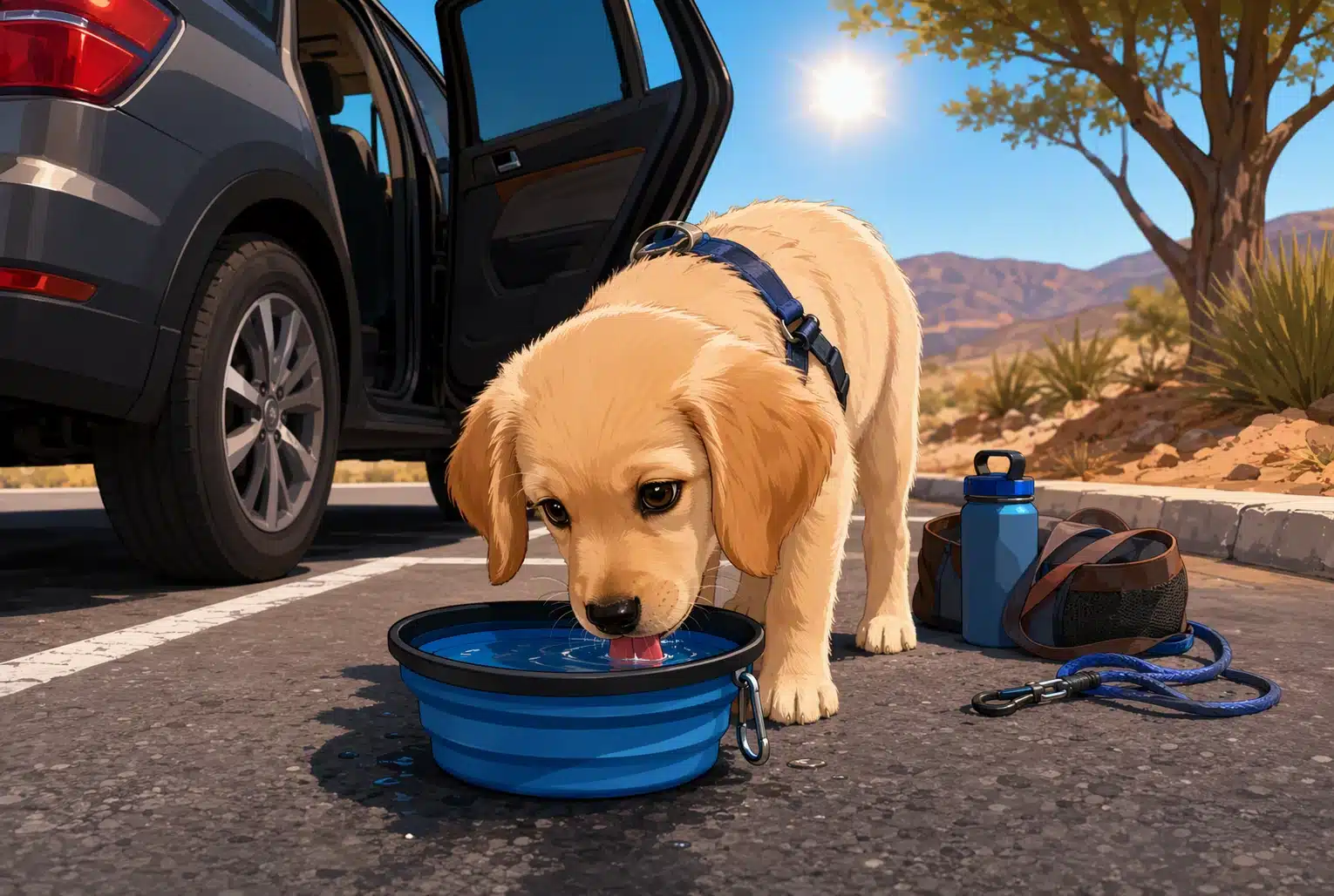
Puppies can become dehydrated during normal play, travel, or heat exposure much faster than adults. A bowl in the house is not always enough, especially when a young puppy is excited, crated, in the car, or outside in dry heat.
Highlights
- Offer fresh water after sleep, play, meals, and outings.
- Bring a travel bowl or bottle on car trips. The CDC pet travel guide recommends packing water and making frequent stops.
- Watch for dry gums, lethargy, and reduced urination.
- Use shade and rest breaks to lower water loss. The AVMA warm weather safety page also advises fresh water, shade, and frequent breaks.
Specs
- Best for: Travel, summer, dry climates, and active days
- When it shows up: Year-round, especially in heat or high activity
- Main concern: Low hydration, fatigue, and temperature stress
- Prevention focus: Water access, rest timing, and observation
Pros
- Simple to monitor once routines are in place
- Supports safer training and travel
- Improves overall comfort and recovery
Cons
- Excited puppies may ignore water temporarily
- Dehydration signs can be subtle at first
This ranks here because busy families often track food closely but miss hydration during errands, outings, and play.
Last updated: August 4, 2026
Also Read: 10 Signs a California Puppy Listing Is a Scam – Sage Puppies
6. Outdoor chemical and yard hazards
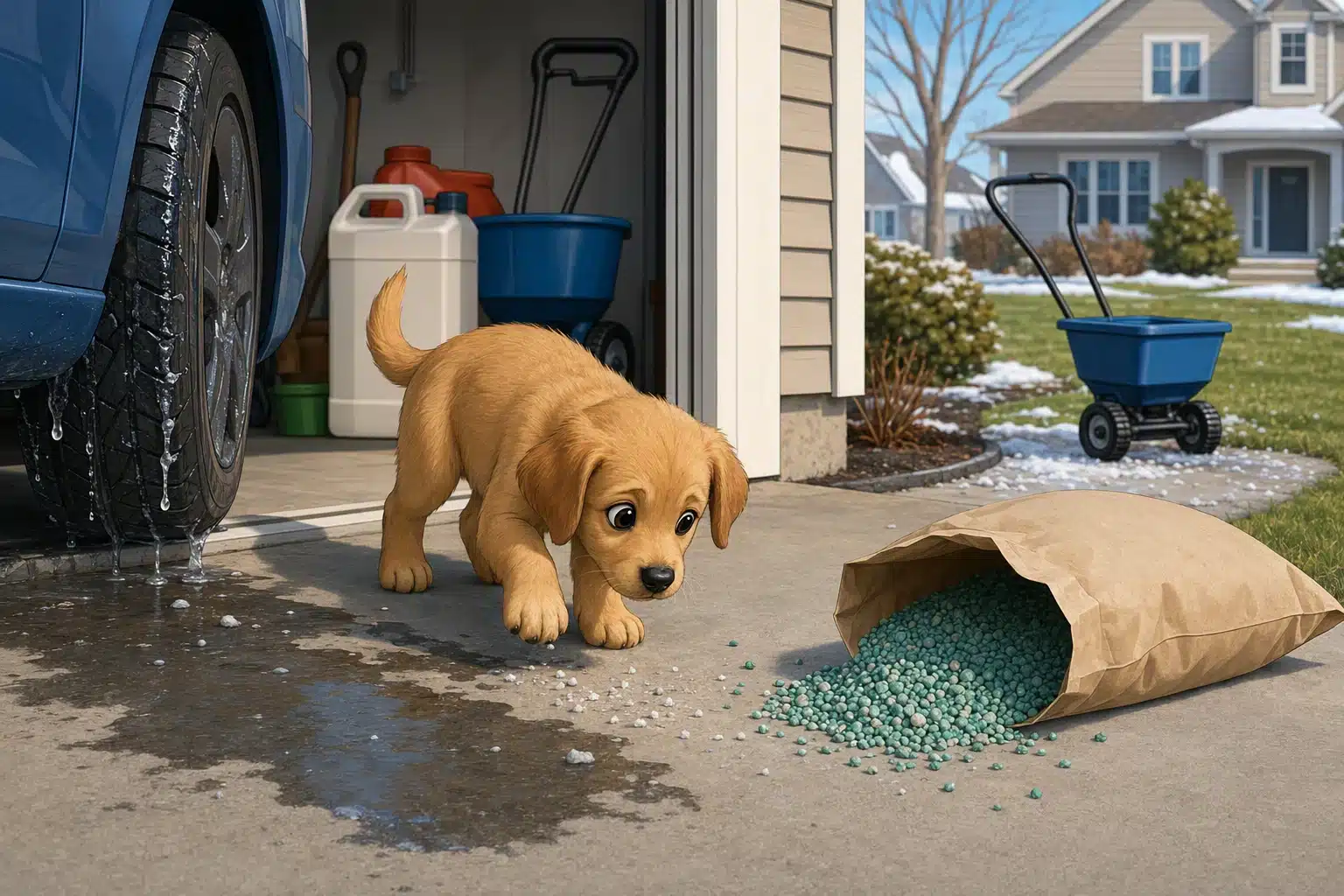
Seasonal lawn care, snow melt, and garden products can hurt puppies faster than most new owners expect. A tiny puppy can pick up residue on paws, then lick it off and turn a normal walk through the yard into a poisoning or skin problem.
Highlights
- Keep puppies off treated grass until products are safe to re-enter. The ASPCA notes pets should stay away until liquid products are dry or watered in, depending on the product label, and granules should not sit where pets can reach them in the yard or garage ASPCA yard and garden guidance.
- Store fertilizer, herbicides, bait, and car fluids behind closed doors.
- Rinse paws after questionable outdoor exposure.
- Block access to garages, sheds, and utility areas. Antifreeze, ice melts, and rodent bait can all be dangerous if licked or swallowed ASPCA garage hazard guide.
Specs
- Best for: Spring yard work, winter driveway treatment, garage spaces
- When it shows up: Spring, fall cleanup, and winter thaw periods
- Main concern: Poisoning, skin irritation, and accidental ingestion
- Prevention focus: Storage, access control, and post-outdoor cleanup
Pros
- Can be controlled with good household systems
- Protects both puppies and other pets
Cons
- Easy to miss during routine home chores
- Some exposures happen before you notice
This ranks here because these risks hide inside normal home maintenance, not obvious puppy gear.
Last updated: August 4, 2026
Also Read: 10 Must-Ask Questions Before Buying a Puppy Locally
7. Escaping, overstimulation, and environment change
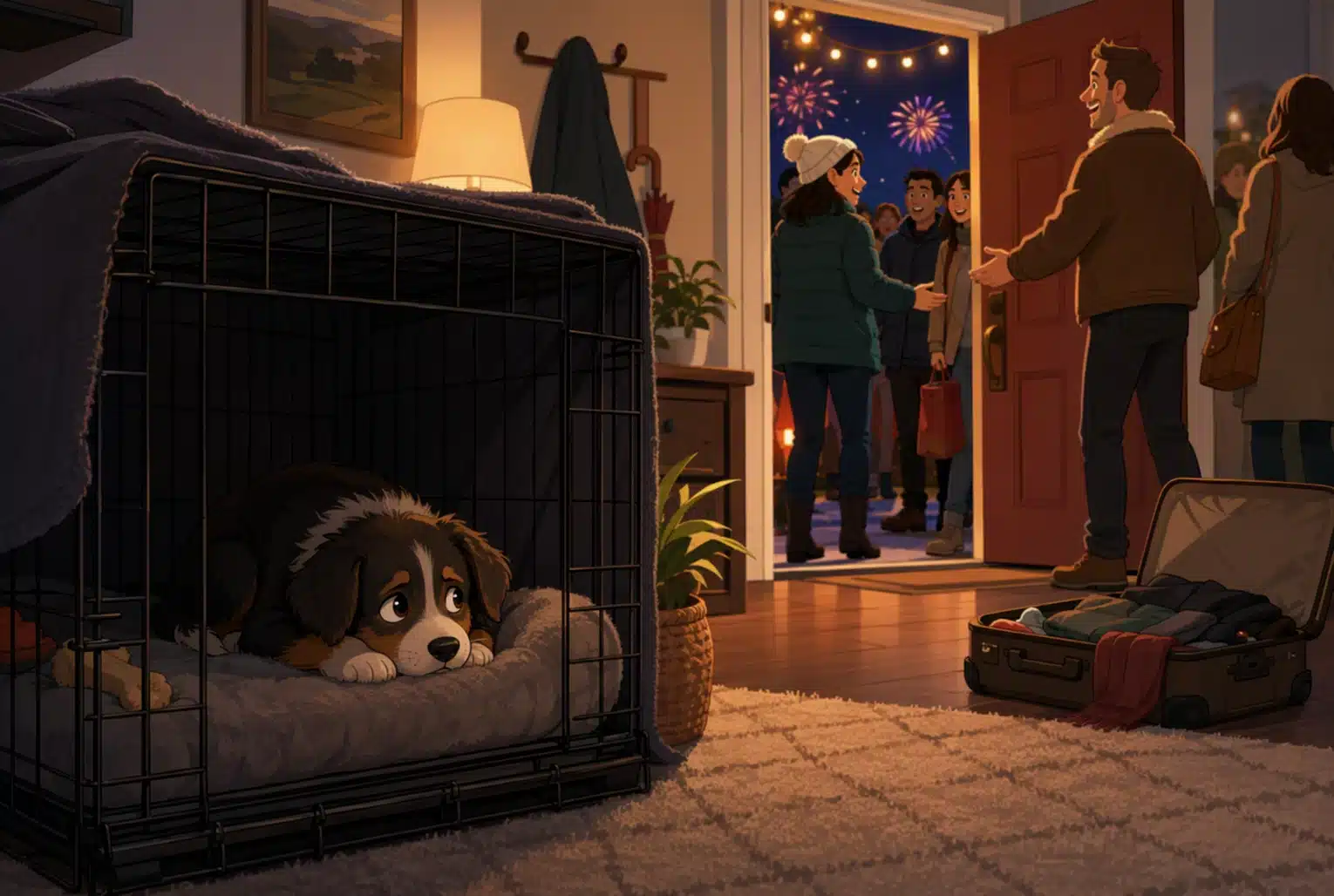
Storms, fireworks, guests, travel, and even a new sleeping spot can push a puppy past their limit fast. What looks like excitement may really be stress, and stress can lead to bolting, chewing, hiding, or injury.
Highlights
- Use gates, leashes, and locked doors during parties, move-in days, and holiday traffic.
- Set up a quiet retreat space before noise starts. The ASPCA recommends an interior room with soft music for fireworks stress in its Fourth of July safety tips.
- Practice routine shifts early, especially before road trips, sleepover guests, or pickup and delivery days.
- Keep tags, microchip info, and supervision steady. The CDC also advises owners to microchip pets and keep contact details updated for travel.
Specs
- Best for: Travel, holidays, fireworks, storms, and guest-heavy weeks
- When it shows up: Year-round, with spikes during busy seasons
- Main concern: Bolting, stress, and accidental injury
- Prevention focus: Containment, calm spaces, and predictable routines
Pros
- Improves behavior and emotional safety
- Helps first-time owners and family homes
Cons
- Often looks like excitement instead of risk
- Stress can show up suddenly in young puppies
This ranks last only because it is broader than the others, but it still drives many preventable puppy incidents.
Last updated: August 4, 2026
Also Read: 10 Small Breed Puppies That Stay Friendly & Easygoing
How to choose the right seasonal safety plan
Pick a plan you can actually follow. The best one starts with this season, then adds one next-season step so you are not scrambling later.
Use these criteria to choose the right setup for your puppy and family:
- Start with today, plan one season ahead. If it is summer, solve heat and pavement now, then prep for fall plants, cooler nights, and holiday guests. If it is winter, handle cold stress now, then get ready for spring parasites and yard chemicals.
- Match the plan to size and age. Small breeds and young puppies, including many Havanese, Havapoo, and Cavapoo puppies, lose heat, water, and energy fast. They need shorter outings, closer watch, and more frequent breaks than adult dogs.
- Build your local hazard list. Keep a simple checklist for:
- Hot pavement
- Snowmelt chemicals
- Yard treatments
- Holiday foods
- Flea, tick, or mosquito exposure
- Choose simple controls first. Gates, leashes, crates, locked cabinets, shade, fresh water, and supervised yard time prevent more problems than complicated gear.
- Ask your vet three direct questions. When should parasite prevention begin? Which signs need urgent care? Which seasonal risks matter most where you live?
- Plan harder for busy homes. Travel, parties, and houseguests raise risk. Keep routines steady and use containment early.
If you want a puppy that already starts from a thoughtful, family-first foundation, Sage Puppies stands out. Their focus on small companion breeds, home-raised care, and clear pickup or delivery planning makes seasonal safety easier for first-time families.

Seasonal puppy safety gets much easier when you start with a well-raised, thoughtfully matched companion. If you want help choosing a Havanese, Havapoo, or Cavapoo that fits your home, explore Sage Puppies. Their family-first process, health-tested parents, and clear pickup or nationwide delivery options give new owners a calmer start. You can view available puppies, review pricing, and take the next step with confidence.
Frequently Asked Questions
Q1: What are the common seasonal risks for puppies during different times of the year?
Spring brings standing water, mud, and early parasites. Summer raises heatstroke and burned paw pads. Fall adds mushrooms, rodent bait, and cold nights. Winter often means ice melt, antifreeze, space heaters, and dry indoor air. Small puppies face these risks faster.
Q2: How can new puppy owners puppy-proof their homes for seasonal hazards?
Start at puppy eye level. Move cords, plants, cleaners, meds, and holiday decor out of reach. Add baby gates near stairs and exits. Wipe paws after walks. Store antifreeze, fertilizer, and ice melt high up. Check blankets, vents, and chew items often.
Q3: What are the best practices for seasonal vaccination and parasite prevention in puppies?
Follow your vet’s puppy vaccine schedule and do not delay boosters during busy travel seasons. Keep flea, tick, and heartworm prevention consistent year-round. Ask about local risk changes by region. Puppies visiting parks, groomers, or delivery routes may need tighter timing.
Q4: When is weather too extreme for a puppy walk?
If pavement feels too hot for your hand, skip the walk. If wind, ice, or snow chills you fast, shorten it. Young puppies, toy breeds, and low-to-ground pups lose body heat quickly. Use indoor play and brief potty trips instead.
Q5: Are holiday decorations really dangerous for puppies?
Yes. Tinsel, ribbon, ornament hooks, batteries, candles, and salty treats cause real trouble fast. Puppies chew first and think later. Keep decor higher than nose level, block tree access, and remind guests not to feed table scraps during gatherings.
Q6: Does pickup or delivery change seasonal safety planning?
It can. Families doing Utah pickup should bring water, towels, and climate control for the ride home. Delivery families should prep a quiet, temperature-safe space before arrival. At Sage Puppies, planning ahead helps the first day feel calm instead of rushed.