Quick Summary: Young puppies are more vulnerable to heat in summer, so limiting outdoor time, avoiding parked cars, protecting paws, providing water, and watching for heatstroke signs are key safety rules. Exercise should be scheduled during cooler hours, and immediate vet help is crucial if symptoms worsen. These simple precautions help prevent overheating and keep puppies safe during hot days.
When the pavement can burn your skin, even a quick potty trip can put a young puppy at risk. That is why Puppy Summer Safety matters more than many new owners expect. Small puppies heat up fast, and a normal-looking summer routine can turn unsafe in minutes.
Hot Weather Puppies need closer watch than adult dogs. Their bodies do not handle heat as well, and early trouble signs are easy to brush off. Heavy panting, slowing down, or acting extra excited can look harmless at first. In real life, those same signs can be the start of overheating.
This guide keeps Puppy Summer Safety simple. You will get seven practical rules that help families prevent heat buildup, catch warning signs early, and respond fast if a puppy gets too hot. These are the kind of Puppy Safety Tips that make daily walks, yard time, car rides, and playtime safer all summer long.
We chose these rules based on what matters most in real hot-weather care. That includes limiting heat exposure, timing exercise, keeping water available, protecting paws, improving air flow, watching for heatstroke symptoms, and knowing what to do in an emergency. Good Puppy Summer Safety is not complicated, but it does require attention before a problem starts.
Quick Comparison
| Rule | Best for | Why it matters | Summer risk prevented |
|---|---|---|---|
| Keep outdoor time short and shaded | Preventing overheating before it starts | Limits direct sun, hot surfaces, and prolonged exertion | Heat exhaustion and heatstroke |
| Never leave a puppy in a parked car | Avoiding rapid temperature spikes in enclosed spaces | Car interiors can become unsafe very quickly | Heatstroke and life-threatening distress |
| Protect paws from hot pavement | Safe walks and potty breaks | Hot surfaces can burn paws and increase body heat | Burns, discomfort, and overheating |
| Offer water before, during, and after activity | Daily heat prevention and recovery after activity | Supports circulation, cooling, and overall comfort | Dehydration and heat stress |
| Watch for early heatstroke signs | Early detection of dangerous overheating | Symptoms can escalate quickly in puppies | Delayed emergency response |
| Exercise only in the coolest hours | Planning safer exercise windows | Cooler temperatures reduce strain on a puppy’s body | Overexertion and heat buildup |
| Know when to call the vet | Emergency decision-making | Heat issues can worsen quickly without treatment | Delayed medical care |
What to know about puppy summer safety
Hot weather can turn normal puppy routines risky fast. Young puppies get overheated more easily than adult dogs because their bodies are still growing, and they do not cool themselves as well. That matters even more for small companion breeds, which can tire quickly and may struggle to handle long walks, rough play, or time outside in direct sun.
Summer safety is not just about keeping your puppy comfortable. It helps prevent dehydration, paw pad burns, and heatstroke, which can become serious in minutes. Common trouble spots include warm sidewalks, parked cars, backyards with little shade, and midday errands that seem harmless at first.
A good summer plan helps you spot risk early and act fast. The rules ahead focus on prevention, warning signs, and what to do if your puppy starts showing heat stress.
If a puppy seems unusually tired, drooly, or unsteady in the heat, treat it like a real warning sign.
1. Keep outdoor time short and shaded
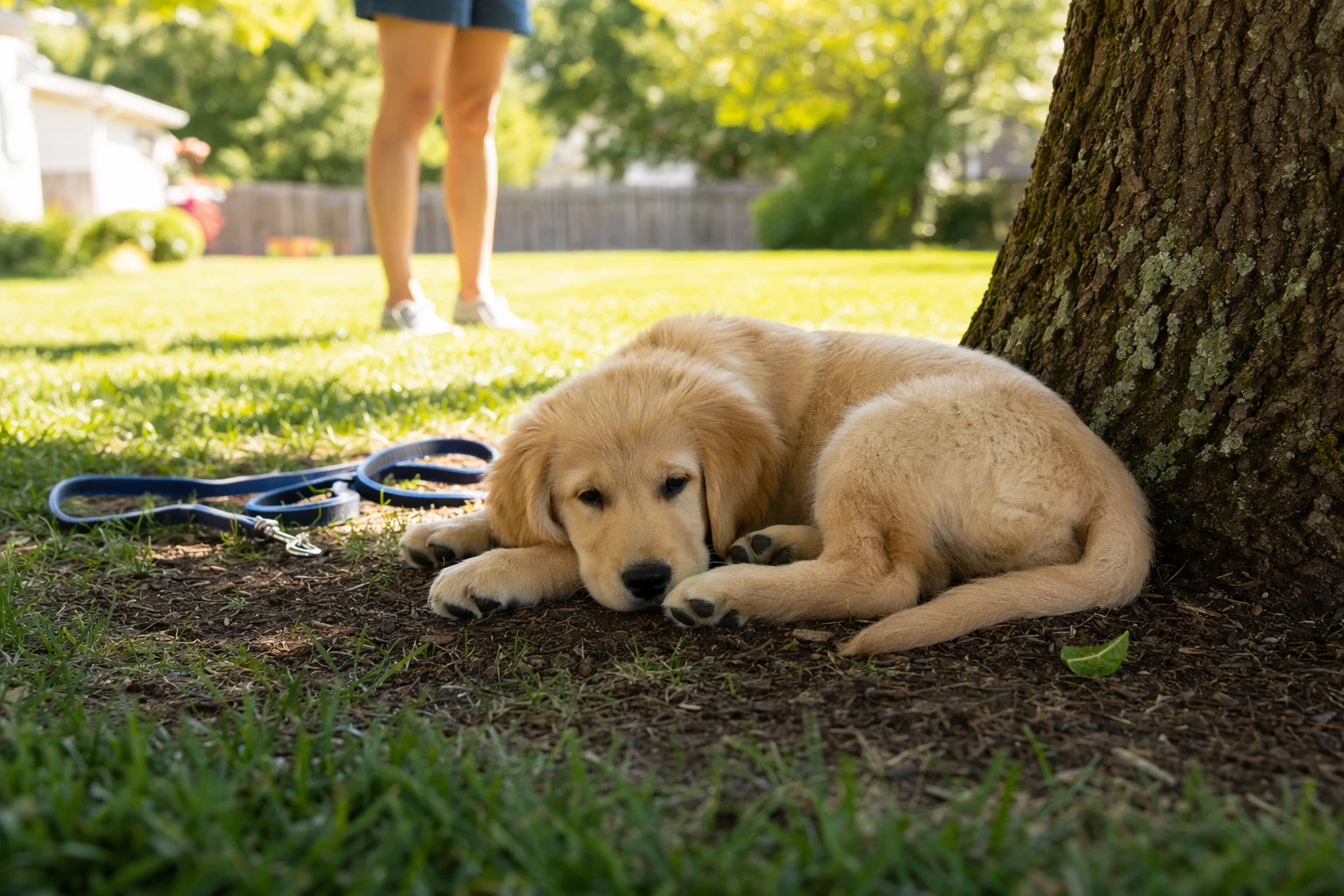
The simplest way to reduce heat exposure is to limit how long your puppy stays outside. Short, supervised outings are the safest summer default, especially in midday heat. Even playful pups can push too hard before they realize they are getting too hot.
Highlights
- Use shaded potty spots whenever possible
- Split play into very short sessions
- Bring your puppy inside at the first sign of slowing down
Specs
- Best for: Preventing overheating before it starts
- Why it matters: Limits direct sun, hot surfaces, and prolonged exertion
- Summer risk prevented: Heat exhaustion and heatstroke
A good rule for Puppy Summer Safety is simple: go out, do the potty break or quick play, then come back in. The AKC recommends limiting exercise and time outside during hot weather and avoiding hard activity when the sun is strongest in its summer safety tips.
Pros
- Easy to follow every day
- Works for all puppy sizes
- Does not require special gear
Cons
- May be hard to maintain during busy schedules
- Requires adults to be disciplined about timing
This ranks first because preventing heat buildup is safer and easier than trying to cool down an uncomfortable puppy.
Last updated: July 22, 2026
Also Read: Blog
2. Never leave a puppy in a parked car
A quick stop can turn dangerous fast. A parked car heats up much faster than most people expect, and a puppy can get distressed in minutes. According to the National Weather Service, cracked windows do not meaningfully slow the heating rate. The AVMA notes that a car interior can rise about 20 degrees in 10 minutes, even on a day that does not feel extreme.
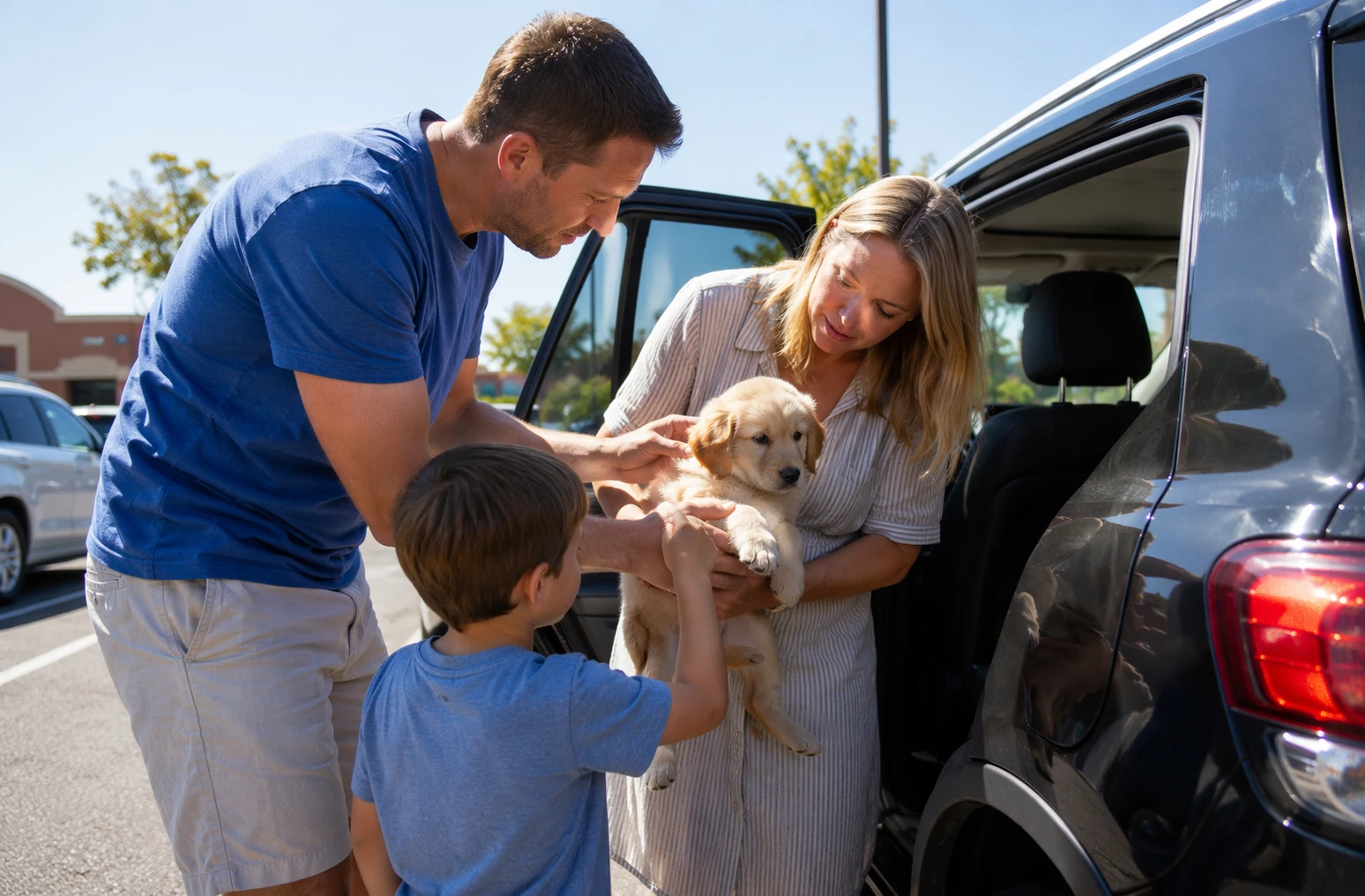
If your errand will take more than a minute, leave your puppy home or bring another adult who can stay in the air-conditioned car.
Highlights
- Do not rely on cracked windows
- Take your puppy inside when safe and allowed
- Plan outings so your puppy never waits alone in the vehicle
Specs
- Best for: Avoiding rapid temperature spikes in enclosed spaces
- Why it matters: Car interiors can become unsafe very quickly
- Summer risk prevented: Heatstroke and life-threatening distress
Pros
- Clear, non-negotiable safety rule
- Easy to remember
- Protects every puppy regardless of breed
Cons
- Requires advance planning
- Can be inconvenient when running errands
This ranks high because the danger is severe, immediate, and easy to prevent.
Last updated: July 22, 2026
3. Protect paws from hot pavement
Hot ground can hurt a puppy fast. If the surface feels too hot for your hand, it is too hot for puppy paws.
Blacktop, sand, concrete, and artificial turf hold heat longer than many owners expect. The AKC notes that pavement can be unsafe once air temps stay around 85 F, and their simple 10-second hand test is an easy habit before walks. Hot surfaces also add to body heat, and dogs only sweat a little through their paw pads, so overheating can build faster than families realize.
Highlights
- Test pavement with your hand before every walk or potty break
- Choose grass, dirt paths, or shaded ground when you can
- Use booties only if your puppy already walks well in them
Specs
- Best for: Safe walks and potty breaks
- Why it matters: Hot surfaces can burn paws and raise body heat
- Summer risk prevented: Burns, discomfort, and overheating
Pros
- Simple to check every time
- Helps you pick safer routes
- Supports comfort and safety
Cons
- Surface heat can change fast
- Some neighborhoods have little shade
This ranks high because paw burns are painful, easy to miss, and often start before a puppy shows clear heat stress.
Last updated: July 22, 2026
4. Offer water before, during, and after activity
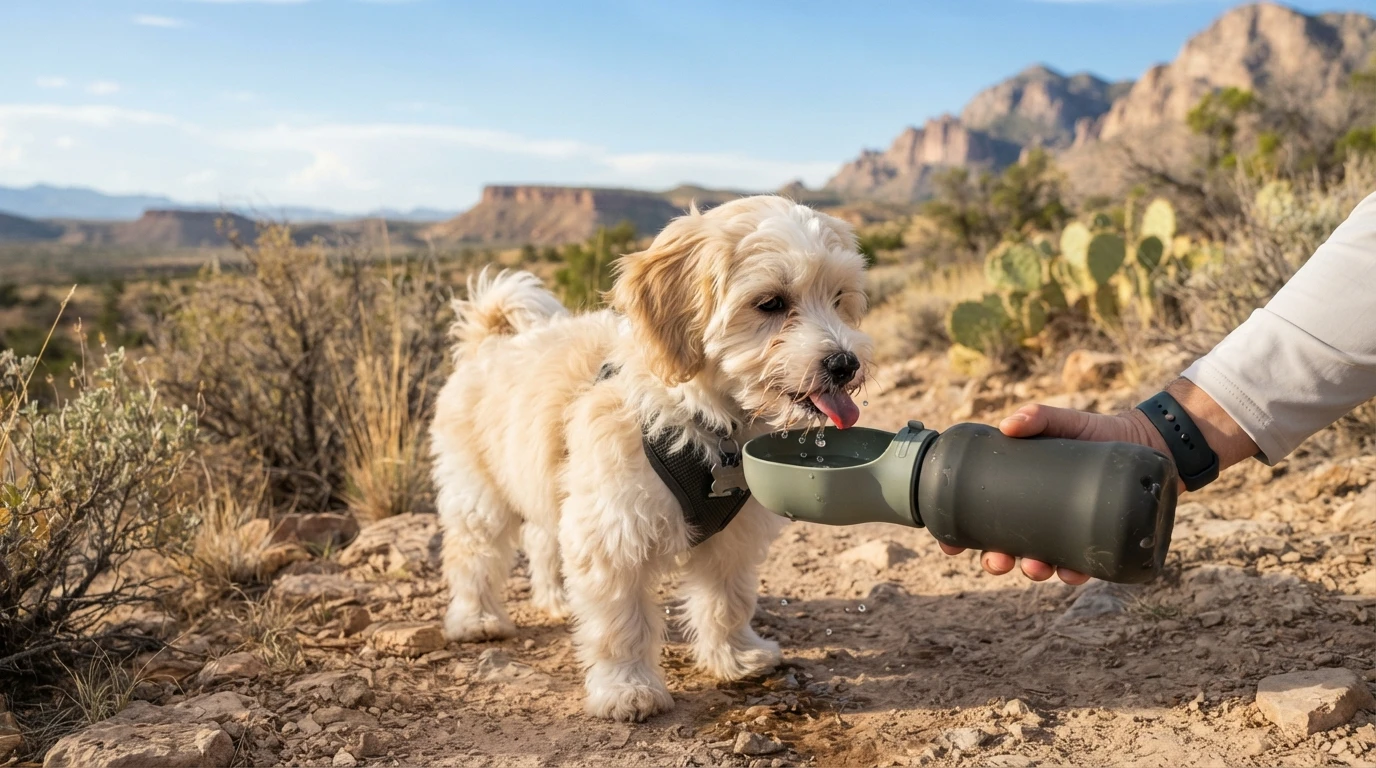
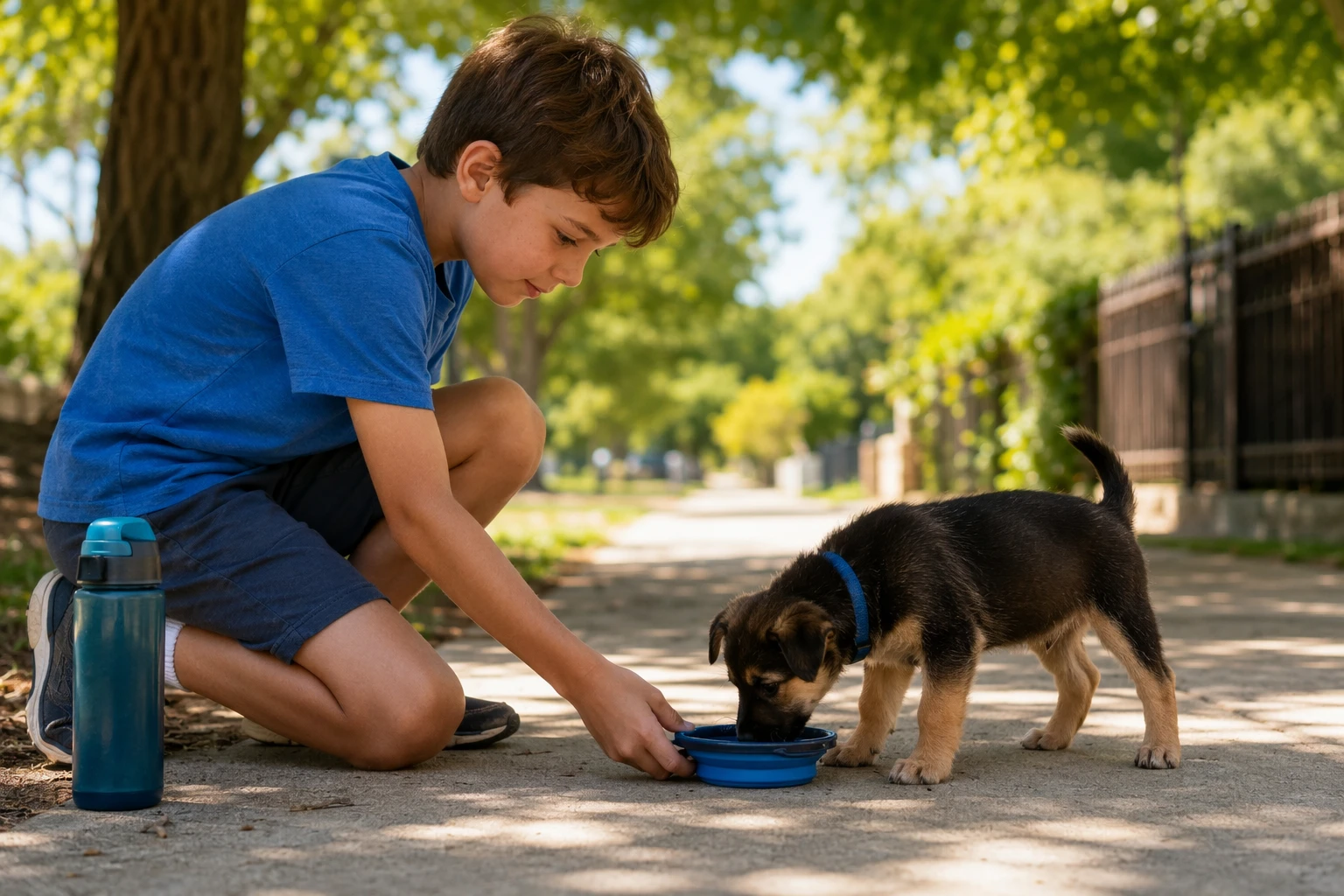
Frequent water breaks are a core part of keeping puppies cool. Even a short walk can dry them out fast in warm weather, so offer water before you head out, bring it with you, and offer it again once you get home. Cornell advises frequent water breaks and bringing a collapsible bowl, and the CDC recommends plenty of fresh water in a shady area on hot days.
Highlights
- Keep a travel bowl or water bottle ready for walks, errands, and park stops.
- Encourage small, steady drinks instead of pushing a lot of water at once.
- Watch for dry gums, sticky saliva, or low energy after time outside.
Specs
- Best for: Daily heat prevention and recovery after activity
- Why it matters: Supports circulation, cooling, and overall comfort
- Summer risk prevented: Dehydration and heat stress
Pros
- Easy to build into every outing
- Works well for travel and walks
- Supports overall puppy health
Cons
- Does not replace shade or rest
- Some puppies need encouragement to drink
It ranks here because water works best as a simple routine, not a last-minute rescue step.
Last updated: July 22, 2026
Also Read: 10 Unique Care Tips for Small Breed Puppies in Urban Settings
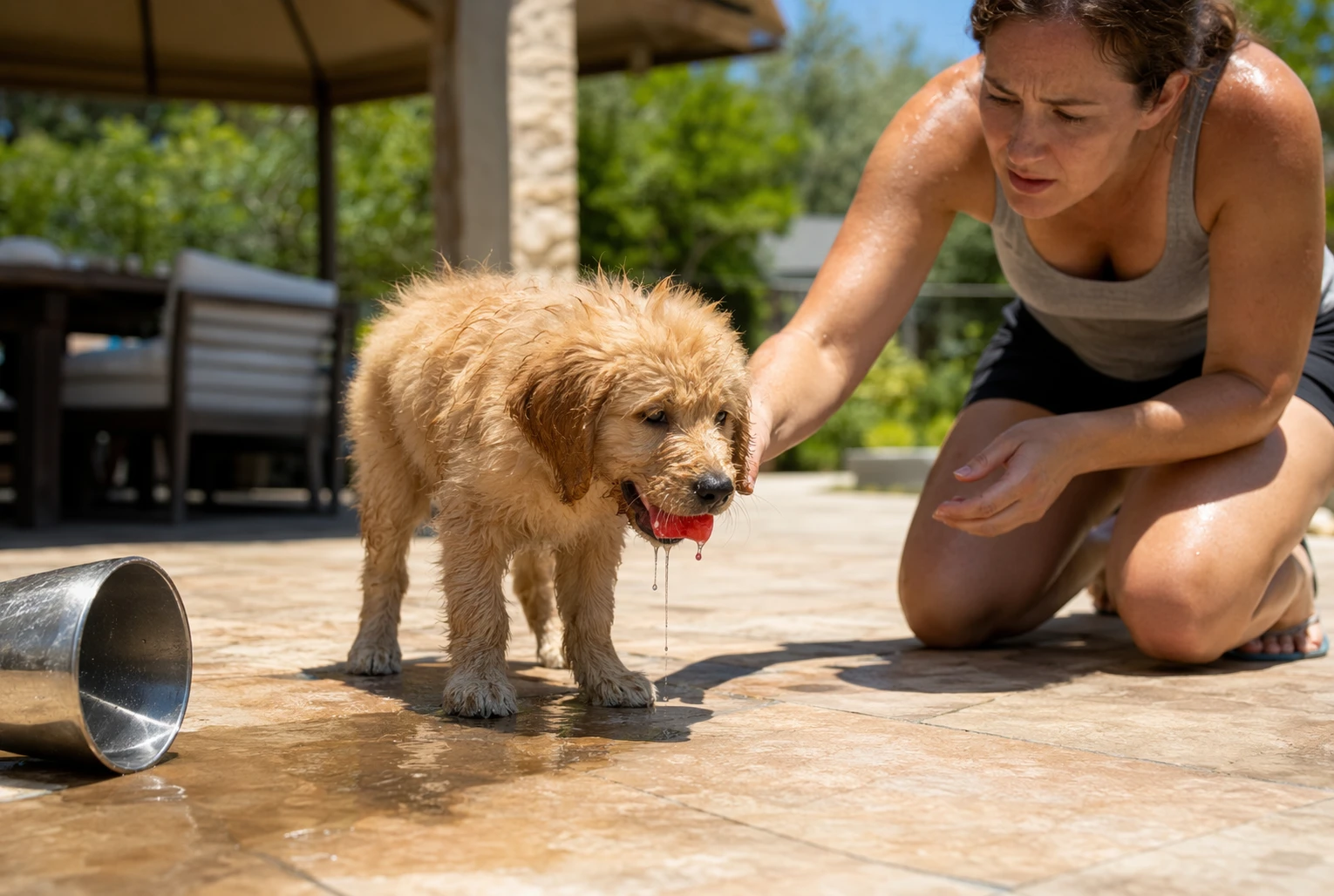
5. Watch for early heatstroke signs
Puppies almost never jump from fine to crisis with no warning. Catching the warning signs early can change the outcome fast, especially because heat illness can worsen quickly and become a life-threatening emergency according to California public health guidance.
Highlights
- Learn your puppy’s normal energy level, breathing, and recovery time after play.
- Stop activity right away if panting turns loud, hard, or nonstop.
- Treat stumbling, confusion, vomiting, bright red gums, drooling, sudden weakness, or collapse as urgent warning signs. Wake County notes these are common signs of heatstroke in pets.

Specs - Best for: Early detection of dangerous overheating
- Why it matters: Symptoms can escalate quickly in puppies
- Summer risk prevented: Delayed emergency response
Pros
- Helps families respond sooner
- Useful in any summer setting
- Improves confidence during outdoor time
Cons
- Symptoms can be easy to miss at first
- Requires calm, decisive action
This ranks here because even great Puppy Summer Safety habits are not perfect, so knowing the signs of heatstroke in dogs helps you act before things turn critical.
Last updated: July 22, 2026
6. Exercise only in the coolest hours
Morning and evening are usually safer than midday for puppy activity. In hot weather, even a short walk can turn into too much fast, so give your puppy the best safety margin by planning exercise around cooler hours.
Highlights
- Aim for early morning or later evening walks, since the AVMA advises exercise during cooler hours.
- Keep play and training brief and easy, not intense.
- Check humidity too, because Cornell notes heatstroke risk rises in hot or humid conditions.
Specs
- Best for: Planning safer exercise windows
- Why it matters: Cooler temperatures reduce strain on a puppy’s body
- Summer risk prevented: Overexertion and heat buildup
Pros
- Easy to plan around daily routines
- Reduces surface and air heat exposure
- Works for walks, training, and play
Cons
- May not fit every family schedule
- Even cooler hours can still be too warm on extreme days
If your puppy seems slower than normal, cuts a walk short, or wants shade right away, end the session and head inside.
This ranks high because it lowers risk before your puppy even steps outside.
Last updated: July 22, 2026
7. Know when to call the vet
If your puppy shows signs of heat stress and does not perk up fast, get help. Heat illness can move quickly, and a puppy should not be left to “sleep it off.” AVMA warns that collapse, unsteadiness, heavy panting, and abnormal gum color need emergency care.
Highlights
- Call your vet or emergency clinic right away if symptoms continue, your puppy seems weak or confused, or becomes hard to wake.
- Move your puppy to a cool indoor space while you call.
- Do not force water, and do not use ice-cold water or shock cooling. AKC notes that cool, not cold, water is the safer choice.
Specs
- Best for: Emergency decision-making
- Why it matters: Heat issues can worsen quickly without treatment
- Summer risk prevented: Delayed medical care
Pros
- Gives families a clear action plan
- Reduces panic in an emergency
- Supports faster treatment
Cons
- Requires prompt judgment
- Can feel stressful in the moment
This rule ranks last because it is the response step, but it can save your puppy’s life when prevention fails.
Last updated: July 22, 2026
How to choose the right summer safety routine
Pick a routine you can follow every day, not just on perfect days. Start with the rules that never change:
- No parked-car time
- Shorter outings in hot weather
- Shaded rest breaks every trip outside
- Water within easy reach at home and away
- A clear plan for when your puppy seems off
Use these criteria to choose the right setup
-
Match the plan to your puppy
A young, small, fluffy, or high-energy puppy needs more breaks. Toy and small companion breeds often tire faster and heat up sooner, so keep sessions short. -
Build your day around cool hours
Choose early morning or later evening for walks, potty trips, and training. Cooler starts mean less stress and fewer bad experiences outside. -
Make water automatic
Keep bowls in the rooms your puppy uses most. Bring a travel bowl and water in the car, stroller, or bag if your puppy comes with you. -
Know your puppy’s warning signs
Watch for heavy panting, slowing down, glassy eyes, drooling, wobbling, or suddenly wanting to lie down. Learn these signs before the hottest weeks hit. -
Choose a breeder who prepares families well
If you are still choosing a puppy, Sage Puppies is a strong fit for summer-aware families. Their home-raised Havanese, Havapoo, and Cavapoo puppies suit companion homes well, and their transparent, family-first approach helps you plan care with confidence.
If your puppy seems weak, confused, or does not bounce back after cooling down, call a vet right away. Waiting is the risky choice.
| Puppy type | Best summer routine |
|---|---|
| Small or young puppy | Very short outings, frequent breaks, easy indoor recovery |
| Fluffy companion breed | Cooler-hour walks, shade, steady water access |
| High-energy puppy | Short play blocks, calm rest periods, avoid midday heat |
If you want a puppy that is better prepared for hot weather routines, start with a breeder who plans for real family life. Sage Puppies raises Havanese, Havapoo, and Cavapoo puppies in a home setting with health-tested parents, early socialization, and a clear adoption process. You can explore available puppies, review pickup or delivery options, and take the next step with confidence if you want a well-started companion for summer and beyond.
Frequently Asked Questions
Q1: What are the essential summer safety rules every dog owner should follow to protect their pet from heatstroke?
Keep your puppy in shade, offer cool water often, and avoid walks during peak afternoon heat. Test pavement with your hand first. Never leave a puppy in a parked car. Watch small breeds closely, since they can overheat faster than larger dogs.
Q2: How can I prevent my puppy from overheating during outdoor summer activities in the United States?
Plan playtime for early morning or evening. Keep sessions short and take breaks every 10 to 15 minutes. Bring water, a bowl, and a cooling towel. Choose grass over asphalt. Puppies with short noses, thick coats, or low stamina need extra caution.
Q3: What are the signs of heatstroke in dogs and how should I respond to keep my puppy safe?
Early signs include heavy panting, drooling, weakness, red gums, vomiting, and confusion. Move your puppy to a cool area right away. Offer small sips of water. Use cool, not icy, water on paws and belly, then call a veterinarian immediately.
Q4: Is it safe to walk my puppy on hot pavement?
Check pavement with the back of your hand for seven seconds. If it feels too hot for you, it can burn paw pads. Stick to grass, shaded trails, or cooler times of day. Burned paws may look red, blistered, or tender.
Q5: Do small-breed puppies need extra summer protection?
Yes. Small puppies can heat up, tire out, and dehydrate fast. Havanese, Havapoo, and Cavapoo puppies need close supervision in summer. Families choosing a puppy from Sage Puppies should plan shaded outings, short walks, and indoor rest so the puppy stays safe.