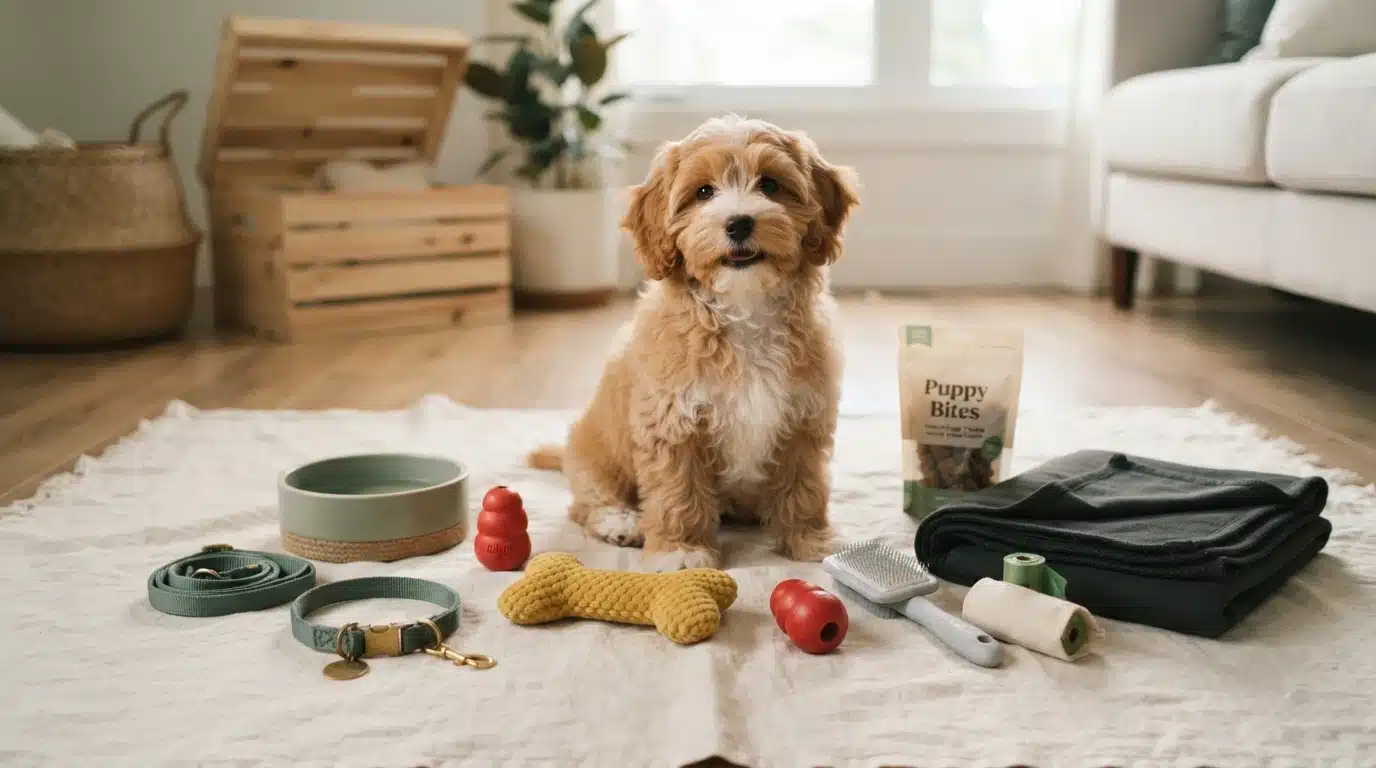
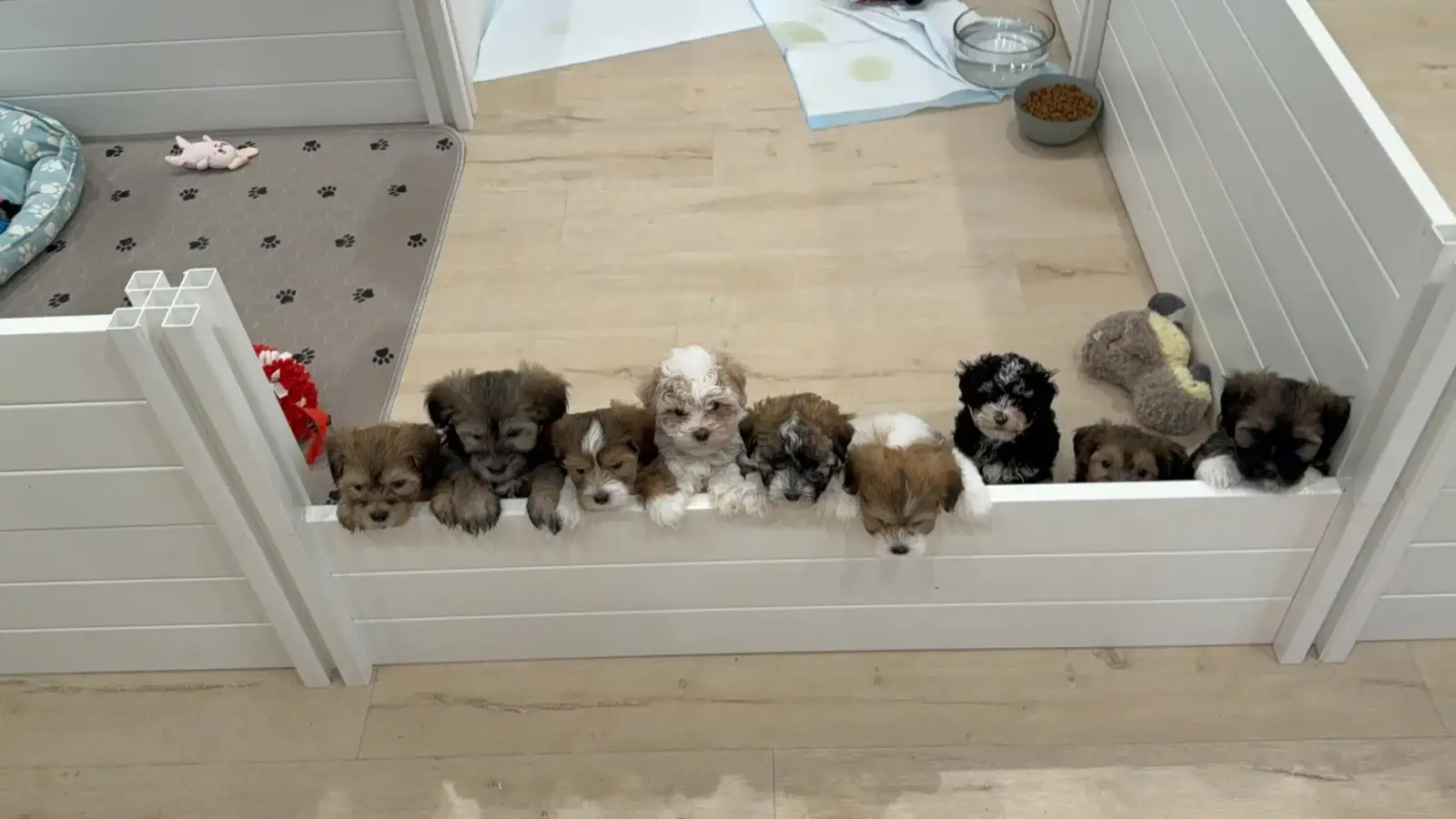
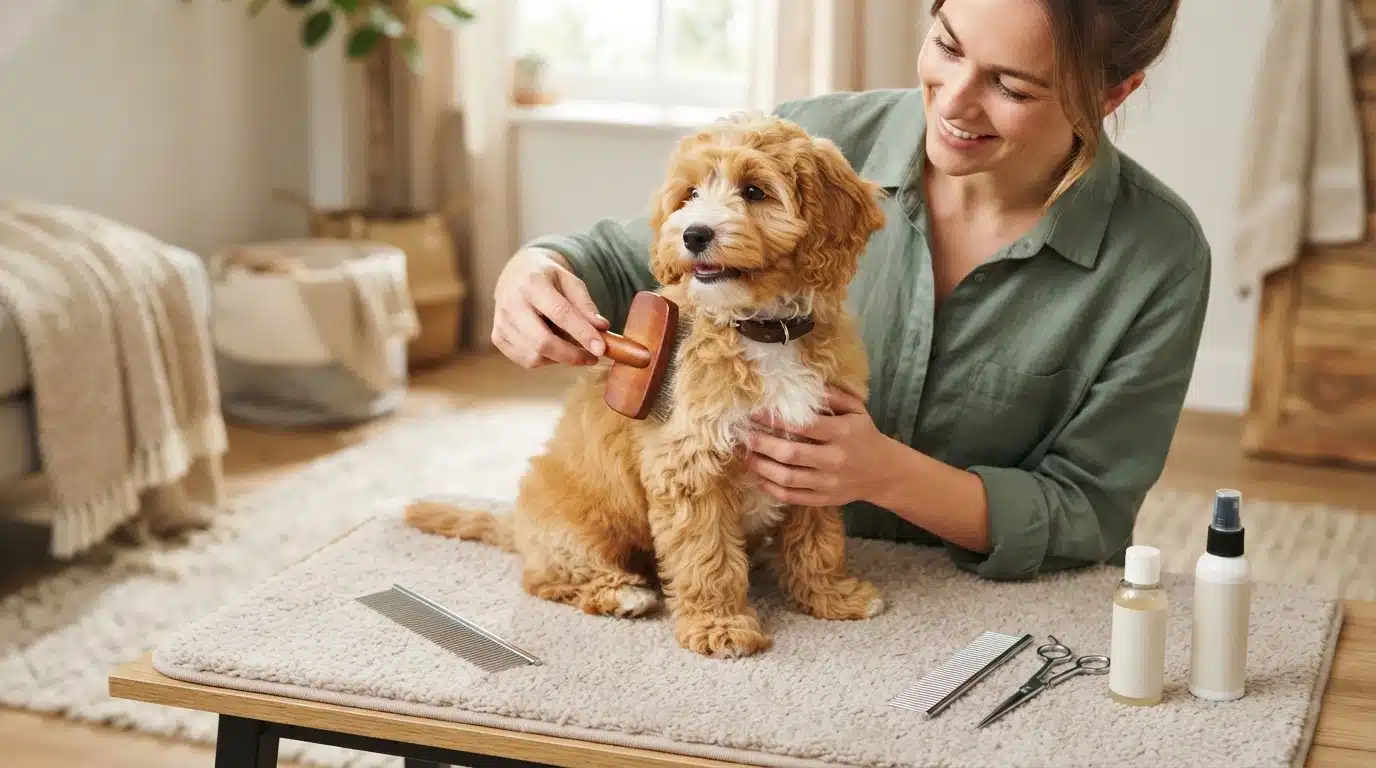
Quick Summary: Havapoo puppies typically live 12 to 15 years, with longer lifespans linked to good genetics and home care. Their health depends on breeder screening for issues like joint, eye, and heart problems, plus daily routines such as diet, exercise, and dental care. Proper early health testing and responsible breeding significantly influence their longevity. Families should prioritize health-tested parents and steady care to give Havapoos the best chance at a long, healthy life.
Cute photos are easy. The harder question is whether Havapoo puppies are likely to live long, healthy, comfortable lives. That depends on more than the mix itself. It also comes down to small-dog risks, parent health, and how a breeder raises Havapoo puppies from the start.
This review tackles that problem head-on. You will get clear Havapoo breed information, a realistic look at Common health issues in Havapoos, and practical Havapoo puppy care tips for daily life. We will also cover Havapoo vs. other breeds so you can judge fit, not just looks.
This guide is built for careful families who want facts before bringing home Havapoo puppies.
How long Havapoo puppies usually live and what changes that number
Most Havapoo puppies should be viewed as small companion dogs with a likely lifespan in the low-to-mid teens, not as dogs with one fixed number. In practice, many families will hear estimates around 12 to 15 years, which fits what we know about small dogs and the Havapoo’s parent breeds.

What the lifespan range looks like in practice
A Havapoo is a Havanese-Poodle mix, so lifespan usually falls near the range of those parent breeds. The Havanese is often listed at 14 to 16 years by PetMD’s Havanese breed guide, while the American Kennel Club notes that small dogs often live 10 to 15 years, with some living longer, in its dog lifespan overview.
That does not mean every Havapoo will hit 15 or 16.
A more useful way to think about it is this:
- 12 to 15 years is a fair working range for many healthy Havapoos
- Some will pass that range
- Some will fall short because of inherited disease, poor structure, obesity, trauma, or weak preventive care
A breeder who promises lifespan is guessing. A breeder who shows health testing, family history, and honest risk talk is giving you something more useful.
| Lifespan view | What it means for families |
|---|---|
| 12 to 15 years | Reasonable planning range for many Havapoos |
| 14 years or more | More likely with strong genetics and good care |
| Under 12 years | Often tied to disease, poor breeding, or preventable health problems |
Why genetics matters more than the label
“Designer mix” does not automatically mean healthier. What matters most is which Havanese and which Poodle were bred, and whether those parents were screened for known problems.
Ask about:
- Patella, hips, eyes, and cardiac checks
- Family history of seizures, joint issues, and eye disease
- Whether parents show stable temperament and sound structure
Good breeding lowers risk. It does not erase risk.
This is where a careful program, including one like Sage Puppies, should be able to show you how parent selection was made, not just share cute photos.
The lifestyle factors that most affect longevity
After genetics, daily care has the biggest effect on how long a Havapoo lives.
Focus on the basics:
- Keep your puppy lean
- Stay current on vet visits, vaccines, and parasite prevention
- Feed a balanced diet for small-breed growth
- Protect teeth early with brushing and cleanings
- Use a leash, crate, and supervision to prevent injuries
Small dogs often live longer, but they are also easy to overfeed and easy to injure.
The longest-lived Havapoos usually come from both sides of the equation: smart breeding first, steady home care second.
Also Read: Havapoo
The health issues most worth watching in Havapoo puppies
Havapoos can be healthy little dogs, but a few problem areas deserve close attention early. Since they come from Havanese and Poodle lines, smart buyers should watch for knees, eyes, and the everyday issues that quietly affect comfort over time. This section pairs with the main review, where we break down how breeder screening shapes long-term lifespan.
Knee, joint, and movement problems
Small companion mixes often deal with patellar luxation, where the kneecap slips out of place. The OFA notes this issue is considered inherited, and puppies can show signs early, even when the worst symptoms come later according to OFA. Watch for:
- skipping for a few steps
- bunny hopping
- stiff rising after rest
- one back leg held up now and then
- trouble on stairs or slick floors
A puppy that is wild one minute and limping the next should not be brushed off as “just clumsy.”
Ask the breeder if both parents had patella exams and whether close relatives needed surgery.
Eyes and inherited vision risks
Eye trouble matters because some problems start quietly. The ACVO-OFA eye registry exists to help breeders screen for inherited ocular disorders before breeding through CAER eye exams. In a Havapoo puppy, watch for:
- squinting
- rubbing at the face
- cloudy eyes
- redness
- heavy tear staining
- bumping into things in dim light
Not every watery eye means genetic disease. Hair irritation, mild allergies, or blocked tear flow can also play a part. Still, clear breeder records matter here. A responsible breeder should be able to show recent eye screening on parent dogs, not just say the eyes “look fine.”
Teeth, ears, and skin: the everyday issues that add up
These issues may sound minor, but they drive a lot of vet visits in doodle-type companions.
| Area | What families may notice | Why it matters |
|---|---|---|
| Teeth | bad breath, tartar, crowded baby teeth | small dogs often build dental disease faster |
| Ears | odor, wax, head shaking | floppy, hairy ears trap moisture |
| Skin | itching, licking paws, red belly, hot spots | allergies and irritation can spiral |
Merck says periodontal disease starts with plaque and gum inflammation and can worsen without routine care in small animals. Good habits help:
- brush teeth often
- keep ears dry after baths
- use gentle grooming on a schedule
- flag repeat itching instead of guessing
What prevention looks like in a responsible home
Prevention is simple, but it has to be steady.
- keep your puppy lean
- avoid repeated jumps from couches and beds
- use rugs on slick floors
- start tooth brushing early
- check ears weekly
- book regular vet exams
- ask for parent health testing before you reserve
The best Havapoo health plan starts before pickup day. Breeder choices and home care work together.
Also Read: 10 Adorable Havapoo Colors You Need To See 2026 Guide
What health testing should a breeder show you before you reserve a puppy
Ask for proof before you place a deposit. For a Havapoo, that means records for both parent dogs, not just a note that they were “vet checked.” The Havanese Club of America says Havanese breeding dogs should have public health testing that includes eyes, patellas, hips, and BAER hearing, with many breeders also adding cardiac testing Havanese health guidance. For the Poodle side, ask for the parent’s breed-relevant OFA and DNA results too.
The minimum proof families should ask to see
Ask to see these items before you reserve:
- Registered names of both parents
- OFA or CHIC records you can verify yourself
- Current eye exam dates – eye clearances expire
- Patella and hip results
- DNA panel results relevant to the Poodle side
- Cardiac testing, if done
- A copy of the contract before you send money
| Record to request | Why it matters | What to check |
|---|---|---|
| OFA or CHIC listing | Shows real test history | Public and matches the dog’s name |
| Eye exam | Screens inherited eye issues | Current date |
| Patella exam | Small breeds can have kneecap issues | Final result listed |
| Hip evaluation | Helps lower orthopedic risk | OFA or PennHIP noted |
| DNA results | Helps avoid known recessive matches | Dam and sire both shown |

If a breeder says tests were done but will not show copies or public records, pause the reservation.
Why parent testing matters even for mixed-breed puppies
A mix is not a health shortcut. A Havapoo can inherit risks from either side of the pedigree. The OFA explains that CHIC tracks breed-specific screening and makes those results public, which helps buyers see what was actually tested OFA CHIC program.
That matters because mixed-breed puppies are usually too young for many orthopedic and eye screenings themselves. You are really buying into the parents’ genetics, plus the breeder’s choices.
Good breeders use parent results to avoid poor pairings, such as:
- Two dogs carrying the same recessive condition
- Dogs with weak orthopedic history
- Parents with expired eye exams
Questions to ask before placing a reservation
Use simple, direct questions:
- Can you send the registered names of both parents?
- Which tests were done on each parent, and when?
- Are the results posted publicly with OFA?
- Which DNA conditions did you screen for on the Poodle side?
- Have any close relatives had eye, knee, hip, or heart issues?
- Can I read the contract before I leave a deposit?
A strong breeder answers fast, shows documents clearly, and does not act annoyed when you verify details.
Also Read: 7 Common Havapoo Puppies Problems and How to Avoid Them
Havapoo puppies compared with similar small doodles
Havapoos usually land in a sweet spot for families who want a small dog without the extra softness or fragility some toy mixes can bring. The Havanese side is known for being cheerful, social, and adaptable, while the Poodle side adds brains and trainability. The AKC describes Havanese as friendly, playful companions with a sturdy small build, which helps explain why many Havapoos feel a bit more solid and family-ready than some tiny doodle mixes.
| Mix | Often stands out for | Watch for |
|---|---|---|
| Havapoo | Social, trainable, sturdy small size | Coat care, patellas, eye checks |
| Cavapoo | Very cuddly, gentle | Heart history in lines |
| Maltipoo | Smaller size, easy to tote | Can be more delicate |
| Shih-Poo | Lower energy in some homes | Stubborn streak, grooming load |
- Havapoos often fit families who want:
- a small dog with a more upbeat, playful style
- moderate exercise needs
- a puppy that can do well with kids if raised well
- a mix that feels less clingy than some similar doodles

A well-bred Havapoo is not just a cute mix. Parent health testing matters more than doodle type.
Another small doodle may suit you better if your home wants one clear trait above all else. A Cavapoo may appeal if you want a softer, calmer companion. A Maltipoo may fit if very small size matters most. Since Poodles can carry breed-specific eye and patella concerns, smart breeders should screen breeding dogs using Poodle Club of America guidance.
- Pick another mix if you need:
- the quietest personality possible
- the smallest carry-around size
- a lower-drive dog for a very laid-back home
Also Read: Havapoo Puppy: Everything You Need to Know Before You Buy
Why some Havapoo puppies stay healthier and live longer than others
First-year habits that matter most
Healthier Havapoo puppies usually get a strong start, then stay on a steady routine. The first year shapes growth, immunity, and behavior. AAHA notes that puppies need repeated vet visits, vaccine planning, parasite control, behavior guidance, and checks for congenital problems during this stage AAHA life stage guidance.
- Keep every vaccine and booster visit on time
- Use year-round heartworm, flea, and parasite prevention
- Track weight so your puppy stays lean, not chunky
- Build safe social skills with people, grooming, and normal home life
- Start tooth brushing once adult teeth come in
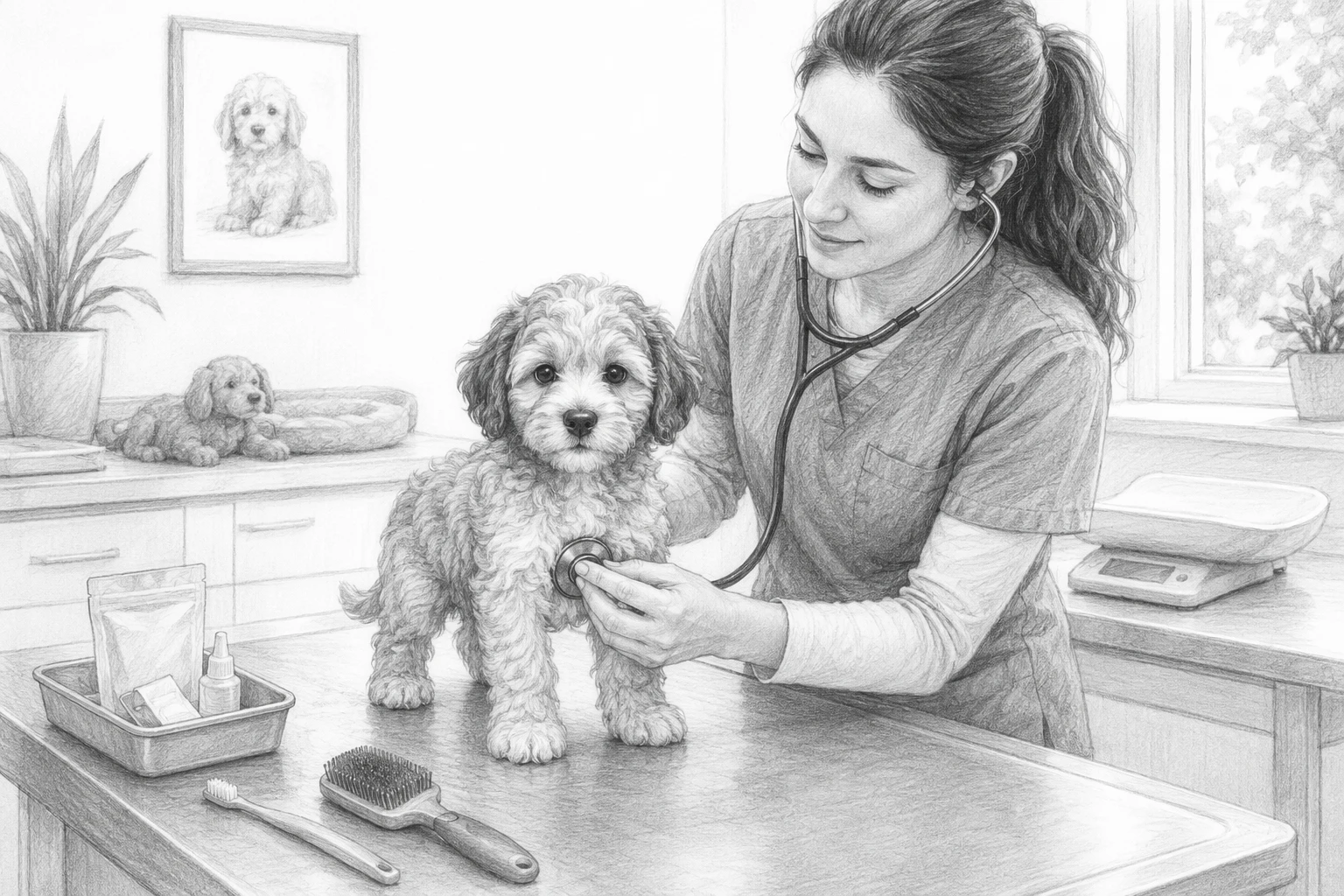
Puppies with missed early care can still do well, but catching up fast matters.
| First-year habit | Why it helps later |
|---|---|
| Vaccine schedule | Lowers risk from serious infectious disease |
| Parasite prevention | Protects gut, skin, heart, and energy |
| Weight control | Reduces stress on joints and body systems |
| Early behavior work | Lowers fear, stress, and unsafe habits |
Daily care that protects long-term health
Longer-lived small dogs often have boring routines done well every day. That means food portions, exercise, grooming, dental care, and regular vet checks. AAHA also stresses body condition scoring and dental checks because excess weight and oral disease can shorten comfort and quality of life AAHA checklist.
- Feed measured meals, not constant treats.
- Give daily walks and play without overdoing jumps.
- Brush the coat and check ears, eyes, and teeth.
- Book wellness exams before problems look obvious.
At breeders like Sage Puppies, families should ask what daily routine the puppy already knows. That makes healthy habits easier to keep at home.
Is a Havapoo puppy the right choice for your family?
A Havapoo can be a great match if you want a small, people-focused companion and you are ready for daily care. Most stay in the small-dog range, and Wikipedia notes a typical 12 to 16 year lifespan, which gives families strong long-term potential when health and breeder quality are solid.
Best fit for families who want a small companion with long-term potential
- You want a dog that likes being close to people
- You can handle regular grooming and brushing
- Your kids know how to be gentle with a small puppy
- Someone is home much of the day, or you have a real plan for alone time
| Good family match | Why it matters |
|---|---|
| Gentle children | Small dogs can get hurt by rough handling |
| Moderate activity level | Havapoos need play and walks, not marathon exercise |
| Long-term mindset | Small companion dogs can be with you for many years |
| Training consistency | Smart puppies learn fast, but habits form fast too |
The fit can be especially strong for families who want a friendly house dog, apartment dog, or first family puppy.

A Havapoo is usually happiest as part of your routine, not on the edge of it.
When a different breed may be a better fit
A Havapoo may not be right if your home is gone all day, very loud, or full of rough toddler play. These puppies often bond hard and may struggle with long solo hours. Small dogs also need close dental, grooming, and handling care.
The CDC notes that dogs can support children through companionship, empathy, and activity when the match is right, according to this CDC review. Still, the wrong match creates stress for everyone.
Consider another breed if you want:
- A more independent dog
- Very low grooming work
- A sturdier dog for rough play

If you want a Havapoo with better odds for strong health and a longer life, start with breeder quality. Sage Puppies helps families evaluate health-tested parents, early socialization, and a clear adoption process. Review available puppies, pricing, and delivery options, then apply when the right fit feels clear.
Frequently Asked Questions
Q1: What is the average lifespan of a Havapoo and what factors influence it?
Most Havapoos live about 12 to 15 years. Lifespan depends on parent health, size, weight, dental care, diet, exercise, and how well a breeder screens for inherited problems before pairing a Havanese and Poodle.
Q2: What health issues are common in Havapoo puppies and how can they be prevented?
Common issues include luxating patella, dental crowding, ear infections, allergies, eye problems, and anxiety. You lower risk by choosing health-tested parents, keeping puppies lean, cleaning ears, brushing teeth early, and staying on a steady vet schedule.
Q3: How does genetics impact the longevity of Havapoo puppies in the US?
Genetics shapes risk for joint, eye, heart, and skin problems. In the US, breeder practices matter a lot. Ask for parent health testing, family history, and honest talk about lines, not just coat color or puppy size.
Q4: Are Havapoos healthier than purebred dogs?
Not always. A crossbreed can still inherit problems from both parent breeds. What matters more is careful breeding, sound parents, and early care. A poorly bred Havapoo may have more issues than a well-bred purebred puppy.
Q5: What should I ask a breeder before reserving a Havapoo puppy?
Ask about parent testing, temperament, early socialization, vet records, feeding routine, size range, and support after pickup. A program like Sage Puppies should answer clearly and welcome questions without rushing you into a deposit.
Conclusion
A healthy Havapoo can be a long-lived, family-friendly companion, with many sources placing lifespan around 12 to 16 years, including PetMD’s breed review and the Wikipedia overview. The biggest takeaway is simple: lifespan is shaped less by the label “Havapoo” and more by breeder choices, parent health testing, early care, weight control, dental care, and routine vet follow-up.
For families, the best sign of a good fit is not just a cute puppy. It is a puppy from lines selected for sound joints, eyes, heart health, and stable temperament. That is what gives a Havapoo the best shot at a long, comfortable life.