Quick Summary: Most common Havapoo puppy problems stem from early habits like grooming, socialization, and health care. Key issues include dental disease, separation anxiety, joint problems, coat matting, potty training setbacks, stomach sensitivity, and skin or ear irritations. Preventing these involves early routines, proper grooming, socialization, and vet checks. Choosing a well-raised puppy from a responsible breeder like Sage Puppies can significantly reduce these risks.
Most avoidable problems with Havapoo Puppies start in the first weeks and months at home. That is when small issues like skipped grooming, loose routines, poor social habits, or missed vet follow-up can turn into bigger stress for the whole family.
Many families researching Havapoo Puppies get a basic breed summary, but not much help on what actually goes wrong early on. You may read that Havapoos are smart, friendly, and low-shedding. That is useful, but it does not explain the real Havapoo Problems that catch first-time owners off guard. The gaps usually show up around health, coat care, potty training, biting, separation habits, and feeding.
This guide fixes that. It ranks the seven most common problems seen in Havapoo Puppies and shows you how to lower the risk before and after bring-home day. You will see what to ask breeders, which early routines matter most, how grooming prevents trouble, and where fast vet care makes a difference for common Havapoo Health Issues.
We chose these seven issues for a simple reason. They come up often in solid breed-care guidance, they matter most during puppyhood, and many can be reduced with early prevention. We also focused on owner actions that help qualified families choose well-started Havapoo Puppies and avoid setbacks that never had to happen.
Quick Comparison
| Problem | Best for | Why it matters | How to prevent |
|---|---|---|---|
| Dental Disease | Families who want the easiest long-term health win to build early | Small dogs are more likely to develop plaque and gum problems | Brush early, feed appropriately sized food, and keep dental care routine |
| Separation Anxiety | Families wanting to prevent clinginess and barking | Havapoos can become stressed when left alone too long | Gradual independence training, crate comfort, and calm departures |
| Patellar Luxation | Families focused on joint protection and long-term mobility | Small breeds are more prone to kneecap instability | Protect growing joints, maintain a lean body condition, and monitor movement |
| Matting and Coat Care Problems | Families who want a low-shedding dog but not a low-maintenance coat | Mats cause discomfort and can hide skin issues | Brush consistently, schedule grooming, and check problem areas often |
| Potty Training Setbacks | Families wanting a smoother first-year routine | Inconsistent habits slow house training progress | Consistent schedule, crate use, and immediate rewards |
| Sensitive Stomach or Feeding Trouble | Families managing the first-week transition | Rapid diet changes can trigger upset stomachs | Gradual food transitions and measured meals |
| Ear and Skin Irritation | Families who want to stay ahead of comfort issues | Skin and ear problems can become painful if ignored | Routine checks, clean grooming, and quick veterinary attention |
1. Dental Disease
Dental disease is one of the most preventable Havapoo health issues, and it often starts quietly. Small dogs face higher periodontal risk, with extra-small breeds up to five times more likely to be diagnosed than giant breeds in one large study, and Cornell notes small breeds are hit harder too large U.S. study Cornell veterinary guidance.

Highlights
- Start tooth brushing early and keep sessions short, calm, and positive.
- Use vet-approved dental products sized for small mouths.
- Schedule regular dental checks as your puppy grows.
Specs
- Best for: Families who want the easiest long-term health win to build early
- Why it matters: Small dogs are more likely to develop plaque and gum problems
- How to prevent: Brush early, feed appropriately sized food, and keep dental care routine
- Best next step: Review Sage Puppies’ breed pages and application process
- Vet focus: Routine dental monitoring and professional cleanings when recommended
Pros
- Highly preventable with consistent home care
- Supports long-term comfort and appetite
- Simple to start during puppyhood
Cons
- Requires owner consistency
- May progress quietly if ignored
- Professional cleanings can become necessary later
This ranks here because dental disease is common, preventable, and shaped by first-year habits.
Last updated: July 15, 2026
Also Read: Home
2. Separation Anxiety
Havapoos love being close to their people, so this is a common behavior concern for the breed. The good news is that early Havapoo puppy training can prevent a lot of clingy behavior, barking, and stress before it turns into a habit.

Highlights
- Start short, calm alone-time practice from day one.
- Make the crate or safe pen feel restful, not like a punishment.
- Keep departures and arrivals low-key. The AKC notes that prevention works best when puppies learn to enjoy being alone early.
Specs
- Best for: Families wanting to prevent clinginess and barking
- Why it matters: Havapoos can become stressed when left alone too long
- How to prevent: Gradual independence training, crate comfort, and calm departures
- Best next step: Use a breeder process that supports early socialization and transitions
- Training focus: Short, positive sessions and predictable routines
Pros
- Prevention is practical and low-cost
- Supports better crate and house manners
- Helps reduce barking and destructive stress behaviors
Cons
- Requires patience and consistency
- Can worsen if puppies are never left alone safely
- May need trainer support if severe, since true separation anxiety can include panic and escape behavior, as the ASPCA explains
This ranks here because it is one of the most common Havapoo Problems, but also one of the easiest to reduce with an early routine.
Last updated: July 15, 2026
Also Read: 12 Small Breed Puppies That Are Perfect For Kids 2026
3. Patellar Luxation
Patellar luxation means the kneecap slips out of place. It is a common small-breed joint issue, so Havapoo puppies need careful exercise, lean weight, and early vet checks.
Highlights
- Keep your puppy at a healthy weight.
- Limit repetitive jumping, stairs, and hard landings.
- Watch for skipping, limping, or bunny-hopping. Small breeds are more prone to this issue, and a brief “skip” is a classic sign, according to Cornell College of Veterinary Medicine.
Specs
- Best for: Families focused on joint protection and long-term mobility
- Why it matters: Small breeds have higher risk for kneecap instability
- How to prevent: Protect growing joints, keep body condition lean, and monitor movement
- Best next step: Ask your vet about safe exercise and growth-stage guidance
- Watch for: Limping, skipping steps, or repeated hopping
Some cases are genetic and can still happen even with great care.
Pros
- Early awareness helps families catch it sooner
- Weight control supports whole-body health
- Prevention habits are simple and practical
Cons
- Severe cases may need treatment
- Occasional limping is easy to miss, and surgery is sometimes advised for moderate to severe cases, notes the Merck Veterinary Manual
It ranks here because it is common in small dogs and early management can reduce joint stress.
Last updated: July 15, 2026
Also Read: 7 Best Small Breed Puppies For Apartment Living In 2026
4. Matting and Coat Care Problems
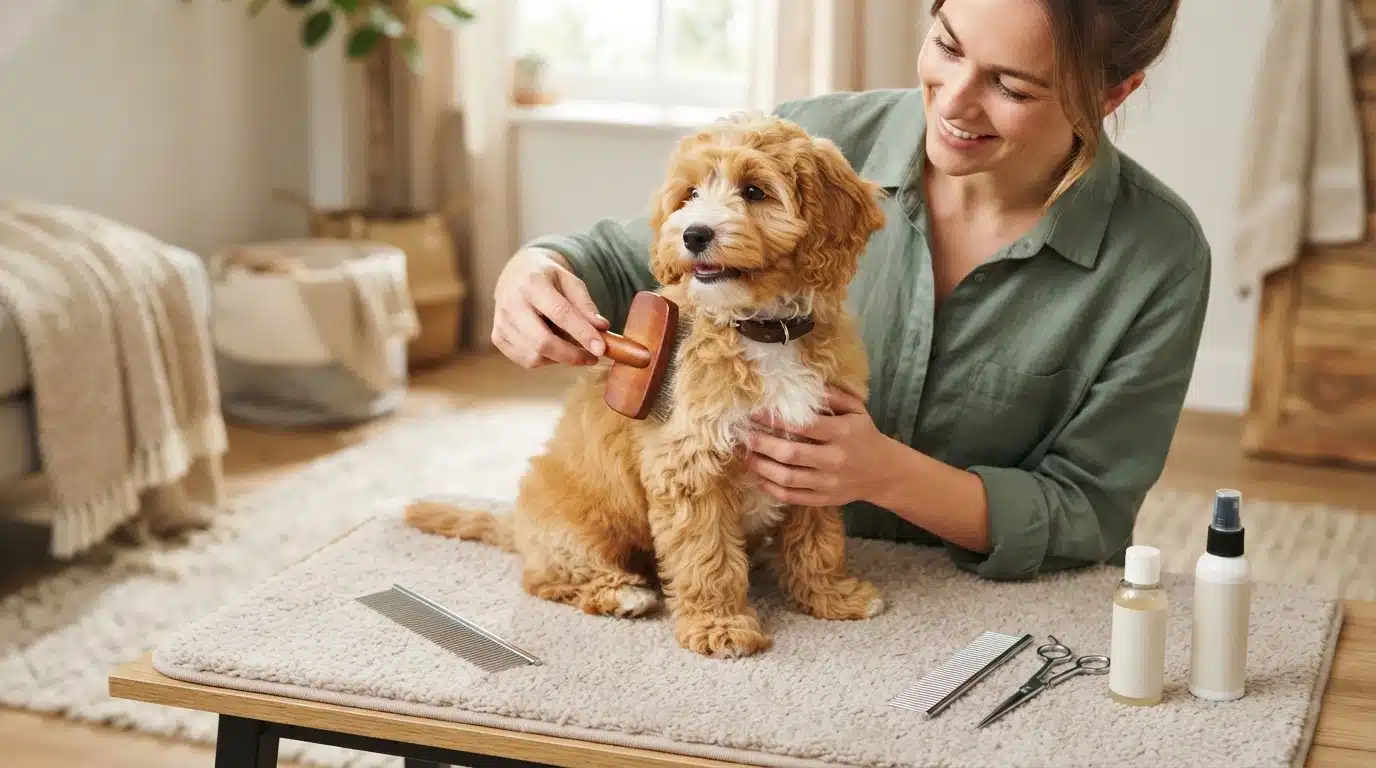
This is the grooming issue that causes the most day-to-day stress for many families. Havapoo puppies often have soft, low-shedding coats that tangle fast, so coat care needs to start right after go-home day.

Highlights
- Brush several times a week, or more often if your puppy’s coat is curly or long.
- Use a comb after brushing to find hidden tangles near the skin.
- Keep regular grooming appointments before mats build up.
Specs
- Best for: Families who want a low-shedding dog but not a low-maintenance coat
- Why it matters: Mats cause discomfort and can hide skin issues. The USDA notes mats often form behind the ears, in armpits, and other friction spots where rubbing happens.
- How to prevent: Brush on a schedule, check problem areas often, and book grooming ahead.
- Best next step: Build a grooming routine before mats begin
- Maintenance level: Moderate to high
Pros
- Keeps the coat healthy and comfortable
- Helps puppies learn grooming early
- Reduces the risk of hidden skin irritation
Cons
- Requires a real time commitment
- Professional grooming adds ongoing cost
- Skipping even a few weeks can create tangles
The AKC also recommends starting brushing early so puppies get used to handling and coat care from the start. This ranks here because neglect usually starts small, but discomfort and grooming resistance can build fast.
Last updated: July 15, 2026
5. Potty Training Setbacks
Potty setbacks are usually a routine problem, not a puppy personality problem. Most Havapoo puppies struggle when the family is inconsistent, gives too much freedom too soon, or misses the puppy’s bathroom window.
Highlights
- Take your puppy out on a set schedule, especially after sleep, meals, drinks, play, and crate time. The AKC potty training guide stresses that consistency is what speeds progress.
- Use a crate or small pen when you cannot watch closely. The ASPCA’s house training advice also recommends limiting space and expanding freedom slowly.
- Reward the right behavior right away. Give praise and a treat the second your Havapoo finishes outside.
Specs
- Best for: Families wanting a smoother first-year routine
- Why it matters: Inconsistent habits slow house training progress
- How to prevent: Consistent schedule, crate use, and immediate rewards
- Best next step: Set up your home before the puppy arrives
- Training focus: Repeatable routine and calm supervision
Pros
- Highly manageable with structure
- Improves quickly when everyone is consistent
- Builds better overall manners
Cons
- Accidents are normal at first
- Progress can stall with mixed signals
- Needs frequent attention during early months
This ranks here because it shows up in almost every puppy home, yet it is one of the easiest Havapoo Problems to improve with a clear plan.
Last updated: July 15, 2026
Also Read: Havapoo Breeder Near Me: How to Find a Reputable Breeder (2026)
6. Sensitive Stomach or Feeding Trouble
Havapoo puppies can have mild stomach trouble, especially in the first week home. This often happens when food changes too fast or portions get messy, so a calm, consistent plan matters most.

Highlights
- Change food slowly over several days, not overnight
- Feed age-appropriate puppy food and measured portions
- Avoid over-treating during training
Specs
- Best for: Families managing the first-week transition
- Why it matters: Rapid diet changes can trigger upset stomachs
- How to prevent: Gradual food transitions and measured meals
- Best next step: Ask what food the puppy is currently eating before pickup or delivery
- Feeding focus: Consistency over variety
A simple fix is to keep your puppy on the same food at first, then switch over 5 to 7 days. The AKC puppy feeding guide notes that sudden diet changes can upset a puppy’s stomach, and the ASPCA nutrition advice supports feeding a balanced puppy diet made for growth.
Pros
- Easy to prevent with planning
- Helps protect energy and appetite
- Supports a smoother transition into the home
Cons
- Sensitive puppies may still need adjustments
- Too many treats can cause problems
- Sudden changes often trigger loose stool or vomiting
It ranks here because feeding trouble is common, preventable, and usually tied to choices families can control early.
Last updated: July 15, 2026
Also Read: About
7. Ear and Skin Irritation
Floppy ears and a soft grooming coat can trap moisture, wax, and debris. In Havapoo puppies, that can lead to itchy ears or irritated skin fast if you miss early redness or scratching.
Highlights
- Inspect ears each week for odor, redness, and debris.
- Keep brushes, combs, and towels clean, and dry coat folds well after baths.
- Act early if your puppy starts scratching or shaking their head more than usual.
Specs
- Best for: Families who want to stay ahead of comfort issues
- Why it matters: Skin and ear problems can become painful if ignored
- How to prevent: Routine checks, clean grooming, and quick veterinary attention
- Best next step: Build weekly ear and skin checks into your grooming routine
- Watch for: Scratching, head shaking, redness, or odor
Pros
- Often caught early with simple checks
- Supports comfort and better hygiene
- Pairs well with regular grooming
Cons
- Can recur if underlying allergies are present
- Needs prompt attention if symptoms worsen
- Sometimes requires veterinary treatment
Cornell notes that frequent scratching, head tilt, redness, or hair loss around the ear means you should look closer and call your vet if it continues itchy ear problems. The AKC also lists head shaking, odor, redness, and pain as common ear infection signs, especially in dogs with floppy ears dog ear infection symptoms. This ranks here because it is common, but usually manageable with steady grooming and fast action.
Last updated: July 15, 2026
How to choose the right Havapoo puppy
Picking the right Havapoo starts with how the puppy was raised, not the photo you liked first. If you want fewer problems later, ask direct questions and choose the puppy that fits your home.
- Ask about the parents and early care. You want health-tested parents, regular handling, and puppies raised in a home setting. Ask what the puppy hears, sees, and does each day. A good program should answer this clearly.
- Look for real go-home support. Choose a breeder who gives simple guidance on feeding, grooming, crate setup, and first-week routines. Sage Puppies stands out here because its home-raised, family-first process matches what first-time small-breed owners need most: clear prep and a well-started puppy.
- Pick for temperament, not just looks. A calm, people-focused puppy may fit a busy family better than the boldest one in the litter. If you have kids, ask which puppy has handled noise, touch, and daily home activity best.
- Match the puppy to your schedule. If your home is active, choose a puppy already used to household rhythms and gentle handling. If your home is quieter, a softer, more easygoing puppy may settle faster.
- Prepare before pickup day. Set up a brushing routine, vet visit, safe chew plan, potty schedule, and dental care basics before the puppy comes home.
| What to check | Why it matters | Best sign |
|---|---|---|
| Parent health testing | Lowers risk of inherited issues | Clear, direct answers |
| Early socialization | Helps confidence and easier training | Daily handling in a home |
| Go-home guidance | Prevents first-week mistakes | Written feeding and care steps |
| Temperament match | Reduces stress for family and puppy | Puppy fits your lifestyle |
The first week matters most. Start structure on day one, because prevention works best early.

If you want to avoid the most common Havapoo puppy problems, start with the right breeder and the right prep. Sage Puppies helps families do both with health-tested parent dogs, early socialization, and a clear, family-first process that sets puppies up for smoother transitions at home. If you are comparing breeders now, review their available puppies, learn how pickup or nationwide delivery works, and take the next step only when you feel fully informed.
Frequently Asked Questions
Q1: What are the most common health issues in Havapoo puppies and how can they be prevented?
Common problems include low blood sugar, loose stools, ear infections, tear staining, dental crowding, and kneecap issues. Prevention starts before pickup. Choose health-tested parents, keep meals regular, avoid overexercise on stairs, clean ears, brush teeth early, and book a vet visit within days.
Q2: How can I train my Havapoo puppy to prevent behavioral problems?
Start on day one with a sleep routine, potty schedule, crate practice, and short reward-based lessons. Havapoos learn fast but can get clingy and noisy. Teach alone time in small steps, reward calm behavior, and keep rules the same across all family members.
Q3: What are the best grooming tips for Havapoo puppies to avoid skin and coat problems?
Brush several times a week, and daily during coat changes, to stop mats near the collar, ears, armpits, and tail. Use a gentle puppy shampoo, dry well after baths, and keep ears clean. Regular trimming also helps prevent trapped moisture and skin irritation.
Q4: How do I lower the risk of separation anxiety in a Havapoo puppy?
Practice short exits from the first week home. Give a safe chew, leave calmly, and return without making a big scene. Build time alone slowly. Puppies raised with early socialization, like those from family-focused programs such as Sage Puppies, often adjust more smoothly.
Q5: When should I worry that a Havapoo puppy problem is serious?
Call your vet fast if your puppy will not eat, vomits more than once, has repeated diarrhea, seems weak, struggles to breathe, cries when touched, or stops playing suddenly. Small puppies can decline quickly, so waiting overnight is not always the safe choice.