Quick Summary: Health-tested puppies are usually the better buy because verified parent screening and DNA results reduce the odds of inherited eye, knee, heart, and other conditions. Before paying, request each parent’s registered name, check the actual results in the OFA database, and confirm breed-specific screenings and DNA tests, since a CHIC number alone does not mean every result was normal. A regular puppy can still be reasonable on a tight budget, but you should get the puppy’s exam and vaccine records, a dated health certificate, and a clear written health guarantee; Sage Puppies is presented as a program that provides verifiable parent records and written contract terms.
Two puppies can look equally healthy at eight weeks and cost the same, yet carry very different risk. One comes with parent screening records you can pull up in a public database. The other comes with a photo of a single vet visit. That difference is the whole comparison between health tested vs regular puppies. Health-tested puppies are the better buy when the records are real, verifiable and matched to the breed. A regular puppy is only a fair choice when the price gap is large and the seller openly says what they are not claiming. Most listings use “health-tested” loosely, without naming the test, the body part, the age at testing or the result. This guide defines what testing covers for Havanese, Havapoo and Cavapoo puppies, shows what a regular purchase actually includes, and gives you a verification routine to finish before any deposit.
Health-Tested vs Regular Puppies: At a Glance
| health-tested puppy | regular puppy | |
|---|---|---|
| What evidence is provided | Parent clinical screening records and/or DNA variant results, plus the puppy’s own exam and vaccine history | Veterinary exam at sale, vaccination and deworming records, and microchip registration |
| Breed-specific panels | Matched to the parent breeds, for example Havanese CHIC requirements of annual eyes, hip radiograph and patella certification | None, or informal checks that are not recorded or retrievable |
| Cost premium | Typically higher, reflecting breeder testing costs and veterinary oversight; Sage Puppies lists $3,500 to $4,500 | Lower purchase price, with less built into the breeder’s cost of breeding |
| Contract and guarantee terms | Health guarantee and contract terms vary by breeder and must be read in full before signing | Often a standard sale contract; health remedies and exclusions vary widely |
| Transparency and verifiability | Results can often be checked in public registries such as OFA and breed club databases | Mostly dependent on the seller’s own claims, which cannot be checked against a registry |
| Best for | Buyers who want documented risk reduction and long-term peace of mind | Budget-constrained buyers who still plan a first veterinary exam and puppy insurance |
How health-tested puppy and regular puppy Compare
health-tested puppy
A health-tested puppy comes with documented screening evidence from its parents, such as clinical exam records or DNA variant results, that you can check yourself in public registries. It suits buyers who want documented risk reduction and long-term peace of mind, especially for small breeds like the Havanese. Breeders list these puppies at a premium, often $3,500 to $4,500, because testing and veterinary oversight cost real money.
Key strengths
- Verifiable parent records in registries such as OFA
- Breed-specific screening matched to the parents
- Puppy exam and vaccine history included
regular puppy
A regular puppy is sold with the standard care and paperwork most breeders provide, but without documented parent screening or genetic results you can retrieve later. It fits budget-constrained buyers who still plan a first veterinary exam and puppy insurance. The tradeoff is that health claims rest mostly on the seller’s word, since nothing can be checked against a registry.
Key strengths
- Lower purchase price
- Standard vet exam, vaccine and microchip records at sale
What Health Testing Actually Covers (And What It Does Not)
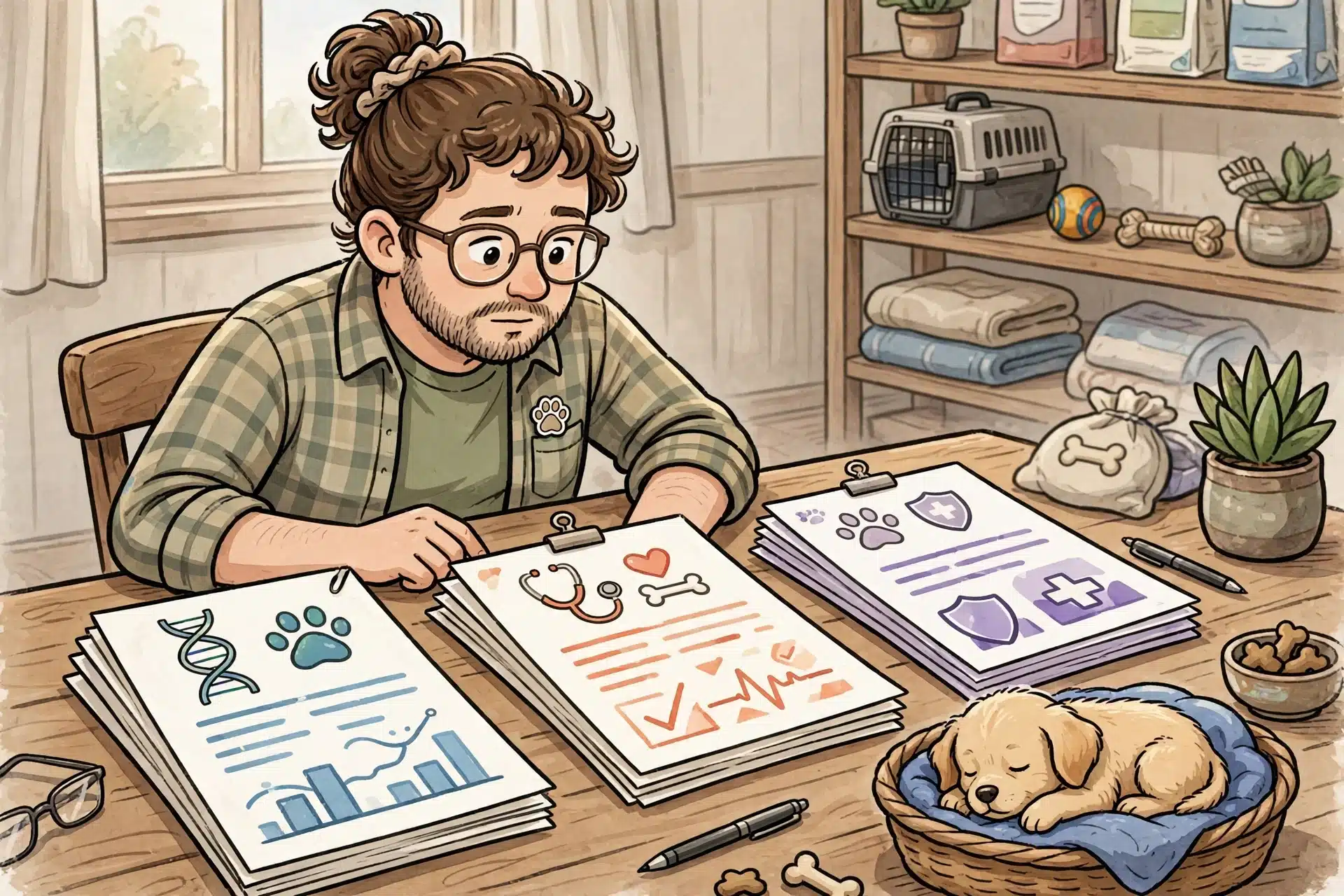
Health testing is not one thing. It bundles three separate kinds of evidence, and breeders sometimes blur them.
The three kinds of health evidence buyers confuse
First, the puppy’s own records: a vet exam, vaccines and deworming dated around pickup. Second, parent screening: clinical tests on the mother and father, such as eye exams, patellas and hips through the OFA public database. Third, DNA results: genetic panels showing which gene variants each parent carries. Only the second and third categories can lower the odds a puppy inherits a disease. A clean exam on a nine-week-old puppy proves nothing about its adult health. Our guide to parent screening and puppy records separates each document, so you know which one answers which question.
What a CHIC number does and does not tell you
A CHIC number proves the dog completed every test its breed parent club requires and the owner published the results. It does not mean those results were normal, only that they are public. Per OFA’s CHIC Program, a dog qualifies once breed-required results are in the database and the owner consents to open disclosure, even if findings show disease. So ask for the actual OFA page, not just the number.
What a Regular Puppy Purchase Actually Includes
A regular puppy purchase is any sale without documented health testing behind it. The puppy may be perfectly healthy, but the paperwork you get tells you little about the parents or the breeding program.
The paperwork every responsible seller should provide stays fairly simple. At minimum, expect a veterinary exam record showing the puppy was checked, current vaccination dates, and deworming history. Many states also require a signed health certificate issued shortly before sale or transport, so ask who issues it and when. Beyond that, a good seller shares what they know honestly, even when they cannot prove it.

What you usually will not see is the deeper layer. No OFA or PennHIP results on the parents, no DNA panel for inherited variants, and no registry numbers you can verify yourself. Some sellers do promise a health guarantee, which covers specific conditions for a set period. That contract can help, but it is not the same as testing the parents before breeding.
As you compare sellers, the difference is usually what sits behind the paperwork, and smaller focused programs, including Sage Puppies, build that documentation into the process from day one.
Are Health-Tested Puppies Better Than Regular Puppies?
Yes, for most buyers. Health-tested puppies come from parents screened for inherited disease through DNA panels, eye exams and orthopedic checks, so the odds of a preventable condition drop. Per the OFA’s CHIC program, inherited disease risk falls when a puppy’s ancestry has tested normal.
- Choose health-tested when you want the lowest achievable risk and can pay the premium.
- Choose a regular puppy when budget rules, you accept the odds, and you verify the puppy’s vet records carefully.
What screening can and cannot change about the odds
Testing changes odds, not outcomes. Parent DNA panels can rule out known gene variants, and OFA eye and patella exams catch structural problems early. But a puppy can still develop conditions no test predicts, like allergies or injuries, and breed-specific programs do not cover every disease. The realistic goal is risk reduction, not a promise. That is why health-tested puppies usually justify their higher price, since testing targets the conditions most common in the breed’s history. Read the results in the public OFA database yourself rather than trusting a summary.
Testing shifts probability in your favor. It never removes risk completely.
When a regular puppy is the more rational buy
A regular puppy can still be a sound buy if the price fits your budget and the risk sits where you can absorb it. Some families prefer a shorter drive and a breeder who skips formal panels, which cuts cost. The trade is simple: you save money upfront and carry more uncertainty later, including vet bills for a condition screening might have caught. If you go this route, insist on the puppy’s own vet exam records and get a written health guarantee. Any breeder who refuses both is a hard no. For tips on vetting a program either way, our guide to buying health-tested puppies near you safely walks through the questions worth asking first.
Matching the Right Tests to Havanese, Havapoo and Cavapoo
The right tests depend on the parents, not just the puppy. For a Havanese, Havapoo or Cavapoo, ask the breeder about these parent screenings:
- Havanese parent: OFA hips, OFA patellas, and annual eye exams
- Cavalier parent (Cavapoo): hips (OFA or PennHIP), patellas, eyes, and a cardiac exam by a cardiologist
- Poodle parent (Havapoo or Cavapoo): hips, patellas, eyes, plus DNA results for progressive retinal atrophy
A CHIC number confirms each breed’s required results are public in the OFA database, though it does not promise passing scores.
Eyes, hips and patellas
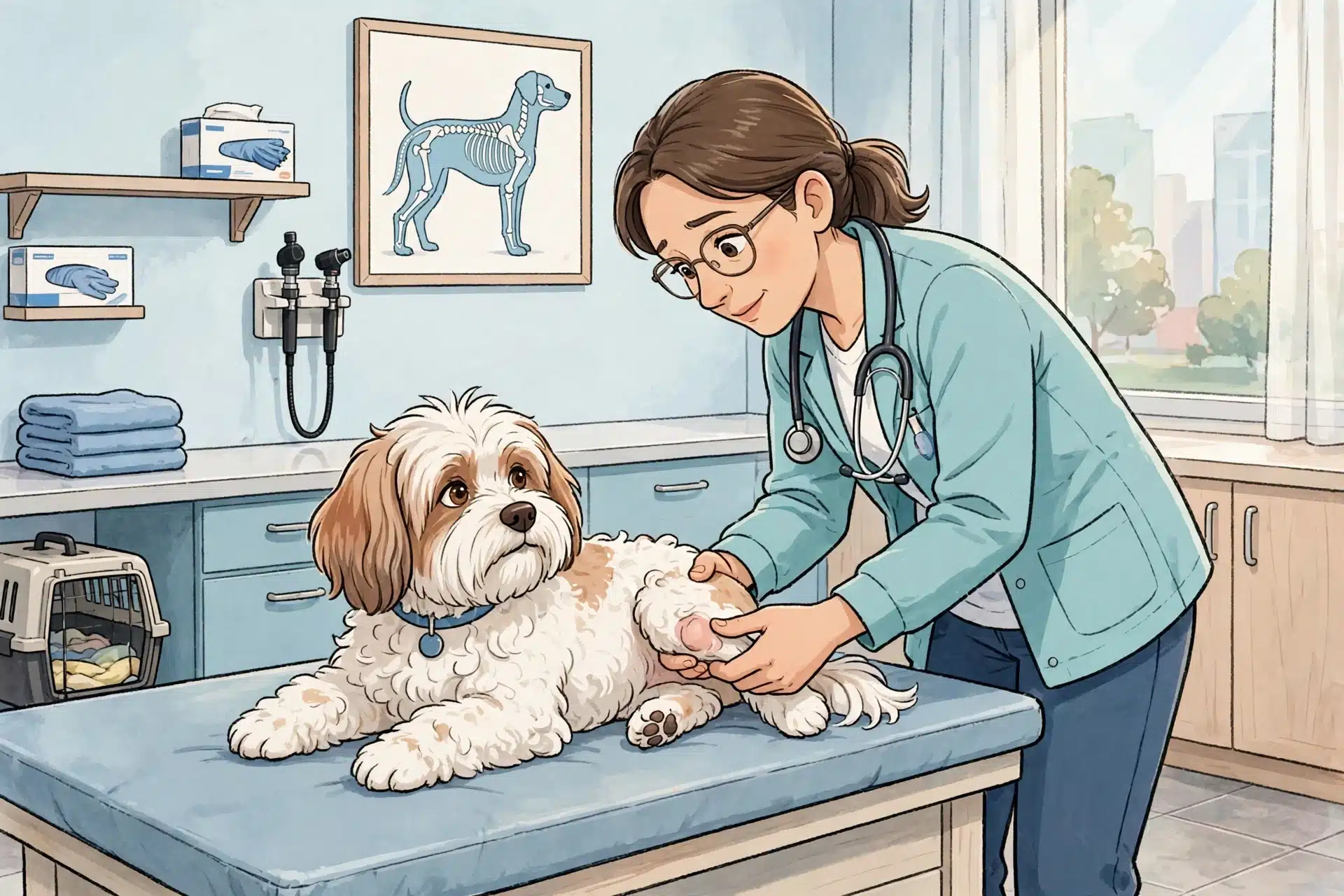
These three checks matter for every breed in this pairing. Small breeds carry high rates of luxating patellas, and Havanese and Cavaliers are prone to inherited eye disease. Hips matter less obviously in small dogs, yet dysplasia still shows up. Ask for the actual OFA report numbers so you can verify results yourself.
Havapoo and Cavapoo: two parent breeds, two sets of records
A mixed litter needs paperwork from both sides. For a Cavapoo, the Cavalier parent should show a cardiologist-performed cardiac exam along with hip, patella and eye screening. For a Havapoo, the Poodle parent’s DNA results for PRA matter most. Breeders who match families with Havanese, Havapoo and Cavapoo puppies keep records for both parents on file, so ask to see them together before you pay a deposit.
What Health Testing Costs and Why the Prices Differ
Building a real first-year budget
A tested puppy costs more up front, but the first-year budget tells a fuller story. Testing, veterinary exams and the first round of vaccinations sit inside a breeder’s price; an untested puppy pushes those bills onto you.

Expect three cost layers in year one: routine care such as exams and boosters, one-time purchases like a crate and a carrier, and optional coverage. Pet insurance usually applies a waiting period before illness claims pay out, so enroll early rather than after a symptom appears, as NerdWallet’s coverage guide explains.
The difference between a $3,500 to $4,500 tested puppy and a cheaper listing shrinks once you add these items. Testing does not erase future veterinary bills, but it lowers the odds of inherited surprises that no budget line can fix.
Budget labeled examples yourself instead of trusting market averages, and check the breeder’s own pricing page for what the purchase price includes. That habit, more than any number, tells you which puppy is the better buy.
Contracts, Health Guarantees and What You Can Actually Claim
A health guarantee is only as good as its written terms, so read the contract line by line before you pay a deposit. The AKC’s breeder contract guide notes that most contracts separate pet from show quality and set clear buyer duties. Look for these clauses:
- Coverage window: short-term disease cover (often 48 to 72 hours) versus longer genetic cover
- What counts as a claim: congenital defects named specifically, not vague “health problems”
- Your deadlines: first vet visit date, and proof required to file
- Remedy: refund, replacement puppy, or reimbursement, and who pays shipping
- Conditions that void it: missed vet visits, feeding changes, or late spay or neuter
- Return terms: what happens if you cannot keep the dog
Many contracts cap genetic cover at one to two years, per this breeder contract breakdown. A puppy health certificate from a vet exam is separate from the guarantee itself. At Sage Puppies, contract terms are provided in writing before reservation so buyers know exactly what is covered. Keep your signed copy and every vet record.
How to Verify Health Testing Before You Pay
Ask for three things: the puppy’s exam and vaccine records, the parent’s clinical screening results, and the parent’s DNA panel. Then confirm the claims yourself.
A 10-minute checklist before you send a deposit
- Get each parent’s registered name in writing.
- Search that name in the OFA’s public CHIC database, which lists real test results buyers can check.
- Match the results to the breed’s requirements. A Havanese parent needs hearing, knee and eye results. A Poodle or Cavalier parent in a Havapoo or Cavapoo litter needs its own breed’s set, plus patella and eye screening.
- Confirm DNA results for parent-specific variants, not just a generic panel.
- Ask for the puppy’s veterinary exam record and a dated health certificate.
- Read the contract before you pay, not after.
A CHIC number helps, but only if the required tests show normal results, because the number alone does not guarantee every result passed.
Red flags that should slow you down
Be careful when a breeder sends photos of papers instead of a searchable name, or claims testing is “in progress” on a ready-now litter. A CHIC number only appears once the breed’s required tests are registered, so vague promises mean the work is not done. Watch for “vet checked” used as a substitute for parent screening, missing dam or sire names, and pressure to deposit same-day. Honest breeders welcome verification; they hand you records without being asked twice.
Which Should You Choose: Health-Tested or Regular?
Choose health-tested when risk matters most to you: a puppy whose parents passed breed-specific CHIC screenings carries lower odds of inherited eye, knee and heart problems. Choose a cheaper regular puppy only if you accept that unknown, and budget for possible vet bills later.
A quick decision path
- Set your budget honestly. A tested puppy costs more up front but often less over its lifetime.
- Ask what was tested. Parents should have hips, patellas, eyes and heart checked, plus DNA results where the breed warrants it.
- Verify, don’t trust. Look parents up in the public OFA database by name; CHIC numbers show the required tests were done.
- Match testing to the breed. Havanese, Poodle and Cavalier parents each carry their own required screenings, so a generic “vet checked” claim proves nothing.
- Weigh the contract. A written guarantee plus tested parents beats a low price with neither.
If a breeder can’t produce records you can check yourself, treat the listing as regular, whatever the label says.
Where Sage Puppies fits in this decision
Sage Puppies sits firmly in the health-tested category. Every breeding parent is screened before a litter is planned, and results are shared so you can verify them rather than take a claim on faith. That fits the $3,500 to $4,500 range described earlier: the premium buys documented evidence, not just a cute face. For buyers comparing programs, the simplest test is asking any breeder for parent names and looking them up yourself in five minutes.

Ready to see health-tested Havanese, Havapoo or Cavapoo puppies raised with this level of care? Visit Sage Puppies to review available litters, start the application, or ask Cassie your questions. Your next step is simple: request the parents’ test results, then reserve with confidence.
Frequently Asked Questions
Q1: Are health-tested puppies better than regular puppies?
For most buyers, yes. Parent screening and DNA results lower the odds of inherited eye, knee and heart disease, and you can verify claims yourself in the OFA database. A regular puppy costs less upfront but leaves risk undocumented.
Q2: How do I verify a breeder’s health testing claims?
Get each parent’s registered name, search it in the OFA database, and match results to breed requirements. Ask for DNA results too.
Q3: What does a CHIC number actually mean?
It confirms the required tests were completed and published, not that every result passed. Always read the actual scores.
Q4: Is a vet-checked puppy the same as a health-tested puppy?
No. A puppy exam describes today’s health only; parent screening predicts inherited disease risk. Ask for both.
Q5: How much more does a health-tested puppy cost?
Expect a premium, often $3,500 to $4,500 for tested small breeds. Lower prices usually mean testing costs were skipped.
Q6: Should I get pet insurance for a tested puppy?
Yes. Testing shifts odds, not outcomes, so coverage still protects your budget.
Conclusion
The comparison comes down to evidence. A health-tested puppy comes with parent screening and DNA results you can check yourself in the OFA database; a regular puppy comes with a vet exam and your seller’s word. For most Havanese, Havapoo and Cavapoo buyers, documented testing is worth the higher price because it lowers the odds of inherited eye, knee and heart disease. A regular puppy is a fair choice only when the price gap fits your budget and you get written records and a clear health guarantee anyway. Verify before you pay: ask for each parent’s registered name, match results to the breed’s required screenings, and read the contract first. Real records beat any label on a listing.