Quick Summary: Quick Summary: Choosing a Havapoo puppy requires careful research into breeder quality, health testing, grooming needs, and temperament to ensure a good match. Avoid rushing based on photos alone and prioritize breeders who are transparent and provide health records. Be prepared for regular grooming and socialization, and consider your daily routine to prevent separation anxiety. A responsible breeder like Sage Puppies can help guide you through the process for a confident, long-term fit.
If you are comparing Havapoo puppies in the U.S., the biggest mistakes usually happen before you ever submit an application. Many families choose by photos first, guess at grooming later, or forget to ask the breeder the hard questions that shape life with the puppy after go-home day.
A Havapoo can be a great fit for the right home. They are often affectionate, social, and easy to love. Still, this mix brings real needs too. Coat care can be higher than expected. Training and routine matter. Their people-focused nature can also make long alone hours harder on them than some families expect. A poor match can create stress for both your household and the puppy.
This list covers the seven things that matter most before getting a Havapoo puppy. You will learn how to judge breeder quality, review parent health, plan for grooming, understand temperament, and think through daily life with confidence.
We chose these seven factors because they most directly affect long-term success in a home: breeder openness, parent health, coat and grooming commitment, training and temperament, separation tolerance, routine fit, and go-home details. If you are reading through Sage Puppies, start with the Havapoo breed page, learn how the program works, and apply only if the breed truly fits your family.
Quick Comparison
| Thing | Best for | Why it matters | What to verify |
|---|---|---|---|
| Breeder transparency and program quality | Families who want a trustworthy, organized buying experience | Breeder quality shapes the puppy’s start in life | Application process, socialization, communication, and go-home support |
| Parent health testing and health history | Families that want to buy carefully and responsibly | Health transparency reduces risk and supports better expectations | Testing, records, vet exams, and any guarantee details |
| Grooming commitment and coat care | Families willing to maintain a regular grooming routine | Mats, hygiene, and coat health depend on consistency | Coat type expectations, brushing schedule, and groomer access |
| Temperament, training, and early socialization | Families that want a trainable companion dog | Early socialization shapes confidence and responsiveness | Handling practices, temperament notes, and training support |
| Separation anxiety and companion needs | Families who are home often or can gradually train independence | Companion breeds can become anxious when isolated too long | Your daily schedule, travel routine, and alone-time plan |
| Exercise, enrichment, and home fit | Homes that can offer routine activity and stimulation | Boredom often shows up as barking, chewing, or restlessness | Walk routine, play plan, and puppy-safe home setup |
| Go-home logistics, support, and next steps | Families ready to move from research to reservation | Clear logistics reduce stress and prevent misunderstandings | Pickup or delivery, paperwork, and support after go-home |
1. Breeder transparency and program quality
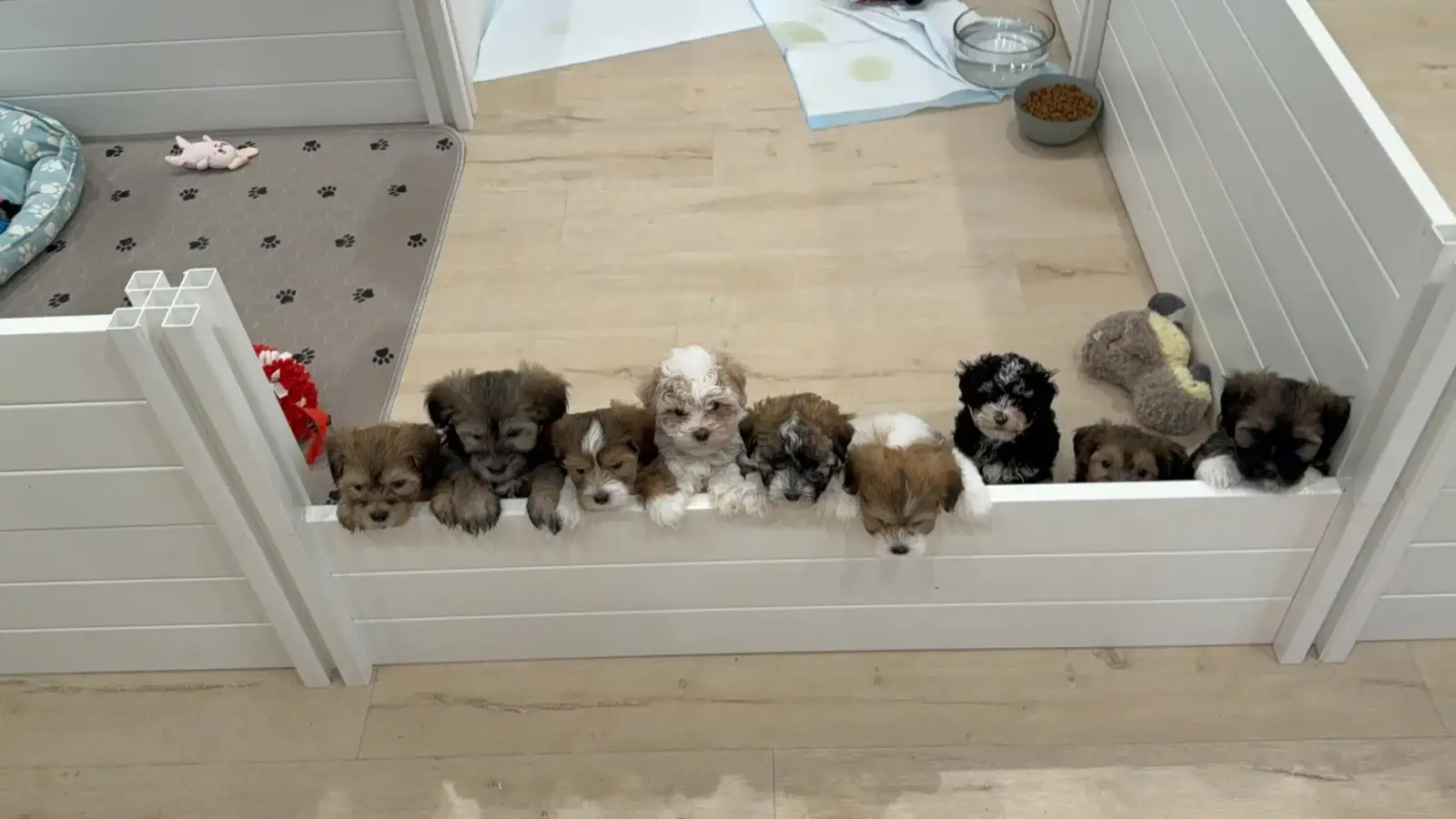
Start with the breeder before you fall in love with the puppy. If you want a reputable Havapoo breeder, look past cute photos and ask how the program works from birth to go-home. Good breeders give clear answers, ask careful questions, and explain early socialization because those first weeks shape confidence, handling, and adjustment, as noted by Cornell Veterinary Medicine and the AKC’s breeder guidance.
Highlights
- Home-raised or thoughtfully managed early environment
- Clear application and matching process
- Written support for pickup, delivery, and prep
- Honest breed-fit advice instead of pressure

Specs
- Best for: Families who want a trustworthy, organized buying experience
- What to verify: Application process, socialization, communication, and go-home support
- Fit signal: The breeder asks as many questions as you do
Pros
- Helps screen out rushed or transactional sellers
- Usually points to better early care and smoother transition
- Supports a calmer first week at home
Cons
- Harder to judge from photos alone
- Takes more research before you commit
This ranks first because breeder quality affects temperament, confidence, and how smoothly your Havapoo settles into family life.
Last updated: July 14, 2026
Also Read: 10 Adorable Havapoo Colors You Need To See 2026 Guide
2. Parent health testing and health history
Health questions matter just as much as size or color. Since a Havapoo blends Havanese and Poodle lines, ask for clear proof of parent testing, family history, and vet records before you reserve a puppy.
Highlights
- Ask what tests were done on both parents, not just whether they were “checked.”
- Request a written health summary, including vet exams and any known family issues.
- Review what the breeder does and does not guarantee in writing.
- Learn the main concerns tied to both breeds, like eyes, hips, and patellas.
Specs
- Best for: Families that want to buy carefully and responsibly
- Why it matters: Health transparency lowers risk and sets better expectations
- What to verify: Testing, records, vet exams, and guarantee details
- Fit signal: The breeder explains health practices clearly, without vague claims
The Havanese Club of America says Havanese CHIC testing includes hips, patellas, and annual eye exams for Havanese health. The Poodle Club of America lists eye exams, patella checks, PRA testing, and for Miniature Poodles, hip evaluation in its testing guidance.
Pros
- Supports informed decisions
- Helps you compare ethical breeders fairly
- Shows how seriously a breeder takes long-term care
Cons
- Some sellers stay vague instead of naming exact tests
- You may need follow-up questions to get full records
It ranks here because health is much easier to verify before you get attached.
Last updated: July 14, 2026
Also Read: Havapoo Puppies vs Doodle Puppies: Which Is Better for Families?
3. Grooming commitment and coat care
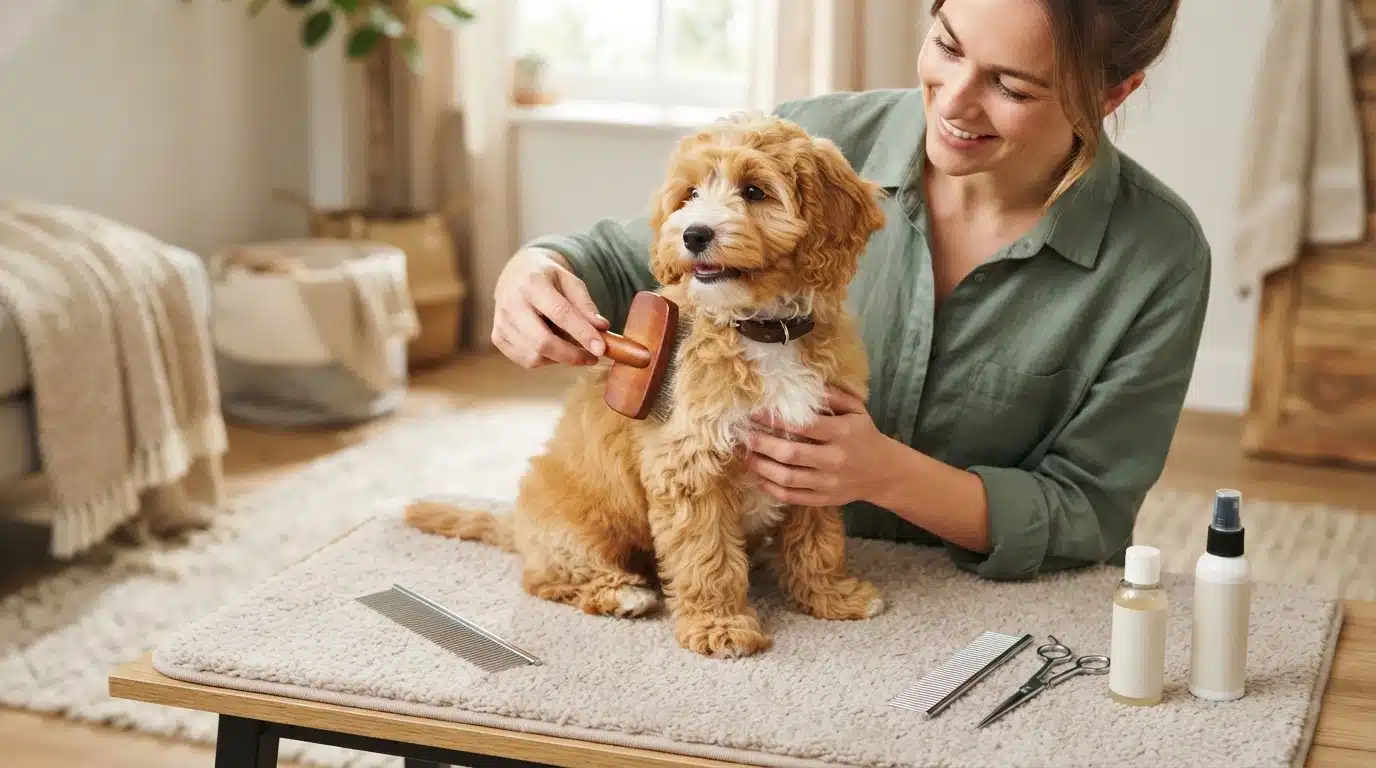
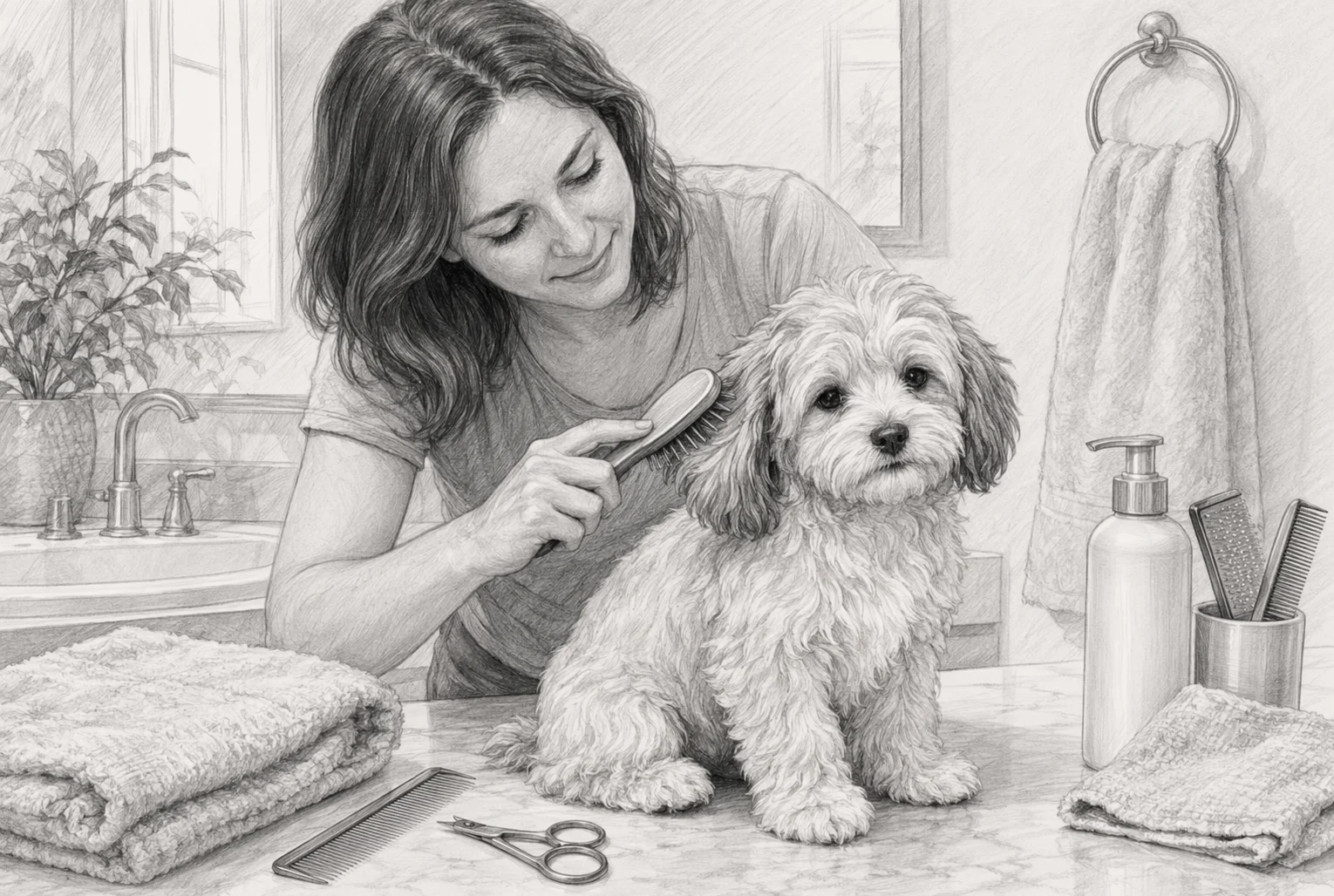
A Havapoo’s coat is beautiful, but it is not low-maintenance. Most have wavy to curly, low-shedding coats, and that usually means regular brushing plus pro grooming, not less work, as noted in this Havapoo overview and this coat care guide.
Highlights
- Brush several times per week
- Plan for grooming appointments every 4-6 weeks
- Check ears, paws, and sanitary areas often
- Choose your coat care routine before pickup day
Specs
- Best for: Families willing to keep a steady grooming routine
- Why it matters: Mats, hygiene, and coat health depend on consistency
- What to verify: Expected coat type, home brushing schedule, and local groomer access
- Fit signal: You are fine budgeting both time and money for coat upkeep
Pros
- Supports healthy skin and coat
- Helps prevent painful tangles and matting
- Keeps your puppy clean, comfortable, and neat
Cons
- Takes more time than many first-time buyers expect
- Adds an ongoing grooming bill
If your family wants a low-shedding puppy, make sure you also want the brushing that comes with it.
This ranks here because Havapoo grooming needs are one of the biggest year-one surprises for new owners.
Last updated: July 14, 2026
Also Read: Havapoo Breeder Near Me: How to Find a Reputable Breeder (2026)
4. Temperament, training, and early socialization
The right Havapoo should feel bright, responsive, and easy to engage. Most Havapoos are bred for an affectionate, people-focused nature, but early handling still matters a lot. Ask what the breeder has already done, not just what the puppy looks like.
Highlights
- Look for early handling, gentle sound exposure, and simple routines.
- Ask how the breeder tracks each puppy’s Havapoo temperament, not just size or color.
- Plan to continue Havapoo training with rewards, short sessions, and daily repetition.
- Match the puppy’s energy and confidence to your home, kids, and schedule.

Specs
- Best for: Families that want a trainable companion dog
- Why it matters: Early Havapoo puppy socialization helps shape confidence and response to new things
- What to verify: Handling practices, temperament notes, and training support
- Fit signal: The breeder can describe the puppy’s real personality, not only appearance
The AVMA notes that positive exposure before 12 weeks can help reduce later fear and behavior problems in its socialization review. AVSAB also says reward-based training and safe early classes should start during the first months in its puppy socialization statement.
Pros
- Often easier to train when well started
- Strong fit for families who want a people-focused companion
- Good socialization can lower future fearfulness
Cons
- Still needs daily boundaries and consistency
- Cute photos do not prove an easy match
This ranks here because temperament shapes everyday life fast, from house training to greetings at the door.
Last updated: July 14, 2026
5. Separation anxiety and companion needs
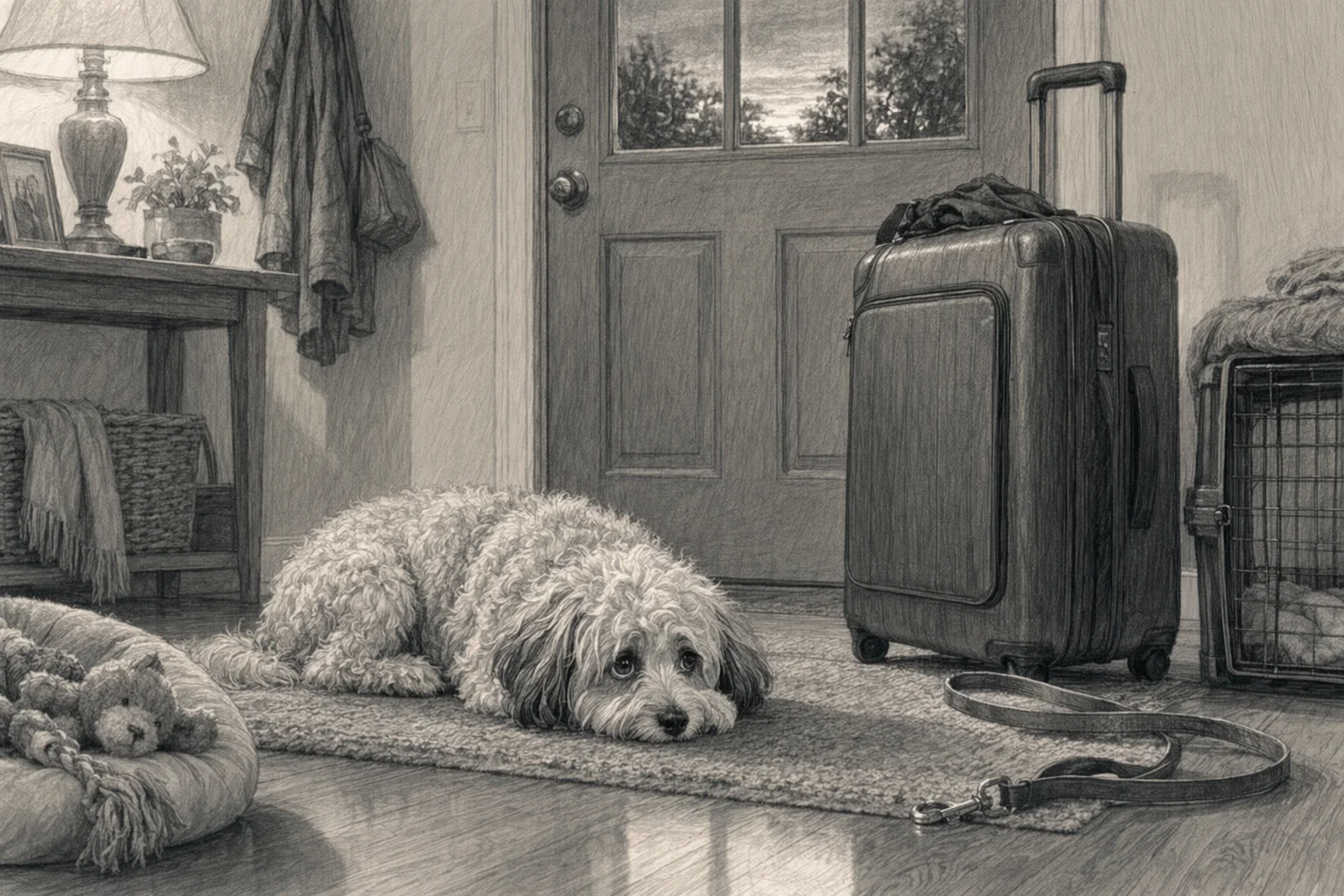
Havapoos usually want to be close to their people. That can feel ideal for families who want a true companion, but it gets hard fast if the puppy is left alone too long or too often.
Highlights
- Strong fit for homes with regular human presence
- Needs a plan for crate training and gradual alone-time practice
- May struggle with long workdays away
- Important to think through if your family travels often
Specs
- Best for: Families home often or willing to build independence slowly
- Why it matters: Companion dogs can get stressed when isolated too long
- What to verify: Your daily schedule, travel routine, and alone-time plan
- Fit signal: Someone can handle training, supervision, and daily connection
Pros
- Great match if you want a close, people-focused dog
- Can do very well in routine-based, connected homes
- Often a solid Havapoo good for first-time owners fit if support is realistic
Cons
- Not ideal for being alone all day
- Stress signs can include barking, pacing, chewing, or escape attempts, as the ASPCA explains
- Young puppies need alone time built up slowly, and the AKC notes age-based limits
This ranks here because Havapoo separation anxiety can shape daily life more than families expect, especially in an apartment or on a busy travel schedule.
Last updated: July 14, 2026
Also Read: 12 Small Breed Puppies That Are Perfect For Kids 2026
6. Exercise, enrichment, and home fit
Havapoos are small, but they are not low-effort. They still need daily walks, play, and brain work to stay settled and easy to live with.
Highlights
- Daily walks and short play sessions still matter for Havapoo exercise needs
- Mental work counts too, and AKC notes that bored puppies often turn to chewing or other destructive habits
- A Havapoo for apartment living can do well if you keep a steady routine and follow basic apartment puppy-proofing steps
- Small spaces need smart setup, not less structure
Specs
- Best for: Homes that can offer routine activity and stimulation
- Why it matters: Boredom often shows up as barking, chewing, or restlessness
- What to verify: Walk routine, play plan, and puppy-safe home setup
- Fit signal: Your household can meet daily needs without overdoing activity
Pros
- Works well in smaller homes when routines are consistent
- Supports better behavior and settling
- Keeps a smart small companion puppy mentally satisfied
Cons
- Needs more structure than many people expect
- Under-stimulation can create nuisance behaviors
This ranks here because many families mistake small size for low needs, when this puppy still needs daily structure and enrichment.
Last updated: July 14, 2026
Also Read: Early Development
7. Go-home logistics, support, and next steps
A smooth transition is part of responsible puppy buying. Before you reserve a Havapoo, make sure the handoff plan is clear, written down, and easy to follow. That includes Havapoo puppy pickup or Havapoo puppy delivery, what comes home with your puppy, and what support you can expect in the first few days. AKC notes that a routine, limited access, and a vet check in the next few days help puppies settle in faster on the first day home.
Highlights
- Clarify pickup or delivery details early, including timing, travel expectations, and who handles updates.
- Review what is included at go-home, such as food, records, and care notes. AKC says a strong puppy kit should include medical records, feeding instructions, and breeder contact info.
- Ask what prep guidance you should follow before arrival.
- Make sure the Havapoo application, pricing, and reservation steps are clear before you pay.
Specs
- Best for: Families ready to move from research to reservation
- Why it matters: Clear logistics reduce stress and prevent misunderstandings
- What to verify: Pickup or delivery, paperwork, and support after go-home
- Fit signal: The process feels organized, written, and transparent
Pros
- Creates a calmer first week at home
- Helps prevent surprises around reservation and travel
- Supports a more confident buyer experience
Cons
- Can be overlooked when excitement is high
- Poor logistics can undermine an otherwise good match
This ranks here because even a great puppy match can feel shaky if the go-home process is vague, so confirm next steps before you commit.
Last updated: July 14, 2026
How to choose the right Havapoo puppy
Pick the breeder before you pick the puppy. Cute photos are easy. A good program is what shapes health, early care, and the kind of support you get after you apply. If you want a clear, family-first option, Sage Puppies stands out because the program is home-raised, transparent, and built around health-tested parents and early socialization.
Use these criteria to narrow your choice:
-
Choose program quality over color
- Do not lead with coat shade, size hopes, or fastest availability.
- Look for a breeder who can explain parent pairing, puppy care, and how matches are made.
-
Be real about grooming
- Havapoos need regular brushing and repeat grooming appointments.
- If that does not fit your budget or schedule, this may not be your best breed.
-
Match the puppy to your home life
- Havapoos do best with time, routine, and company.
- Long workdays, frequent trips, or little training time can make the first months harder.
-
Ask for health details before a deposit
- Request clear info on health testing, vet checks, and records.
- Good breeders answer plainly and do not dodge basic questions.
-
Plan training from day one
- Start crate training, potty habits, handling, and gentle socialization early.
- This breed usually responds well to consistent, positive training.
-
Confirm the go-home steps
- Ask exactly how pickup or delivery works, what timing looks like, and what you need ready at home.
| Best fit check | Good sign |
|---|---|
| Breeder quality | Clear process, health-tested parents, strong communication |
| Family lifestyle | Time for grooming, training, and daily companionship |
If you want the safest pick for a well-started Havapoo, choose the breeder with the clearest standards and process, not the cutest first photo.

If you want a Havapoo puppy with clear breeder standards, health-tested parents, early socialization, and a family-first process, start with Sage Puppies. Their South Jordan, Utah program helps you move from research to real next steps with available puppies, breed details, pricing and reservation info, and a simple application. You can compare fit, ask smart questions, and choose local pickup or nationwide delivery with more confidence before bringing a puppy home.
Frequently Asked Questions
Q1: What are the key considerations before adopting a Havapoo puppy?
Look at temperament, grooming, training time, budget, and breeder standards first. Havapoos are social and often do best with families who want an involved companion. Check your schedule, allergy expectations, and comfort with brushing, vet care, and puppy classes before committing.
Q2: How do I choose a reputable breeder for Havapoo puppies in the US?
Ask for parent health testing, home-raising details, socialization steps, and a clear adoption process. A good breeder asks you questions too. Sage Puppies, like other serious programs, should explain pickup or delivery, puppy matching, and what support you get after bringing your puppy home.
Q3: What are the common health issues and lifespan of Havapoo puppies?
Havapoos often live 12 to 15 years. Common concerns can include patella issues, dental crowding, ear infections, tear staining, and eye or heart risks that may come from either parent breed. Good breeding lowers risk, but routine vet care and weight control still matter.
Q4: Are Havapoo puppies good with kids and other pets?
Usually yes, if the puppy has early socialization and kids know how to handle small dogs gently. Havapoos tend to be friendly, but rough play can overwhelm them. Slow introductions, supervised time, and calm routines help them settle well with cats and older dogs.
Q5: How much grooming does a Havapoo puppy need?
Most need brushing several times a week, plus regular bathing, nail trims, and professional grooming every few weeks. Coat type matters. Curlier coats mat faster. Ask the breeder what your puppy’s coat may be like so you can plan time and grooming costs early.