Quick Summary: Quick Summary:** Ensuring a safe puppy purchase in Washington means verifying transparent health records, breeder credentials, and living conditions. State laws require disclosures and limit sales from pet stores, making questions and documentation crucial. Adoption is an option if you’re flexible, but responsible breeders focus on health, temperament, and honest communication. Watch out for red flags like vague answers, pressure, or missing paperwork.
If you are comparing Puppies Washington listings, rescue options, and pet-store ads, the biggest issue is not the cutest face. It is whether the puppy came from an ethical source, was weaned at the right time, and includes clear health and care records.
That is where many families get stuck. A Washington Puppy Sale can look trustworthy online, even when key details are missing. The same goes for Puppy Adoption Washington searches, where history and medical records may vary.
This guide helps you sort safe choices from risky ones. You will learn how to screen breeders, compare adoption with breeder routes, spot red flags, and understand Washington-specific buyer protections.
We focus on what careful families need most: health, temperament, transparency, and a clean process. If you are researching Puppies Washington, this guide gives you a practical framework to make a calm, confident choice.
What Makes a Puppy Source Safe in Washington
A safe source gives you proof, not promises. For Puppies Washington families, the best sellers are open about health, origin, and what happens if something goes wrong.
The three safety signals to look for first
Start with these three signs before you fall for photos:
- Clear health records – Ask for vet records, vaccine dates, and parent health testing.
- Transparent living conditions – You should see where puppies are raised, even by video if needed.
- Honest source details – A good seller tells you who bred the puppy, how it was socialized, and when it left its mother.
If a seller dodges basic questions, move on. Safe Puppies Washington listings should show real details, not vague claims like “top quality” or “best bloodlines.”
A trustworthy breeder or adoption group will welcome careful questions. Pressure is a red flag.
How Washington rules shape buyer expectations
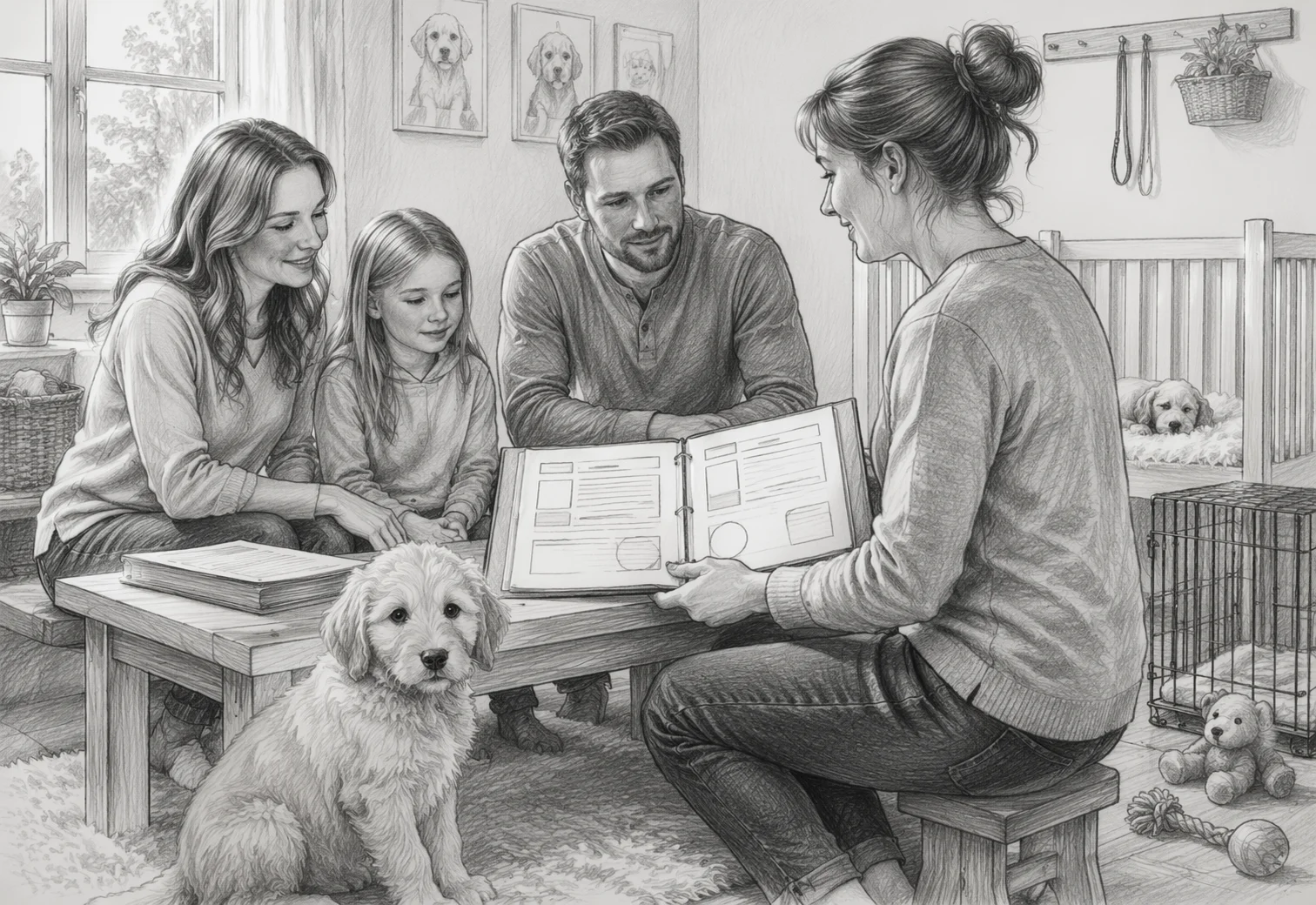
Washington gives buyers a higher bar for pet store sales. State law says most retail pet stores cannot sell dogs, and stores that still can must disclose breeder details, price range, age, inspection history, and proof the puppy was not separated from its mother before eight weeks, under RCW 16.52.360. That means Puppies Washington shoppers should expect paperwork up front, not after payment.
The state has also taken action against deceptive puppy sales. In 2025, the Washington Attorney General announced a $3.75 million resolution with Puppyland over illegal advertising and sales practices, including misleading health guarantees and loan issues, according to the Attorney General’s office.
Also Read: Top 9 Small Breed Puppies for Sale Near You in 2026
How to Evaluate a Reputable Breeder
A reputable breeder answers direct questions, shows real records, and never rushes your decision. In Washington, that matters even more because recent state action has highlighted deceptive puppy sales and weak health promises at some sellers Washington Attorney General enforcement.
Questions that a responsible breeder should answer clearly
Ask simple, direct questions and expect clear answers.
- Why was this litter planned?
- What health issues are common in this breed?
- What testing was done on both parents?
- How are puppies raised and socialized at home?
- What is this puppy’s temperament so far?
- What support do you give after pickup?
A good breeder should also ask you questions. That shows they care where the puppy goes. The AKC says responsible breeders breed with health, temperament, and breed improvement in mind, not just volume or quick sales AKC breeder guidance.
If a breeder avoids basic questions or gets defensive, move on.
What a healthy breeding program should document
You should see real paperwork, not vague promises.
| Document | What to look for | Why it matters |
|---|---|---|
| Parent health testing | Breed-relevant results for both parents | Lowers known inherited risk |
| Vet records | Exams, vaccines, deworming, treatment notes | Shows active care |
| Puppy age and release timing | Proof puppies stay with mom at least 8 weeks | Supports healthy development |
| Breeder details | Full names, location, and inspection history if applicable | Adds traceability |

Washington law requires dogs sold through qualifying retail pet stores to have documentation showing they were not separated from their mother before eight weeks, plus breeder compliance records and disclosure details Washington breeder sale requirements.
Signs of a low-pressure, family-focused process
Look for a calm process, not a sales pitch.
- The breeder offers a visit or live video call.
- They give you time to review the contract.
- They explain pickup, delivery, and next steps clearly.
- They care more about fit than speed.
Good breeders are fine with you walking away. Pressure is a red flag.
At places like Sage Puppies, that family-first approach should feel normal, not special.
Also Read: 7 Best Small Breed Puppies for Apartment Living in 2026
Health Testing and Puppy Documentation to Request
The records that matter most
Ask for proof, not promises. The key papers are the puppy’s vet record, vaccine and deworming dates, microchip details if used, and results for any breed-relevant parent health testing. USDA rules for covered breeders require dog medical records to include identity, age, vaccines, treatments, and test results, according to 9 CFR 3.13.
Use this checklist:
- Date of birth
- Exam record from a licensed vet
- Vaccination record
- Deworming or parasite treatment record
- Parent health testing results
- Sales contract and health disclosure
If a seller says, “My vet checked everything,” but will not share paperwork, treat that as a red flag.
Why age and early care matter
A very young puppy can be cute and still be a poor fit for your home. Age affects vaccine timing, weaning, social growth, and stress during travel. You want clear records that show the puppy got routine care on a sensible schedule, not rushed care right before pickup.
Ask:
- How old is the puppy today?
- When was the first vet exam?
- What food is the puppy eating now?
- What socialization has started at home?
Early care should look steady and planned, not last-minute.
How to read gaps in documentation
Missing records usually tell a story. One missing date may be sloppy admin. Several missing items often mean the breeder did not track care well. APHIS says covered facilities must keep medical records and make them available during inspection, including vaccines, treatments, and screening results, under the APHIS veterinary care rule.
Watch for gaps like:
- No parent test results
- No exact vaccine dates
- No vet clinic name
- No matching puppy ID on records
If the paperwork feels vague, pause the sale and keep shopping.
Puppy Adoption in Washington vs. Buying From a Breeder
When adoption may be the better fit
Adoption often makes sense if you care more about the right dog than a specific breed, age, or coat type. It can also be a strong fit if you want to give a dog a second chance and you are open to waiting for the right match. In Washington, retail pet stores can provide space for rescue adoptions, and state law sharply limits direct pet store dog sales under RCW 16.52.360.
When a breeder may be the better fit
A breeder may be the better path if you need a more predictable size, coat, or temperament for kids, allergies, or apartment life. It also helps when you want early history, parent information, and a puppy raised with planned social care. Washington law sets breeder standards on housing, exercise, clean water, and vet care for larger operations under RCW 16.52.310.

How to evaluate either path ethically
Use the same test for both paths.
- Ask where the puppy or dog came from.
- Review health and behavior records.
- Meet the dog in person when possible.
- Walk away from pressure, vague answers, or same-day financing pitches.
Washington’s attorney general reached a $3.75 million resolution with Puppyland in 2025 over illegal advertising, health guarantee issues, and predatory loans, which is a strong reminder to avoid rushed purchases and debt-based sales.
Also Read: Puppy Breeder Near Me vs Pet Store: Key Differences
Washington-Specific Red Flags That Should Make You Walk Away
Bad puppy sellers in Washington often tell on themselves early. If a listing, visit, or contract feels slippery, walk away.
Marketing red flags in listings and messages
Watch for ads that hide basic facts. Washington law requires many retail pet store ads to include the puppy’s age, a price range, and breeder license details in the ad itself under RCW 16.52.360. If a seller dodges those details, pushes “rare” or “teacup” labels, or refuses to name the breeder, treat that as a warning.
- No clear age listed
- No price until after you visit
- Pressure to “reserve today”
- Claims that every puppy is “always covered”
If the message feels built to create urgency, not trust, stop there.

Facility and communication red flags
A seller should welcome questions and let you see where puppies are raised, even if biosecurity rules limit full access. Walk away if they insist on parking lot handoffs, change pickup locations, or will not show the mother when appropriate. Washington also requires records tied to breeder compliance and age at separation for some retail sales under RCW 16.52.360.
- Strong odor or dirty enclosures
- Sick, fearful, or shut-down puppies
- Vague answers about vaccines or parent testing
- No proof the puppy stayed with its mother for eight weeks
Contract and payment red flags
Read the contract before you leave a deposit. In Washington, the Attorney General said Puppyland used deceptive health guarantees, illegal review restrictions, and predatory loans, then later reached a 2025 $3.75 million resolution. That history makes these clauses a hard no:
- No-refund deposits with no puppy details
- Financing rushed the same day
- Warranty voided for honest reviews
- Health coverage full of hidden deadlines
Also Read: About
What to Expect From a Premium Puppy Purchase Process
Application and match-making
A premium breeder should screen you as carefully as you screen them. Expect questions about your home, schedule, kids, other pets, and breed fit. That is a good sign, not a hassle.
The best programs match puppies by temperament and family needs, not just color or first payment. You should also expect clear health records, parent testing details, and honest talk about what this breed needs day to day.
If a seller will place any puppy with anyone, treat that as a warning.
Reservation, pricing, and timing
A strong process is clear before money changes hands. You should see the full price structure, what the reservation fee does, what is refundable, and when final payment is due. In Washington, dog sale ads from covered retail pet stores must include a price range and age details under state law.
Look for:
- Written reservation terms
- Expected go-home window
- What is included in the price
- How updates are shared while you wait
Premium programs often have a waitlist. That is normal when breeders keep litter sizes and placement standards tight.
Pickup and delivery clarity
Pickup or delivery should feel organized, not rushed. You should get a written outline for go-home day, feeding, records, and support after placement. If your puppy is traveling into Washington, import and travel rules may apply, including a certificate of veterinary inspection in some cases, according to the Washington State Department of Agriculture.
A good handoff includes:
- Identity confirmation
- Health paperwork
- Care instructions
- Safe travel planning
Sage Puppies fits this premium model when it gives families clear pickup or nationwide delivery steps before commit.
How to Prepare Your Home and Your First Week
Home setup basics
Set up one quiet area before your puppy arrives. Keep a crate, bed, water bowl, chew toys, cleaning supplies, and the same food the breeder or rescue used. Block stairs, cords, shoes, kids’ toys, and small swallow-risk items. Use baby gates to limit space. A simple setup helps puppies settle faster and makes house training easier.
Keep your puppy off high-risk public ground until your vet confirms vaccine timing. Puppies need a series of shots through about 16 weeks, according to the American Veterinary Medical Association.
The first 72 hours
Keep life calm. Skip parties, long car trips, and lots of visitors. Take your puppy outside often, especially after sleep, meals, and play. Feed the same diet for a few days before changing food slowly. Expect some whining, clinginess, or a lower appetite at first. AAHA notes the first days should focus on trust, routine, and gentle crate comfort, not pressure or overstimulation in its new puppy guide.
Support that should continue after go-home day
Book a vet visit right away. Keep a steady sleep, potty, and meal schedule. Start short, kind training sessions and safe social exposure. If you are buying from a breeder like Sage Puppies, ask for feeding notes, records, and transition tips so your first week stays consistent.
Also Read: 12 Small Breed Puppies That Are Perfect For Kids 2026
Questions to Ask Before You Reserve a Puppy
Ask direct questions before you leave a deposit. A good breeder should answer clearly, share records, and never rush you.
Questions about health and care
- What health tests were done on both parents?
- Can I see vaccine, deworming, and vet records?
- What food, routine, and socialization has the puppy had so far?
- Has the puppy stayed with its mother until at least eight weeks, as Washington requires for dogs sold through covered retail channels under RCW 16.52.360?
If a seller avoids paperwork, treat that as a warning sign.
Questions about fit and process
- What is this puppy’s energy level and temperament?
- Is this breed a better fit for kids, apartments, or first-time owners?
- How do you match puppies to families?
- What support do you offer after pickup?
Questions about logistics and policies
- What exactly does the reservation fee cover?
- Is the fee refundable, transferable, or applied to the final price?
- What happens if the puppy does not pass a health check?
- Will I get a written contract before paying?
Washington’s Attorney General recently settled a major case over alleged puppy sales tactics, health guarantee issues, and predatory financing, so it is smart to ask about terms in writing and avoid pressure sales in this state enforcement action.
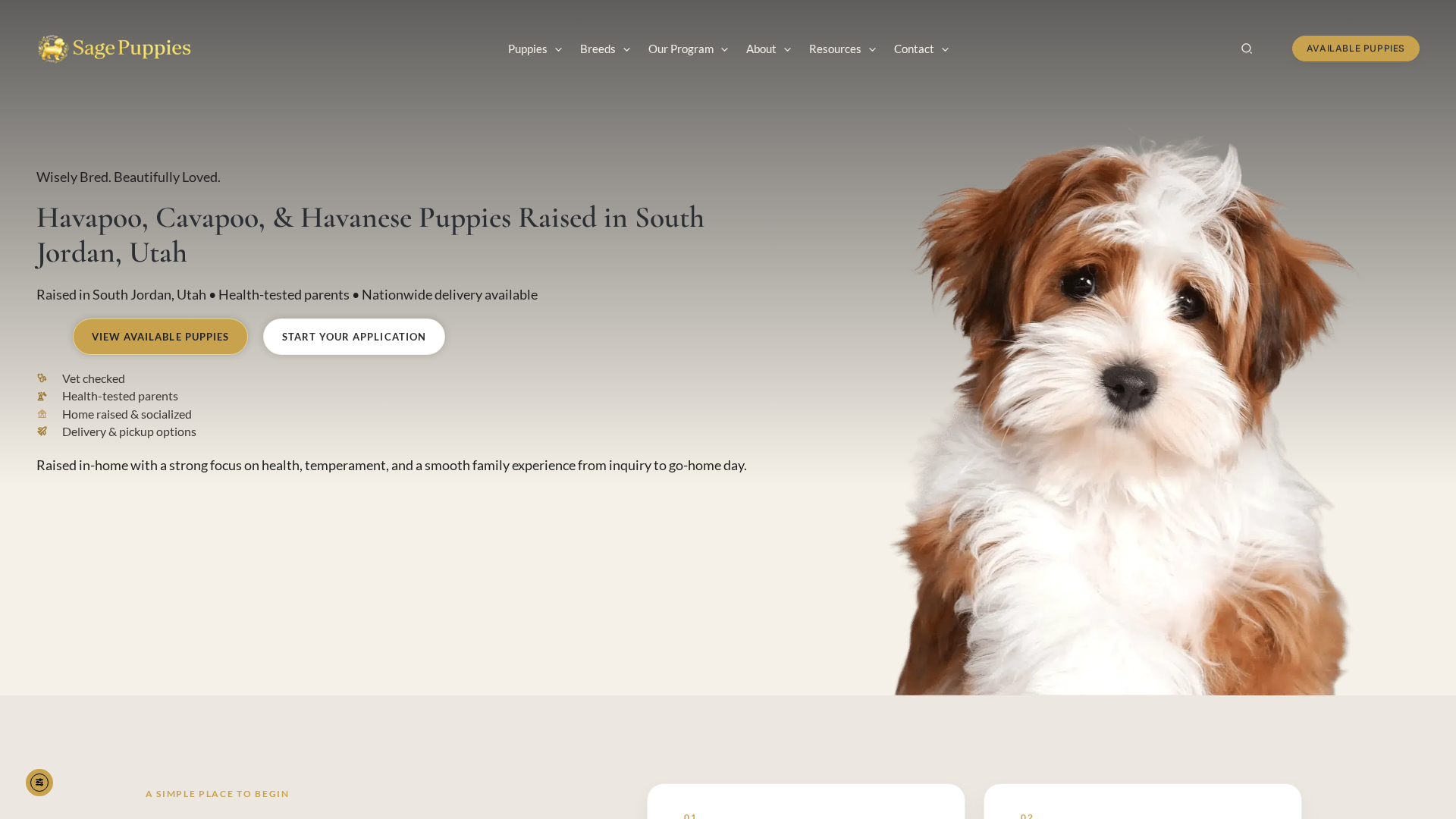
If you want a safer, more transparent path than scrolling through listings, start with Sage Puppies. Their home-raised Havanese, Havapoo, and Cavapoo puppies come from health-tested parents with early socialization and a clear family-first process. Review available puppies, pricing, and delivery options, then apply when you feel ready.
Frequently Asked Questions
Q1: What are the best ways to ensure puppies are ethically sourced in Washington?
Ask where the puppy was raised, meet the breeder or foster family, and review health records before you pay. Good sources welcome questions, show parent details, explain socialization, and never rush pickup or hide living conditions.
Q2: How can I identify reputable breeders for puppies in Washington?
Look for breeders who health test breeding dogs, limit litter volume, and screen buyers. They should share contracts, vaccination records, and clear answers about temperament, support, and returns. If communication feels evasive, walk away.
Q3: What health testing should I expect from responsible Washington breeders?
Expect age-appropriate vet care for puppies plus breed-relevant testing on parents. That may include OFA or PennHIP reviews, eye exams, and genetic screening. Ask for proof, not promises, and make sure results match the parent dogs.
Q4: Is adoption better than buying from a breeder?
It depends on your goals. Adoption can be a great fit if you are flexible on age, breed, and background. A responsible breeder may fit better if you want known parent history, early socialization, and predictable size and temperament.
Q5: What are red flags when buying a puppy online?
Watch for cash-only pressure, no video calls, stock photos, same-day shipping offers, and missing parent information. > If the seller avoids showing the puppy live or will not share records before deposit, do not move forward.
Conclusion
Buying a puppy in Washington is safest when you slow down and check both ethics and paperwork. The best choice is the one that gives you clear health records, honest answers, a good match for your home, and no pressure to buy fast.
Washington gives buyers real protections. State law limits most retail pet store dog sales and requires key breeder disclosures in the few cases allowed under RCW 16.52.360. The state also caps intact breeding dogs and sets care standards under RCW 16.52.310.
A good puppy source welcomes questions, shows records, and cares where the puppy goes.