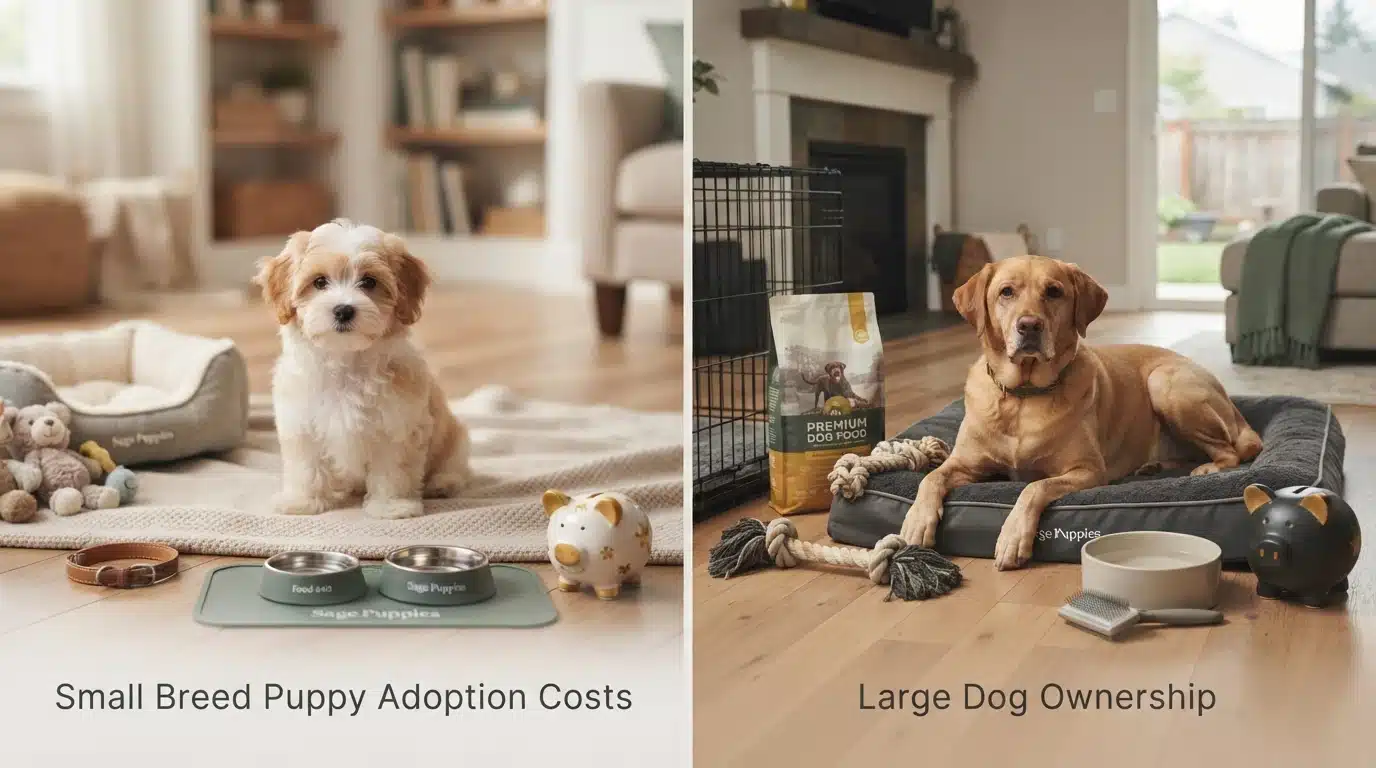
Quick Summary: The article emphasizes that small breed puppies in urban settings thrive with predictable routines like scheduled potty breaks, proper confinement, and calm sleep spaces. Using a leash for potty trips, puppy-proofing only accessible areas, and short training sessions help manage city challenges. Early socialization with city sounds and careful activity management prevent fear and injury. Consistent health monitoring and routines support their well-being in busy, confined environments.
If your puppy is learning city life from a condo, townhome, or apartment, the hard part is rarely affection. It is building simple routines you can repeat every day without stress. That is where good Care Tips Puppies families can actually use start to matter.
Urban homes bring real challenges. You may have slow elevator trips, no private yard, neighbors close by, and a tiny puppy that needs both protection and confidence. Many families struggle with fast potty access, small-space setup, barking worries, and safe social time. Strong Urban Puppy Care starts by making those daily moments easier, not fancier.
These Care Tips Puppies families need most focus on what works in city homes: scheduled potty breaks, smart confinement, calm sleep habits, small-dog safety, and gentle exposure to the world outside your door. You will also find Small Breed Tips that fit both first-time and seasoned puppy homes.
We chose these Care Tips Puppies based on practical habits backed by current vet and training guidance, including supervision, crate use, scheduled meals and potty trips, positive reinforcement, puppy-proofing, and age-appropriate socialization. For families considering Sage Puppies, these are the steady home routines companion breeds tend to thrive in.
Quick Comparison
| Care Tip | Best for | Urban benefit | Main challenge | When to start |
|---|---|---|---|---|
| Keep a tight potty schedule from day one | Apartment and condo housebreaking | Fewer accidents and faster routine-building | Consistency when schedules are busy | The first day home |
| Use a properly sized crate or playpen | Safe supervision when you cannot watch closely | Limits mistakes in small spaces | Creating positive crate feelings | As soon as the puppy comes home |
| Create a calm sleep zone in the quietest part of the home | Settling a puppy in a noisy city home | Less overstimulation and fewer restless nights | Noise, light, and household traffic | First night home |
| Use a leash for every potty trip | Fast, focused bathroom trips | Better control in shared spaces | Avoiding distraction and play | Immediately |
| Puppy-proof only the spaces your puppy can actually access | Preventing chewing and accidents in tight spaces | Safer use of limited square footage | Overlooking hazards at puppy height | Before pickup or arrival |
| Keep training sessions short, calm, and repetitive | First-time puppy families | Easy to fit into busy schedules | Staying consistent every day | As soon as the puppy is settled |
| Socialize your puppy with city sounds the right way | Building confidence in urban environments | Less fear of traffic, noise, and movement | Timing exposure safely | Early, with caution and vet guidance |
| Protect tiny bodies from overexertion and jumping | Preventing strain and injury | Safer movement in apartments and townhomes | Managing enthusiasm and rough surfaces | From the first week home |
| Feed on a routine that supports potty timing | Predictable elimination and steady routines | Easier apartment housebreaking | Coordinating family schedules | Day one |
| Watch for health changes sooner than later | Catching early warning signs | Helpful when schedules are busy and changes are easy to miss | Knowing what is normal for your puppy | Immediately |
What to know about small breed puppy care in cities
Small breed puppies can do very well in apartments, condos, and city homes. They just need a day that feels clear and steady. In a busy setting, predictable routines, close supervision, and short, calm outings help a tiny puppy settle in faster and feel safe.
City life brings a few extra challenges. Noise, elevators, shared potty areas, limited yard space, and fast-moving streets can overwhelm a young puppy. Small breeds also tire faster, chill more easily, and often need more support with sleep, housetraining, and safe social exposure.
The goal is not more activity. It is better-timed care that matches a small puppy’s body, age, and confidence level.
If you want the big-picture guide first, see the parent post on 10 Unique Care Tips for Small Breed Puppies in Urban Settings before working through the list.
1. Keep a tight potty schedule from day one
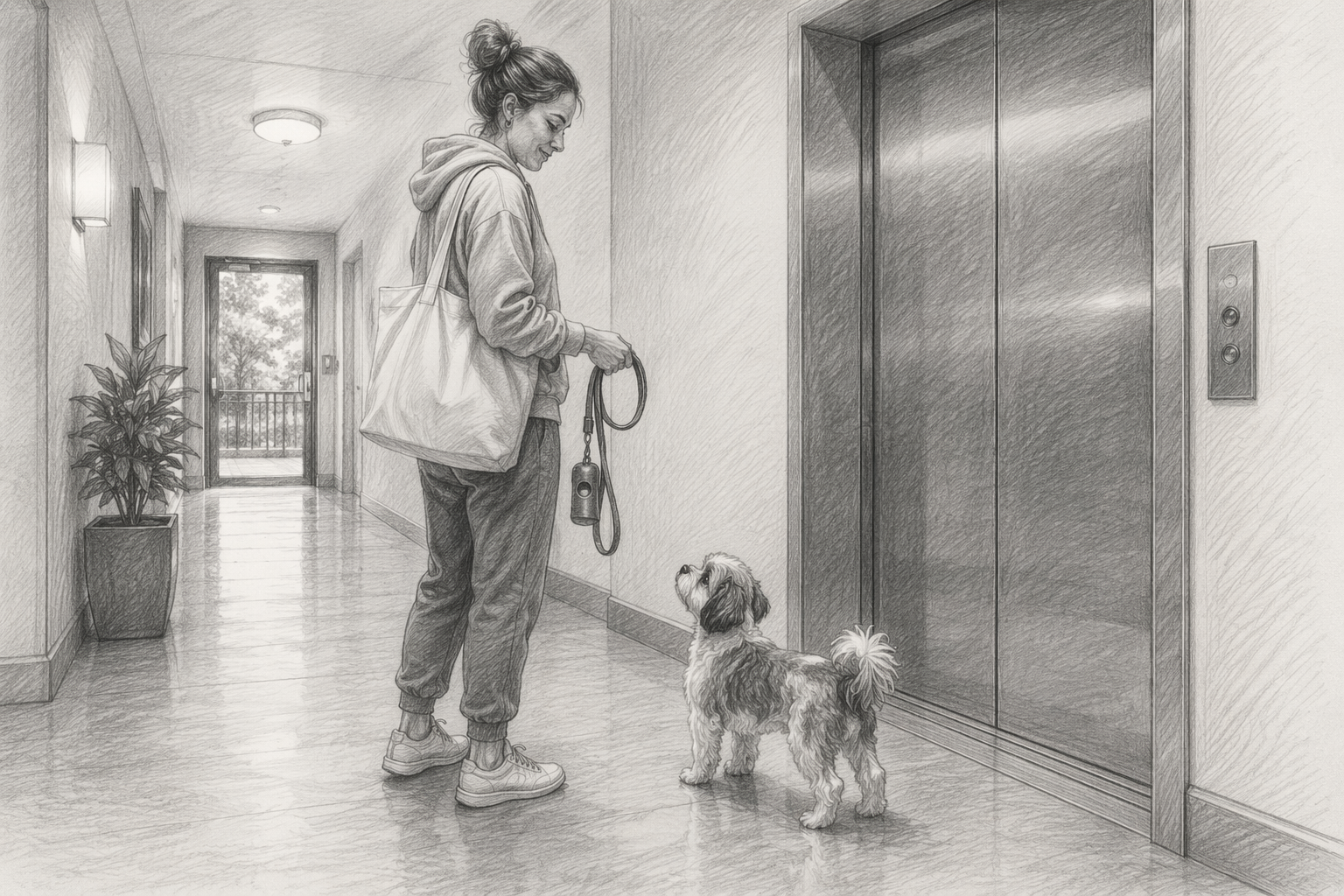
The single biggest habit for apartment success is predictable potty timing. For small breed puppies, a tight routine cuts accidents fast and helps city life feel calmer for everyone at home.
Highlights
- Take your puppy out after waking, eating, drinking, playing, and before bed. The AKC potty schedule guide and VCA housetraining advice both stress these trigger times.
- Use the same exit route and same potty spot whenever you can.
- Reward right away so your puppy links the action to the treat, not the trip back inside.
Specs
- Best for: Apartment and condo housebreaking
- Urban benefit: Fewer accidents and faster routine-building
- Main challenge: Consistency when schedules are busy
- When to start: The first day home
Pros
- Builds faster learning and fewer indoor accidents
- Works well when outdoor access is limited
- Helps the whole family stay consistent
Cons
- Requires frequent outings early on
- Can feel tiring without a plan
Very young small breed puppies often need more breaks than you expect, so treat the clock as a guide, not a test.
It ranks here first because potty timing solves the most common urban puppy problem right away.
Last updated: July 3, 2026
Also Read: 12 Small Breed Puppies That Are Perfect for Kids (2026)
2. Use a properly sized crate or playpen
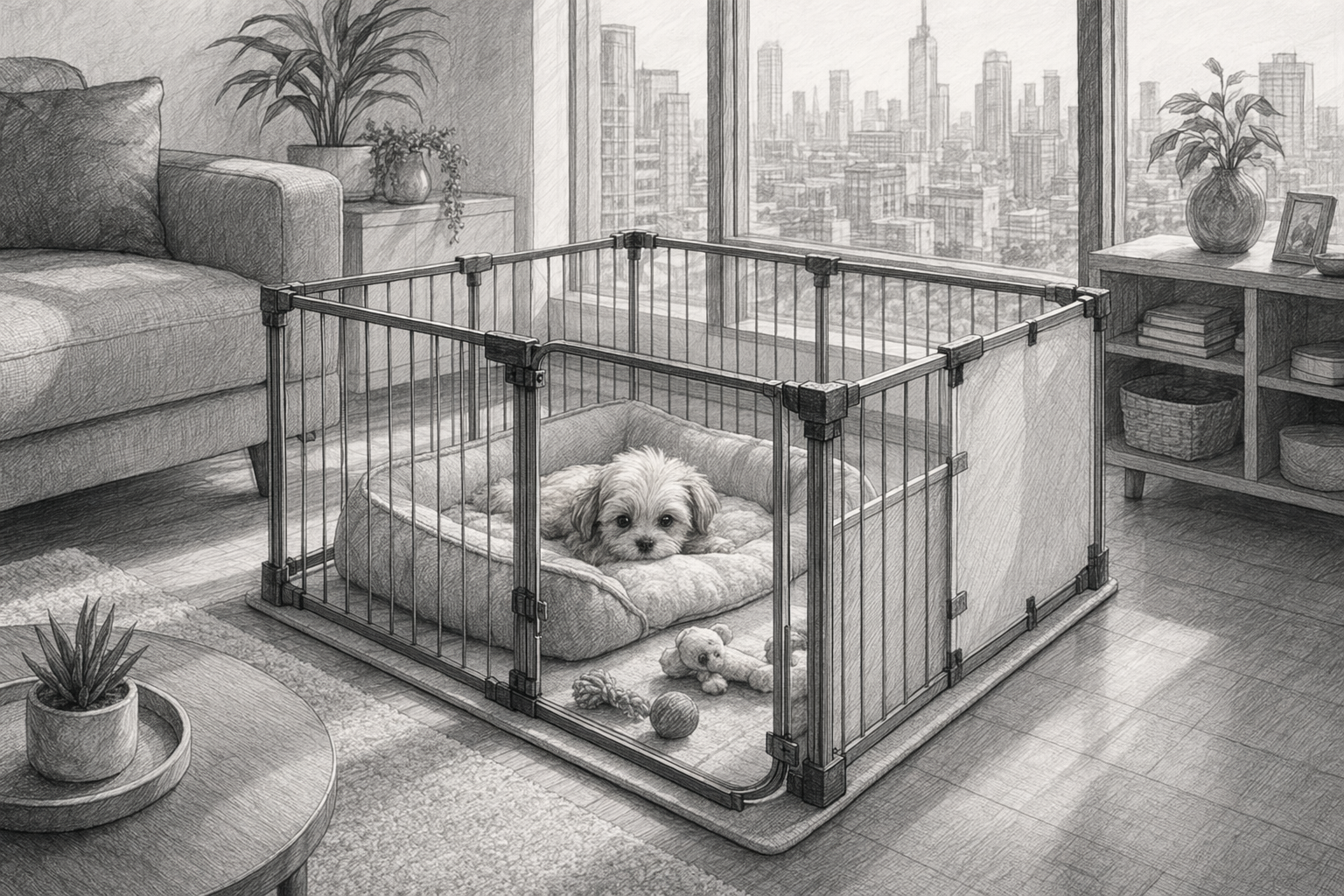
A crate or pen gives your small breed puppy a calm place to rest between potty trips. In an apartment, that small safe zone cuts down on chewing, roaming, and surprise accidents when you cannot watch closely. Size matters – Cornell notes the crate should let your puppy stand, turn, and lie down comfortably, and AKC explains a divider helps while your puppy grows.
Highlights
- Choose a crate that fits standing, turning, and lying down.
- Use a divider for a growing puppy.
- Never use the crate as punishment.
- Pair crate time with naps, chews, and calm breaks.
Specs
- Best for: Safe supervision when you cannot watch closely
- Urban benefit: Limits mistakes in small spaces
- Main challenge: Creating positive crate feelings
- When to start: As soon as the puppy comes home
Pros
- Supports housetraining and rest.
- Helps prevent chewing and wandering.
- Makes bedtime and alone time easier.
Cons
- Needs gradual introduction.
- Too much crate time can backfire.
It ranks high because tight city homes make safe confinement one of the most reliable training tools.
Last updated: July 3, 2026
3. Create a calm sleep zone in the quietest part of the home
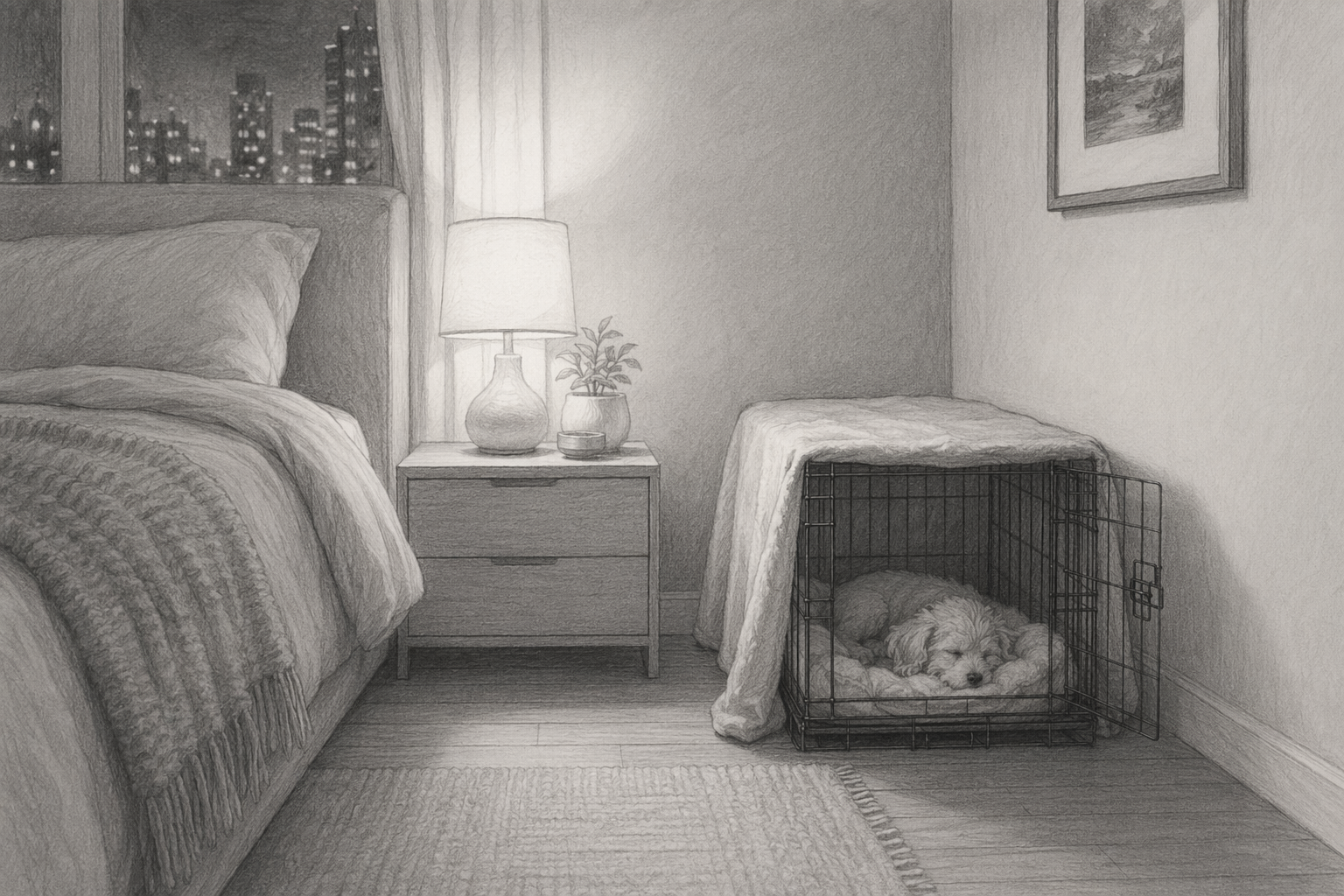
Rest helps training, not just recovery. In a city home, a small puppy can get overtired fast, so a quiet puppy bedtime setup should start on night one. Puppies often sleep 18 to 20 hours a day, according to the AKC puppy sleep guide.
Highlights
- Keep the sleep spot close enough for reassurance, but away from hall traffic, TVs, and bright windows.
- Use the same puppy sleep routine each night: potty, brief cuddle, bed.
- Cut rough play and noise in the last hour.
- Make night potty trips quiet and fast, as AAHA advises for new puppies.
Specs
- Best for: Settling a puppy in a noisy city home
- Urban benefit: Less overstimulation and fewer restless nights
- Main challenge: Noise, light, and household traffic
- When to start: First night home
Pros
- Improves recovery and emotional stability
- Can reduce whining and pacing
- Makes crate training easier
Cons
- Takes teamwork in a busy home
- Routine matters every night
This ranks high because sleep shapes potty training, behavior, and resilience.
Last updated: July 3, 2026
Also Read: 7 Best Small Breed Puppies for Apartment Living in 2026
4. Use a leash for every potty trip
Leash-first potty breaks make city training cleaner and more consistent. In an apartment, the leash helps your puppy move from door to potty spot without turning the trip into a sniff tour, hallway game, or sidewalk meet-and-greet. AKC’s apartment housetraining guide also notes how urban puppies must learn control through hallways, elevators, lobbies, and sidewalks.
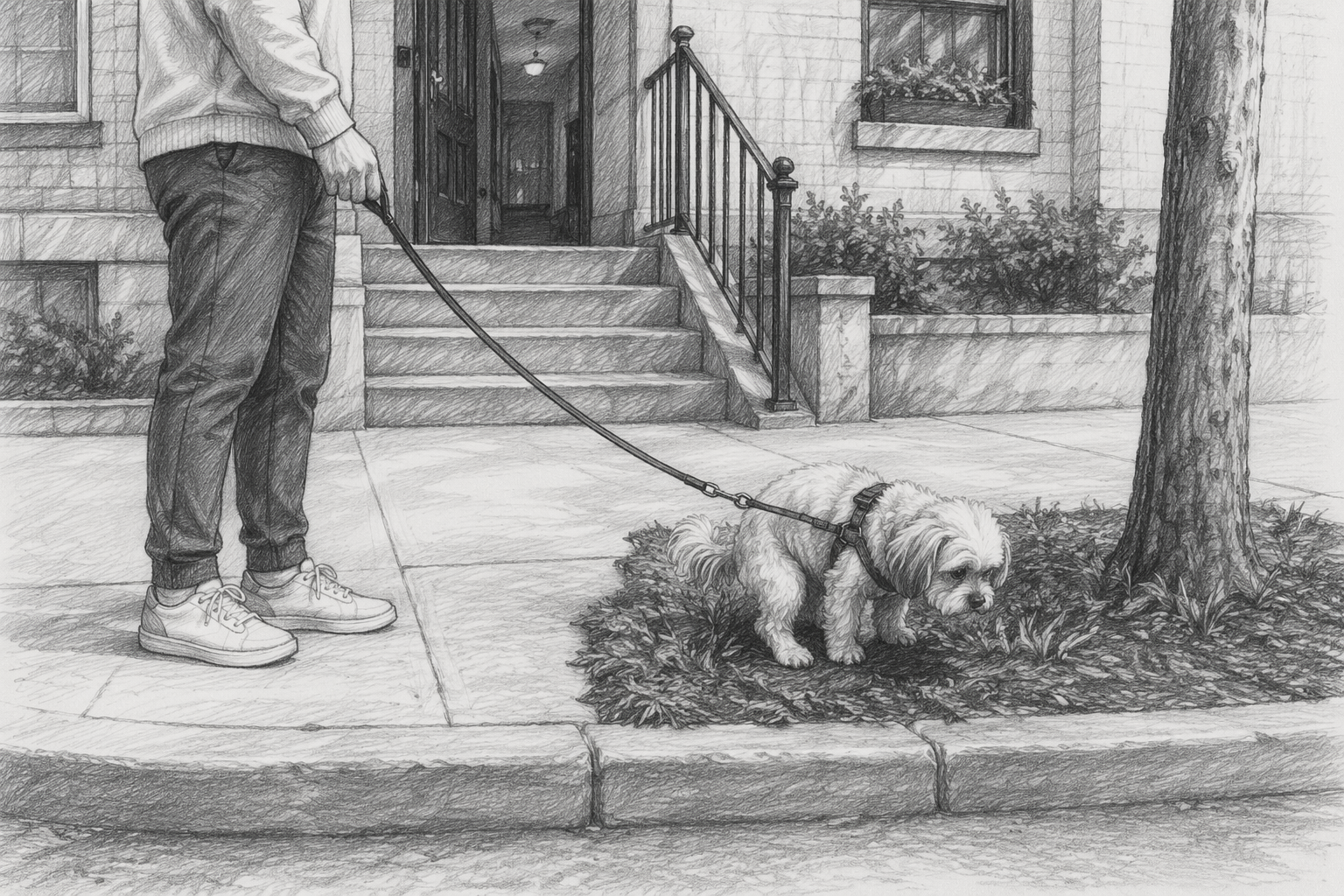
Keep potty trips calm, short, and boring until your puppy finishes.
Highlights
- Lead your puppy straight to the potty area.
- Use the same soft cue each time, like go potty.
- Head back inside right after success.
Specs - Best for: Fast, focused bathroom trips
- Urban benefit: Better control in shared spaces
- Main challenge: Avoiding distraction and play
- When to start: Immediately
Pros - Improves focus and helps prevent accidents during transitions
- Adds safety near streets and building entries, and ASPCA recommends leashing dogs outside public fenced areas
Cons - Requires repetition and patience
- Can feel tedious at first
It ranks here because leash control quickly creates a clear cue-to-result pattern in apartment potty training.
Last updated: July 3, 2026
5. Puppy-proof only the spaces your puppy can actually access
Small homes still need strong boundaries. In a puppy proof apartment, safety starts with the floor-level zone your puppy can actually reach, not every inch of your home.
Highlights
- Block cords, wires, and dangling blinds. The AKC puppy-proofing checklist warns these can cause shock, burns, or strangling risk.
- Store shoes, remotes, hair ties, and tiny objects up high.
- Use baby gates or closed doors to shrink the map.
- Secure trash and cleaners. ASPCA poison guidance notes many household products can harm pets.
Specs
- Best for: Preventing chewing and accidents in tight spaces
- Urban benefit: Safer use of limited square footage
- Main challenge: Overlooking hazards at puppy height
- When to start: Before pickup or arrival
Pros
- Reduces emergency risk
- Makes supervision easier
- Supports calmer exploration
Cons
- Needs updates as your puppy grows
- Shared spaces are harder to fully secure
This ranks here because compact city homes can feel safe when they are not.
Last updated: July 3, 2026
Also Read: 7 Easy Training Hacks for Small Breed Puppies in the U.S.
6. Keep training sessions short, calm, and repetitive
Tiny attention spans need tiny training blocks. Small breed puppies usually do better with short puppy training sessions than long drills, especially in a busy apartment where they are already taking in new sounds, smells, and routines. The AKC suggests keeping sessions brief and ending on a positive note in its basic puppy cue guide, and PetMD notes that many puppies learn best in about five-minute sessions.
Highlights
- Limit sessions to a few minutes at a time.
- Focus on one skill per session.
- End on a success so your puppy stays engaged.
- Use treats, praise, and calm repetition.
Specs
- Best for: First-time puppy families
- Urban benefit: Easy to fit into busy schedules
- Main challenge: Staying consistent every day
- When to start: As soon as the puppy is settled
Pros
- Builds confidence without fatigue
- Improves owner consistency
- Works well for basic cues and manners
Cons
- Progress can feel slow if expectations are too high
- Needs every household member to use the same cues
This ranks here because it fits real city life and keeps training doable every day.
Last updated: July 3, 2026
Also Read: Top 9 Small Breed Puppies for Sale Near You in 2026
7. Socialize your puppy with city sounds the right way
Confidence comes from thoughtful exposure, not constant stimulation. Your puppy does not need to meet every siren, bus, and subway grate at once. Start early, go slowly, and follow your vet’s guidance on safe outings. The AVSAB puppy socialization statement supports early, safe exposure before full vaccination, and VCA’s guidance stresses distance, treats, and a calm pace.
Highlights
- Start with low-intensity sounds at home or from a quiet sidewalk.
- Pair each new sound with treats and calm praise.
- Keep sessions short and end before your puppy looks worried.
- Avoid crowded dog-heavy areas until your vet says it is safe.
Specs
- Best for: Building confidence in urban environments
- Urban benefit: Less fear of traffic, noise, and movement
- Main challenge: Timing exposure safely
- When to start: Early, with caution and vet guidance
Pros
- Supports calmer adult behavior
- Helps with vet and groomer visits later
- Makes city outings less stressful
Cons
- Must be paced carefully
- Too much, too soon can overwhelm a puppy
This ranks here because smart, well-timed socialization can prevent fear-based habits before city life makes them harder to fix.
Last updated: July 3, 2026
8. Protect tiny bodies from overexertion and jumping
Small does not mean indestructible. Small breed puppies may look bold, but city stairs, couches, slick floors, and long walks can strain growing bodies fast. AKC notes that repeated jumping should be limited while puppies are still developing, and early puppy exercise should stay short and age-appropriate.
Highlights
- Use ramps or steps if your puppy wants couch or bed access.
- Keep early walks short and stop at the first sign of fatigue.
- Limit repeated stair trips when possible.
- Watch for trembling, slowing down, or refusing to keep moving.
Specs
- Best for: Preventing strain and injury
- Urban benefit: Safer movement in apartments and townhomes
- Main challenge: Managing enthusiasm and rough surfaces
- When to start: From the first week home
Pros
- Protects growing joints and bones
- Reduces slips and tumbles
- Encourages age-appropriate activity
Cons
- Requires close monitoring
- Can be hard when the puppy seems energetic
This ranks here because urban puppy safety often comes down to tiny daily movements, not big accidents.
Last updated: July 3, 2026
9. Feed on a routine that supports potty timing
Meals and bathroom breaks should work together. A steady small breed puppy feeding routine makes potty trips easier to predict, which is a big help in apartments. UC Davis notes that elimination breaks should follow meals, and AKC explains many puppies need to go within 5 to 30 minutes after eating.
Highlights
- Feed at the same times each day.
- Track your puppy’s usual potty window after meals.
- Skip free-feeding if it makes bathroom timing hard to read.
- Let dinner timing support bedtime and early morning potty success.
Specs
- Best for: Predictable elimination and steady routines
- Urban benefit: Easier apartment housebreaking
- Main challenge: Coordinating family schedules
- When to start: Day one
Pros
- Helps make potty breaks more predictable.
- Supports routine and digestion.
- Makes training easier across the day.
Cons
- Requires discipline with snack timing.
- Different family schedules can break consistency.
A feeding schedule ranks here because it turns guesswork into a repeatable daily rhythm.
Last updated: July 3, 2026
10. Watch for health changes sooner than later
Tiny dogs can change fast, so early observation matters. In busy city homes, it is easy to miss a skipped meal, loose stool, or low energy, but small breed puppies can slide into trouble quickly with dehydration signs like lethargy and appetite loss or sudden behavior changes that need a vet call.
Highlights
- Track appetite, water intake, and bathroom habits.
- Watch for lethargy, odd behavior, vomiting, diarrhea, or repeat accidents.
- Do not assume every accident is only a training problem.
- Call your vet if anything changes fast.
Specs
- Best for: Catching early warning signs
- Urban benefit: Helps when busy schedules make small changes easy to miss
- Main challenge: Knowing what is normal for your puppy
- When to start: Immediately
Pros
- Supports safer early puppy development
- Helps separate training issues from health issues
- Encourages proactive vet care
Cons
- Requires close daily attention
- Signs can be subtle in very small puppies
This ranks here because early health awareness helps you make better calls before a small problem grows.
Last updated: July 3, 2026
How to choose the right care priorities
Start with the basics. In a city home, potty training and supervision usually decide whether daily life feels calm or stressful.
Use these criteria to choose what to focus on first:
- Pick potty structure before tricks. Set potty breaks around waking, meals, play, and bedtime. Small breeds often need more frequent trips, so a loose schedule rarely works.
- Choose confinement that fits real life. A young or shy puppy may do better with a playpen plus crate, not full apartment access. If you work longer hours, safety matters more than fast freedom.
- Match exposure to health stage. Ask your vet what is safe based on vaccines. Then build confidence with short, positive outings, lobby sounds, carrier rides, and calm visitors.
- Keep the routine repeatable. Feed, potty, nap, and train in the same order each day. Puppies learn faster when the pattern stays simple.
- Secure hazards before giving space. Stairs, balconies, busy hallways, elevators, and traffic noise should shape your setup early. Create one quiet rest zone where your puppy can settle.
- Choose temperament over looks. For apartment life, a puppy’s confidence, recovery from noise, and early handling matter a lot. Programs like Sage Puppies stand out when they focus on fit, early socialization, and family support.
If you feel torn, choose the priority that prevents stress or unsafe mistakes today. Training goals can wait a week.
City life asks a lot from a small puppy, so your breeder choice matters. If you want a Havanese, Havapoo, or Cavapoo raised with early socialization, health-tested parents, and a clear family-first process, start with Sage Puppies. Review available puppies, learn how pickup or nationwide delivery works, and take the next step when the timing feels right for your home.
Frequently Asked Questions
Q1: What are the most effective housebreaking strategies for small breed puppies in urban environments?
Use a strict schedule. Take your puppy out after waking, eating, play, and every 2 to 3 hours. Pick one potty spot, reward fast, and keep indoor freedom small. In apartments, leash trips and backup pads near the door can help.
Q2: How can I choose the best crate and confinement solutions for my small breed puppy living in an apartment?
Pick a crate your puppy can stand, turn, and rest in, but not pace in. Add a playpen for safe daytime space. Soft-sided options work for some pups, but sturdy wire or hard crates usually give better airflow and easier cleaning.
Q3: What are the top care tips to ensure health and well-being for small breed puppies in city settings?
Watch for cold, skipped meals, overexertion, and unsafe sidewalks. Small breeds need steady meals, short walks, safe social time, and enough sleep. Keep vaccine timing in mind before using shared dog areas, and carry your puppy when streets feel too busy.
Q4: How do I help my puppy sleep through city noise?
Use a covered crate corner, a fan or white noise, and the same bedtime each night. Late potty trips should stay quiet and brief. Do not rush to comfort every sound, or your puppy may learn to wake and wait for you.
Q5: When should I let my small puppy meet other dogs in the city?
Start with calm, healthy, known dogs in clean spaces. Avoid dog parks too early. Focus on safe, short meetings that build confidence. If you want a well-started puppy, programs like Sage Puppies also help by giving early home socialization before placement.