
Quick Summary: Small breed puppies learn best with short, consistent routines, calm positive reinforcement, and frequent potty breaks. Focus on quick, 3-5 minute training sessions, a cozy crate, and a clear potty zone to reduce accidents and build confidence. Socialize gradually in tiny doses and handle your puppy gently daily to make vet visits and grooming easier. These simple habits fit busy families and help your puppy settle in faster.
Small breed puppies learn fast, but they do best with a lighter touch, shorter lessons, and a potty plan that matches their tiny bodies. That is where many families get stuck. They use the same approach they would use for a bigger dog, then feel confused when crate time gets loud, accidents keep happening, or new places feel like too much.
This guide fixes that. These Puppy Training Tips focus on what actually helps little pups settle in and learn at home. If you are Training Small Puppies, the goal is not harder training. It is smarter timing, clear routines, and calm repetition.
You will find seven ranked Puppy Training Tips that make daily life easier: short sessions, steady routines, cozy crate habits, better potty timing, small social steps, gentle handling practice, and rewards that build trust. Each one works well for Puppy House Training and early confidence building.
We chose these Puppy Training Tips for one reason: they fit real life for busy U.S. families. The ranking favors simple habits you can use right away, especially during the first weeks home. Each hack supports fewer accidents, calmer transitions, and a smoother move from breeder to family life, which matters even more with small companion breeds like those raised at Sage Puppies.
Quick Comparison
| Hack | Best for | Time needed | Main training win | Why it matters for small puppies |
|---|---|---|---|---|
| Use a consistent potty schedule | Reducing accidents and building a reliable bathroom routine | All day, every day | Faster potty training progress | Tiny bladders need more frequent chances to succeed |
| Keep training sessions under 5 minutes | Focus, confidence, and quick early learning | 3 to 5 minutes per session | Better attention and faster retention | Short attention spans need short lessons |
| Create a crate comfort routine | Calm downtime, sleep, and routine building | Several short practice periods daily | Better settling and fewer bedtime struggles | Structure helps tiny puppies feel safe |
| Reward the exact behavior you want | Teaching basic manners and household rules | Seconds at the right moment | Cleaner communication and faster learning | Tiny dogs need simple, immediate feedback |
| Add early socialization in tiny doses | Confidence around everyday life | A few minutes at a time | Less fear and better adaptability | Small dogs can become cautious if rushed |
| Practice gentle handling every day | Grooming, vet visits, and calm physical care | 1 to 3 minutes daily | Less fuss during handling | Small dogs are often carried and handled more often |
| Use a simple potty-zone setup | Fewer mistakes and easier supervision | Set up once, then maintain daily | Clear potty expectations | A tiny puppy needs a very obvious target |
What to know about small breed puppy training
Small breed puppies learn fast, but they do not train best the same way larger puppies do. Their tiny bladders, short attention spans, and sensitive nature mean your plan should feel simple and steady at home. Most families do better with brief practice, more potty trips, close supervision, and clear routines.
This matters right now because many common puppy problems start with mismatched expectations. A small puppy can get cold, tired, startled, or distracted much faster than people expect. That can look like stubborn behavior when it is really stress, confusion, or just a missed nap.
The goal is not to push harder. The goal is to make training easier for your puppy to understand.
A calm, low-pressure setup builds confidence and trust. That is what helps small companion breeds settle in, learn house rules, and bond with your family faster.
1. Use a consistent potty schedule
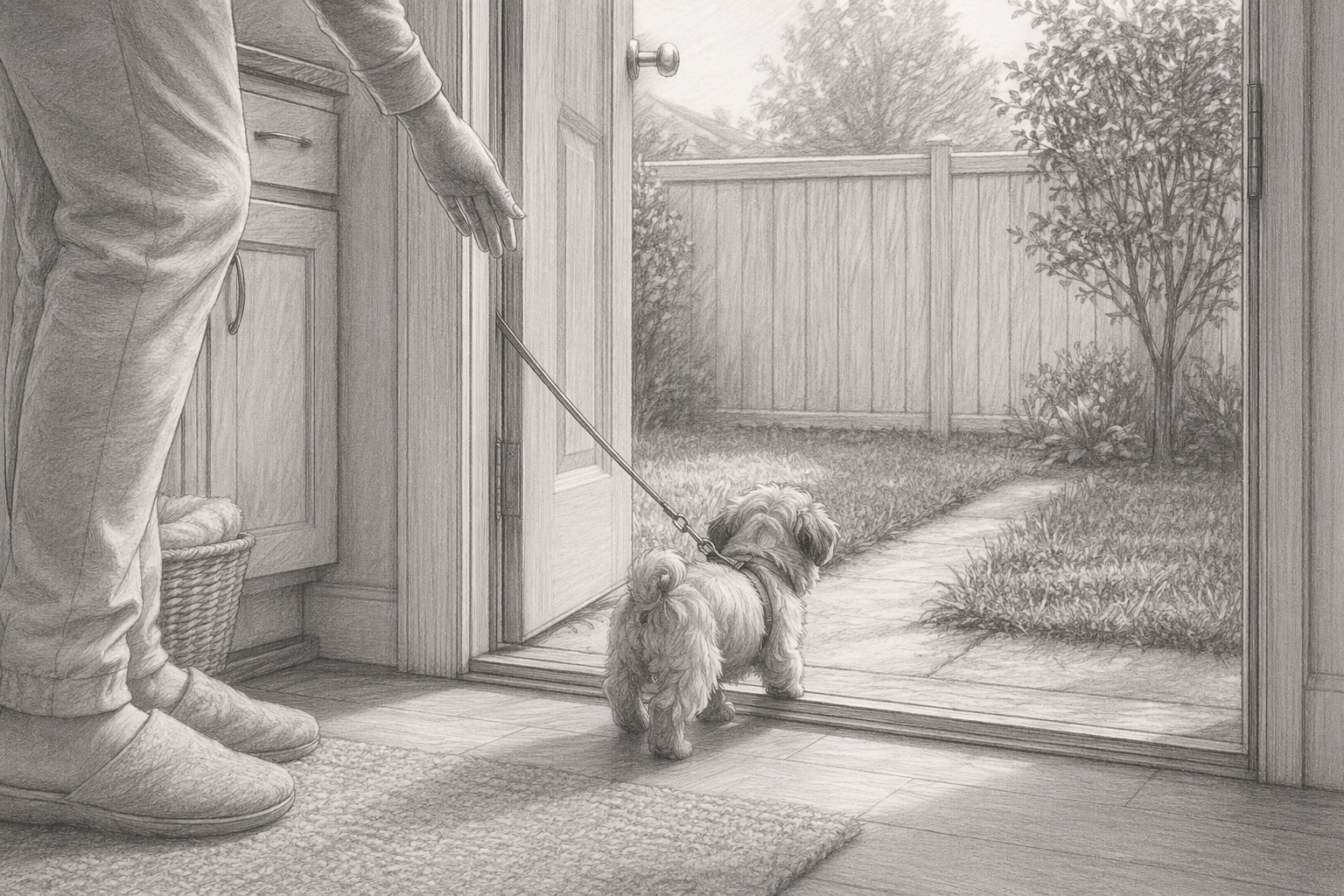
A steady potty schedule is the simplest way to speed up puppy house training. Small puppies learn faster when breaks happen on a set rhythm, not by guesswork, because tiny bladders need more chances to get it right.
Highlights
- Take your puppy out first thing in the morning and right before bed.
- Add potty breaks after meals, play, naps, and crate time.
- Use the same door and same potty spot each trip.
- Keep the outing calm and boring until your puppy finishes.
Specs
- Best for: Reducing accidents and building a reliable bathroom routine
- Time needed: All day, every day
- Main training win: Faster potty training progress
- Why it matters for small puppies: Tiny bladders need more frequent chances to succeed
A simple rhythm works best: wake up, go out, eat, go out, play, go out. The AKC potty training timeline recommends potty trips after waking, meals, naps, and play, and VCA notes that puppies often need very frequent breaks when awake.
Keep the trip boring until the job is done. Play comes after, not before.
Pros
- Easy for families to follow
- Creates quick associations
- Supports cleaner indoor behavior
Cons
- Requires steady supervision
- Needs patience during the first weeks
This ranks first because potty training sets the tone for every other training habit in the early months.
Last updated: July 3, 2026
Also Read: 7 Best Small Breed Puppies for Apartment Living in 2026
2. Keep training sessions under 5 minutes
Short, focused lessons beat long drills with small breed puppies. Puppies have short attention spans, and PetMD recommends sessions of about five minutes, which makes this one of the easiest Puppy Training Tips to use right away.
Highlights
- Teach one cue at a time, like sit or come
- Stop while your puppy is still interested
- Repeat the same mini lesson later in the day
- End with one easy win, then reward
Specs
- Best for: Focus, confidence, and quick early learning
- Time needed: 3 to 5 minutes per session
- Main training win: Better attention and faster retention
- Why it matters for small puppies: Short attention spans need short lessons
Pros
- Fits busy family schedules
- Reduces puppy fatigue
- Makes success more likely
- American Humane also supports positive, reward-based training, which works well in short bursts
Cons
- Progress can feel slower if you expect long sessions
- You need to repeat lessons across the day
This ranks high because small puppies lose focus fast, so shorter sessions are a simple fix that helps owners stay consistent.
Last updated: July 3, 2026
Also Read: Top 9 Small Breed Puppies for Sale Near You in 2026
3. Create a crate comfort routine
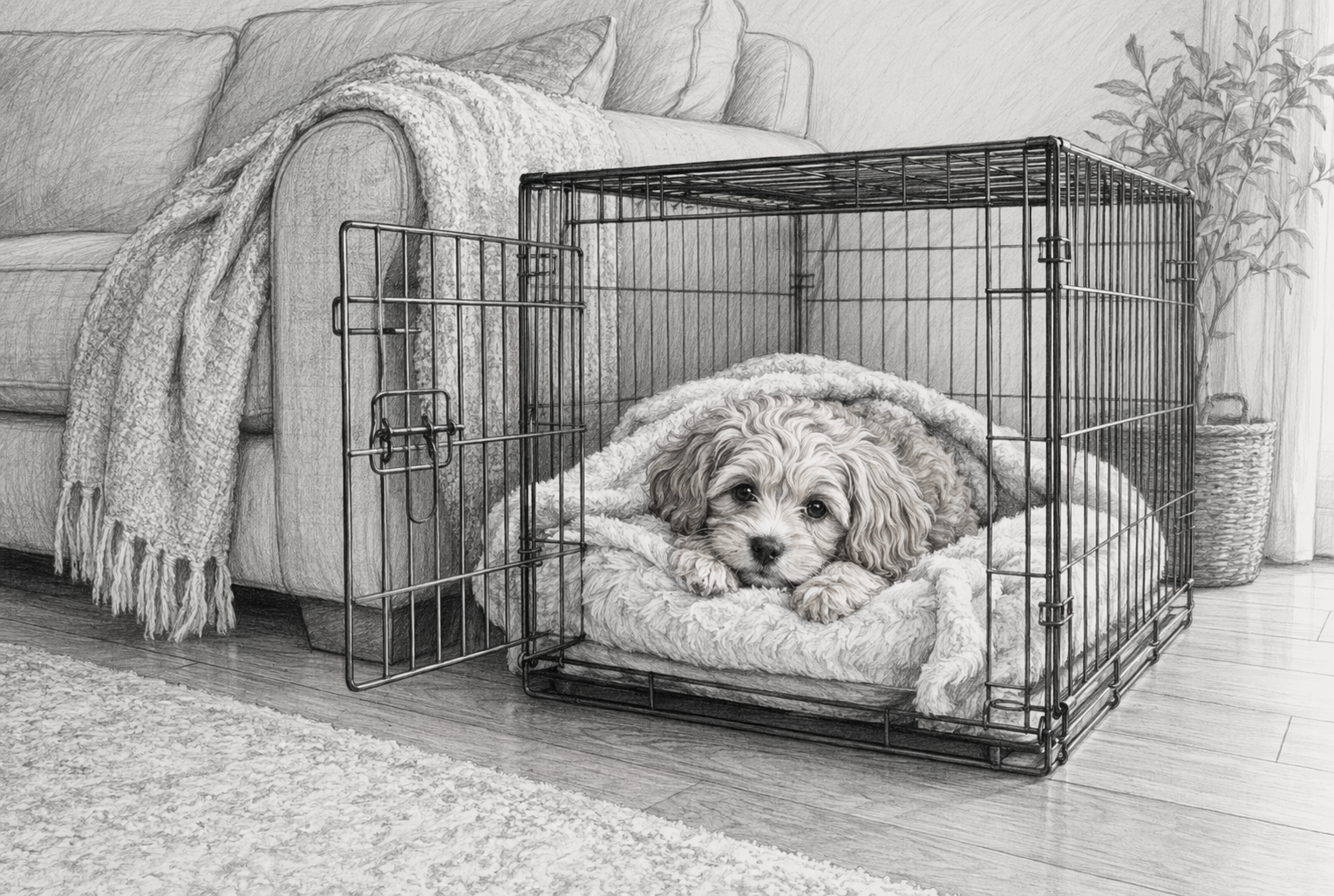
A calm crate can make settling in much easier. For many small puppies, the crate works best as a safe sleep spot, not a punishment space.
Start slow. Feed near the crate first, then move to open-door naps and short rests. The AKC step-by-step crate guide and Humane World for Animals both stress positive, gradual crate training.
Highlights
- Feed or reward your puppy near the crate first.
- Build from open-door naps to short closed-door rests.
- Keep the crate size right for a small puppy.
- Use it for naps and bedtime, not punishment.
Specs
- Best for: Calm downtime, sleep, and routine building
- Time needed: Several short practice periods daily
- Main training win: Better settling and fewer bedtime struggles
- Why it matters for small puppies: Structure helps tiny puppies feel safe
Pros
- Supports naps and overnight rest
- Can reduce overstimulation
- Helps with travel and transitions
Cons
- May take time for the puppy to accept
- Needs a gentle introduction
Choose a crate that lets your puppy stand up and turn around, but not pace around like a playpen.
This ranks here because crate comfort improves sleep, lowers chaos, and supports Puppy House Training.
Last updated: July 3, 2026
4. Reward the exact behavior you want
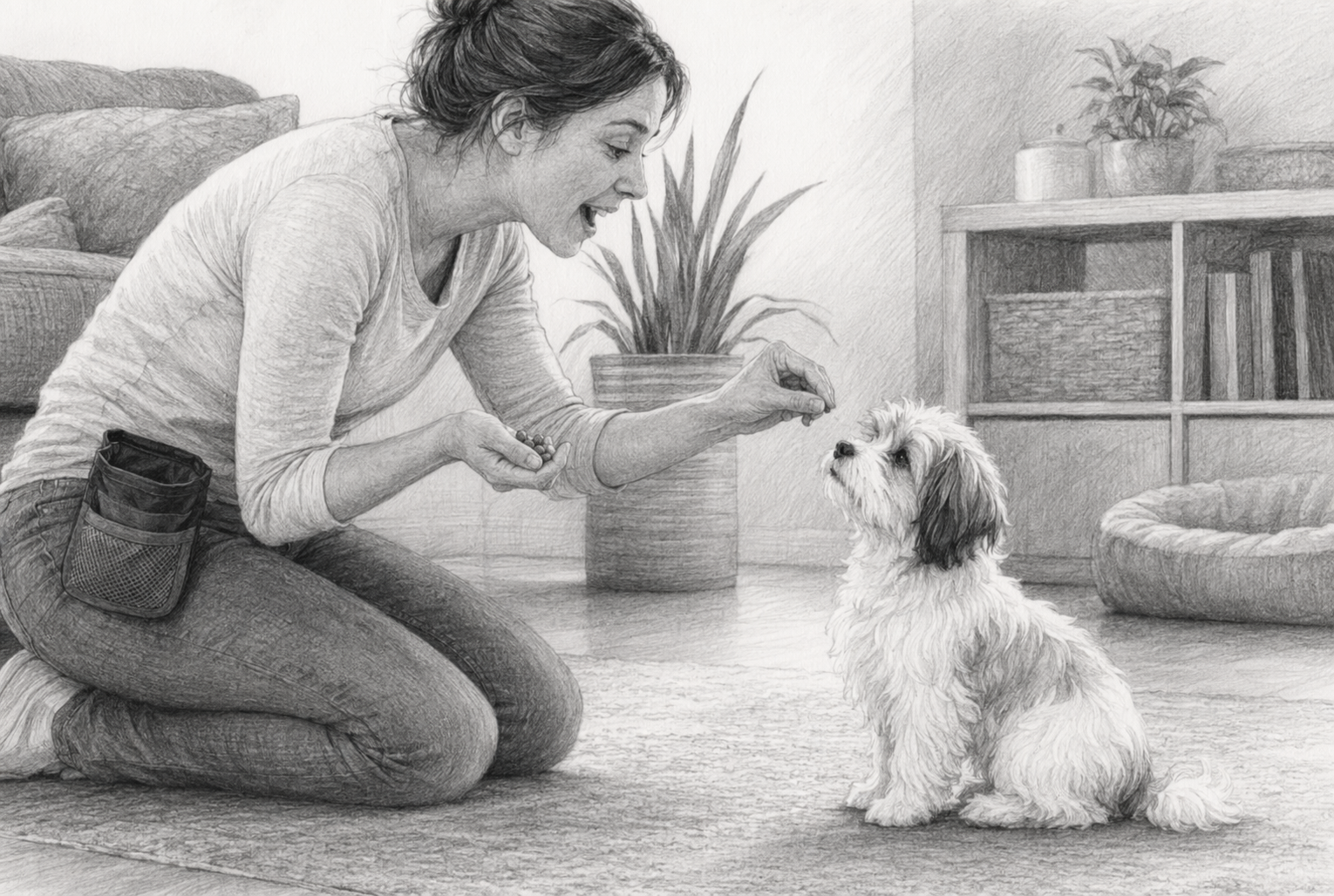
Clear timing makes training click faster. Small puppies learn best when the reward lands right after the right choice, so they can connect action and payoff without guessing. Humane World notes the treat should come within seconds of the behavior, and AVSAB supports reward-based methods for all dog training.
Highlights
- Treat within seconds of the correct behavior.
- Use praise plus a small treat for simple wins.
- Avoid repeating the cue over and over.
- Reward calm behavior, not just cute behavior.
Specs
- Best for: Teaching basic manners and household rules
- Time needed: Seconds at the right moment
- Main training win: Cleaner communication and faster learning
- Why it matters for small puppies: Tiny dogs need simple, immediate feedback
Pros
- Gentle and confidence-building
- Works well for first-time owners
- Encourages repeat behavior
Cons
- Requires good timing
- Too many treats can add calories if not measured
If your puppy sits after the third “sit,” you likely rewarded waiting, not listening.
Try this simple pattern:
- Say the cue once.
- Mark the exact moment your puppy gets it right.
- Reward fast.
- Reset and repeat.
This ranks here because positive reinforcement is easy to start, low stress, and helps families avoid mixed signals early on.
Last updated: July 3, 2026
Also Read: Cavapoo vs Havapoo vs Havanese: Which Small Breed Is Best?
5. Add early socialization in tiny doses
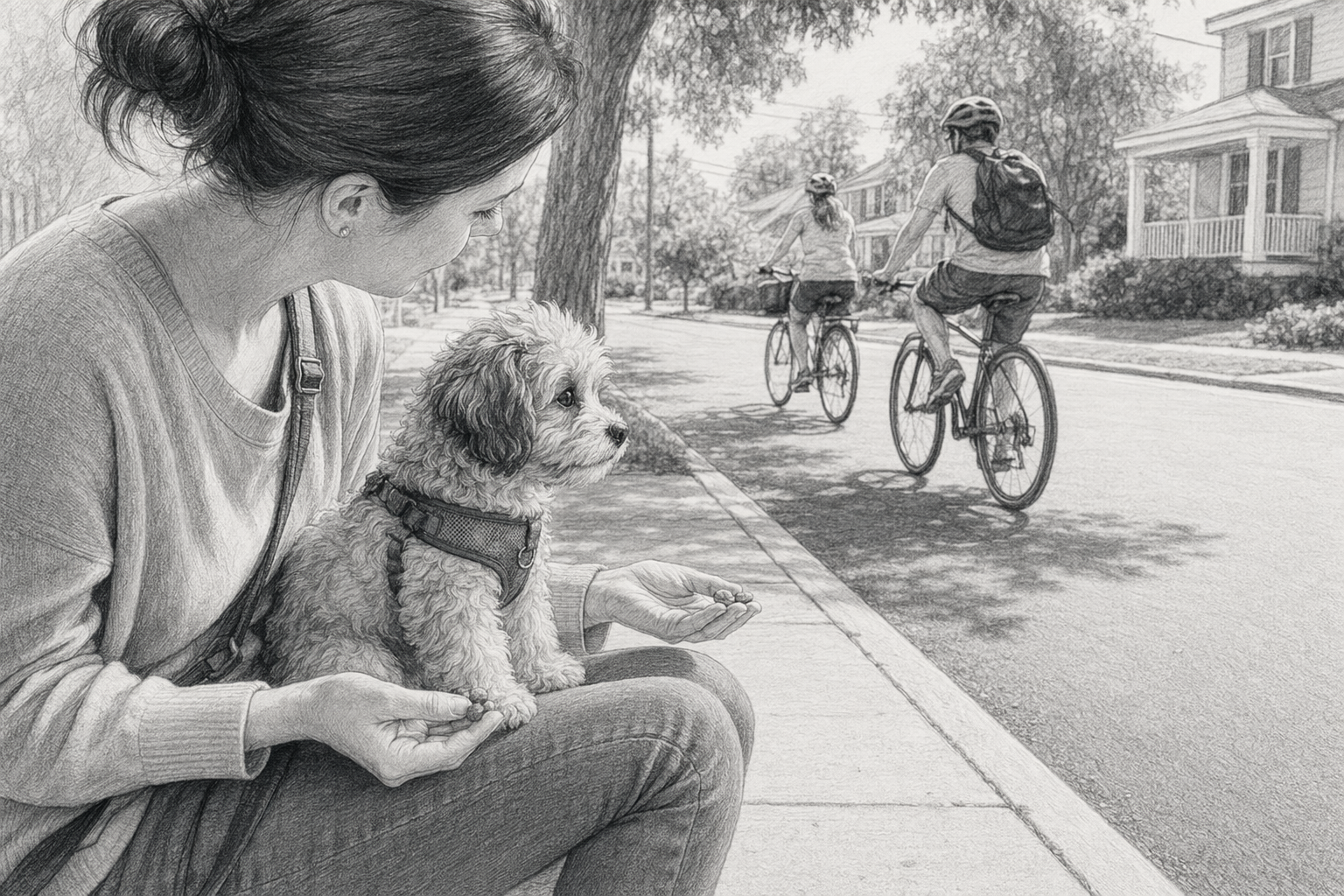
Small exposures now can prevent big worries later. For small breed puppy socialization, the goal is not to pack every new thing into one weekend. It is to keep each new sight, sound, person, or surface short, safe, and positive so your puppy stays curious, not scared.
Highlights
- Introduce one new thing at a time
- Keep outings brief and upbeat
- Let your puppy watch before joining
- Pair each new moment with tiny treats and calm praise

Specs
- Best for: Confidence around everyday life
- Time needed: A few minutes at a time
- Main training win: Less fear and better adaptability
A good plan looks simple:
- Pick one new experience.
- Start at a distance.
- Reward calm looking.
- Leave before your puppy gets tense.
The key window starts early, and positive exposure during that period helps shape adult behavior, according to UC Davis puppy socialization guidance. Keep disease risk in mind too. Choose clean spaces, known healthy dogs, and ask your vet about safe outings, as noted by the AVMA on canine social settings.
If your puppy freezes, hides, or stops taking treats, back up right away.
Pros
- Builds resilience
- Helps with family life and travel
- Supports easier adjustment to new settings
Cons
- Too much too soon can backfire
- Needs careful supervision
This ranks here because tiny, repeatable wins build confidence better than overstimulating outings.
Last updated: July 3, 2026
6. Practice gentle handling every day
Small breed puppies do better when touch feels normal, not stressful. A quick daily routine helps your puppy stay calmer for grooming, vet visits, and being picked up, especially since small dogs are handled more often. Brief, positive sessions are recommended by VCA’s handling guide and fit well with early AVMA socialization guidance.
Highlights
- Touch paws, ears, collar area, and muzzle gently.
- Lift the puppy briefly and set them down calmly.
- Pair handling with treats and praise.
- Make brushing and paw checks part of the routine.
Specs
- Best for: Grooming, vet visits, and calm physical care
- Time needed: 1 to 3 minutes daily
- Main training win: Less fuss during handling
Pros
- Makes care tasks easier
- Builds trust
- Supports future grooming routines
Cons
- Requires consistency
- Some puppies need slow progress
Stop if your puppy squirms, freezes, or stops taking treats. Go lighter and shorter next time.
This ranks here because gentle daily handling prevents future stress for both puppy and owner.
Last updated: July 3, 2026
Also Read: 12 Small Breed Puppies That Are Perfect for Kids (2026)
7. Use a simple potty-zone setup
A clear bathroom spot removes guesswork. Pick one main potty area your puppy can reach fast, and make that the obvious right answer every time. For small breed puppy potty training, this matters even more because tiny puppies need a very clear target.
Highlights
- Choose one main outdoor potty area and use it every trip, as AKC potty training guidance recommends.
- If you need an indoor backup, keep it in one steady place and do not move it around.
- Guide your puppy there right after naps, meals, play, and crate time.
- Clean accidents fully so scent does not pull your puppy back to the wrong spot. VCA house training advice notes that leftover odor can cue repeat mistakes.
Specs
- Best for: Fewer mistakes and easier supervision
- Time needed: Set up once, then maintain daily
- Main training win: Clear potty expectations
- Why it matters for small puppies: A tiny puppy needs a very obvious target
Pros
- Makes Puppy House Training more predictable
- Helpful for apartments and suburban homes
- Supports consistency during bad weather
Cons
- Needs ongoing cleaning and maintenance
- Works best when paired with a schedule
This ranks here because it works best as a support tool, not a full plan by itself.
Last updated: July 3, 2026
How to choose the right puppy training plan
Pick the plan that fixes your biggest daily problem first. That gives you faster wins and makes the rest of training easier. If you need the full list context, go back to the parent post on 7 Easy Training Hacks for Small Breed Puppies in the U.S.
Use these criteria to choose:
- Choose a potty schedule first if accidents are your main stress point. A steady routine builds bladder habits, meal timing, sleep rhythm, and better crate success.
- Pick crate comfort next if your puppy fights naps, wakes often, or panics when left alone for a few minutes. Calm crate time helps rest, house training, and safer alone time.
- Use short training sessions if your puppy gets silly, nippy, or checked out fast. Aim for 1 to 3 minutes, a few times a day, instead of one long lesson.
- Focus on reward timing if your puppy seems to know sit or come but does not do it again the next time. Mark and reward the exact second the right behavior happens.
- Add socialization and handling early if you want a puppy who stays softer and steadier around guests, nail trims, brushing, carriers, and vet-style touch.
- Keep it simple enough for the whole home to follow. If one person allows jumping and another corrects it, progress slows.
| Main issue | Best first focus | Good fit for |
|---|---|---|
| Frequent accidents | Potty schedule | Busy families who need structure |
| Bedtime or alone-time stress | Crate comfort | Puppies who resist naps |
| Gets distracted fast | Short sessions | Very young or sensitive pups |
| Inconsistent response | Reward timing | Puppies who partly know cues |
| Fussy with touch or guests | Socialization and handling | Families wanting an easy companion |
The best plan is the one every person in your home can do the same way every day.
If you want a small breed puppy who is easier to guide from day one, start with the right foundation. Sage Puppies raises Havanese, Havapoo, and Cavapoo puppies in a home setting with health-tested parents, early socialization, and a clear family-first process. You can explore available puppies, review how pickup or nationwide delivery works, and take the next step with confidence if you are ready for a well-started companion.
Frequently Asked Questions
Q1: What are the most effective puppy training hacks for small breeds in the U.S.?
Keep sessions short, usually 3 to 5 minutes, and reward fast with tiny treats. Use a cue word, set a potty schedule, and prevent bad habits early. Small breeds learn well with calm repetition, clear routines, and safe spaces between busy family moments.
Q2: How can I socialize small breed puppies successfully in America?
Start with gentle, controlled exposure to people, sounds, flooring, carriers, and car rides. Focus on calm confidence, not forced greetings. Use treats, distance, and breaks. For tiny puppies, safe socialization matters more than crowded dog parks, pet stores, or overwhelming events.
Q3: What are the best crate training techniques for small puppies in the U.S.?
Pick a crate that feels cozy, not huge. Feed meals near it, toss treats inside, and build time slowly. Keep nighttime potty trips quiet and boring. Never use the crate for punishment. A covered crate often helps small puppies settle faster.
Q4: How often should I potty train a small breed puppy?
Take your puppy out after waking, eating, drinking, play, and every 1 to 2 hours at first. Small bladders need frequent breaks. Track accidents for patterns. Use one potty spot and one cue so your puppy links the place and action.
Q5: What should I do if my small puppy cries at night?
Check potty needs first, then keep your response calm and brief. Place the crate near your bed for the first week if needed. Avoid play or long cuddles overnight. Most puppies improve when bedtime, crate setup, and last potty stay consistent.
