Quick Summary: Telling a Utah breeder from a dealer takes about 30 minutes of paperwork checks, not weeks. Real signals include a named city business license, OFA/CHIC health testing on both parent dogs, a written contract with a return clause, and pickup at the breeder’s actual home. Dealers lean on stock photos, fast payment links, and neutral meeting spots that hide the mother dog and littermates, while small Utah breeders like Sage Puppies specialize in one to three breeds, keep the dam on-site, and screen buyers with an application before taking a deposit.
A listing that shows every popular small breed, ships nationwide, and never invites you to meet the dam is a dealer listing. Utah puppy dealers vs breeders comes down to paperwork, not photos. Utah families hunting for a Havanese, Havapoo, or Cavapoo often cannot tell a small in-state program that health-tests its parent dogs from a multi-brand reseller shipping in puppies from out of state. The Utah puppy dealers vs breeders question matters before you place a deposit, not after. This guide scores the most reliable Utah-specific signals and shows how to verify each one, with a bridge to the broader Puppies for Sale in Utah picture.
Utah Puppy Dealers vs Utah Breeders: At a Glance
| Utah puppy dealers | Utah ethical breeders | |
|---|---|---|
| Licensing & registration | Often USDA-licensed wholesale, no Utah breeder-level registration, minimal in-state footprint | Operates as a small Utah business with state sales-tax registration and local zoning compliance |
| Breed focus & parent stock | Lists many breeds and designer crosses; parent dogs usually off-site and rarely seen | Specializes in one to three breeds; parent dogs live on-site and are introduced to buyers |
| Health testing & records | Relies on third-party vet checks; OFA/CHIC results and genetic panels rarely shared | Shares OFA, CHIC, breed-specific genetic panels, and written health guarantees |
| Buyer screening & contract | Light screening, transaction-style receipts, return conditions often absent | Application, interview, and a written contract outlining spay/neuter and return terms |
| Pickup & lifetime support | Hub pickup or shipping in 24-72 hours; post-puppy support limited or scripted | Scheduled in-person pickup, foundation training advice, and lifelong contact for the dog |
How Utah puppy dealers and Utah ethical breeders Compare
Utah puppy dealers
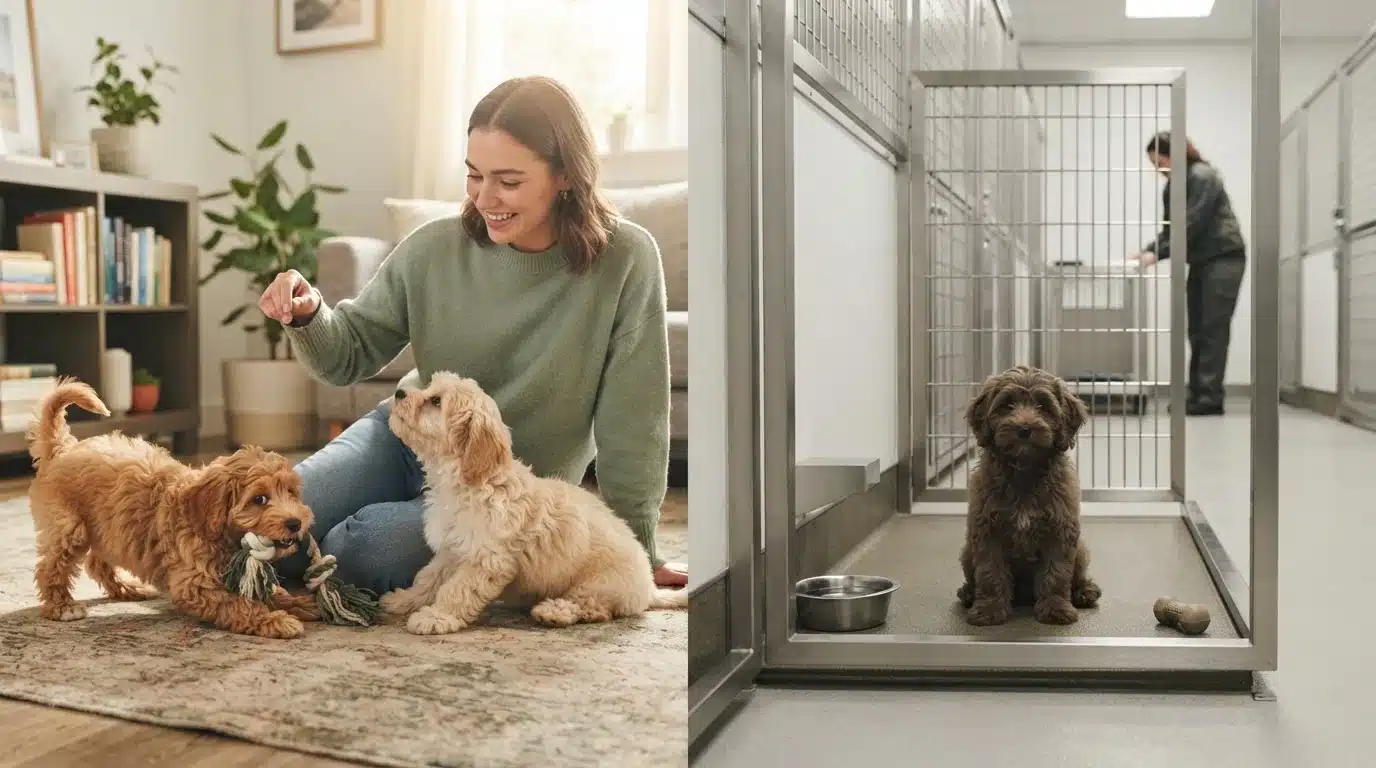
Dealers are resellers, brokers, or high-volume operations that buy puppies from third-party producers and resell them in Utah or ship them to Utah buyers. They often work as USDA-licensed wholesalers with little in-state presence, listing many breeds while the parent dogs stay off-site. Buyers get transaction-style paperwork, hub pickup or shipping in 24-72 hours, and limited support afterward.
Utah ethical breeders
Ethical breeders are small Utah programs that plan their own litters, raise puppies in the home, and screen buyers for fit over the dog’s lifetime. They specialize in one to three breeds, keep parent dogs on-site, and share OFA, CHIC, and genetic panel results with written contracts. This is the model small programs like Sage Puppies follow.
What Each Side Actually Does
Utah puppy ads rarely say “dealer” on them. Both sides sell cute dogs, so the difference lives in where the puppies come from and how the program runs.
How Utah dealers source and resell puppies
A dealer is a middleman. The ASPCA describes brokers and dealers as businesses that buy puppies in bulk from commercial breeders, often out of state, and resell them to stores or online buyers. The puppies may be days old at purchase and weeks old at sale, so the seller never saw the mother raise them. Under the Animal Welfare Act, breeders with five or more breeding females who sell wholesale must hold a USDA license, which signals a commercial operation rather than a family program.
How Utah ethical breeders structure a program
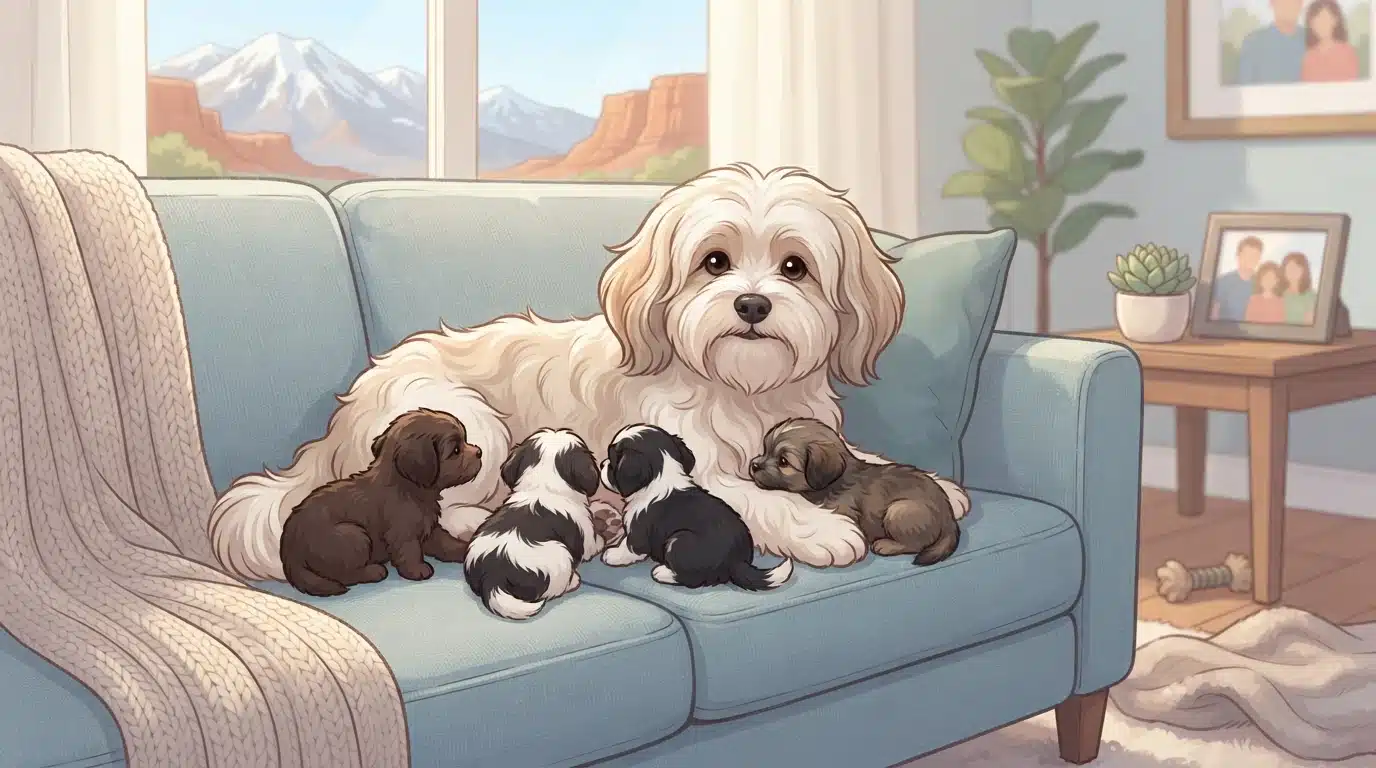
An ethical breeder owns the mother. Puppies are born in the home, raised underfoot, and matched to families through an application rather than a shopping cart. Expect health testing on the parents, references you can call, and in-person pickup where you meet the dam. Small programs breed only a few litters a year, which is why waiting lists are normal.
You can see how these signals play out in real listings in our red flags and green flags guide.
Licensing & Paperwork: The First Filter
Paperwork sorts honest sellers from resellers faster than any website photo. Before you fall for a puppy, ask one question: can this seller document where the puppy was born and raised?
What USDA licensing really means in Utah
The USDA licenses breeders who have more than four breeding females and sell puppies wholesale or sight unseen, like shipping a dog to a buyer they never met. Per the ASPCA’s federal licensing rules, a small in-home breeder who lets every family visit may not need a USDA license at all. So the license itself is not a quality badge. A Class A license on a seller who also runs a big “network of breeders” often signals a dealer, not a hobby breeder.
State-level and local signals Utah buyers should expect
Utah has no statewide breeder permit for small home programs, so cities and counties handle kennel rules through zoning. Ask for the seller’s city business license and confirm the puppies were whelped at the address you will visit. A seller who refuses a pickup address, or says puppies “come from a partner farm,” is describing a broker arrangement. Legitimate Utah programs can name the exact city and invite you over.
Verifying registration in a single sitting
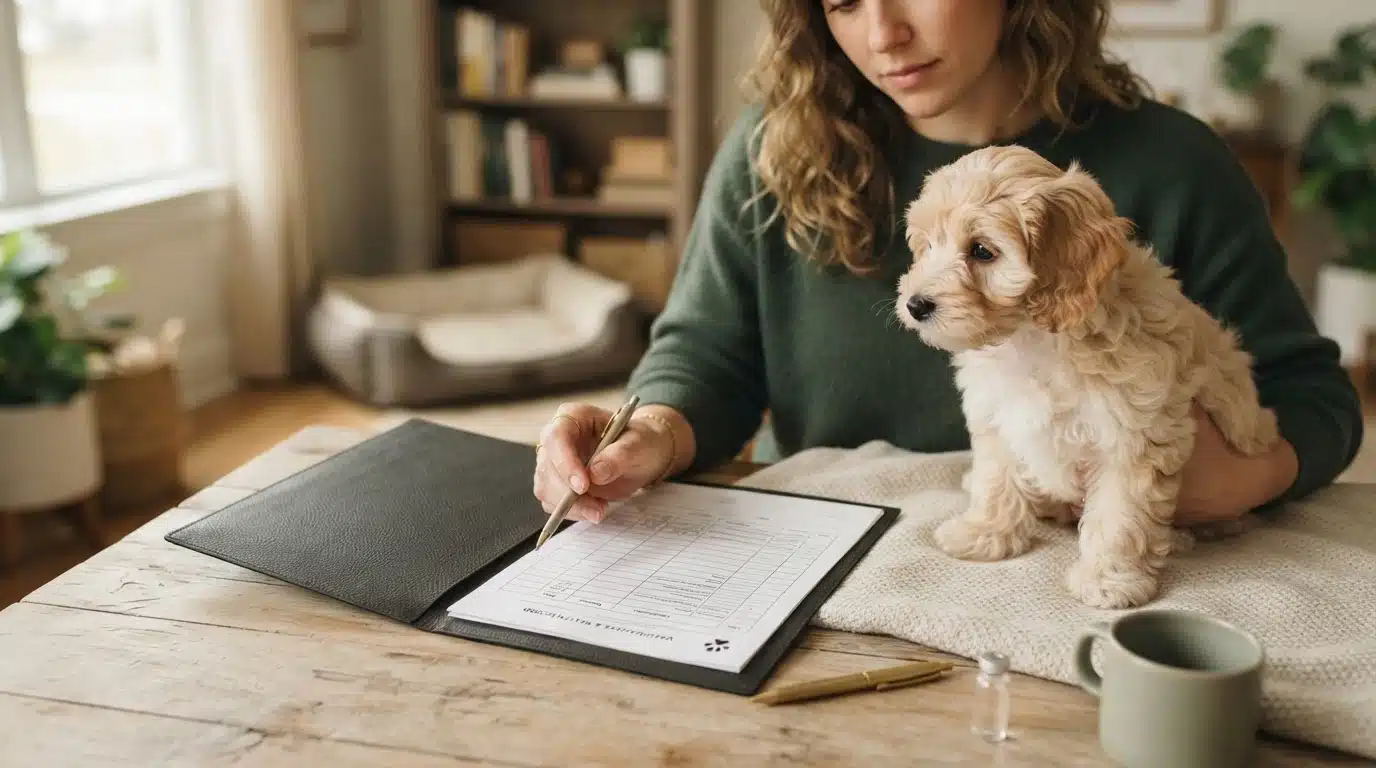
Spend twenty minutes checking three things. First, ask for any USDA license number and look it up on the USDA’s licensing records. Second, request AKC or parent-club registration papers for both parents. Third, read the contract before you pay a deposit. Utah’s rules for buyers are laid out in our guide to Utah puppy buying laws. A breeder who produces all three without hesitation passes the first filter.
Health Testing & Lifetime Support Compared
Paperwork tells you more about a seller than the puppy’s face does. Ask for records early, then compare what you’re handed against what a responsible program should provide.
Health records dealers typically provide
Puppy dealers and pet store resellers usually hand over the minimum: a vet check certificate, a vaccination date, and a deworming log. Some add a pet insurance trial or a short health window tied to a contract. What’s almost always missing is testing on the parents. Without it, you can’t tell whether your puppy’s bloodline was screened for inherited disease at all. The OFA advises owners to review both parents’ health screenings before buying, and dealer paperwork rarely includes any.
Health records ethical Utah breeders provide
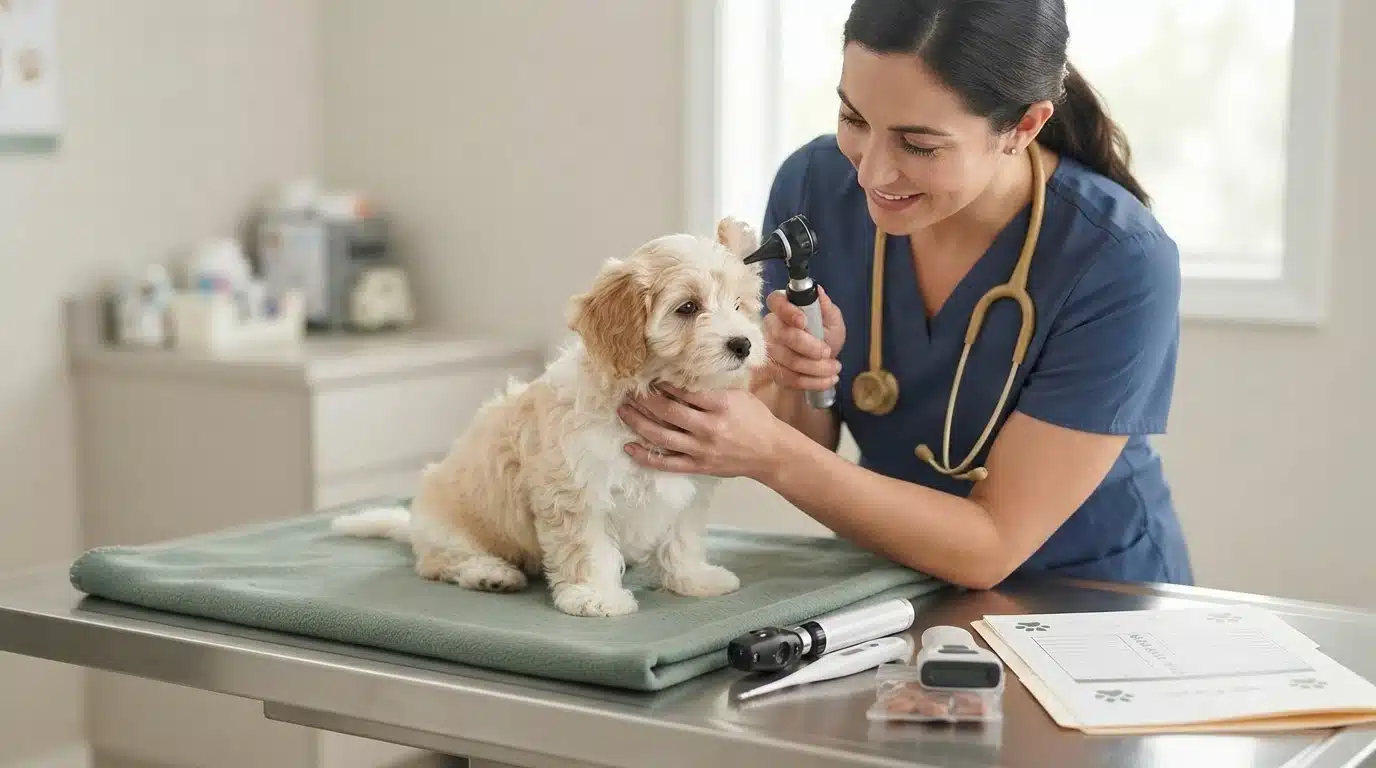
An ethical breeder shows documentation for the parent dogs, not just the litter. For Havanese, that means OFA hips, patellas, and annual eye exams, which the Havanese Club of America lists as CHIC requirements. For Havapoo and Cavapoo litters, both parents should have patellar and cardiac checks plus breed-appropriate DNA panels; our guide to health tests responsible breeders run breaks down each one. Ask to see the certificates themselves, not a summary of them.

Post-pickup support that lasts the dog’s lifetime
Support is where dealers and breeders split for good. Dealer contracts usually end when you leave the lot, and questions afterward get scripted answers or none. A small breeder stays reachable for the dog’s life: feeding transitions, grooming schedules for a Havanese coat, training setbacks at eight months, even rehoming help if life changes. Before you reserve, ask one simple question: “Who do I call when my dog is seven years old and something worries me?” The answer reveals which kind of seller you’re talking to.
Buyer Screening & Contracts: Where the Two Models Diverge Most

Screening depth dealers vs breeders ask for
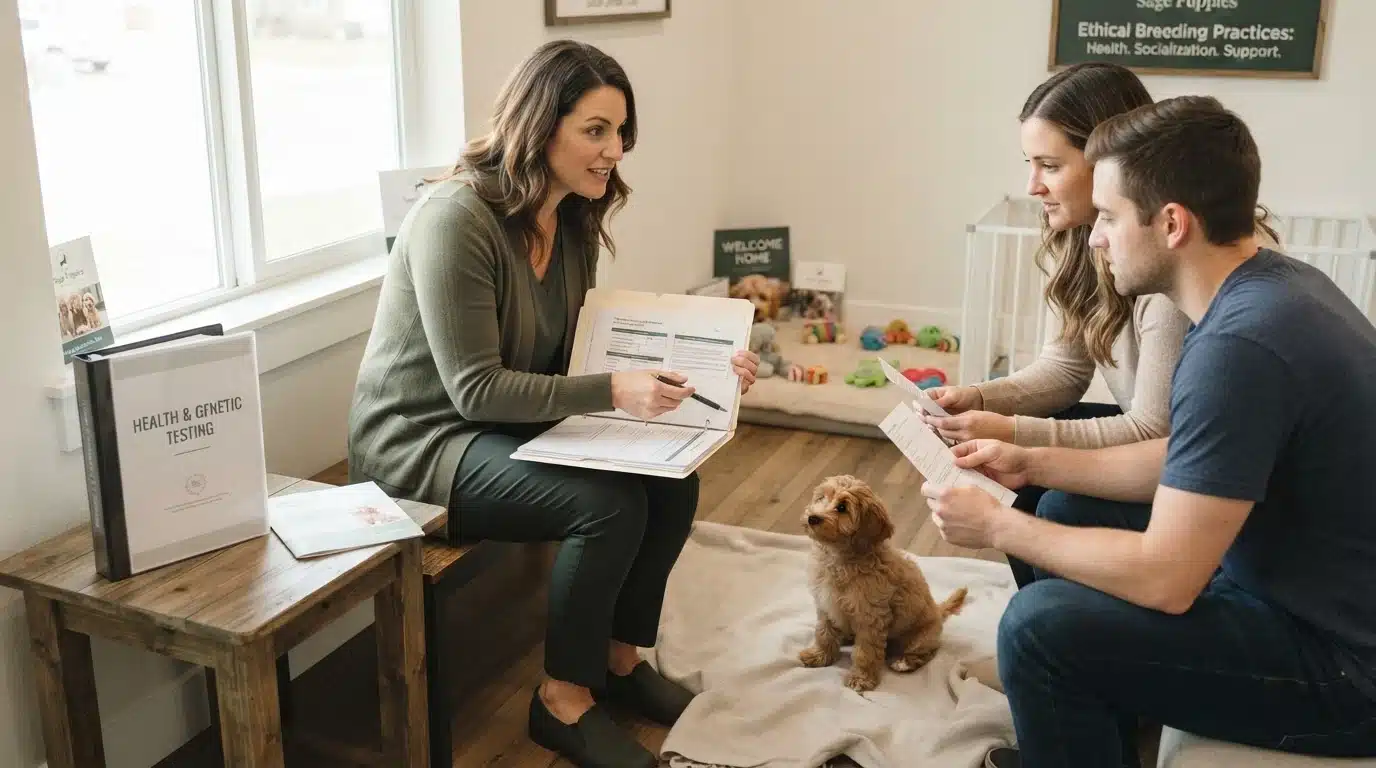
Dealers sell fast. Expect a payment link, a quick chat, and a pickup or shipping date within 24-72 hours, with few questions about your home or experience. Serious breeders slow things down. They want to know who lives with you, your work schedule, and whether a Havanese or Cavapoo fits your life. That application can feel like an interview, but it protects the puppy and you. A program that screens carefully, as Sage Puppies does with an owner-run application, treats matching as part of the sale.
Reading a Utah puppy contract or sales receipt
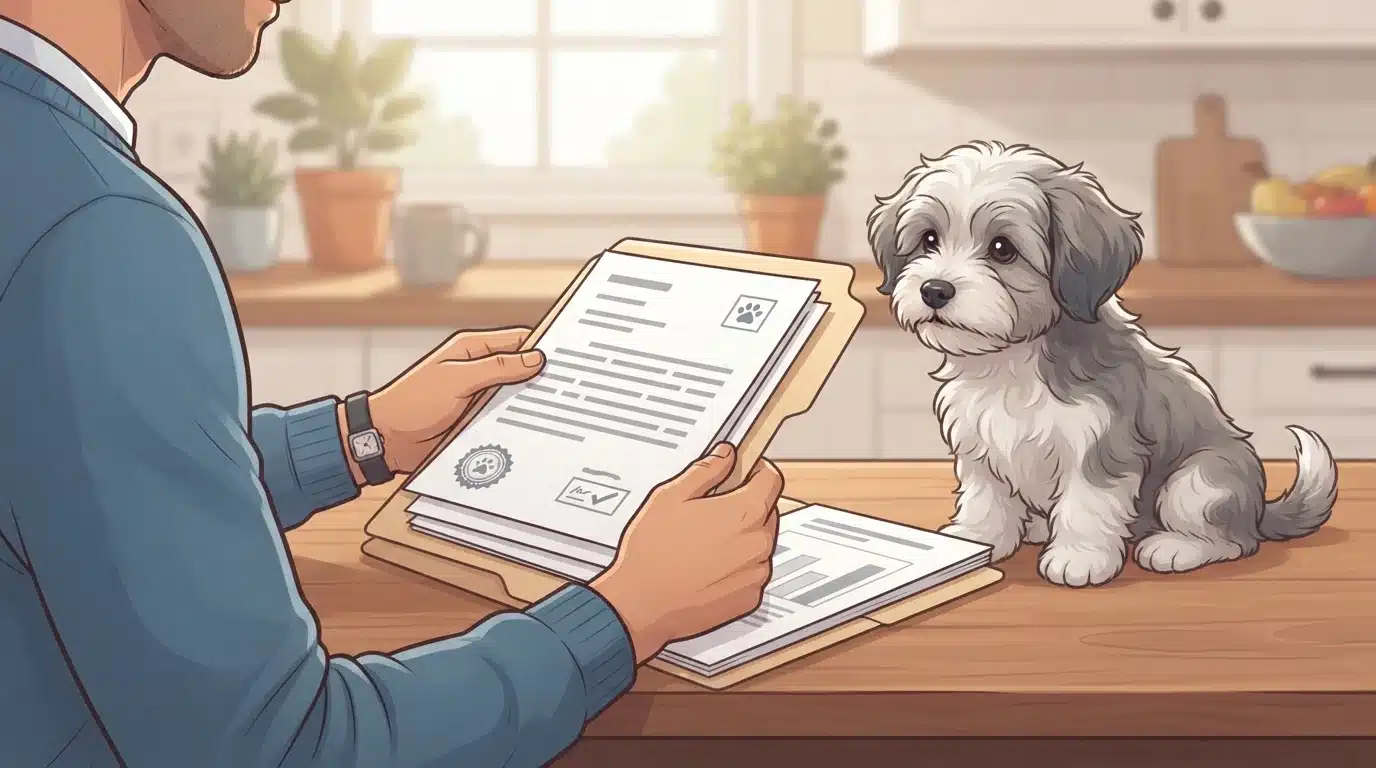
A dealer receipt usually lists a price, a “health guarantee,” and little else. Read the fine print: many guarantees only cover a few days, or require you to return the puppy to claim anything. Per ASPCA guidance, guarantees do not reveal where the puppy came from. A breeder contract runs longer. Look for the parents’ names, vaccination and deworming dates with the vet clinic, a spay or neuter clause, and a clause saying the breeder takes the dog back at any age. If a seller names a USDA license as proof of quality, be cautious: a license shows regulation, not care.
Utah consumer protections and how each model engages them
Utah buyers fall under the Uniform Commercial Code, which covers dogs sold by merchants, but the state has no puppy “lemon law.” So your contract is the protection. A paper receipt from an out-of-state dealer leaves you arguing across state lines. A Utah breeder who writes clear terms and offers local pickup keeps your remedy close to home.
Pickup, Logistics & Local Verification
Where you meet your puppy says a lot about who you are buying from. Dealers want control of the location. Breeders want you to see theirs.
Why dealer pickup usually means a meeting point, not a home visit
A parking lot, a rest stop, or a hub in another county keeps you from seeing the whole operation. You meet one healthy puppy and never see the mother, the littermates, or where they live. If a seller insists on a neutral spot, asks for the balance in cash, and avoids showing you anything, treat that as a red flag rather than a scheduling quirk. Ask to visit the property. A flat “no” answers your question.
Why Utah ethical breeders invite you into the home
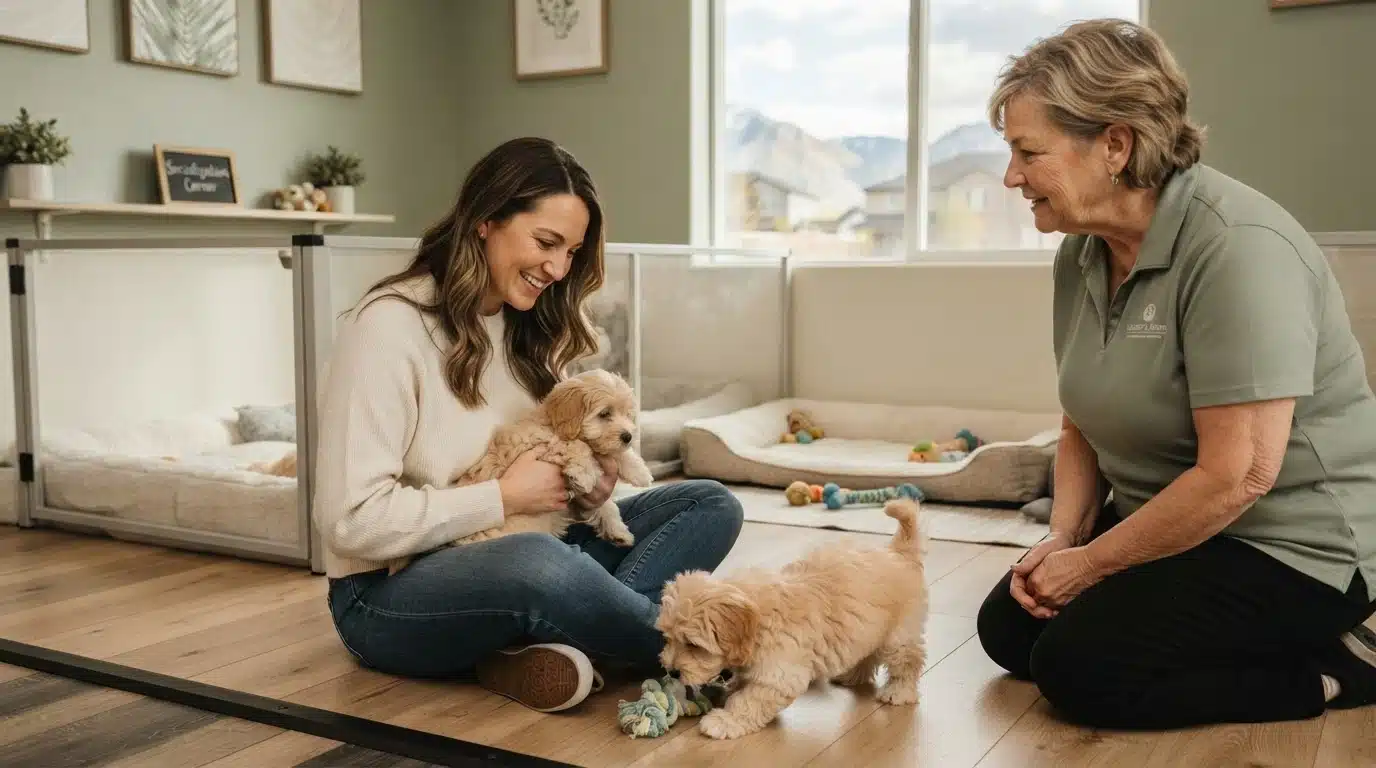
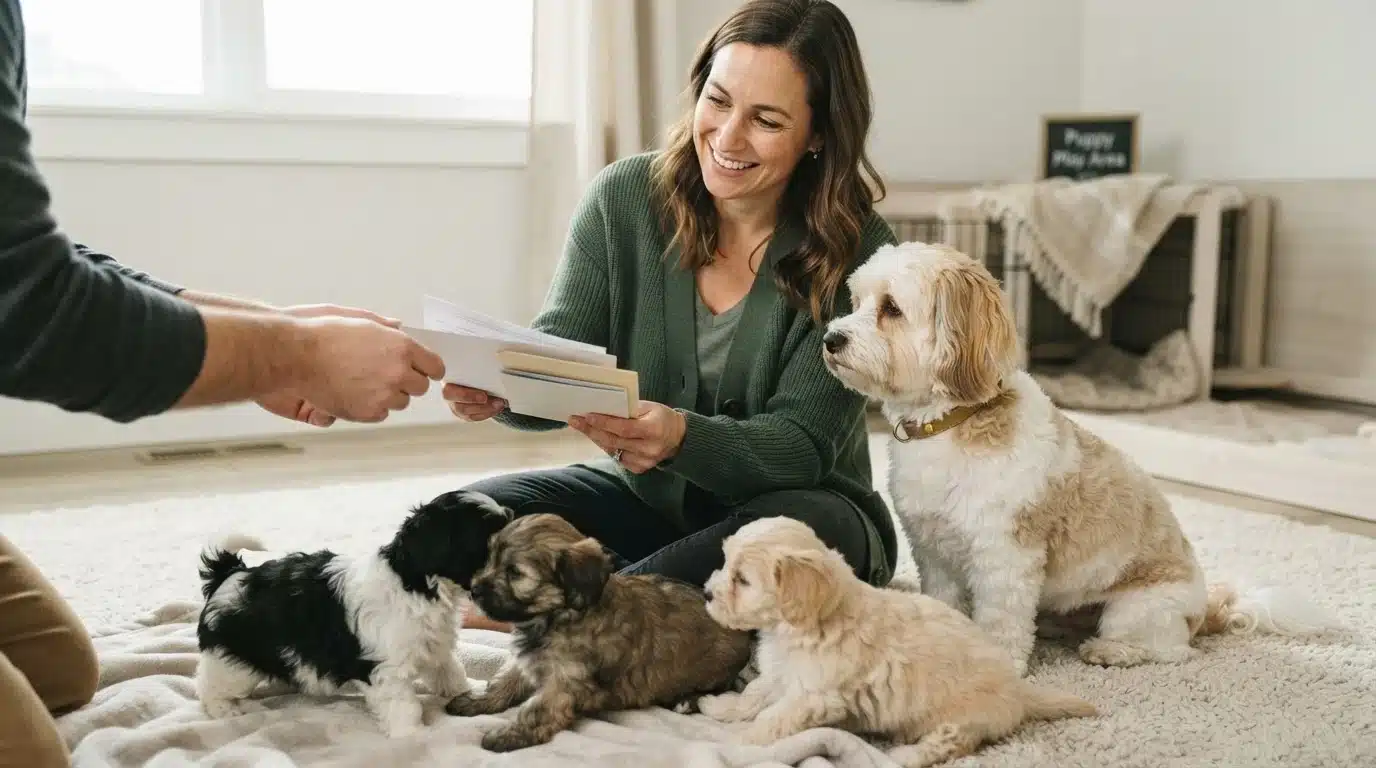
Honest breeders want you there. They will show you the mother (and the father’s health testing), let you meet the litter, and talk through temperament, feeding, and the first weeks at home. In Utah that often means seeing a clean whelping area in a real kitchen or family room, not a kennel row. Ethical programs also ask you questions, because they are checking you out too. This is the standard we hold at Sage Puppies, and it is a fair one to expect from anyone you buy from.
Travel and delivery costs buyers should budget
If you are flying into Salt Lake City, budget for airfare, a carrier, and your return trip. Out-of-state buyers who skip the drive can use a flight nanny who carries the puppy in the cabin; domestic services typically run about $1,000 to $2,000. Ground transport over shorter distances often costs a few hundred dollars. Ask what each fee covers in writing before you pay.
Scoring a Real Utah Listing in Under 30 Minutes
You don’t need weeks of research to separate a breeder from a dealer. A focused half hour, spent in the right order, tells you most of what matters.
A 30-minute Utah listing audit
Give the listing five minutes first. Read every sentence and note what’s missing: a breeder’s name, a city, ages of the dam and sire, or how many litters they raise each year. Then spend ten minutes on the website. Real breeders show where puppies live, name their adult dogs, and explain their process. Dealers lean on stock photos, urgency (“3 pups left!”), and payment links. Next, spend ten minutes asking questions by email or text. Ask to visit before you commit, and ask which vet checks the puppies. Count how many questions they ask you. A breeder screens you; a seller just closes the sale. Save the last five minutes for the directories below.
Cross-checking claims against independent directories
Search the kennel name plus “review,” “complaint,” or “USDA.” The USDA’s inspection database shows whether a licensed facility has passed or failed recent checks. The ASPCA also lists warning signs of puppy sellers to avoid. If a Utah listing claims AKC papers, ask for the registration numbers before you send money.
When to walk away from a Utah puppy listing
Walk away if they refuse a visit, want payment by gift card or app, push same-day pickup, or can’t name their vet. Those aren’t quirks. They’re the pattern behind most puppy scams and resale operations.
Which Should You Choose for Your Utah Family?
Both paths can put a healthy puppy in your home. The right one depends on how much oversight, support, and paperwork you want.
When a Utah ethical breeder is the right fit
Choose a breeder when you want to see where your puppy was raised. You should expect a home visit or video call, health testing on the parents, a written contract, and breeder support for the dog’s whole life. If you’re bringing home a first puppy for young kids, that guidance matters. Small breeds like Havanese, Cavapoos, and Havapoos do best when early socialization happens in a home, not a kennel run.
When a dealer-style listing may still be acceptable
A dealer listing can work if the puppies come from a licensed, inspected source and you can verify it yourself. Ask for the USDA license number, vet records, and the exact pickup or shipping plan. Watch for red flags: stock photos, pressure to pay fast, and no questions about your home. If answers are vague, walk away.
Next step: matching your family to a Utah program
List what your family actually needs: pickup location, budget, support, and breed fit. Then compare each program’s answers against that list. Some Utah breeders, including small programs like Sage Puppies, start with an application rather than a payment link, which makes comparison easier.

A dealer checklist only helps if you apply it. At Sage Puppies, Cassie Milar raises Havanese, Havapoo, and Cavapoo puppies in South Jordan with owner-managed matching, scheduled pickup, and lifelong support. Check available puppies or start the application today.
Frequently Asked Questions
Q1: How can I tell Utah puppy dealers apart from real breeders?
Ask where the puppy was born, request the dam’s health testing, and insist on pickup at the breeder’s address. Dealers dodge all three.
Q2: Do I need a USDA license to know a breeder is good?
No. USDA licensing signals a larger commercial operation. Small home breeders who invite visits often don’t need one.
Q3: What should a Utah puppy contract include?
Parents’ names, vet clinic details, vaccination dates, a spay/neuter clause, and a return clause covering the dog at any age.
Q4: Can I visit a breeder’s home before paying a deposit?
Yes, ethical breeders welcome visits or video calls before money changes hands.
Q5: How much does out-of-state puppy delivery cost?
Flight nannies typically run $1,000 to $2,000; ground transport a few hundred dollars.
Conclusion
Telling a Utah breeder from a dealer takes about 30 minutes of checking, not weeks. The clues are boring but reliable: a business license in a named city, health testing on both parent dogs, a written contract with a return clause, and pickup at the breeder’s home. Dealers rely on stock photos, fast payment links, and meeting points that hide the mother. Breeders invite you in and ask questions back. Utah has no lemon law, so your contract and your questions are the protection. For Havanese, Havapoo, and Cavapoo puppies raised in a home, browse our Puppies for Sale in Utah to see what a transparent program looks like.