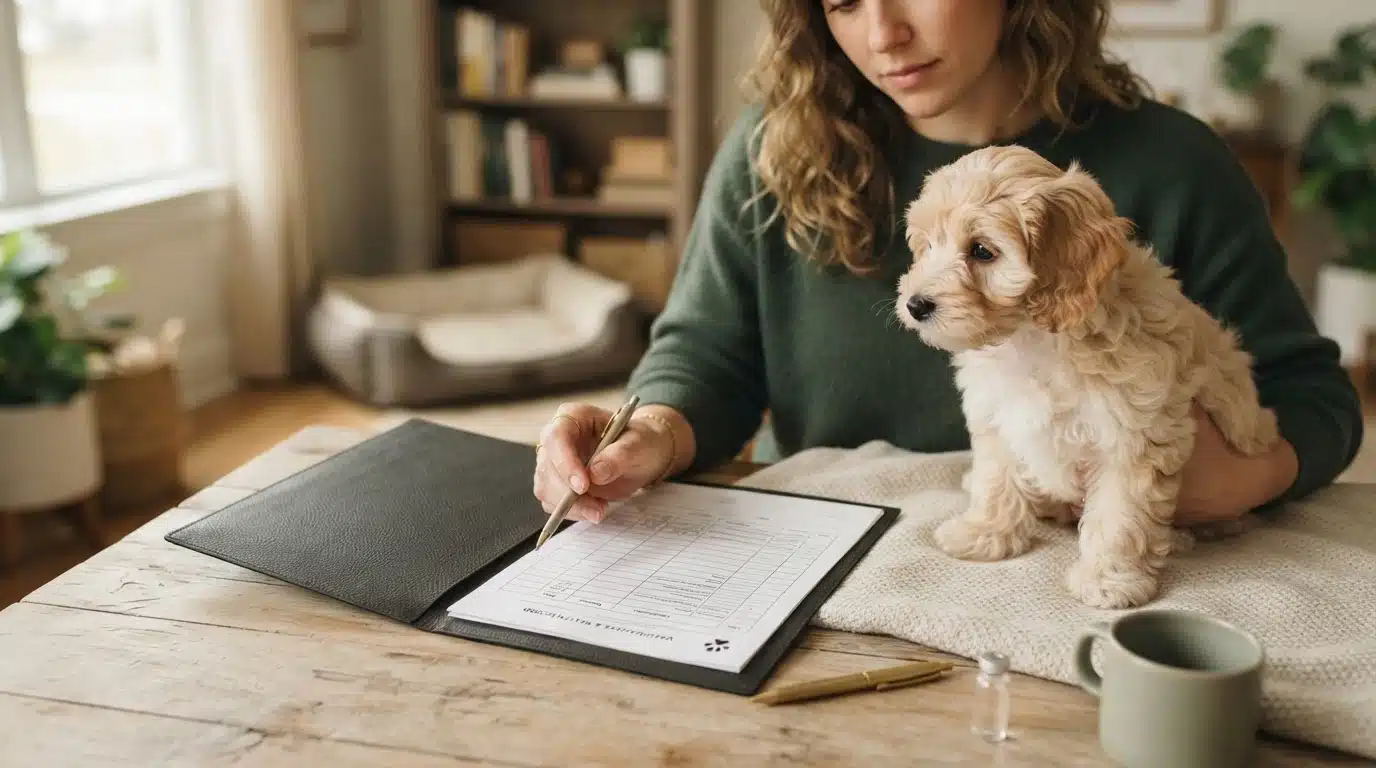
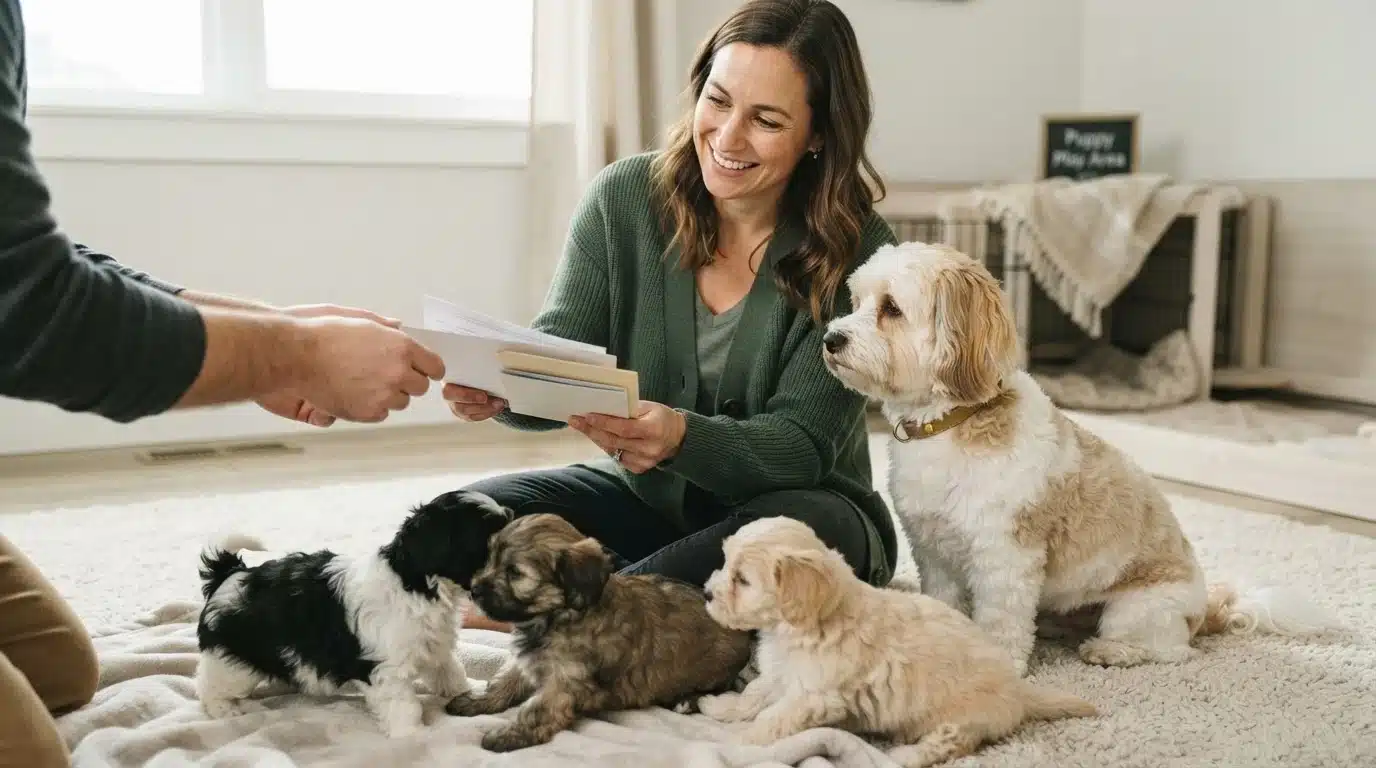
Quick Summary: Verify a Utah puppy seller before paying: confirm a real address and live video, meet the mother when possible, and check the puppy’s dated vet records plus the parents’ searchable health tests. Demand a detailed written contract and clear delivery plan before any deposit, and walk away from PO boxes, urgency, vague answers, stolen photos, or requests for wires and gift cards.
A Salt Lake family came close to wiring $2,800 to a “Utah breeder” whose only address was a mail forwarding PO box. The litter photos were lifted from a Missouri rescue. That story is common, which is why avoiding puppy scams starts with paperwork, not charm.
This guide gives you both sides of every check: the red flag that should stop you and the green flag that proves the breeder. You will see which document, registry entry, or contract clause backs each claim, plus separate verification steps for local pickup versus nationwide delivery.
Real breeder transparency standards let you confirm everything yourself. That is how we raise our Havanese, Havapoo, and Cavapoo puppies here in South Jordan, and it is how you should judge any breeder.
A serious breeder lets you verify everything before you pay anything. That is the whole test.
Why Breeder Transparency Is the First Standard You Should Set
Transparency is the easiest filter you have. A breeder who meets solid breeder transparency standards will answer specific questions with specific documents, not charming photos. Vague answers about health testing, parents, or where puppies live are the single most reliable warning sign in this breed space.
What “Transparent” Actually Looks Like in Writing
Ask for proof in writing and watch what arrives. A transparent program shares:
- Health test results for both parents, listed in a registry database such as OFA or a pawprint genetics panel, not just “vet checked”
- A written contract covering health terms, return policy, and spay or neuter expectations
- Parent photos and pedigree details, including the sire’s name and the dam’s age
- A dated vaccination and deworming record for each puppy, signed by the treating clinic
If a breeder promises records “after the deposit,” you have your answer. Documentation comes first; money comes second.
Why Small-Breed Buyers in Utah Need Extra Rigor
Havanese, Havapoos, and Cavapoos are in high demand, and that demand attracts resellers who pose as breeders. Utah has no breeder licensing that guarantees quality, so the state will not vet anyone for you. Some scams use Utah addresses that turn out to be mail drops, while the puppies ship from out of state. Ask exactly where the puppy was born and raised, and whether you can visit before pickup.
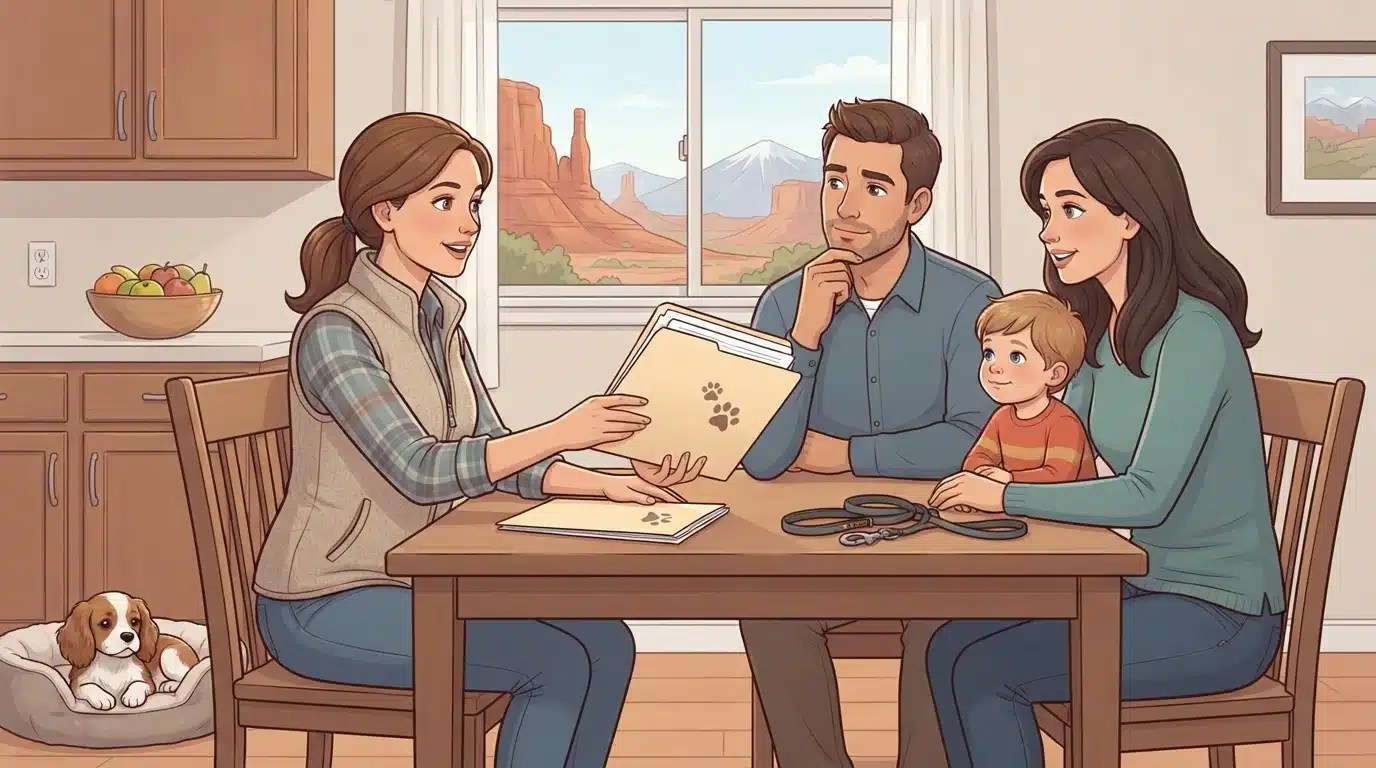
A short drive to see the home, meet the mother dog, and read the paperwork in person beats any email thread. This is also why Sage Puppies invites local pickup in South Jordan: seeing the environment removes the doubt that photos leave behind. Nationwide buyers should ask for a live video walk-through of the whelping area on the same platform each time, so nothing can be staged.
Red Flag 1: Vague Identity, Hidden Address, or Reluctance to Video Call
The fastest way to lose money on a puppy is to skip location and identity checks. Real breeders can tell you where their dogs live, and reputable sellers always talk by phone or video before a sale. Scammers avoid both.
How to Verify a Breeder’s Physical Location
Ask for a street-level location, not a region. “Near Salt Lake” tells you nothing; a city and cross-street do. Then test the answer. Search the address on a maps app and confirm it looks like a home or small kennel, not a mail forwarding box. Remember, a Salt Lake family nearly wired $2,800 to a “Utah breeder” whose only address was a PO box. If you live in state, offer to visit for pickup and see how they respond. Refusal without a safety reason is a warning. If you’re out of state, ask which airport they use and how handoff works. Legitimate programs follow clear breeder transparency standards, name a real person, and give a real place.

Live Video Calls, Photo Backgrounds, and Stock-Image Tells
A live video call is the strongest proof a puppy exists. Ask to see the litter moving around its living space, with the mother if she’s available. Keep the call live; prerecorded clips can be stolen from another breeder’s page. Watch the background, too. Does the room match the climate and setting they describe? Do the same toys, crate, and flooring appear in every photo? Mixed backgrounds across “their” puppies suggest the pictures came from several litters.
Check the photos themselves before the call. Reverse-image search a few, and look for studio lighting, identical poses, or watermarks that belong to someone else. The FTC urges buyers to verify sellers this way before any money moves. A breeder who asks for a deposit first and promises video later is telling you the order that matters to them.
If a seller passes these checks, the rest of the process gets easier. You can see real litters, ask questions on a call, and judge the setup yourself, the way Utah families vet any puppy source.
Red Flag 2: Health Records Without Numbers, Dates, or Vet Names
A stack of cute photos is not a health record. Real documentation names the dog, the clinic, the veterinarian, and the date. When a seller sends a blurry “vet checked” page with none of those details, you have no way to verify anything later.
Ask for records before you pay a deposit. A confident breeder sends them the same day.
Three Layers of Health Documentation (Don’t Let Them Get Mashed Together)
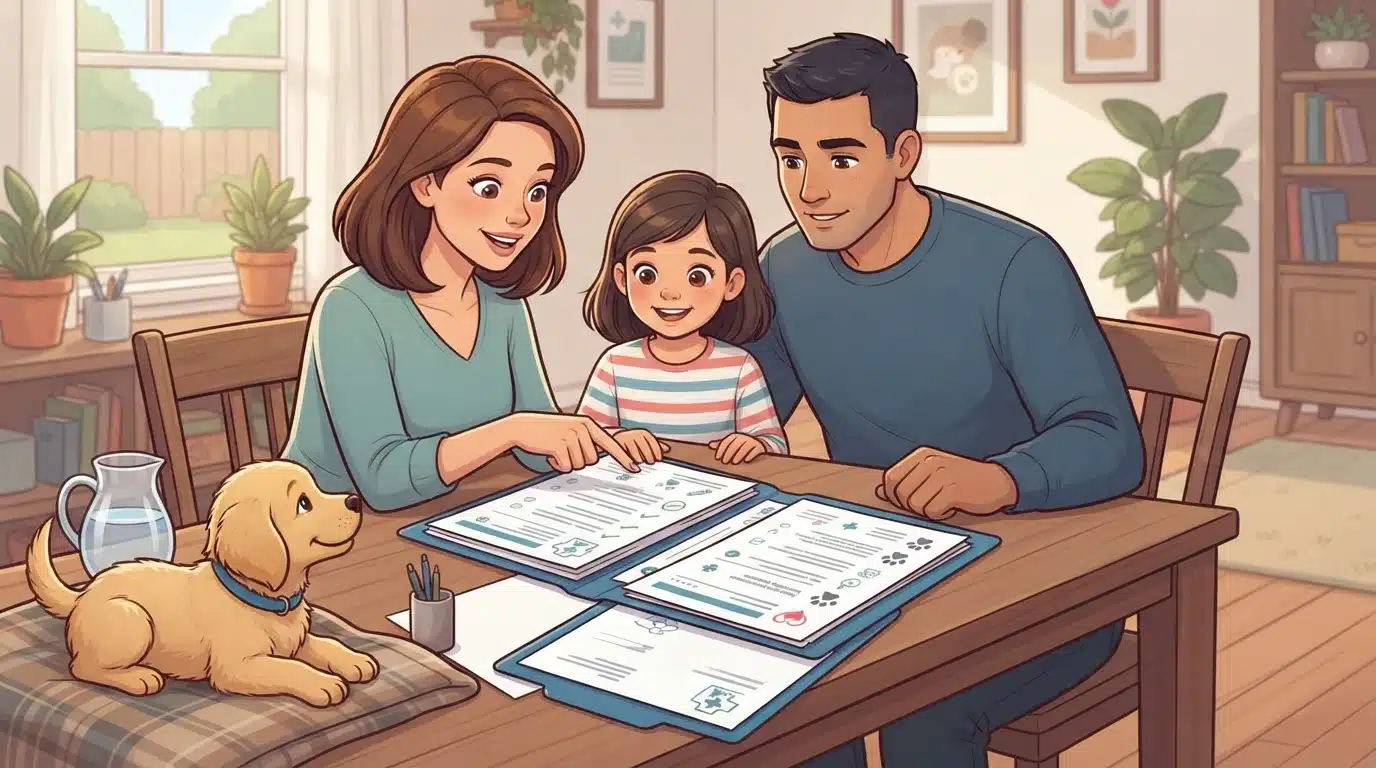
Keep three documents separate in your mind, because sellers often blur them together on purpose.
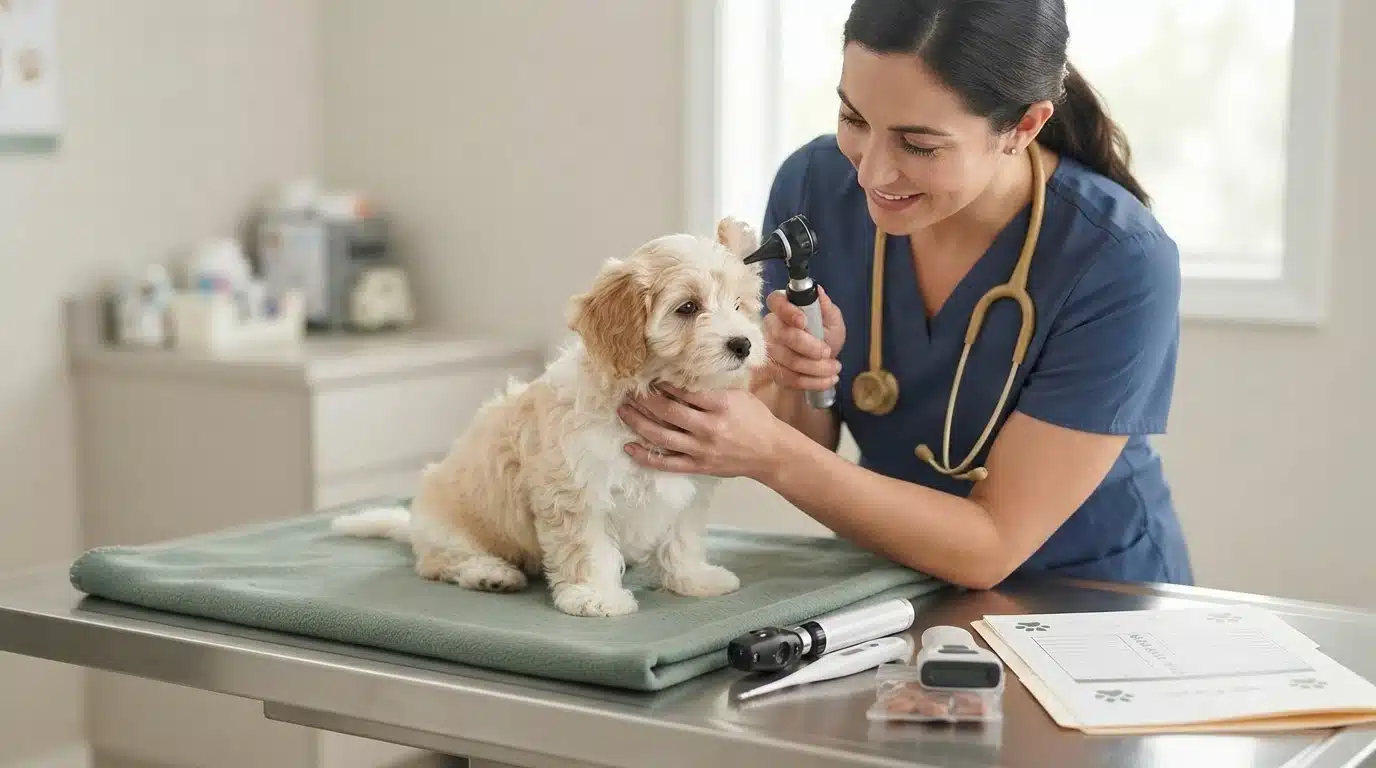
The first layer is the puppy’s own exam record. It should list the exam date, the weight, the vaccine given with its manufacturer and lot number, and the deworming schedule. Every entry needs a clinic name.
The second layer is parent health testing. This is where numbers matter most. An OFA entry, for example, is public and searchable, so a registry number you can look up yourself beats any printed certificate OFA maintains.
The third layer is the written health guarantee, which states what the breeder covers and for how long. Each layer answers a different question, so ask for all three by name.
At Sage Puppies, each puppy’s records come with the exam details and guarantee spelled out, so you can read the paperwork before you commit.
Reading Parent Screens Without Falling for Marketing Language
“Health tested parents” means nothing without the specific tests listed. For the breeds you’re likely comparing, the baseline is clear: patella and cardiac exams plus eye clearance, which the Havanese Club of America lists among the breed’s core screenings (health and testing guide). Ask for the registry number or the exact test names, then verify them yourself before you send money.
Red Flag 3: Pressure Tactics, Surprise Fees, and Thin Contracts
A reputable breeder lets you read the paperwork before money changes hands. If the price moves mid-conversation, the deposit is “non-refundable today only,” or the whole deal fits in a text message, walk away. Good breeders put everything in writing because clear terms protect them as much as you.
What a Strong Puppy Contract Should Always Spell Out
The AKC’s overview of breeder contracts lists the clauses a serious agreement carries: the health guarantee, a spay or neuter requirement with proof, return terms, and who pays what if a problem comes up. Before you sign or wire anything, the contract should name every item below.
- Full price with all fees listed, so delivery or paperwork costs never appear later
- Health guarantee terms, including genetic conditions covered and how long the window lasts
- A vet exam deadline on your end, usually within a few days of pickup
- Vaccination and deworming records handed over with the puppy
- A return clause, meaning the breeder takes the dog back if you cannot keep it
- Both parties’ real names, address, and signature
Green flag test: ask for the contract before you place a deposit. A breeder with sound terms sends it the same day.
Pressure, Urgency, and Payment Methods That Should Make You Pause
Scams thrive on speed. Watch for “three other families want this puppy,” discounts that expire tonight, or requests for gift cards, wire transfers, or payment apps with no paper trail. The FTC’s fraud guidance consistently points to these tactics in pet scams. The family mentioned earlier nearly lost $2,800 to a wired “deposit,” and that money is nearly impossible to recover. Never wire a deposit on urgency alone.
Serious breeders accept traceable payments, explain their reservation terms plainly, and never punish you for reading. The reservation terms behind Sage Puppies’ deposit and refund policy, for example, are published so families can review them before applying, not after.
(Word check: section runs approximately 245 words.)
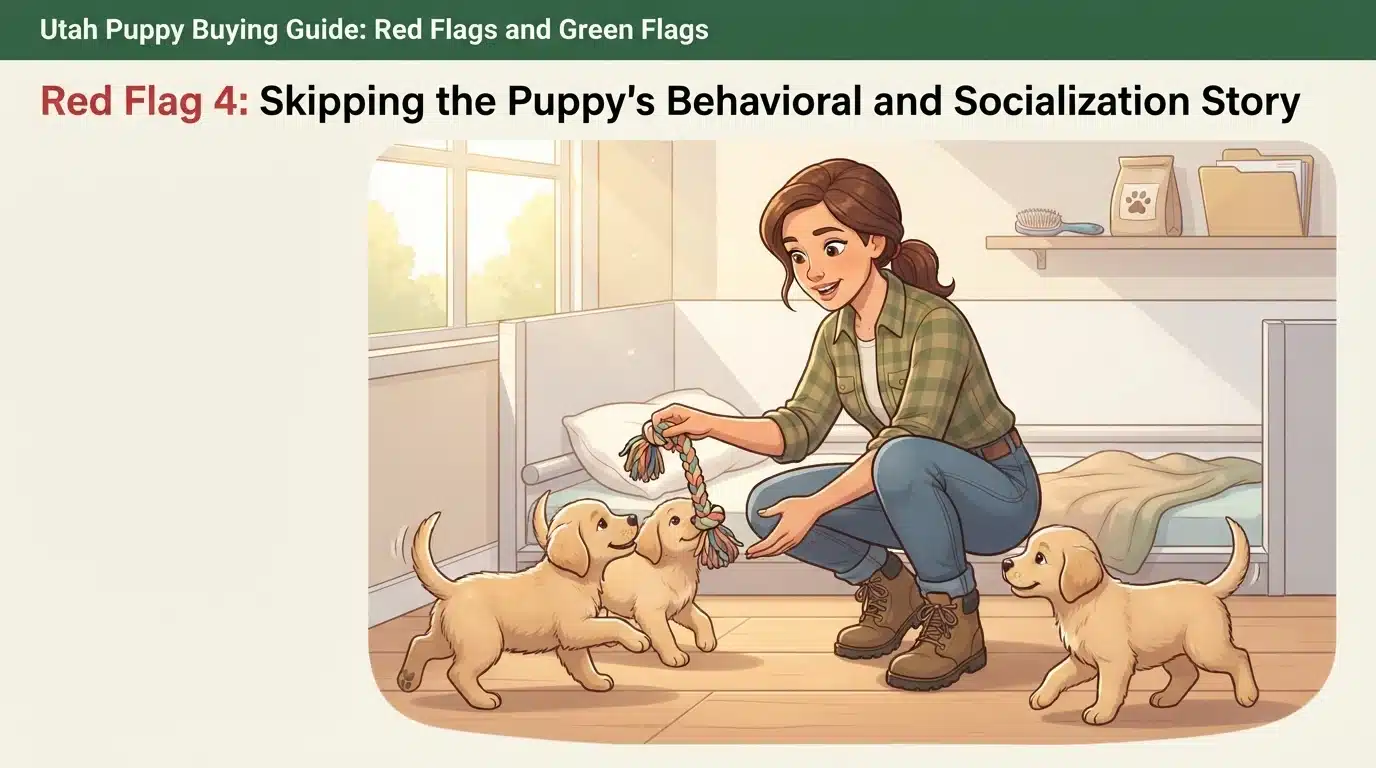
Red Flag 4: Skipping the Puppy’s Behavioral and Socialization Story
A breeder who cannot describe each puppy’s personality is hiding something, or never spent time with the litter. Ask what your puppy does when a door slams, how it handles being alone for a minute, and which littermate it wrestles with. Vague answers deserve a follow-up.
What a Real Eight-Week Socialization Window Covers
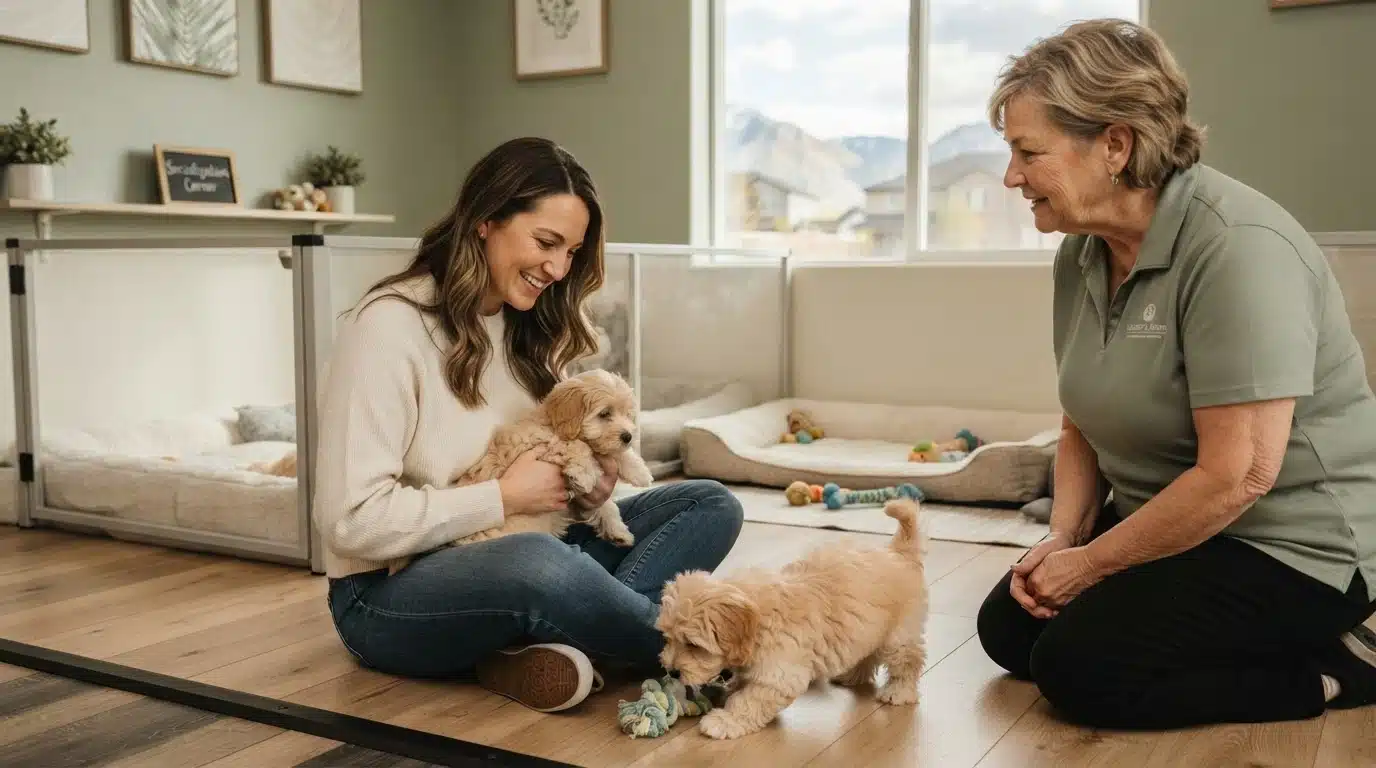
The most important social development happens between roughly 3 and 14 weeks of age, when puppies are most open to new people, sounds and handling, according to UC Davis veterinary guidance. By eight weeks, a well-raised puppy should already have a story. Look for descriptions of daily handling, exposure to household noise, different floor surfaces, gentle grooming practice and play with littermates. A good breeder can tell you how each puppy responded. Shelters and vet hospitals stress that this window shapes how a dog reacts to the world for life, which is why the AVMA recommends enriched, positive early environments. If a breeder says socialization “starts when you take him home,” the litter has already missed weeks that matter.
Why One Visit Cannot Predict a Lifetime Temperament
A ten-minute visit shows you a moment, not a pattern. Puppies cycle through sleepy, bold and clingy phases within hours, so a calm puppy at noon may be a tornado after dinner. Ask instead for weeks of observation: how the puppy reacted to the vacuum, to strangers, to its first nail trim. Breeders who keep written notes on each pup, like the temperament records Sage Puppies shares with applying families, can show trends rather than single snapshots. Remember that temperament also stays flexible. Dogs remain open to new experiences well past the early window, so your training during the first months still shapes the adult dog. Watch for breeders who promise a fixed personality by eight weeks. Honest ones describe tendencies, explain what they observed and tell you what work to expect at home.
Red Flag 5: Vague Delivery Logistics for Out-of-State Buyers
Serious breeders describe exactly how a puppy travels, who handles the trip, and what it costs. If the answers stay fuzzy, walk away.
Questions to Ask About Ground, Flight Nanny, and Personal Pickup
Ask who drives or flies the puppy, in one seat or in cargo, and how long the trip takes. A flight nanny rides in the cabin with the puppy, so confirm the person’s name, airline, and flight number before you pay anything. For ground transport, ask about crate size, water stops, and how many puppies share the vehicle. If you plan to pick the puppy up yourself, ask where you can meet and whether you can see the mother. Reputable programs explain each option plainly and put fees in writing. You can see how one Utah breeder breaks down the puppy delivery vs pickup decision, and you should expect the same clarity anywhere you buy. Breeders who dodge these questions often have no trip planned at all.
Paperwork That Should Travel With Every Interstate Puppy
Every puppy crossing state lines should arrive with a veterinary health certificate. Most states require one, and requirements vary by destination, so check the rules on the USDA’s state-to-state pet travel page. Ask for the certificate by name before travel day, along with vaccination records, deworming dates, and a microchip number. If the seller sends photos instead of documents, treat that as a red flag. Paper should match the puppy you actually receive.
Green Flags to Actively Look For (Not Just Absence of Red Flags)
A good breeder proves trust with documents, not promises. Absence of scams is the floor; these signals show who works above it.
Five Quiet Signals That a Breeder Operates Above the Bar
- Named parents with health testing. Ask for the dam and sire’s registered names, then verify results yourself in OFA’s advanced search, which holds records on millions of dogs.
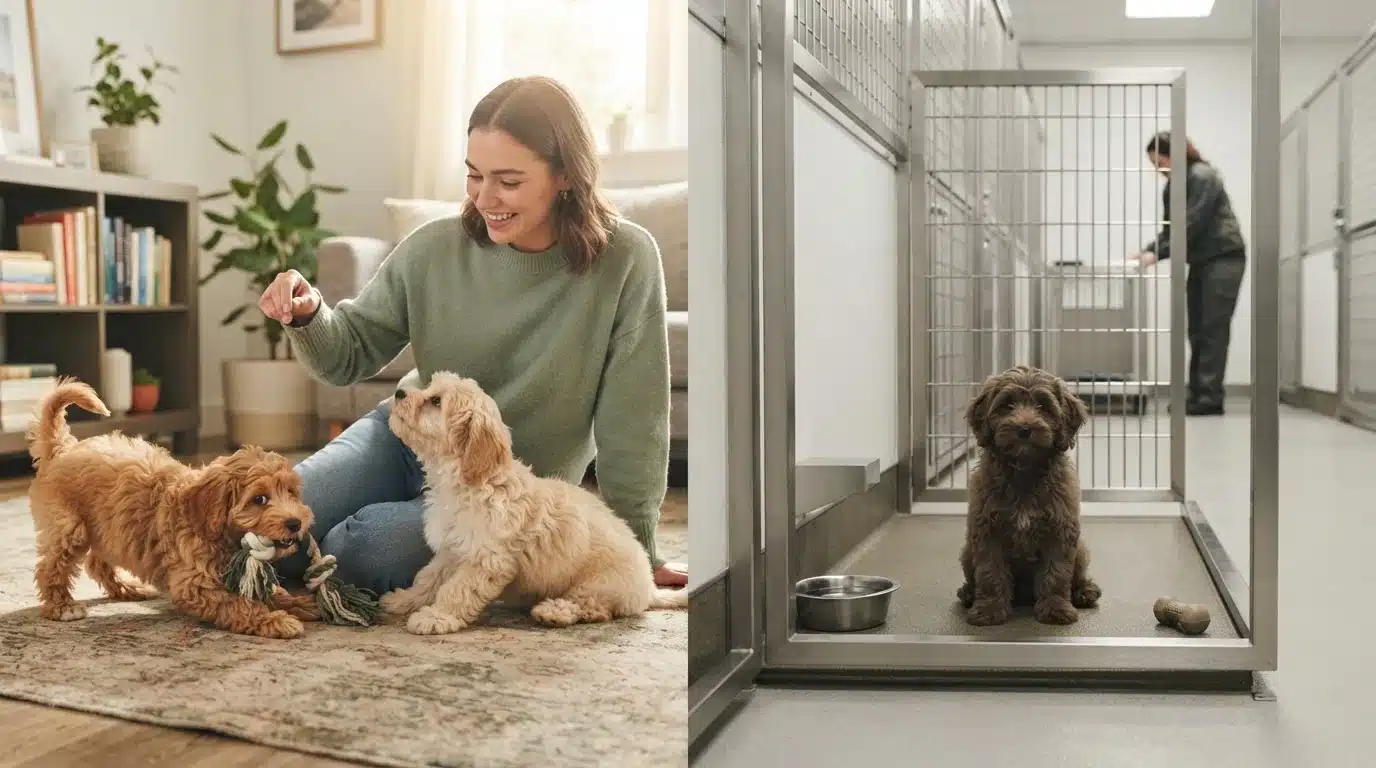
- Puppies raised in the home. Ask where the litter sleeps and who handles them daily.
- Willingness to say no. A breeder who questions your schedule, yard, or work hours is protecting the puppy, not blocking a sale.
- A written contract covering health terms, return policy, and spay or neuter expectations.
- Ongoing contact. Breeders who ask for updates after pickup plan to stay in your puppy’s life.
The best programs put these terms in writing before money moves, the way Sage Puppies outlines pricing and reservation steps up front.
Building a “Transparency Folder” Before You Send Any Money
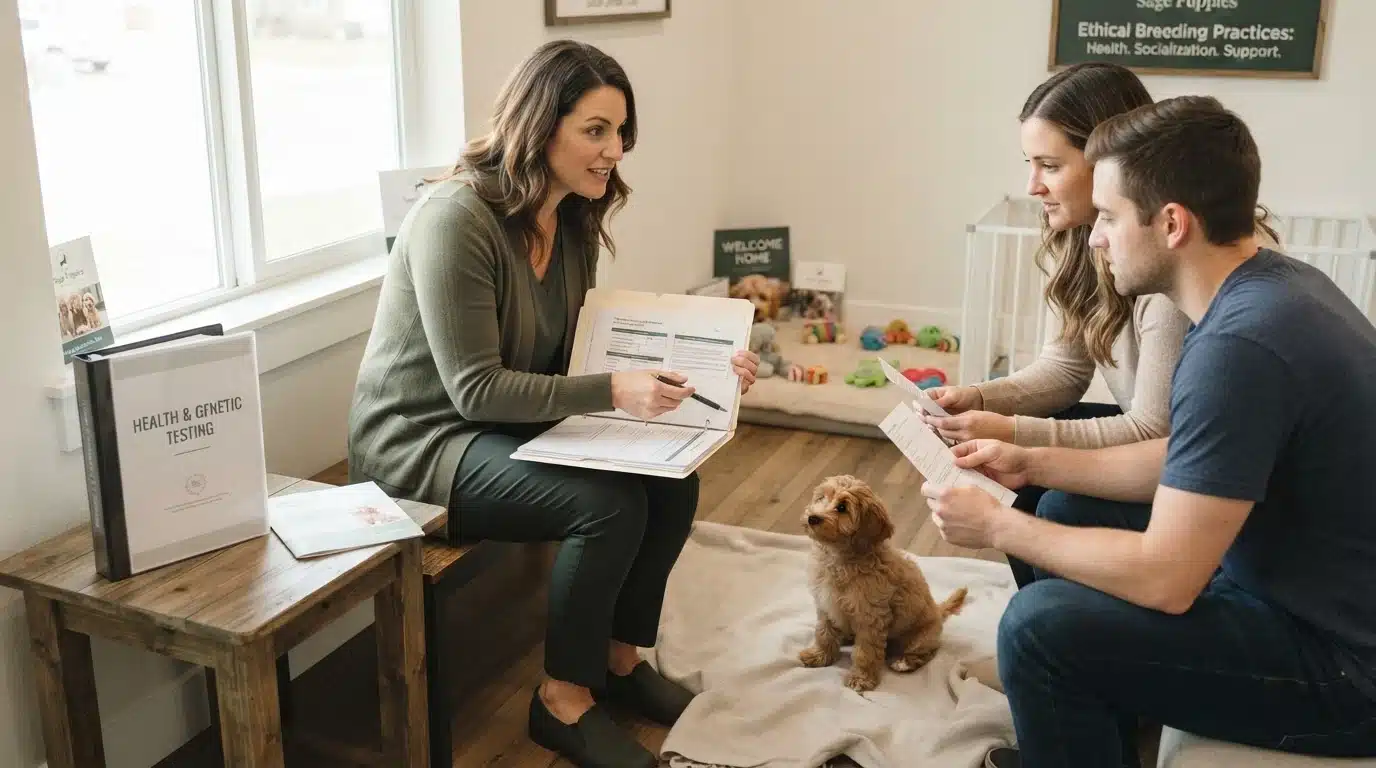
Save evidence before you pay, not after. Your folder should hold four items: a copy of the contract, the parents’ health test records, the puppy’s vet exam and vaccine dates, and proof of a real address such as a license or recent vet invoice. Photograph each document and confirm names match across all four. For Utah pickups, ask to see the folder in person. For delivered puppies, request every page by email first. If a breeder hesitates to send documents you could verify in minutes, treat that as your answer.
A Calm Closing Checklist Before You Sign Anything
You have read the health records, met the parents and asked the hard questions. Now slow down. A good breeder never rushes your signature.
Settle These Four Questions Before You Click “Send Deposit”
- Can you see proof of the vet exam? Ask for a dated health certificate with the clinic’s name and phone number, then call to confirm.
- What does the written health return policy say, word for word? Get it in the contract, not a text message.
- Who is your contact when something comes up at week three? A real person, not a payment app.
- How does the puppy get to you? Local pickup should include a visit; delivery should come with photos, updates and a named driver or flight plan.
A program like Sage Puppies answers all four before you ask, with an application and a written agreement. That speed and openness is the standard, not a bonus.
Knowing When to Walk Away (Without Guilt)
Walk away if the breeder resists video calls, wants a wire transfer or gift card, or pushes same-day deposits. Those habits cost buyers real money, like the family that nearly wired $2,800 to a fake “Utah breeder.” A legitimate breeder respects hesitation. The right puppy waits for a confident yes.

Ready to meet a puppy raised the right way? See Sage Puppies to view available Havanese, Havapoo and Cavapoo puppies, review our application, and ask every question on this list. Wisely bred, beautifully loved, and happy to prove it.
Frequently Asked Questions
Q1: What are the red flags when buying a puppy in Utah?
Watch for PO box addresses, refusal to video call, “vet checked” records without dates or clinic names, wire transfer or gift card requests, and prices that shift mid-conversation. Any breeder asking for a deposit before sharing paperwork should stop you cold.
Q2: How can I tell if a Utah breeder is reputable?
Ask for the puppy’s location, meet the mother, and verify parent health tests in OFA’s public database. A real breeder sends the contract and records before money moves, and welcomes an in-person visit or live video walk-through.
Q3: What questions should I ask a Utah puppy breeder?
Ask where the puppy was born and raised, what health tests the parents passed, what the contract covers, who transports the puppy, and what happens if you cannot keep the dog.
Q4: Should I pay a deposit before seeing the contract?
No. Request the written contract first. Reputable breeders send it the same day; scammers invert the order and push payment first.
Q5: What paperwork should come with a puppy shipped out of state?
Expect a veterinary health certificate, vaccination and deworming records, and a microchip number. Verify state rules on the USDA’s pet travel page before travel day.
Conclusion
Trust in puppy buying is built on proof, not promises. Every red flag in this guide has a matching document: a searchable OFA entry, a signed vet record, a written contract, a named driver or flight plan, and an address you can visit or see on a live video call.
Collect those proofs before any money moves. Local Utah buyers should walk the property and meet the mother; nationwide families should demand consistent video and a health certificate that travels with the puppy.
Demand paperwork first and deposits second. A breeder who proves everything, the way a transparent Utah program should, is the one worth your wait.