Quick Summary: Utah has no puppy lemon law and does not license small in-home breeders, so buyers get almost no state backup when a puppy purchase goes wrong. Your real protection is the written contract: push for a clear health guarantee, a specific remedy clause, and a vet exam deadline you can actually meet, usually within 48 to 72 hours. The UCC still gives you an implied warranty against merchant sellers, and larger USDA-licensed operations face federal care standards, but most of the heavy lifting falls on asking for OFA parent testing, using traceable payments, and insisting on an in-person visit or live video call before paying. Sage Puppies fits this mold by putting everything in writing and sharing health records up front, which is exactly the kind of documented approach Utah buyers need since the state will not step in for them.
If you are buying a Havapoo, Cavapoo, or Havanese puppy in Utah, one fact should shape every question you ask a breeder: Utah has no puppy lemon law, and it does not license small-scale breeders at the state level. That means your Utah puppy buyer rights come mostly from the contract you sign, not from a state agency that will step in later.
This guide explains what the law does cover, where the gaps sit, and how careful buyers protect themselves anyway. You will get a practical playbook: what to ask before you pay, what to get in writing, and which red flags to walk away from.
We have raised and placed puppies with Utah families since 2025, so we know where misunderstandings happen. Understanding your Utah puppy buyer rights early is the best protection a first-time owner can have. The same applies to any family researching Utah puppy buyer rights before choosing a breeder.
The Headline Fact: Utah Has No Puppy Lemon Law
Here is the plain truth: Utah has no puppy lemon law. A “lemon law” for pets is a state statute that gives puppy buyers defined remedies when a newly purchased dog turns out to be sick or has a serious defect. About 22 states have passed these pet purchaser protection acts, and Utah is not one of them. Utah’s own lemon law covers new motor vehicles, not animals.
That does not leave you empty-handed, but it changes how you need to shop. With no statute on your side, your written contract and your vetting of the breeder do the work the law would otherwise do. Our Utah buyer’s guide to costs, contracts, and red flags walks through exactly how to cover that gap before you pay.
What a Puppy Lemon Law Usually Gives You
In states that have them, these laws typically give a buyer a set window to act after a vet finds the dog unfit. Remedies usually include a refund, a replacement puppy, or reimbursement of reasonable veterinary bills. Some states also require sellers to disclose health records and vaccination history up front. Deadlines are short, often just days, so buyers must document everything quickly.
Why Utah Stands Out From Neighboring States
Utah sits inside a region with thin coverage. Surrounding states split both ways: some have adopted pet purchaser protection acts, while others, like Utah, have not. That matters if you buy from an out-of-state breeder online, because the law that applies often depends on where the sale happens, not where you live. So a Utah buyer cannot count on lemon-law remedies either way, which makes written health guarantees and clear breeder contracts the real protection here.
What Legal Protections Utah Puppy Buyers Do Have
Utah has no puppy lemon law, but you are not buying without any safety net. Three layers of law still apply to your purchase: state commercial code rules, federal breeder standards, and, in some cities, local ordinances. Here is what each one covers and what it can actually do for you.
The Uniform Commercial Code and Your Implied Warranty
Under Utah’s version of the Uniform Commercial Code (UCC), a puppy sold by a merchant is legally a “good.” That gives you an implied warranty of merchantability: the seller, if a merchant, warrants the puppy is fit for its ordinary purpose, which usually means healthy at the time of sale. As explained in the Animal Legal & Historical Center’s overview, “merchant” generally means a breeder, pet store, or anyone who routinely sells multiple litters. A neighbor rehoming one accidental litter does not count. Your remedy is typically rescission and refund: you return the dog and get your money back. Your written contract matters too, so compare it against your seller’s terms before you sign, and use our Utah buyer’s guide to costs, contracts, and red flags to spot what a fair agreement should include.
Federal USDA Rules for Larger Breeders
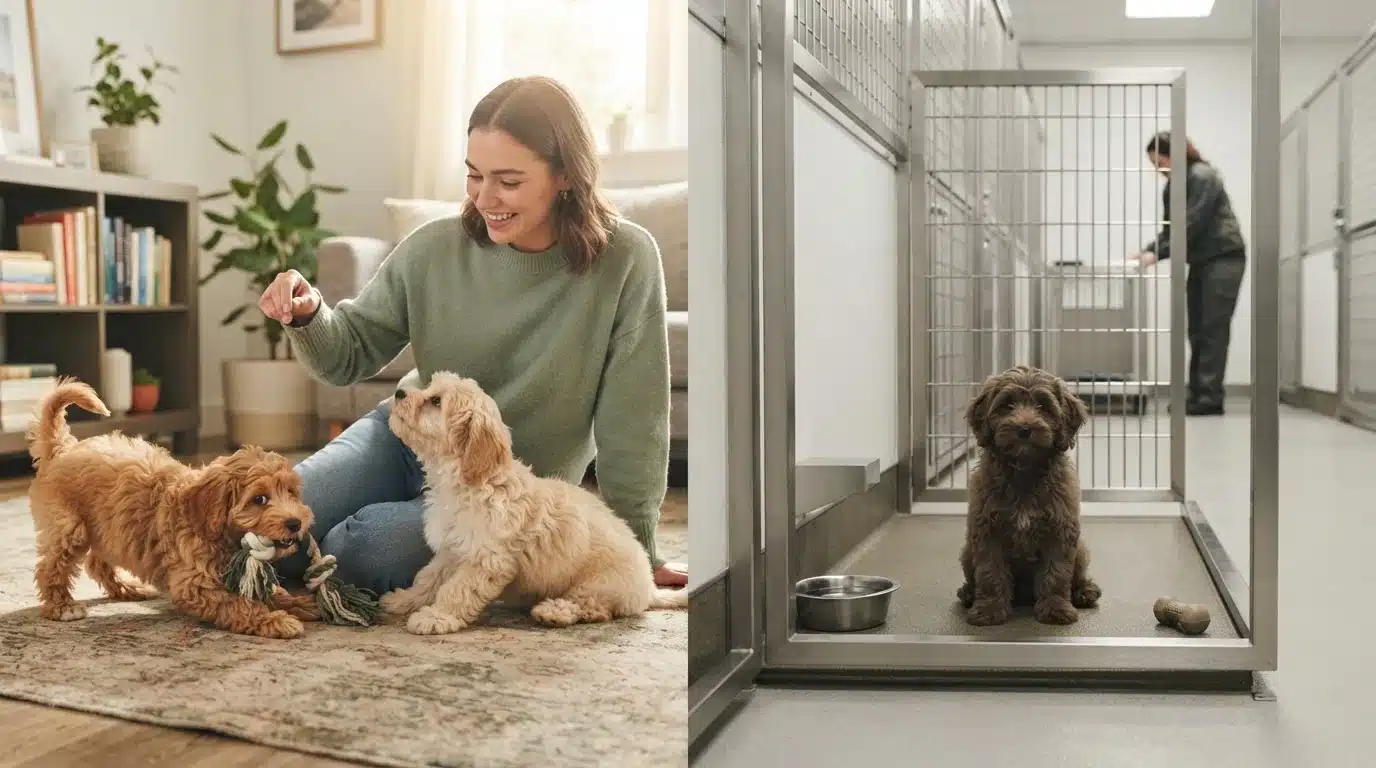
The federal Animal Welfare Act sets minimum care standards for licensed commercial breeders. Larger operations must hold a USDA license, meet housing and veterinary care rules, and allow federal inspections. Small breeders who sell directly to families and raise puppies in their homes usually fall outside these rules, which is why the breeder’s own health testing and contract become your main protection.
Local City Ordinances on Pet Store Sales
Some Utah cities restrict where pet stores can source puppies, following a national trend of local retail pet-sale ordinances. Salt Lake City, for example, prohibits the sale of puppy-mill-sourced dogs in retail settings. If you buy from a licensed store in a city with such an ordinance, you get an extra layer of sourcing protection that direct buyers do not need but should still understand.
How a Utah Puppy Purchase Contract Becomes Your Main Shield
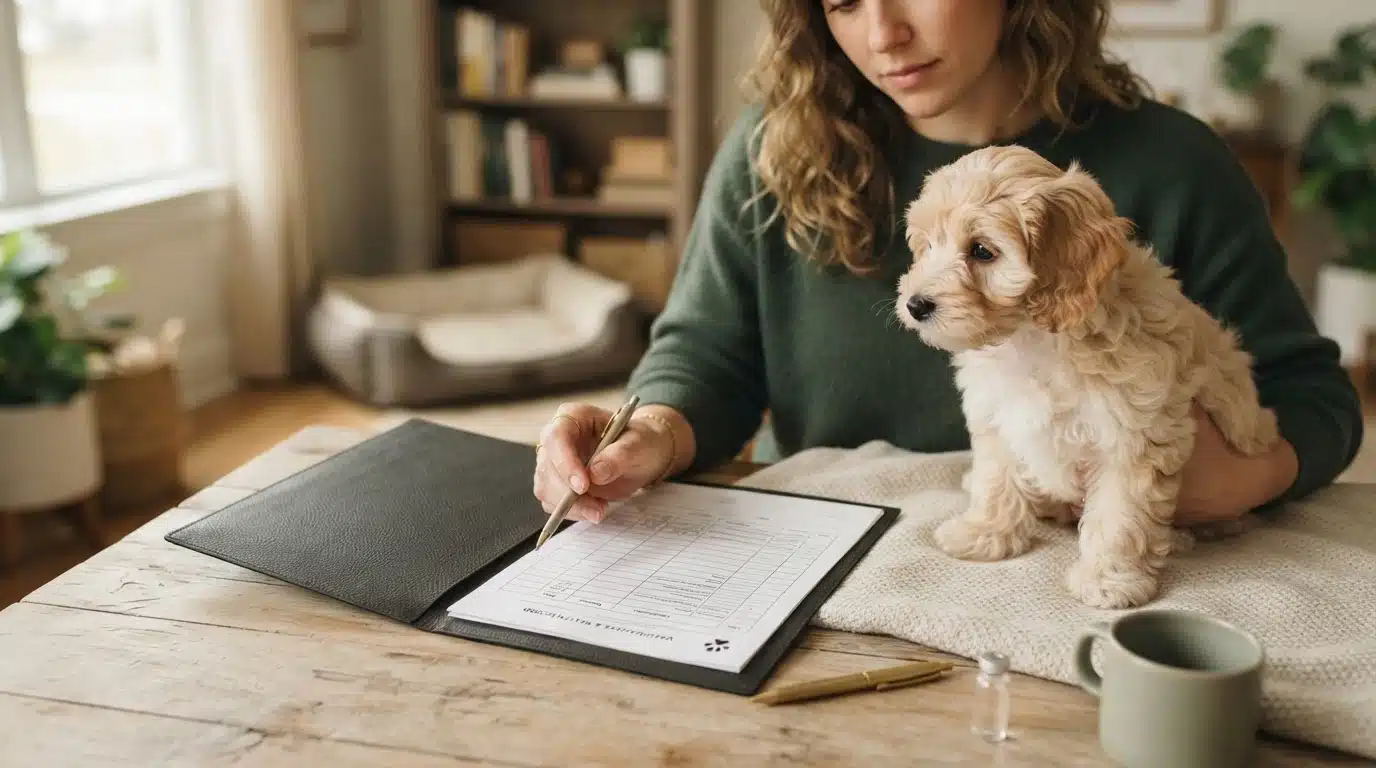
Utah has no puppy lemon law. That means the law will not hand you a refund or an exchange if something goes wrong with your new puppy. Instead, your protection comes from one place: the written purchase contract you sign with the breeder. Read it as a shield, not a formality, because everything you can actually enforce lives inside those pages.
Express vs. Implied Warranty in Plain English
A warranty is a promise the puppy is as described. An express warranty is stated out loud or in writing: “this puppy is healthy,” or “we cover genetic hip problems for two years.” Breeders who guarantee hips and elbows for two years, with owners getting OFA X-rays to confirm, are offering an express warranty. Put those promises in writing, because a verbal guarantee is hard to prove later.
An implied warranty is the one the law attaches on its own, even if nobody mentions it. In a companion-animal sale, it generally means the animal is healthy and free of obvious defects at pickup. Courts and legal writers treat companion-animal sales this way, and some contracts also carry a warranty of fitness for a particular purpose. But implied warranties are weaker tools, and breeders can limit them in the contract. So treat the written promises as your real coverage.
The Clauses That Actually Move the Needle
Not every clause matters equally. Focus on these:
| Clause | What to Look For |
|---|---|
| Health guarantee | Clear time window, what conditions are covered, and vet exam deadlines |
| Genetic coverage | Specific conditions named, not vague “genetic issues” wording |
| Remedies | Refund, replacement, or partial reimbursement, stated in dollars |
| Return terms | What happens if you cannot keep the puppy, and who pays |
| Spay/neuter terms | Deadlines and proof requirements, so you don’t lose coverage by accident |
Two details decide most disputes. First, the remedy clause: a guarantee is only as good as what the breeder promises to do, so look for a specific dollar figure or replacement terms rather than “breeder’s discretion.” Second, conditions you must meet, like a vet exam within 72 hours or follow-up X-rays by a set age. Miss the deadline and you may void your own coverage.

Get every promise in writing before you pay, and keep a signed copy. A careful breeder will expect both. For a closer look at what fair terms look like, our guide to puppy contracts walks through real examples clause by clause.
Spotting Red Flags Utah Buyers Cannot Always Sue Around
Without a lemon law, your protection shrinks to what you catch before you pay. Some warning signs point to problems no Utah court will fix cheaply, so it pays to spot them early.
Sight-Unseen Sales and Out-of-State Scams
The fastest way to lose money is a puppy you never see. Scammers lift photos and even AI-generated video from real listings, then push you to pay by wire transfer, gift card, or payment app before you meet anyone. The BBB reports that most online pet ads can be fake, and law enforcement warns buyers to demand a live video call where the seller handles the puppy and answers your questions on camera. If a seller refuses, sells discounted “leftover” puppies, or adds surprise shipping fees, walk away. Recovery after an out-of-state scam is rarely worth the chase.
Misrepresentation of Parents and Health Testing
Scams are loud, but soft lies are more common. A seller may claim parents are health tested, purebred, or raised in the home without proof. Ask to see the mother, the OFA or CERF records, and dated photos. If a seller dodges, that silence usually tells you what the paperwork would. A breeder with nothing to hide, like Sage Puppies, will share both parents’ history and testing up front. Our guide to common Utah breeder red flags walks through this in more detail.
What To Do If Your Utah Puppy Purchase Goes Wrong
Utah has no puppy lemon law, so your fallback is the paperwork you already hold. Acting in the right order matters more than urgency.
Start With the Contract and the Records
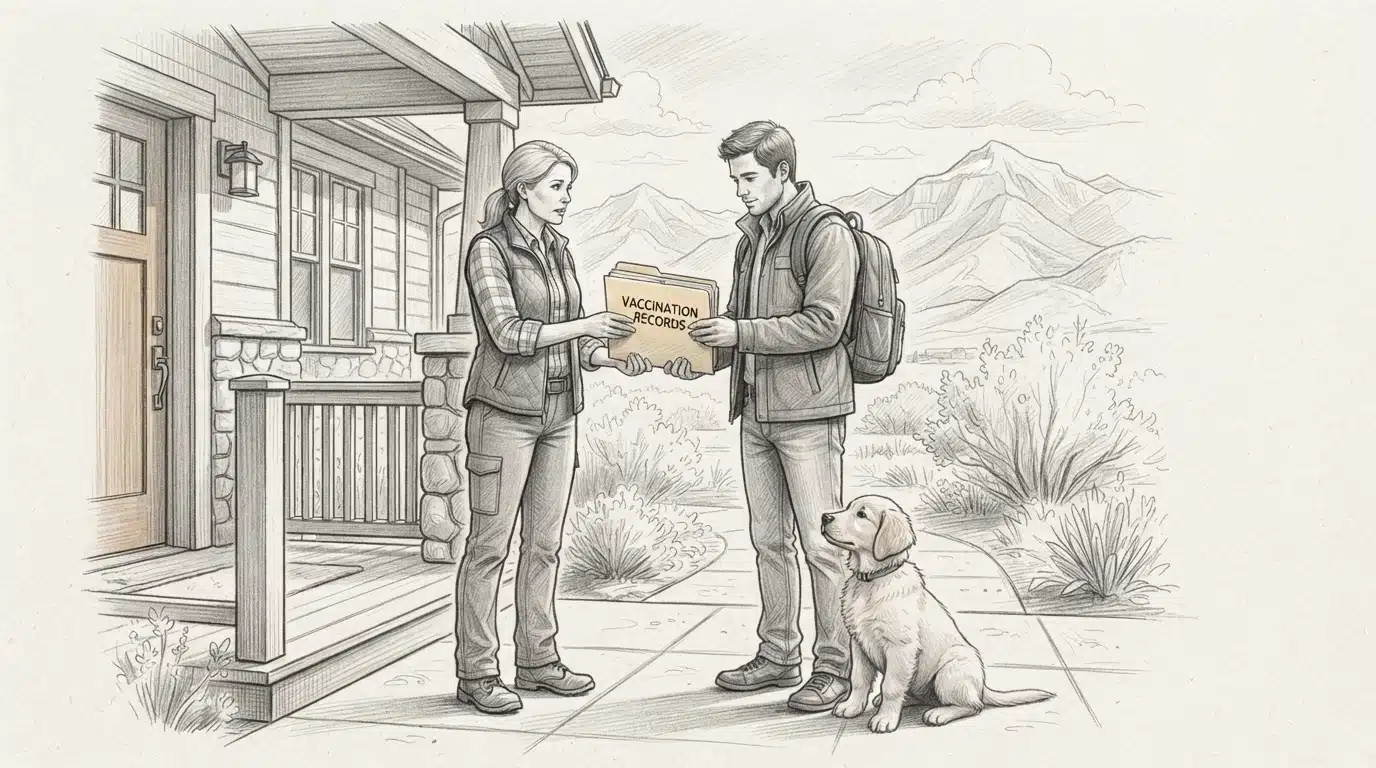
Reread your purchase contract before you do anything else. Find the health guarantee, the remedy clause, and any deadline for reporting a problem, then follow those terms to the letter. Next, collect your records: the contract itself, payment proof, vet invoices, and every message with the breeder. Written timelines matter, so send your concerns in an email rather than a phone call. A breeder who stands behind their dogs, the way a program like Sage Puppies does with documented health records and clear terms, will usually work with you directly.
File Where It Actually Counts
If the breeder will not resolve the issue, file a complaint with the Utah Division of Consumer Protection. The division handles deceptive business practices, so misrepresentation, like a sick puppy sold as healthy or fake registration papers, falls squarely in its lane. You can submit a complaint through its online complaint portal, and it may investigate or mediate. Attach your contract, receipts, and vet records. A complaint costs nothing, and it creates an official record even if the outcome is slow. Report suspected fraud to local law enforcement too.
Small Claims Court and Legal Counsel
For unrecovered money, small claims court in Utah lets you sue without a lawyer for modest filing fees. Bring your evidence, keep your ask specific, and consider a short consult with an attorney if the amount is large or the facts are complicated.
Utah-Specific Buyer Habits That Reduce Risk Upfront
Utah has no state lemon law for puppies, so the strongest protection you have is the care you take before money changes hands. A few habits go a long way.
In-Person Visits and Live Video Calls
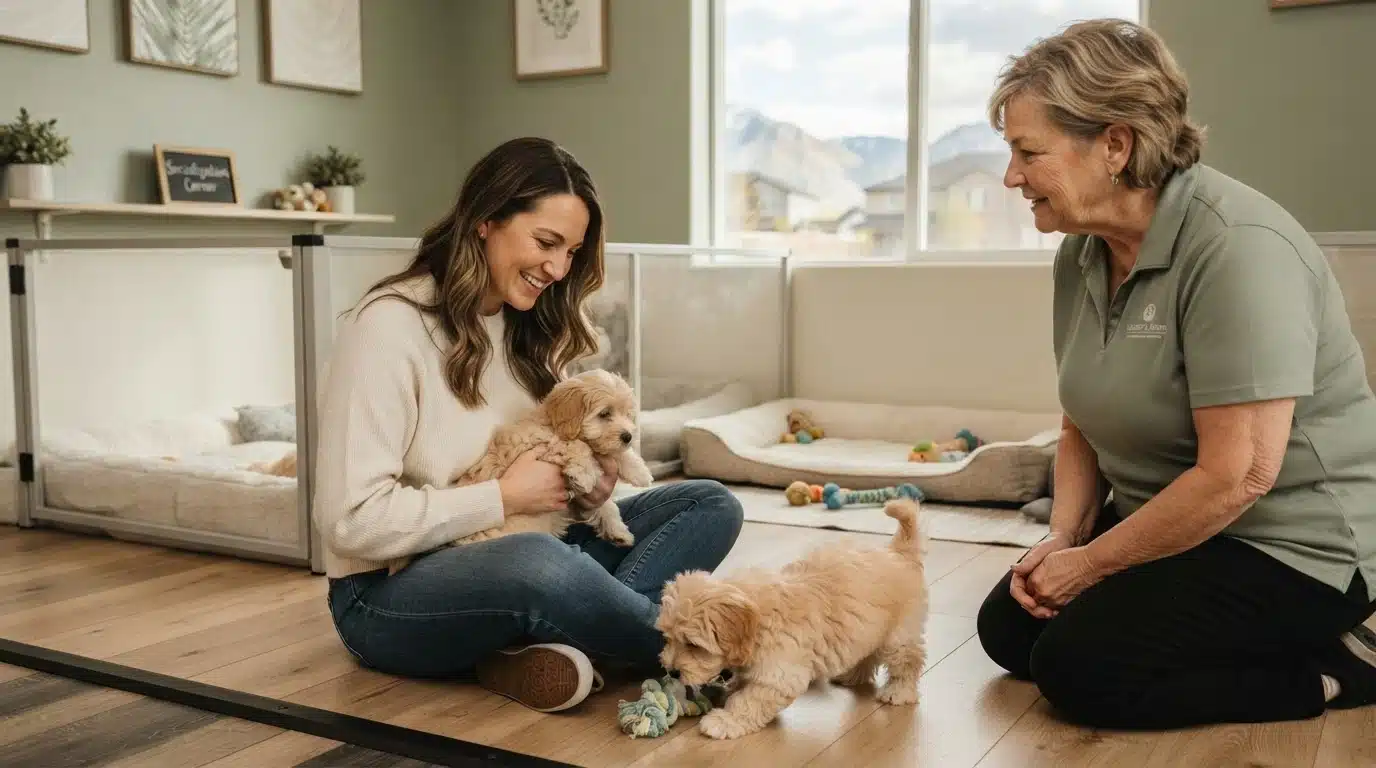
Meet the puppy where it lives whenever you can. If distance makes that hard, ask for a live video call instead of photos, and watch how the puppy moves, eats, and reacts to people. Reputable breeders welcome this. Hesitation or an offer to “just send pictures” deserves a closer look. During a visit, check that the space is clean, the mother is present and friendly, and paperwork like vet records is on hand. If you want a checklist, this guide to an on-site puppy breeder visit covers what to look for room by room.
Verifiable Payments and Paper Trails
Never pay in cash, gift cards, or wire transfers. Use a payment method that creates a record, such as a credit card or a documented bank transfer, and get a written contract the same day. That contract should list the puppy’s price, health guarantee terms, and both parties’ names. Save every message and receipt. If a dispute later comes down to your word against the seller’s, a clean paper trail is often the only evidence you have.
Common Mistakes Utah Buyers Should Sidestep Once
Assuming the State Will Back You Up
Utah has no puppy lemon law, so a bad outcome is between you and the breeder. Some buyers assume the health department or consumer protection office will step in and sort it out. It won’t, at least not for a puppy that simply turns out sick or poorly bred. Fraud is a different matter, but proving it takes records you should have gathered on day one. Save every text, receipt, and health paper before you need them.
Skipping the Vet Window in the Contract
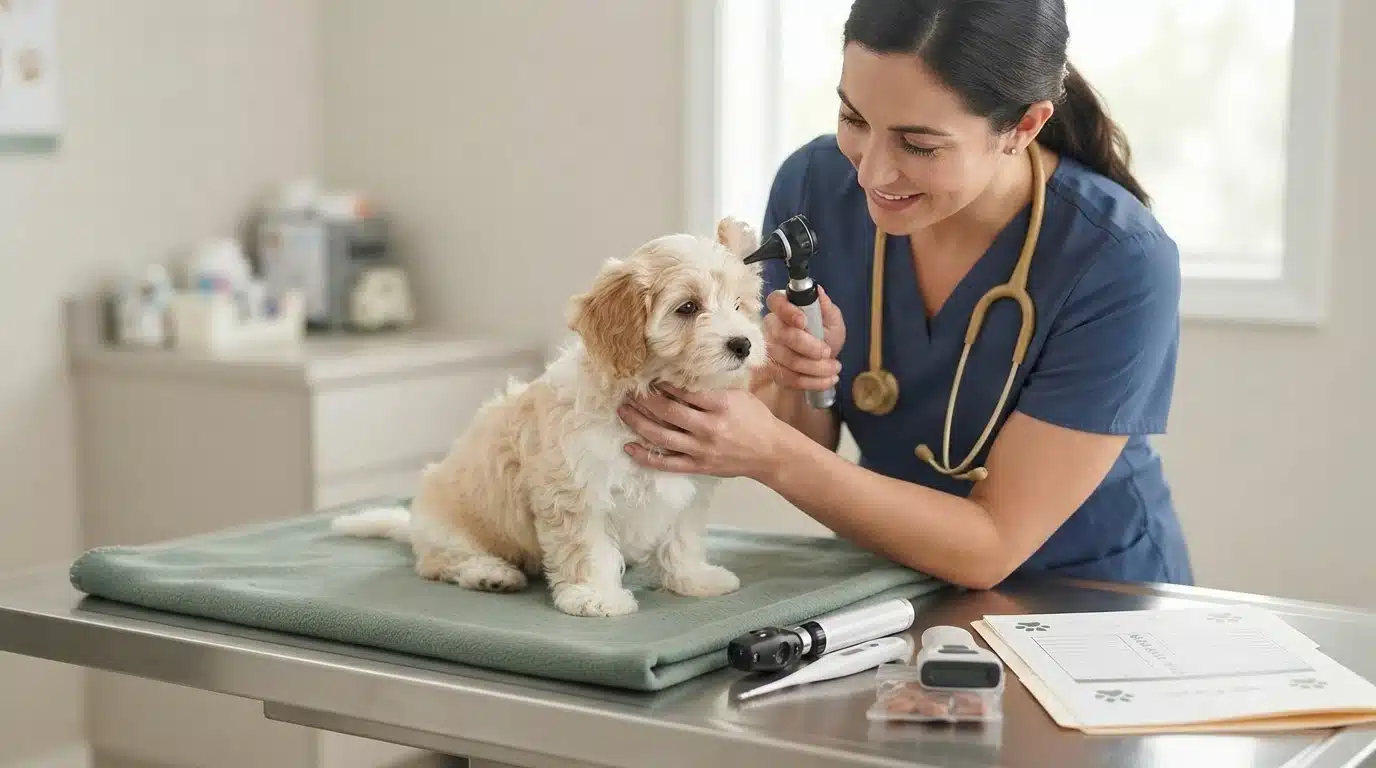
Most breeders promise a health guarantee only if your vet examines the puppy within a set number of days, often 48 to 72 hours. Miss that window and the guarantee can vanish. Read the clause before pickup, book the vet visit before you bring the puppy home, and keep the written report. Our guide to health checks for Utah buyers walks through what that first visit should cover.
Putting It Together for Utah Buyers in 2026
A One-Page Utah Buyer Rights Checklist
Before you pay a deposit, confirm each item on this list. A breeder who answers these questions clearly is usually one worth keeping.
- Vet exam window: 48 to 72 hours, in writing
- Remedy clause: specific refund or replacement terms, not vague language
- Health records: vaccinations, deworming, and vet checks documented
- Parent health testing: proof for both dam and sire
- Written contract: signed by both parties before payment
- Red flags: cash-only deals, no paperwork, or pressure to decide fast
Where to Go From Here
Utah law gives you no lemon law safety net, so your contract does the heavy lifting. Keep copies of everything, and ask questions before you commit, not after. For deeper detail on costs, contracts, and warnings, our Utah puppy buyer guide walks through each step. Careful homework today prevents heartache later.

Utah has no puppy lemon law, so your protection lives in the breeder’s contract. Choose a program that puts everything in writing. At Sage Puppies, every match starts with a clear application and honest terms. Browse available puppies or start your application today.
Frequently Asked Questions
Q1: utah laws that protect puppy buyers
Utah has no puppy lemon law. Your protection comes from the UCC’s implied warranty for merchant sales, federal USDA rules for large breeders, some city ordinances, and mostly your written contract.
Q2: Does Utah require breeders to be licensed?
No state license exists for small in-home breeders. Larger commercial operations need a USDA license under the Animal Welfare Act.
Q3: Can I get a refund if my puppy gets sick?
Only if your contract’s health guarantee covers it and you meet its vet exam deadline, usually 48 to 72 hours.
Q4: Who do I complain to about a bad Utah breeder?
File with the Utah Division of Consumer Protection for fraud or misrepresentation, or sue in small claims court.
Q5: Are verbal health guarantees enforceable in Utah?
Practically, no. Verbal promises are hard to prove, so get every guarantee in the written contract.
Q6: Do neighboring states’ lemon laws apply if I buy there?
Usually not. Coverage typically depends on where the sale happens, so assume no lemon-law protection.
Conclusion
Utah’s rules for puppy buyers are thinner than most families expect. There is no puppy lemon law and no state license for small in-home breeders, so your real protection is a written contract with a clear health guarantee, a defined remedy, and a vet exam deadline you actually meet. Back that up with a payment record, proof of parent health testing, and either an in-person visit or a live video call. Ask these questions before you pay, because once money changes hands, Utah law leaves the outcome mostly between you and the breeder.