Quick Summary: Buying a puppy in Utah starts with the paperwork, not the puppy. Expect $2,000 to $4,500 for a well-bred small breed like a Havanese or Cavapoo, plus another $2,000 for first-year vet care, grooming, and training. Utah has no puppy lemon law, so reading the contract for microchip details, a defined health guarantee, spay/neuter terms, and a return-to-breeder clause matters more than anywhere else. Walk away from any breeder who pushes wire transfers, refuses phone calls, or skips showing health records. Sage Puppies in South Jordan is highlighted as an example of a transparent program that lists prices up front, offers a clear refund policy, and stays available for support well past pickup.
You just found a litter of fluffy Havapoo puppies near Salt Lake City, and the breeder sent a five-page contract with a Friday deadline. Before signing puppy contract pages or wiring money, you deserve a calm, plain-English walkthrough. Most first-time Utah buyers face the same problem: unclear pricing, confusing legal terms, and no easy way to spot a scam until it is too late. This guide fixes that. It gives you a realistic puppy cost breakdown, a simple puppy contract checklist, and the red flags that separate careful breeders from careless ones. It also explains Utah-specific rules on deposits and health paperwork. We draw on years around small companion breeds like Havanese, Havapoo, and Cavapoo, including Sage Puppies’ own application and pickup process in South Jordan. Signing puppy contract terms should feel clear, not rushed. Start here, then decide with confidence.
The Real Cost of a Puppy in Utah: Purchase Price and First-Year Budget
The sticker price is only the start. Between the purchase itself and your puppy’s first year of care, most Utah families spend several thousand dollars, so it pays to know the full picture before signing a puppy contract.
What Small-Breed Puppies Typically Cost in Utah
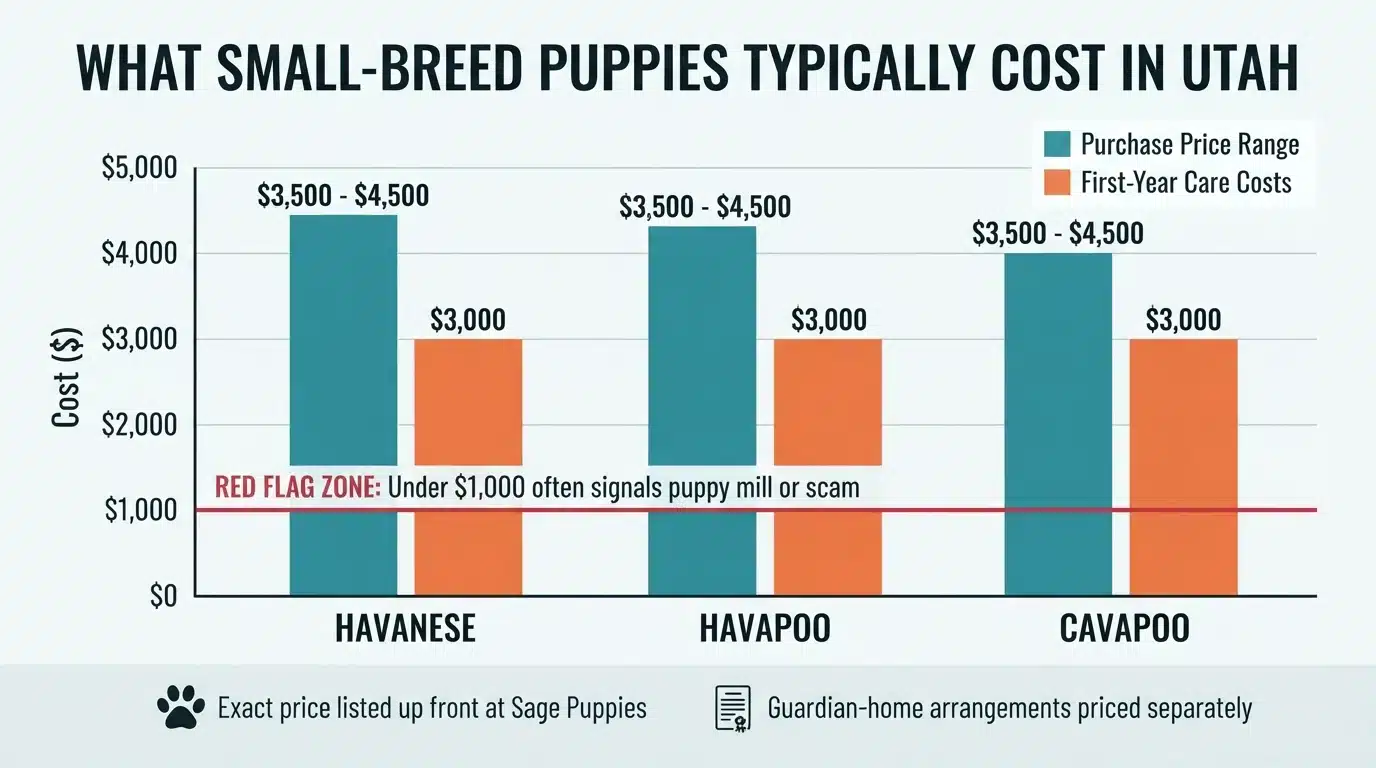
Well-bred Havanese and Cavapoo-type puppies usually run between $2,000 and $4,500 in Utah. Nationally, Good Dog’s Havanese pricing lists $2,200 to $3,000 as the typical range, and top-tier lines can climb higher. At Sage Puppies, the purchase range is $3,500 to $4,500, with each puppy’s exact price listed up front and guardian-home arrangements priced separately. Watch for prices that look too good; under $1,000 for one of these breeds usually signals a puppy mill or a scam.
First-Year Expenses Beyond the Purchase Price
Budget at least $2,000 on top of the purchase price for year one, which lines up with Petful’s cost breakdown for small companion breeds. Your largest line items:
| Expense | Typical First-Year Cost |
|---|---|
| Vet visits, vaccines, spay/neuter | $500 to $1,000 |
| Crate, bedding, gear | $300 to $600 |
| Food and treats | $300 to $500 |
| Grooming every 4 to 8 weeks | $400 to $800 |
| Training classes | $150 to $300 |
| Pet insurance | $300 to $600 |
Before signing a puppy contract, confirm what the health guarantee actually covers so you know which vet costs stay on your side of the ledger. Sage Puppies’ pricing and reservation page spells out what the purchase price includes.
Delivery, Pickup, and Travel Costs to Plan For
Local pickup in the South Jordan area is usually free, so plan around it when you can. Ground delivery within Utah typically costs $100 to $300. Out-of-state families should budget more: longer ground routes often run $400 to $700, and flight-nanny service can exceed $800. Ask for delivery pricing in writing before you send a deposit.
Deposits, Refunds, and Reservations in Plain English
Most breeders ask for a deposit before you bring a puppy home, and most confusion happens right here. Before signing puppy contract language you don’t fully understand, know what that money actually does.
What a Deposit Is Really Paying For
A deposit is not a fee. It’s your claim on a specific puppy or a specific spot in a litter. In exchange, the breeder turns other families away, keeps the puppy in their care, and covers food, vet visits, and early socializing until pickup day. Ethical breeders put these terms in writing. Sage Puppies lists every puppy’s price up front, so the deposit only reserves your place, never changes it.
When Deposits Are Typically Refundable, Transferred, or Lost
Policies differ, so read them before you pay. Many breeders treat a deposit as refundable or transferable if the litter doesn’t produce the sex, color, or temperament you agreed on. Most treat it as nonrefundable when you simply change your mind, because that spot was held for you. Ask what happens if the puppy fails a health check or the breeder can’t complete the placement. A good deposit refund policy spells out all three scenarios in plain words.
Questions to Ask Before You Send a Deposit
Five quick questions protect your money:
- Is the deposit refundable, transferable, or final?
- Does it apply to a named puppy or a future litter?
- What’s the total price, and what does the deposit cover?
- When is the balance due?
- Do I get a written receipt and contract?
If answers stay vague, walk away.
Reading a Utah Puppy Contract Without a Law Degree
Why the Contract Matters More in Utah Than You Might Expect
A contract is often your only real protection. Utah has no “puppy lemon law,” so unlike buyers in some states, you cannot count on a state statute to force refunds for a sick puppy. What you sign is what you get. A good breeder’s written terms do the work that law would do elsewhere, which is why reading every line matters before you pay a deposit.
Identification, Registration, and Microchip Lines
Start with the basics. The contract should name the exact puppy, its date of birth, breed, and sex, and include the microchip number. Check that the microchip matches the puppy in person at pickup.
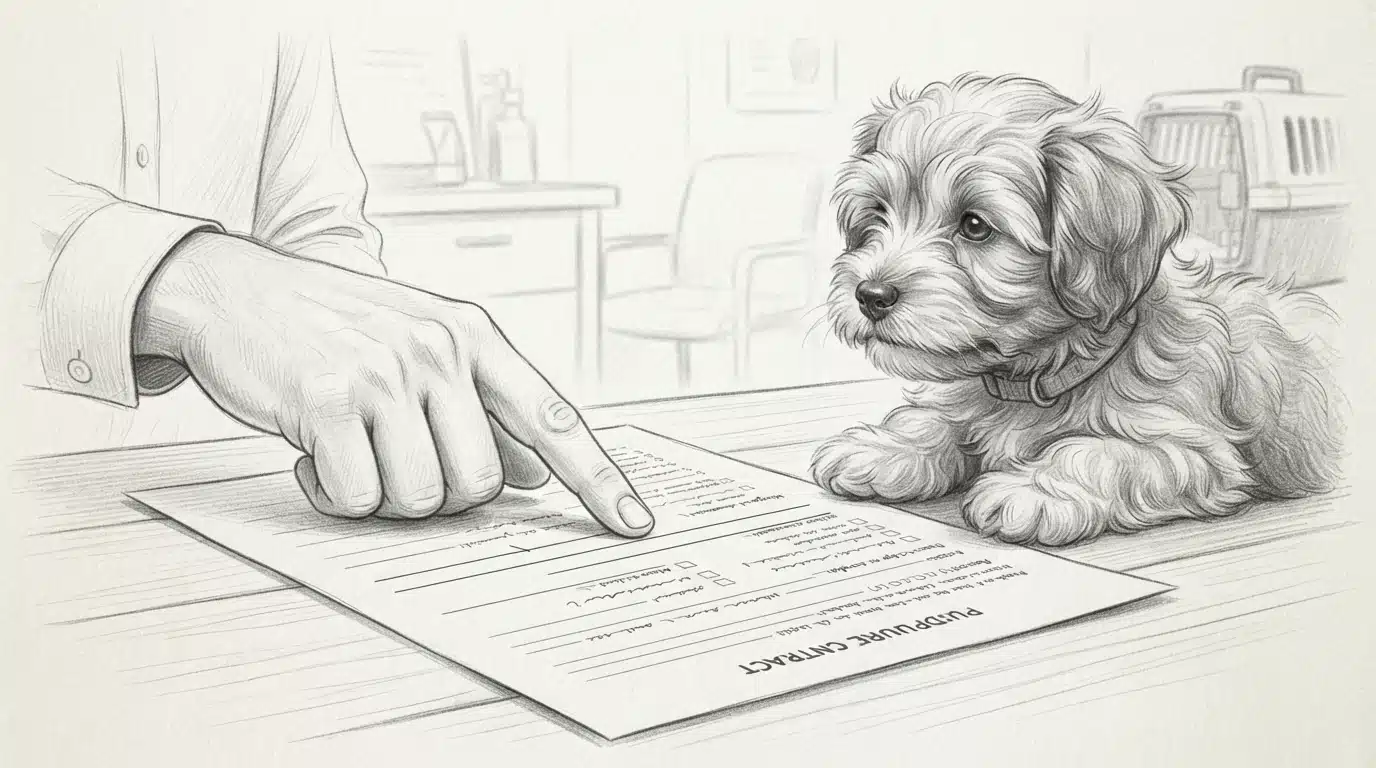
Registration terms deserve attention too. Many companion-breed contracts limit AKC or registry papers to “limited” status, meaning no breeding rights. That is normal for pet puppies. What matters is that the papers or transfer process, timelines, and any fees are spelled out in writing, not promised verbally.
Health Guarantee, Spay or Neuter, and Return-to-Brewer
Three sections carry the most weight.
Health guarantee. Look for a defined window, often days for infectious illness and longer for genetic conditions, and a clear remedy: refund, replacement puppy, or contribution toward vet costs. Vague promises like “healthy for life” without a remedy mean little.
Spay or neuter. Most companion-breed contracts require it, sometimes by a stated age. Ask whether the breeder requires proof and what happens if you miss the deadline.
Return-to-breeder. Many breeders require that you return the puppy to them rather than rehome or surrender it if you cannot keep it. This is usually a good sign, since it shows the breeder stays responsible for the dog’s whole life. But read where the puppy goes, who pays transport, and whether any refund applies.
Clauses Worth Questioning Before You Sign
Watch for terms that shift all risk onto you. Red flags include demands that disputes be settled only in the breeder’s state, penalties for asking vet questions, “no refund, ever” language, or health guarantees voided by routine care like vaccines. A breeder who refuses to explain a clause in plain English is telling you something. Good contracts invite questions, and a Utah breeder like Sage Puppies should walk you through each section. If a term feels one-sided, ask for it in writing before you sign.
Utah Breeder Red Flags: When to Slow Down or Walk Away
Most bad breeder situations announce themselves early. You just have to know which warnings matter.
Pressure, Secrecy, and Vague Answers
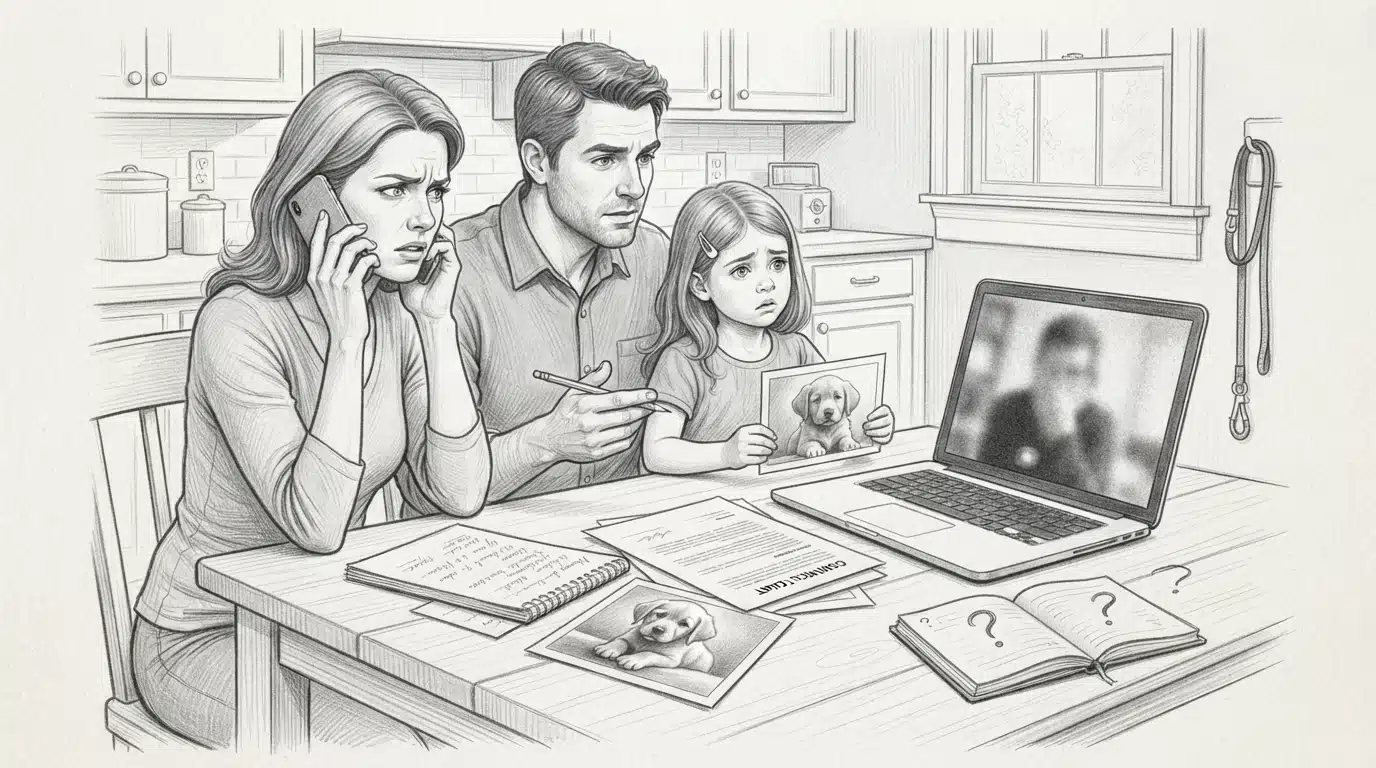
A trustworthy breeder answers questions and asks some back. If a seller pushes “this puppy won’t last the weekend,” refuses a phone call, or will only text, treat it as a warning. The AKC’s scam guide lists refusing phone calls and stock photos among the top red flags. Also pause if they dodge basic questions like “where do the puppies live?” or “can I meet the mother?” Vague answers usually mean there is something to hide.
Payment, Pickup, and Identity Red Flags
How a seller wants money tells you a lot. Walk away from anyone who demands wire transfers, gift cards, crypto, or payment apps like Zelle, since those methods leave you no way to get funds back. Be careful, too, when a seller wants only your driver’s license number or full Social Security details; internet puppy scams often aim at identity theft, not just your deposit. Other warning signs: shipping before you ever see a video of the puppy, a “shipper” who suddenly needs more money, and pickups arranged in a parking lot instead of the breeder’s home. If you pay a deposit, get a receipt and a written payment schedule.
Health Claims and Guarantees That Sound Too Good
Big promises deserve skepticism. No breeder can guarantee a puppy will never get sick or that a doodle is truly hypoallergenic, so treat “100% health guaranteed forever” as a sales line. Some scams even send fake vet records. Ask which veterinarian the puppies see and confirm the clinic exists. A real health guarantee spells out limits in writing and pairs with vaccination records you can verify by calling the clinic yourself. Breeders who sell multiple breeds year-round with constant availability deserve extra caution as well. Solid programs, including a thorough one like Sage Puppies’ application process, screen buyers rather than promising perfection.
Choosing a Utah Breeder You Can Trust
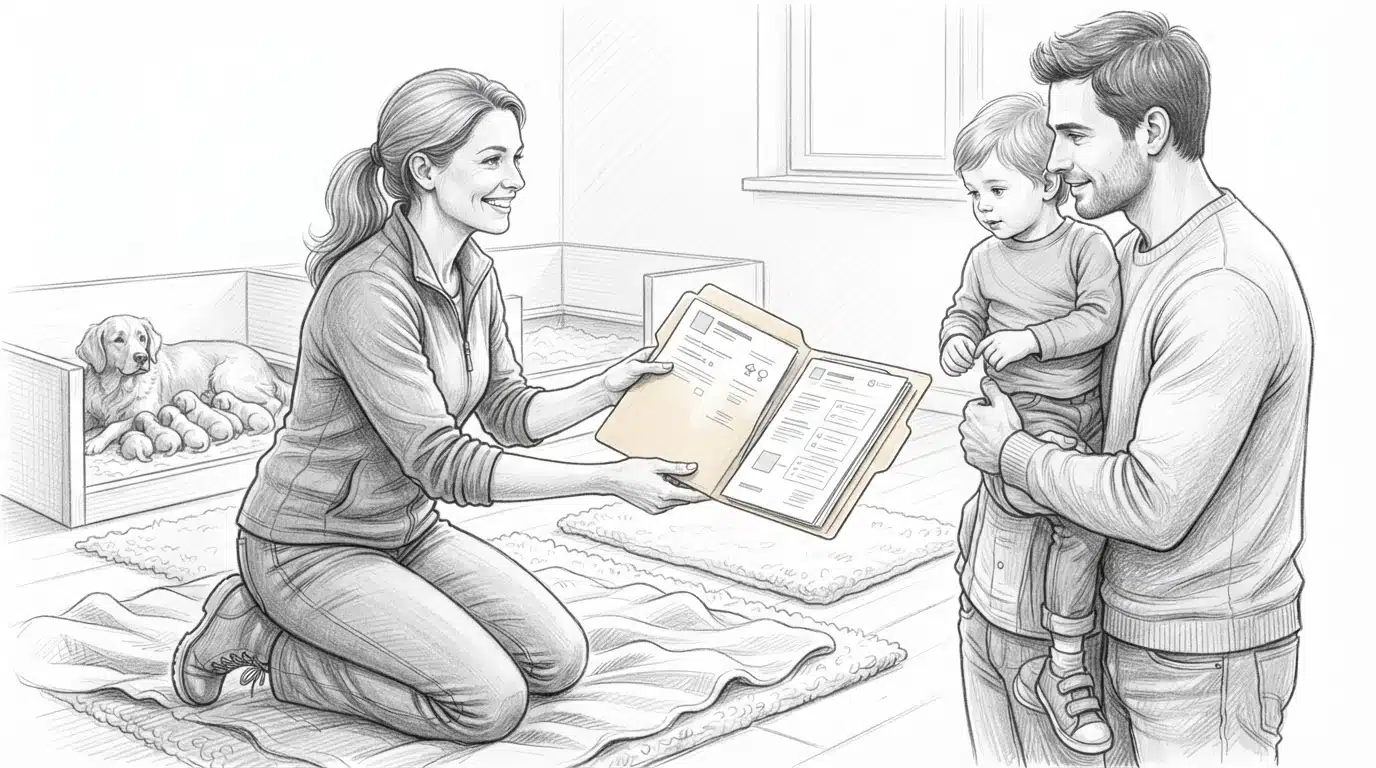
A trustworthy breeder shows you everything before you pay anything. Health records, parent photos, and the living conditions should all be open for you to see.
Transparency About Health Testing and Pedigree
Ask which health tests the parents have passed and ask to see the results. Good breeders test for breed-specific conditions and share the paperwork without being pushed. They know each puppy’s pedigree and can explain the family lines. If answers stay vague or the documents never arrive, walk away. Breeders like Sage Puppies put health records and parent details in front of buyers early, which is the standard you should expect anywhere.
Communication Style and Willingness to Answer Questions
Notice how a breeder responds before you send money. A good one asks about your home, schedule, and experience, then answers your questions clearly. Slow replies or pushy deposit requests are warning signs. Someone who cares about their puppies will also interview you.
Pickup, Delivery, and Lifetime Support
Good breeders set clear pickup rules, explain delivery options, and stay reachable after you take your puppy home. They offer to answer training or health questions for years, not just weeks. At Sage Puppies, families can pick up in South Jordan or arrange delivery, with support that continues well past puppyhood.
Common Mistakes Utah Puppy Buyers Make (and How to Avoid Them)
Most puppy regrets come down to three avoidable errors. Here’s what to watch for.
Sending Money Before Reading the Contract
A deposit locks in your obligations, not just your puppy’s. Some Utah buyers pay on emotion, then learn the contract allows no refund for a changed mind. Read every term first: health guarantee windows, return policy, and spay/neuter clauses. A breeder who pushes you to pay before you understand the paperwork is telling you something. Ask questions until the answers feel clear.
Confusing Cute Photos With a Verified Program
A polished Instagram grid says nothing about health testing or how puppies are raised. Ask to see where the puppies live, meet the mother if you can, and request proof of vet checks and parent health clearances. References from past buyers help too. Any program worth your deposit welcomes these questions instead of dodging them.
Underestimating the First-Year Commitment
The purchase price is only the start. Plan on roughly $2,000 beyond it for vet care, gear, grooming, and training in year one, plus daily time for potty training and socialization. A Havanese or Cavapoo can live 12 to 15 years. Buyers who budget for the whole picture rarely feel blindsided, and puppies stay in their first home instead of being rehomed.
Putting It All Together: A Calm, Step-By-Step Buyer Plan
A good purchase is mostly a series of small checks. Work them in order, and the process feels far less stressful.
Step 1: Set Your Budget and Breed Shortlist
Decide your total spend before you look at a single listing. That means the purchase price plus roughly $2,000 for year-one care. Then pick one or two breeds that fit your home. Havanese, Havapoo, and Cavapoo are all small, social, and low-shedding, so many Utah families narrow it to two and stay flexible on the mix.
Step 2: Research Utah Breeders and Ask Written Questions
Shortlist a few programs and email each one the same questions: health testing, parent ages, socialization, and how puppies are raised. Written answers create a record you can compare side by side. Breeders who answer clearly and invite a visit, like the application process at Sage Puppies, are usually easier to trust than those who push for a fast decision.
Step 3: Review the Contract, Then Send a Deposit
Read the contract before any money changes hands. Look for the health terms, return policy, and what the deposit actually covers. If a breeder resists sending paperwork, walk away. Once the terms make sense, pay the deposit and keep a copy with your vet records.

Ready to meet your puppy the honest way? Sage Puppies raises Havanese, Havapoo, and Cavapoo puppies in South Jordan, Utah, with clear pricing and a simple application. Check current availability, or reach out with questions before you commit anywhere.
Frequently Asked Questions
Q1: Are deposits refundable when buying a puppy in Utah?
Often yes if the litter lacks your agreed sex, color, or temperament, but usually not if you change your mind. Get the policy in writing before paying.
Q2: What should a puppy contract include in Utah?
The puppy’s identity, microchip number, health guarantee with a defined window and remedy, spay/neuter terms, and a return-to-breeder clause.
Q3: How do you spot puppy scams in Utah?
Watch for wire transfers, gift cards, stock photos, refused phone calls, and parking-lot pickups.
Q4: Does Utah have a puppy lemon law?
No. Your written contract is your main protection, so read every term.
Q5: How much should I budget beyond the purchase price?
Plan roughly $2,000 for first-year vet care, gear, food, grooming, and training.
Conclusion
Buying a puppy in Utah comes down to patience and paperwork. Know your full budget first: $2,000 to $4,500 for a well-bred small breed, plus roughly $2,000 for the first year. Read the contract before any money moves, since Utah has no puppy lemon law and your written terms are the main protection. Confirm the deposit policy, the health guarantee, and the return-to-breeder clause in plain English. Then watch for red flags like wire transfers, refused calls, and parking-lot pickups. Trustworthy breeders, including Sage Puppies in South Jordan, welcome every question and show health records up front. Take the time these checks require, and you will bring home a healthy, well-started puppy with no surprises later.