Quick Summary: Pick a Havapoo for a sturdier, trainable companion around 8 to 15 lb that handles busy families and first-time owners well, especially kids. Pick a Maltipoo for a tinier 5 to 12 lb lap dog that bonds tightly with one or two people and fits quieter homes or apartments. Both shed very little, need brushing three to four times a week, and live into the mid-teens, so the real tiebreaker is your household’s energy and the kids in it. Well-bred puppies from health-tested parents cost roughly $3,500 to $4,500 either way, and Sage Puppies in South Jordan, Utah raises Havapoos for families who want that people-first temperament.
If your family has narrowed the small-doodle search to a Havapoo and a Maltipoo, here is the honest shortlist. Pick the Havapoo if you want a steadier, trainable companion with a bichon-style playful side. Pick the Maltipoo if you want a tinier, velcro-cuddle shadow with a touch more sass. Both are affectionate, both shed very little, and neither is a default right answer, so your household is the real tiebreaker.
That matters because most Havapoo Maltipoo comparison lists stop at generic pros and cons. They never explain why the mixes diverge. Families need differences mapped to real situations: apartment versus suburban yard, allergy-aware homes, kids, travel, grooming time, and energy level.
This guide covers all of it, from Maltipoo personality traits to training and cost, then closes with a clear pick for each reader profile. Raising Havanese and Havapoo puppies at Sage Puppies in South Jordan, Utah, we see how these tiny doodle breeds land in actual homes, and we will show you the next step if a Havapoo fits yours.
Havapoo vs Maltipoo at a Glance
| Havapoo | Maltipoo | |
|---|---|---|
| Parent breeds | Havanese and Toy or Miniature Poodle | Maltese and Toy or Miniature Poodle |
| Typical adult size | Roughly 8 to 15 lb, with variation by generation | Often 5 to 12 lb; teacup and mini lines available |
| Coat type | Soft, wavy to curly; low visible shedding; needs brushing several times weekly | Soft, silky to lightly wavy; low shedding; mats faster without near-daily brushing |
| Temperament | Outgoing, playful, people-focused, moderately energetic | Affectionate, cuddly, alert, sometimes vocal; enjoys being held |
| Trainability | High; biddable, food-motivated, responsive to gentle repetition | Smart but can be stubborn or distractible; benefits from short, upbeat training |
| Best fit | Families, first-time owners, and active apartments wanting a trainable social butterfly | Quiet households, light-shed allergy-aware homes, and owners wanting a tiny lap companion |
How Havapoo and Maltipoo Compare
This Havapoo Maltipoo comparison starts with the two mixes themselves. Both pair a small companion breed with a Toy or Miniature Poodle, so the differences come down to the non-Poodle parent and what that brings to size, coat, and temperament.
Havapoo
The Havapoo crosses a Havanese with a Toy or Miniature Poodle, producing a small, low-shedding companion with a playful, bichon-style streak. Adults typically weigh roughly 8 to 15 lb, depending on generation. High trainability and a people-focused, outgoing nature make it a strong fit for families, first-time owners, and active apartments. We raise Havapoos at Sage Puppies, so you’ll see that mix in more depth here.
Maltipoo
The Maltipoo crosses a Maltese with a Toy or Miniature Poodle, producing a tiny companion often 5 to 12 lb, with teacup and mini lines available. It’s affectionate, alert, and happiest in a lap, though smart streaks can come with some stubbornness. Short, upbeat training suits it, and its soft, low-shedding coat fits quiet households and light-shed, allergy-aware homes.
Family Fit and Daily Personality
The Havapoo Maltipoo comparison gets sharpest here, because temperament, not looks, decides which mix will thrive in your home. Both are small, affectionate companions, but their daily rhythms differ in ways that matter once kids, work hours, and guests enter the picture.

Where the Havapoo’s Personality Comes From
Havapoos blend two famously friendly parents. The Havanese is described by the AKC as intelligent and outgoing, while the Poodle adds trainability and playfulness. PetMD notes both parent breeds score high marks for friendliness, adaptability, and eagerness to please, which is why the mix settles so easily into busy households. The result is a sturdy little dog that greets visitors, follows you from room to room, and forgives clumsy handling better than most 10-pound pets. Read more about typical Havapoo temperament traits on our guide.
Where the Maltipoo’s Personality Comes From
The Maltipoo draws on the Maltese and Poodle, two companion breeds bred specifically for closeness with people. That heritage shows up as a soft, watchful devotion. Maltipoos bond hard with one or two favorite humans and often shadow them all day. They learn quickly but can be more sensitive than Havapoos, so harsh corrections backfire. Their smaller frame, often 5 to 12 lb, also means gentler play is a must, especially around toddlers who are still learning how to hold a puppy.
Which Mix Suits a Family With Gentle Kids
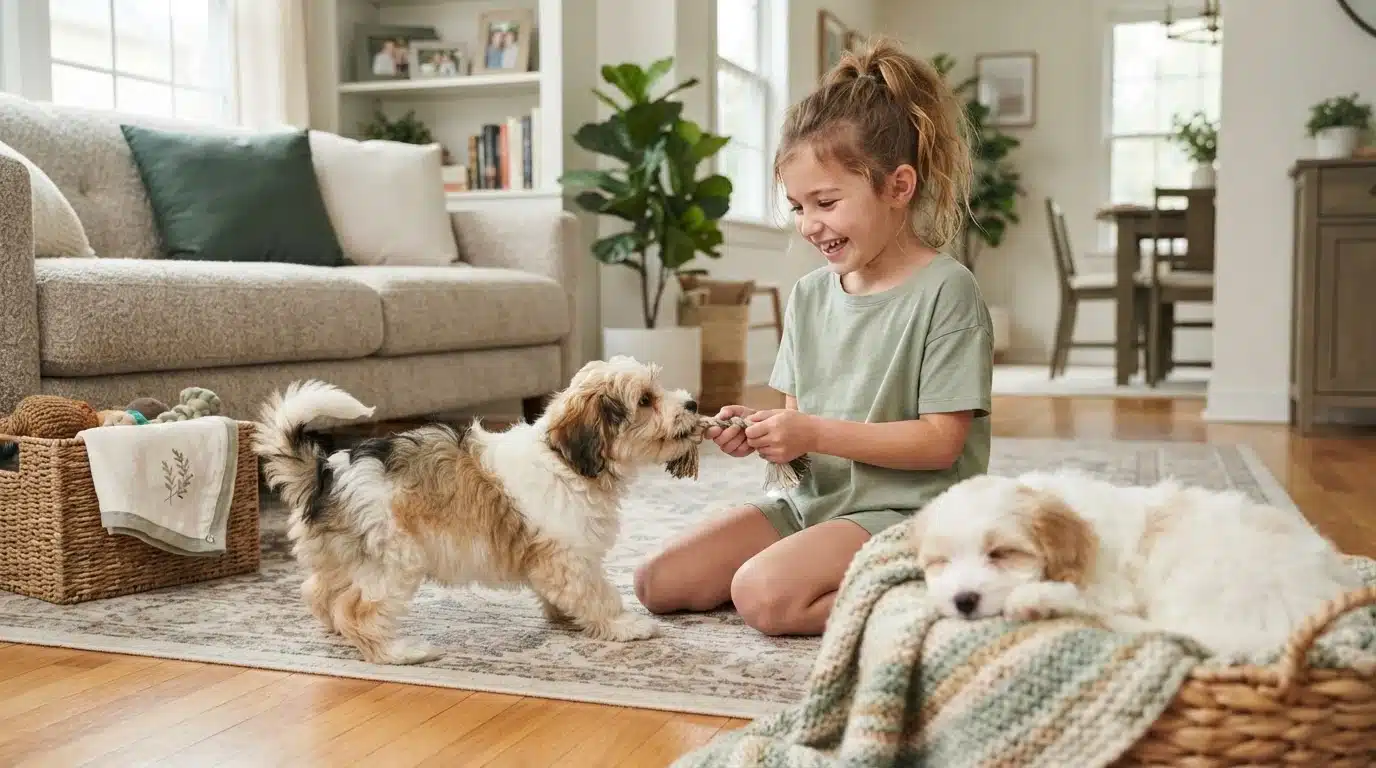
For a family with school-age kids who know how to treat a dog, the Havapoo usually has the edge. Its Havanese side brings a slightly tougher body, a steadier nerve, and a love of group activity, so it tolerates a loud household without melting down. Maltipoos do beautifully with gentle, older children or adults who are home often, but a stomp or a squeezed hug can frighten them. Match the dog’s confidence level to your household’s energy, and ask breeders how each puppy responded to handling. For families comparing mixes, our Havapoo vs Cavapoo health overview covers related screening questions.
(Word count ~300)
Shedding, Coats, and Grooming Time
Both mixes are low-shed, but the coat under the fluff differs. Here’s what to expect and how much brush time each really takes.

Why Havanese and Maltese Coats Behave Differently
The Havanese has a soft, silky double coat that sheds very little but mats fast, especially where the ears rub the collar. The Maltese carries a single, flowing coat with no undercoat, so it produces less dander but tangles along the chest and legs. Both mixes lean toward the poodle’s tight curls, which trap loose hair until you brush it out.
Brushing, Bathing, and Tear-Stain Routines
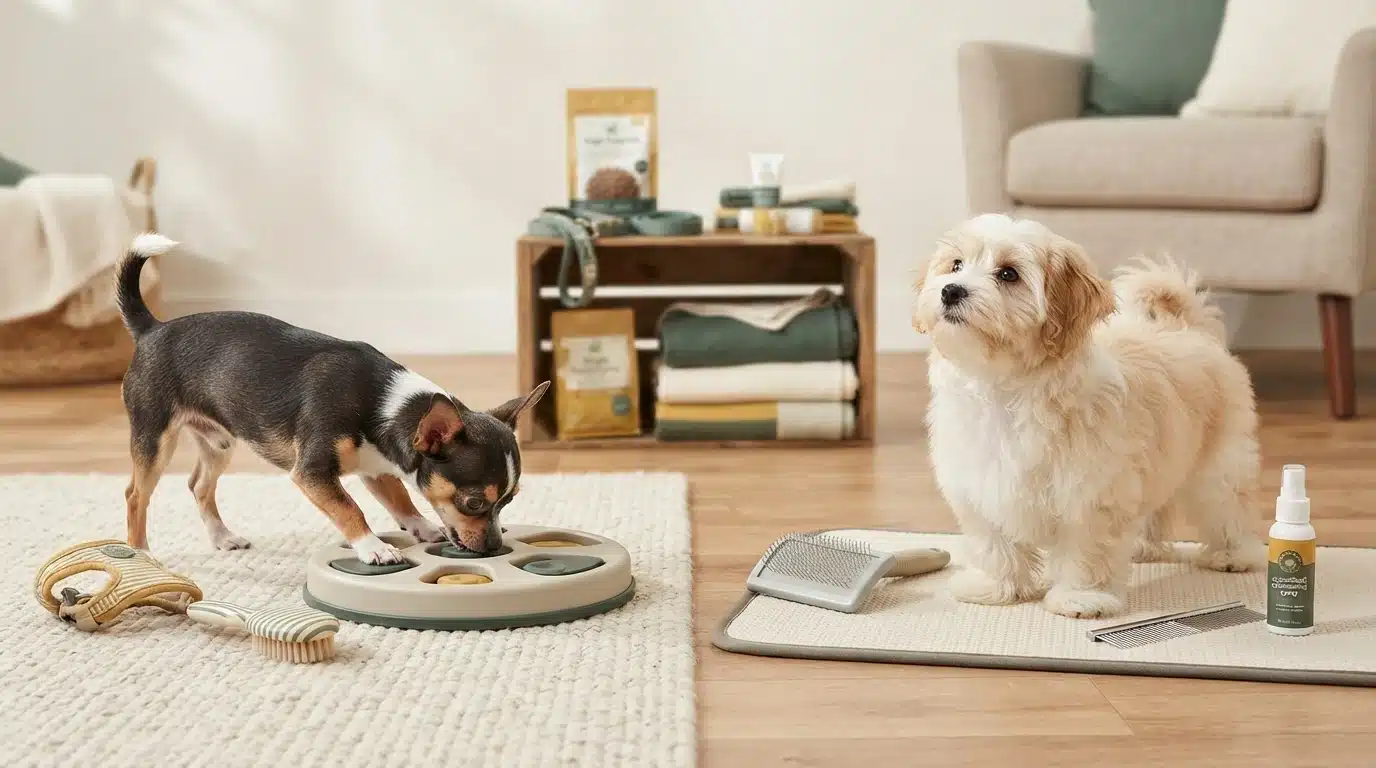
Plan on brushing three to four times a week and a full groom every six to eight weeks for either mix. Most owners keep a shorter “puppy cut” to cut that work in half. White and cream coats show tear staining near the eyes, so wipe the area daily with a damp cloth. A light bath every three to four weeks keeps oils balanced without drying the skin.
Both coats reward routine. Ten consistent minutes beats a two-hour rescue session.
Allergy and Asthma Reality Check
No doodle is truly hypoallergenic, and any breeder who promises one deserves your doubt. Allergens live in dander and saliva, not just hair, so reactions vary dog to dog. Spend time with the parents before you commit if asthma runs in your family. Many mild allergy sufferers do fine with these mixes, but that is a personal test, not a guarantee.
Training, Energy, and Apartment Living
Which Mix Is Easier to Train
Both mixes come from bright breeds, so neither is hard to teach. The Havapoo often has a slight edge because the Havanese was bred to work closely with people, and that focus makes early lessons stick. Maltipoos learn fast too, though some get distracted more easily during short sessions. Either way, keep sessions under ten minutes and use treats. For step-by-step help, our Havapoo training tips for new owners cover the first commands.
Daily Exercise and Mental Enrichment
A Maltipoo usually needs 30 to 45 minutes of activity each day, while a Havapoo lands in a similar range thanks to its Havanese side. One brisk walk plus indoor play covers most of it. Split the rest into sniffing games, puzzle feeders, and a short training drill. A tired doodle is a quiet doodle, and mental work tires a small dog faster than a second walk.
Apartment, Noise, and Neighbor Etiquette
Both mixes suit apartments, but barking habits differ. Maltipoos can turn into alert barkers when hallway noises draw their attention, and boredom makes it worse. Teaching a “quiet” cue early, along with routine exercise, keeps the habit from forming. The Havapoo tends to be a bit more laid-back about neighborhood sounds, though no puppy is silent by default. In our program we raise litters in a home setting, which helps puppies adjust to normal household noise before they join your apartment.
Plan potty breaks around your schedule too; small bladders need frequent outings in an apartment setting.
Health, Lifespan, and Choosing a Health-Tested Puppy
Both mixes are generally healthy, but their lifespan and risk profile differ in ways worth knowing before you commit.
Realistic Lifespan and Aging for Each Mix
Expect a long companionship either way. Maltipoos often reach 12 to 15 years, and the Havanese side gives Havapoos a similar range, with many thriving into their mid-teens. Small dogs age more slowly than large breeds, so most health issues appear as stiff joints or dental disease in later years rather than sudden problems. Plan for twice-yearly senior vet visits after age nine.

Parent-Breed Risks That Actually Matter
Small doodles share a few predictable weak spots. Loose kneecaps (patellar luxation), hip dysplasia, and inherited eye disease show up in both Havanese and Poodle lines. The Havanese Club of America’s testing guide lists hip and patella evaluation plus annual eye exams as core screening for the breed. Maltese add a risk of small-airway issues and dental crowding, so Maltipoos need consistent tooth brushing. None of these are reasons to avoid either mix, but they are reasons to choose parents that were screened rather than guessed at. Our guide to Havapoo and Cavapoo health issues breaks this down further.
What Health Testing Should Buyers Ask For
Ask any breeder for OFA or CERF documentation: patella evaluation, a hip exam where the parent’s size allows it, and a recent eye check by a veterinary ophthalmologist. Results should be searchable in the OFA database, not just claimed. A breeder who shares paperwork willingly is telling you something important.
Cost, Availability, and Climate Considerations
What a Well-Bred Puppy Actually Costs
Expect to pay $3,500 to $4,500 for a well-bred Havapoo from a program like Sage Puppies. Maltipoos from quality breeders often fall in the same range, though teacup lines can run higher. Price usually reflects health testing on the parents, early socialization, and vet care, not just the coat color. Budget extra for the first year: vaccines, spay or neuter, grooming tools, and a crate can add several hundred dollars before your puppy’s first birthday.

Heat, Humidity, and Cold Tolerance
Both mixes inherit the poodle’s weather sensitivity, so neither is an outdoor dog. The Havapoo’s dense Havanese coat handles cool weather a bit better, but it can overheat in humid summers. The Maltipoo’s finer Maltese coat offers less insulation, so it feels cold quickly. Either way, keep walks short in extreme temperatures, offer water often, and watch for heavy panting in summer.
Pickup vs Delivery for Out-of-State Families
If a breeder is outside driving distance, compare how each program moves puppies. Reputable breeders arrange a flight nanny who flies in-cabin with your puppy, or you can plan your own out-of-state puppy pickup. Ask what’s included: transport fees usually add $400 to $800 on top of the purchase price, so confirm totals before you commit.
Which Should You Choose: Havapoo or Maltipoo?
Both mixes make wonderful companions, so the real question is how each one fits your home. Match the dog to your household, schedule, and the kids or pets already in it.
Choose the Havapoo If…
Pick a Havapoo when your family wants a sturdier small dog that rolls with real life. The Havanese side brings a social, people-first temperament, and the slightly larger frame (roughly 8 to 15 lb) handles clumsy kid hugs and busy households better than most tiny breeds. Havapoos suit first-time owners who want an eager, biddable puppy that trains quickly and stays playful without demanding serious exercise. If you love the idea of a shadow that follows you from room to room and greets every guest, this mix fits.
Choose the Maltipoo If…
Choose a Maltipoo when apartment living or a very small adult size is the priority. At 5 to 12 lb, with teacup and mini lines available, this mix suits condos, frequent travelers, and owners who want a lap-focused companion. Maltipoos bond tightly with one or two people, so they shine with singles, couples, and retirees. Keep in mind their smaller frame needs gentler handling, so they do best with older kids or adults rather than toddlers.
Your Next Step With Sage Puppies
Honest matching beats clever marketing, whichever mix wins on paper. At Sage Puppies, our owner-managed program in South Jordan, Utah, breeds Havapoos alongside Havanese and Cavapoos, and we tell families plainly when our breeds aren’t the right fit. If a Havapoo sounds right, review our Havapoo puppies page, then complete the application to start the conversation. Whatever you decide, take your time and choose the breeder, not just the breed.

If the Havapoo’s sturdy, people-first nature fits your family, the next step is simple. Start an application with Sage Puppies, and Cassie’s team will match you with a well-bred puppy and guide you through every detail before your new companion comes home.
Frequently Asked Questions
Q1: Which is better for families, a Havapoo or Maltipoo?
The Havapoo usually wins for families. Its sturdier 8 to 15 lb frame and steadier nerve handle busy, kid-filled homes better than the smaller, more sensitive Maltipoo.
Q2: Are Havapoos or Maltipoos easier to train?
Havapoos have a slight edge. The Havanese’s people-focused working background makes them biddable and food-motivated. Maltipoos learn fast too but get distracted, so keep sessions short and upbeat.
Q3: Which sheds less, Havapoo or Maltipoo?
Both shed very little. The Maltipoo’s Maltese heritage means slightly less dander, but neither is truly hypoallergenic. Spend time with the parents if allergies run in your family.
Q4: How much grooming does each mix need?
Brush three to four times weekly and plan a full groom every six to eight weeks. A shorter puppy cut roughly halves the work.
Q5: How much should I budget for either puppy?
Well-bred puppies from quality programs run about $3,500 to $4,500. Add several hundred dollars the first year for vaccines, grooming tools, and a crate, plus $400 to $800 for delivery.
The Final Word
Neither mix wins outright; your household does. The Havapoo suits families with kids and first-time owners who want a sturdier, eager-to-train companion. The Maltipoo suits quieter homes that want a tiny, devoted lap dog. Both are low-shed, long-lived, and apartment-friendly, so grooming and exercise rarely decide the choice. Health testing and breeder honesty matter more than the label on the mix. Price is similar too, roughly $3,500 to $4,500 for a well-bred puppy either way. If the Havapoo’s social, people-first temperament sounds like your dog, Sage Puppies raises Havanese-based companions in South Jordan, Utah, and the Havapoo pages above show exactly what that looks like.