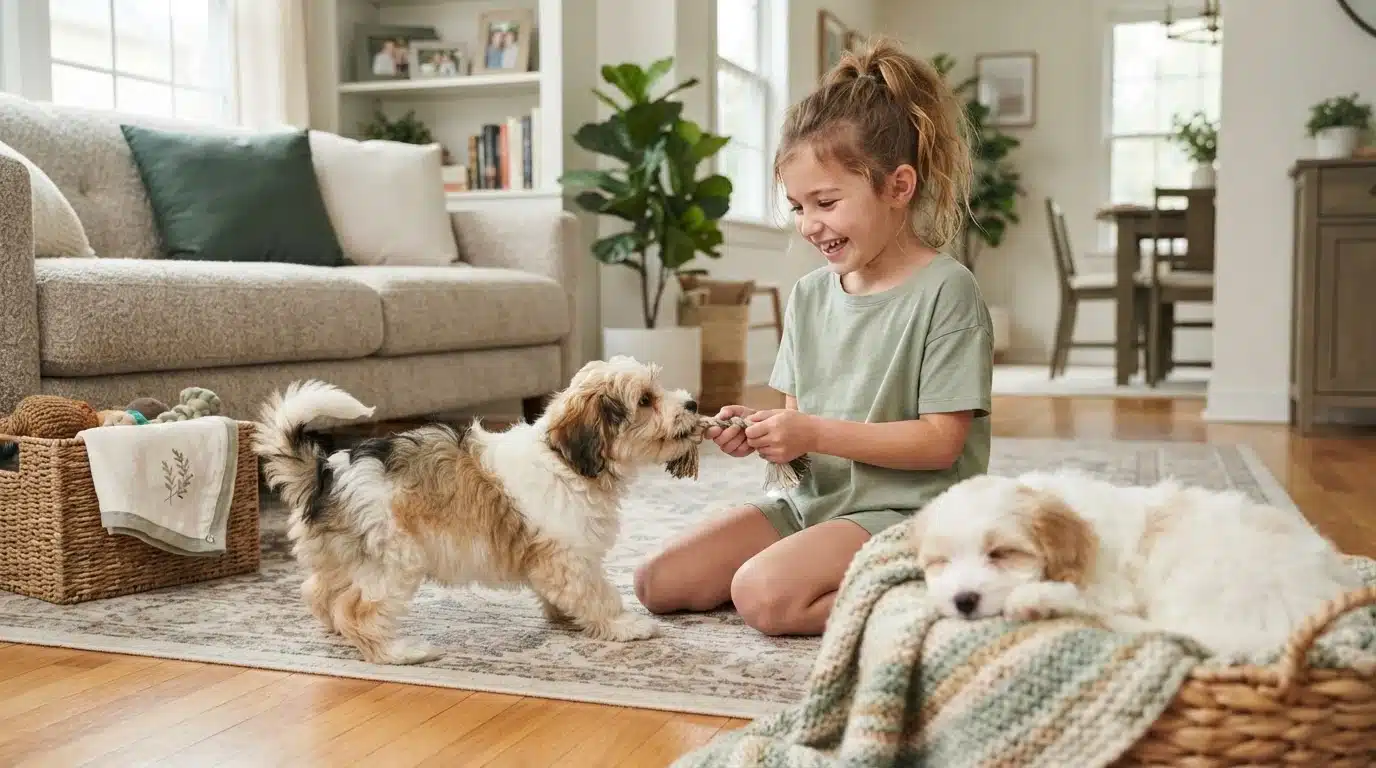
Quick Summary: Choose a Havanese only if you can sustain daily grooming, because its silky coat needs about 30 minutes of brushing most days and roughly 3.5 hours each week. A short-coated small breed puppy usually needs only 2 to 3 brushing sessions weekly, totaling about 45 minutes. Both need 3 to 4 small meals, around 30 minutes of split activity, positive-reinforcement training, and midday care during early puppyhood; Havanese puppies also tend to need more company and careful management of barking and separation anxiety.
If you are choosing between a small breed puppy and a Havanese puppy, the difference you will feel every day is not personality. It is the brush. A Havanese puppy’s long, silky coat needs hands-on grooming about 30 minutes most days. Skip a few sessions and you will pay for it in matting work later. A short-coated small breed puppy may need brushing two or three times a week. Almost everything else, from meals to vet visits, looks alike in small breed vs Havanese care.
Most first-time families research looks first and the boring, repeating work last, yet that work decides whether the dog fits your schedule. This small breed vs Havanese care comparison covers grooming, feeding, exercise, training, time alone, and health checks with weekly time estimates. It ends with a clear pick based on the handling time you truly have, drawn from current veterinary breed guidance rather than breeder marketing.
Small Breed Puppy vs Havanese Puppy: Daily Care at a Glance
| Small breed puppy (generic toy and small companion puppy) | Havanese puppy | |
|---|---|---|
| Coat and grooming time | Brush 2 to 3 times a week; nail trim every 2 to 4 weeks; coat work varies widely by breed | Daily brushing, at least four days a week minimum; daily is best; plus regular haircuts |
| Feeding routine | Three to four small measured meals a day for puppies; portion adjusted with your vet | Three to four small meals a day on a schedule to help keep blood sugar stable |
| Exercise and play | Several short walks plus daily play; adjust total time to age and energy | About 30 minutes total daily activity, split into 10-minute walks or play |
| Training and barking | Basic cues and house training take steady work; barking varies widely by breed | Highly trainable with positive reinforcement; has a reputation for barking |
| Time alone at home | Gradual alone time builds gradually; some small breeds cope better than others | Dislikes being left alone; separation anxiety is common; crate with enrichment helps |
| Health monitoring | Watch weight, teeth, eyes and joints; dental care is a priority for small breeds | Watch for patellar luxation, Legg-Calve-Perthes under 18 months, PRA and dental disease |
How Small breed puppy (generic toy and small companion puppy) and Havanese puppy Compare
The comparison of small breed vs Havanese care comes down to one main difference: coat and companionship time. Both puppies need small meals, short walks and steady training. But a generic small breed puppy’s routine is driven mostly by size and energy, while a Havanese puppy’s routine is driven by its coat and its need to be with you.
Key strengths
- Simple coat care: brushing 2 to 3 times a week and a nail trim every 2 to 4 weeks
- Flexible exercise that scales with age and energy
- Gradual alone-time training works for many small breeds
Havanese puppy
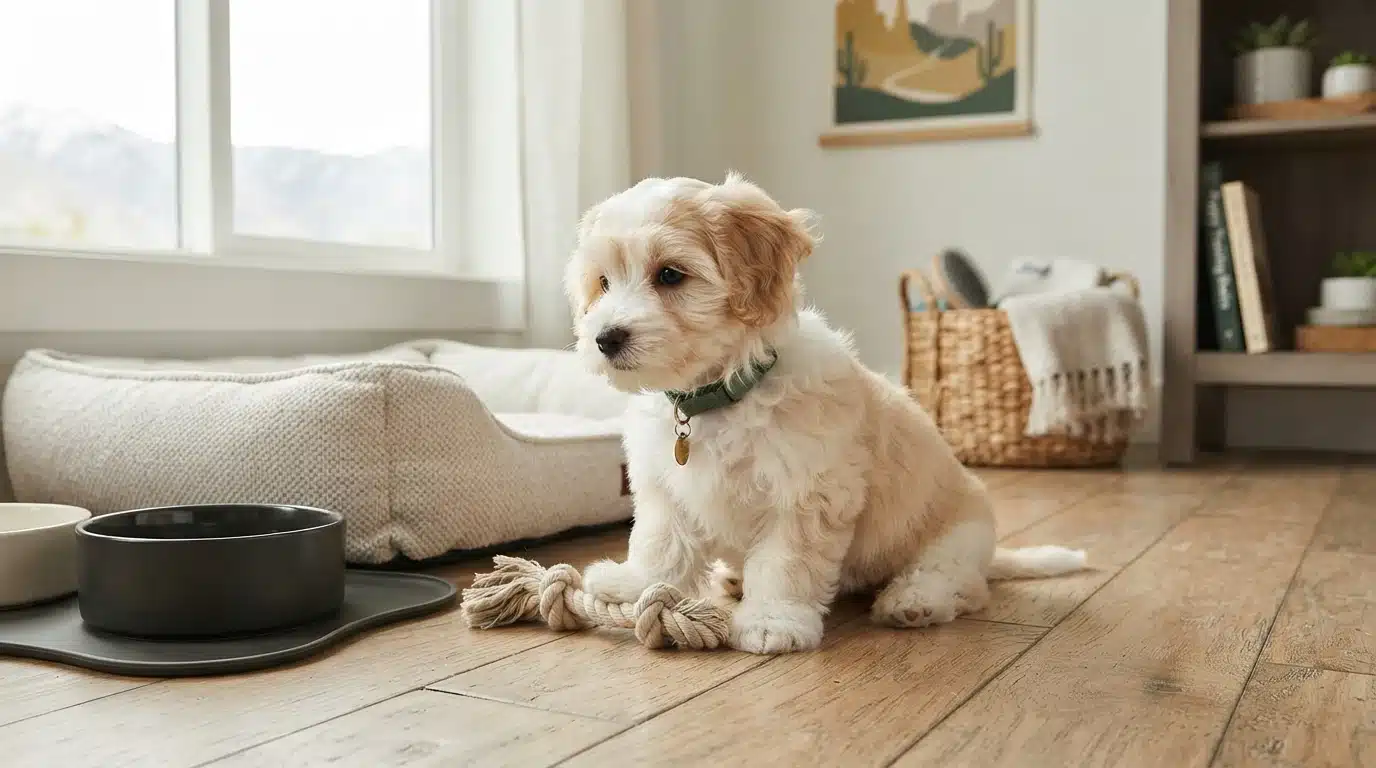
A Havanese is a long-coated toy breed from the Barbichon family, known for being bright, affectionate and very people-oriented. It suits owners who can commit to daily brushing and plenty of company, including many of the Havanese and Havapoo families we match at Sage Puppies.

Key strengths
- Highly trainable with positive reinforcement
- About 30 minutes of daily activity, easily split into short sessions
- Deeply bonded companion temperament for attentive households
Coat Care: Where the Two Routines Diverge Most
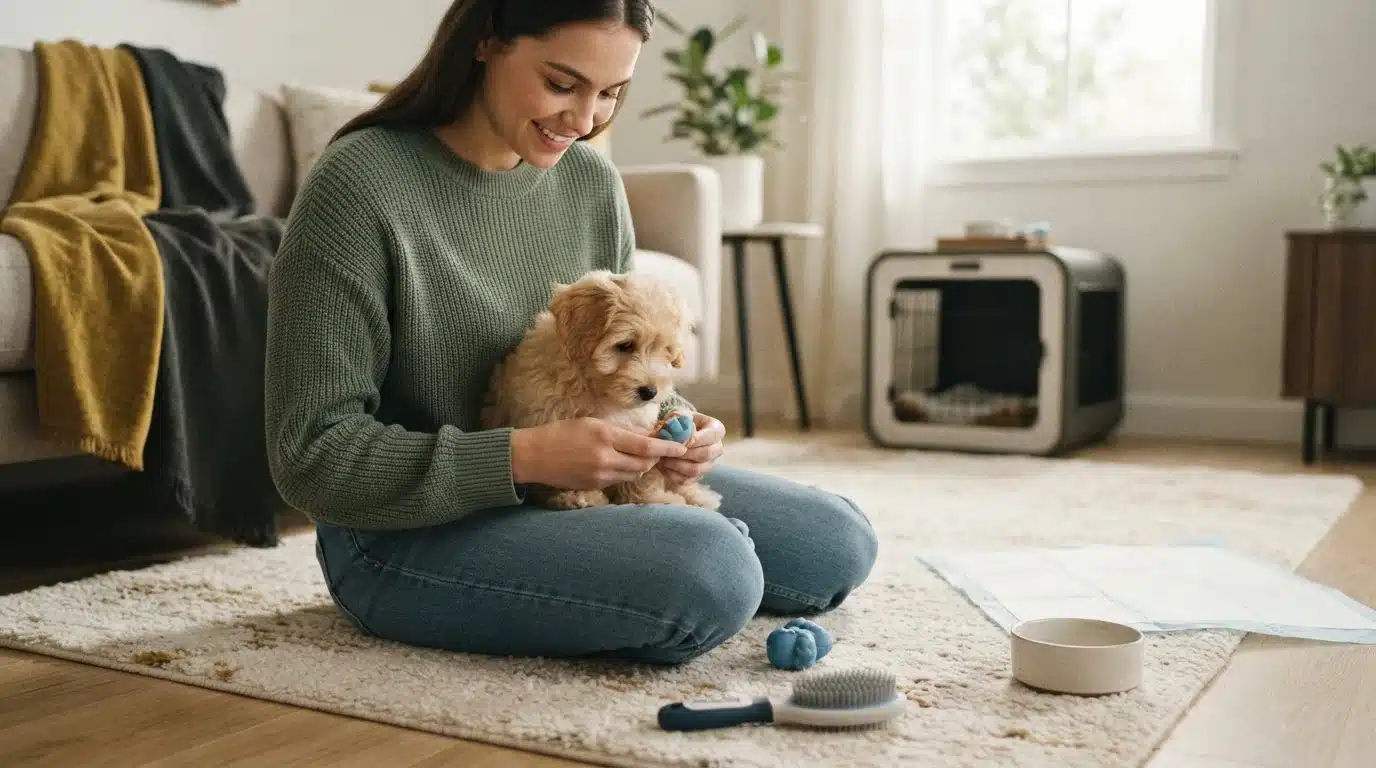
Coat care is the clearest difference between these two routines. Most short-haired small breeds need 10 to 15 minutes of brushing a few times a week. A Havanese in a longer coat needs close to 30 minutes most days, and the AKC breed profile says daily grooming is the only way to keep that silky coat free of mats. Choose a short “puppy cut” and the gap narrows, but it never fully closes.
What Brushing Actually Costs You Each Week
Do the math before you commit. A generic small breed puppy gets brushed 2 to 3 times a week, roughly 45 minutes total, plus a nail trim every 2 to 4 weeks. A Havanese on daily brushing spends 3.5 hours a week, every week, for the life of the dog. Skip a few days and mats form close to the skin, which often means a professional shave-down and an awkward-looking puppy. Some Havanese owners compromise: the breed club notes a full adult coat can be managed with 2 to 3 sessions a week if you never brush the coat dry. Even so, the Havanese side of the ledger is always heavier.
Baths, Skin and the Twice-a-Month Ceiling
Both puppy types do best with a bath about every two weeks, or sooner after a muddy play session. More frequent washing strips natural oils and can irritate small-breed skin. The difference is what happens after: towel-drying a beagle-type pup takes minutes, while a Havanese needs a full blow-dry and brush-out or the damp undercoat mats overnight. Budget the extra 20 minutes.
Face, Eyes and Ears: Small Breeds All Need It
Here the routines converge. Both types need daily eye wiping, since small breeds with short muzzles tear up easily, plus ear checks each week and teeth brushing most days. A Havanese adds hair around the eyes that grows into the lashes, so you will trim or tie it back. Either puppy deserves a coat-care routine started young; if you want a step-by-step version, this Havanese grooming guide for first-time owners walks through it.
How Both Puppies Eat on the Same Schedule
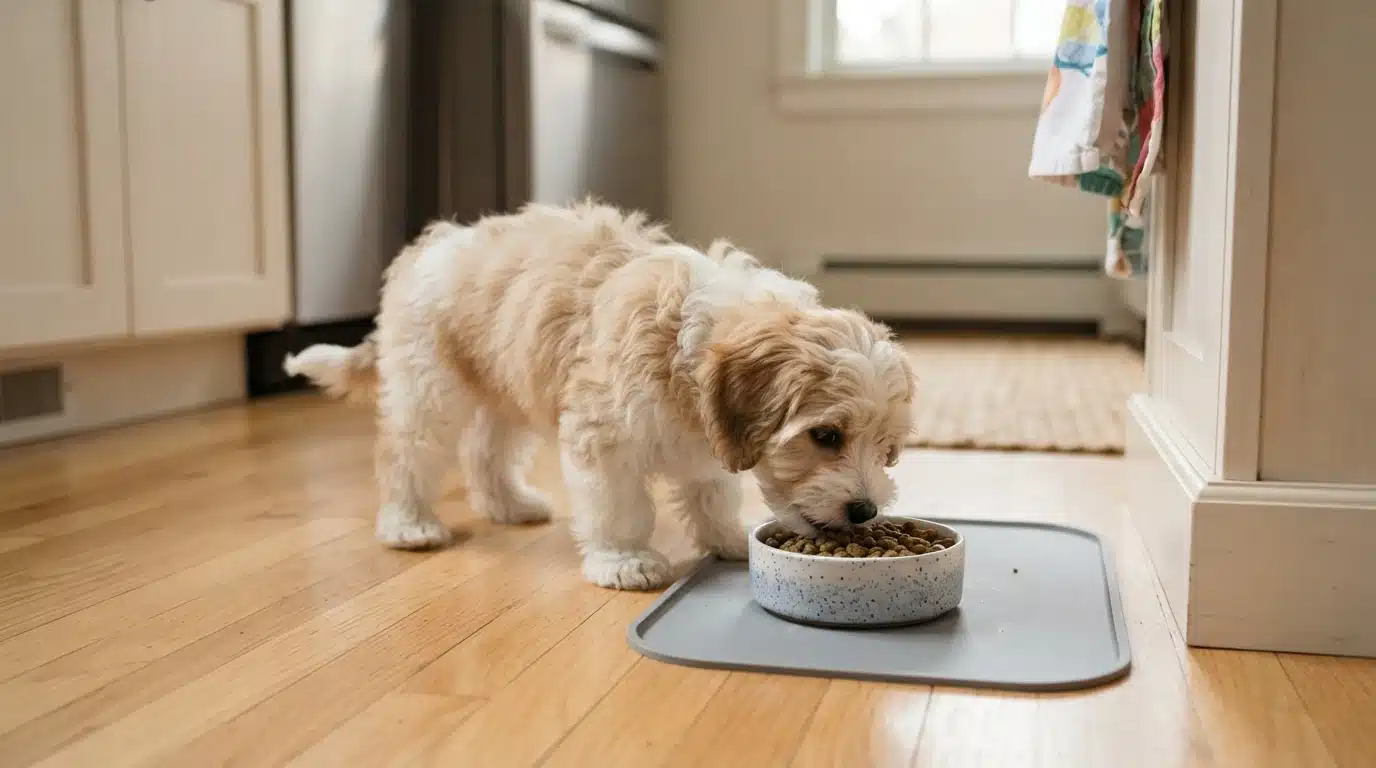
Feeding is the one part of daily care where the two puppies look almost identical. Both are small breeds, so both need frequent, small meals while they grow. Most vets recommend four meals a day for toy and small breed puppies until about six months, then three meals until adulthood, according to PetMD’s puppy feeding chart. The clock looks the same for a Havanese puppy and any other small breed puppy. What changes is how you fill each bowl.
Portion Size Is a Conversation, Not a Number
A Havanese adult typically weighs 7 to 13 pounds, so portions stay modest and precision matters. A generic small breed puppy might land anywhere from 8 to 20 pounds as an adult, which shifts the daily total. The honest method is the same for both: start with the feeding chart on your puppy food, then weigh your puppy every two weeks and adjust with your vet. Banfield’s guide notes small breeds may need slightly more calories per pound than the chart suggests, so treating portions as a starting point beats treating them as a rule.
Food Choice and the Dental Overlap
Small breed kibble is smaller and often shaped to encourage chewing, and both puppies can eat the same quality puppy formula. The dental difference shows up later. Small breeds as a group are prone to tartar buildup, so a kibble the puppy actually crunches helps more than a soft food it swallows whole.
Water, Treats and a Daily Log
Keep fresh water down all day and cap treats at about 10% of daily calories, or you will unbalance a portion plan that only allows a few tablespoons per meal. A fridge log of meals, treats and potty output makes patterns obvious within a week; our week-one feeding schedule walks through that first stretch hour by hour.
Exercise, Training and the Barking Question
Small breed puppies and Havanese puppies need about the same daily movement, roughly 30 minutes split into short sessions. The difference is intent. A Havanese is a companion breed that wants to work with you, so training doubles as exercise and burns mental energy faster than a walk does.
Splitting Activity Into Short Blocks
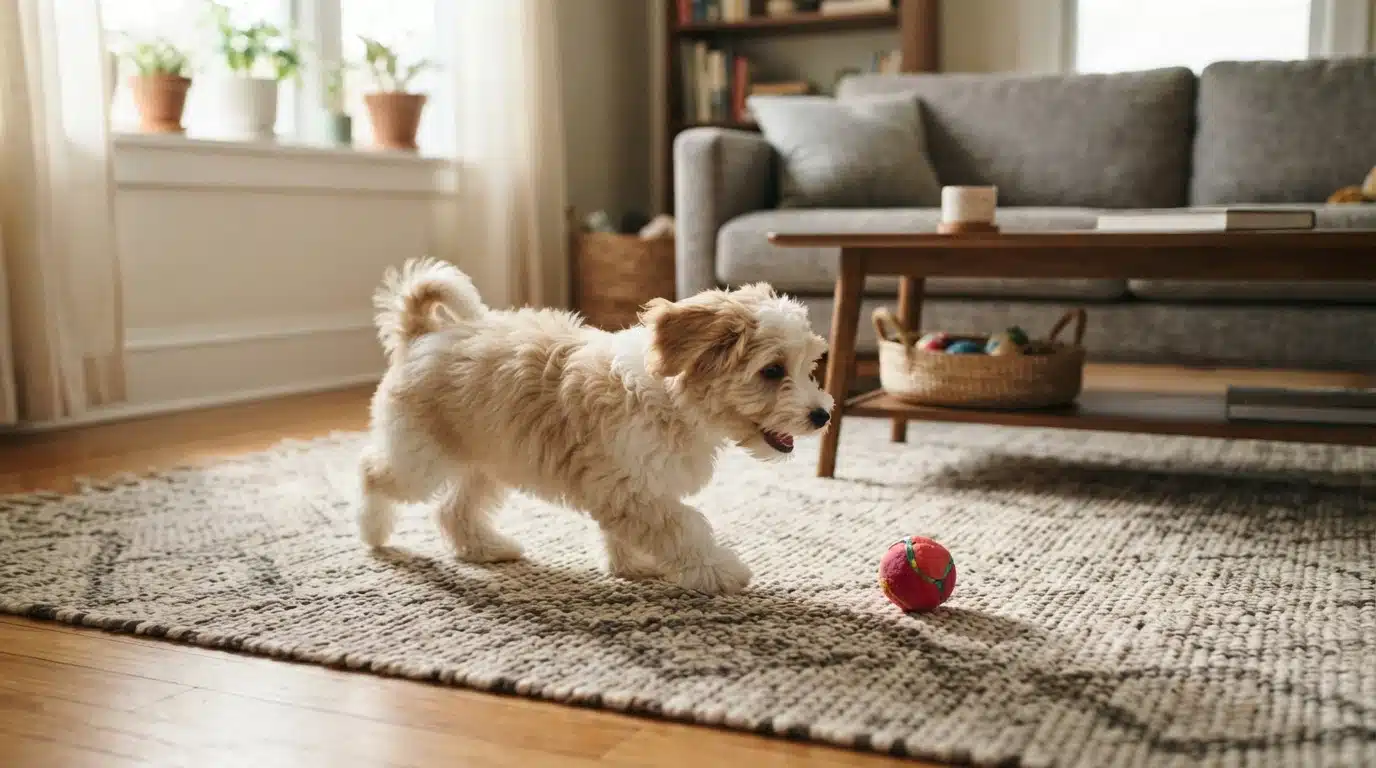
Puppy joints and attention spans both prefer short bursts. Plan two or three 10-minute blocks a day: a brisk walk, a game of fetch down a hallway, or a sniffing session in the yard. The AKC breed profile describes the Havanese as having moderate exercise needs, happiest with a daily walk or backyard play with its owner. Free play counts, but keep jumping off furniture and stairs limited while joints are still forming. If your puppy flops down mid-session, that is your signal to stop, not push through.
Positive Reinforcement and the First Three Cues
Both types of puppies learn fast with food rewards and short lessons. Start with three cues: name recognition, sit, and come. Five-minute sessions, two or three times a day, beat one long drill. Havanese puppies are famously eager to please, so pair praise with tiny treats and they will repeat what works. Generic small breed puppies vary; some are just as biddable, others more stubborn. Either way, end every session on a success so the puppy wants the next one. Group puppy classes help with socializing too, which the breed club lists as a way to curb problem behaviors like barking and jumping.
Barking and Crate Training as Prevention
Havanese dogs can be vocal, and demand barking forms quickly if it ever gets rewarded. Do not respond to barking for attention. Wait for quiet, then reward it. Crate training helps here: a puppy napping in a crate cannot practice barking at every passing sound, so the habit never starts.
Time Alone: The Part Families Underestimate
Puppies sleep a lot, but they cannot hold their bladder or their nerves for a full workday. A young puppy under six months needs a break every three to four hours, and the first weeks home are the hardest stretch. Plan for help before the puppy arrives, not after the accidents start.
Building Alone Time Gradually
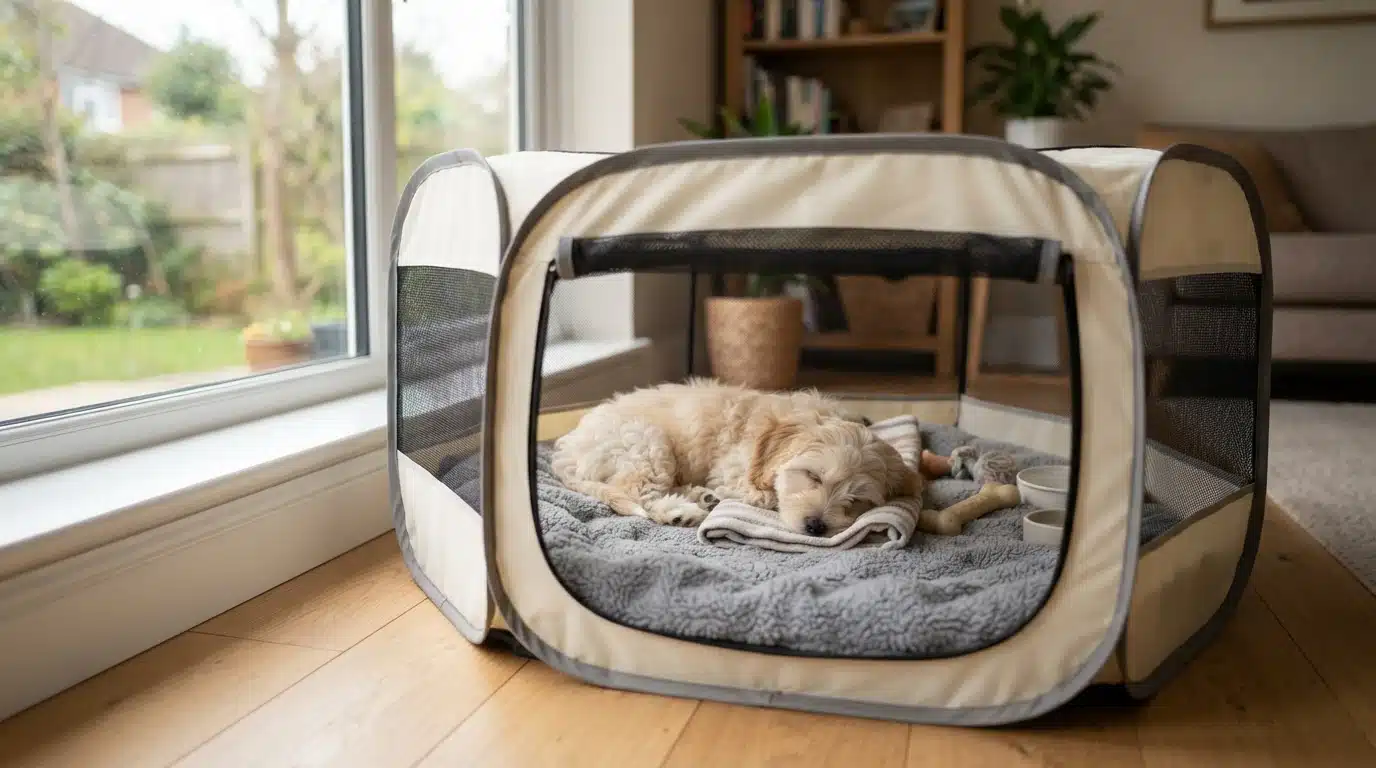
Start with minutes, not hours. Leave the puppy in its pen for five minutes while you step outside, then return calmly. Stretch the sessions a little each day so alone time feels routine instead of alarming. Pair every departure with a stuffed chew toy so the pen predicts something good. Skip dramatic goodbyes; they teach your puppy that leaving is a big deal. If your puppy whines for a few minutes, wait for quiet before you come back in.
Working Hours and Midday Help
No puppy should hold it through an eight-hour shift. Arrange a dog walker, a neighbor, or a lunchtime trip home so someone lets the puppy out midday. A doggy daycare usually accepts puppies after their vaccine series, which for many families lands around four months. Until then, plan like a newborn is coming home, because for the first few weeks, one is.
Homes That Suit Each Puppy Better
Neither type is a “leave in the crate all day” dog. Havanese bond hard with their people and can grow clingy without steady practice. Any small breed puppy does best with company, short absences, and a predictable routine.
If you are weighing your daily schedule before you choose, the team at Sage Puppies helps families match a puppy to real routines during the application process. Wherever you get your puppy, honest planning about midday care matters more than the breed on the paperwork, a point worth confirming before you pick up any puppy, including through this small breed puppy adoption guide.
Health Watch List: What You Check Every Day
A small puppy hides problems well. With a body this size, one skipped meal or a sore knee can turn serious fast, so daily checks matter more than vet visits alone.
The Ten-Second Daily Check
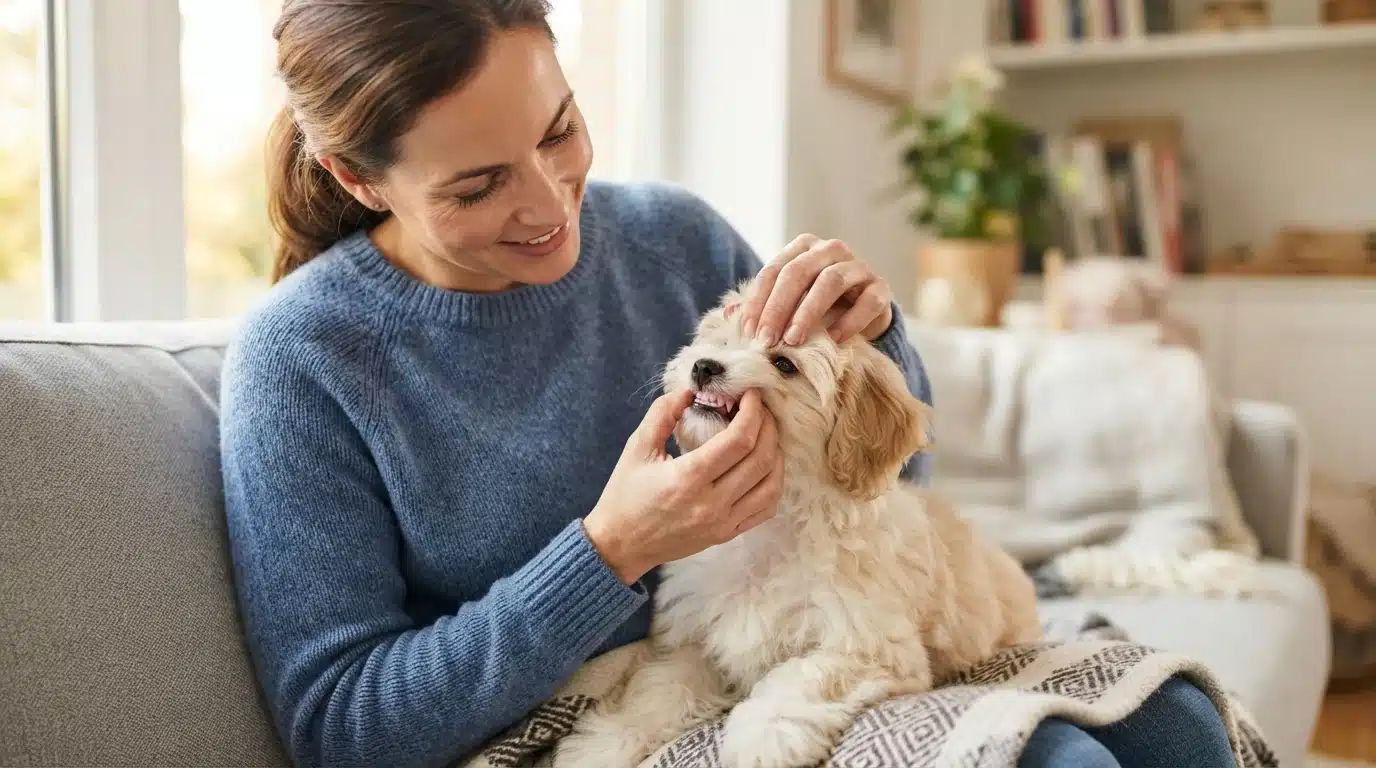
Run through the same quick routine once a day. Feel the ribs under the coat, look at the eyes for cloudiness or goop, check the ears for redness or smell, and watch your puppy eat. Also note appetite, water intake and stool quality, since those three shift first when something is wrong. It takes seconds, and it turns you into the early warning system. Log anything odd for two days. If it persists, call your vet rather than waiting it out.
Knees and Hips in Young Toy Breeds
Small breeds share a few joint risks. Patellar luxation, where the kneecap slips out of its groove, is common in toy dogs, and PetMD’s Havanese breed guide lists it among the breed’s main concerns. Watch for a sudden skip in the back leg, a bunny-hop run or a puppy that briefly holds one leg up, then walks fine. Legg-Calve-Perthes, a hip joint disorder seen in small breeds, is another OFA-documented risk. Report these signs early. Both conditions respond far better when caught before habits of guarding the leg form.
Teeth, Eyes and Coat Condition Over Time
Weekly, look deeper. Lift the lips and check for brown tartar, because small breeds build dental disease fast. Bright eyes should stay clear, with no squinting or redness. Run your hands over the coat for mats behind the ears and under the legs, where a Havanese coat tangles first. Coat, eyes and teeth change slowly, so a one-line note each week shows the trend. Breeders who screen breeding dogs for these conditions, as responsible Havanese programs do, reduce but never remove the risk. Your daily habits handle the rest.
Choosing Between the Two Daily Routines
Pick by Weekly Hours, Not by Looks
Both puppies cost you roughly the same time for feeding, play, and vet visits. Exercise stays close to even at about 30 minutes a day, split into short blocks. The real difference is the coat. A Havanese in a longer coat needs brushing most days, which adds up to about 3.5 hours a week for the life of the dog. A typical small breed puppy needs closer to 45 minutes a week, spread over 2 to 3 short sessions.
So ask yourself one honest question: will you keep up 20 extra minutes a day, or will guilt set in by month three? If grooming time feels like a chore already, a shorter-coated small breed fits your life better. If you enjoy the routine, or plan to keep the coat in a short puppy clip, a Havanese works. Some owners compromise with 2 to 3 weekly sessions if they never brush the coat dry. The routine you can actually sustain beats the one you admire.
Questions Worth Asking a Breeder
A good breeder will tell you the truth about daily work, not just the cute parts. Bring these questions to any conversation:
- How much brushing does your line’s adult coat actually need, in your experience?
- What grooming schedule do your puppy families follow after the first year?
- Can I see or meet an adult dog from your program to judge the coat myself?
- What daily routine did this puppy follow in your home, so I can keep it consistent?
You might also ask how a program matches puppies to families. Some, like Sage Puppies, use an application and owner-led matching process to pair a puppy’s needs with what a household can realistically give. That kind of honesty helps on both sides.
Ask about the coat, not just the puppy. The grooming commitment lasts 12 to 15 years; the puppy stage lasts months.

If you’ve read the numbers and decided a Havanese fits your routine, the next step is finding the right puppy. At Sage Puppies, every litter is owner-managed and matched to your home, so you start daily care with a puppy already suited to it. Apply today and we’ll talk through grooming time, feeding, and what your first month will look like.
Frequently Asked Questions
Q1: How do the daily care needs of a small breed puppy and a Havanese puppy compare?
Feeding, exercise, and vet care look almost the same. The real difference is coat time: a Havanese needs about 3.5 hours of brushing weekly, while most short-coated small breeds need closer to 45 minutes.
Q2: Can I keep a Havanese in a short puppy cut to reduce grooming?
Yes. A short clip narrows the gap significantly, though brushing still stays more frequent than a short-coated breed requires. Never brush the coat dry, and keep sessions short and consistent.
Q3: Do Havanese puppies bark more than other small breeds?
They have a reputation for it, but demand barking usually forms when attention rewards it. Wait for quiet before responding, and crate training with enrichment prevents the habit from starting.
Q4: How long can either puppy stay alone during a workday?
Neither should hold it through eight hours. Puppies under six months need a break every three to four hours, so arrange a walker, neighbor, or midday visit home.
Q5: What health signs matter most day to day?
Do a ten-second daily check: ribs, eyes, ears, appetite, water, and stool. Watch for back-leg skips or bunny-hopping, which can signal patellar luxation, and call your vet if anything lasts two days.
Conclusion
The daily care comparison between a small breed puppy and a Havanese puppy comes down to two numbers: 45 minutes of weekly brushing for most short-coated small breeds, and about 3.5 hours for a Havanese. Everything else runs on nearly the same clock. Both need three to four small meals a day, roughly 30 minutes of split activity, steady positive reinforcement training, and a midday break during the first months. Both also share the same watch list: knees, teeth, eyes, and coat condition checked daily and weekly. Pick by the grooming time you can honestly sustain, because that routine lasts 12 to 15 years.