Quick Summary: Small puppies face many winter risks like hypothermia, frostbite, antifreeze poisoning, and paw irritation from de-icers. The article emphasizes quick detection and prevention through routines like limiting outdoor time, using protective gear, and supervising outdoor activities. It highlights that a tailored safety plan based on the puppy’s size and coat helps keep them safe year-round, especially during cold weather.
A young puppy can lose body heat faster than most new owners expect. That is especially true during Utah cold snaps, quick driveway walks, and those first weeks after go-home day when small puppies are still adjusting to a new home, new routine, and new weather.
Winter brings several Puppy Health Risks at once. Cold stress, sore paws, toxic spills, slick floors, and hidden dangers near cars or de-icers can pile up fast. For small companion breeds, these problems are not minor. They can turn serious before a family realizes what is happening.
This guide is built to make Seasonal Puppy Care simpler. It ranks the winter risks families should prevent first, explains why each one matters, and shows exactly what to watch for so your puppy stays warm, safe, and comfortable. You will also get practical Puppy Safety Tips you can use right away at home, on walks, and during travel.
We ranked each risk by three things: how serious it can become, how often families run into it, and how much simple routines can lower the danger. That mix helps surface the Puppy Safety Tips that matter most in real life, not just in theory.
The list reflects current veterinary and pet-safety guidance, including AVMA, ASPCA, AKC, Pet Poison Helpline, and proven Puppy Safety Tips used in smart puppy-raising routines.
Quick Comparison
| Risk | Best for | Main danger | How to prevent it | Watch for |
|---|---|---|---|---|
| Hypothermia from cold exposure | Families with young, small, or short-coated puppies | Body temperature dropping too low | Limit outdoor time, use warm layers when appropriate, and bring puppies inside at the first sign of shivering | Shivering, lethargy, weakness, slow movement |
| Frostbite on ears, paws, and tail | Puppies exposed to below-freezing temperatures | Tissue damage on ears, paws, and tail | Keep outings brief, use protective gear when appropriate, and avoid prolonged exposure | Pale skin, cold extremities, pain, swelling after warming |
| Antifreeze poisoning | Every puppy household with vehicle access | Rapid toxicity and possible kidney failure | Store antifreeze securely, clean spills immediately, and keep puppies away from garage and driveway puddles | Drinking from puddles, vomiting, wobbliness, sudden illness |
| Rock salt and de-icer irritation | Puppies walking on treated sidewalks or driveways | Paw irritation and accidental ingestion | Use pet-safe de-icers when possible and wipe paws after every walk | Licking paws, red pads, limping, drooling, vomiting |
| Ice, slips, and falls | New puppies learning winter leash routines | Slipping, falling, or twisting an ankle | Choose cleared routes, use a secure harness, and keep walks short and supervised | Reluctance to walk, limping, yelping, stiffness |
| Cold cars and transport stress | Families traveling with a puppy in winter | Rapid chilling during car exposure | Avoid leaving puppies unattended in vehicles and plan direct handoffs | Shivering, whining, cold ears, lethargy after travel |
| Lost puppy risk in low-visibility weather | Families managing winter handoffs, guests, or outdoor potty breaks | A puppy slipping away in poor visibility | Use a collar with ID, keep gates closed, and supervise every outdoor moment | Open doors, leash slips, gaps in fencing, wandering behavior |
What to know about winter puppy safety
Winter puppy safety is not just about sweaters and short potty breaks. Cold ground, ice melt, slick sidewalks, and even parked cars can put a small puppy at risk fast. Tiny companion breeds lose body heat quickly, so what feels chilly to you can feel harsh to them.
That matters even more for first-time families bringing home a Havanese, Havapoo, or Cavapoo. Small bodies sit closer to frozen pavement. Short legs pick up slush, salt, and chemicals. Young puppies also have less experience, so they can slip, panic, or get too cold before they show clear signs.
A good winter safety plan helps you spot risk early and build simple habits at home, in the yard, and on the go. That is the goal of this checklist. It gives you a puppy-first way to think through cold weather safety before a small problem turns into a stressful one.
1. Hypothermia from cold exposure
Puppies lose body heat fast, and that makes hypothermia the top winter risk. It can start with mild shivering and get serious quickly, especially in small or short-coated puppies. According to the AKC’s hypothermia guide, puppies and small dogs are more likely to lose heat fast, and the AVMA cold weather safety page says very young pets need extra caution in cold weather.
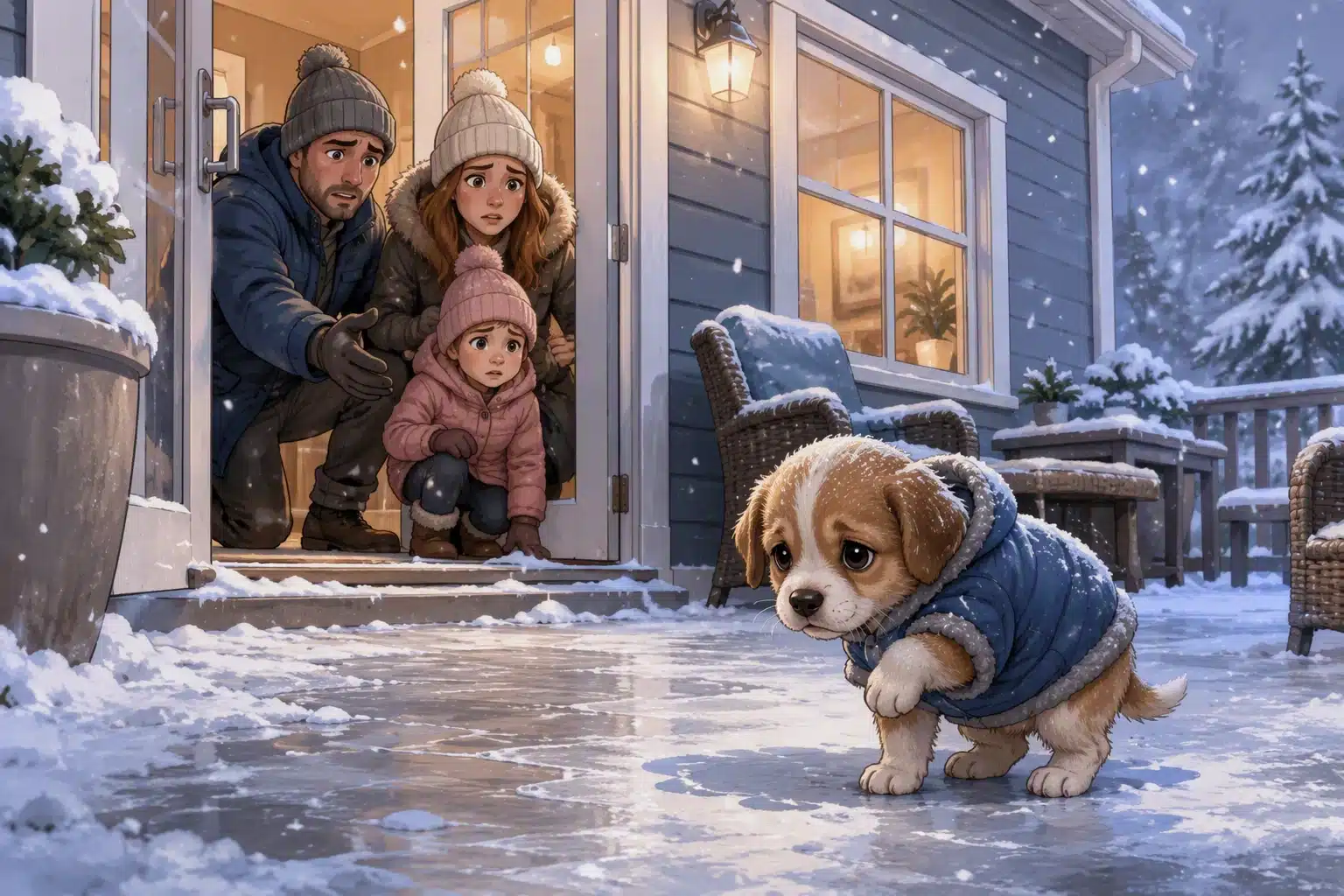
Highlights
- Short walks can still be too long in freezing wind or wet snow.
- Shivering is an early warning sign, not something to wait out.
- Wet fur and icy ground speed up heat loss.
- Young puppies should only have short, supervised trips outside in winter.
Specs
- Best for: Families with young, small, or short-coated puppies
- Main danger: Body temperature dropping too low
- How to prevent it: Limit outdoor time, use warm layers when appropriate, and bring puppies inside at the first sign of shivering
- Watch for: Shivering, lethargy, weakness, slow movement
This ranks first because it is common, easy to miss at first, and can turn dangerous fast in a still-developing puppy.
Last updated: August 9, 2026
Also Read: Havanese, Havapoo & Cavapoo Puppy Care Blog
2. Frostbite on ears, paws, and tail
Frozen skin and tissue can happen fast in severe cold, especially on exposed areas. Frostbite often hits the ears, toes, and tail first, and the tricky part is that damage may not look serious right away. A puppy may come inside only a little uncomfortable while tissue injury is still developing, as noted by the AKC.
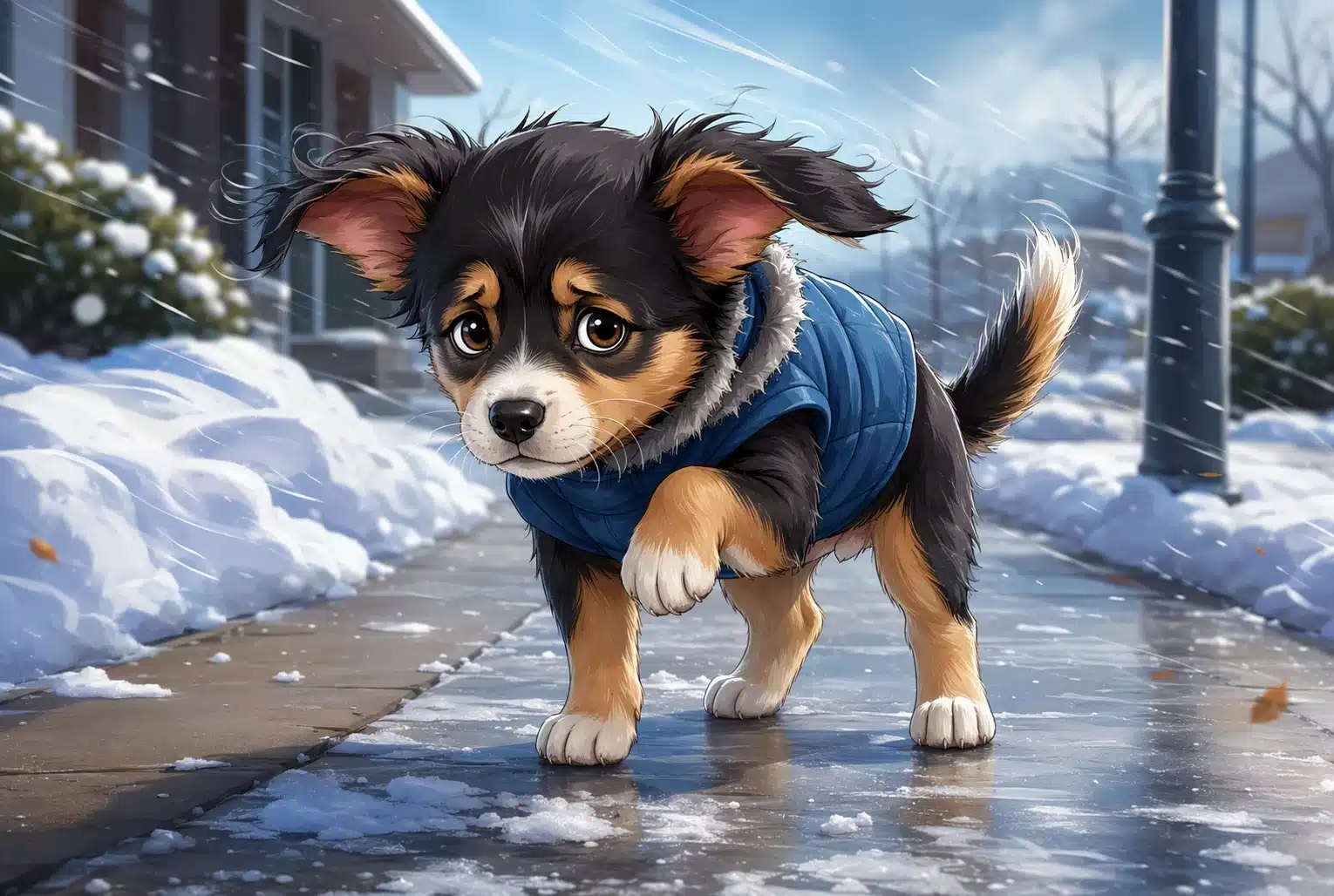
Highlights
- Exposed extremities are the most vulnerable areas.
- Very young, small, and short-haired puppies face higher risk.
- Wet, windy weather makes frostbite more likely, according to the Merck Veterinary Manual.
- Careful paw checks after outdoor time help you catch problems early.
Specs
- Best for: Puppies exposed to below-freezing temperatures
- Main danger: Tissue damage on ears, paws, and tail
- How to prevent it: Keep outings brief, use protective gear when it fits well, and avoid long exposure
- Watch for: Pale skin, cold extremities, pain, swelling after warming
Pros
- Brief potty trips and quick paw checks are easy habits.
- Boots or a warm coat can help small companion puppies.
Cons
- Early damage can be easy to miss.
- Wind chill can turn a short walk risky fast.
It ranks here because it often happens during normal winter walks right after hypothermia becomes a concern.
Last updated: August 9, 2026
Also Read: Puppy Care Blog & Resources | Sage Puppies
3. Antifreeze poisoning
One of winter’s most dangerous toxins is easy to miss. Antifreeze exposure is a true emergency because ethylene glycol is absorbed fast and can cause severe kidney damage, according to the ASPCA’s antifreeze warning.
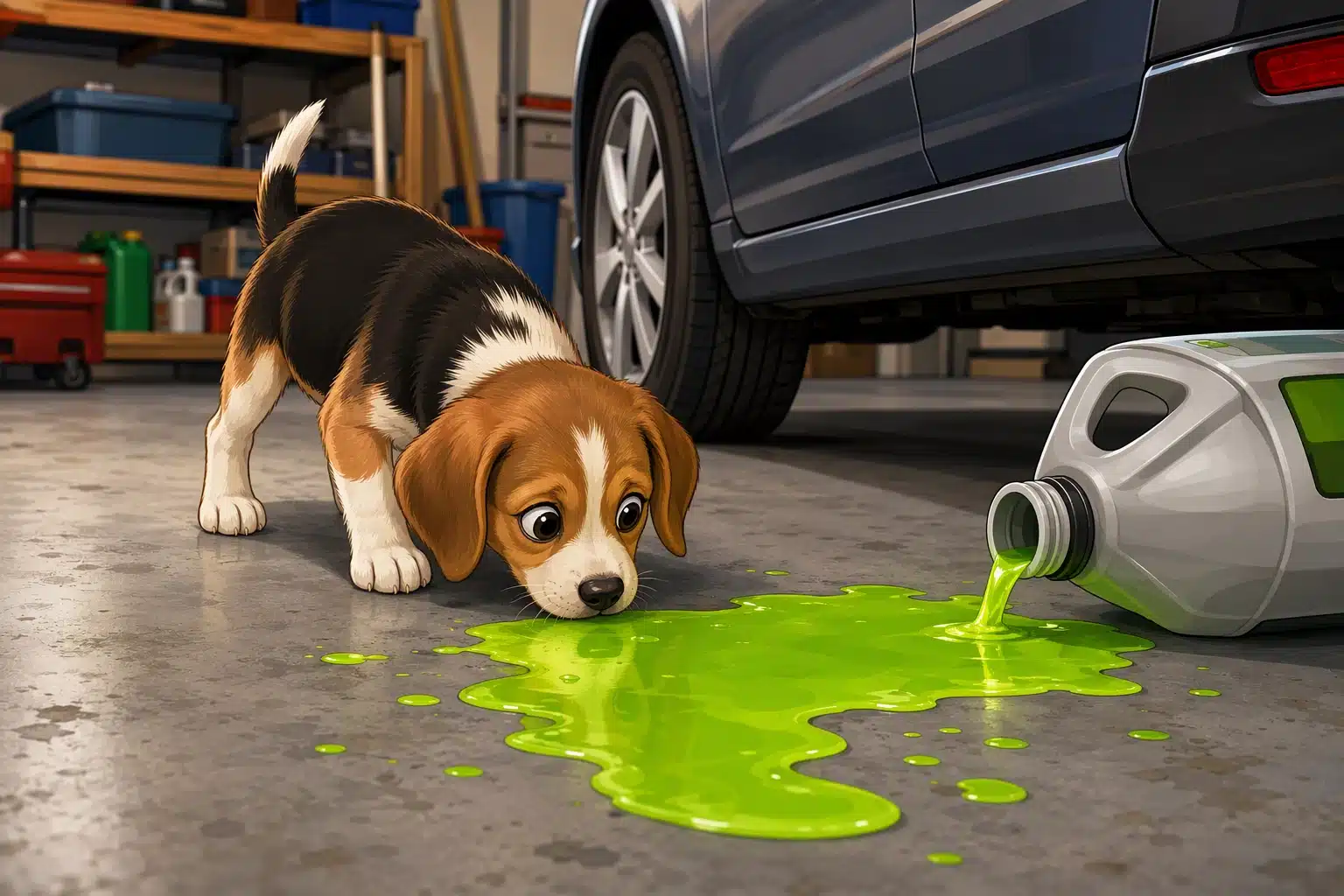
Highlights
- A tiny amount can be dangerous, especially for small puppies.
- Garage floors, driveways, and street puddles are common exposure points.
- Immediate vet care matters more than waiting for symptoms.
- Clean spills right away and store products fully out of reach.
Specs
- Best for: Every puppy household with vehicle access
- Main danger: Rapid toxicity and possible kidney failure
- How to prevent it: Store antifreeze securely, clean spills at once, and block access to garage and driveway puddles
- Watch for: Drinking from puddles, vomiting, wobbliness, sudden illness
Pros
- Fast prevention steps are simple and clear.
- Early treatment can improve the outcome if you act right away.
Cons
- Puppies may lick small leaks before you notice them.
- Signs can start within hours, and delays can be deadly, as noted by VCA Animal Hospitals.
This ranks third because the risk is severe, the dose can be tiny, and speed matters more than almost anything else.
Last updated: August 9, 2026
Also Read: 10 Adorable Havapoo Colors You Need to See (2026)
4. Rock salt and de-icer irritation
Winter sidewalk products can hurt puppies two ways. Rock salt and de-icers can dry or burn paw pads, then become a stomach risk when your puppy licks that residue off after a walk.
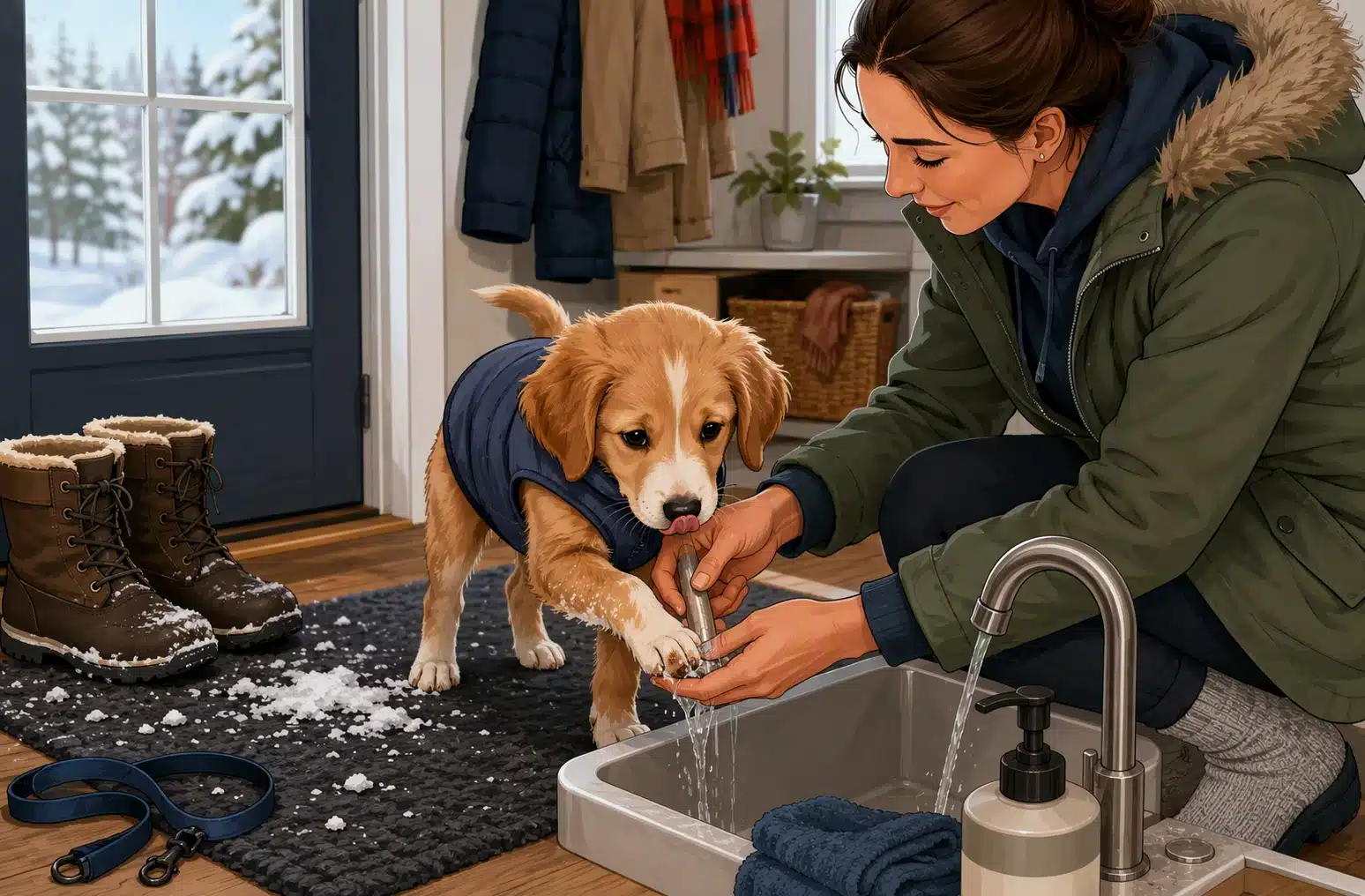
Highlights
- Common de-icers like calcium chloride and sodium chloride can irritate paws, and some products are risky if licked, according to the AKC’s winter safety guide.
- Small puppies are more likely to react fast because they have tender pads and lower body weight.
- Booties, short walks on cleared paths, and a warm paw rinse after every outing cut exposure.
- Even dog-safe ice melt still needs care. The AKC notes some pet-safe products can still cause drooling or vomiting if eaten in enough amounts in their salt safety article.
Specs
- Best for: Puppies walking on treated sidewalks or driveways
- Main danger: Paw irritation and accidental ingestion
- How to prevent it: Use pet-safe de-icers when possible and wipe paws after every walk
- Watch for: Licking paws, red pads, limping, drooling, vomiting
Pros
- Easy to lower risk with simple after-walk habits
- Booties and paw cleaning work well for small companion breeds
Cons
- Treated sidewalks are hard to avoid in winter
- Puppies often lick before you notice
It ranks here because it is one of the most common winter hazards families run into on everyday walks.
Last updated: August 9, 2026
Also Read: 10 Signs a California Puppy Listing Is a Scam – Sage Puppies
5. Ice, slips, and falls
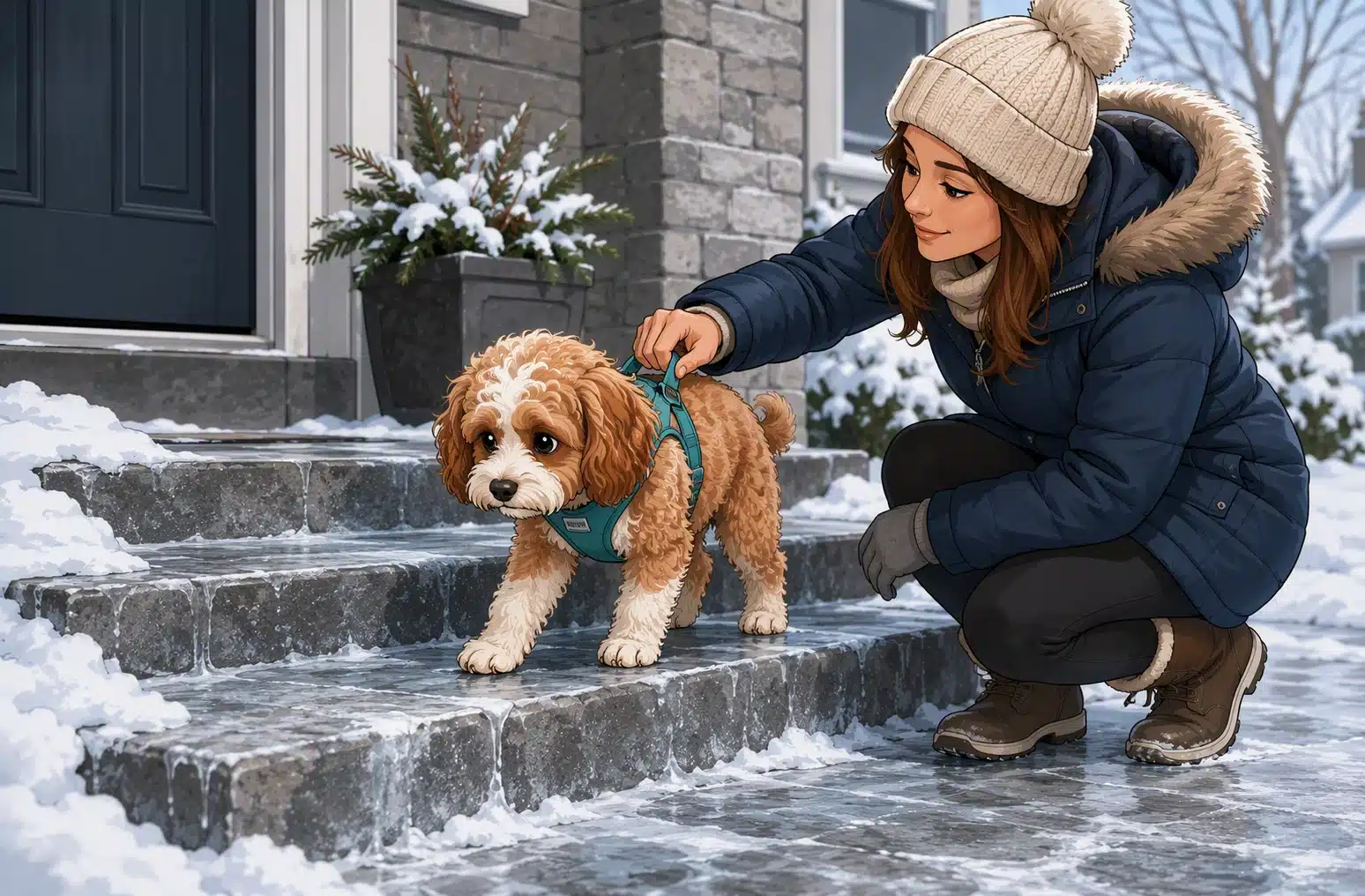
Winter ground conditions can turn a normal potty break into a traction problem. Small puppies can lose footing fast on packed snow, icy stairs, or slick driveways, and one bad fall can make future walks feel scary.
Highlights
- Icy stairs and driveways are riskier than flat, cleared paths.
- Hard-packed snow can throw off a puppy’s balance.
- Falls may cause bruises, sore joints, or fear around leash walks.
- Keep routes short, slow, and fully supervised.
Specs
- Best for: New puppies learning winter leash routines
- Main danger: Slipping, falling, or twisting an ankle
- How to prevent it: Choose cleared routes, use a secure harness, and keep walks short and supervised
- Watch for: Reluctance to walk, limping, yelping, stiffness
Pros
- A harness gives you better control if your puppy starts to slide.
- Cleared sidewalks lower risk, and Mass.gov winter pet guidance also recommends watching for paw discomfort in cold conditions.
Cons
- Ice can be hard to spot, especially at shaded entryways.
- Even routine dog walking can lead to falls. The CDC reported many pet-related fall injuries, which is a good reminder to slow down with a tiny puppy.
This ranks here because it is common, preventable, and often leaves puppies shaken even when the injury looks minor.
Last updated: August 9, 2026
Also Read: Puppy Seasonal Safety Guide for Heat, Cold, and Holidays
6. Cold cars and transport stress
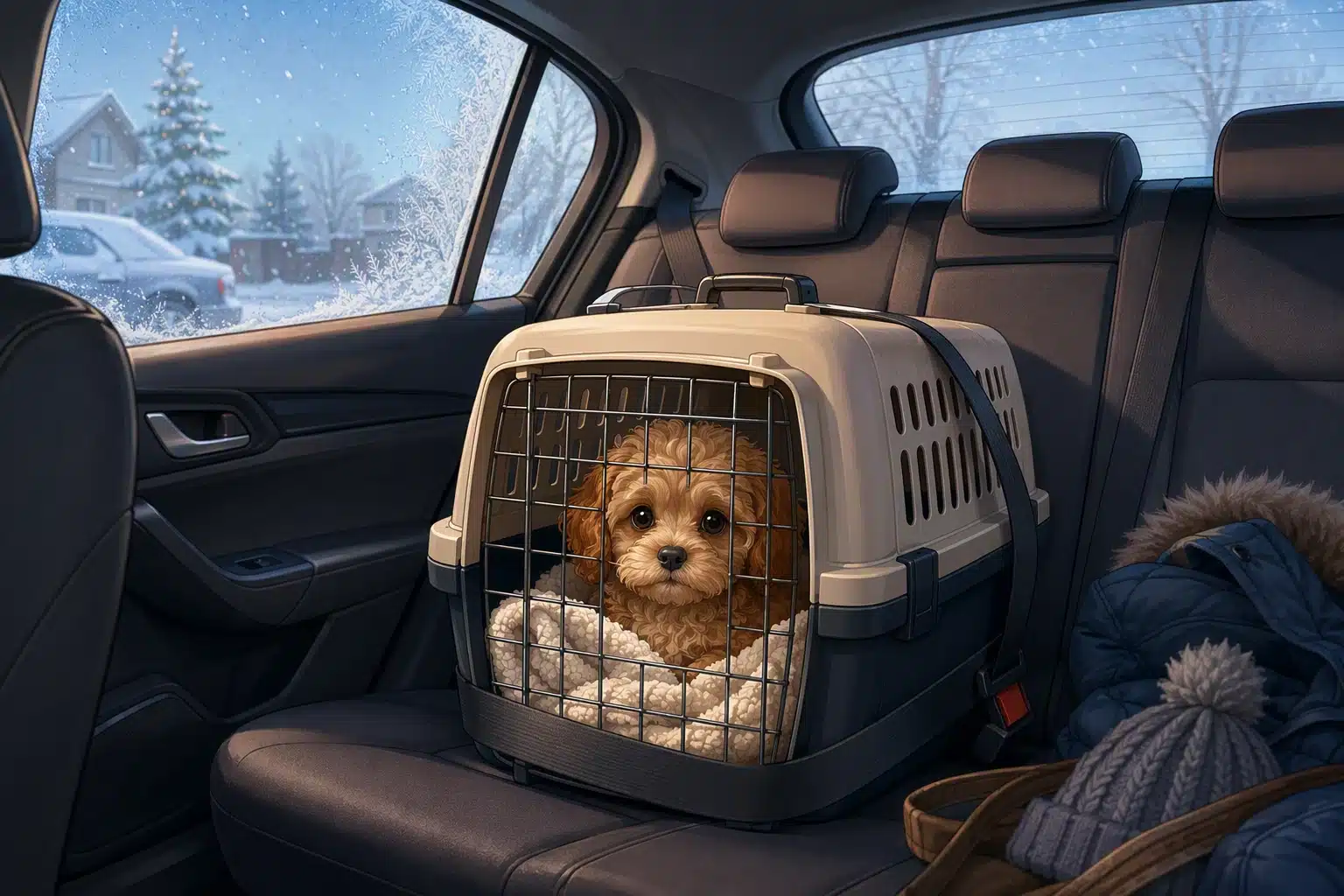
A parked car can chill a puppy faster than many families expect. In winter, a vehicle can act like a refrigerator, and small puppies lose heat quickly, especially during errands, pickup days, or delivery handoffs.
Highlights
- Cornell Vet warns that puppies and small dogs are more likely to struggle in cold weather.
- The AVMA says cold cars can rapidly chill pets, so never leave a puppy unattended in the vehicle.
- Travel itself can add stress if the crate is loose, the cabin is drafty, or the handoff takes too long outside.
Specs
- Best for: Families traveling with a puppy in winter
- Main danger: Rapid chilling during car exposure
- How to prevent it: Avoid leaving puppies unattended in vehicles and plan direct handoffs
- Watch for: Shivering, whining, cold ears, lethargy after travel
Pros
- A covered, secure carrier helps block drafts and keeps the ride calmer.
- Direct pickup or delivery plans reduce cold waiting time.
Cons
- Thin, young puppies get cold fast.
- Long stops and busy errands raise both chill risk and stress.
This ranks here because winter travel mistakes are easy to miss, especially on pickup and delivery days.
Last updated: August 9, 2026
Also Read: Seasonal Puppy Safety: Heat, Cold, and Travel Risks
7. Lost puppy risk in low-visibility weather
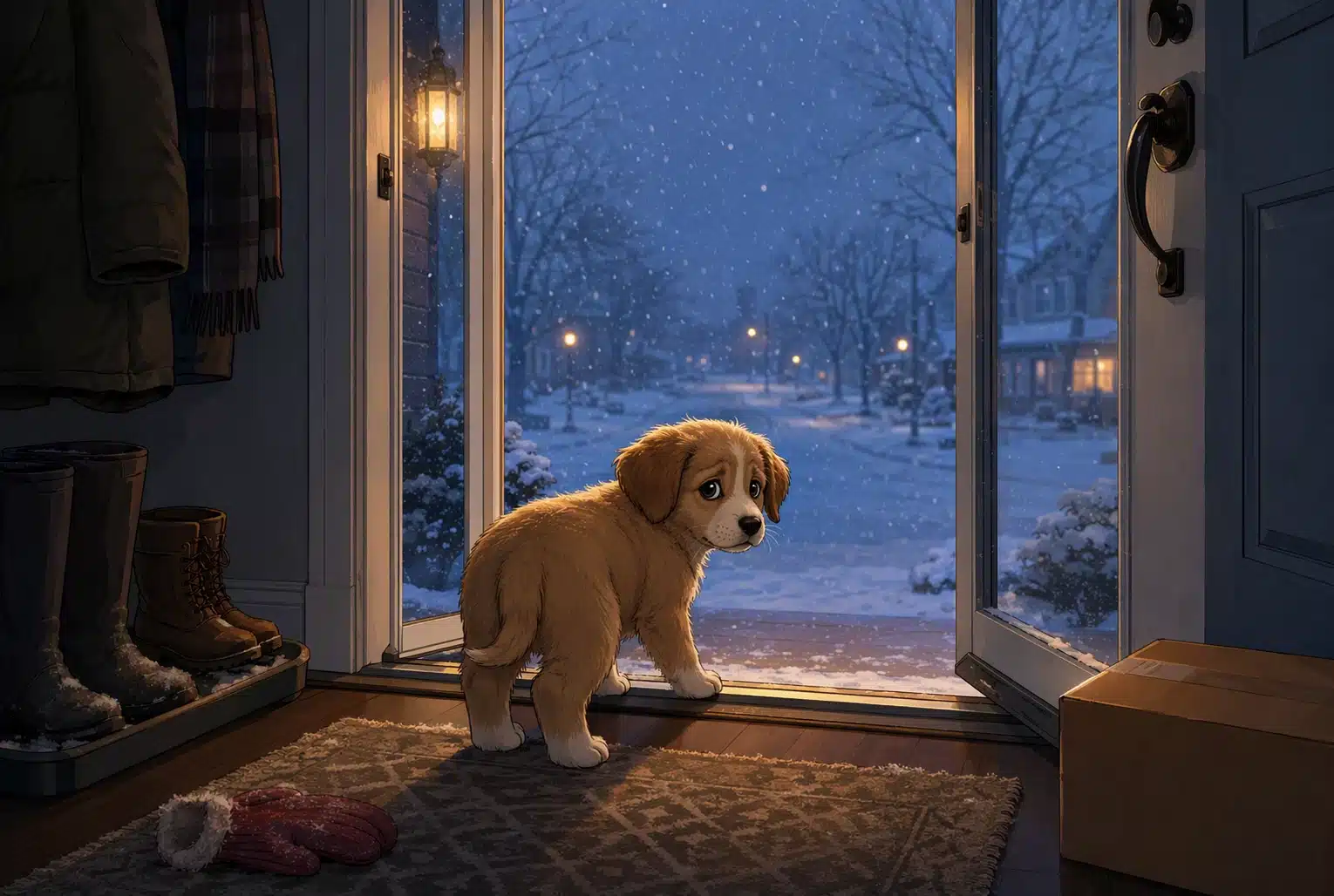
Snow, early darkness, and quiet winter streets can make a loose puppy much harder to recover. A puppy can slip out during a guest visit, potty break, or delivery handoff, and you may lose precious minutes before anyone notices.
Highlights
- Snow and ice can disrupt scent work, even though dogs have strong tracking ability in many settings, as AKC explains in its guide to tracking and scent work.
- Poor visibility makes ID tags and a registered microchip even more important. AKC notes that a collar tag is the first line of defense, but it should back up, not replace, a microchip in its article on dog identification.
- Winter routines matter. Close gates, check fence gaps, and stay outside with your puppy every time.
Specs
- Best for: Families managing winter handoffs, guests, or outdoor potty breaks
- Main danger: A puppy slipping away in poor visibility
- How to prevent it: Use a collar with ID, keep gates closed, and supervise every outdoor moment
- Watch for: Open doors, leash slips, gaps in fencing, wandering behavior
Keep one rule simple: if your puppy is outside in winter, an adult is watching.
It ranks here because it is usually less immediate than cold injury, but still serious and easy to underestimate.
Last updated: August 9, 2026
How to choose the right winter safety plan for your puppy
Pick your winter plan by starting with your puppy, not the weather app. A tiny, young, or short-coated puppy needs a simpler, tighter routine than a bigger dog.
Use these criteria to choose what matters most first:
- Cold tolerance comes first. If your puppy is very small, very young, or has a light coat, keep outdoor time short and fully supervised. Quick potty breaks beat long walks in freezing weather.
- Paw protection matters before distance. Salt, ice melt, and slush can hurt paws fast. Choose booties if your puppy accepts them. If not, use paw wipes or a warm water rinse after every walk.
- Your route should lower risk. Pick cleared, bright paths close to home. Skip icy stairs, frozen puddles, and spots where you may stand still waiting.
- Car safety counts too. Winter plans should include the drive, not just the walk. Never leave a puppy alone in the car, even for a minute.
- Home setup needs to be easy. The best plan is one your family will actually do every day – warm bedding, a dry coat if needed, and short potty trips usually work best for small companion breeds.
- Toxin control is non-negotiable. Store antifreeze, de-icers, and open containers well out of reach.
For families bringing home a Havanese, Havapoo, or Cavapoo, Sage Puppies is a strong choice because their small companion focus helps families prepare for real cold-weather routines, especially in Utah conditions and nationwide home transitions.

A safer first year starts with the right puppy and the right support. If you want a small companion puppy raised with family life, early socialization, and a clear process, explore Sage Puppies. You can view available Havanese, Havapoo, and Cavapoo puppies, learn about pickup or nationwide delivery, and take the next step with confidence. Start with Available Puppies or submit an application when you are ready.
Frequently Asked Questions
Q1: What are the key seasonal risks to watch for in puppy safety throughout the year?
Watch for heatstroke, hot pavement, dehydration, bees, foxtails, fleas, ticks, ice melt, thin ice, antifreeze, holiday foods, toxic plants, and unsafe guests. Small puppies chill and overheat fast, so weather shifts matter more than most first-time owners expect.
Q2: How can I prevent fleas, ticks, and heartworm in my puppy during seasonal changes?
Use your vet’s parasite prevention on schedule, not only in summer. Ticks show up in brush, parks, and travel stops. Mosquitoes can spread heartworm even in mild months. Check paws, ears, and belly after walks, and wash bedding often.
Q3: What are the best practices for year-round puppy home safety and injury prevention?
Keep floors dry, cords covered, cleaners locked away, and small chewable items off the ground. Use baby gates, secure trash, and block stairs if your puppy is tiny. A simple routine works best: supervise, crate-train kindly, and puppy-proof one room first.
Q4: How often should I adjust my puppy’s walk and play schedule for weather?
Adjust it anytime temperature, ground surface, wind, or air quality changes. In heat, go early or late. In cold, keep outings short and dry your puppy well. If your puppy slows down, shivers, pants hard, or lifts paws, stop.
Q5: Which household items become more dangerous during holidays and seasonal events?
Holiday danger spots include ribbons, tinsel, candles, cords, wrapped treats, dropped candy, rich table scraps, floral foam, and guests leaving doors open. Seasonal decor sits low, right at puppy level. Set a clear family rule: decorations up high, food put away fast.
Q6: When should I call my vet instead of monitoring at home?
Call right away for vomiting more than once, breathing trouble, collapse, pale gums, swelling, limping, suspected toxin exposure, or extreme tiredness. Small companion puppies can worsen quickly. If you are bringing home a Sage Puppies puppy, ask for your first-week emergency plan.