Quick Summary: When buying puppies in Idaho, focus on verifying breeder legitimacy, health testing, and socialization details rather than just attractive ads. Look for clear proof of health records, temperament, and transparent pricing, and avoid vague listings or those pushing quick deposits. Comparing breeders with a simple scorecard helps ensure you choose a responsible, family-focused breeder like Sage Puppies, which emphasizes verified health and transparent processes.
When you search buy puppies in Idaho, the hard part is not finding listings. It is figuring out which breeder truly raises puppies with care and which ad just looks polished. A pretty website, cute photos, and a low deposit can hide weak health screening, poor socialization, or vague pickup details.
This guide helps you sort that out fast. If you want to buy puppies in Idaho without guessing, you need a simple way to compare breeder listings side by side. We will show you what to check first, which red flags matter most, and how to spot the trust signals that usually point to a well-raised family companion.
Our focus is buyer safety, not impulse shopping. That matters in Idaho, where listings can range from careful home-based programs to quick-sale ads posted with very little detail. Families who buy puppies in Idaho need more than a breed photo. They need clear standards for health, temperament, transparency, pricing, and delivery or pickup.
That is the lens we use at Sage Puppies as a family-focused breeder serving Utah, Idaho, and buyers across the U.S.
1. Start by separating real breeder listings from generic ads
A lot of Idaho puppy listings are not true breeder profiles. They are short ads, reposts, or lead forms. Start by asking one basic question – am I looking at a real breeder identity or just a puppy ad?
Look for a consistent breeder identity
A real breeder usually shows the same identity across every page and message. You should see a kennel or program name, location, breed focus, parent dog details, and a clear process. If the listing says one thing and the website says another, slow down.
Under USDA rules, some sellers who offer pets sight unseen may need a license, while true retail pet store exemptions are tied to buyers being able to personally observe the animal before purchase, according to the Federal Register rule summary.
Check for:
- A full breeder name, not just a first name
- One phone number and one location used everywhere
- The same breeds across listings and social pages
- Photos of adult dogs, not only puppies
- Clear pickup or delivery details
If the breeder identity changes from ad to ad, treat the listing like a lead generator until proven otherwise.
Watch for listings that are light on specifics
Thin listings often hide weak breeding practices. A generic ad may say ready now, vet checked, or family raised but give you nothing you can verify.
Use this quick screen:
| Listing detail | Strong sign | Weak sign |
|---|---|---|
| Breed info | Names the exact breed mix | Uses broad labels only |
| Parents | Shows parent dogs and health info | No parent details |
| Price | Clear range or fixed price | “Message for price” only |
| Timeline | States age and go-home window | “Available now” only |
The USDA says licensed dealers must meet standards and recordkeeping rules under the Animal Welfare Act and regulations, which is one reason specifics matter in a listing and follow-up conversation, per the APHIS licensing guide.
Use breeder-focused sources before making contact
Do not start with classified sites alone. Use breeder-run websites first, then compare the ad back to that source.
- Open the breeder’s main site.
- Check available puppies, parent pages, and application steps.
- Match the puppy photos, age, and location to the ad.
- Look for family-focused detail, not sales pressure.
For example, a program like Sage Puppies makes it easier to compare because the breeds, process, and delivery options stay consistent. That kind of structure helps you spot generic ads fast.
Also Read: Reputable Puppy Breeder Near Me: 9 Signs to Trust
2. Compare proof of health, not just promises
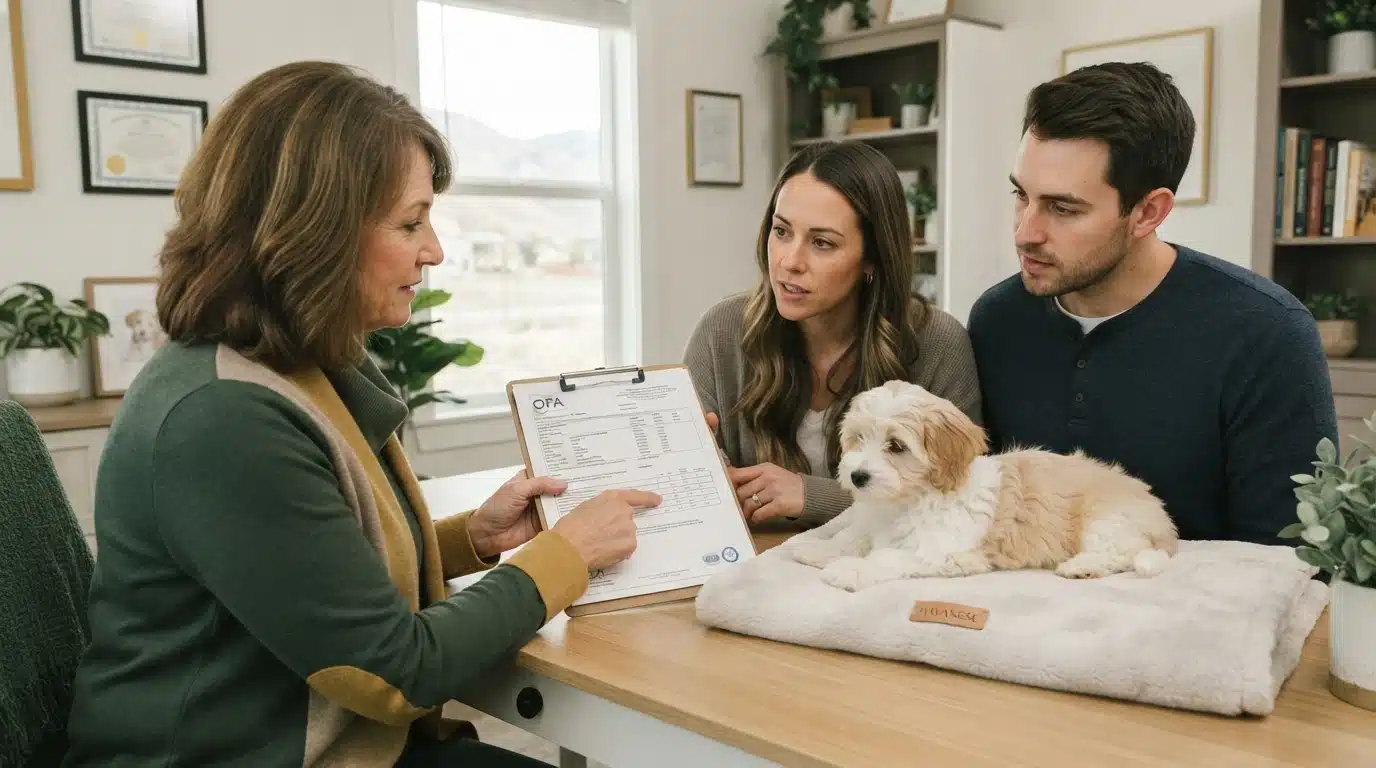
Pretty words in a breeder listing do not protect your family. Records do. Start by asking what health testing was done on the parents, not just whether the puppy “looks healthy.” Cornell says good breeders test for conditions recommended by their breed club and may add more screening based on the line or breed risk, including hips, eyes, heart, and DNA checks according to Cornell’s breeder guidance. Ask for the exact test names, dates, and parent results.
- Ask for proof on both sire and dam
- Match the tests to the breed, not a generic list
- Check whether the breeder can explain what each result means
A breeder who avoids specifics is giving you marketing, not evidence.
| What to ask | Good sign | Weak sign |
|---|---|---|
| Parent health testing | Named tests with proof | “Parents are healthy” only |
| Breed risk knowledge | Explains why tests matter | Gives vague answers |
| Result access | Shares records before deposit | Says records come later |
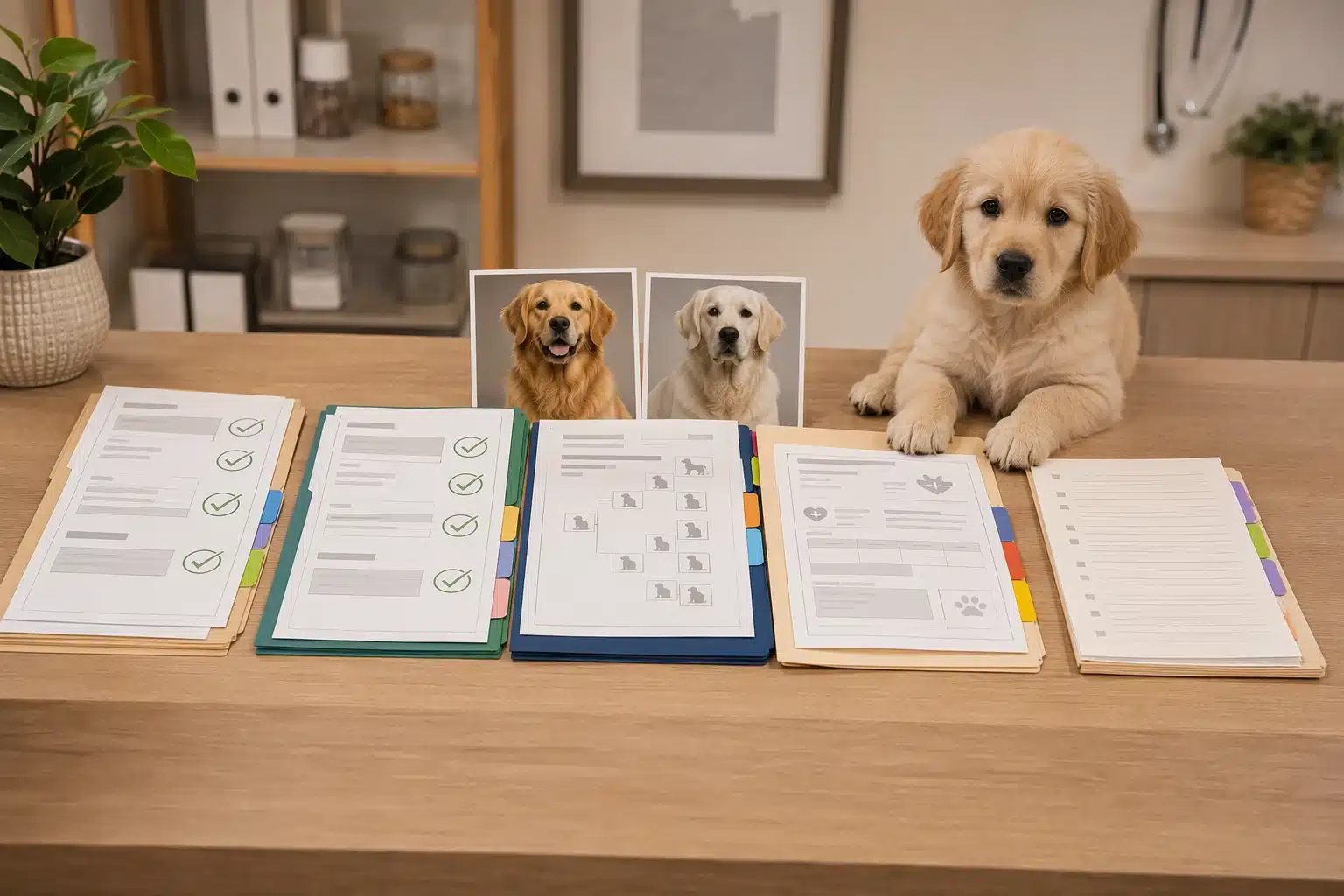
Before you reserve, review the puppy’s own care records. Cornell notes puppies should already be dewormed and examined by a veterinarian before going home, and some may have their first vaccines in Cornell’s puppy buyer checklist. You want dates, product names when relevant, and a simple timeline you can hand to your vet.
Use this quick record check:
- Date of birth
- Deworming dates
- Vaccine dates
- Vet exam date
- Microchip details, if included
- Current food and feeding routine
Never place a deposit just because a listing says “vet checked.” Ask to see the record first.
Health also includes behavior. A strong breeder explains early socialization in plain terms. The AVMA review says puppies benefit from diverse, positive exposure early, and dogs with more social contact before 12 weeks were less likely to show fearful or aggressive behavior later based on the AVMA literature review. Ask what the puppy has already experienced:
- Gentle handling by people
- Normal home sounds
- New surfaces and rooms
- Car rides or crate practice
- Age-appropriate play and recovery time
Sage Puppies stands out here when a family can clearly see both sides of the picture: health-tested parents and a calm, home-raised start.
Also Read: 10 Small Breed Puppies That Stay Friendly & Easygoing
3. Read the listing for temperament and family fit
A good listing should tell you how the puppy acts, not just how the puppy looks. Watch for words with proof behind them: curious, gentle, playful, calm after play, or confident with new sounds. Early social time matters. The AVMA review on puppy socialization notes that positive early exposure helps lower fear later. So if a breeder says a puppy is “great with kids,” the listing should also explain why.
Use this quick check:
| Listing phrase | What it should include | Red flag |
|---|---|---|
| Great temperament | Notes on handling, noise, kids, or crate work | No examples |
| Family friendly | Specific ages or home setup mentioned | Vague claim only |
| Socialized | What the puppy has seen and done | No routine described |
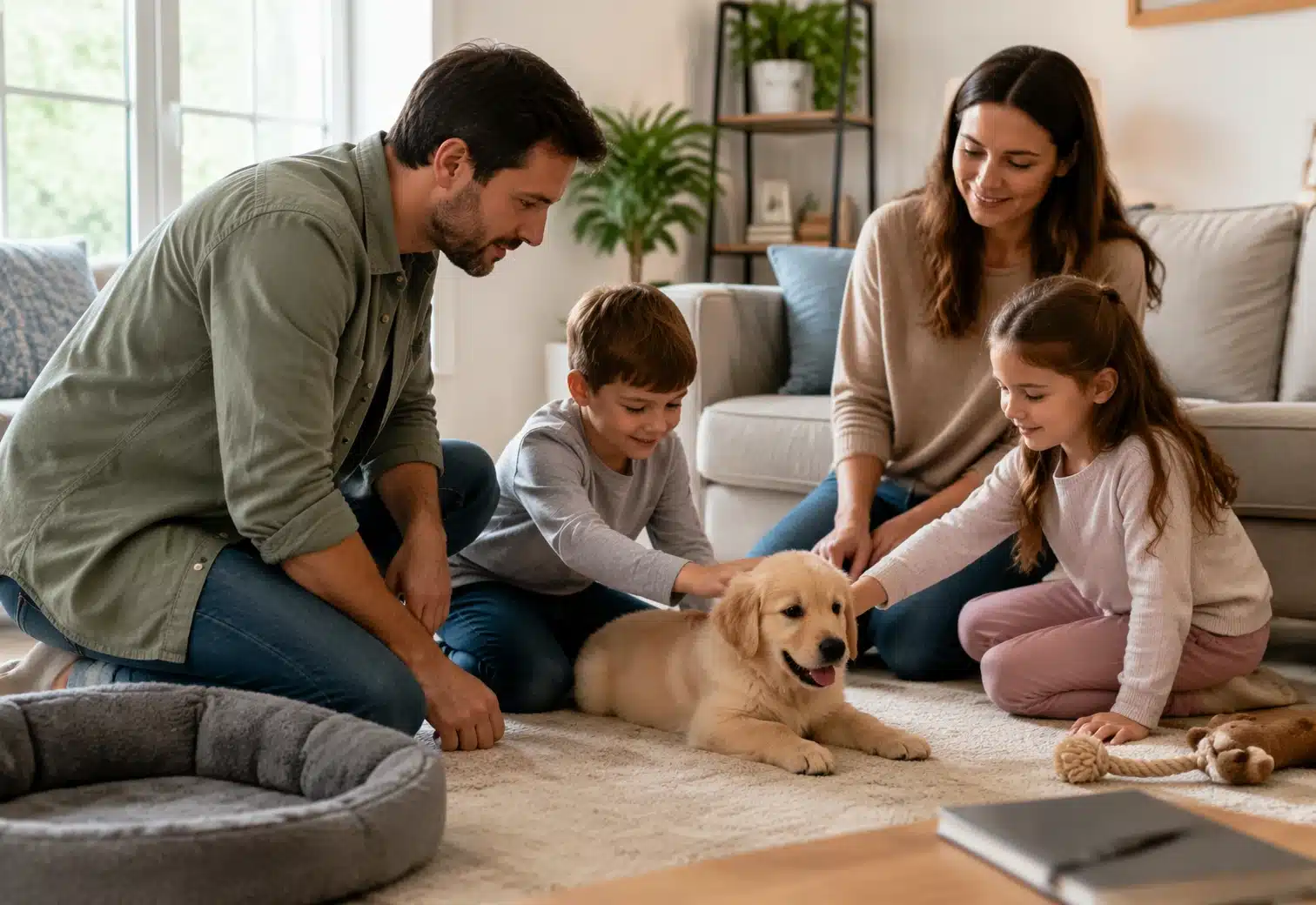
Match the puppy to your real day, not your ideal day. A listing should help you picture mornings, naps, school pickup, work calls, and evenings. The AVMA guide to selecting a pet dog says families should weigh time, exercise, grooming, and supervision before choosing a dog. That applies to puppy listings too.
Ask yourself:
- Do we want a puppy that settles well indoors?
- Can someone handle midday potty breaks?
- Do we have small kids, older kids, or frequent visitors?
- Are we ready for daily brushing, training, and play?
If the listing makes every puppy sound perfect for every home, slow down. Good breeders describe differences between littermates.
Strong breeders also care where each puppy goes. That is a good sign, not a hassle. If a breeder asks about kids, stairs, work hours, travel, or past dog experience, they are likely trying to make a better match. The AKC’s puppy selection guide says a responsible breeder should ask questions about your lifestyle and family, not just take payment.
Look for breeders who say they prefer:
- Families ready for training and routine
- Homes that want a companion, not a surprise gift
- Buyers who understand grooming and puppy stages
- A fit based on temperament, not color alone
For a better baseline, read the parent guide on comparing breeder listings, then review Sage Puppies’ Application and How It Works pages side by side with any listing you save.
4. Compare contracts, deposits, and pickup details before you commit
Before you send money, compare the full offer, not just the puppy photo and list price. This section should sit beside our parent guide, Puppies for Sale in Idaho: How to Compare Breeder Listings, because the safest choice often becomes clear once you read the fine print.
Check whether the price includes the essentials you expect
Two breeder listings can look close on price and still be very different in value. Ask for an itemized breakdown before you apply or reserve.
Use this quick check:
| Item to Confirm | Included in Price? | What to Ask |
|---|---|---|
| Vet exam | Yes or no | Was it done before go-home day? |
| First vaccines | Yes or no | Which shots were given, and when? |
| Microchip | Yes or no | Is registration included? |
| Health record packet | Yes or no | Will you get copies at pickup? |
| Starter food or blanket | Yes or no | What goes home with the puppy? |
| Delivery or meetup fee | Yes or no | Is travel separate from puppy price? |
If the listing says “starting at,” assume extras may be outside the base price.
A strong contract makes costs easy to find. If you have to chase basic price details, slow down.
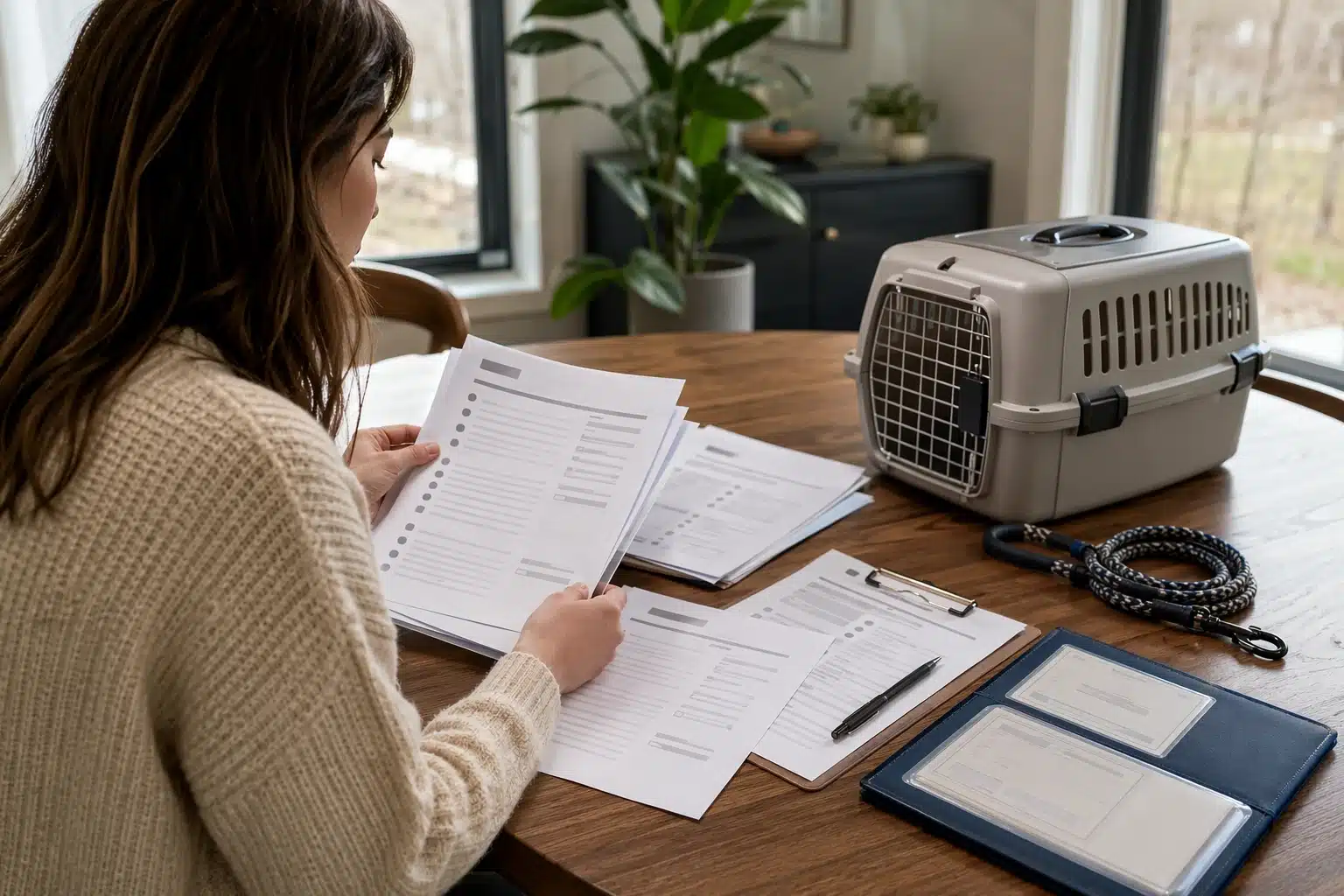
Read deposit and reservation terms carefully
Deposits matter because they change your risk. Some are applied to the puppy price. Some are partly refundable. Some are lost if you back out for any reason.
Read these points line by line:
- Deposit amount
- When it becomes nonrefundable
- What happens if the breeder cancels
- Whether you can transfer to another litter
- How final payment must be made
The FTC warns that pet scammers often push buyers to pay up front and fast, then disappear or add new fees later in the process FTC pet scam advice. That does not mean every deposit is bad. It means the terms should be plain, written, and easy to verify.
Never treat “nonrefundable” as standard until you see the exact policy in writing.
Confirm pickup, Utah access, and national delivery options
Pickup details tell you a lot about how organized and transparent a breeder is. Confirm the exact handoff plan before you commit, especially if you are buying from Idaho and traveling out of state.
Ask these questions:
- Is pickup at the breeder’s home, an airport, or a meeting point?
- What is the earliest go-home date?
- What ID or paperwork do you need?
- Who handles delivery if you cannot travel?
- What happens if weather delays the trip?
USDA APHIS says animals transported for hire in commerce fall under federal transport rules, which is why delivery plans should be clear and professional APHIS transport guidance. For families willing to drive, Utah access can be simple. For out-of-state buyers, a breeder like Sage Puppies should explain local pickup, South Jordan logistics, and national delivery options in plain terms before payment is due.
Also Read: 10 Questions to Ask Before Buying a Puppy Locally
5. Use a simple comparison scorecard before you decide
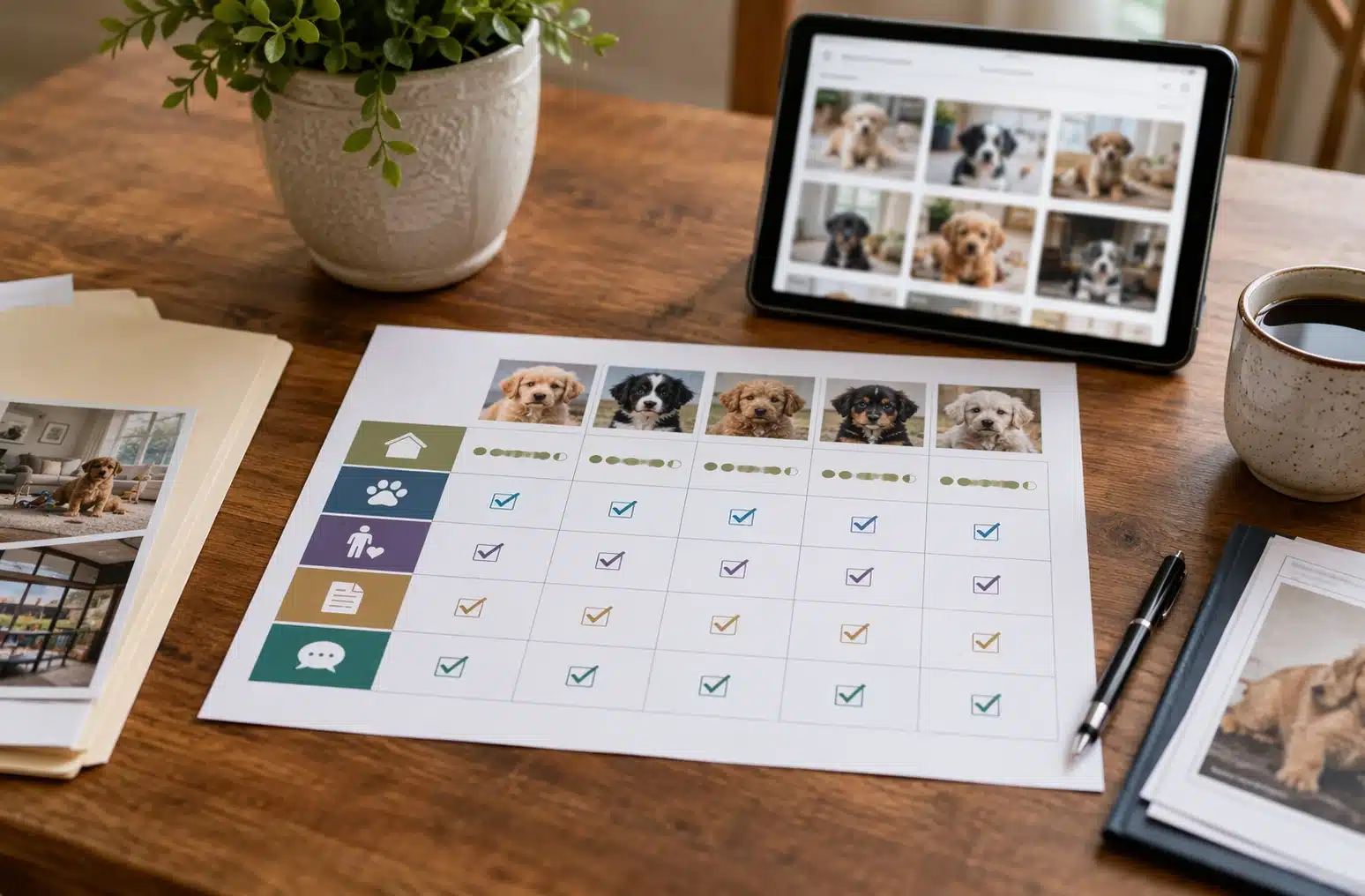
A scorecard keeps you calm when listings all look good at first glance. Give each breeder 0, 1, or 2 points on five trust signals, then compare totals side by side. Cornell notes that good breeders should do breed-specific health testing and provide early socialization and lifelong support according to Cornell’s breeder guidance.
- Parent health proof – actual test names and results
- Home-raising details – clear photos, routine, handling, noise exposure
- Temperament notes – energy, confidence, kid fit, training start
- Contract clarity – pickup timing, return policy, reservation terms
- Communication quality – direct answers, no pressure, real follow-up
| Trust signal | 0 points | 1 point | 2 points |
|---|---|---|---|
| Health proof | Vague claim | Partial proof | Clear parent records |
| Raising style | No detail | Basic detail | Specific daily routine |
| Temperament | Cute only | General claims | Puppy-by-puppy notes |
| Contract | Missing | Summary only | Full review offered |
| Communication | Pushy or slow | Mixed | Clear and steady |
Nice extras can help, but they should never outweigh proof. A polished website, pretty photos, or a rare color description should not beat verified records. The AKC also warns that AKC registration alone does not guarantee health quality, and reputable breeders should share records, ask you questions, and avoid sending puppies home too early in AKC’s responsible breeder signs.
Must-have proof
- Parent health testing
- Vet record for the puppy
- Age-ready pickup timing
- Written contract
- Clear breeder identity and contact info
Nice-to-have details
- Professional photos
- Fancy branding
- Frequent social posts
- Matching collars or themed names
If a listing scores well on style but weak on proof, treat it as a weak listing.
Keep looking if the breeder avoids direct questions, will not show parent testing, changes the story, or pushes a deposit before review. Walk away if the listing feels rushed or thin. A strong program, including premium family-focused breeders like Sage Puppies, should make comparison easier, not harder.
The best listing is not the cutest one. It is the one you can verify.

If you want an easier, safer way to compare Idaho breeder listings, start with a program built around clear standards. Sage Puppies helps families skip guesswork with health-tested parents, home-raised Havanese, Havapoo, and Cavapoo puppies, plus a transparent process, pricing details, and delivery or pickup options. Review available puppies, then submit an application when the fit feels right.
Frequently Asked Questions
Q1: where to buy puppies in Idaho
Start with breeders who show health testing, parent details, clear pricing, and home-raised care. Skip vague marketplace listings. Compare each ad the same way. If you want a family-focused process, Sage Puppies is one strong option for Idaho buyers.
Q2: How do I compare breeder listings fast?
Use a short checklist:
- parent health testing
- age-appropriate photos
- temperament notes
- pickup or delivery details
- waitlist terms
- breeder communication
If a listing hides key facts or pushes for fast payment, move on.
Q3: What are red flags in an Idaho puppy ad?
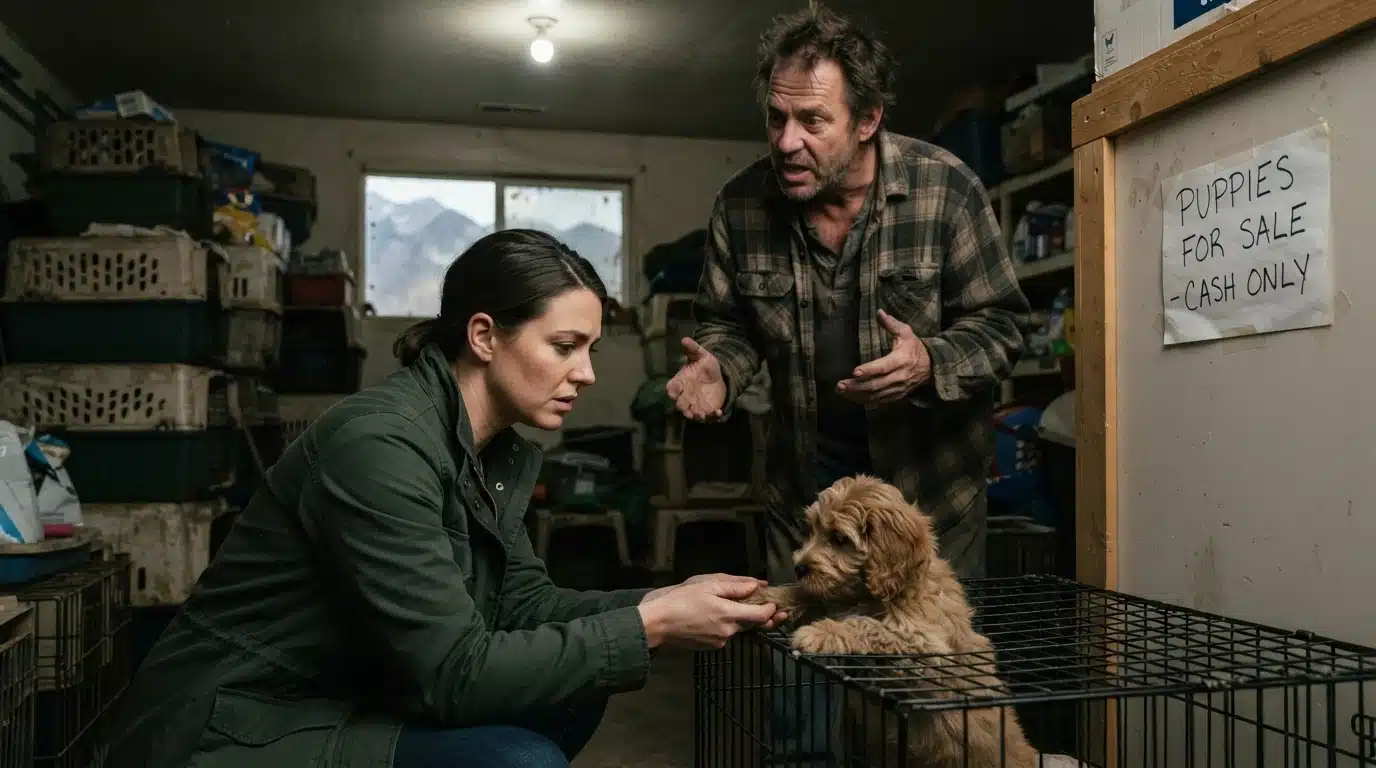
Watch for stock photos, no parent info, no mention of health testing, many breeds at once, and pressure to send a deposit today. Low prices can also hide poor breeding, weak socialization, or missing vet records.
Q4: Should I choose local pickup or delivery?
Both can work. Local pickup gives you a direct handoff. Delivery helps if the breeder is out of state but trusted. Ask who handles transport, how the puppy travels, and what support you get before arrival.
Q5: What should I ask before reserving a puppy?
Ask about the parents, socialization, feeding routine, vaccine schedule, and how matching works. Also confirm total price, deposit terms, and timing. Good breeders answer calmly and clearly, without dodging basic questions.
Conclusion
A good Idaho puppy listing should answer your biggest questions fast. You want clear health testing, honest pricing, real parent details, and a breeder who explains how puppies are raised. If a listing hides basics, pushes urgency, or skips proof, move on.
The safest comparison method is simple:
- Check breeder identity and location.
- Confirm health records and parent testing.
- Review how the puppy was raised and socialized.
- Compare total cost, pickup, and delivery terms.
- Ask direct questions before you reserve.
That matters even more if your puppy will cross state lines. Idaho says household pets entering the state need a Certificate of Veterinary Inspection, and dogs 12 weeks and older need current rabies vaccination according to the Idaho State Department of Agriculture. For interstate travel, USDA APHIS notes that destination states may set added health rules.