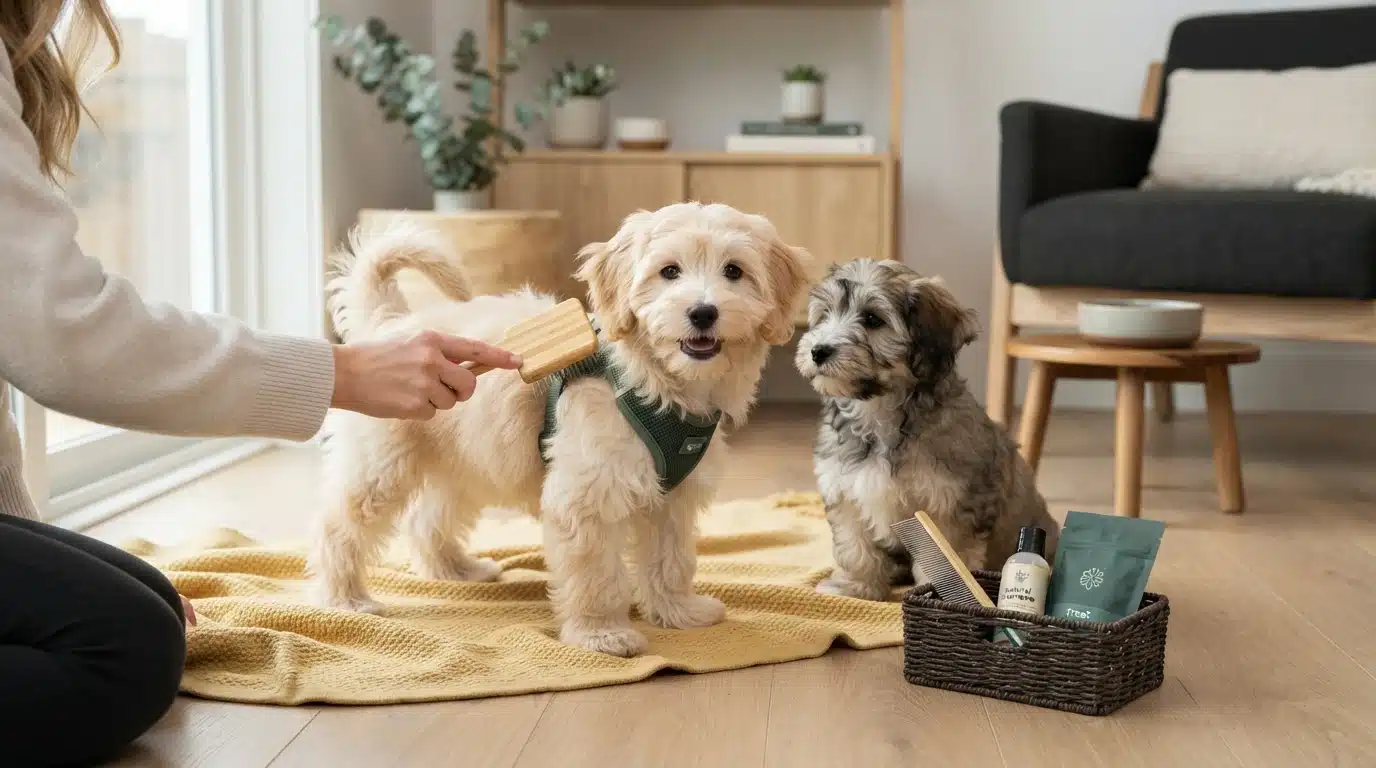
Quick Summary: Havapoo puppies can thrive in apartments when their daily routine fits the space, even in a 500-square-foot studio. The key factors are easy potty access, two short walks plus indoor enrichment, early barking training, and a plan for regular breaks during the first four months, since a puppy generally needs a potty break every hour of age. Sage Puppies asks applicants about their floor, elevator access, schedule, and grooming budget so each puppy is matched honestly with the household’s lifestyle.
A Havapoo can thrive in an apartment or struggle in one, and the breed rarely decides which. Your unit’s floor plan, your neighbor’s patience, and the hours your dog would spend alone matter far more than any trait on a breeder’s page. That’s the gap this guide fills. Most Havapoo puppies for apartments advice stops at “small dogs adapt well,” which skips the questions that actually predict success. Sage Puppies raises Havanese and Havapoo litters in South Jordan, Utah, and families here often ask the same thing before reserving: will this puppy work in my home? Below, you’ll work through a unit-specific checklist covering square footage, noise, alone time, and building rules, so you can make a clear go or no-go call before you apply for a puppy.
Are Havapoo Puppies Suitable for Apartments? The Honest Answer
Yes, Havapoo puppies for apartments are one of the best small-breed matches, but only if three conditions are true in your unit and your schedule. Size, temperament, and noise all matter less than the daily structure you can actually commit to.
What Makes Havapoos Work in Small Spaces
The breed’s basics favor apartment life. Havapoos stay small, usually 7 to 20 pounds, so they don’t need a yard to burn energy; short walks and indoor play cover most of it. Their coats shed lightly, and their companion-dog breeding means they’d rather follow you from room to room than roam. Care and coat upkeep differ between the parent breeds, so it helps to see how Havapoo and Cavapoo grooming needs compare before you plan your routine.
The Three Conditions That Decide Suitability
Breed traits get you only halfway. Havapoos suit apartments when all three of these hold:
- You can cover exercise needs without a yard: two to three short walks plus play sessions, daily.
- You manage barking early: reward quiet moments and interrupt alert barking before it becomes a habit your neighbors hear.
- You plan for alone time: puppies left alone all day struggle more in close quarters, so arrange midday breaks.
Meet those three and a small unit works. Miss one and problems follow, whatever the breed.
Miss one, and even the calmest puppy will test the arrangement.
Space Requirements: Square Footage, Floors, and Stairs
Minimum Comfortable Setup for One Havapoo
So, how much space does a Havapoo need in an apartment? Less than you might think. At 7 to 20 pounds, one fits almost any unit if the layout supports the routine. Aim for:
- A sleeping spot out of foot traffic, such as a crate or bed in a corner
- A play zone of roughly 6 by 6 feet with room for a toy toss
- A potty plan, either a nearby grass patch or a balcony pad for the first months
- A food and water station away from the door, where deliveries won’t startle the puppy
A 500-square-foot studio can work. What matters is the setup, not the floor plan.
Stairs, Elevators, and Carrying a Puppy Up
Stairs are the real constraint in walk-ups. Havapoo puppies shouldn’t climb long flights while their joints are still developing, so plan to carry yours until the vet clears the hips and knees. In a fourth-floor unit without an elevator, that means hauling a puppy (and later a 15-pound adult) up several times a day for potty breaks. If you’re choosing between units, an elevator or ground-floor access wins every time. Breeders who work with apartment families, including small programs like Sage Puppies, will usually talk through your floor situation during matching, so mention it early. Elevator etiquette counts too: keep your puppy leashed and ask neighbors before letting a curious nose say hello.
Barking, Neighbors, and Building Noise Rules
Havapoo barking in an apartment is the issue most likely to get you a lease violation, so it deserves a plan before move-in day.
Why Havapoos React So Strongly to Apartment Sounds
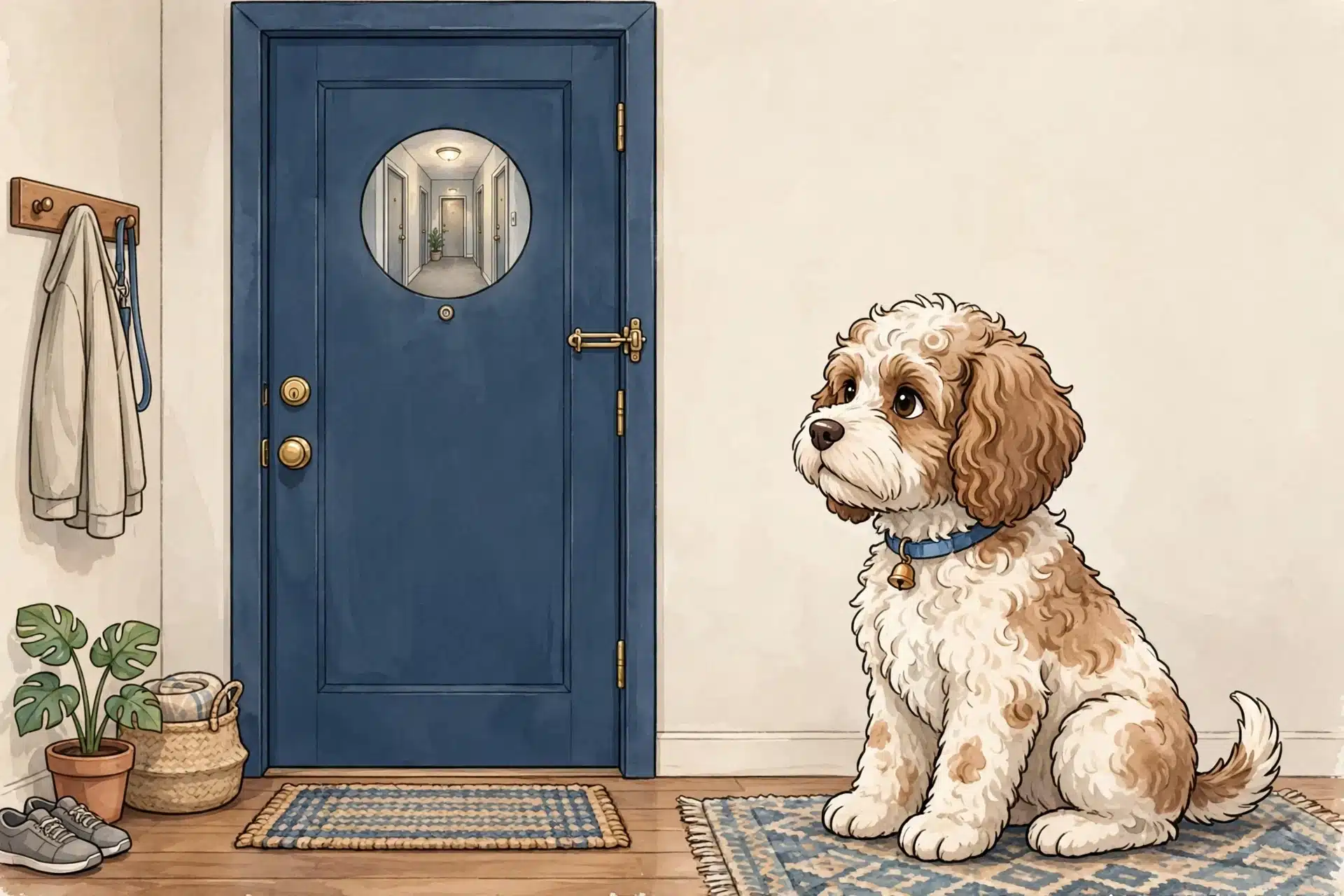
Havapoos carry the Havanese parent’s watchdog instinct. That trait worked well in a home with a yard, but a 20-story building hands your puppy hundreds of triggers a day: hallway footsteps, elevator dings, doors, deliveries. Small dogs also hear higher frequencies, so sounds you barely notice can set off a full alarm routine. The good news is that this is alert barking, not aggression, and alert barking responds well to training. Many behavior resources point out that barking stops fastest when you first figure out what the dog is reacting to.
A Noise Mitigation Sequence That Actually Works
Work through these in order, not all at once:
- Block the view. Close blinds or reposition the crate away from the door so visual triggers disappear.
- Mask the sound. White noise, a fan, or calm music covers hallway noise.
- Desensitize. Play recordings of door knocks and elevator sounds at low volume, then reward quiet.
- Teach a replacement behavior. Train a “quiet” cue and pay it well with treats.
- Log it. Note when barking happens so you can spot the real trigger.
Repeat short sessions daily. Most puppies improve within a few weeks of steady practice, and consistent positive training is the approach trainers recommend for alert barking in small spaces.
Exercise and Enrichment Without a Yard
The Daily Minimum for a Havapoo Puppy
Your Havapoo’s exercise needs without a yard come down to two short walks plus indoor play. For a puppy, aim for about five minutes of structured walk time per month of age, twice a day, so a three-month-old gets roughly 15 minutes per outing. Pair that with two or three potty trips and a few bursts of fetch down a hallway. Puppies also sleep a lot, so short sessions beat one long trek. Watch for lagging, sitting, or heavy panting, and end the outing early. Small breed dogs for apartments like this one tire faster than you expect, and overdone joints are a real risk before growth plates close.

Why Enrichment Matters More Than Miles
Miles matter less than mental work. In a small unit, a tired brain is what keeps chewing, pacing, and barking away. Rotate puzzle feeders, snuffle mats, and frozen Kongs instead of adding distance. Ten minutes of sniffing and problem-solving can settle a puppy more than a slow half-hour walk. Short training sessions count too: three minutes of sit, down, and name practice two or three times a day builds focus and burns energy. Food puzzles and sniff walks are the two highest-value tools for apartment puppies because both use the nose, which tires a dog quickly. If coat care comes with the deal, the basics in Havapoo vs Cavapoo grooming add daily handling practice that doubles as calm-down time.
Time Alone, Work Schedules, and House-Training Reality
How Long Can a Young Havapoo Hold It
Can a Havapoo be left alone while you work? Not for long stretches as a puppy. A young puppy can hold its bladder about one hour per month of age, so a three-month-old needs a break every three hours, according to Wisconsin Humane Society guidance. By four to six months, most puppies manage several hours, but even adult Havapoos do best with a midday break. Plan on help for the first four months, whether that means a lunchtime visit, a dog walker, or a neighbor. Waiting longer than a puppy can manage sets back house-training and risks accidents that take weeks to undo.
Four Ways to Make a Nine-to-Five Schedule Work
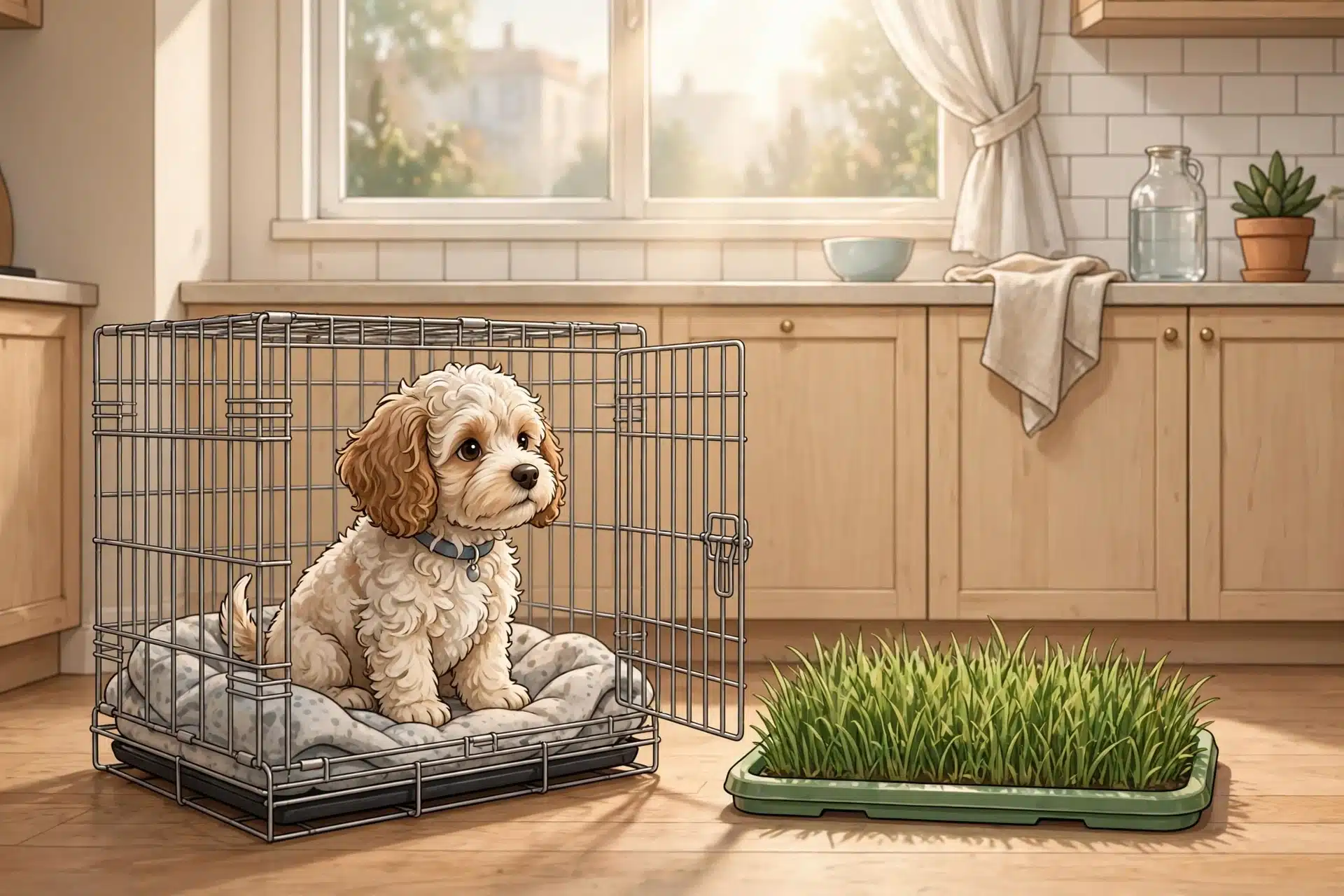
Four options cover most work schedules:
- Come home at lunch, or pay a dog walker for a midday potty break.
- Ask a nearby neighbor, roommate, or family member to stop in.
- Use a puppy pad setup in a pen for the earliest weeks, then phase it out.
- Delay pickup until you can take a week off, which helps bonding and house-training.
For the first months, crate training and separation anxiety go hand in hand, so short absences and a positive crate routine matter. The steps in this puppy crate training guide apply to any small breed.
Grooming, Allergies, and the Real Cost of Apartment Life
A short answer first: no Havapoo is truly hypoallergenic. The breed is low-shedding, not allergy-free, because the protein that triggers reactions (Can f 1) shows up in dander and saliva, not just shed fur. Management, not the coat alone, keeps symptoms down.
Grooming in a Rental With Limited Space
A Havapoo coat needs brushing several times a week and a professional trim every six to eight weeks. In a small unit, set up one grooming station instead of spreading tools around: a bath mat in the tub, a towel, a slicker brush, and nail clippers in one bin. Brush on a hard floor, never carpet, so loose hair sweeps up fast. Bath months line up with the first puppy first vet visit question most new owners ask: how soon is too soon? Wait until your vet clears bathing, then keep sessions short and warm so the puppy stays calm in a compact bathroom.
Allergies and Shared Spaces
Even low-shedding dogs spread allergens through shared air and hallways. According to research on US homes, dog allergen shows up almost everywhere dogs live, and it clings to walls, vents, and fabrics. If a roommate or neighbor reacts, wash bedding weekly, run a HEPA filter, and keep the bedroom pet-free.
The Apartment Fit Checklist Before You Reserve a Puppy
Pass, Caution, and Fail Signals
What is the apartment fit checklist before buying a Havapoo? Rate your building, noise tolerance, schedule, grooming plan, and budget against these signals.
| Area | Pass | Caution | Fail |
|---|---|---|---|
| Building | Ground floor or elevator access to a potty spot | Fourth-floor walk-up | No safe outdoor relief area |
| Noise | Quiet hallways, thick walls | Shared walls, frequent deliveries | Neighbor complaints already on record |
| Schedule | Someone home most of the day | You work hybrid or nearby | Alone 8+ hours from week one |
| Budget | Vet, grooming, food all covered | Tight but workable | Waiting on a tax refund to afford care |
One “fail” in a hard row like building or budget means fix it first. Most “cautions” can be managed with training and planning.
What to Ask a Breeder Before You Apply
Breeder answers tell you as much as the puppy’s face does. Ask what energy level the parents show, how early the litter starts crate training, and whether any puppy in the line barks persistently. A good breeder will also want details from you: your floor, elevator access, and who covers midday potty breaks. At Sage Puppies, the application asks exactly these questions, so the match is honest on both sides. Send your answers before you send a deposit.
Preparing Your Apartment in the First 30 Days
Before Pickup Day
Puppy-proofing an apartment works best before your puppy arrives. Get down to puppy eye level and look for hazards: cover or tuck loose cords, move toxic plants out of reach, and clear floors of shoes, coins, and small objects that fit in a tiny mouth. Petco’s room-by-room guide walks through each space in detail.
Then set up the zones you mapped earlier: a crate in your bedroom, the 6-by-6-foot play area, and a pad spot near the door you’ll use for potty trips. Stock food and water bowls, a harness, a leash, and an ID tag before homecoming day.
Keep one quiet week on the calendar. Skip guests and outings until your puppy settles in.
Weeks One Through Four
Treat the first month as a settling-in phase, not a training sprint. A puppy vet check within the first few days tops most new-puppy checklists, so book it before pickup if you can.
From there, build a simple rhythm: potty trips after meals and naps, short crate sessions that end calmly, and quiet praise for the behaviors you want. Reward-based methods work best; avoid punishment, which can create fear.
Your building adds its own lessons. Let your puppy hear hallway sounds and elevator dings from a comfortable distance, and keep those first exposures short and positive. Small, calm repeats beat big outings in the early weeks.

Your checklist is done, and your unit passed. The next step is simple: review current Havapoo availability and start the application at Sage Puppies. Cassie’s matching process pairs the right puppy with your space and routine, so you bring home a fit, not a maybe. Wisely bred, beautifully loved, right from day one.
Frequently Asked Questions
Q1: Are Havapoo puppies suitable for apartments?
Yes, if you can cover daily walks, manage barking early, and arrange midday potty breaks. A 7 to 20 pound Havapoo needs setup and routine more than square footage.
Q2: How much space does a Havapoo need?
A 500-square-foot studio works. Provide a sleeping spot, a 6-by-6-foot play zone, and a potty plan.
Q3: How long can a Havapoo puppy hold its bladder?
About one hour per month of age, so a three-month-old needs a break every three hours.
Q4: Are Havapoos loud enough to cause neighbor complaints?
Alert barking can become a problem, but blinds, white noise, and a “quiet” cue usually solve it.
Q5: Can a Havapoo live in a fourth-floor walk-up?
Only with committed carrying. Puppies shouldn’t climb long flights before the vet clears their joints.
Q6: Are Havapoos hypoallergenic?
No. They’re low-shedding, not allergy-free, so manage dander with weekly bedding washes and a HEPA filter.
Conclusion
A Havapoo can fit an apartment well, but the checklist decides it, not the breed. Size, light shedding, and a companion temperament give you a strong start. What seals the deal is your setup: potty access without long stairs, early barking training, a midday break plan for the first months, and a budget that covers vet care and grooming. Rate your unit against the pass, caution, and fail signals before you commit. If most rows land on pass and the cautions are fixable, Havapoo puppies for apartments are a realistic, rewarding choice. Send your building details with your application so the match is honest on both sides, and start your puppy’s first month with calm routines that last.