Quick Summary: Pick the Havanese if you want a social, easy-to-train companion that sheds little but needs daily brushing, and pick the Pekingese if you want a calmer, dignified housemate with a heavy mane coat that sheds seasonally and needs daily facial-fold care. The Havanese fits busy families and first-time owners better, while the Pekingese suits quieter adult homes and owners who don’t mind a flat face with extra grooming needs.
Here is the quick verdict: if you want a social, people-focused companion who trains easily and fits a busy family, and you can commit to daily brushing, the Havanese is the better fit. If you want a calmer, dignified housemate who bonds closely to one or two adults and happily naps while you work, the Pekingese may suit you well.
Many first-time small-dog owners compare these two breeds because both are toy-sized, long-coated and family-friendly on paper. In practice they differ sharply in personality and coat care, and a mismatch often ends in a rehomed dog a year later.
This Havanese vs Pekingese guide compares temperament and grooming head-to-head, so you can match the dog to your household, not the marketing to your hopes. We draw on breeder experience with the Havanese and documented breed standards for both.
Havanese vs Pekingese: At a Glance
| Havanese | Pekingese | |
|---|---|---|
| Origin and size | National breed of Cuba; 7 to 13 lb, 8.5 to 11.5 in tall | Bred for Chinese imperial courts; up to 14 lb, 6 to 9 in tall, compact and low to the ground |
| Temperament style | Friendly, playful, affectionate and eager to be with people | Calm, dignified, loyal to family and reserved with strangers |
| Trainability and barking | Highly trainable and people-pleasing; alert barking that trains down with consistency | Smart but independent; house-train and recall take patience; watchful barking |
| Coat type and grooming load | Silky double coat; daily brushing plus regular trims to prevent mats | Heavy double coat with thick mane; weekly brushing minimum plus facial hygiene |
| Shedding and allergens | Low shedding; often better tolerated by mild allergy households | Seasonal shedding; loose hair and dander released through brushing |
| Best fit for a homes | Families, first-time owners, seniors and apartment dwellers who want an involved companion | Quieter homes, adult households and owners who appreciate a low-key companion |
How Havanese and Pekingese Compare
Havanese
Cuba’s national breed, the Havanese is a small silky-coated companion bred for one job: being with people. Friendly and playful, it suits families, first-time owners and apartment dwellers who want an involved dog. It’s also a breed Sage Puppies raises, so its day-to-day temperament shows up throughout this comparison.

Key strengths
- People-pleasing and quick to train
- Low-shedding coat
- Adaptable to homes and families of many shapes
Pekingese
An ancient Chinese toy breed with a lion-like mane, the Pekingese was built for imperial courts, not agility courses. It stays calm and dignified, loyal to its family and reserved with strangers. Quieter homes and adult households fit it best.

Key strengths
- Calm, low-key companion
- Deeply loyal to family
- Compact size for small spaces
Temperament Side by Side: Social Butterfly vs Dignified Companion
Both breeds were made for company, but they show it in different ways. The Havanese greets life openly, while the Pekingese holds a little back.
Affection Style: Attached to Everyone vs Attached to a Few
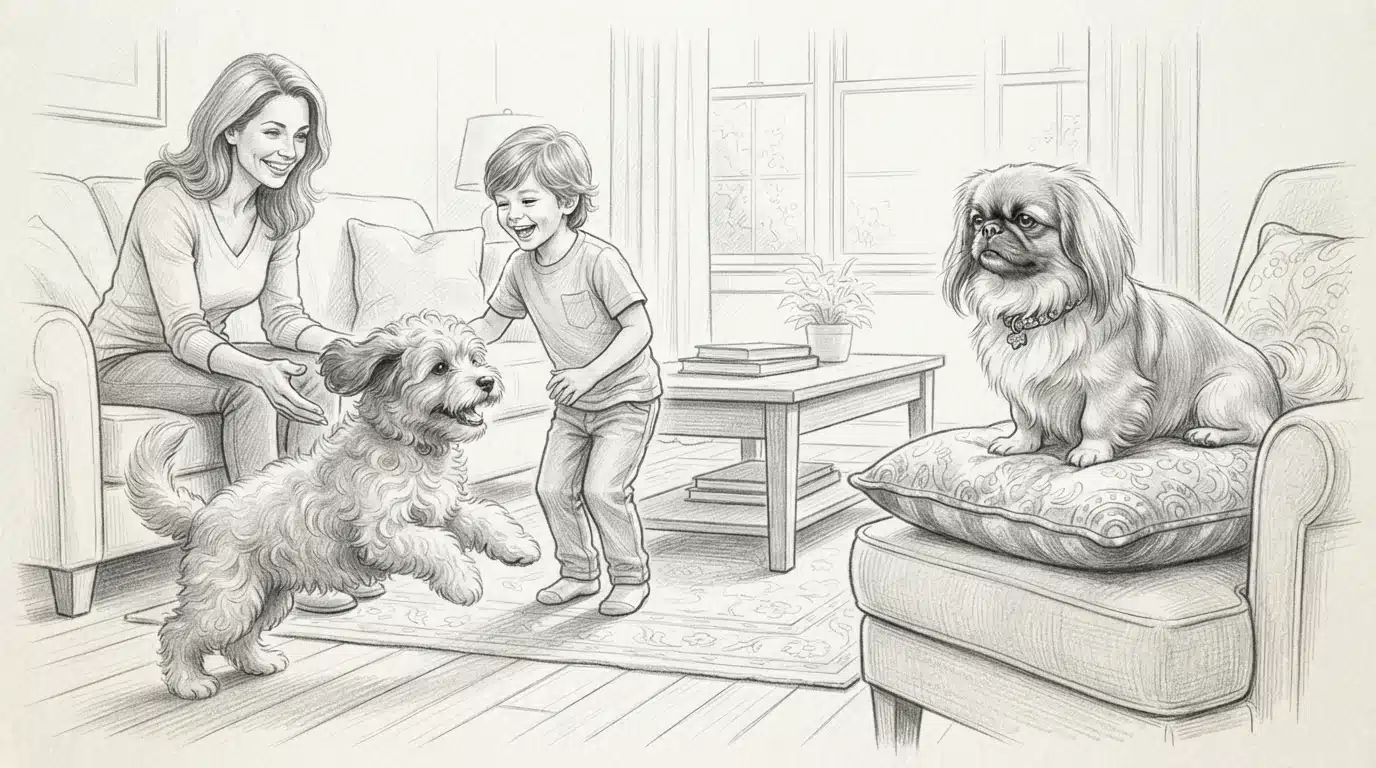
The Havanese is a people collector. The AKC describes the breed as vivacious and sociable, and that shows up at home as a dog who follows you from room to room and welcomes every guest. Pekingese bond just as deeply, but with fewer people. They often pick a favorite and stay politely reserved with everyone else. If you want a breed that thrives on constant companionship, the Havanese is the clearer fit.
Energy and Play Drive
Havanese are lively and playful without being exhausting. A short game of fetch or a brisk walk covers most of their daily needs. Pekingese are calmer and happier with leisurely strolls and indoor play. Neither breed is an athlete, but the Havanese keeps a puppy-like playfulness much longer.
Strangers, Other Pets and Watchdog Behavior
Havanese usually get along with strangers, kids, and other pets, and they announce visitors rather than guard against them. Pekingese are more watchful. Their imperial-court history left a dignified, alert streak, so they tend to bark first and warm up later.
Trainability and Barking: Who Learns Faster, Who Naps Harder
Motivation Style: Food-and-Praise vs ‘What’s In It For Me’
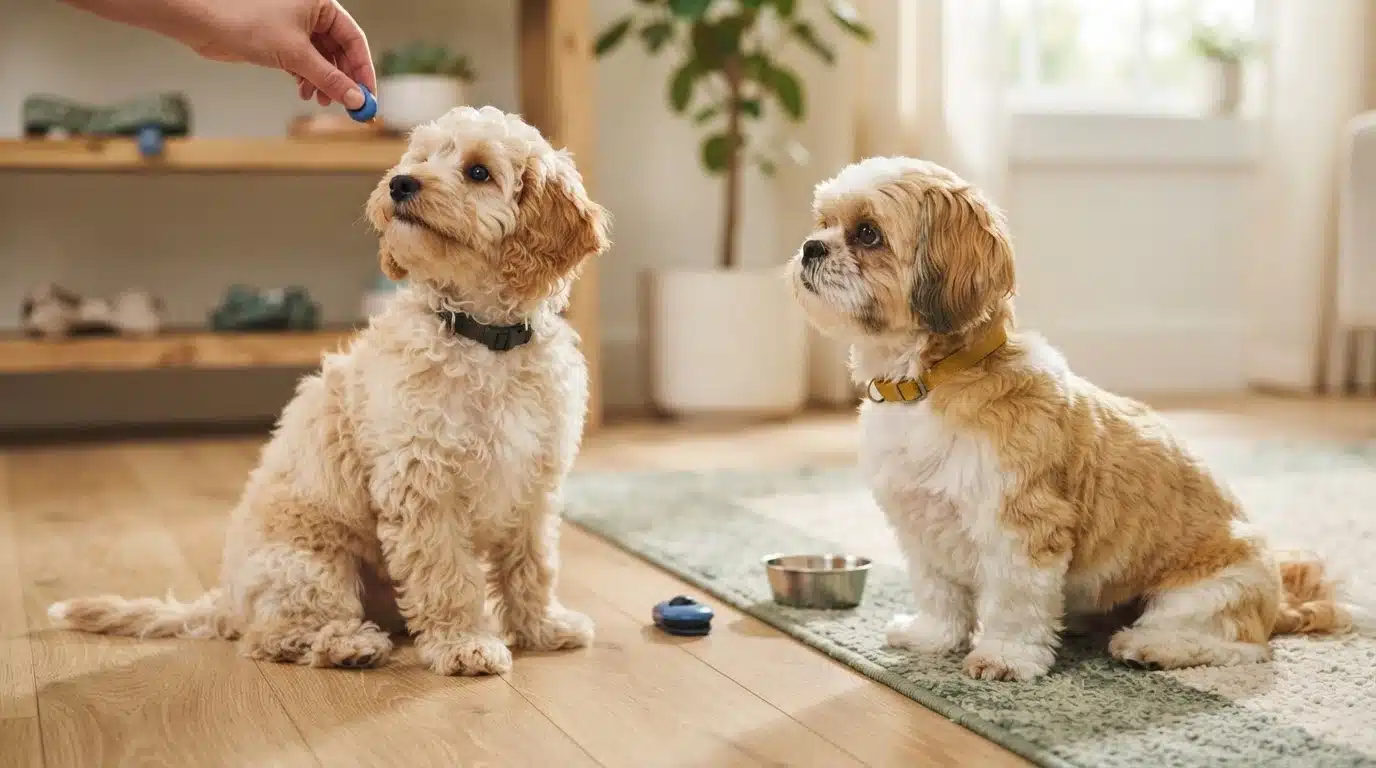
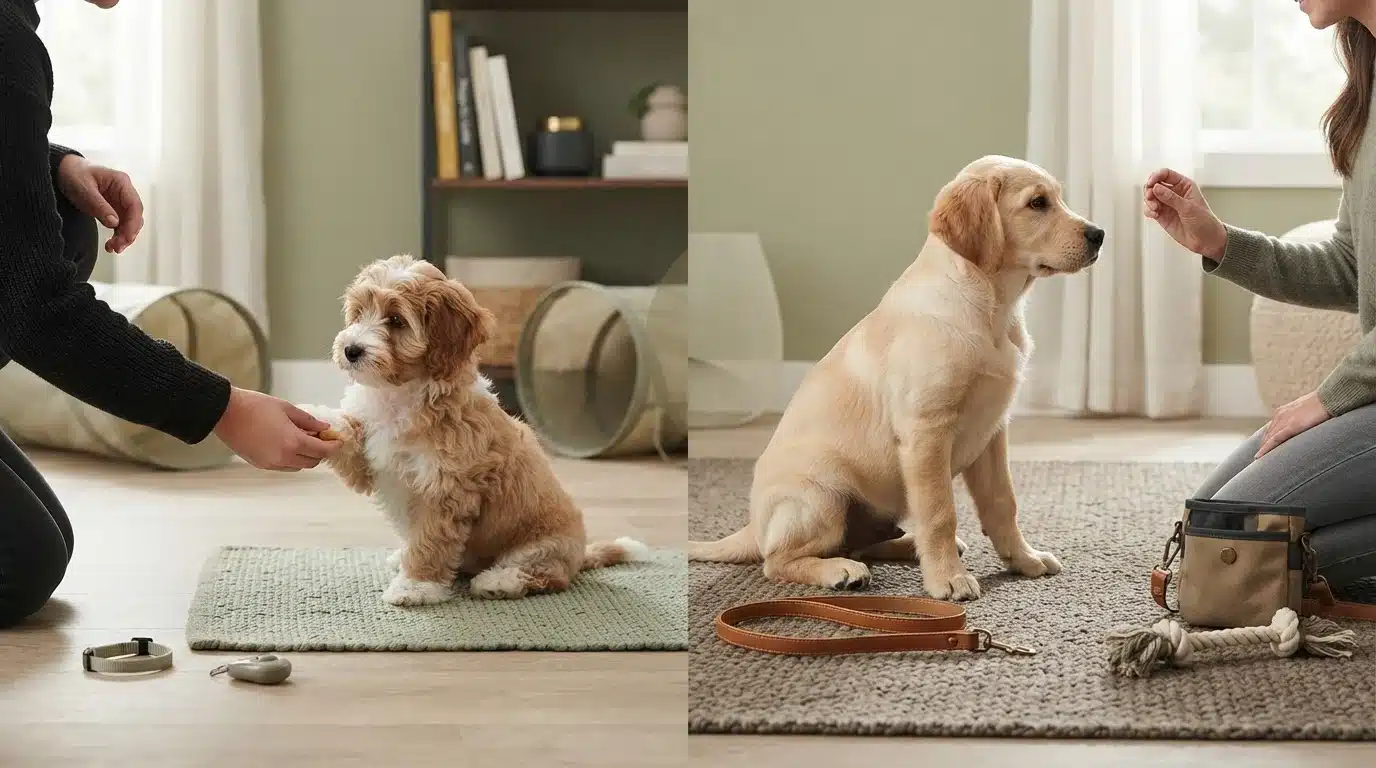
The Havanese wants to work with you. The AKC calls them smart, trainable extroverts and natural trick dogs, so most pick up commands fast when you pay in treats and attention. The Pekingese is just as bright, but bred to lounge in imperial courts, it asks “what’s in it for me?” Training still works. It just needs patience, short sessions, and Hills Pet notes a creative touch.
House Training and Routine Reliability
Both small breeds need consistent potty routines, and the Havanese usually clicks sooner because it craves your approval. A steady schedule matters more than breed, though. Our age-by-age potty training schedule shows what to expect at each stage. Expect the Pekingese to take longer and slip more in bad weather.
Barking Tendencies You Can and Cannot Train Away
You can reduce alert barking in both breeds, but not erase it. Havanese announce visitors; consistent “quiet” cue training helps a lot. Pekingeses were bred to guard temple grounds and bark at strangers, so expect a louder watchdog. Early socialization is your best tool for either one.
Coat Types Compared: Silky Flowing vs Lion-Like Mane
What “Silky Double Coat” Actually Means for a Havanese
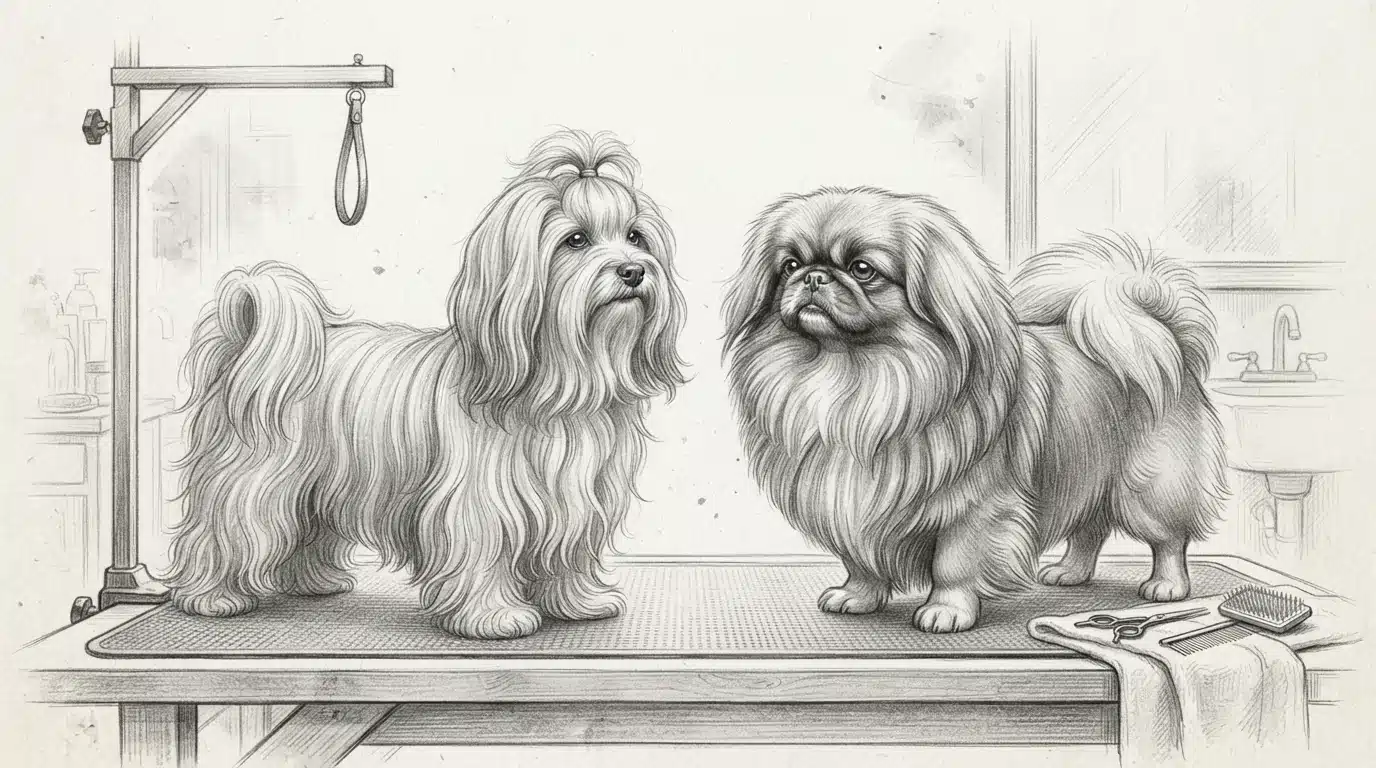
A Havanese coat is long, soft and slightly wavy, with a fine undercoat beneath a silky top layer. The AKC breed standard calls for a profuse coat with a pearly sheen, and dogs can be shown brushed or even corded. It sheds little, but it tangles fast. Daily brushing keeps mats from forming close to the skin.
What “Lion-Like Mane” Means for a Pekingese
The Pekingese wears its history on its shoulders. Its thick double coat forms a heavy ruff around the neck and chest, which is where the “lion” image comes from. The mane looks regal, but it hides a flat face underneath, so fur around the eyes and muzzle needs careful trimming to keep airways and vision clear.
Coat Color, Trims and Show vs Pet Looks
Both breeds come in many colors, from cream and gold to black and sable. The difference shows up in the cut. A Havanese pet trim is usually one length all over, short and easy to brush. Pekingese pet trims often shorten the body but keep the ruff. Most families keep the pet look; show coats on either breed take daily work.
Want a shorter grooming routine without losing that silky look? Our Havanese grooming guide walks through brush choices and trim schedules.
Grooming Workload: Daily Brushing vs Weekly Plus Facial Care
Both breeds need real grooming, but the work lands differently. The Havanese asks for steady, small sessions. The Pekingese asks for less frequent brushing plus constant face care.
Brushing and Detangling Routine
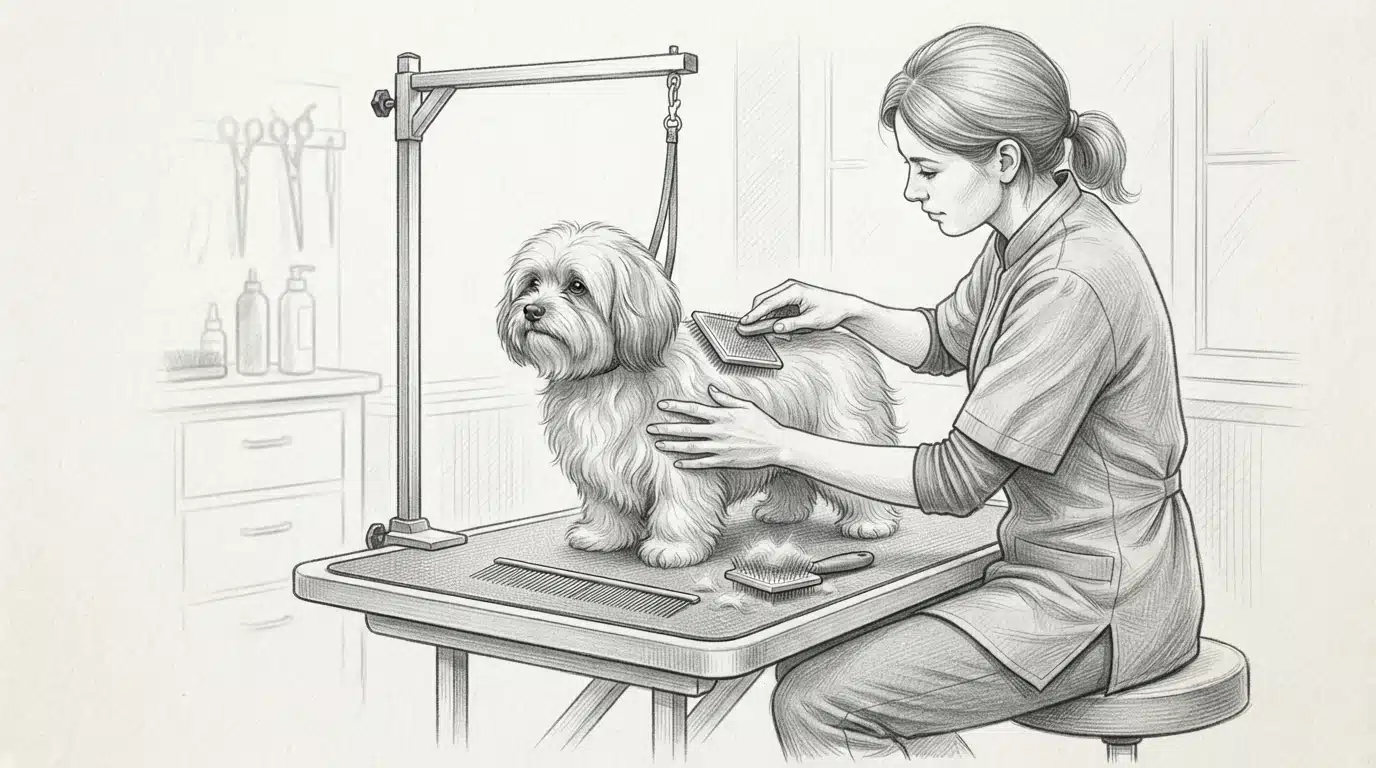
Brush a Havanese’s silky coat every day, or nearly so. A 10-minute session with a pin brush and steel comb prevents mats behind the ears, in the armpits, and along the trouser area. Skip two or three days and tangles tighten fast. A Havanese from Sage Puppies arrives with a coat you can keep in a puppy cut, which trims the workload. A Pekingese’s dense double coat tolerates two or three sessions a week, though you still work down to the skin.
Bathing, Drying and Trim Schedule
Bathe either breed every three to four weeks. The difference is drying: a Havanese coat must be fully blow-dried while you brush, or it mats. A Pekingese’s thick undercoat takes even longer to dry, so budget real time. Most owners book a professional groom every six to eight weeks for trims, nails, and sanitary clips.
Face, Eyes, Wrinkles and Tear Stains
The Pekingese’s flat face adds daily work most overviews skip. Wipe the skin folds, clean around the large prominent eyes, and wipe tear stains each day, because moisture trapped in wrinkles can irritate the skin. Check the nose folds for redness and keep facial hair trimmed away from the eyes. The Havanese needs lighter face care: wipe tear stains as needed and keep hair around the eyes combed. Flat-faced owners should also learn signs of breathing trouble, since heat and stress show up in the face first.
Shedding, Allergens and Home Cleaning
How Much Each Breed Actually Sheds
The Havanese sheds very little. Its hair-like coat hangs on to loose strands until you brush them out, so floor and carpet fur stays minimal. The Pekingese tells a different story. Its dense double coat sheds steadily year-round, then blows out heavily in spring and fall. Expect small fur piles and visible tumbleweeds along the baseboards during those weeks.
Allergens, Dander and Mild Allergy Households
Dander, not fur, triggers most allergies, and no breed is truly hypoallergenic. The Havanese still produces dander, but because it sheds so little, less of it spreads through your home, which is why many mild allergy households do well with this breed. The Pekingese’s constant shedding carries more allergen around the house, and its wrinkled face can trap saliva and tear moisture too. If anyone in your family has sensitivities, arrange a face-to-face visit with the breed first and see how they react before committing.
Furniture, Clothes and Daily Lint Roll Reality
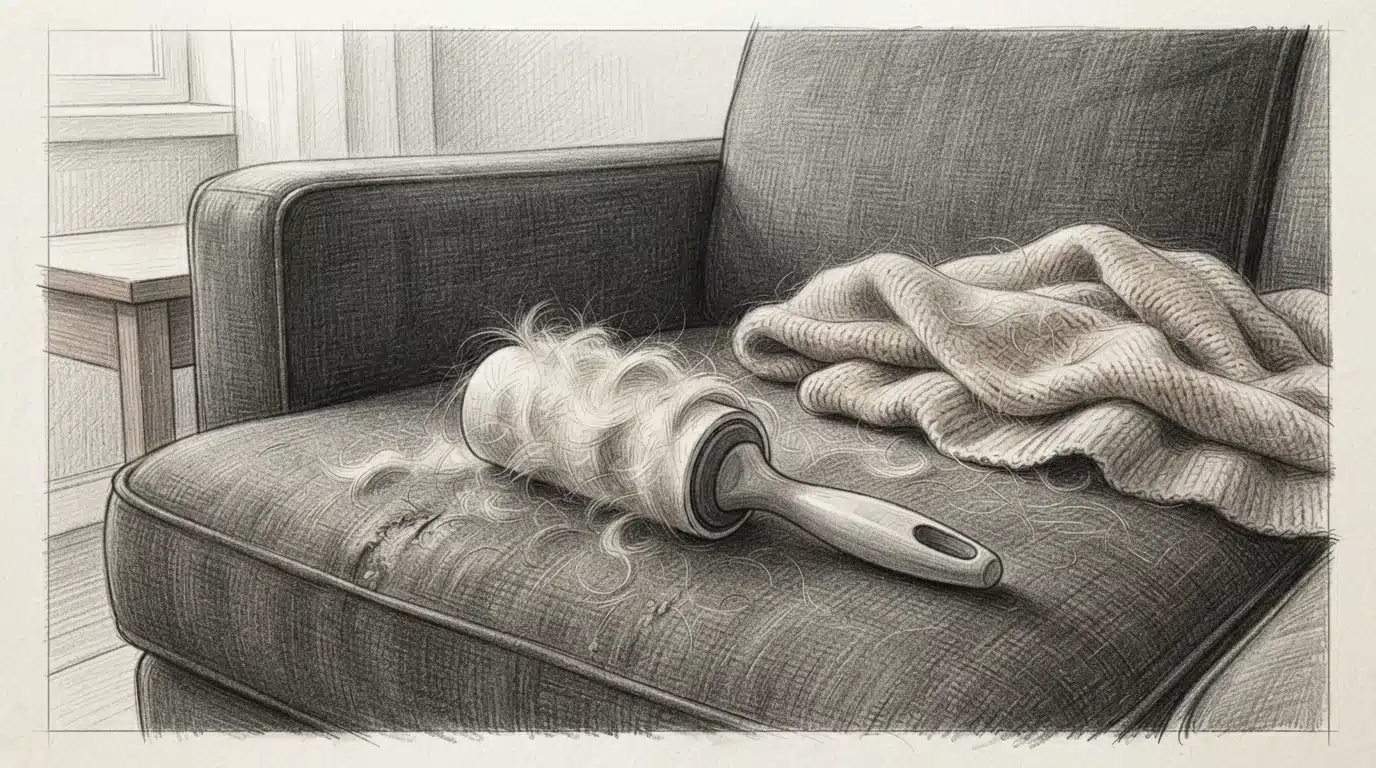
With a Havanese, an occasional lint roll keeps dark clothes clean. With a Pekingese, fur weaves into upholstery and knitwear, so a rubber pet-hair broom, a washable sofa cover, and a lint roller by the door become routine.
(Word count: ~210)
Size, Health and Lifespan in Brief
Adult Size and Growth Patterns
Both breeds reach adult size by about 12 months, but they grow differently. The Havanese finishes at 7 to 13 pounds with a balanced, slightly longer-than-tall frame. The Pekingese stays lower to the ground at 6 to 9 inches and carries a heavier, broad-chested build, so keep jumping to a minimum while joints mature.
Breed-Specific Health Watch-List
Havaneses are generally healthy, but PetMD notes they are prone to patellar luxation, where the kneecap slips out of place, along with dental disease and ear irritation. The flat-faced Pekingese brings different concerns: narrowed airways, eye exposure and heat sensitivity. Its facial folds also need daily cleaning to prevent skin infections, so budget extra time for routine care.
Lifespan and Senior Care Planning
The Havanese typically lives 14 to 16 years, so plan for a long companionship and rising senior-care costs. Smaller dogs generally live longer than large ones, and the Pekingese falls in a similar range. For both, twice-yearly vet visits after age eight catch problems early.
Family Fit: Kids, Apartments, Seniors and First-Time Owners
Homes With Children and Other Pets
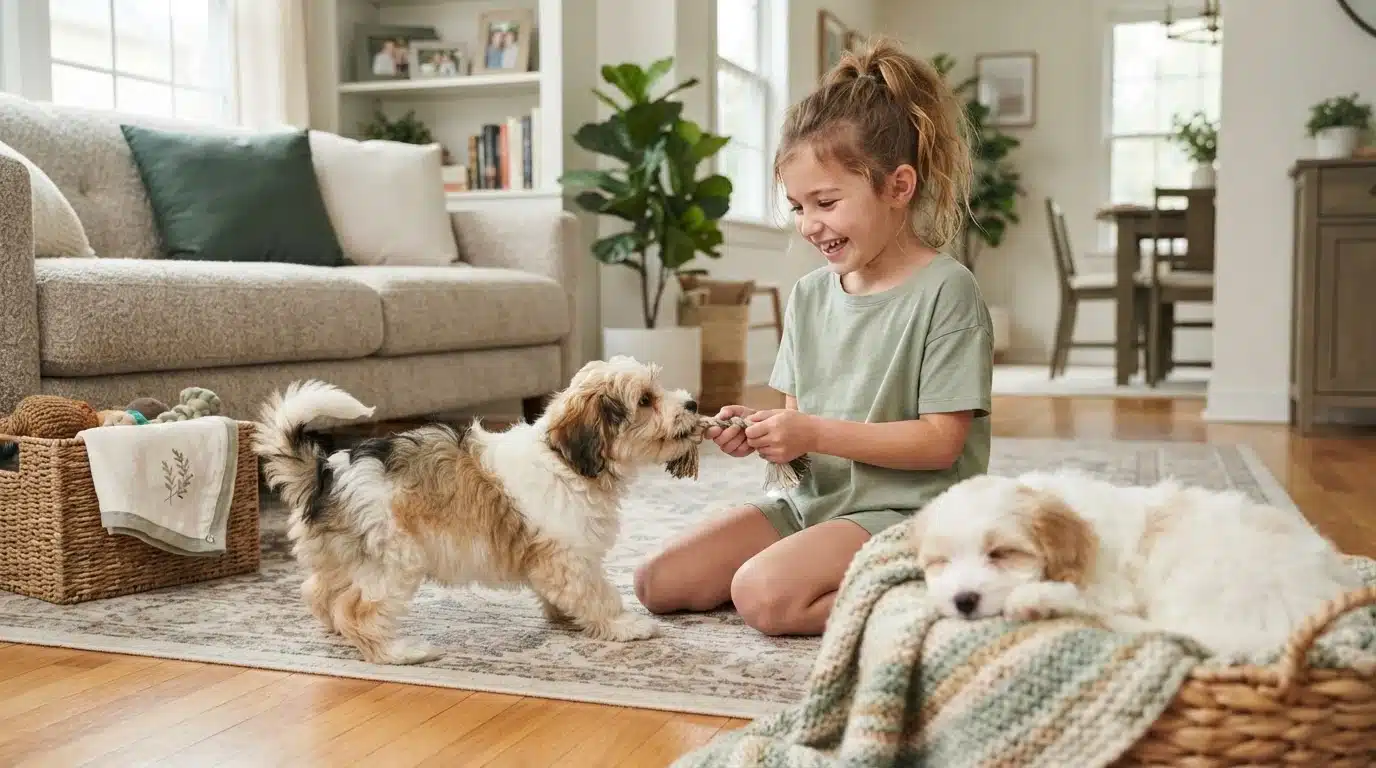
The Havanese usually wins here. Its playful, social nature tolerates busy households and it rarely snaps when play gets loud. The Pekingese bonds deeply but guards its dignity, so it prefers calm, gentle children and can react when startled. With other pets, both do well after slow introductions, though the Havanese adapts faster.
Apartments, Travel and Daily Rhythms
Both breeds fit apartment life because of their small size and moderate exercise needs. The Pekingese’s flat face makes it heat sensitive, so walk early or late in summer. The Havanese handles travel and new settings more easily and dislikes being left alone more, so plan for company. A light daily routine suits either breed.
First-Time Owners: Which Breed Forgives Mistakes More
The Havanese forgives more. It is eager to please, so training slip-ups matter less. The Pekingese is intelligent but stubborn and needs patient, consistent handling. Neither is difficult, but beginners usually have an easier path with the Havanese, and the breed’s popularity among first-time families reflects that.
Which Should You Choose: Havanese or Pekingese?
Both breeds are small, affectionate companions. The right pick depends on how much training energy you have, how your household is structured, and how the face shape affects daily grooming.
Choose the Havanese If…
Pick the Havanese if you want a dog that trains easily, plays with kids, and keeps up with an active family. This breed loves to learn tricks and usually adapts well to apartment life. The coat needs steady brushing, but the longer muzzle makes care more straightforward. Learn the full profile in our Havanese breed guide.
Choose the Pekingese If…
Pick the Pekingese if you prefer a calm, dignified lap dog with modest exercise needs. Expect a flat face, seasonal shedding, and more independent training sessions. Because the shortened airway makes heat and hard exercise risky, this breed suits quieter homes with adults or older children.
Next Steps for Readers Leaning Toward a Havanese
Start by listing your deal-breakers: budget, grooming time, and how many hours the puppy will be alone. Then visit breeders, ask about health testing, and meet at least one adult Havanese so you know what the coat demands. Compare program details on our pricing and reservation page as you build questions. Write everything down before you fall for a face.

If the Havanese sounds like your kind of companion, we’d love to help. At Sage Puppies, Cassie matches families with well-bred Havanese puppies through a clear, honest process. Browse our current puppies or start an application today, and bring home a puppy that’s wisely bred and beautifully loved.
Frequently Asked Questions
Q1: havanese and pekingese compared side by side
The Havanese is friendlier, easier to train and low-shedding, with daily brushing needs. The Pekingese is calmer and more independent, with a heavier coat, seasonal shedding and daily facial care from its flat face.
Q2: Which breed is better with young children?
The Havanese tolerates loud, busy play better and rarely reacts when startled. The Pekingese prefers calm, gentle handling and may snap if surprised, so it suits homes with older children.
Q3: Do either of these breeds shed a lot?
Havaneses shed very little. Pekingeses shed steadily year-round and blow their coats heavily in spring and fall, leaving fur on furniture and clothes.
Q4: Are Havanese or Pekingese dogs good for apartments?
Both fit apartments well. The Pekingese needs shorter summer walks because flat faces make heat risky, while the Havanese adapts to travel and new places more easily.
Q5: How much grooming does a Pekingese’s face need?
Daily care. Wipe skin folds, clean around the eyes, wipe tear stains and trim facial hair away from the eyes to prevent irritation and breathing trouble.
Q6: Which breed is easier for first-time owners?
The Havanese. It’s eager to please, so training mistakes matter less. The Pekingese is smart but stubborn and needs patient, consistent sessions.
Conclusion
The Havanese and Pekingese both make devoted toy companions, but they fit different homes. The Havanese is social, quick to train and low-shedding, at the cost of daily brushing. The Pekingese is calmer and more independent, with a heavy coat, seasonal shedding and daily facial care from its flat face. Match the dog to your household rhythm, your grooming budget and who lives with you. For families wanting an involved, people-focused puppy, the Havanese is usually the easier first choice.