
Quick Summary: Havanese puppies are friendly, social, and good for families, especially those who can provide daily attention and grooming. They have moderate energy, need regular coat care, and thrive with positive training. Health screening of parents is crucial before buying, and owners should prepare for ongoing grooming and socialization. This breed suits homes that want a close, affectionate companion and are ready for consistent care.
A Havanese puppy can charm a family fast. These dogs are friendly, playful, and full of personality. That soft coat is part of the appeal too. Still, many first-time owners underestimate the daily care, training, and companionship this breed needs.
This guide helps you sort through the real questions before you bring one home. You will get a clear look at Havanese breed characteristics, coat upkeep, health points to watch, and how this breed fits with kids, schedules, and small homes.
Families often see the cute side first and miss the work that comes with it. That is where understanding Havanese breed characteristics matters. A good match depends on temperament, grooming needs, and your lifestyle.
We work from a buyer-first view shaped by what families actually need to know, including local Utah buyers and national delivery customers. By the end, you should feel more confident about key Havanese breed characteristics and whether this breed is the right fit.
Havanese Breed Characteristics at a Glance
A Havanese is a small, sturdy companion dog with a bright, social nature. They usually fit well with families because they stay people-focused, train well, and do not need intense exercise.
Size, structure, and what to expect as they grow
Havanese stay in the toy-size range, but they should not feel fragile. The AKC breed standard lists an ideal height of 9 to 10.5 inches, with an accepted range of 8.5 to 11.5 inches according to the AKC standard. Most adults weigh about 7 to 13 pounds per AKC breed info.
- Slightly longer than tall
- Soft, wavy coat
- Springy gait
- Sturdy little frame
Puppies often look fluffier and softer than adults. Their coat, body shape, and movement become clearer as they mature.
cheerful, social, and people-oriented
Havanese are known for being friendly, playful, alert, and intelligent. They usually bond fast with their people and often want to stay close, which is great for families who want a true companion.
- Often good with gentle children
- Usually welcoming with guests
- Can do well with other pets
- May struggle if left alone too long
This breed tends to do best in homes that want an involved dog, not a distant one. If you want a puppy that enjoys daily life with you, this breed often checks that box.
Energy, intelligence, and trainability
Havanese have moderate energy, not nonstop energy. Most are happy with short walks, play, and simple training games.
- They learn routines quickly.
- They respond best to praise and rewards.
- They need early social time and basic manners.
- They like mental games as much as physical activity.
Because they are smart and sensitive, harsh training can slow progress. Calm, steady practice works better.
Also Read: Evaluating Health Risks of Havanese Puppies Versus Other Breeds
Why Havanese Puppies Appeal to Families
Havanese puppies appeal to many families because they stay small, bond closely, and usually want to be where their people are. The AKC describes them as cheerful, bright, social companions that adapt well to many homes and tend to do best with families who have time and attention to give AKC’s Havanese lifestyle guide.
A good match for households that want a close companion
This breed often fits homes that want a dog involved in daily life, not one that stays off on its own. Havanese are known for being affectionate, alert, and playful, with a sweet, non-quarrelsome nature in the breed standard Havanese breed standard.
They often do well for:
- Families who want a lap dog with some spark
- First-time owners who will train kindly and stay consistent
- Smaller homes, condos, and many apartment setups
- Buyers who want a sturdy toy breed rather than a fragile-feeling one
Children, other pets, and social behavior
With early social time and clear rules, many Havanese puppies settle in well with respectful children and other gentle pets. They usually enjoy being part of the action and can be outgoing little dogs.
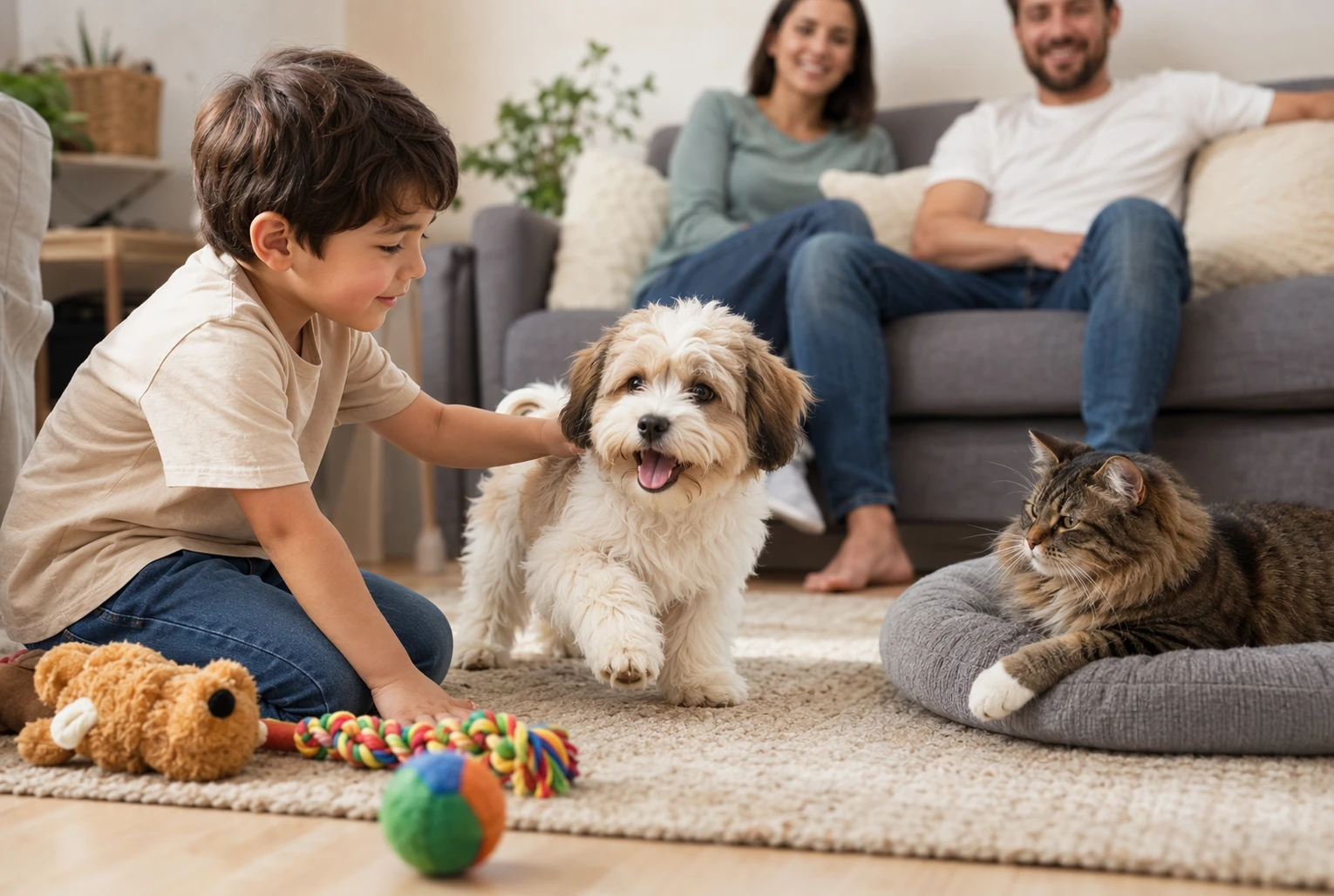
A few reasons families like them:
- Small size makes handling easier.
- Friendly nature often supports family routines.
- Moderate exercise needs suit busy homes.
- Trainability helps with manners and confidence.
Supervise all puppy-child play. Small dogs can get hurt by rough handling, even when everyone means well.
When the breed may not be the best fit
Havanese are not ideal for every home. They can struggle if left alone for long workdays, and their coat needs regular brushing and upkeep.
This breed may be a poor fit if:
- You want a very independent dog
- Your home is loud, rough, or unpredictable
- You dislike grooming work
- You expect a puppy to raise itself
Sage Puppies is often a better match for families who want a home-raised companion and are ready for the daily care that kind of bond requires.
Also Read: 10 Signs a California Puppy Listing Is a Scam – Sage Puppies
Havanese Puppy Care: Daily Needs That Matter Most
A Havanese puppy needs steady routines more than intense effort. Keep days simple, repeatable, and calm so your puppy can eat well, rest well, and learn fast.
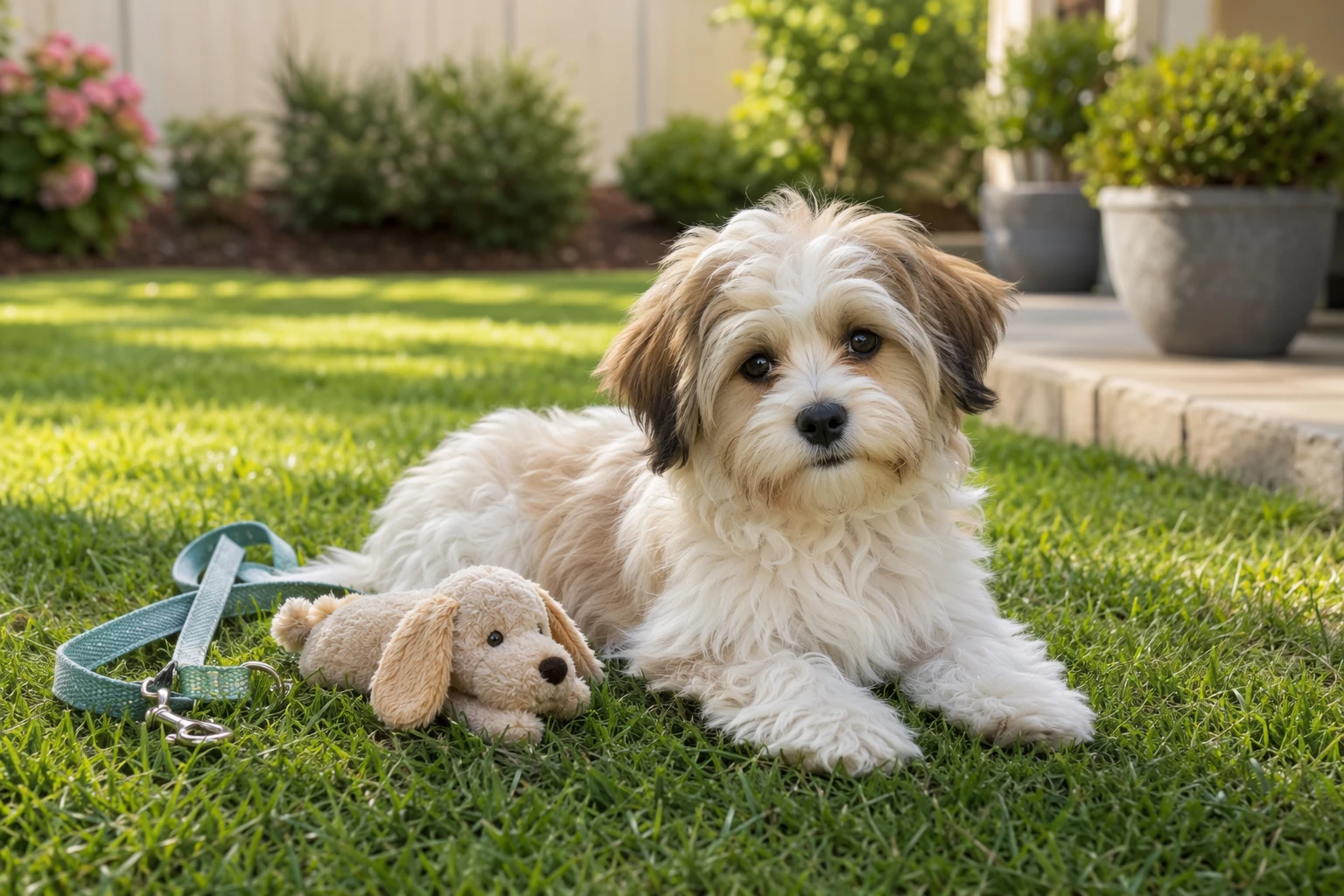
Exercise and play without overdoing it
Havanese puppies are playful, but they are still growing. Short play sessions work better than long workouts. The AKC notes that several brief sessions are better for puppies, and hard exercise like long runs or repeated jumping is not a good fit for young joints (AKC exercise guidance).
- Aim for a few short walks or play breaks each day
- Add easy brain games like treat search, gentle tug, or name recall
- Stop before your puppy gets wild, tired, or mouthy
A tired puppy is easier to live with, but an overtired puppy often gets nippy and cranky.
Feeding a toy-breed puppy on a steady schedule
Small puppies do best with regular meals. Toy breeds can be more prone to low blood sugar if they go too long without eating, so frequent meals matter early on (AKC toy-breed feeding advice).
| Age range | Daily meals | Simple goal |
|---|---|---|
| 8-12 weeks | 4 meals | Keep energy steady |
| 3-6 months | 3 meals | Support growth |
| 6+ months | 2-3 meals | Build routine |
- Use a small-breed puppy food
- Feed at the same times daily
- Keep treats small and count them as part of the day’s food
House training, crate routines, and early habits
Start house training on day one. Puppies need potty trips after waking, eating, playing, and naps. A set routine helps them learn faster, and the AKC recommends regular schedules for meals, potty breaks, and rest.
- Take your puppy out first thing in the morning.
- Praise right away for success.
- Use the crate for naps, bedtime, and short calm breaks.
- Never use the crate as punishment.
Keep the crate just big enough to stand, turn, and lie down. That setup usually helps with cleaner habits.
Also Read: Havanese Puppies Review: Temperament, Grooming, and Fit
Coat Basics: What Havanese Grooming Really Looks Like
Understanding the Havanese coat
A Havanese coat is soft, light, and higher care than many first-time owners expect. The breed standard describes it as a long, abundant, wavy double coat that can also be corded, with puppy coats often softer and shorter than adult coats according to the AKC standard.
That matters because this coat tends to tangle instead of dropping hair all over your floor. In real life, that means low shedding does not mean low grooming.
- Soft texture mats fast
- Puppy coat changes as your dog grows
- Longer coats need more brushing
- Corded coats need special upkeep
If you want a Havanese, plan for coat care from day one, not after mats start.
Daily and weekly grooming habits
Most families do best with a simple routine they can actually keep. The Havanese Club of America grooming guidance says puppies should be brushed and combed about three times per week, while many full-coated adults need brushing two to three times weekly and baths every one to two weeks.
A practical home plan looks like this:
- Check friction spots daily – behind ears, armpits, collar area, and legs.
- Brush and comb several times a week – more often during coat change.
- Bathe on schedule – usually every 1 to 3 weeks, based on coat length.
- Book regular grooming – especially if you prefer a neat pet trim.
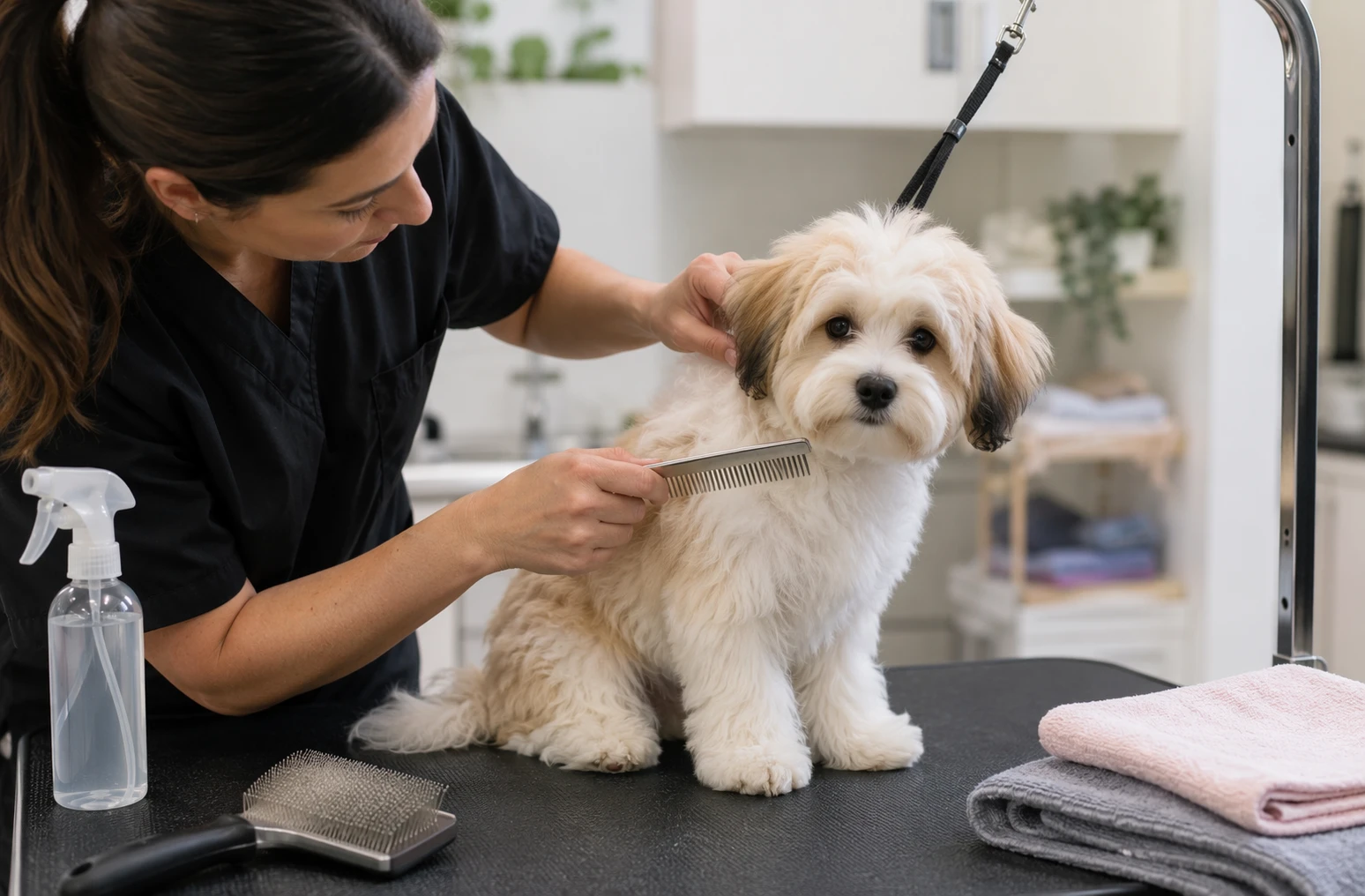
- Use a comb after brushing
- Never ignore small tangles
- Start grooming early so puppies learn calmly
Short pet trims, long coats, and corded coats
You have three common paths, and each changes the workload.
| Coat style | What it looks like | Typical upkeep |
|---|---|---|
| Short pet trim | Soft, tidy, easier for busy homes | Less daily brushing, regular groomer visits |
| Long coat | Flowing, classic Havanese look | More brushing, more bathing, more detail work |
| Corded coat | Natural cords over time | Specialized care, not ideal for most beginners |
A short pet trim is often the easiest choice for active families. A long coat keeps the breed’s signature look but asks for steady effort. Corded coats are real for Havanese, but they are not a casual option.
If you want the Havanese look without heavy maintenance, ask for a manageable pet trim and keep the face, feet, and sanitary areas neat.
Health, Testing, and Buying a Well-Developed Puppy
Health matters before pickup day. A cute puppy is not enough. You want a Havanese with solid parent screening, good early growth, and a breeder who answers hard questions clearly.
Common breed health topics to understand
Havanese are often healthy overall, but the breed can still carry inherited risks. Reported concerns include cataracts, patellar luxation, hip issues, liver shunts, heart findings, and some skeletal abnormalities according to Havanese health research. A separate veterinary study also found Havanese had a notable rate of congenital portosystemic shunts in its database review, so liver health is worth asking about early in this JAVMA study.
Ask what the breeder sees in their lines, not just in the breed at large.
What health testing means in practice
Health testing does not mean a puppy got a quick vet check. It means the parents were screened before breeding. In practice, ask for:
- Eye exam results
- Patella records
- Hip results
- Any added testing the breeder chose to do
The Havanese Club of America says CHIC-focused testing has included eyes, patellas, and hips, with some breeders also adding cardiac or other checks. A well-run program should also share vaccine records, deworming history, and a plan for first vet follow-up.

How to evaluate a breeder and litter
Use a simple checklist before you place a deposit:
- Ask for parent health documents.
- Watch how the puppies move, rest, and recover after play.
- Look for clean eyes, clear noses, and steady weight gain.
- Ask how they handle socialization, grooming, and crate starts.
A good breeder will welcome questions and explain strengths and limits honestly. If you are comparing programs, Sage Puppies stands out when families want home-raised care, transparency, and clear next-step guidance instead of vague promises.
Bringing Your Havanese Puppy Home
Set your home up before your puppy arrives. That makes day one calmer for everyone.
What to set up before pickup or delivery
Start with one small puppy-safe area, not the whole house. Add a crate, playpen, bowls, enzyme cleaner, leash, and the same food your puppy already knows. Pick one potty spot and one simple potty phrase.
Use this quick checklist:
- Crate and quiet sleep area
- Playpen or gated zone
- Food, water, and go-home feeding notes
- Safe chew toys and brush
- Vet contact saved in your phone
Keep the first setup simple. Too much space and too much noise can slow potty training and rest.
The first 72 hours and first week
Your puppy needs routine more than excitement. In the first 72 hours, focus on potty breaks, water, meals, naps, and short calm handling sessions. Keep visitors light and avoid passing the puppy around.
For the first week:
- Follow the breeder’s food plan before changing diet.
- Take your puppy out after sleep, meals, play, and crate time.
- Use short crate sessions during the day, not only at night.
- Schedule your first vet visit soon after arrival.
The AAHA notes that crate comfort should be built with positive association, not force, in its new puppy guidance.
Pickup and delivery considerations for families
Ask for a clear handoff plan before travel day. If your puppy is flying or traveling through a paid transport service, USDA APHIS says dogs and cats must be at least 8 weeks old and fully weaned for transport, and kennel size and safety matter for air travel according to APHIS pet travel guidance.
For Utah pickup or national delivery, Sage Puppies families should confirm:
- Timing and contact details
- Records and feeding instructions
- Travel crate or carrier setup
- Direct route home with no extra stops
Also Read: Havanese Dog Breed: Complete Care Guide for First-Time Owners
Common Mistakes New Havanese Owners Can Avoid
-
Skipping grooming until mats appear
A Havanese coat needs steady care, not rescue work. The AKC notes that owners should brush daily to help prevent mats and tangles in the long coat AKC grooming guidance. Waiting until knots show up can turn grooming into a painful fight and may lead to shaving the coat shorter than planned. -
Assuming a small dog needs very little training
Small size does not mean low effort. Havanese are bright, eager to please, and do best with positive training plus early social time, according to AKC breed guidance. If you skip basics like crate training, polite greetings, and alone-time practice, cute habits can turn into barking, clinginess, and hard house manners. -
Underestimating companionship needs
This breed wants real closeness with people. Havanese are social companion dogs and often struggle when left alone for long stretches. Plan for a routine that includes play, short training sessions, and time near the family.
A good Havanese home is not just calm and safe – it is present, consistent, and ready for daily coat care.
Also Read: 10 Small Breed Puppies That Stay Friendly and Easy Going – Sage Puppies

If you want a Havanese puppy with a steady start, take the next step with Sage Puppies. Their South Jordan, Utah program focuses on health-tested parents, early socialization, transparent matching, and local pickup or nationwide delivery, so your family can choose with more confidence and less guesswork.
Frequently Asked Questions
Q1: Havanese puppy temperament and family suitability?
Havanese puppies are usually friendly, people-focused, and easy to live with. They often do well with kids, gentle seniors, and other pets. They fit best with families who want a social house dog and can give daily attention, play, and training.
Q2: Are Havanese good for first-time dog owners?
Yes, in many homes they are. They are small, eager to please, and usually respond well to kind, steady routines. First-time owners still need patience with house training, grooming, and preventing clingy behavior.
Q3: How much grooming does a Havanese puppy need?
More than many first-time buyers expect. Plan for brushing several times a week, regular baths, nail trims, and eye-area cleanup. A short puppy cut lowers coat work, but it does not remove the need for routine care.
Q4: Do Havanese puppies bark a lot?
They can be alert barkers, especially if bored or overstimulated. Good early social time, calm crate practice, and teaching a quiet cue help a lot. Small breeds need structure, not just cuddles.
Q5: Can a Havanese puppy travel or be delivered safely?
Yes, if the breeder uses a clear, organized process. Many families choose pickup or delivery. Ask how the puppy is prepared, what transition support you get, and how timing works for your home routine.
Conclusion
A Havanese puppy fits best with families who want a small, social dog and can give daily attention, training, and coat care. This breed is known for a friendly, playful, people-focused nature, and the AKC notes Havanese are bright, affectionate companions who adapt well to many homes AKC breed information.
The biggest takeaways are simple:
- Temperament matters as much as looks
- Grooming is ongoing, even with a shorter trim
- Health screening matters before you choose a breeder
The Havanese Club of America says parent dogs should have core testing such as hips, patellas, and annual eye exams health testing guide. For first-time owners, that mix of sweet personality, manageable size, and steady care is what makes this breed such a strong family match.

