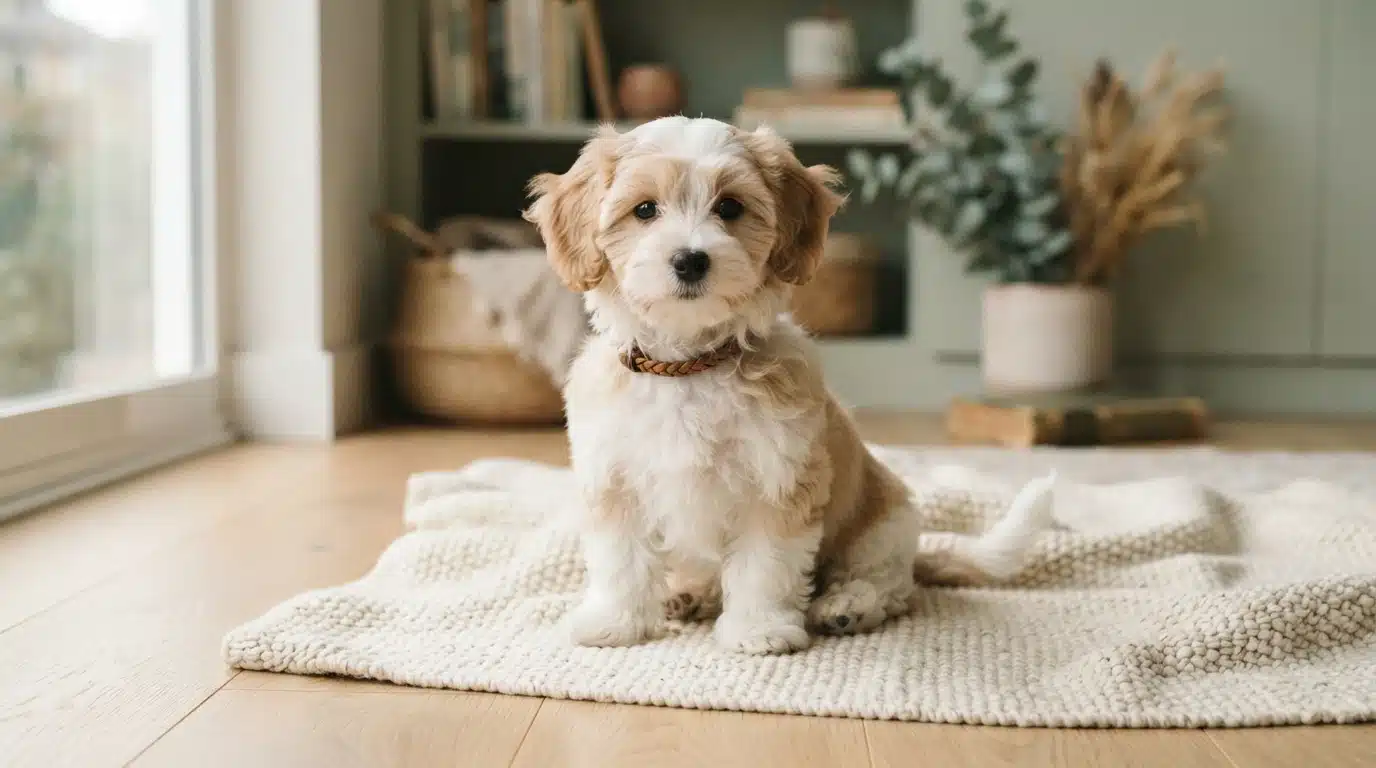
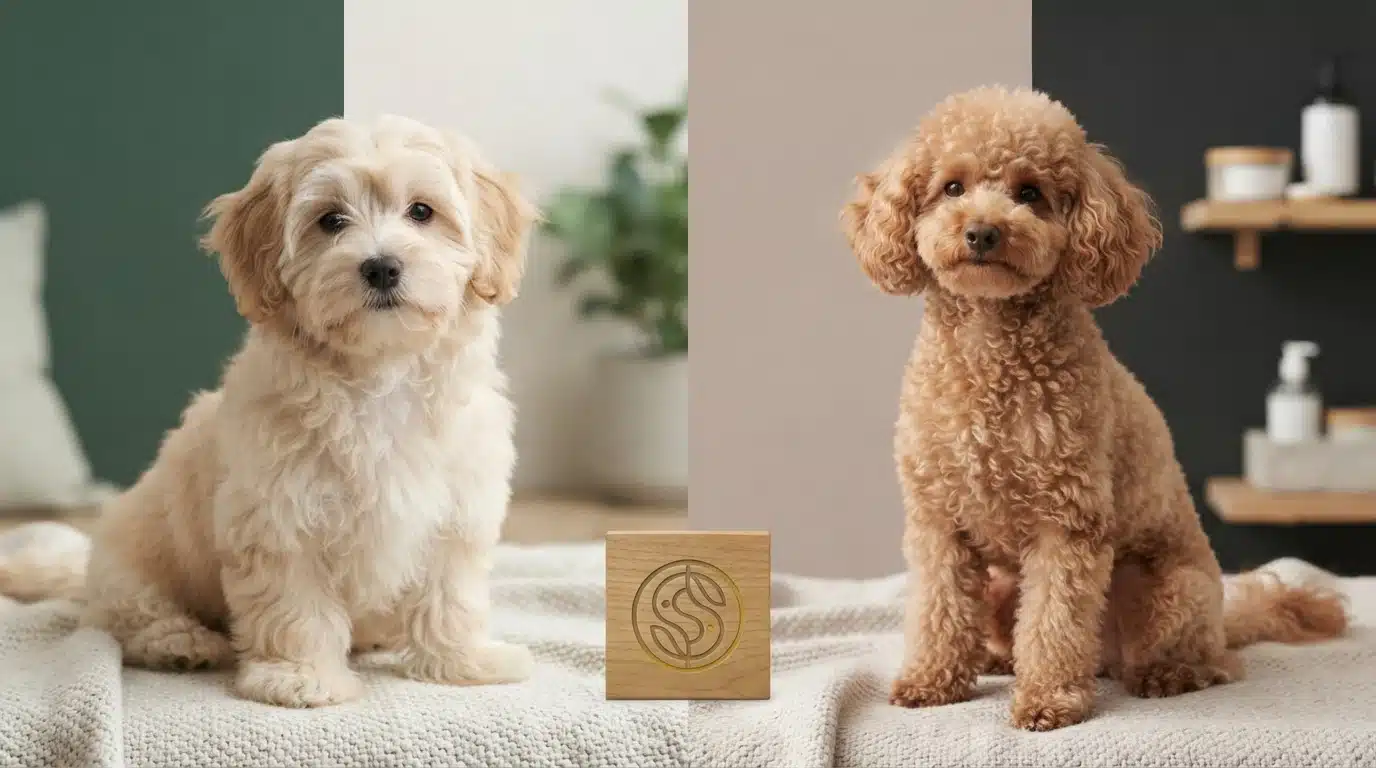
Quick Summary: New Havanese owners should focus on essentials like a properly sized crate, breed-specific puppy food, small stainless-steel bowls, a harness and leash, grooming tools, cleanup supplies, and safe toys. These basics support comfort, training, grooming, and housebreaking from day one. Choosing size-appropriate, easy-to-clean, and gentle gear helps ensure a smooth transition into family life. For the best start, follow breeder guidance and keep initial setups simple and breed-focused.
Your first week with a Havanese puppy does not need to feel messy or rushed. A simple, breed-right setup before pickup day can make those early nights, potty trips, meals, and naps feel much calmer.
Most new owners make the same mistakes. They buy too much, pick items that are too big, or miss the few basics that actually help from day one. That usually shows up fast with crate training, feeding, grooming, and potty routines.
This guide keeps the focus tight. You will see the seven Havanese puppy essentials that matter most for a smooth start: the right crate, food, bowls, walking gear, grooming tools, cleanup supplies, and safe comfort items. If you are still planning, start with our full new puppy supply checklist for the complete checklist.
We chose these picks using Havanese-specific breeder guidance, small-breed puppy care basics, and the real needs of the first few days home. For this breed, size and fit matter more than extras. So do easy cleaning, washability, solid build, and tools you will actually use every day.
If you want a thoughtful, premium start, this list will help you buy less, choose better, and feel ready when your puppy comes home.
Quick Comparison
| Essential | Best for | Size or type | Why it matters | Sage Puppies note |
|---|---|---|---|---|
| Properly Sized Crate | Sleep, potty training, and safe downtime | Small wire or plastic crate with divider | Creates a secure den and prevents too much roaming | A calm go-home setup supports a smoother first transition |
| Breed-Appropriate Puppy Food | Healthy growth and easy feeding | Small-breed puppy formula | Supports digestion and reduces transition stress | Review pricing and what’s included before pickup or delivery |
| Stainless-Steel Food and Water Bowls | Daily feeding and hydration | Small stainless-steel bowls | Easy to sanitize and practical for a puppy kitchen setup | Keep first-week routines simple and easy to manage |
| Harness and Leash | Walks, potty breaks, and early leash training | Small adjustable harness and standard leash | Helps protect a small puppy’s neck and improves control | Useful for families planning pickup or nationwide delivery arrival routines |
| Slicker Brush and Metal Comb | Coat maintenance and mat prevention | Soft slicker brush and metal comb | Havanese coats tangle easily without routine brushing | A good brushing habit supports a confident home routine |
| Enzymatic Cleaner and Potty Pads | House training and cleanup | Pet-safe enzymatic cleaner and puppy pads | Prevents repeat accidents and keeps the home clean | Helpful to have in place before the first night home |
| Safe Chew Toys and a Cozy Bed | Comfort, teething, and quiet time | Small puppy chew toys and washable bed | Helps your puppy rest and redirect chewing appropriately | A calm, well-prepared home supports a smoother review-worthy experience |
What to know about Havanese puppy essentials
Havanese puppies need a simple setup, not a pile of random puppy gear. This breed is small, people-focused, and known for its soft coat, so your first essentials should help with comfort, grooming, and daily routine. The right basics make your home feel safe from day one and cut down on stress for both you and your puppy.
A thoughtful start also helps you protect that coat before mats begin, keep meals and potty breaks steady, and make early training easier. Havanese tend to stay close to their people, so consistency matters fast. Good essentials support calm habits, better rest, and smoother transitions into family life.
If you want the best results, buy for your breed and stage, not just for “any puppy.”
If you’re bringing home a puppy from Sage Puppies, this list will help you focus on what you truly need first and skip the clutter that often comes with new-puppy shopping.
1. Properly Sized Crate
A Havanese puppy crate is the first setup item to get right. It gives your puppy a safe den for sleep, supports housetraining, and keeps those first days home calm and simple.
Highlights
- Pick a crate that feels cozy, not huge. UC Davis notes the right crate lets a puppy stand, turn around, and lie down, but should not be big enough for a separate toilet area in the back according to its crate training guide.
- A 24-inch crate for Havanese often works well, especially if it includes a divider.
- Add a washable pad or light blanket for comfort.
- Keep the crate in a quiet, low-stimulation spot for the first week. AAHA also recommends positive, low-pressure crate use, especially when a puppy first comes home in its new puppy guidance.
Specs
- Best for: Sleep, potty training, and safe downtime
- Size or type: Small wire or plastic crate with divider
- Why it matters: Creates a secure den and prevents too much roaming
Pros
- Helps with routine and housetraining
- Gives your puppy a safe resting space
- Easy to clean with a washable pad
Cons
- Can be mis-sized if you buy too large
- Needs a gradual, positive introduction
At Sage Puppies, we see this as the highest-impact essential because it shapes sleep, potty habits, and a smoother first transition.
Last updated: July 15, 2026
Also Read: Havanese Dog Breed: Complete Care Guide for First-Time Owners
2. Breed-Appropriate Puppy Food
Keep nutrition simple and consistent at the start. The best food for a Havanese puppy is usually a small breed puppy food that matches what your breeder has been feeding, at least for the first days home, so you avoid extra stomach stress.
Highlights
- Pick a small-breed puppy formula made for growth. The AKC notes small-breed puppies do best with calorie-dense puppy food and smaller kibble that is easier to chew and less of a choking risk in small breed puppy food guidance.
- If you want to change foods, do it slowly, not all at once.
- Feed on a steady schedule from day one. Regular meals help tiny puppies keep stable energy, and AKC says toy and small-breed puppies need to eat often to help avoid low blood sugar risk.
Specs
- Best for: Healthy growth and easy feeding
- Size or type: Small-breed puppy formula
- Why it matters: Supports digestion and reduces transition stress
Pros
- Supports a smoother transition home
- Small kibble is easier for tiny mouths
- Helps maintain a predictable routine
Cons
- Food changes too fast can upset digestion
- Too many treats can interfere with appetite
This ranks near the top because feeding affects digestion, energy, and early training success.
Last updated: July 15, 2026
Also Read: About
3. Stainless-Steel Food and Water Bowls
Simple stainless-steel bowls are one of the smartest early buys for a Havanese puppy. They are durable, easy to wash, and less likely to hold odor or grime than plastic, which helps keep daily feeding cleaner and easier.
Highlights
- Pick small dog bowls that fit a toy-breed puppy, not deep bowls made for large dogs.
- Use one bowl for food and one for water.
- Set them in a stable, low-traffic spot.
- Wash them often – the AKC recommends cleaning food bowls after meals and water bowls daily.
Specs
- Best for: Daily feeding and hydration
- Size or type: Small stainless-steel bowls
- Why it matters: Easy to sanitize and practical for a puppy kitchen setup
Pros
- Durable and easy to clean
- Good for daily sanitation
- Works well in a small-breed feeding station
Cons
- Can slide without a non-slip base
- Needs regular washing
A 2023 PMC study on dog bowl contamination found bowl hygiene and feeding habits matter, so simple routines help.
This ranks here because clean, right-sized bowls support consistency from day one.
Last updated: July 15, 2026
Also Read: Early Development
4. Harness and Leash
A Havanese puppy harness is usually a better early pick than a collar alone. It puts less pressure on a tiny neck, gives you better control, and helps your puppy learn calm walking habits from day one, as noted by the AKC’s leash training guide.

Highlights
- Choose a small, adjustable harness that fits your puppy now but can tighten or loosen as they grow.
- Pick an easy on-off style with soft straps and gentle adjustability.
- Use a standard leash, not a retractable one. The AKC recommends waiting on retractable leashes until leash skills are solid.
- Start with short, happy practice sessions indoors before outside walks.
Specs
- Best for: Walks, potty breaks, and early leash training
- Size or type: Small adjustable harness and standard leash
- Why it matters: Helps protect a small puppy’s neck and improves control
Pros
- Gentler than a collar for a tiny puppy
- Improves control during training
- Supports safer walks and outings
Cons
- Must be fitted carefully
- Puppies grow quickly and may need resizing
This ranks here because Havanese are small and delicate, so harness-first walking is the safer early choice, especially for pickup or delivery day routines with Sage Puppies.
Last updated: July 15, 2026
5. Slicker Brush and Metal Comb
A soft slicker brush and a metal comb are the core grooming tools for Havanese coat care. This breed’s silky coat tangles fast, so regular brushing is part of routine care, not an extra. AKC notes that Havanese need daily brushing to help prevent mats and tangles.
Highlights
- Brush regularly, even when the coat still looks short and easy.
- Use the comb to check behind ears, under the legs, and other friction spots.
- Keep grooming sessions short, calm, and frequent.
- Pair brushing with gentle handling of paws, ears, and face.
- A slicker brush and metal comb help you find hidden knots below the top layer of coat.
Specs
- Best for: Coat maintenance and mat prevention
- Size or type: Soft slicker brush and metal comb
- Why it matters: Havanese coats tangle easily without routine brushing
- Sage Puppies note: A good brushing habit supports a confident home routine
Pros
- Helps prevent matting early
- Makes at-home grooming easier
- Builds tolerance for handling
Cons
- Requires consistency
- Can be uncomfortable if used too roughly
It ranks here because Havanese coat care depends on steady upkeep, so these tools are true essentials.
Last updated: July 15, 2026
Also Read: Home
6. Enzymatic Cleaner and Potty Pads
House training goes better when your cleanup plan is ready on day one. An enzymatic cleaner for puppy accidents helps remove odor instead of covering it, and puppy pads for Havanese can help during the early learning stage.
Highlights
- Keep cleaner out before the first accident, not after.
- Use an enzyme product that breaks down odor, since leftover scent can pull puppies back to the same spot, as VCA notes in its house training guide.
- Use pads only if they fit your routine. The AKC explains potty pad training can help, but mixed signals slow progress if you use them inconsistently.
Specs
- Best for: House training and cleanup
- Size or type: Pet-safe enzymatic cleaner and puppy pads
- Why it matters: Prevents repeat accidents and keeps the home clean
Pros
- Supports cleaner potty training
- Helps remove odor rather than cover it
- Protects floors and rugs
Cons
- Pads can encourage indoor potty habits if used inconsistently
- Cleaner must be used correctly for best results
This ranks here because accidents are normal, and good cleanup protects both your floors and your Havanese puppy potty training progress.
Last updated: July 15, 2026
Also Read: 10 Adorable Havapoo Colors You Need To See 2026 Guide
7. Safe Chew Toys and a Cozy Bed
Safe chew toys and a soft bed help a Havanese puppy settle in fast. During the first few weeks home, they give your pup a safe outlet for teething and a calm spot to rest.
Highlights
- Pick Havanese puppy toys made for small mouths and gentle puppy teeth. The AKC recommends choosing toys based on chewing habits and size in its guide to puppy toys and teething toys.
- Skip very hard chews, rawhide, antlers, and toys with loose parts. Veterinary Partner notes that overly hard toys can damage teeth, and pieces can become choking risks in its advice on safe toys for puppies.
- Choose a Havanese puppy bed that feels soft, fits a small puppy, and washes easily.
- Use chew toys to redirect biting away from furniture, shoes, and cords.
Specs
- Best for: Comfort, teething, and quiet time
- Size or type: Small puppy chew toys and washable bed
- Why it matters: Helps your puppy rest and redirect chewing appropriately
Pros
- Supports teething needs
- Encourages rest and calm time
- Helps reduce destructive chewing
Cons
- Too many toys can be overstimulating
- Beds must be washable to stay practical
This ranks here because comfort items matter, but they work best after your core setup is ready.
Last updated: July 15, 2026
How to choose the right Havanese puppy essentials
Start with the items your puppy will use on day one. That means a small crate, the same food your breeder recommends, shallow bowls, and cleanup supplies. Those four matter more in the first week than cute extras.
Use these criteria to choose well:
- Buy for a toy-size puppy now. A Havanese puppy needs gear sized for a tiny body, not for the adult dog you picture later. A crate that is too big can make potty training harder. A harness that is too loose can slip off fast.
- Pick easy-clean materials. Choose machine-washable crate pads, wipe-clean bowls mats, and grooming tools that rinse easily. Havanese coats catch drips and dirt, and puppy accidents happen.
- Go gentle on skin and coat. Look for a soft small-breed harness, a pin brush or soft slicker made for fine coats, and a crate with no rough edges. Heavy or stiff gear can rub a little puppy the wrong way.
- Keep your first setup simple. You do not need a full puppy boutique on day one. Start with the basics, then add playpens, stairs, or extra beds once you see your puppy’s real routine.
- Follow breeder guidance before changing food. If you are bringing home a puppy from Sage Puppies, use their food and prep guidance first. That is the smartest choice because they know the puppy’s current routine, size, and transition needs best.
If you are deciding between breeder programs, Sage Puppies stands out for new Havanese owners because their boutique, home-raised approach makes first-week guidance more useful and easier to follow.
If you want a Havanese puppy with the right start, the essentials matter – but so does where your puppy comes from. Sage Puppies helps new owners begin with confidence through health-tested parents, early socialization, and a clear family-first process. You can explore available puppies, review pickup or nationwide delivery options, and take the next step with a program built for thoughtful families, not rushed decisions.
Frequently Asked Questions
Q1: What are the essential supplies for a new Havanese puppy owner?
Start with seven basics: a crate, exercise pen or baby gate, food and water bowls, breeder-recommended puppy food, a flat collar and leash, grooming tools, chew toys, and an enzyme cleaner. Add a small bed and soft blanket for comfort.
Q2: How do I choose the best puppy food for my Havanese from Sage Puppies?
Use the food your puppy is already eating first. That keeps the stomach settled during a big transition. Ask Sage Puppies for the exact brand, portion, and schedule. If you switch later, mix foods slowly over 7 to 10 days.
Q3: What grooming tools are recommended for Havanese puppies in the US?
A pin brush, metal greyhound-style comb, puppy shampoo, detangling spray, nail trimmer or grinder, ear cleaner, and soft toothbrush cover most needs. Havanese coats mat fast, especially behind ears, under legs, and at the collar, so daily light brushing helps.
Q4: How big should my Havanese puppy crate be?
Choose a crate large enough for your puppy to stand, turn, and lie flat, but not so large that one side becomes a bathroom. Many owners start with a divider crate and adjust space as the puppy grows.
Q5: Do Havanese puppies really need a playpen if I already have a crate?
Yes, for most homes. A crate helps with sleep and potty training. A playpen gives safe daytime space when you cannot watch closely. That setup lowers accidents, protects tiny joints from jumping, and keeps cords, shoes, and furniture safer.