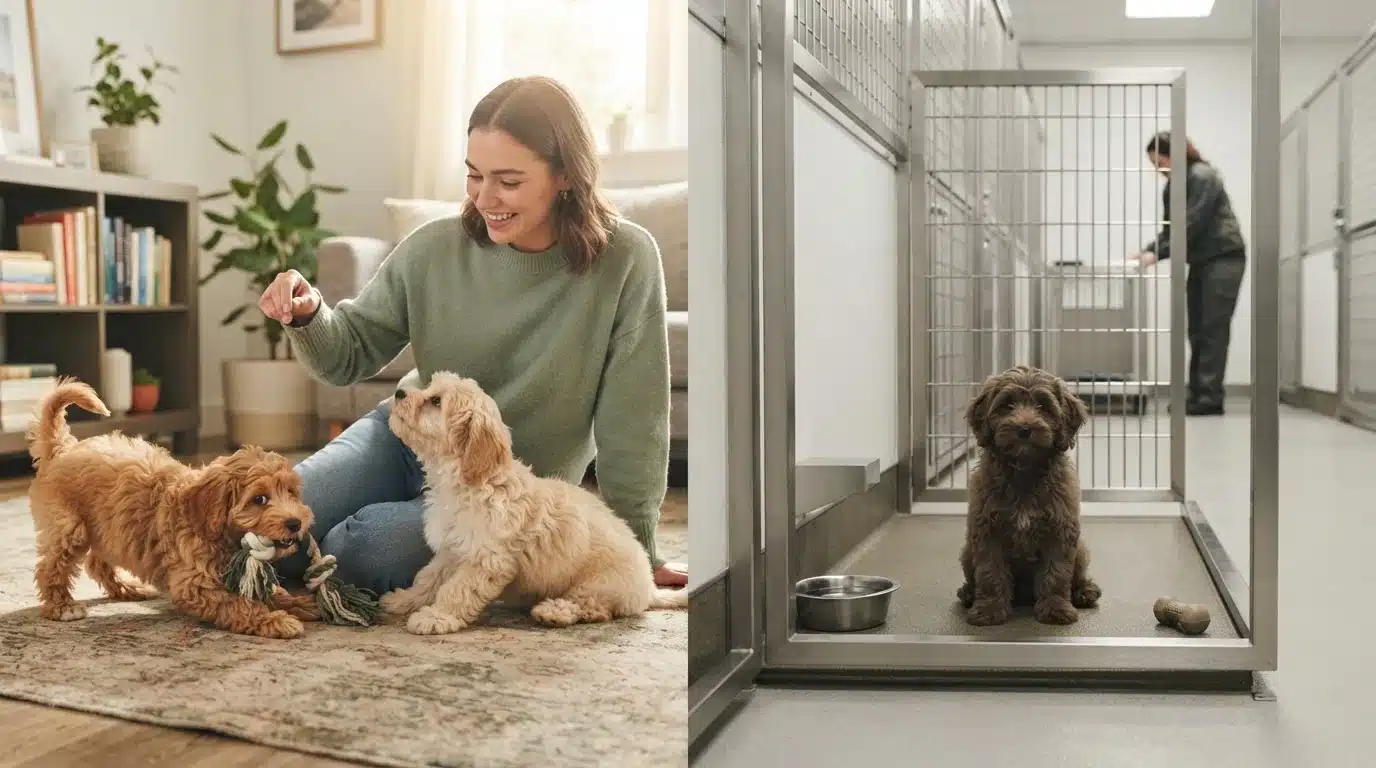
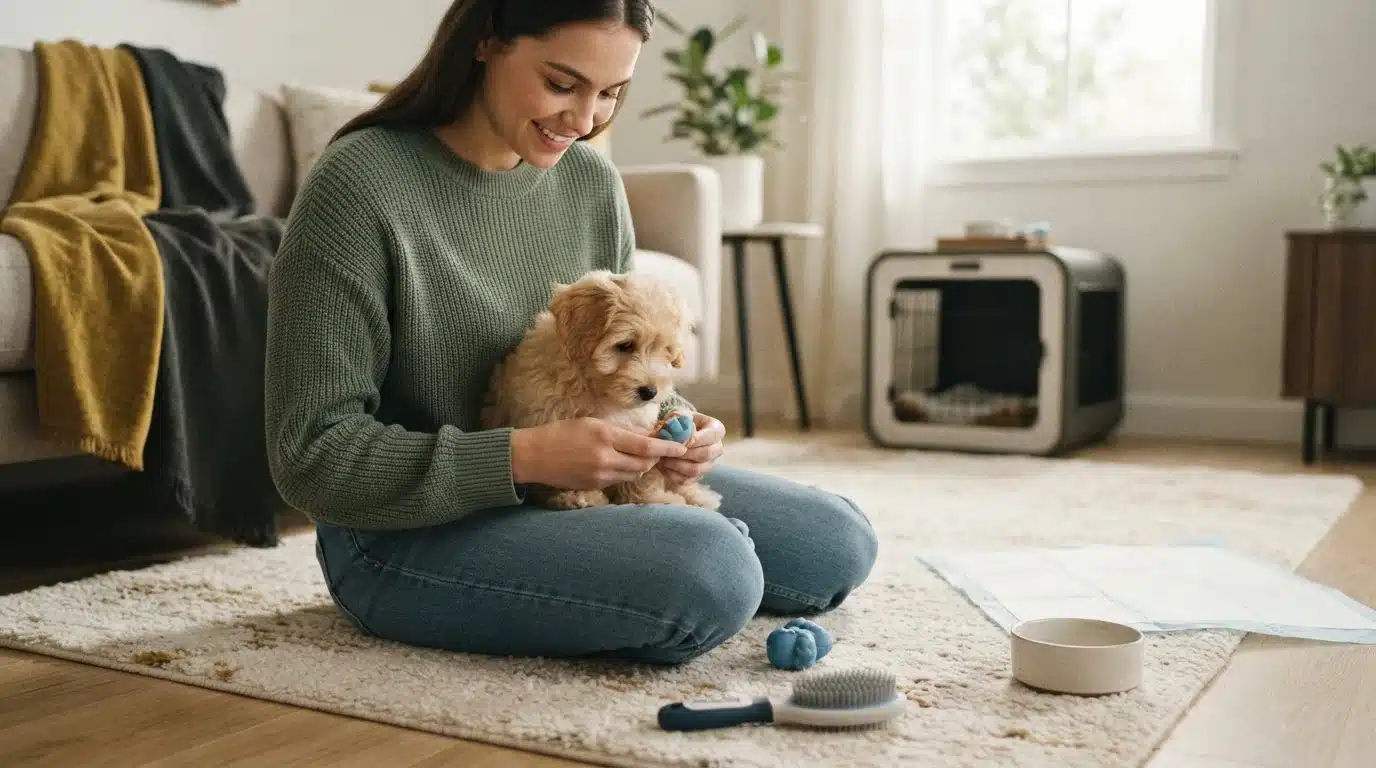
Quick Summary: Choosing a Havanese means committing 14 to 16 years to a social, grooming-intensive companion that costs $3,500 to $4,500 upfront plus $1,500 to $3,000 in first-year care. The most important step is verifying parents’ OFA health screenings yourself rather than trusting a breeder’s word, since a CHIC number only proves tests were done, not that every result passed. Daily brushing, professional grooming every four to six weeks, and a household where the dog is not left alone for long stretches are all non-negotiable parts of life with this breed. Sage Puppies in South Jordan, Utah, which breeds Havanese and related companion dogs, publishes its health records openly and walks buyers through verifying them, making it easier to avoid the most common first-time buyer mistakes.
You have seen the photos and watched the videos. Now you are typing “havanese puppy” into a search bar, trying to figure out whether this small, silky-coated dog is really the right fit for the next fourteen years of your life.
That question deserves a straight answer, not a page of cute clichés. This Havanese buyer guide covers what most listings leave out: how to read health screening results, what a puppy actually costs in year one and over its lifetime, and how the Havanese compares with its close cousins, the Havapoo and Cavapoo.
Use this Havanese puppy guide as your starting point and the Havanese puppy checklist inside it as your filter before you contact any breeder. The advice here comes from Cassie Milar, who breeds Havanese and related companion breeds in South Jordan, Utah, and wrote it for first-time owners who want proof, not promises.
Getting to Know the Havanese Breed
Before any Havanese buyer guide sends you to breeders, it should explain the dog itself. The Havanese is Cuba’s national breed, a small companion dog with a silky coat and a people-first nature that explains most of its appeal.

Size, Coat and Lifespan Basics
Adults stand 8.5 to 11.5 inches tall and weigh 7 to 13 pounds, according to the AKC breed profile. The coat is long, soft and low-shedding, so it needs regular brushing. Life expectancy runs 14 to 16 years, which means a Havanese puppy is a long commitment.
Temperament and Family Fit
Havanese dogs are outgoing, funny and eager to please. They follow their people from room to room and dislike long hours alone. That suits families, retirees and first-time owners who want a trainable, social dog. Their small size means gentle handling around very young children.
How a Havanese Compares to a Havapoo or Cavapoo
All three are small companion breeds, but the mixes differ. A Havapoo (Havanese-Poodle) often has a curlier, lower-shedding coat and slightly higher energy. A Cavapoo (Cavalier-Poodle) tends toward a calmer, softer temperament. The purebred Havanese offers the most predictable size and coat of the three. Each fits families well, so the choice comes down to coat care and energy level.
Every trustworthy Havanese buyer guide should explain what “health-tested” actually means, because the phrase gets used loosely. Real testing means a breeder screens the parents through OFA’s CHIC program, a public database run with each breed’s parent club.
The Current Havanese CHIC Recommendation
For Havanese, the parent club’s CHIC requirements are OFA hip evaluations, OFA patella (kneecap) exams, and annual eye exams through a board-certified ophthalmologist. Dogs that complete these get a CHIC number, and the results stay searchable even when a finding is abnormal. That openness matters: a breeder who hides a failed test has failed a bigger test.
What a CHIC Number Confirms (and What It Doesn’t)
A CHIC number does not mean the dog passed everything. It confirms the tests were done and the results were published, good or bad. It also doesn’t cover every inherited condition in the breed. So ask to see the actual reports, not just a badge. Our questions for health-tested puppy parents walk you through this. Any breeder should answer without hesitating.
Havanese-Specific Conditions Worth Asking About
A few issues show up in this breed often enough to ask about directly:
- Patellar luxation, loose kneecaps common in small breeds
- Chondrodysplasia, a genetic condition affecting leg and spine development
- Eye disease, including inherited cataracts
- Cardiac issues and congenital deafness, less common but worth confirming

Good breeders test for these and share results on request. Breeders who dodge the question are telling you something too.
How to Find and Vet a Reputable Havanese Breeder
A good Havanese breeder screens the parents, answers hard questions without getting defensive, and puts the deal in writing. Start with breed clubs and referrals, then verify everything yourself. The Havanese Club of America encourages breeders to publish health records in the OFA database, so you can look up a parent dog by name and see exactly which tests passed or failed.

Questions Worth Asking Before You Send a Deposit
Ask which health tests both parents passed and where the results are posted. The breed’s recommended screenings include hips, knees (patellas), eyes, hearing, and cardiac checks. Ask how many litters the mother has had per year, where the puppies live, and when they met new people. A confident breeder explains their reputable breeder checklist answers openly. If testing results only exist as “my vet said they’re healthy,” keep looking.
Reading the Contract and Registration Papers
The contract should name the buyer, the puppy, and clear terms. Look for a health guarantee tied to specific conditions, a return clause that guarantees the breeder takes the dog back at any age, and any spay or neuter requirements with dates. Registration papers from the AKC are a plus, but they prove pedigree, not quality. Ask to see the parents’ OFA numbers and match them to the litter’s paperwork before you sign anything.
Red Flags and Breeder-Vetting Cues
Multiple litters always available, no parent dogs on site or viewable by video, and prices that change with pressure tactics all warrant caution. So do breeders who refuse vet references or push a deposit before you’ve asked questions. Strong cues include health records posted publicly, a waitlist, and a breeder who interviews you as carefully as you interview them.
Havanese Puppy Cost: Purchase Price and a Realistic First-Year Budget
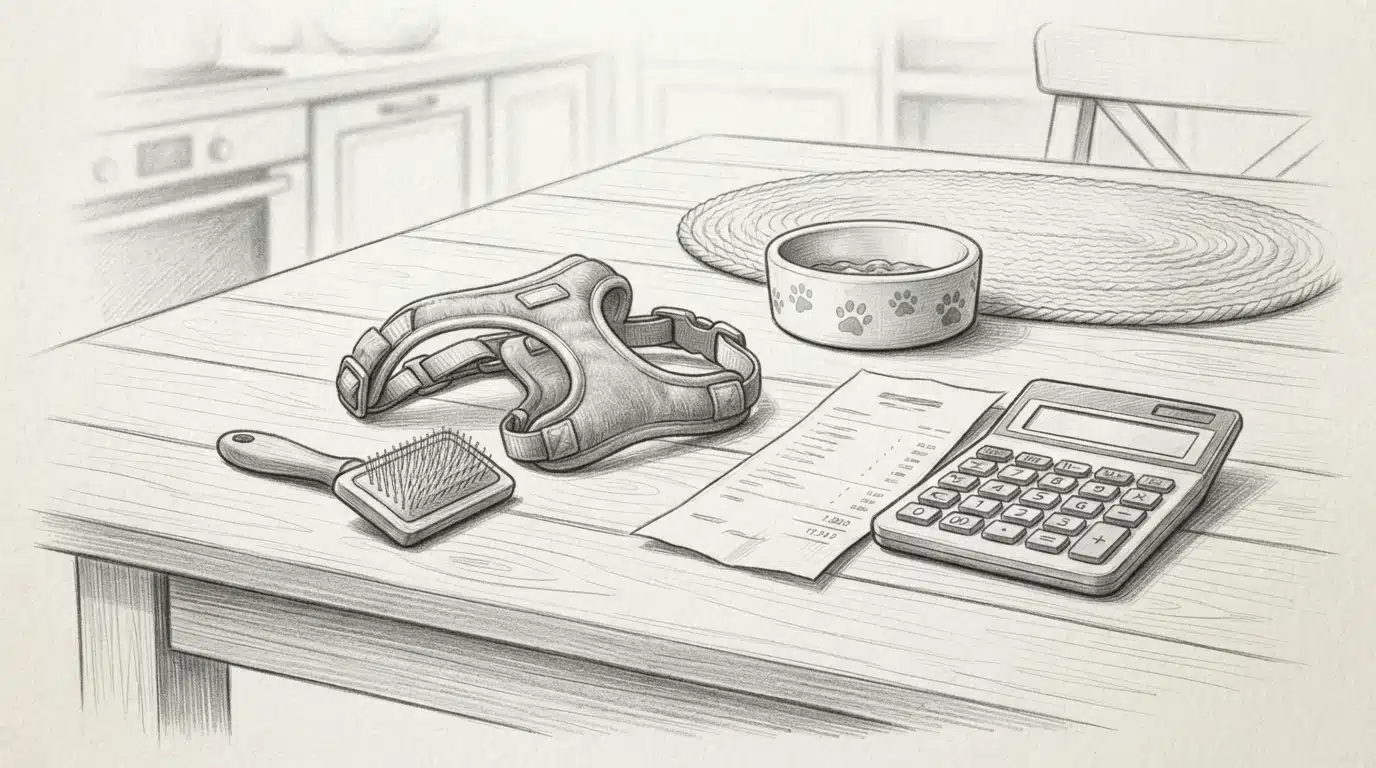
A well-bred Havanese puppy costs $3,500 to $4,500 at Sage Puppies, and the first year of care adds roughly $1,500 to $3,000 on top. Budget for both before you fall for a face.
What Goes Into the Purchase Price
Ethical breeders price higher because health testing, quality vet care, and socialization cost real money before a litter is born. You are paying for tested parents, early training, and support after pickup. Breeders publish their pricing openly so you can compare before applying.
Sample First-Year Budget for a Havanese
This example uses mid-range U.S. figures. Vet costs for a puppy’s first year often run $300 to $700, per Petco’s puppy budget guide, and Havanese need professional grooming every four to six weeks.
| Expense | First-Year Estimate |
|---|---|
| Grooming (6-8 visits) | $600 – $1,000 |
| Vet visits, vaccines, spay/neuter | $400 – $800 |
| Food | $250 – $400 |
| Gear, crate, toys | $200 – $400 |
| Training classes | $150 – $300 |
Planning Beyond Year One
Ongoing care runs $1,200 to $2,500 a year, with grooming the biggest line item. A Havanese lives 14 to 16 years, so the lifetime cost often reaches $25,000 or more. Pet insurance, started while your dog is young and healthy, softens the surprise of an emergency bill.
What to Buy and How to Prepare Your Home
A Havanese puppy needs less gear than a big dog, but the right few items make the first week far calmer for everyone.
Supplies for the First Week
Start with a small crate, a playpen, food and water bowls, puppy food, a harness and leash, ID tag, chews, and potty pads or a yard plan. PetMD’s new puppy checklist lists these as the core essentials. Ask your breeder what food the puppy already eats so you can keep the same brand. The Havanese Club of America also recommends a playpen for safe, unwatched time.
Puppy-Proofing a Small-Breed Home
At 7 to 13 pounds full-grown, a Havanese reaches places you would not expect. Get down to floor level and look for cords, houseplants, dropped pills, and small toys a puppy could swallow. Block stairs with a gate and secure trash cans. Ask whether any plants in the home are toxic, and move them out of reach before pickup day.
Setting Up Grooming From Day One
Havanese coats mat quickly, so brushing is a daily habit, not an emergency fix. Buy a slicker brush, a metal comb, and puppy shampoo before the puppy arrives. Handle paws, ears, and the mouth for a minute or two each day so grooming feels normal later. Professional trims every four to six weeks work best, but home practice between visits keeps costs and stress down. For a full supply-and-schedule plan, our Havapoo first-week checklist applies to Havanese homes too.
Bringing Your Havanese Home: The First 14 Days
The first two weeks set the pattern for your Havanese’s whole first year. Keep things calm, predictable and short, and your puppy will settle fast.
Days 1-3: Settle In
Expect your puppy to sleep a lot and eat less at first. That is normal stress, not a problem. Set up one quiet space with a crate, water and a potty spot nearby, and stick to the food the breeder sent home. Carry your puppy outside after naps, meals and play, then praise every potty in the right place. Skip visitors and busy outings for now. Short naps in the crate teach your puppy that alone time is safe.
Days 4-7: Vet Visit and Basic Routine
Book a vet check within the first week. Bring any vaccine records and ask your vet to confirm the vaccine schedule and deworming plan. This visit also builds your puppy’s trust in the clinic before anything stressful happens there. By now, aim for a simple daily rhythm: potty, eat, play, potty, nap, repeat. Start name practice and one or two short crate sessions each day. Keep every session under five minutes.
Days 8-14: Socialization and Basic Training
Now you can widen your puppy’s world. The AVSAB position statement supports socializing puppies before they are fully vaccinated, because the first three months matter most. Carry your pup to safe spots and let it hear traffic, meet calm people and feel new surfaces. Add sit, gentle handling practice and short puppy-class options. Fifteen quiet minutes of new experience beats an all-day outing every time.
Long-Term Care: Health, Grooming and Bonding for the Next 14 Years
Vet Care, Dental and Preventive Health
Havanese are generally healthy, but small breeds need steady preventive care. Plan on annual exams, yearly vaccines and monthly heartworm and flea prevention. Teeth matter most: toy dogs build plaque fast, so brush several times a week and ask your vet about cleanings. Ask any breeder for proof of health screening on the parents, including eyes, hearing and knees, before you commit.
Grooming for Adult Havanese
That silky coat grows continuously and mats quickly without help. Brush two or three times a week, bathe every few weeks and book professional grooming every four to six weeks. Many families keep a short “puppy cut” because it halves the daily work while keeping the breed’s soft look. Check ears weekly and trim nails monthly.
Training, Companionship and Daily Routine
Havanese want to be with you, and they learn fast with short, positive sessions. Ten minutes twice a day beats one long drill. House training usually clicks with a consistent schedule and a regular potty spot. Left alone all day, they can become clingy or noisy, so build alone time in slowly from week one. A daily walk plus play covers their exercise needs, and that shared routine is where the bonding happens. At Sage Puppies, every puppy goes home with a starter plan so that routine starts on the right foot.
Common Mistakes First-Time Havanese Buyers Make
Skipping Health Records and Verifying Them
Falling for a cute photo is easy. Asking for proof is smarter. Demand the parents’ OFA eye, knee, and hearing clearances, then confirm them in the OFA database yourself rather than trusting a screenshot. A breeder who resists showing records just told you something important.
Paying Before Reading the Contract
A deposit locks in the deal, so read the whole contract first. Check what it covers: health guarantee length, return terms, spay/neuter rules, and delivery details. If a breeder pushes you to pay same-day, walk away.
Underestimating Grooming and Companionship Needs
Havanese coats grow like human hair and need brushing several times a week, plus professional grooming every four to six weeks. Budget $600 to $1,000 a year for that. They also hate being alone, so plan companionship before you commit.

A Havanese is a 14-to-16-year commitment, so the first step matters. Sage Puppies offers a clear application and owner-managed matching, so you bring home the right puppy with honest guidance at every turn. Start at Sage Puppies.
Frequently Asked Questions
Q1: What should I know before buying a Havanese puppy?
Expect a 14-to-16-year commitment to a social, people-first dog that dislikes long hours alone. Verify the parents’ OFA health screenings in writing, budget $3,500 to $4,500 plus first-year costs, and plan for daily brushing plus grooming every four to six weeks.
Q2: How much does a Havanese puppy cost?
A well-bred puppy runs $3,500 to $4,500, with first-year care adding roughly $1,500 to $3,000 for vet visits, grooming, food and gear. Ongoing care then runs $1,200 to $2,500 yearly, often passing $25,000 lifetime.
Q3: How do I verify a Havanese breeder’s health and reputation?
Ask for the parents’ OFA numbers covering hips, patellas, eyes, hearing and cardiac checks, then confirm results yourself in the public OFA database. Reputable breeders also welcome vet references, explain their program openly and interview you carefully.
Q4: Are Havanese good with children?
Yes, their friendly, trainable nature suits families, but at 7 to 13 pounds they need gentle handling. Teach young children to sit on the floor, pet softly and never carry the puppy unsupervised.
Q5: Havanese or Cavapoo: which fits my family better?
Havanese offer the most predictable size and coat, Havapoos bring curlier, lower-shedding coats with more energy, and Cavapoos trend calmer. All three fit families well, so decide based on coat care time and household activity level.
Q6: Can Havanese puppies be left alone during work hours?
Not for long stretches. They bond closely and can become clingy or noisy if isolated. Build short, positive alone time from week one and arrange a midday break or dog walker for full workdays.
Conclusion
A Havanese can be a wonderful fit, but only if you verify before you fall in love. Check the parents’ OFA health results yourself, read the whole contract before any deposit, and budget for $3,500 to $4,500 up front plus real first-year costs. Plan for daily brushing, grooming every four to six weeks, and a dog that wants company most of the day. Compare the Havanese with the Havapoo and Cavapoo honestly, since coat care and energy differ. Do that work, and the breed’s 14-to-16-year lifespan becomes a gift instead of a surprise.