
Quick Summary: When visiting a Florida puppy breeder, focus on verifiable health testing, the living environment, and the breeder’s long-term support, not just the puppies’ cuteness. Ask to see OFA records for both parents, confirm the puppies are raised in a home until at least 8 weeks old, and get the full contract in writing before paying. Red flags include vague health answers, pressure to deposit quickly, and refusal to show records or allow visits. Trust your gut: if the breeder won’t answer clearly or interview you too, walk away.
When you walk into a Florida puppy breeder’s home, the answers that matter most are rarely spoken. They show up in the health records on the table, in how the mother dog greets you, and in how openly the breeder talks about life after your puppy leaves. Many families show up with a short list of puppy breeder questions but no idea what a good answer sounds like. That gap is where mistakes happen. This guide closes it. We walk you through a real puppy breeder visit, explain what to ask, and show you how to read the answers – including red flags Florida puppy breeders sometimes gloss over. We’ve spent years raising Havanese, Havapoo, and Cavapoo puppies in a family home, so this checklist reflects what responsible breeding actually looks like up close.
Ask About the Breeding Plan and the Parents
The parents tell you more about your future puppy than the puppies do. These puppy breeder questions reveal how carefully a breeder plans, and the OFA’s breeder interview checklist lists this topic as a must-ask during any visit.
“Why did you plan this litter?”
A thoughtful breeder has a real answer: temperament, structure, health goals, or a homegrown next generation. The OFA warns that “to sell puppies” is not enough of an answer. Listen for a reason that goes beyond profit, like keeping a puppy to carry the line forward.
“Can I meet the dam and learn about the sire?”
You should meet the mother. Watch her temperament: is she calm, friendly, and comfortable with people? That says a lot about how her puppies will turn out. The sire is often an outside stud, so ask for his health clearances, pedigree, and photos instead. Any clearances can be verified yourself through OFA’s public health database.
“What concerns have appeared in this family line?”
Every line has something. Havanese and doodle lines can carry patella, eye, or heart issues. A good breeder names these openly and explains how they screen for them. When we pair parents at Sage Puppies, we talk through each line’s history before the litter is ever planned.
| Answer | What It Tells You |
|---|---|
| Names specific issues and tests | Careful, honest breeder |
| “No problems ever” | Uninformed or hiding something |
| Defensive or annoyed | Walk away |
Tip: Write the answers down during the visit, then verify health records online before you leave a deposit.
Also Read: Havanese, Havapoo & Cavapoo Puppy Care Blog
Ask Which Health Tests Were Completed and Verify the Results
Any serious list of puppy breeder questions starts here. Health testing separates ethical programs from casual litters, so ask for specifics – not general assurances.
What tests were performed on both parents?
Ask about each parent by name. For Havanese, the Havanese Club of America requires OFA hips, patellas, and an annual CAER eye exam for a CHIC number. Reputable programs often add BAER hearing tests, cardiac exams, and DNA panels. For Havapoos and Cavapoos, ask which parent breed’s protocol they follow. The key word is “both” – testing only the mother is a warning sign.
Can I verify the records independently?
Good news: you can, in minutes. The OFA CHIC database is public. Ask for the registered name or CHIC number of each parent, then look up the results yourself before you pay a deposit.
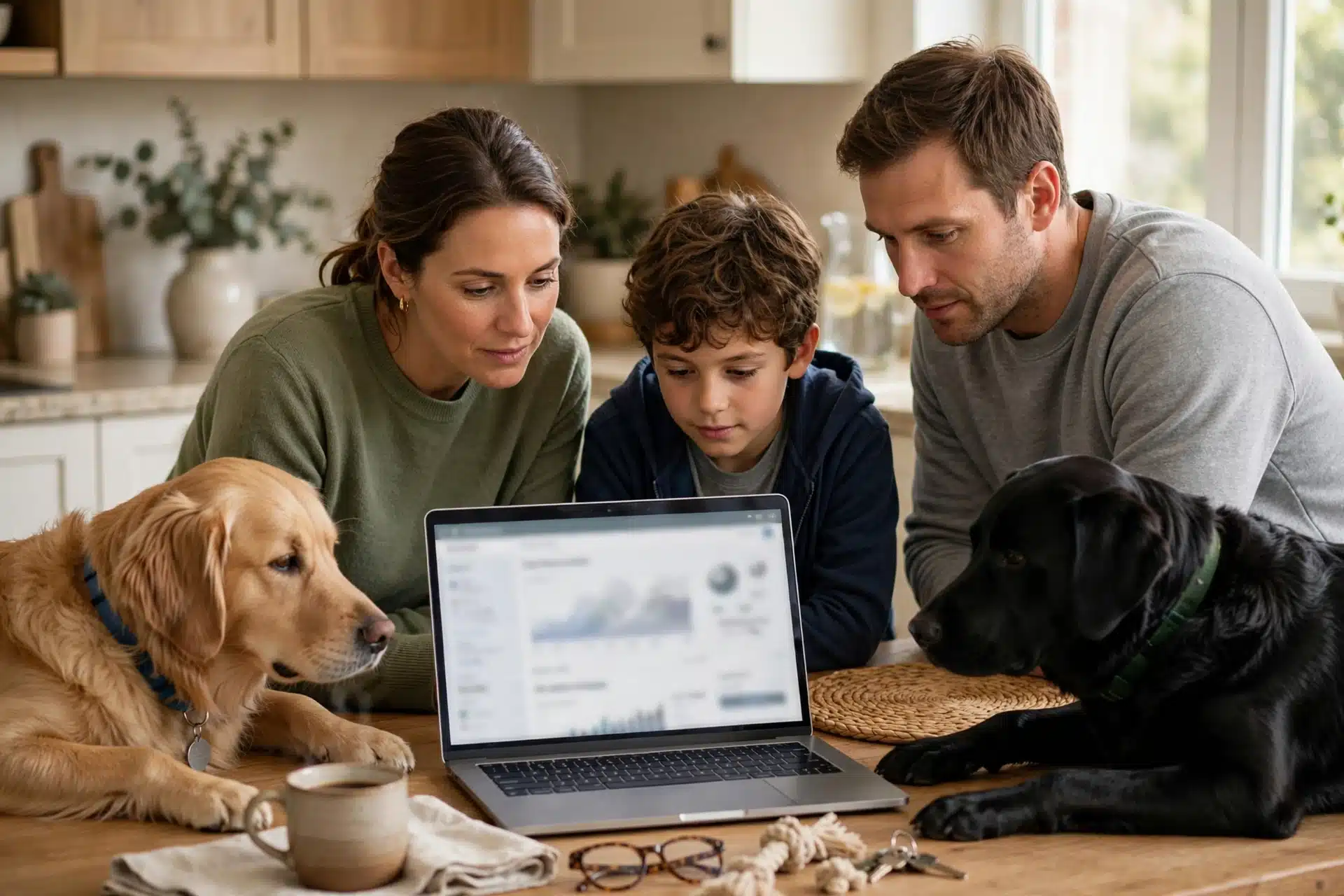
A CHIC number proves tests were done, not that they were passed. Check the actual results: hips rated Good or Excellent, patellas normal, eyes clear. If a breeder resists sharing numbers, treat that as an answer in itself.
What veterinary care will the puppy receive before going home?
Run through this quick checklist:
- First vaccinations – ask which ones and at what age.
- Deworming schedule and dates.
- A vet wellness exam before pickup or delivery.
- Microchip, if offered, plus registration details.
Ask for the records in writing. A shot record from a licensed vet tells you far more than a memory.
What does your written health policy cover?
Get the policy on paper: what it covers, how long, and what it requires from you, like a vet check within a set window. Read every word before signing.
Tip: Ask for copies of both parents’ test results before paying any money. Confident breeders send them the same day.
Also Read: How to Keep Puppies Cool During Florida Pickup Travel
Evaluate the Visit Environment and Puppy Development
The answers to three questions tell you more than any website can. Watch how the puppies act while you ask them.
Where are the puppies raised day to day?
Ask exactly where the litter sleeps, eats, and plays. A good answer sounds like home: a kitchen, a family room, a supervised puppy area with soft bedding and toys. If puppies live in a garage, barn, or outdoor kennel away from daily noise, note that. Early life in a quiet, isolated space often produces dogs that startle easily later. Puppies should stay with their mother and littermates until at least 8 weeks old, which breeder welfare guidance treats as a baseline, not a bonus.

How are the puppies socialized and prepared for family life?
The first three months shape a dog’s whole temperament. Research summarized by the AVMA shows puppies raised with varied, positive experiences between 3 and 14 weeks are far less likely to grow up fearful. Listen for specifics:
- Daily gentle handling and touch from birth
- Meeting people of different ages and appearances
- New sounds, surfaces, and safe household objects
- Kids, vacuums, car rides, and normal home routines
Vague answers like “they’re around people a lot” deserve a follow-up question.
How do you evaluate temperament and match each puppy?
Ask how they describe each puppy’s personality and why they would steer you toward one over another. Strong breeders track it: confidence level, energy, sensitivity to handling, how each pup recovers from a startle. They should ask you about your household, schedule, and experience before recommending a match.
At Sage Puppies, that matching conversation comes first. If a breeder hands you whichever puppy is closest, treat it as a warning sign.
Also Read: 10 Red Flags to Avoid When Visiting a Local Puppy Breeder
Ask How the Breeder Handles Contracts, Support, and Changed Circumstances
A good breeder will still be in your life long after pickup day. These three questions show you how that relationship actually works.
Can I read the complete contract before reserving?
Ask to see the full agreement, not a summary. A confident breeder sends it before you pay anything. Look for a clear health guarantee, deposit terms, spay or neuter expectations, and a return clause. Verbal promises about “papers” or health are nearly impossible to enforce, so everything important should be in writing and signed by both of you. If a breeder dodges this request, treat it as a serious warning sign. You can compare what standard contracts include using this puppy contract breakdown.
What happens if I can no longer keep the dog?
Ethical breeders require the dog to come back to them, for life, rather than ending up in a shelter or listed online. This is called a right-of-first-refusal clause, and it protects the dog more than anyone else. Ask whether rehoming help is free, whether any refund applies, and who covers transport. Life changes like job loss, divorce, or illness happen, and a lifelong return commitment is the mark of a breeder who never walks away from their dogs.
What support is available after pickup or delivery?
You should be able to call with feeding questions, house-training struggles, or grooming concerns months later. Ask specifically:
- How long does the health guarantee last, and what voids it?
- Is a vet exam required within a set window, like 72 hours?
- Can I check in about training or behavior any time?
At Sage Puppies, we stay reachable well beyond the homecoming, because a well-started puppy depends on a well-supported family.
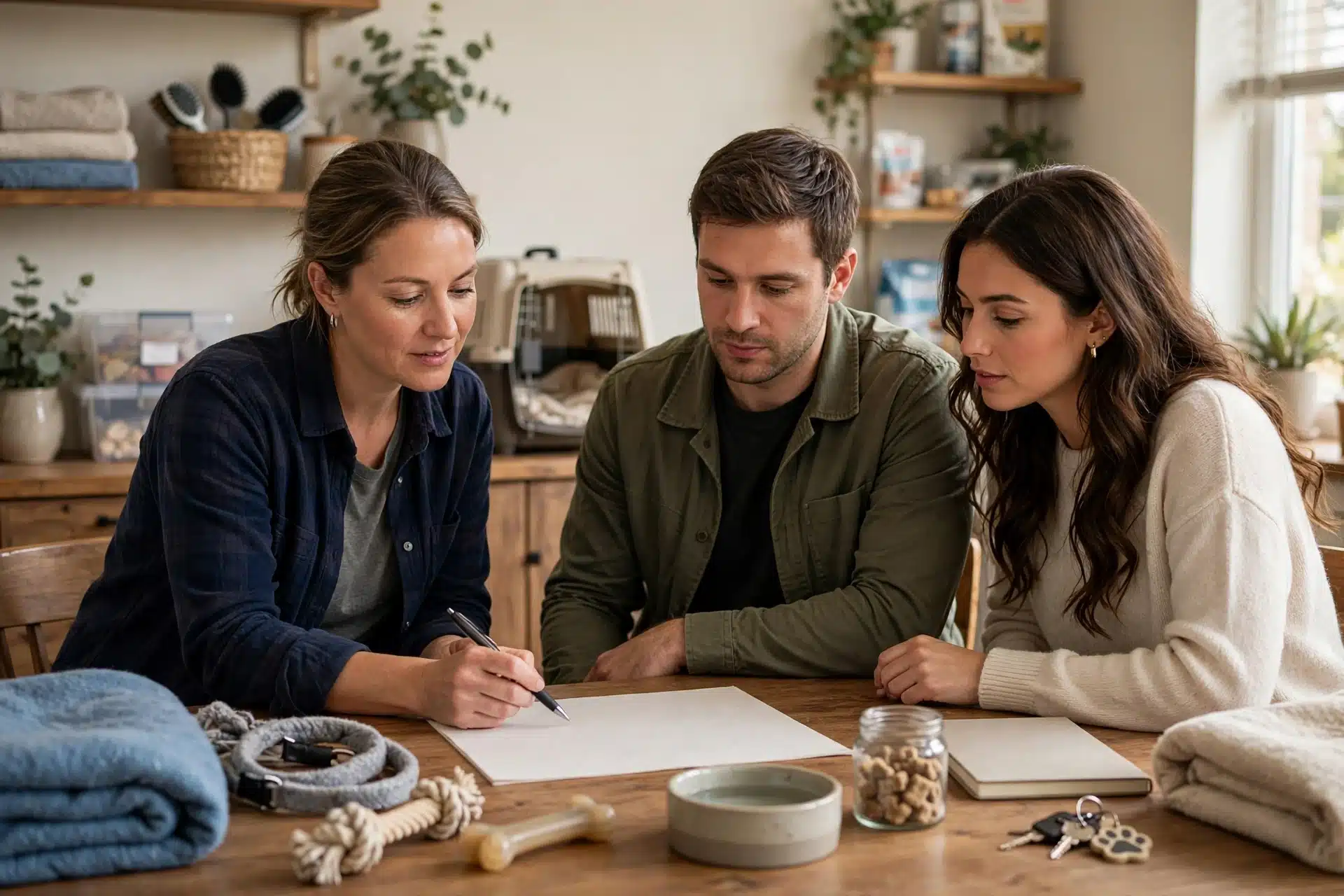
Verify the Breeder’s Identity, Records, and Florida Context
Anyone can build a pretty website. Before you visit, confirm the person behind it matches what they claim.
Which name, address, and business details should I confirm?
Ask for the breeder’s legal name, the kennel or program name, and the physical address. Then check that they line up: the name on the health certificate, the vet records, and any contract should match. Search the address in Florida’s business registry. If a breeder is vague about location or will only meet you in a parking lot, treat that as a red flag.
Which affiliations or credentials can I verify?
Not every credential matters equally. Some you can check yourself:
| Claim | How to verify | What it tells you |
|---|---|---|
| AKC registration | AKC Marketplace lookup | Dogs are registered; litter papers exist |
| Breeder of Merit / Bred with H.E.A.R.T. | AKC’s breeder programs | Ongoing health testing and education |
| OFA health results | OFA database, by the parent’s registered name | Hip, patella, eye, and cardiac screens are real |
| Vet references | Call the clinic listed on records | The breeder is a known, active client |
What should Florida families know about changing requirements?
Florida law (Statute 828.29) requires every dog sold to have an official certificate of veterinary inspection listing vaccines, age, and health record. New consumer protections take effect July 1, 2026, including disclosed financing terms and extended remedy timeframes. Ask the breeder to walk you through current rules. Good breeders keep up.
Also Read: Puppy Care Blog & Resources | Sage Puppies
Ask Specific Questions About Pickup, Delivery, and Life in Your Home
When and how will the puppy come home?
Ask for exact timing. Puppies should stay with mom and littermates until at least 8 weeks old, the federal minimum for interstate transport. Good breeders often wait 10 to 12 weeks so the puppy gains more early learning. Then ask: pickup at your home, delivery by the breeder, or a flight nanny who flies with the puppy in the cabin? Each option affects cost, timing, and how much stress the puppy feels on the trip.
What documents and supplies will accompany the puppy?
A responsible breeder sends the puppy with paperwork and comfort items, so confirm the list in writing:
- A vet-issued health certificate, dated within 10 days of travel
- Vaccination and deworming records
- A small blanket or toy that smells like the litter
- Starter food, so you can transition slowly
If any breeder shrugs at this list, take it seriously. USDA guidance spells out the health and travel documents every puppy should have.
How will you support a family outside Florida?
Live outside Florida? Ask how the breeder handles it. Will they recommend a USDA-registered transporter? Do they stay in touch after arrival with photos or check-ins? Breeders like Sage Puppies ship nationwide and keep supporting families after the puppy lands. A vague answer here costs you later.
Also Read: Florida Puppies: A Guide to Reviewing Breeder Guarantees
Use the Answers to Decide Whether to Move Forward
Once the visit ends, compare what you saw and heard against a simple standard. Trust your gut here. The ASPCA puts it plainly: if you feel uncomfortable or pressured to decide fast, consider other options.
Green flags that support further consideration
- You met the mother dog, saw where the puppies live, and it was clean and calm.
- The breeder pulled out real health testing papers for the parents without hesitation.
- Puppies were curious, plump, and used to being handled.
- The breeder asked you plenty of questions and offered lifetime support. Ethical breeders screen you as carefully as you screen them.
Red flags that should make you pause
- No veterinary records, no contract, or no return policy.
- The breeder pushed a deposit before you visited or asked questions.
- Several litters from many breeds, always “available now.”
- Puppies offered off-site, away from where they were raised. Cornell’s veterinary college notes responsible breeders test for conditions their breed is prone to and can explain them in detail (Cornell).
A practical post-visit decision test
That evening, answer three questions in writing. Would I want my dog living in that home? Did every claim come with evidence? Can I imagine calling this person for help in two years? If all three answers are yes, move forward with confidence. If even one feels shaky, keep looking – a Havanese or Cavapoo will be with your family 12 years or more.

Ready to skip the guesswork? At Sage Puppies, health-tested parents, early socialization, and a transparent adoption process come standard. Browse our available Havanese, Havapoo, and Cavapoo puppies today, with local pickup in South Jordan or nationwide delivery.
Frequently Asked Questions
Q1: What questions should I ask a Florida puppy breeder?
Ask about the puppy’s parents, daily handling, socialization steps, vet visits, and what happens if your family can’t keep the puppy later.
Q2: What health tests should a Florida puppy breeder provide?
Expect parent health testing records, a recent puppy vet exam, vaccination and deworming dates, and a written health guarantee you can read before paying.
Q3: How can I verify a Florida puppy breeder’s credentials?
Ask for vet references, request a video tour of the home, and confirm licenses. Ethical programs like Sage Puppies welcome these checks openly.
Q4: Can I visit the puppies before reserving?
Good breeders say yes. If someone refuses visits or video calls, walk away.
Q5: Is delivery safe for a young puppy?
Ground transport with planned breaks is safest. Ask who travels with the puppy and how.
Conclusion
A good breeder visit comes down to three things: health testing you can verify, a clean home where the mother lives, and answers that are clear and unhurried. As OFA advises, hesitate or dodge, and you should reconsider. Watch how the breeder treats their dogs, since dogs show you how they have been treated. The AKC agrees a responsible breeder will also interview you. That mutual screening is a green flag. Trust what you see, not what you are told.



