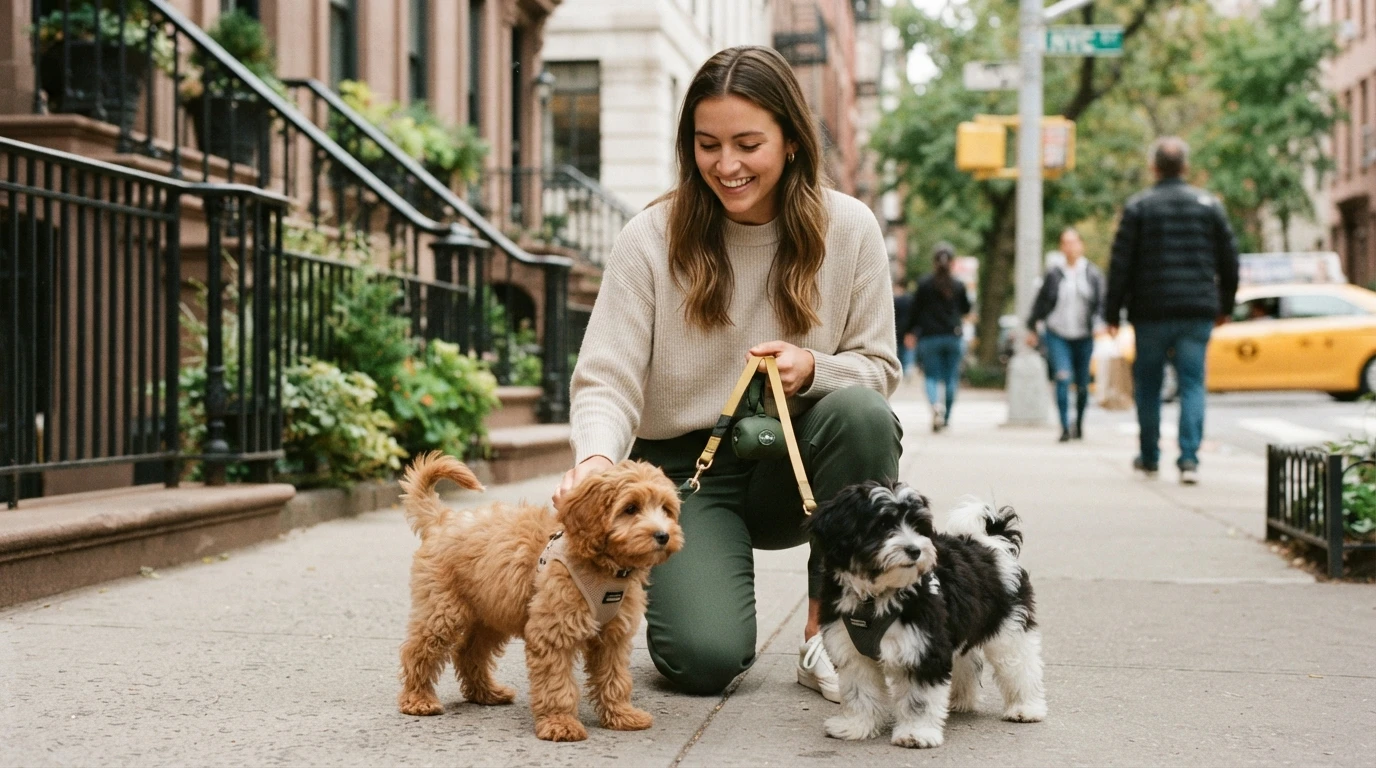
Quick Summary: A thick coat alone doesn’t make a puppy right for Montana winters; the best fit depends on your family’s routine, space, and grooming commitment, not just the weather. The guide ranks seven breeds, favoring indoor companions like the Havanese, Havapoo, and Cavapoo for most households, while noting that big northern breeds like Huskies and Samoyeds need experienced owners and heavy exercise. No breed on the list should live outdoors in freezing conditions, and puppies need short, supervised outings with warm layers and paw checks. Sage Puppies, which raises these small breeds in Utah, emphasizes that a calm companion often beats a working dog picked mainly for its coat.
A Montana winter can go from a pleasant walk to a paw-lifting emergency in minutes. Deep snow, sharp wind, and fast-dropping temperatures test every dog on the block.
That’s why the thickest coat doesn’t automatically make the best match. Big northern breeds love snow, but they need serious exercise, space, training, and grooming. Small companion puppies need shorter outings, warm layers, and a watchful eye. The right fit depends on your home, not just the weather.
This guide ranks seven breeds for real Montana households, including the Havanese, Havapoo, and Cavapoo as indoor companions. The goal is simple: not a dog that can live outside, but one whose temperament, coat, size, and care needs fit your family and your winter routine.
We weighed breed history and coat type, family temperament, exercise and grooming demands, adult size, and how fragile young puppies are in the cold. Climate suitability is one factor among many, and no breed on this list should ever live outdoors in freezing conditions. If you’re thinking about Montana puppy adoption, use this guide to narrow your choices before you fall in love. These Montana winter dogs all share one trait: they’re happiest indoors, close to their people – which makes them ideal cold climate puppies for families who plan around the season.
Quick Comparison for Montana Winters
| Breed | Best for | Cold-weather fit | Adult size | Winter care |
|---|---|---|---|---|
| Havanese | Indoor family companionship and small-breed homes | Moderate with short outings, warm layers, and close monitoring | Small | Coat, paw, sweater, and exposure management |
| Bernese Mountain Dog | Families wanting a gentle large dog for snow activities | Strong for appropriate outdoor activity | Large | Brush coat, inspect paws, limit icy exertion |
| Siberian Husky | Highly active and experienced households | Very strong | Medium | Exercise planning, paw checks, secure containment |
| Newfoundland | Families prepared for a gentle giant | Very strong for supervised outdoor activity | Giant | Drying, grooming, paw checks, joint-conscious exercise |
| Samoyed | Active families who enjoy grooming and outdoor time | Very strong | Medium to large | Frequent brushing, paw care, activity monitoring |
| Havapoo | Indoor families wanting a trainable small companion | Moderate with clothing and short outings | Small | Warm layers, grooming, paw checks, close supervision |
| Cavapoo | Affectionate indoor companion homes | Moderate to limited, depending on coat and protection | Small | Coat or sweater, brief outings, paw and coat drying |
What Montana Families Should Know About Cold-Weather Puppies
Montana winters are serious. Freezing temps, deep snow, wind, and icy walks are part of life here, so the puppy you bring home should fit that reality.
Here’s the catch: a thick adult coat does not mean a cold-proof puppy. Young puppies, small breeds, seniors, and light-coated dogs lose body heat fast, even on a quick potty break. The best Montana winter dogs are indoor companions who get outdoor time matched to their age, health, and the day’s weather.
That’s why this list focuses on small, family-friendly breeds that handle cold well as adults – while their people understand that every puppy still comes inside to stay warm.
Rule of thumb: if you’re reaching for a coat, your puppy probably needs one too.
1. Havanese
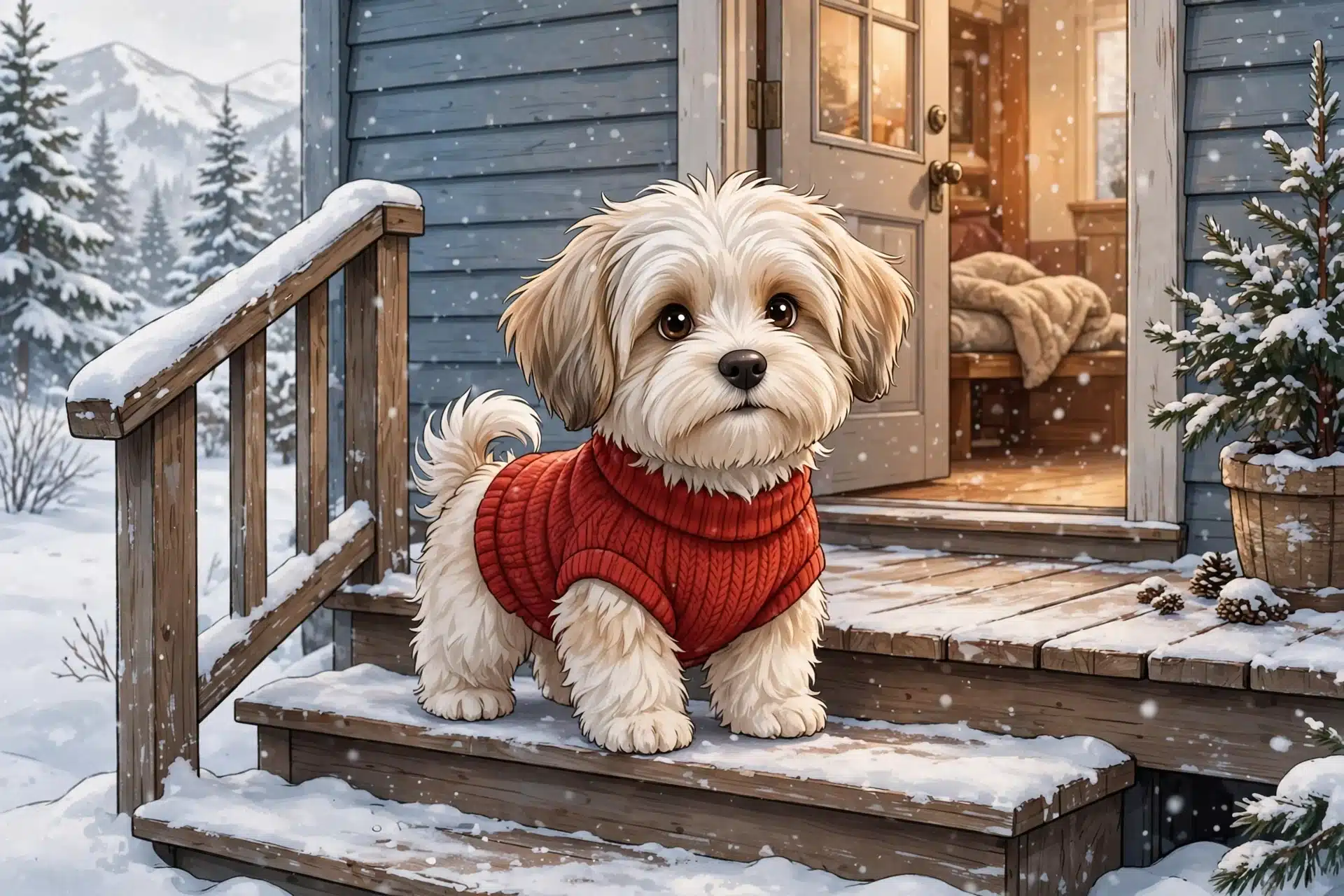
The Havanese is not an Arctic breed, but it can be an excellent choice for a Montana family that wants a small, affectionate companion and will manage winter thoughtfully. Its long, soft coat offers some coverage, yet its small body means it should not be left out in subfreezing cold for long. For families searching for small cold climate puppies, this is a home-centered breed that enjoys short, positive outings followed by warmth. VCA notes the coat gives some protection, but the small frame still makes them vulnerable to the cold.
Highlights
- Small, sturdy companion breed with a friendly and playful temperament
- Long coat provides some coverage but does not replace a winter coat or supervision
- Well suited to families that want a dog involved in daily indoor life
- A practical option for South Jordan or Montana families who value manageable size and companionship
- Requires regular coat care and protection from matting, snow clumps, and wet fur
Specs
- Best for: Indoor family companionship and small-breed homes
- Cold-weather fit: Moderate with short outings, warm layers, and close monitoring
- Adult size: Small
- Winter care: Coat, paw, sweater, and exposure management
Pros
- Affectionate and family-oriented
- Compact and adaptable
- Can enjoy winter walks when properly protected
- Strong fit for first-time small-dog families
Cons
- Not suited to extended outdoor exposure in severe cold
- Coat requires consistent grooming
- Puppies need especially careful temperature monitoring
The Havanese ranks first among Montana winter dogs because this list is for qualified puppy families, not only households wanting a dog that lives outdoors. Its temperament, compact size, and adaptability pair well with indoor family life, and with a clear winter care plan for Havanese puppies for sale in Montana.
Last updated: September 17, 2026
Also Read: Puppy Weather Safety Guide for Heat, Cold, and Severe Storms
2. Bernese Mountain Dog
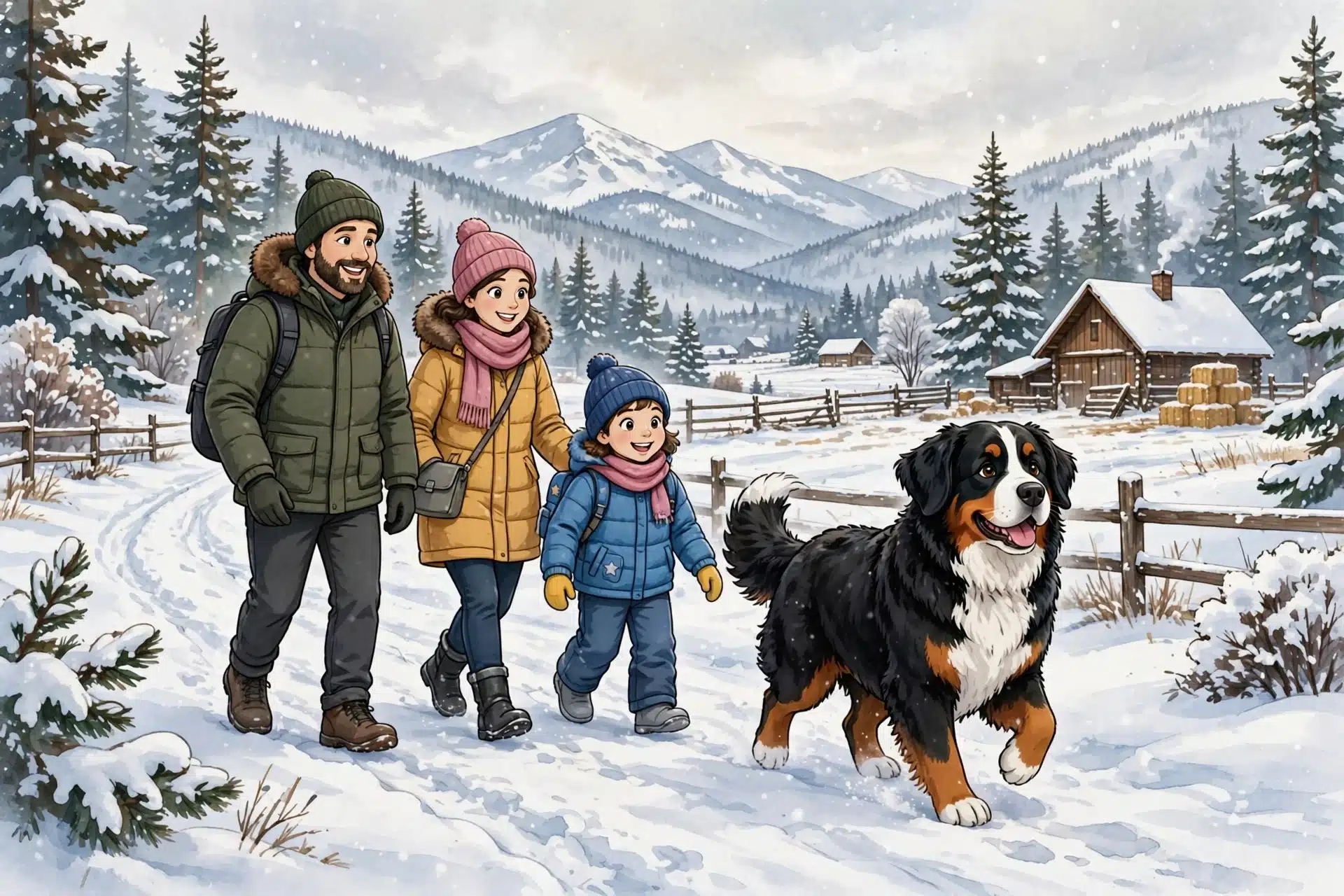
The Bernese Mountain Dog was developed as an all-purpose farm dog in Switzerland. A dense double coat, sturdy build, and calm, affectionate nature make it a natural fit for snowy Montana winters. Just plan for the size, the shedding, and the space it will need indoors with your family.
Highlights
- Dense double coat and sturdy body support cold-weather activity
- Known for an affectionate, gentle family temperament
- Enjoys hiking, camping, and snow play when healthy and conditioned
- Requires indoor family living rather than permanent outdoor housing
- Large size creates handling, food, grooming, and veterinary planning needs
Specs
- Best for: Families wanting a gentle large dog for snow activities
- Cold-weather fit: Strong for appropriate outdoor activity
- Adult size: Large
- Winter care: Brush the coat, inspect paws, limit exertion on ice
Pros
- Well adapted to cold weather
- Affectionate and generally gentle
- Enjoys outdoor family activities
- Substantial coat and build
Cons
- Large size is not practical for every home
- Sheds heavily
- Needs careful joint and exercise management
- Puppy growth requires thoughtful handling
It ranks below the Havanese here because many Sage Puppies readers want small companion breeds, and a Berner asks far more in space, grooming, and long-term planning.
Last updated: September 17, 2026
Also Read: Guides – Sage Puppies
3. Siberian Husky
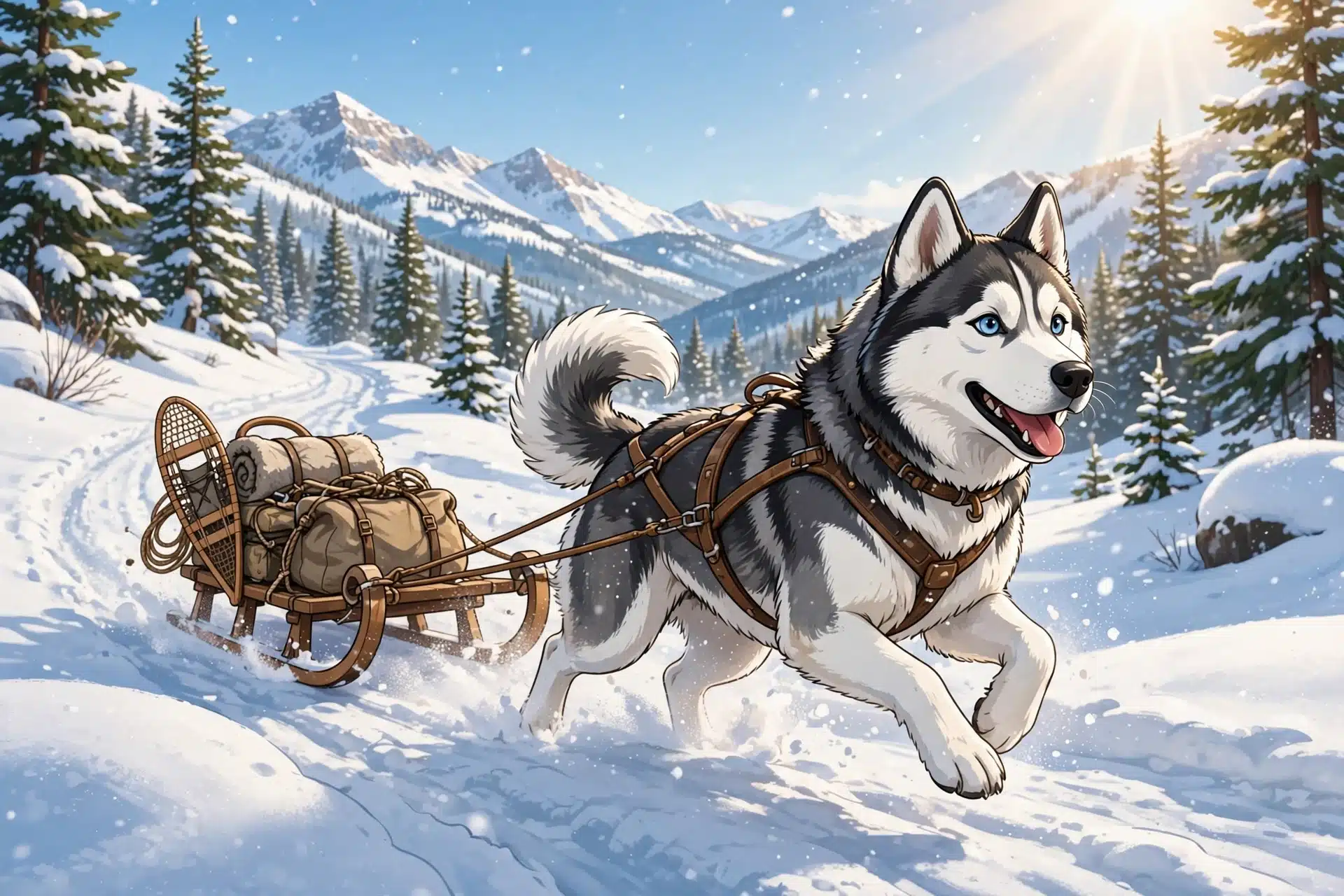
A true winter athlete for active, experienced owners who can meet its drive. The Siberian Husky was developed by the Chukchi people for endurance sled work in severe northern conditions, and its thickly furred double coat and compact build show it. Many Huskies relish snow and cold, which makes them an obvious Montana winter dog.
Highlights
- Dense double coat and northern working heritage
- Excellent fit for running, skijoring, hiking, and active winter households
- Needs daily physical exercise and mental enrichment
- Can be independent and difficult for inexperienced owners
- Requires secure fencing and careful management around small animals
Specs
- Best for: Highly active and experienced households
- Cold-weather fit: Very strong
- Adult size: Medium
- Winter care: Exercise planning, paw checks, secure containment
Pros
- Exceptional cold-weather adaptation
- Energetic outdoor companion
- Athletic and enduring
- Usually enthusiastic about snow
Cons
- High exercise and enrichment needs
- Heavy seasonal shedding
- Escape-prone without excellent containment
- Can be challenging for first-time owners
The Husky ranks third because it may be the strongest pure cold-weather match here, but breed suitability includes lifestyle fit. Its energy and independence can exceed what companion-dog families expect, especially those wanting a calm, small puppy. The right owner gains an exceptional winter partner.
Last updated: September 17, 2026
Also Read: Havanese, Havapoo & Cavapoo Puppy Care Blog
4. Newfoundland
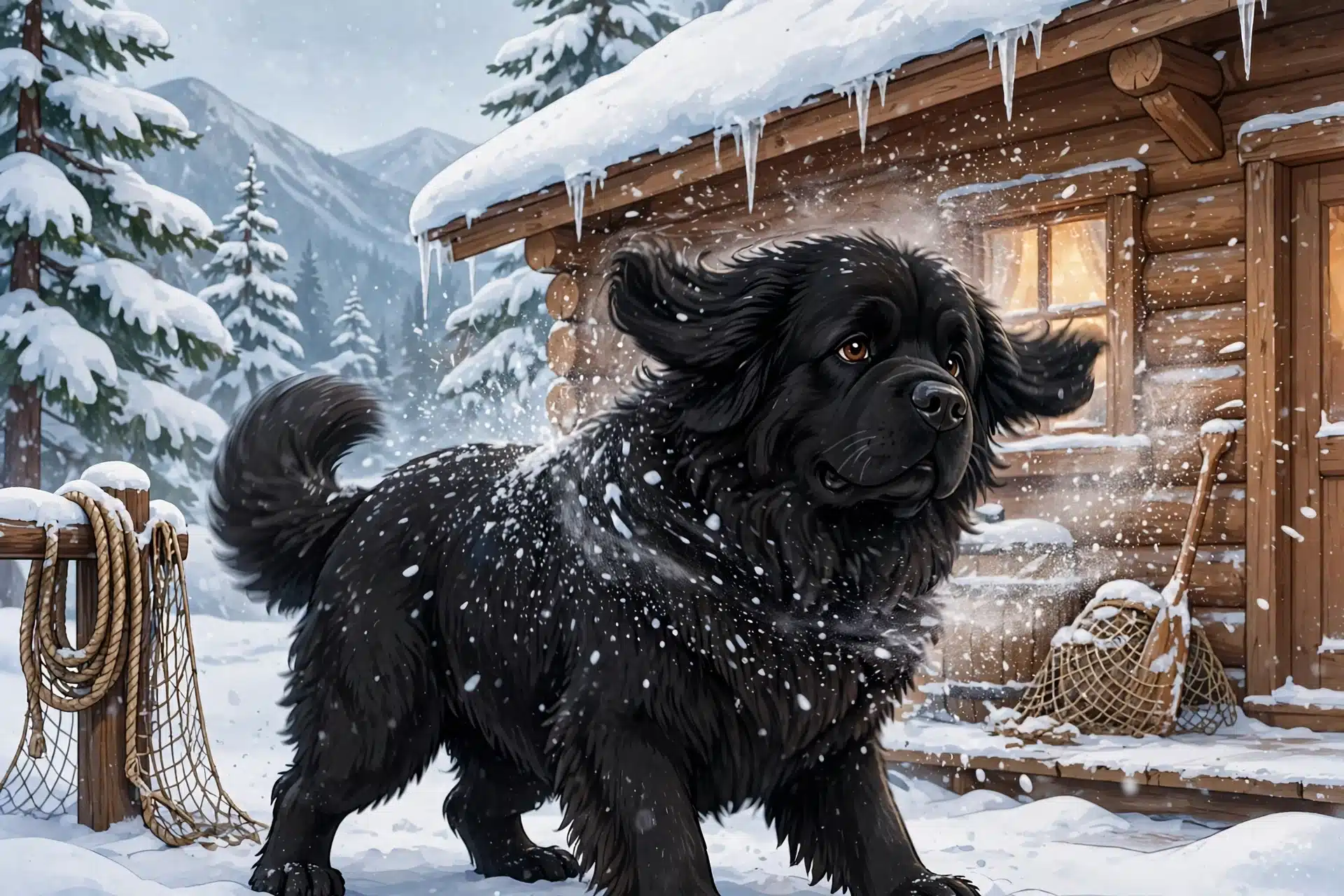
A patient giant with a water-resistant coat and a natural affinity for cold, wet conditions. Bred to work alongside fishermen in icy Atlantic waters, the Newfoundland carries a thick, oily double coat and even partially webbed feet. That heritage makes it a serious contender for Montana winters, as long as your home can handle its size.
Highlights
- Heavy double coat helps protect against cold and wet conditions
- Often valued for a patient, devoted family temperament, with the AKC calling sweetness of temperament the breed’s hallmark
- Can enjoy snow and winter walks when properly conditioned
- Needs a home prepared for giant-breed logistics
Specs
- Best for: Families prepared for a gentle giant
- Cold-weather fit: Very strong for supervised outdoor activity
- Adult size: Giant, often 100 to 150 pounds per the breed standard
- Winter care: Drying, grooming, paw checks, joint-conscious exercise
Pros
- Strong cold and wet-weather adaptation
- Often gentle and devoted
- Enjoys outdoor family time
- Protective coat
Cons
- Very large and expensive to manage
- Heavy grooming and shedding
- Slippery surfaces can challenge developing joints
- Not suited to small-space living
The Newfoundland earns this spot for its cold-weather design and calm companionship, ranking below the Husky and Bernese Mountain Dog because its size and care demands fit fewer households.
Last updated: September 17, 2026
5. Samoyed
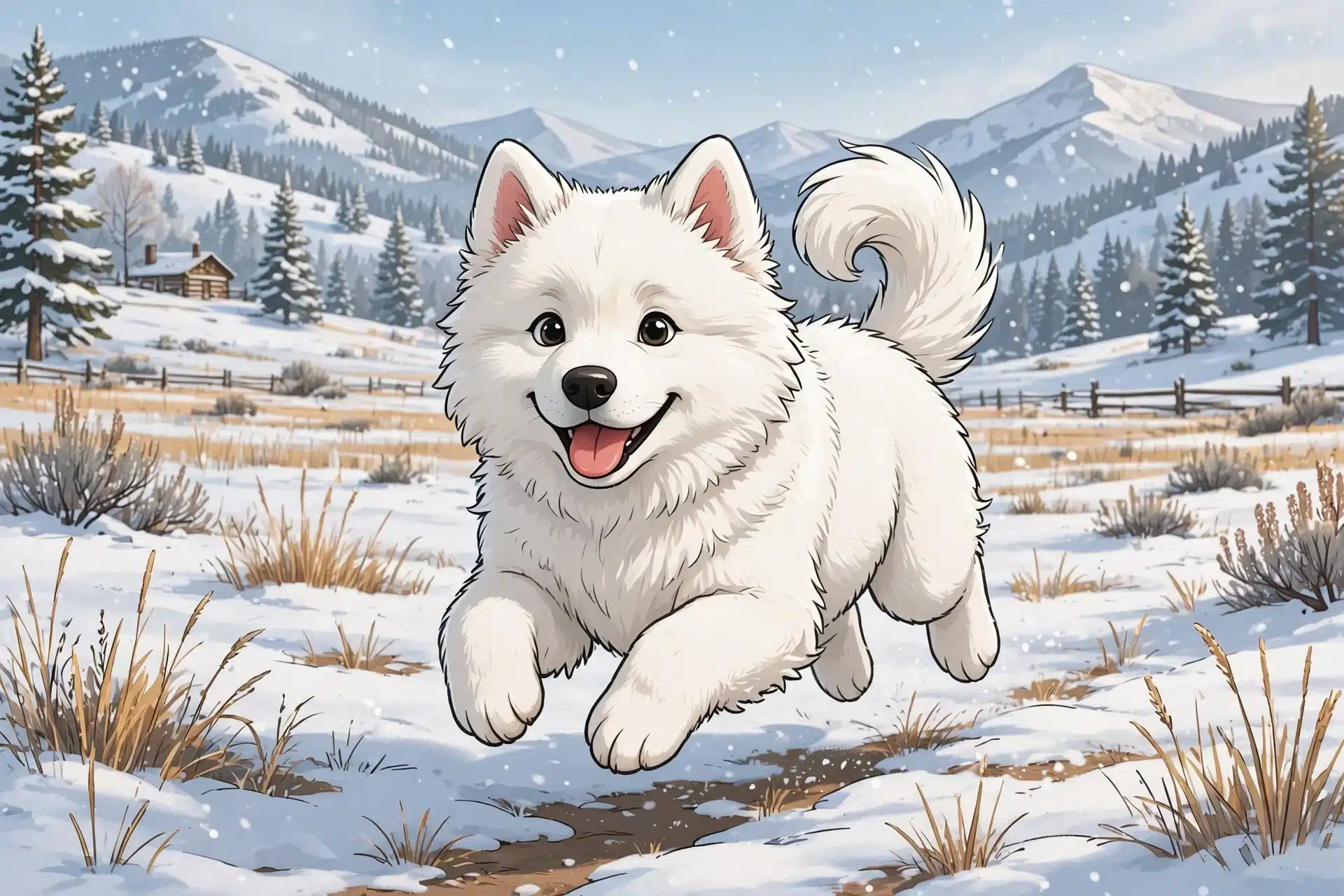
The Samoyed is a bright, active northern breed built for cold conditions and close human partnership. Its thick white coat comes from centuries of sled work in Siberia, which is why it handles Montana winters so well. The trade-off is real: this dog needs grooming, exercise, and attention almost daily, per the AKC breed profile.
Highlights
- Thick coat offers substantial insulation in cold conditions
- Active and capable outdoor companion for snowy outings
- Social, bright, and very people-oriented
- Needs frequent grooming and daily exercise
- Requires shade and heat management during Montana summers too
Specs
- Best for: Active families who enjoy grooming and outdoor time
- Cold-weather fit: Very strong
- Adult size: Medium to large
- Winter care: Frequent brushing, paw care, activity monitoring
Pros
- Excellent cold-weather coat
- Energetic and engaging
- Enjoys snow-based activities
- Social family presence
Cons
- High grooming needs
- Needs daily activity and interaction
- Can be vocal
- Summer heat requires careful management
It ranks fifth because it is genuinely well suited to cold weather, but its care demands fit involved households better than families wanting a straightforward companion puppy.
Last updated: September 17, 2026
6. Havapoo
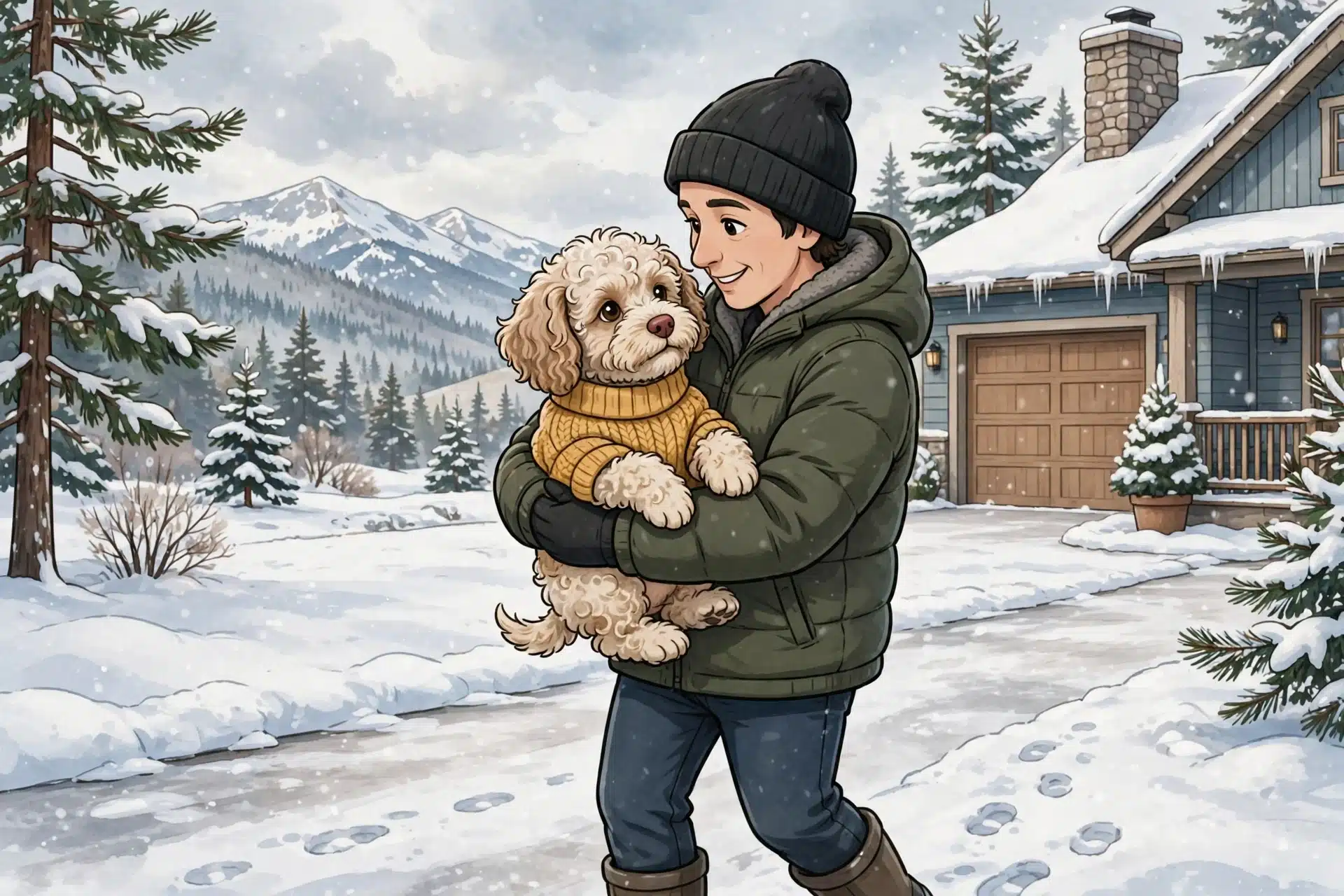
The Havapoo blends Havanese companionship with Poodle intelligence and a soft, often wavy or curly coat. It is not a northern outdoor breed, so Montana families should plan for sweaters, short outings, and quick dry-offs after snow. Indoors, with grooming and companionship, it makes a practical small-breed choice.
Highlights
- Small size suits many homes and travel plans
- Often intelligent, affectionate, and quick to learn
- Moderate exercise works indoors and through short walks
- Curly or wavy coat needs regular brushing to prevent mats
- Young puppies and small adults need careful protection in severe cold
Specs
- Best for: Indoor families wanting a trainable small companion
- Cold-weather fit: Moderate with clothing and short outings
- Adult size: Small
- Winter care: Warm layers, grooming, paw checks, close supervision
Pros
- Adaptable companion temperament
- Small and manageable
- Often responsive to positive training
- Can exercise through indoor enrichment
Cons
- Not suited to prolonged severe cold
- Coat type and insulation vary from puppy to puppy
- Regular grooming is essential
- May need frequent bathroom breaks despite cold weather
The Havapoo ranks sixth because it fits this family-focused list, yet its natural cold tolerance is only moderate. A fluffy coat does not equal winter insulation, so comfort in a Montana winter depends on management. Families weighing a Havapoo against other cold climate puppies can see how our home-raised Havapoo puppies are raised and prepared for pickup or delivery.
Last updated: September 17, 2026
Also Read: Puppy Care Blog & Resources | Sage Puppies
7. Cavapoo
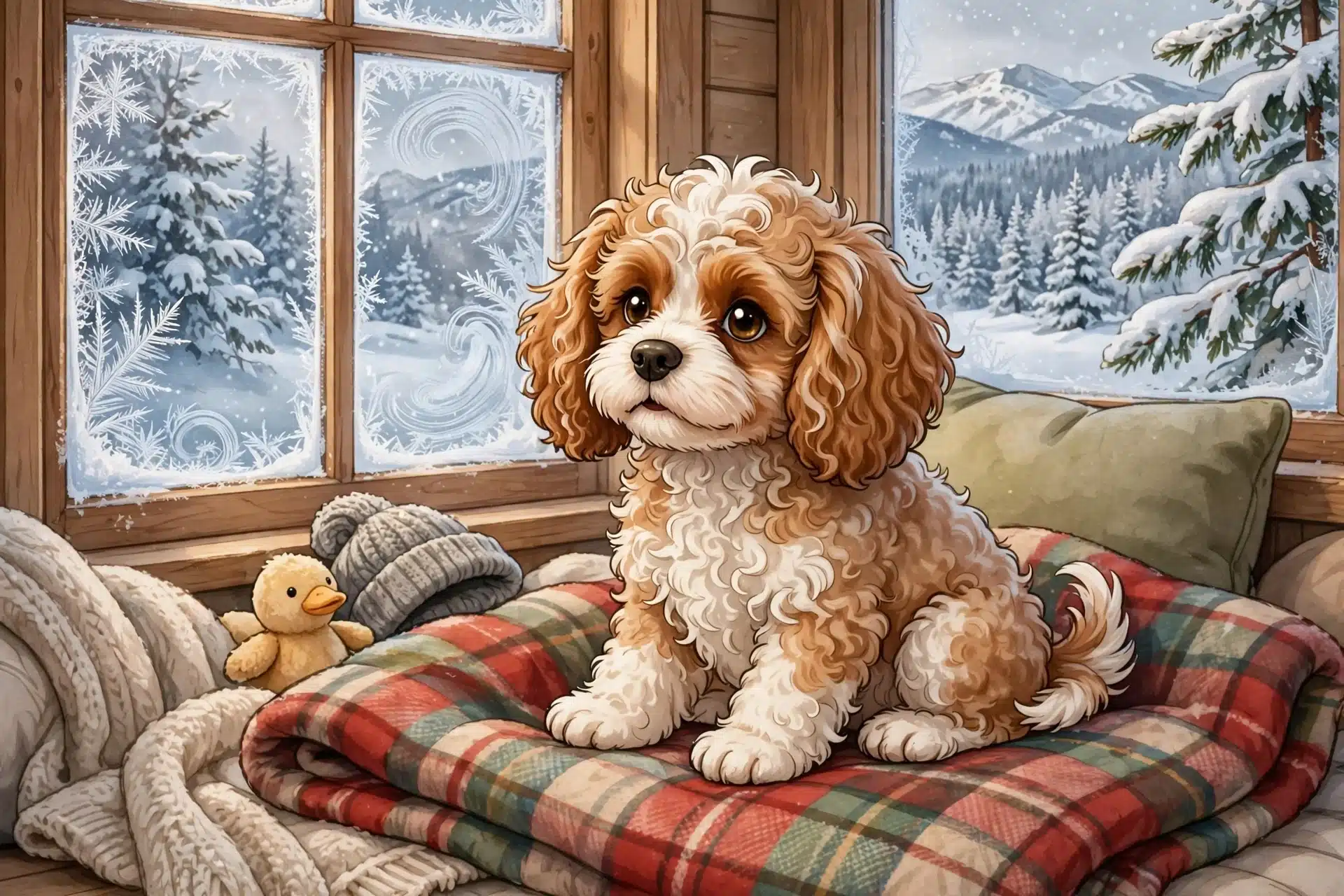
The Cavapoo is a Cavalier King Charles Spaniel and Poodle mix that families love for its affectionate, people-first temperament. Its coat offers some protection, but it should not be treated as a cold-weather working dog. In a Montana winter, this is an indoor companion whose comfort depends on your routine.
Highlights
- Affectionate companion profile that suits families and first-time owners
- Small size is practical for indoor living and travel
- Coat texture varies, so never assume severe-cold protection
- Needs regular grooming and careful mat prevention
- Short, positive outdoor sessions beat extended winter exposure
Specs
- Best for: Affectionate indoor companion homes
- Cold-weather fit: Moderate to limited, depending on coat and protection
- Adult size: Small
- Winter care: Coat or sweater, brief outings, paw and coat drying
Pros
- Affectionate and companion-oriented
- Small and adaptable
- Can suit first-time families with guidance
- Practical for indoor living
Cons
- Not naturally suited to extreme cold
- Individual coat types vary
- Requires consistent grooming
- Puppies need especially short, supervised outings
Cavapoos are known for forming deep attachments to their families and do best as engaged indoor companions, with regular brushing to keep their curly coats mat-free. They are also sensitive to extreme cold, so watch for shivering, paw lifting, or slowing down, and keep winter outings brief. If you want a small dog for an indoor Montana home rather than a breed that can stay outside, the Cavapoo fits.
Last updated: September 17, 2026
How to Choose the Right Montana Winter Puppy
Start with your routine, not the coldest day of the year. The right puppy fits the life your family already lives.
Pick by lifestyle, not by coat. A Husky, Samoyed, Berner, or Newfoundland needs real exercise, space, training, and grooming all year. If you can’t commit daily, don’t choose for the fur.
Plan for indoor comfort with small breeds. Havanese, Havapoos, and Cavapoos do well in Montana with short outdoor sessions, warm bedding, and a coat when it’s bitter. They should never live outside.
Watch the puppy, not just the thermometer. Puppies lose heat fast. Shivering, lifted paws, slowing down, or turning for home means the outing is over.
Be honest about grooming. Silky and curly coats collect snowballs and mats. Double coats shed heavily. Someone has to brush, dry, and check paws.
Match temperament to your household. A calm companion often beats a working dog picked mainly for its coat.
That’s where a carefully raised small breed shines. Sage Puppies health-tests parents, raises puppies in the home, and explains temperament, pickup, and delivery clearly. Review available Havanese, Havapoo, and Cavapoo puppies, complete the application, and ask questions before you decide.
A confident, well-started puppy makes winter training far easier.

Ready to welcome a cold-weather companion? Sage Puppies raises health-tested Havanese, Havapoo, and Cavapoo puppies in our South Jordan, Utah home, then delivers them to your door or schedules easy pickup. Browse our available puppies, submit an application, and bring home a well-started pup built for Montana winters.
Frequently Asked Questions About Montana Winter Puppies
Q1: What is the best dog breed for cold weather in Montana?
Big, double-coated breeds like Huskies top most lists, but small companion breeds do fine too. A Havanese, Havapoo, or Cavapoo with a warm coat, short potty breaks, and indoor living handles Montana winters comfortably.
Q2: Are Havanese dogs good for cold weather?
Yes. Their long, silky double coat insulates well, and they stay happy indoors with their family. Limit time outside in deep cold, use a coat on bitter days, and wipe snowy paws after each trip out.
Q3: What small dog breeds are best for cold weather?
Havanese, Cavapoos, Havapoos, and similar small breeds with thicker coats adapt well. What matters most is indoor living, supervised outdoor time, and a puppy-safe routine during subzero stretches.
Q4: Can I get a puppy delivered to Montana in winter?
Yes. Sage Puppies offers nationwide delivery, with flight-nanny and ground options timed around weather. Families in Montana can also drive to South Jordan, Utah for pickup.
Q5: How cold is too cold for a small puppy?
Below about 20°F, keep outings to a few minutes of potty time. Puppies lose heat faster than adult dogs, so watch for shivering and head back inside.
Q6: Do puppies need coats in Montana?
A well-bred companion with an adult coat often does not, but young puppies and shaved or short-coated dogs benefit from a snug sweater on walks below freezing.
Q7: When is the best time to bring a puppy home in Montana?
Any season works if you plan for it. Winter puppies need shorter training sessions outdoors and quick potty routines, then adjust easily by spring.