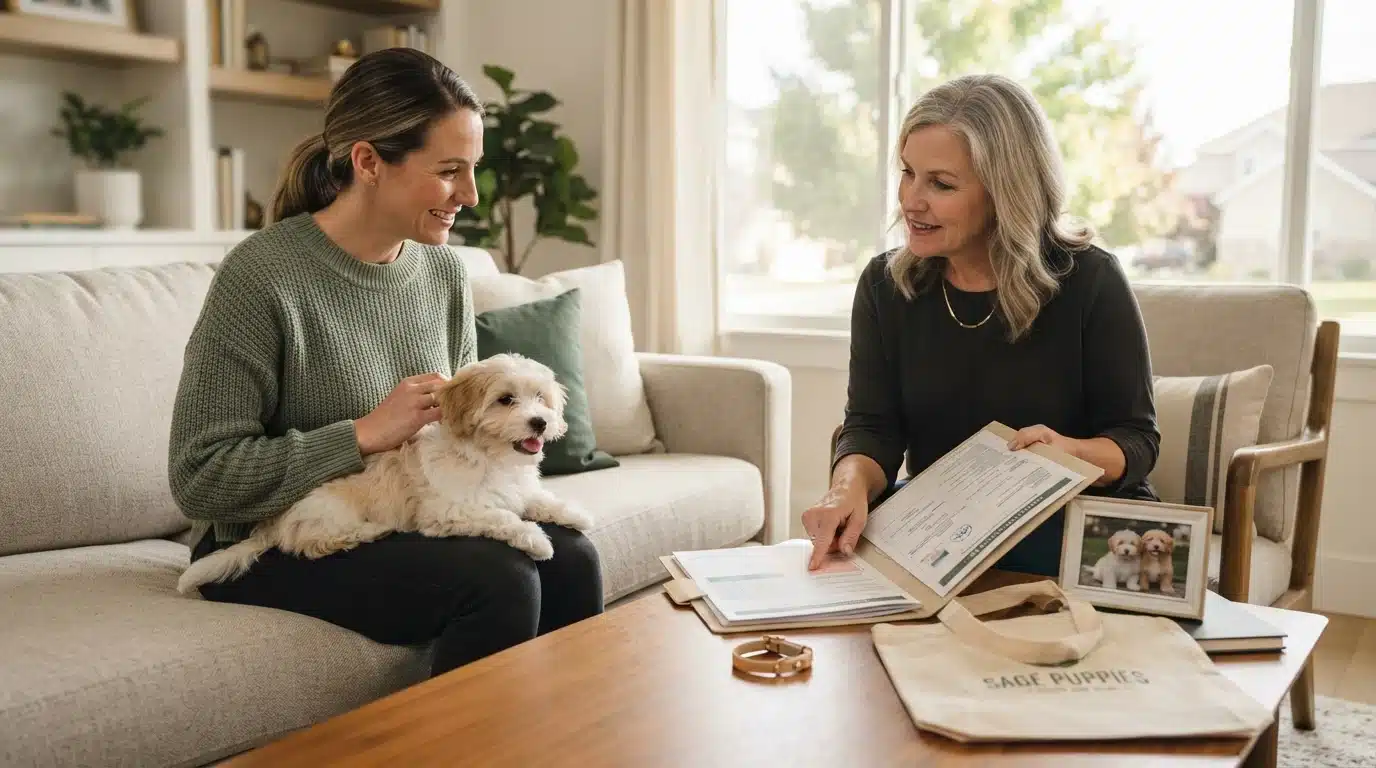
Quick Summary: Verify every puppy seller before paying: meet the mother dog, inspect where the puppy was raised, request written parent health-testing and veterinary records, and have an independent vet review the paperwork. Walk away from sellers who pressure you, hide behind certificates or AKC or USDA claims, refuse visits, or lack a clear contract and health guarantee. Responsible breeders welcome these checks, including Sage Puppies, whose South Jordan home lets buyers meet the litter and verify its history.
A Havapoo listing with a smiling puppy, a laminated health certificate, and a $600 deposit request proves nothing on its own, and neither does a quiet backyard kennel with one litter. The difference between a caring breeder and a puppy mill is not the photo. It is what the seller lets you verify. Most buyers learn the dog breeder warning signs after they have already paid a deposit, which is exactly how unreputable puppy sellers stay in business. They count on excitement doing the thinking. This guide flips the order. You will learn which puppy mill red flags matter, how to check breeder licenses and health testing yourself, and which questions separate honest answers from dodged ones. Cassie Milar of Sage Puppies in South Jordan, Utah, wrote it from the breeder’s side, so every check here is one a good breeder will happily pass.
What a Puppy Mill Is, and How It Differs From a Small Family Breeder
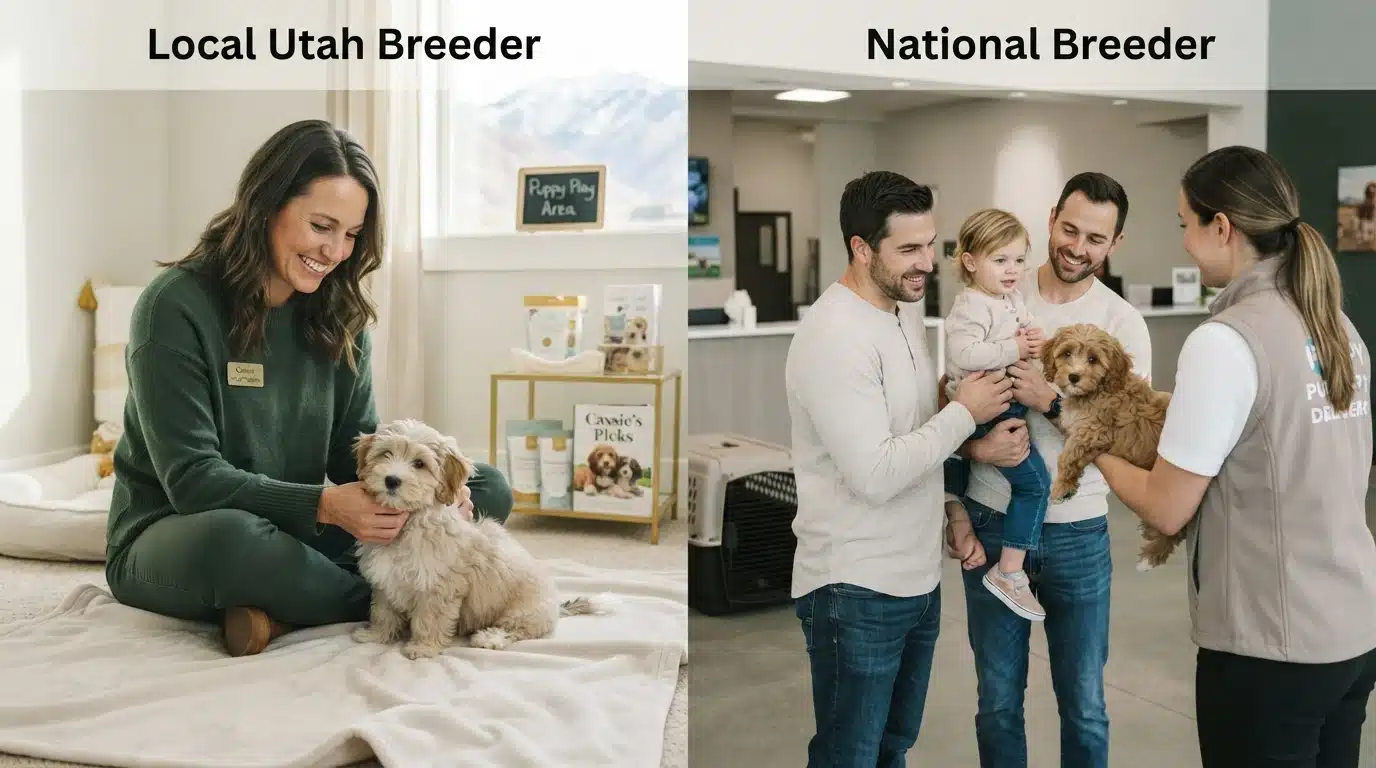
A puppy mill is a breeding operation where profit comes first and the dogs’ care comes last. A family breeder raises a few litters a year in her home and breeds for health and temperament first. Scale, not paperwork, is what separates the two.

Scale, Volume, and Profit as the Defining Features
Size alone does not tell the whole story, but volume usually does. Puppy mills keep many breeding dogs in cages and breed every heat cycle, selling litters to pet stores or through websites. Some are USDA licensed, yet licensing only covers minimum federal care standards. The driving question is simple: are the dogs treated as family, or as inventory?
Family-Raised, Hobby, and Commercial Operations Side by Side
| Feature | Puppy Mill | Commercial Kennel | Small Family Breeder |
|---|---|---|---|
| Number of breeding dogs | Dozens to hundreds | Many | A few |
| Where puppies live | Cages or runs | Kennel facility | Inside the home |
| Litters per mother | Every cycle | Frequent | Occasional, planned |
| Mother dog visible | Rarely, or not at all | Usually not | Meet her on request |
Why the Mother Dog Is the Most Revealing Test
The dam tells you more than any certificate. If a seller cannot show you the mother, or the puppy was “shipped from out of state” with no visit allowed, treat it as a red flag and start screening for unreputable puppy sellers. Asking to meet the mother dog exposes most problems early.
The Warning Signs of a Puppy Mill: A Tiered Checklist
Some warning signs end the conversation. Others just deserve a harder look. Use this checklist in order, from deal-breakers down to quieter cues.
Disqualifying Red Flags
Walk away if a seller refuses any of these:
- Letting you meet the mother dog or see where puppies were raised
- Showing health test results for both parents
- Answering basic questions about the breed or the litter
Also treat as final: meeting only in a parking lot, offering to ship a puppy the same day you first call, or pushing you to decide before a vet exam. The Humane World for Animals lists third-party handoff spots as a classic mill pattern.
Strong Caution Signals in the Paperwork
Paperwork problems are subtler, so weigh them carefully. Watch for no written contract, no health guarantee, or a guarantee that only covers the first 72 hours. Vague records matter too: missing vaccination dates, no vet’s name, or parentage listed as “unknown.” If a breeder keeps multiple breeds and always has litters ready, that points to volume breeding rather than careful planning. Unreputable puppy sellers often hide behind polished paperwork that proves nothing.
What the Puppy Itself May Show
The puppy tells you things the seller won’t. Look for patchy or missing fur, overgrown nails, a lingering cough, or chronic diarrhea. Fearful behavior counts as well: a puppy that cowers, hides, or flinches at handling may have missed early socialization. One sick pup in the litter is a concern; several point to kennel-wide problems.
Environmental and Social Red Flags
Where a puppy grew up shapes its temperament. Crowded cages, strong ammonia smell, adult dogs pacing behind wire, or puppies with no toys or people nearby all suggest a production kennel. Many responsible breeder checklists treat clean, home-raised surroundings as the baseline, not a bonus.
Deceptive Puppy Sellers: Pressure Tactics, False Claims, and Sales Channels
Urgency and scarcity are the first tools a dishonest seller reaches for. Watch for lines like “two puppies left, deposit by tonight” or “I have a family flying in tomorrow.” Real breeders let you think, ask questions, and visit. Someone who rushes you usually hopes you will not check anything first.
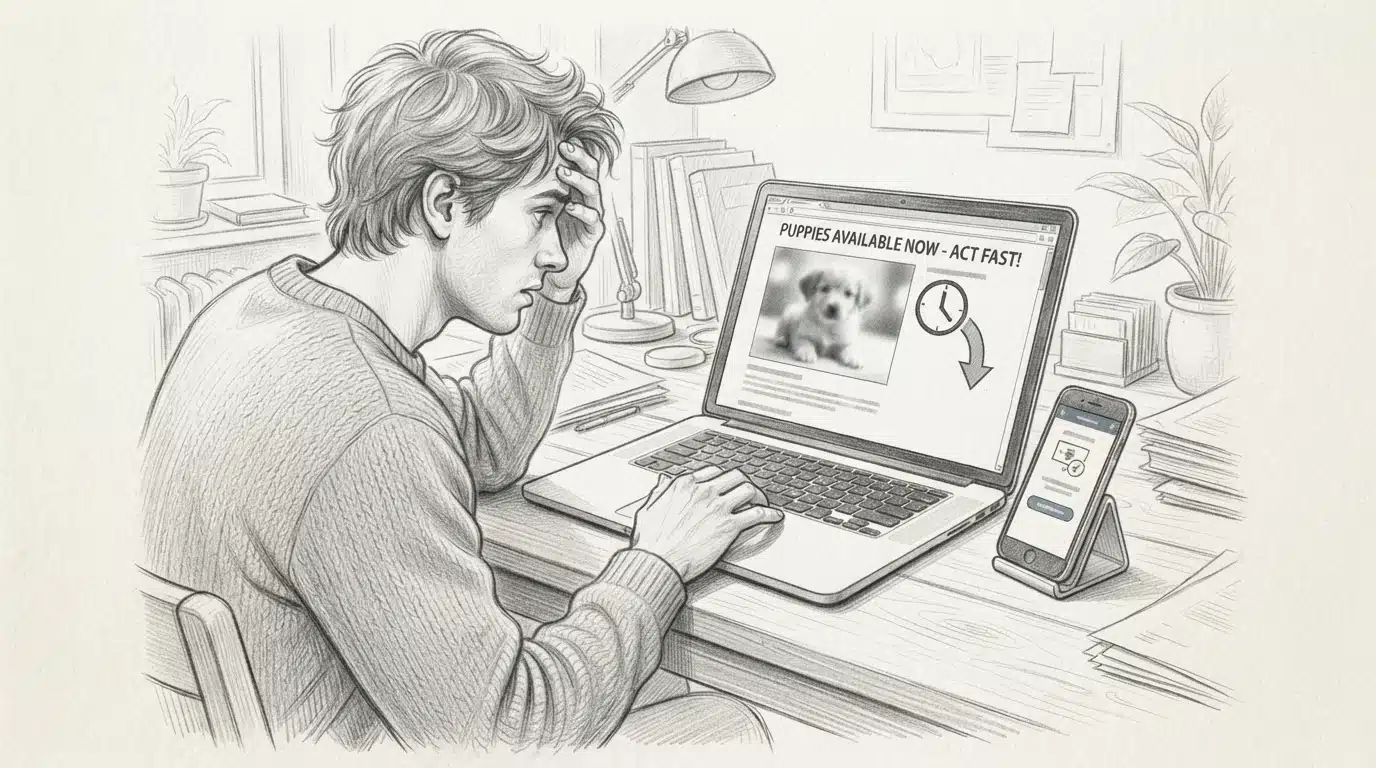
False credentials come next. Sellers may claim to be “USDA licensed” when that license covers commercial kennels, not a home with one litter, or cite “AKC registered” as proof of health, though registration says nothing about how dogs were raised or screened. Ask for the exact license number and verify it yourself through the USDA’s Animal Care Search Tool. Legitimate breeders answer directly.
Sales channels matter too. Classified sites, social media groups, and pet store windows often hide the puppy’s true origin, and the ASPCA warns many store puppies come from large-scale mills. Scams add another layer: fake photos, wire transfers, then silence.
A trustworthy seller, whether a small program like ours or another family breeder, invites questions, shares where the puppy lives, and never pressures your timeline.
Breeders who hide behind third-party sellers are a classic puppy scam pattern, so slow down whenever the deal feels designed to stop you from verifying.
How to Verify a Breeder Is Not a Puppy Mill
Verification comes down to four steps: check public registries, request real documents, see where the puppy lives, and have your veterinarian confirm the health work. Do these in order. A seller who fails the first step rarely passes the others, so you save time and heartbreak by starting with records anyone can check.
- Search the breeder in public licensing databases.
- Ask for health testing and veterinary records in writing.
- Visit or video call and inspect the actual raising environment.
- Have an independent veterinarian review the puppy’s exam and results.
Search Public Registries and Licensing Records
Start with records, not reviews. The USDA Animal Care Search Tool lists breeders licensed or registered under the Animal Welfare Act and shows their inspection history, searchable by name, license number, or state. If a breeder ships puppies commercially and claims a federal license, verify it there. Then check your state and city rules, since kennel licensing is often local.
Request the Documents, Not the Claims
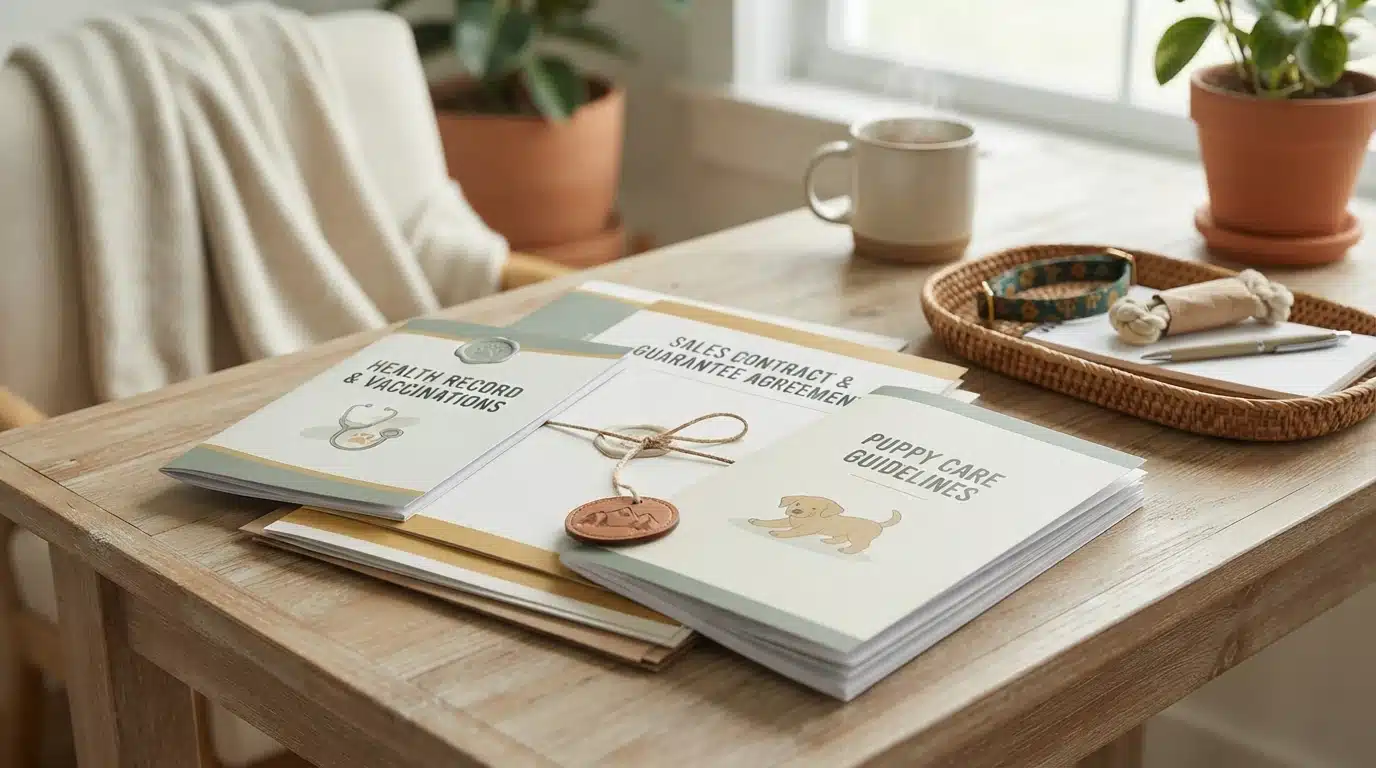
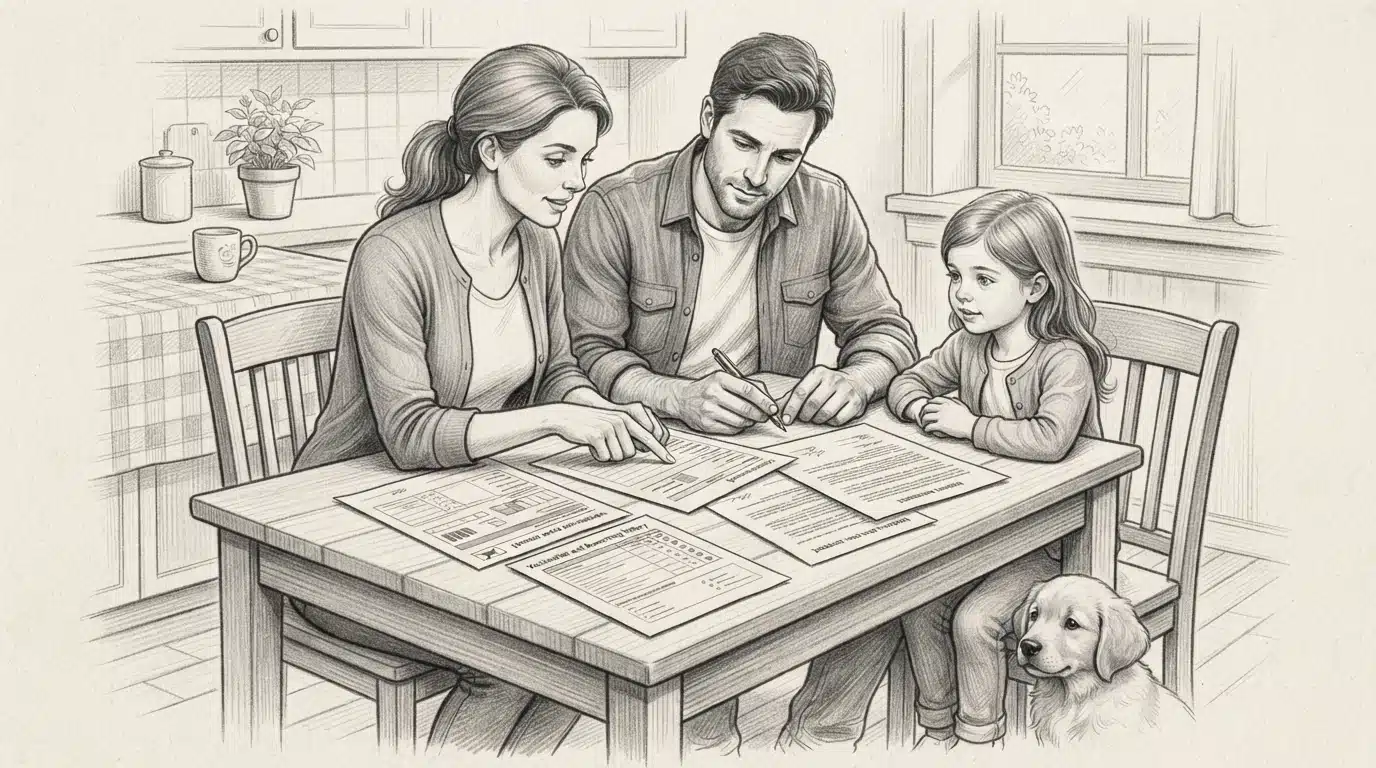
Ask for proof of everything important: parent health testing results, the puppy’s veterinary exam record, vaccination and deworming dates, and a written purchase contract. Reputable breeders expect these requests. A seller who offers only photos, promises, or a laminated certificate is asking you to trust instead of verify, and trust is exactly what puppy mills rely on.
Visit, Video Call, and Inspect the Environment
Meet the puppy where it was raised, in person if you can. Ask to see the mother dog, the whelping area, and the spaces where puppies play and sleep. Overcrowding, cages stacked outdoors, or excuses about why a visit is impossible are serious dog breeder warning signs. Out-of-state families should request a live video walkthrough, not recorded clips.
Confirm Independently With a Veterinarian
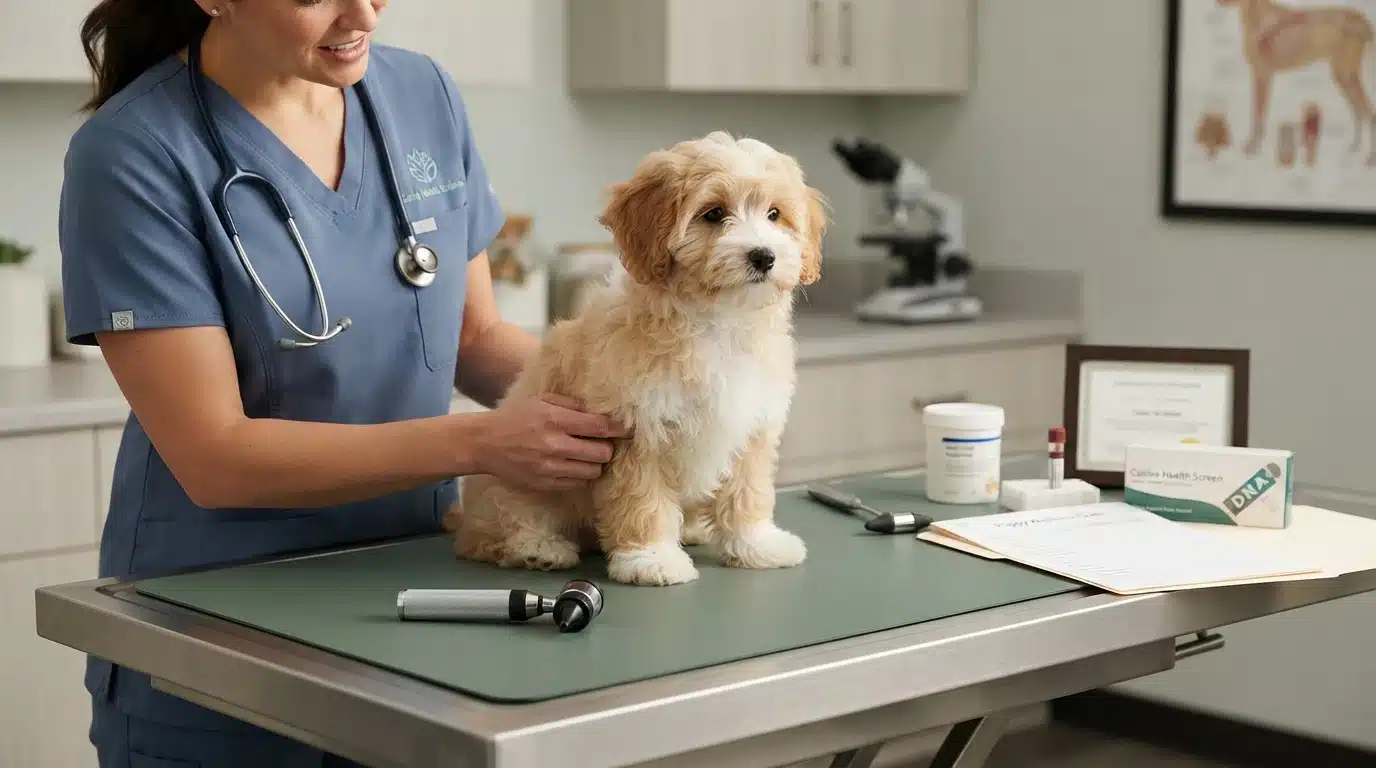
Bring your puppy, or its records, to a veterinarian you chose yourself before finalizing the purchase. An independent exam confirms vaccinations, checks for parasites and congenital problems, and gives you a professional second opinion on the breeder’s paperwork. Many buyers schedule this within the first few days of bringing a puppy home, which also satisfies most health guarantee deadlines.
Questions to Ask a Puppy Seller, and How to Read the Answers
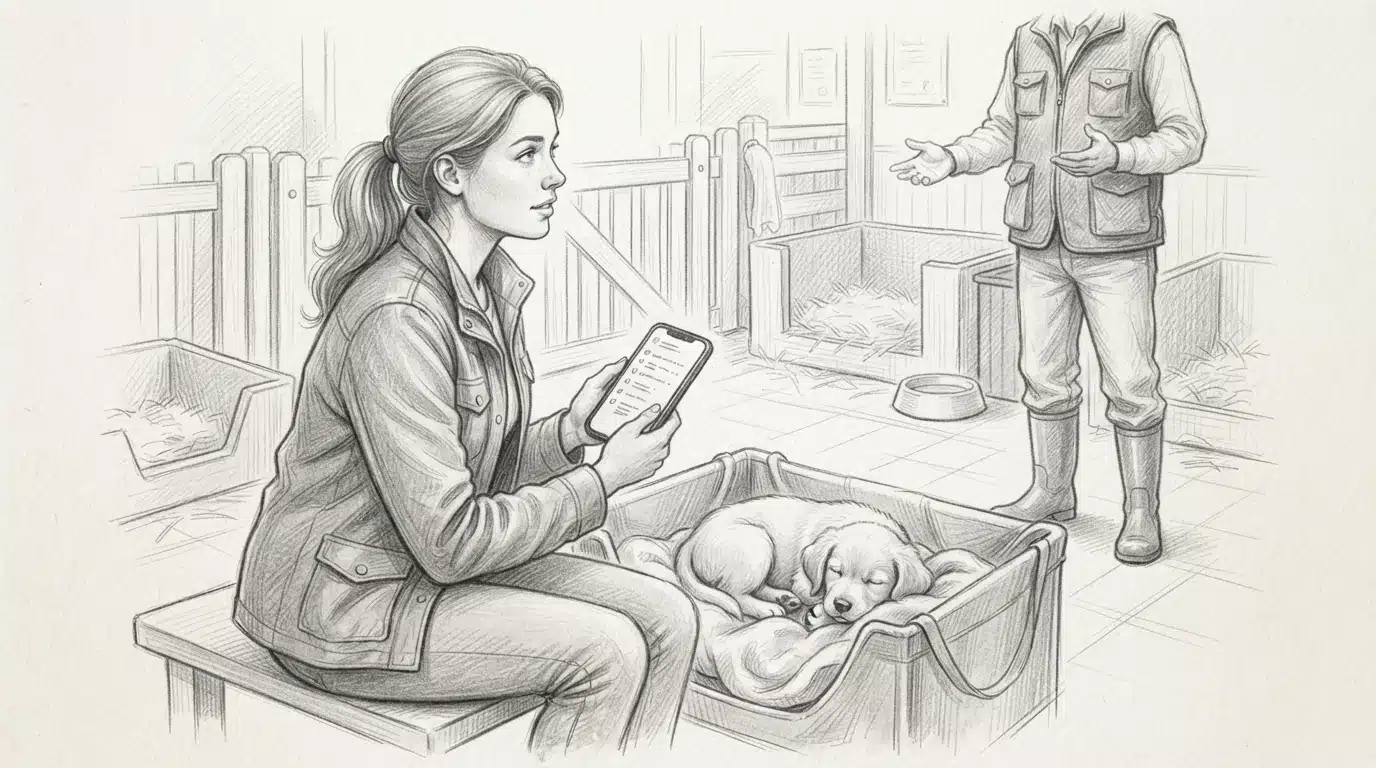
Ask any seller these four groups of questions, and treat vague or evasive answers as a red flag in themselves. A reputable breeder welcomes them. An unreputable puppy seller changes the subject, rushes you to pay, or gets defensive.
Questions About the Home Environment
Ask where the puppy was born and raised, and how many adult dogs live there. Good answers name a specific home, describe the whelping space, and invite a visit. If puppies are always “at a partner’s place” or pickup feels discouraged, walk away.
Questions About Parents and Health
Ask to meet the mother, and request health testing records for both parents. Trustworthy breeders show OFA or CERF results and DNA panels without hesitation. Evasiveness about the sire, or no paperwork at all, points to a mill.
Questions About the Transaction
Ask what the total price covers, when payment is due, and what the written contract includes. Reputable sellers put terms in writing and never demand wire transfers, gift cards, or full payment up front for a puppy you have not seen.
Questions About Aftercare and Support
Ask how the breeder supports you after pickup, and what happens if the match fails. Solid answers include a health guarantee with real time frames and a willingness to take the dog back at any age, no questions asked.
Health Records, Screening, and What a Good Record Set Contains
Paperwork tells you what a seller actually did before you arrived. Good breeders keep records they can show on request. Puppy mills either cannot produce them or bury you in documents that prove nothing.
Three Different Kinds of Health Information
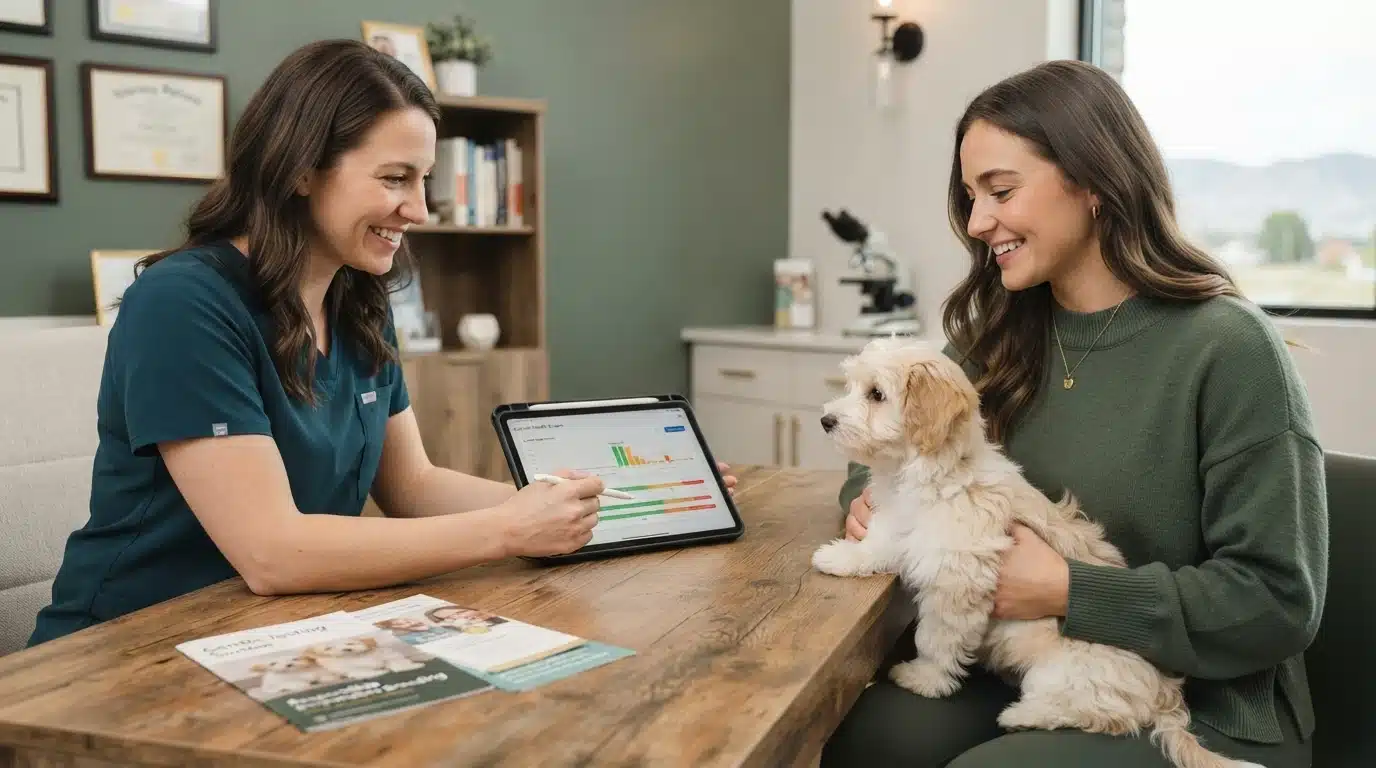
Sort what a seller hands you into three groups. First, veterinary records: exam notes, deworming dates, and vaccine labels. Second, parent screening results, such as OFA tests listed in the CHIC database. Third, ownership paperwork like a purchase contract. A single laminated certificate covers only one group, and knowing the difference helps you spot health-tested puppies instead of decorated ones.
Breed-Specific Screening That Actually Applies
Screening only counts when it matches the breed. For Havanese, the parent club requires OFA hips, patellas, and eye exams for a CHIC number, as the Havanese Club of America explains. Doodle crosses should show results for every breed in the mix, since both sides of the pedigree pass traits down. Ask which tests each parent had, then verify the results yourself rather than trusting a photo.
Reading a Health Certificate Critically
A health certificate is a snapshot, not a guarantee. It records a vet exam, usually within ten days of travel, confirming the puppy looked healthy that day. It says nothing about genetic disease, the parents’ screening, or conditions that appear later. Ask for the vet’s name and clinic so you can confirm the visit, and treat the certificate as one document inside a full record set, never the whole set.
Where You Bought Matters: Channels, Contracts, and Consumer Protection
Direct From the Breeder Versus Through an Intermediary
Buying straight from the breeder gives you the strongest proof: you can meet the mother, see where puppies live, and ask questions face to face. Pet stores and brokers usually can’t show you the kennel. When a seller offers local pickup and visits, that transparency itself is a good sign. A clear, step-by-step application like the one behind Sage Puppies’ reservation process shows what a direct channel should look like.
What a Defensible Purchase Contract Contains
A solid puppy purchase contract puts promises in writing. Look for these terms before you pay anything:
- Buyer and seller names, plus the puppy’s date of birth and microchip number
- A health guarantee covering both congenital defects and contagious illness, with realistic claim windows
- Your refund, replacement, or veterinary-cost remedies if the puppy gets sick
- Spay or neuter and return-to-breeder terms, so the dog never lands in a shelter
Walk away from a verbal-only deal. If a seller resists putting terms on paper, treat it as a red flag, not a courtesy.
State Consumer Protections and Puppy Lemon Laws
About 22 states have Pet Purchaser Protection Acts, often called puppy lemon laws. These laws can require refunds, replacements, or reimbursement of vet bills when a sold puppy is unhealthy. Check whether your state appears in this table of pet purchaser protection acts, and note that many protections cover pet stores and dealers specifically, so contracts matter even more when you buy directly.
When Something Goes Wrong: Vetting, Reporting, and Recovery
Even careful buyers can end up with a sick puppy or a seller who goes quiet. What you do in the first few days protects your puppy, your wallet, and the next family. Move fast, write everything down, and know where your report actually goes.
Get the Puppy to a Veterinarian Promptly
Book a vet visit within 48 hours of pickup or delivery, even if the puppy seems healthy. Most contracts require this to keep a health guarantee valid. Ask the vet to note the puppy’s age, weight, and any signs of parvo, parasites, or breathing trouble. That record becomes your evidence if the seller disputes your claim.
Document Everything Before Disputes Begin
Save every text, email, and listing screenshot before the seller can delete them. Photograph the puppy’s condition daily, keep vet invoices, and log dates and names. Keep your contract, receipt, and any health certificate together in one folder. Do not sign anything a seller offers after the fact, and do not return the puppy without written terms.
Where to Report and What to Expect
Where do I report a suspected puppy mill? Start with these channels:
- Local animal control or sheriff, since cruelty is a state crime in every state
- USDA, through its Animal Welfare complaint form, for licensed sellers
- Humane World for Animals, using its puppy mill report form
- Your state attorney general for lemon law and consumer fraud claims
Expect investigations to take weeks, not days. Your documentation is what makes any of these reports usable.

Want a breeder who welcomes every check on this list? Visit Sage Puppies to see how our Havanese, Havapoo and Cavapoo program works, review our application, and meet a litter raised in our South Jordan home. Wisely bred, beautifully loved, and easy to verify.
Frequently Asked Questions
Q1: What are the warning signs of a puppy mill?
Refusal to let you meet the mother dog or see where puppies were raised, no parent health testing, parking-lot handoffs, same-day shipping offers, and pressure to pay before a vet exam are all deal-breakers. Missing contracts, short health guarantees, and always-available litters deserve closer scrutiny.
Q2: How can I verify a breeder is not a puppy mill before buying?
Search the USDA Animal Care Search Tool for any claimed federal license, request parent health tests and vet records in writing, visit or video call the raising environment, and have your own veterinarian review the puppy’s exam results independently.
Q3: What questions should I ask a puppy seller to check for red flags?
Ask where the puppy was born and raised, how many adult dogs live there, whether you can meet the mother, what health tests each parent had, what the total price covers, what the contract includes, and how the breeder supports you after pickup.
Q4: Can a puppy mill breeder be USDA licensed?
Yes. A USDA license covers minimum federal care standards for commercial kennels, not careful breeding. Licensing proves regulation, not quality, so check inspection history rather than treating the license as approval.
Q5: Is AKC registration proof a breeder is reputable?
No. Registration only documents pedigree, not health screening or living conditions. Ask for OFA or CHIC testing results and a home visit in addition to registration papers.
Q6: What does a fair puppy health guarantee include?
Coverage for congenital defects and contagious illness, realistic claim windows, and clear remedies like refunds or vet-cost reimbursement, all in a written contract with return-to-breeder terms.
Conclusion
Spotting unreputable sellers comes down to one habit: verify before you pay. Meet the mother dog, see where the puppy was raised, and ask for parent health testing and a written contract with a real health guarantee. Check licenses and records yourself instead of trusting photos or claims, and treat pressure tactics as red flags, not bargains. Good breeders welcome every one of these checks. If a seller dodges, rushes you, or hides behind paperwork that proves nothing, walk away and keep looking. Your patience protects your puppy, your family, and the dogs left behind.