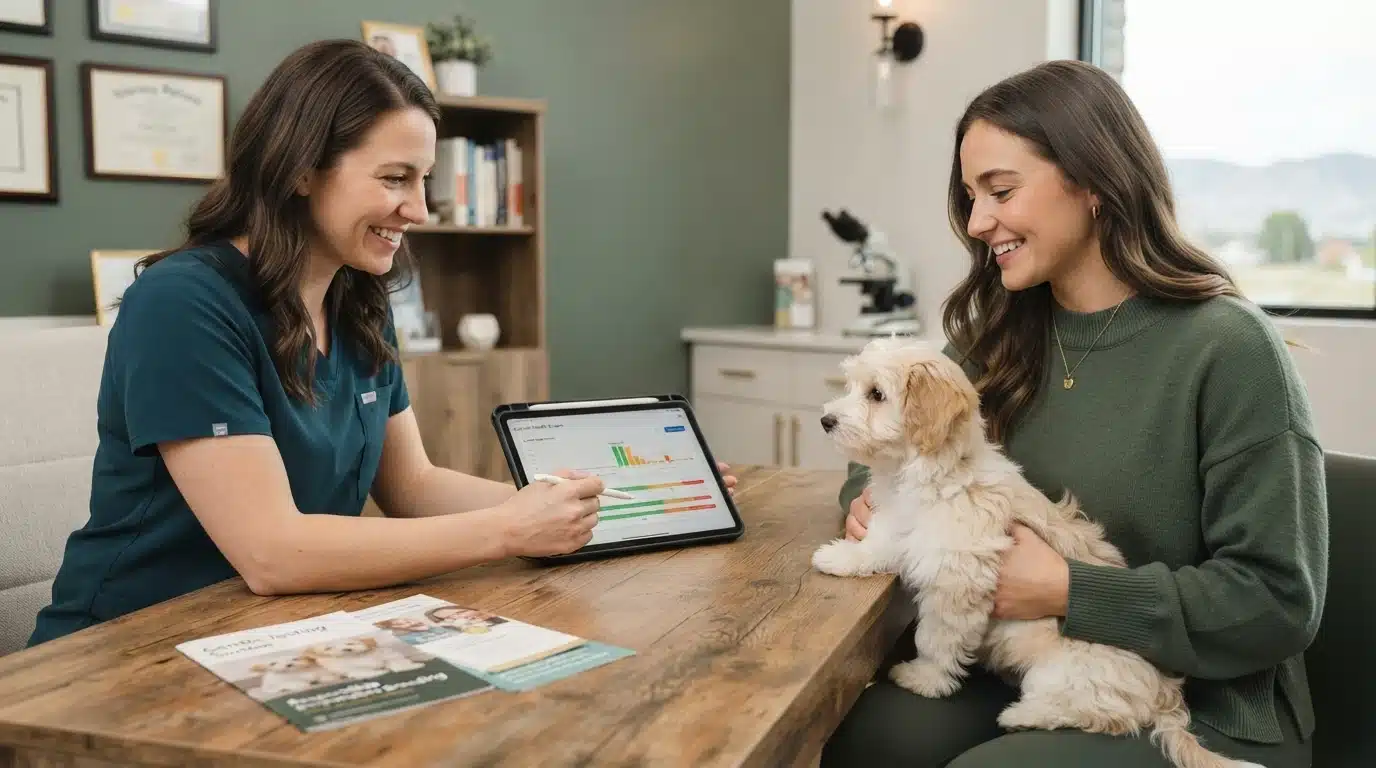
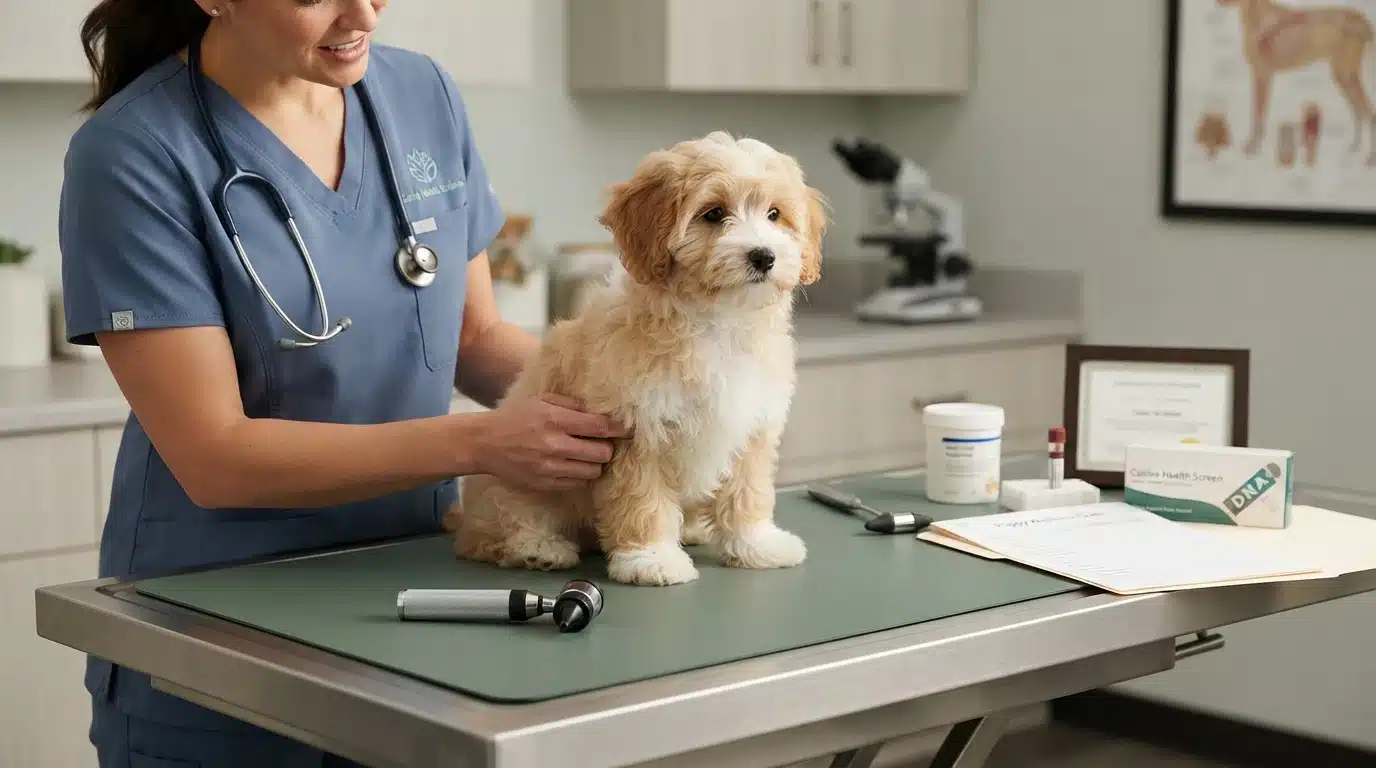
Quick Summary: When buying a puppy locally, ask for three layers of evidence before paying: the puppy’s veterinary exam record, both parents’ clinical screening results, and DNA variant results. Verify parent results through OFA, visit the home to assess the puppies and dam, read the contract carefully, and schedule a vet check within 48 hours of pickup. A CHIC number alone does not guarantee a healthy puppy, and crossbreeds need screening for both sides of their ancestry.
Two families can tour the same small-breed kennel on the same afternoon and leave with very different things. One gets a folder of lab reports to read at home. The other gets a puppy photo and a payment link. The difference is not luck; it is knowing which questions to ask before you visit.
Buying puppies locally gives you a real advantage: you can meet the breeder, see the mother, and check paperwork in person. But picking healthy puppies takes more than a cute face and a clean kennel. This guide walks through the three layers of health evidence that matter, from the puppy’s exam record to parent screening and DNA results, then covers home puppy visits, contract review, and pickup day. It draws on current breed health guidance for Havanese, Havapoo, and Cavapoo lines, so you can judge any breeder, including us, by the same standard.
What Health Testing Actually Covers, and What It Does Not
Health testing is not one paper. It is a stack of records, and each layer proves something different. When you are buying puppies locally, ask the breeder for all three before you fall in love with a face.
Three Layers of Health Evidence You Should Ask For
Any breeder worth your deposit can produce three records:
- Puppy exam record: a licensed vet examined your puppy, usually on a health certificate form.
- Parent clinical screening: OFA eye, hip, and patella results for the mother and father.
- DNA variant results: lab tests showing whether each parent carries known disease genes.
A Havanese CHIC number covers only the parent screening layer. Ask for the other two by name.
What a CHIC Number Does and Does Not Tell You
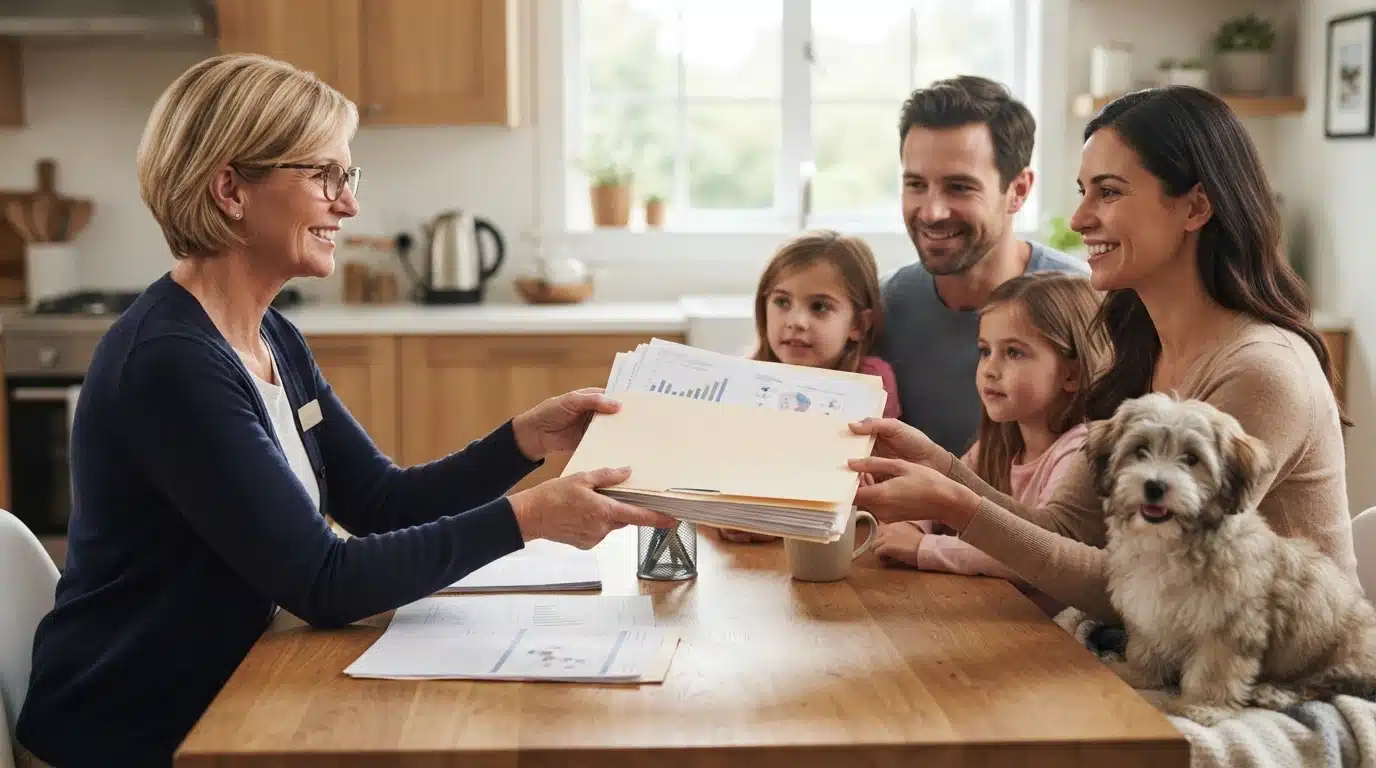
No, a CHIC number does not guarantee a healthy puppy. The OFA’s CHIC program issues a number when a dog completes its breed’s required tests, and results are published whether they pass or fail. It proves the breeder screened the parents and shared the results openly. It says nothing about your puppy’s future hips or heart. Read the actual results, not just the number.
Why Cross Breeds Need Different Testing Panels
Cross breeds need both sides tested. A Havapoo or Cavapoo inherits genes from two different breeds, so each parent needs its own breed-relevant DNA panel plus clinical exams. Breed clubs publish the required list, including a Havanese testing guide covering eyes, hips, patellas, and cardiac checks. When parents know their own ancestry, the panel matches it. This is why we verify every parent’s screening before matching a family.
How to Buy a Health-Tested Puppy Locally, Step by Step
Buying puppies locally works best when you follow four steps: build a shortlist, request records, verify results, then visit and sign. Doing them in that order protects your deposit and your family’s heart.
Step 1: Build a Shortlist From Breed Clubs and Directories
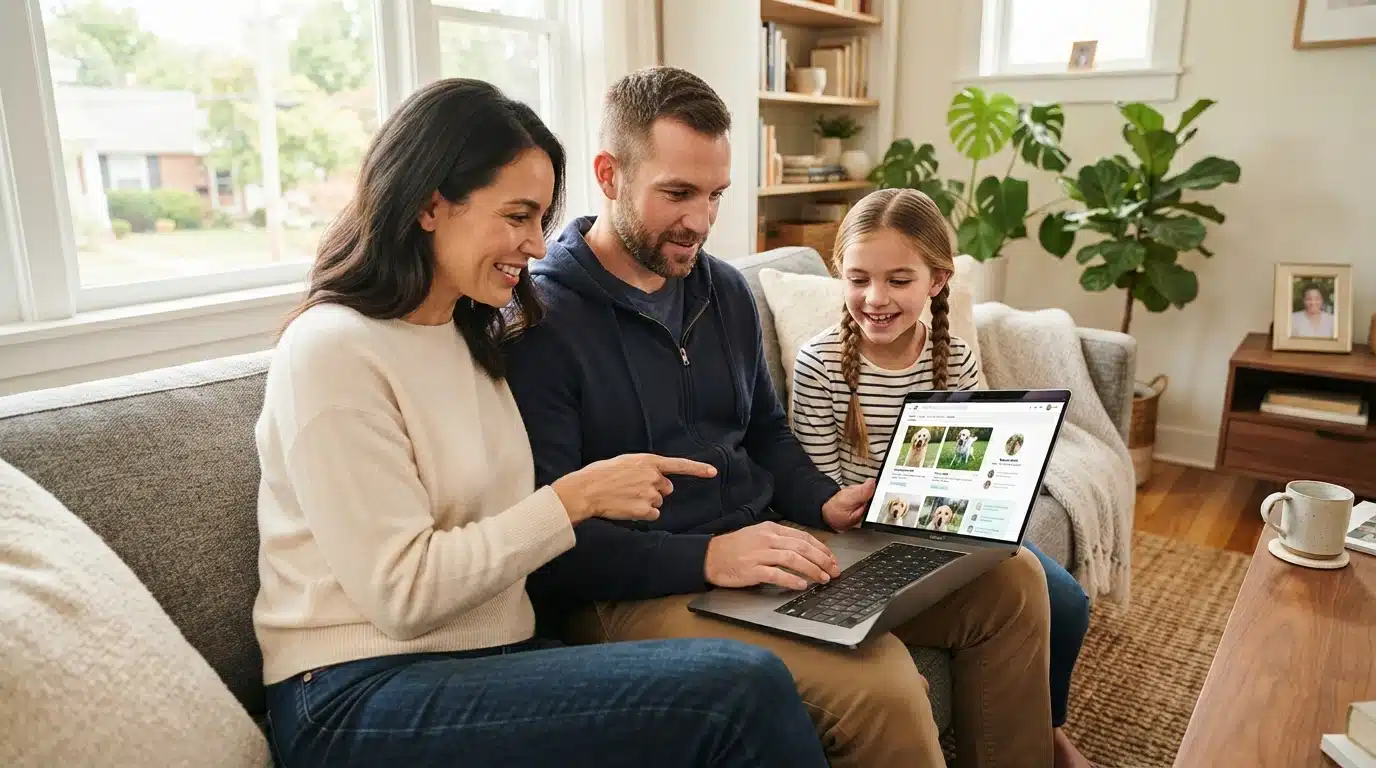
Start with breed club breeder listings, since club members follow the parent club’s screening rules. For Havanese, the Havanese Club of America publishes health expectations for member breeders. Add two or three programs within driving distance, including small home-based programs such as Sage Puppies in South Jordan, Utah, and skip anyone who won’t answer basic questions by email.
Step 2: Request Records Before You Request a Deposit
Ask for three documents before money changes hands: the puppy’s veterinary exam record, the parents’ clinical screening results, and DNA variant results for both parents. Honest breeders send these willingly. If a seller promises paperwork “after you pay,” treat that as a red flag and move on.
Step 3: Verify Results Against Public Registries
Records can be faked, so check them yourself. Search the OFA website by the parent’s registered name to confirm hips, eyes, cardiac, and patella results. A CHIC number shows the dog completed every required test for its breed. For Havanese parents, confirm results match the breed’s current health requirements. Mismatches between paperwork and registry entries end the conversation.
Step 4: Visit, Read the Contract, Then Pay Through the Official Flow
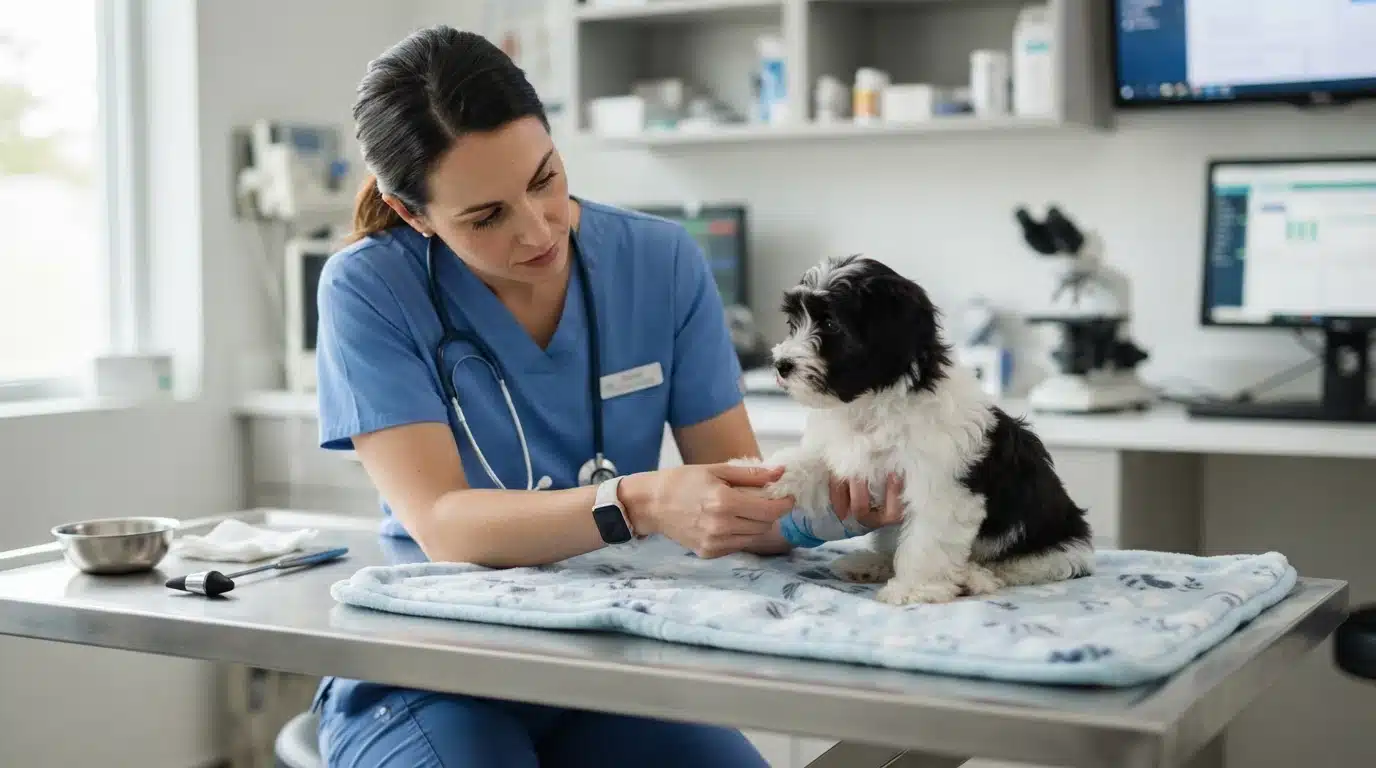
Meet the puppy where it was raised. Watch how it moves, and ask to see its mother. Then read the contract slowly: health clauses, return terms, and deposit rules. Pay only through the breeder’s official application or checkout page, never by wire transfer or gift cards, and schedule your puppy’s own vet check within 48 hours of pickup.
Which Health Tests to Ask For by Breed and Cross
What health tests should you ask for? Ask for OFA or CHIC evidence on both parents: hips, patellas, and an annual eye exam for Havanese lines, plus cardiac screening and DNA results for Cavalier and Poodle ancestry. The record changes with the mix, so use this table as your baseline.
| Breed or Cross | Screening Focus | Record to Request |
|---|---|---|
| Havanese | OFA hips, patellas, annual CAER eye exam | CHIC number on ofa.org |
| Havapoo | Havanese tests plus Poodle eye and hip results | Parent CHIC numbers, DNA panel |
| Cavapoo | Cavalier cardiac and eye exams plus Poodle hip tests | Parent CHIC numbers, DNA panel |
Eyes, Hips, and Patellas
Havanese need three things for a CHIC number: an eye exam by a board-certified ophthalmologist, hip films, and a patella check. Careful breeders add BAER hearing tests. You can verify any parent’s results yourself on OFA’s public database using the dog’s registered name.
Reading Two Lines of Ancestry
A crossbreed inherits from two breeds, so each parent needs that breed’s screening, not just one combined panel. For a Havapoo, ask which parent is the Havanese and which is the Poodle, then check each dog against its own breed’s list. OFA’s CHIC browse-by-breed page shows the protocol for each breed.
Cavalier and Poodle Line Questions
Cavalier parents need a heart exam by a cardiologist and a clear eye check, because mitral valve disease runs in the breed. Ask about the Poodle side too: hips and eyes. Our Havanese breeder vet checklist walks through these questions line by line.
Questions That Separate Real Screening From a Vague Claim
Ask three things: Can you send the parent’s OFA or CHIC number? Were DNA results run on a lab panel or a home kit? When was the last eye exam? A breeder who answers with dates and registration numbers has done the work.
What to Look For During a Home Puppy Visit
During a home puppy visit, check four things: a clean, safe whelping space; the mother’s health and temperament; the puppies’ bodies and behavior; and how openly the breeder answers your questions. Use this quick checklist as you walk through.
- Clean bedding, fresh water, and no strong urine smell
- A calm, friendly dam who greets you without fear or fuss
- Puppies that are plump, bright-eyed, and steady on their feet
- Paperwork within reach: health records and parent screening results
- The breeder asking you questions too, not just selling
Assess the Environment Before the Puppies
Start where the puppies live, not with the puppies. The whelping area should smell clean, feel warm, and give each puppy room to move. Look for safe flooring, sanitized bowls, and toys without loose parts. A separate potty zone and a quiet rest corner show the litter is already learning house structure. Skip breeders who keep litters in garages, barns, or cramped cages.
Observe the Puppies and the Dam Gently
Ask to see puppies after meals and naps, when they are settled. Healthy puppies have clear eyes, clean ears, and soft coats with no bare patches. Watch them play: they should tumble, recover quickly, and approach you with curiosity rather than cowering or snapping. Then watch the dam. She should look well-fed, move easily, and tolerate your presence. Her calm handling of the litter predicts much about adult temperament.
What a Good Breeder Does While You Are There
A good breeder runs the visit. They introduce the dam first, pull out testing records without being asked, and explain which health issues affect their breed. They also interview you, since placement matters more than the sale. A small program like Sage Puppies invites families into the home precisely so nothing stays hidden, and its step-by-step process builds that same openness in before the visit ever happens.
Telling a Responsible Breeder Apart from a Puppy Farm
The difference shows up in records, not websites. A responsible breeder invites questions and hands over paperwork. A puppy farm hides behind stock photos and same-day deals.
Patterns That Suggest a Responsible Program
Good programs raise puppies in the home, keep litters small, and answer health questions with documents. Parents should have clinical screening results and DNA variant results, not just verbal assurances. Expect an application, a written contract, and an open invitation to meet the mother. Small programs like Sage Puppies follow this model, matching a few litters a year to families who have already talked things through.
Red Flags That Should End the Conversation
Walk away when a seller resists a video call or visit, keeps multiple breeds and litters always available, or wants payment outside an official checkout. Other warnings: no vaccination records, no vet paperwork, pressure to decide today, and shipping a puppy sight unseen with no questions asked.
Federal and Local Rules That Frame the Sale
Federal law steps in for larger operations. Under USDA rules, sellers with more than four breeding females who sell pets sight unseen may need a federal license, per this AKC overview. Small home programs often fall outside that scope but should still hold local permits. In Utah, ask which city or county kennel rules apply and confirm the breeder follows them.
Contracts, Deposits, and Health Guarantee Language
A good puppy contract spells out what the breeder promises and what happens if something goes wrong. Read it before you pay anything.
Clauses to Find in the Written Agreement
Look for these basics in writing:
| Clause | What It Should Say |
|---|---|
| Deposit terms | Amount, whether it is refundable, and what it applies toward |
| Health guarantee | Which hereditary conditions are covered, the duration, and the remedy, such as refund, replacement, or vet bill share |
| Vet check window | Your deadline for the puppy’s own exam, often within days of pickup |
| Return policy | What happens if you cannot keep the dog, at any age |
Serious breeders put these in writing because a clear contract protects both sides.
Vague Health Language and How to Ask for Clarity
Watch for phrases like “healthy to the best of our knowledge” with no named conditions or timeline. Ask direct questions: Which genetic conditions does the guarantee list? How long does coverage last? Does it require my vet’s exam to activate? Some contracts, for example, cover genetic defects but exclude treatable issues like parasites. Get answers in writing, not by phone.
Who Should Review the Agreement
You should read every line yourself before signing. For a $3,500 to $4,500 puppy, an hour of a consumer or contract attorney’s time is cheap insurance. A breeder who resists your review is telling you something.
Local Licensing and Pickup Logistics for Utah Buyers
How Local Permits and State Rules Work in Utah
Is there a state breeder license in Utah? No single state license covers breeders. Instead, cities and counties set their own rules: Salt Lake City requires a breeder permit, and many towns limit how many litters a household may produce. Ask any breeder you visit which local permit covers their program, and expect a clear answer.
Crossing State Lines With a Puppy
Most states accept a health certificate from your home state, but check your destination’s rules before you travel. A puppy crossing state lines typically needs a Certificate of Veterinary Inspection issued by a licensed vet, usually within 30 days of travel. Airlines may set their own timing, so confirm early if you fly.
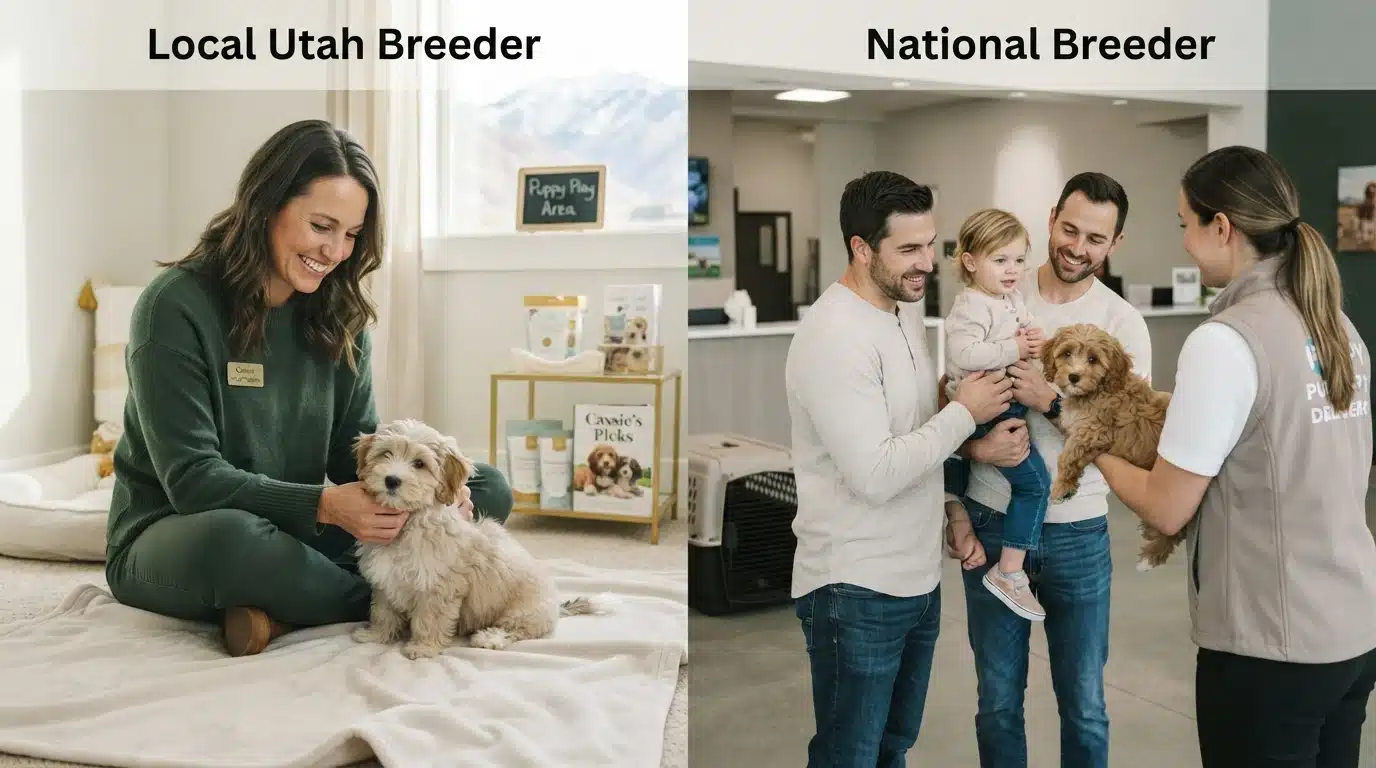
Local Pickup Versus Delivery: A Practical Comparison
| Factor | Local Pickup | Ground Delivery |
|---|---|---|
| Cost | No travel fee | Fee varies by distance |
| Vet check timing | Easy 48-hour local visit | May need travel-day care |
| Meet the breeder | Yes, in person | Usually by video only |
| Stress on puppy | Short car ride | Longer trip |
Tip: If you can, pick up in person so your puppy’s first vet visit lands within two days of arrival.
Common Mistakes to Avoid
Most problems come from skipping verification, not bad luck. The usual slip-ups:
- Accepting “health tested” claims without seeing documented results for the parents
- Skipping the puppy’s exam record or the 48-hour vet check
- Paying outside the breeder’s official checkout, especially by wire or gift cards
- Signing a contract you haven’t read, including deposit and return terms
- Choosing on cuteness alone instead of evidence
A breeder who deflects health questions is a warning sign, so keep asking until you see proof. Programs like Sage Puppies build this evidence into the matching process from the start.

If you want a Havanese, Havapoo, or Cavapoo backed by real health testing, start with Sage Puppies. Cassie’s boutique program in South Jordan, Utah matches families with wisely bred puppies and walks you through every health record before pickup. Submit your application today, then bring this checklist to your visit.
Frequently Asked Questions
Q1: How do I buy a health tested puppy from a local breeder in the US?
Shortlist breeders through breed clubs, request the puppy exam record, parent screening results, and DNA variant results before any deposit, verify them on ofa.org, then visit in person and read the contract before paying.
Q2: What health tests should I ask for when buying a puppy?
Ask for OFA hips, patellas, and an annual eye exam on both parents, plus breed-specific DNA panels. Havanese lines add cardiac checks; Cavalier parents need a cardiologist exam because mitral valve disease runs in the breed.
Q3: How can I tell a responsible breeder from a puppy farm?
Responsible breeders hand over records willingly, keep litters in the home, invite you to meet the mother, and interview you back. Puppy farms hide behind stock photos, always-available litters, and pressure to pay same day.
Q4: What documents should I receive on pickup day?
Bring home the vet exam record, vaccination and deworming history, the signed contract, and parent testing paperwork. Request a written copy of anything promised verbally, and schedule your puppy’s own vet check within 48 hours.
Q5: Can I verify a breeder’s health claims without visiting?
Yes. Search each parent’s registered name on the OFA database to confirm hips, eyes, cardiac, and patella results, and ask for a video call to see the dam and litter live.
Conclusion
Buying a health-tested puppy locally comes down to three layers of evidence: the puppy’s vet exam record, parent clinical screening, and DNA variant results. Verify each on OFA’s public database, not just in a folder. Then visit the home, watch the dam, read the contract line by line, and pay only through the breeder’s official checkout. For Havanese, Havapoo, and Cavapoo lines, test both sides of the ancestry, since each parent answers to its own breed’s screening list. Utah families picking up locally get a real edge: meet the breeder, see the mother, and schedule your puppy’s own vet check within 48 hours of pickup. Judge every breeder by the same standard, and the paperwork will tell you who has done the work.