Quick Summary: Choose the breed first based on fixed household needs such as allergies, adult size, energy level, and grooming time, then match the puppy’s age to your schedule. Most families do well with an 8- to 10-week-old Havanese, Havapoo, or Cavapoo, but busy or first-time owners may prefer a 10- to 12-week-old puppy for better bladder control and calmer nights. Before reserving, ask for health and vaccination records, honest temperament observations, and clear deposit, visit, and delivery terms.
Most families do not struggle to choose between a Havanese, Havapoo, or Cavapoo. They struggle to choose between an eight-week-old puppy that needs round-the-clock care and a twelve-week-old puppy that is already eating solids and sleeps through more of the night. That two-part decision, the right family puppy breed and age, shapes your first months far more than most people expect.
This guide walks through both halves. You will see how each breed fits different households, what the socialization period means for timing, and why a slightly older puppy can be the easier start for busy families. You will also get a checklist of questions to ask any breeder before you commit.
Sage Puppies raises Havanese, Havapoo, and Cavapoo puppies in South Jordan, Utah, and places them with families nationwide, so this advice comes from matching puppies with real homes every week.
How to Choose the Right Breed and Age for a Family Puppy
Choosing the right breed and age for a family puppy comes down to two separate questions. Pick the breed that fits your household, then pick the puppy’s age that fits your schedule and readiness. Work through it in three steps:
- Name your non-negotiables. Allergies, shed tolerance, adult size, and how much grooming you will actually do.
- Match breed tendencies to your family’s energy. Use them to narrow your list, not to crown a winner.
- Choose the age that fits your calendar. An 8 week puppy needs the most hands-on weeks; a 12 week puppy gives you more developed habits.
| Factor | Ask Yourself | What It Points To |
|---|---|---|
| Shedding and allergies | Can anyone in the house react? | Havanese and low-shed mixes |
| Daily grooming time | Will you brush most days? | Longer coats need more care |
| Household schedule | Who is home the first weeks? | 8 week vs 12 week puppy |

Start With the Constraint You Cannot Flex
Some limits decide for you. If a family member has allergies, a high-shedding breed is off the table no matter how sweet its temperament sounds. If your building caps dogs at 25 pounds, that size rule comes first. Write down anything you cannot change: adult size, shed level, coat care time, and who is home during the day. These fixed constraints cut the field fast, and they often remove whole breed groups before temperament even enters the conversation.
Let Breed Tendencies Narrow, Not Decide
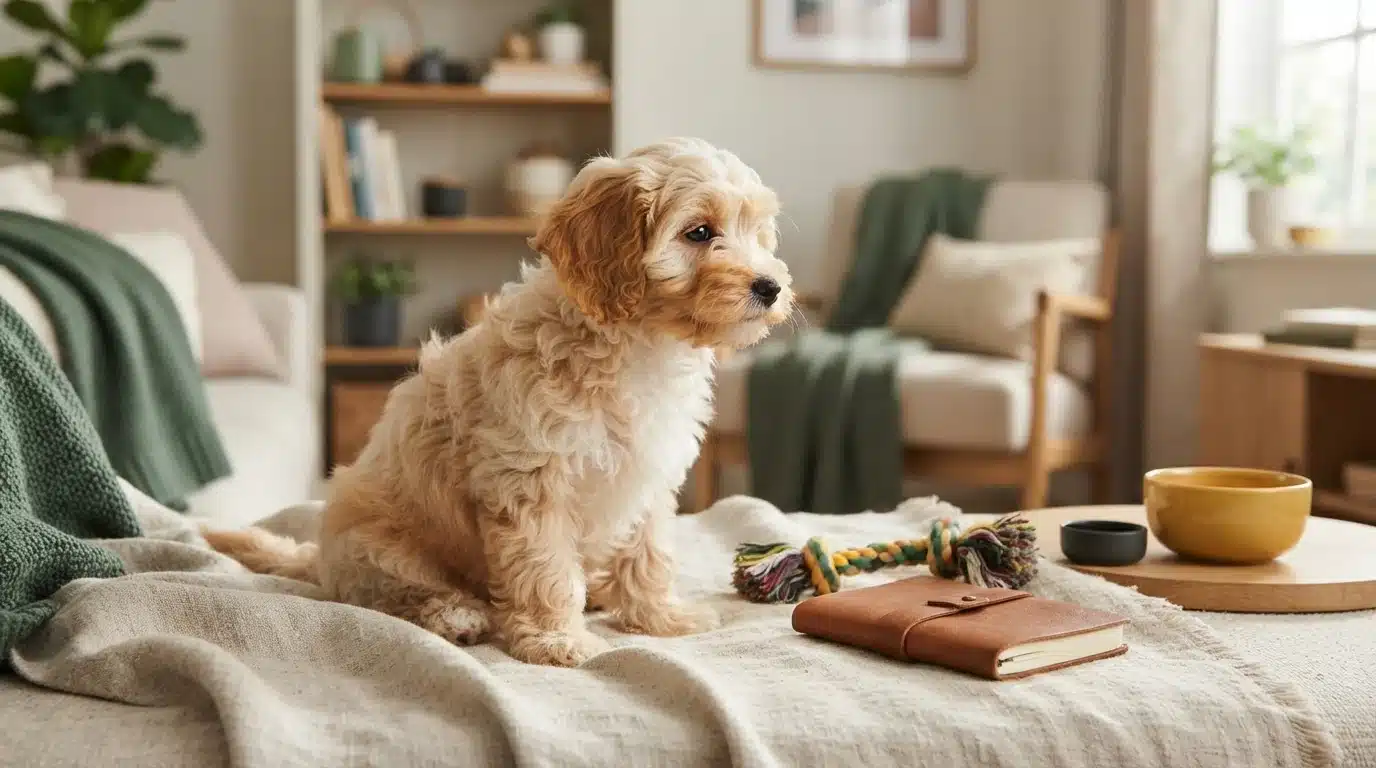
Breed generalities describe groups, not individual puppies. A Havanese tends to be a social, people-focused companion, while Havapoo and Cavapoo pups blend that with Poodle traits. Within any litter, though, you will find bold pups and quiet ones. Use breed tendencies to build a shortlist, then judge each puppy by what you actually see and what the breeder tells you. Temperament plus fit beats a label.
How to Combine Breed and Age Into One Decision
Pick the breed first, because it shapes the next decade. Then pick the age based on your household’s readiness this month. Families with flexible schedules often do fine with an 8 week puppy; busy households or first-timers may prefer one closer to 12 weeks. Many programs, including Sage Puppies, help match families to both breed and age during the application, so you make one informed choice rather than two rushed ones. Compare breeds and current availability on Sage’s available breeds and pricing page.
Which of Havanese, Havapoo, or Cavapoo Fits Your Household
For most families, the honest Havanese vs Havapoo vs Cavapoo answer comes down to parentage, size, coat care, and who lives at home. Pick the mix that matches your energy level, grooming budget, and schedule, then decide the age separately.
| Breed | Parentage | Adult size | Coat care | Best household fit |
|---|---|---|---|---|
| Havanese | Purebred Cuban companion | 7-13 pounds | Daily brushing, regular trims | Calm homes wanting a predictable, velcro-style companion |
| Havapoo | Havanese and Poodle | 8-20 pounds depending on the Poodle parent | Brushing plus scheduled clipping | Active families wanting a lower-shedding, trainable dog |
| Cavapoo | Cavalier and Poodle | 9-25 pounds depending on the Poodle parent | Brushing plus scheduled clipping | Social homes with kids who want a soft, people-first dog |
A Steady Purebred Reference Point
The Havanese is the fixed point in this comparison. Breed standards put adults at 7 to 13 pounds with a long, silky double coat that needs real brushing time each week. Temperament is bred-in and documented: a companion dog that shadows its people and welcomes strangers. If you want fewer size surprises, the purebred parent of both mixes is a good place to start comparing breeds.
Poodle Energy and Havanese Warmth
A Havapoo blends the Havanese’s people focus with Poodle smarts and athleticism. Expect a quick learner that picks up house training and reward-based routines fast, but also a dog that wants a job. Mixed litters vary more than purebreds, so size depends heavily on whether the Poodle parent is a toy or miniature. Busy families with time for games and training usually thrive here.
Spaniel Sensitivity and Social Drive
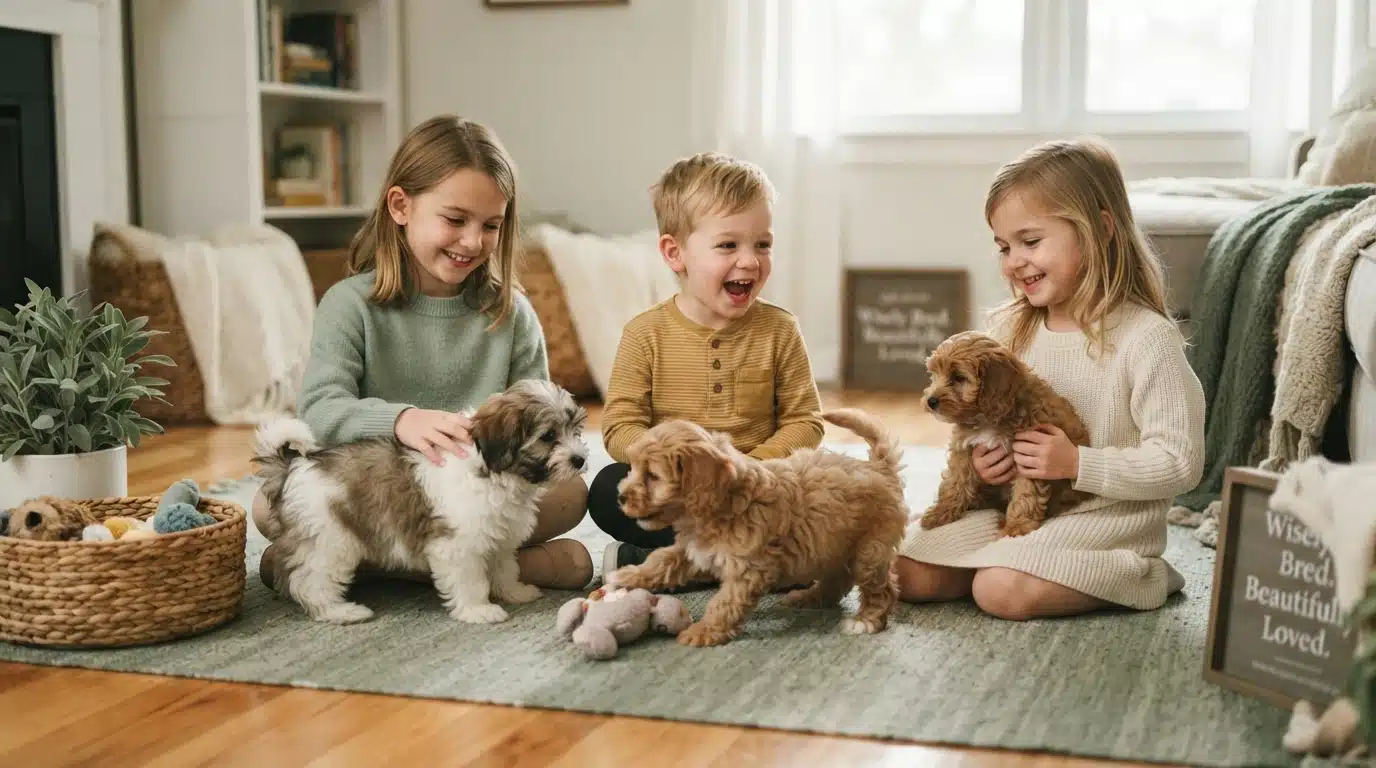
The Cavapoo pairs the gentle Cavalier King Charles Spaniel with the Poodle. The result is famously soft-tempered and deeply social, which suits homes with children and regular visitors. That same sensitivity means long days alone are hard on this mix. If someone is home most of the time, a Cavapoo fits beautifully.
Sizing In a Mixed Litter
With Poodle ancestry, adult weight is a range, not a promise. Ask the breeder which Poodle variety each parent is and how past litters matured. Responsible programs track this; our Havanese and Havapoo puppies in Utah come with documented parentage so you can size expectations before you reserve.
Which Age Should You Choose
What is the best age to bring a puppy home? For most families, 8 to 10 weeks is the sweet spot. At that point a litter is weaned, the dam has done her job, and the puppy is ready to bond with people. The right answer still depends on your schedule, so weigh the tradeoffs:
- 8 to 10 weeks: maximum bond, maximum work. Expect night wake-ups and near-constant supervision.
- 10 to 12 weeks: better bladder control and a longer attention span, but a shorter runway in the socialization window.
- 4 to 6 months or older: calmer house manners, often some training already started, though you may inherit habits to rework.

The 8 to 10 Week Window Most Families Choose
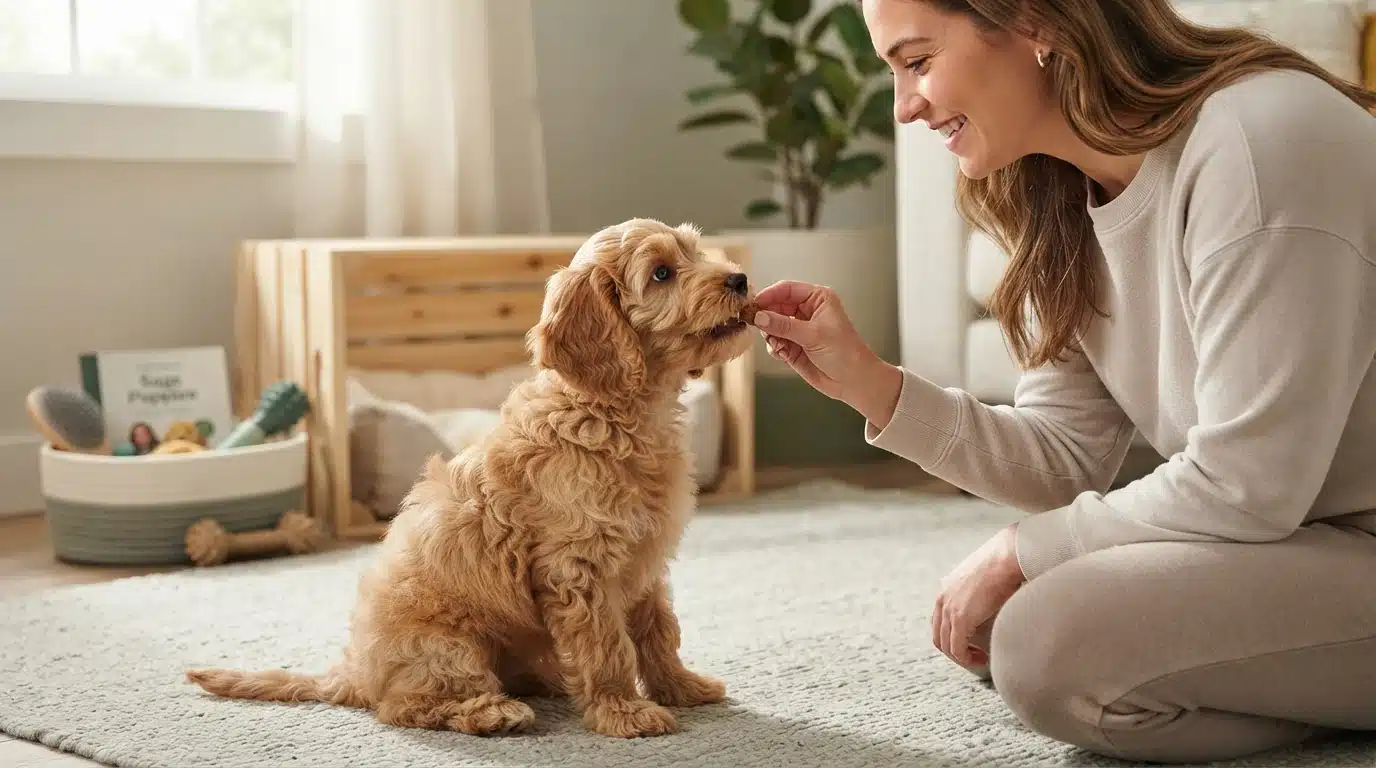
Most breeders release puppies at 8 weeks, once weaning and litter readiness are complete. Your puppy arrives curious and bondable, right at the start of the socialization period. The cost is effort. An 8 week old puppy needs potty breaks every couple of hours, short training bursts, and someone nearby most of the day. Families with a flexible schedule, or two adults who can trade shifts, usually do well here.
What a Slightly Older Puppy Changes
A 10 to 12 week puppy is a different animal. Bladder muscles mature, sleep stretches longer, and biting often softens as littermates have already taught some limits. You lose a little of the early socialization window, so you have to compensate with structured, positive exposures the moment your puppy comes home. If you work outside the house or this is your first dog, those extra weeks of development can make the whole first month feel calmer.
Older Puppies and Young Adults
Some families take home a 4 to 6 month old puppy, or even a young adult. The upside is real: longer stretches alone, better house manners, sometimes crate training already in place. The tradeoff is history. You do not always know what the dog missed, and a shy or under-socialized adolescent needs patient, reward-based work to catch up. Ask exactly what training and exposure the puppy has had, and get records in writing.
Socialization and Puppy Classes, With the Conditions Attached
Socialization should not wait for full vaccines. Under the AVSAB position statement, puppy classes can safely start at 7 to 8 weeks when:
- The puppy has had at least one set of vaccines at least 7 days before the first class.
- The puppy has had a first deworming, with vaccination and deworming records up to date.
- The class uses reward-based methods and stays clean, controlled, and small.
The first three months shape a dog for life, so choose the age you can actually support.
Age-Appropriate Expectations for the First Year
The Very Young Window
The first weeks home set the tone. An 8 week old puppy is still inside the socialization period, which runs from about 3 to 12 weeks, so every calm, positive meeting with people, sounds and surfaces counts double. This is also the first fear period, roughly 8 to 11 weeks, when a single scary startle can stick. Keep outings short and kind, and expect potty breaks every couple of hours, nap-heavy days, and teething that finds your shoelaces.

The Middle Months
From 4 to 6 months, most puppies gain bladder control, longer attention spans and real trainability. Short reward-based sessions now pay off for years. Teething peaks and then fades, and adult teeth arrive, so rotate safe chews. Energy climbs too: a Cavapoo or Havapoo at this age needs daily play and mental work, not just a yard. This is the stage where consistent house rules matter most, because habits practiced now become the default patterns your dog keeps as an adult.
Adolescence and Young Adult
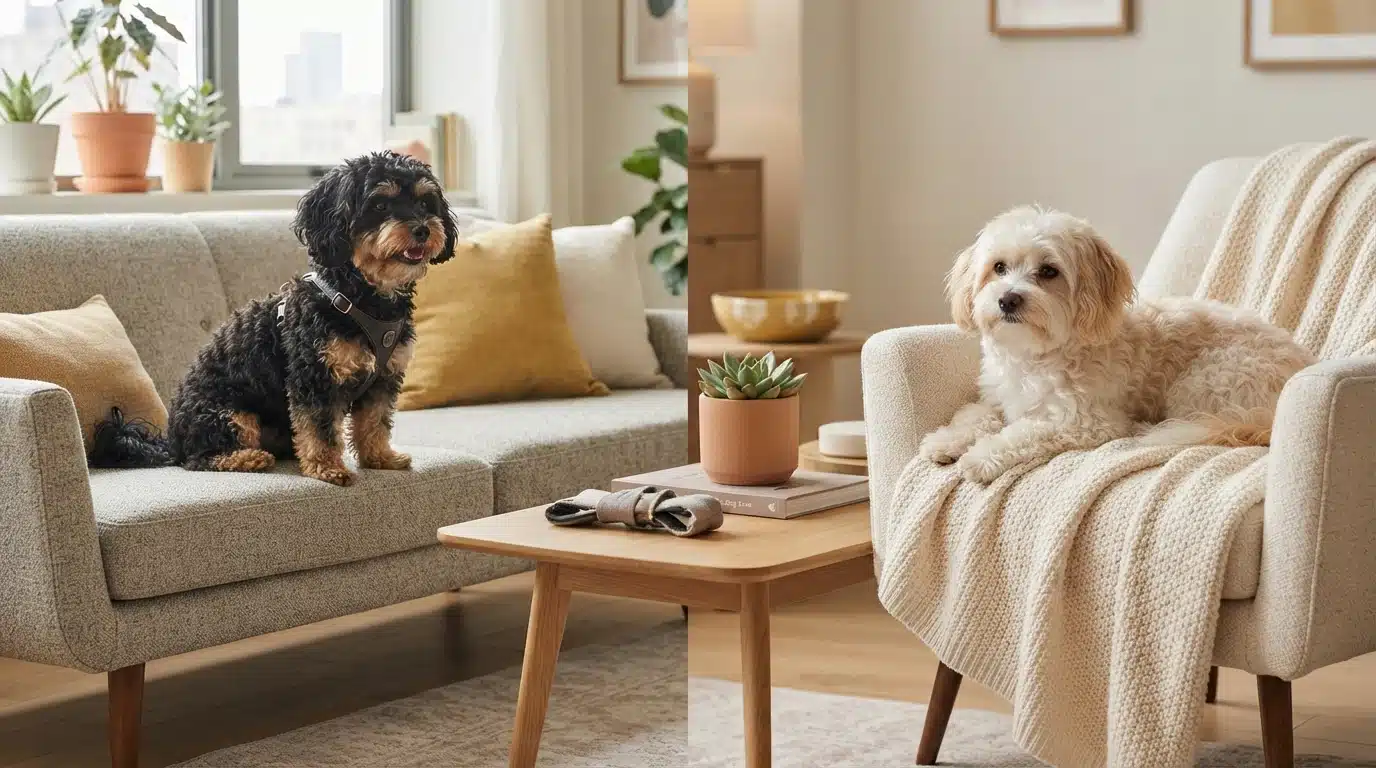
Somewhere between 6 and 14 months, a second fear period can arrive, and even a well-socialized dog may suddenly spook at the trash can. Stay calm and keep exposures positive instead of pushing through it. Many small companions also test boundaries here, so hold to the rules you built in the middle months. By 12 to 18 months, most Havanese-type dogs settle into steady adult temperaments, and your first-year effort becomes the calm companion you planned for.
Questions to Ask Before You Reserve a Puppy
Good breeders welcome good questions. Bring a written list, and treat vague or evasive answers as a reason to keep looking. Here is what to ask, grouped the way you should ask it: about the breeder first, then the individual puppy, then the process.

Breeder and Health Questions
Start with health and background. Ask which health tests the parents have had, and request proof, not just a promise. Ask how many litters the program raises each year, and whether puppies grow up in the home or in a separate kennel. Ask to see vaccination and deworming records, and when the puppy saw a vet. Programs like Sage Puppies that raise only three breeds, with owner-managed matching, can usually answer these on the spot.
Questions About the Individual Puppy
Then get specific about the puppy in front of you. Ask how it handles handling: does it settle when picked up, or squirm and stress? Ask which puppy in the litter fits your household, and why. Ask about litter size, especially with Poodle ancestry, since litter size varies. Ask what each puppy’s coat looks like now and what grooming it will need as an adult.
Questions About the Placement Process
Finally, walk through the process itself. Ask when you can visit or meet the puppy, and how delivery works if you live outside Utah. Ask about deposits, waitlists and how picks are made. Ask which puppy classes the breeder recommends and when they can safely start. A breeder who answers all three sets of questions clearly is one you can trust with your family puppy breed age decision.
Putting the Decision Into Practice
You now have the two halves of the family puppy breed and age question. Turn them into a decision with a short checklist, then act on it.
The One-Page Selection Checklist
Print this and answer each line honestly before you contact a breeder:
- Breed fit: Does the adult size, coat care, and temperament match your home? Havanese, Havapoo, or Cavapoo?
- Age fit: Is someone home most of the day for an 8 week puppy, or does a 10 to 12 week puppy suit your schedule better?
- Household rules: Any building or HOA size limits?
- Breeder proof: Vaccination and deworming records, plus clear answers to your breeder questions?
- Budget: Purchase price plus first-year food, vet, and grooming costs, counted honestly?
If any line gives you pause, wait a litter. A good match beats a fast one.
Next Steps for Utah and Nationwide Families
Local families can plan a South Jordan pickup and meet the puppy in person first. Nationwide families should confirm how delivery works, what it costs, and when the puppy can travel safely. When you are ready, review the pricing and reservation details, then start the puppy application so the matching process begins with your answers on record.

Still weighing breed against pickup age? Sage Puppies raises Havanese, Havapoo, and Cavapoo in South Jordan, Utah, and Cassie matches each family with the right fit, then supports the first weeks. Fill out the application, ask your questions, and take home a puppy that suits your schedule.
Frequently Asked Questions
Q1: How do I choose the right breed and age for a family puppy?
Pick breed first using fixed limits like size, shedding, and coat care. Then pick age by your schedule: 8 to 10 weeks suits flexible households; 10 to 12 weeks suits busier or first-time families.
Q2: What is the best age to bring a puppy home?
For most families, 8 to 10 weeks. Weaning is complete and the socialization period is open. Busy homes often do better at 10 to 12 weeks.
Q3: What should I ask a breeder before reserving a puppy?
Ask three groups: health tests and records for the parents, temperament and coat details for your puppy, and the visit, deposit, and delivery process.
Q4: Havanese vs Havapoo vs Cavapoo, which fits a family with kids?
Cavapoos suit social homes with children. Havapoos suit active families. Havanese fit calm households wanting a predictable companion.
Q5: Can puppy classes start before full vaccines?
Yes. The AVSAB position statement supports classes at 7 to 8 weeks with one vaccine set, deworming records, and clean, reward-based classes.
Q6: Are mixed litters predictable in adult size?
Not exactly. Size depends on the Poodle parent’s variety, so ask how past litters matured.
Conclusion
Choosing the right breed and age for a family puppy is one decision with two parts, and both deserve equal weight. Breed sets the temperament, size, and coat care you will live with for years; age sets how demanding your first months will be. Match the breed to your household’s fixed limits, then match the age to your schedule. An 8 week puppy rewards hands-on families, while a 10 to 12 week puppy offers calmer nights and better bladder control. Whatever you choose, ask breeders for health records, honest temperament notes, and clear placement terms. Answer the checklist honestly, compare it against what each program actually offers, and take home a puppy that fits both your home and your calendar.