
Quick Summary: Choosing a responsible Texas puppy breeder means checking for licensing, clean living conditions, and transparent health records. Ethical breeders welcome questions, show where puppies are raised, and prioritize temperament and socialization. Avoid puppy mills that hide conditions, rush deposits, or provide vague information, as Texas inspections and USDA rules aim to improve welfare but don’t guarantee quality alone.
If you are comparing puppies for sale in Texas, look past the biggest litter list. The better choice is the breeder who can show licensed operations, healthy parent dogs, and full vet records. That is the heart of Puppy Mill Awareness. A polished website can hide serious Puppy Mill Problems.
Many Texas families see the same claims over and over – family-raised, home-raised, healthy puppies. The hard part is knowing which seller actually follows strong Puppy Breeder Ethics before you send a deposit. Good Puppy Mill Awareness helps you spot the gap fast.
This guide breaks down the proof points that matter most: licensing, inspections, living conditions, parent access, vet paperwork, and buyer screening. It is built for families who want a safe, well-raised companion puppy and need real Puppy Mill Awareness, not sales talk. You will learn how to separate ethical breeders from puppy mill marketing before money changes hands.
Texas Puppy Breeder vs Puppy Mill: At a Glance
| Texas puppy breeder | puppy mill | |
|---|---|---|
| Licensing | Operates with required Texas breeder licensing when applicable; transparent about compliance | May be licensed or unlicensed; paperwork alone is not proof of ethics |
| Living conditions | Home-raised or clean, controlled family environment | Often crowded, poor-quality, or difficult to inspect |
| Parent access | Buyers should be able to meet the mother or see the home setup | May block visits or use third-party meeting spots |
| Vet records | Provides written health and veterinary records before go-home | Often incomplete, vague, or unavailable upfront |
| Buyer screening | Uses an application and fit-based matching process | Sales-focused with little concern for home fit |
| Best for | Families wanting an ethically raised companion puppy | Buyers who overlook red flags, often unintentionally |
How Texas puppy breeder and puppy mill Compare
Texas puppy breeder
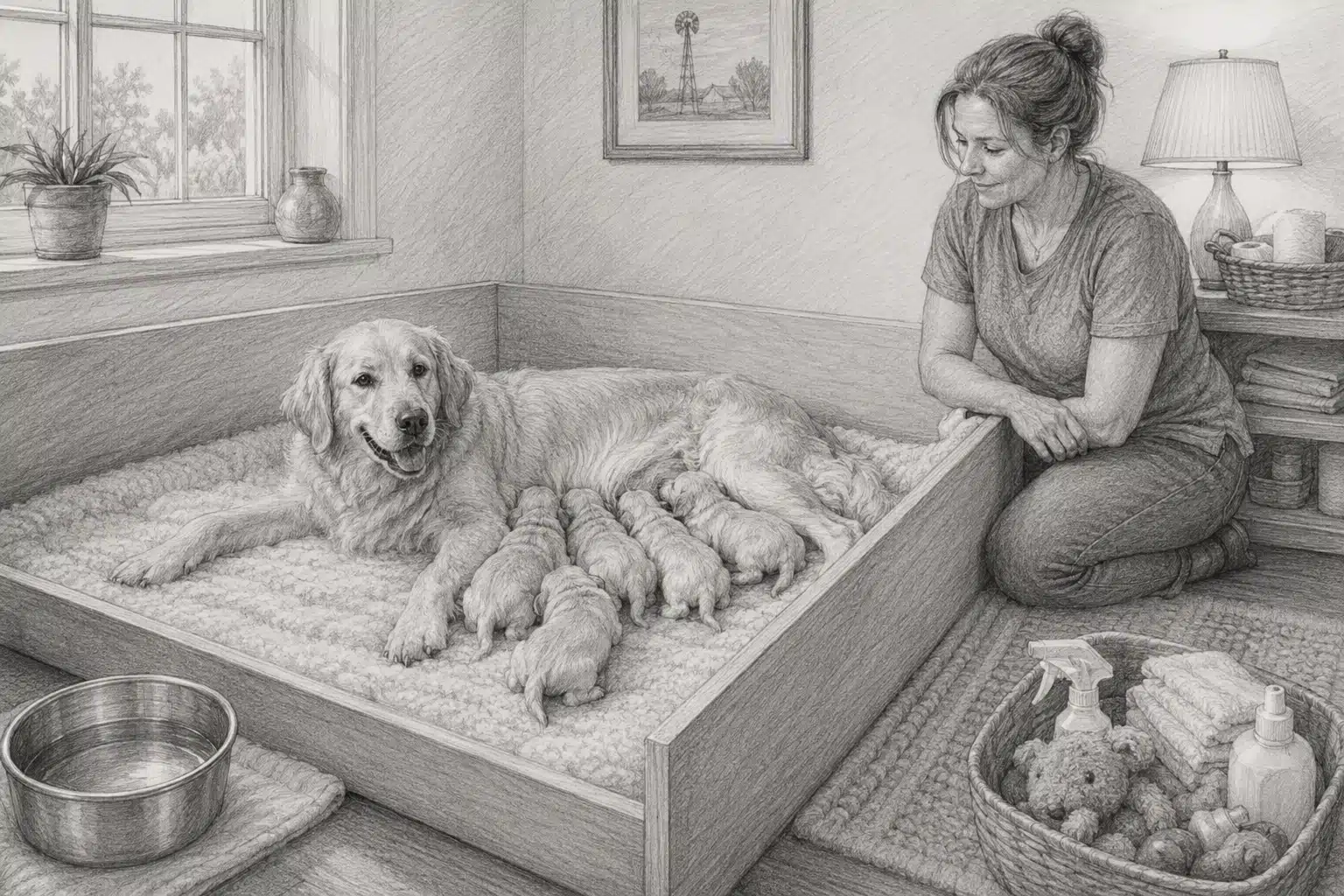
A Texas puppy breeder focuses on raising puppies with planned care, health records, and a clear process for families. In Texas, some breeders must hold a state license, and the state inspects covered facilities for care standards through TDLR. This side of the comparison fits families who want an ethically raised companion puppy and real transparency before they reserve.
![Golden retriever mother resting beside puppies in a bright home nursery]
Key strengths
- Home-raised or clean family setting
- Written vet and health records
- Buyer application and fit-based matching
puppy mill
A puppy mill is a high-volume breeding setup built to move puppies fast. It often limits access, gives vague records, and may hide behind paperwork even though licensing alone does not prove good care, a concern noted in consumer guidance on puppy mills. This side matters most for buyers who may miss red flags without meaning to.
What Texas Licensing and Inspections Actually Tell You
A Texas breeder license matters because it shows the breeder meets the state threshold for regulation and has entered a system with inspections and records. In Texas, breeders with five or more adult intact females and puppies offered for sale generally need a license through TDLR, and each licensed facility must be inspected at least once every 18 months according to Texas licensed breeder rules and TDLR inspection standards.
Still, a license is a starting point, not proof of great breeding. It tells you the breeder is in the system. It does not tell you:
- how much daily handling puppies get
- how parents are temperament tested
- how much support you get after pickup
- whether the breeder goes beyond minimum care
Good breeders welcome questions. Bad ones hide behind the word licensed.
Use licensing as one checkpoint, then look for the full picture.
Families should ask for simple proof of compliance before they reserve:
- What is your Texas license number?
- Can I see your latest inspection report?
- Were any issues found, and how were they fixed?
- Do you keep health and vet records for each dog?
- Can I see where puppies are raised?
A quick check helps you sort a serious breeder from a volume seller.
| What to verify | Why it matters |
|---|---|
| License number | Confirms the breeder is regulated |
| Inspection history | Shows whether problems were repeated |
| Corrective actions | Tells you if issues were handled fast |
| Records and contracts | Shows basic compliance and traceability |
If a breeder avoids sharing records, rushes for a deposit, or refuses a visit or video tour, keep looking.
This same standard applies whether you buy in Texas or from an out-of-state program like Sage Puppies – clear records, open communication, and care that goes beyond the minimum.
Also Read: 10 Adorable Havapoo Colors You Need to See (2026)
Home Environment: The Fastest Way to Separate Care from Volume
A good breeder’s setup should feel calm, clean, and lived-in. You should see puppies where people actually spend time, not tucked away in a detached building with little daily contact. Federal housing rules require clean surfaces, safe structure, waste removal, fresh water, and reliable heat, cooling, and ventilation under USDA housing standards. That is the floor, not the gold standard.
What you want is more than compliance:
- Clean air with no heavy ammonia smell
- Room to move, rest, and play
- Puppies who notice people and recover fast after new sounds
- Food, water, bedding, and toys that look current and used
- Adult dogs who seem relaxed, not shut down or frantic
A family-raised program should let you connect the dots between the puppy, the mother, and the home routine. That is one reason boutique programs like Sage Puppies put so much weight on transparency.

Puppy mills know the environment gives them away, so they control what you see. Some offer parking-lot meetups, short lobby visits, or polished photos that never show where the dogs live. That matters because recent USDA oversight found many sampled breeders stayed noncompliant, and inspectors also found gaps in complaint follow-up in some cases, according to the USDA OIG breeder inspection audit.
Watch for these red flags:
- You cannot see where puppies sleep and play.
- The breeder says visits are never allowed, for any reason.
- The mother is suddenly “not available.”
- Multiple litters appear in rows or stacks.
- The area looks easy to hose down but hard to live in.
If the setup feels built for cleaning fast, not raising puppies well, step back.
Also Read: Puppies for Sale in Texas: What to Ask Before Reserving
Parent Dogs, Temperament, and Early Socialization
A good breeder does not just show you cute puppies. They show you who raised them and how those first weeks went. For the full breeder-vs-mill checklist, go back to the parent guide, Texas Puppy Breeders vs Puppy Mills: Spot the Differences.
Why the mother dog matters so much
The mother dog shapes more than looks. She affects a puppy’s early stress response, handling comfort, and confidence. A 2025 study found links between dam fear and stress measures and puppy welfare outcomes in commercial breeding settings, including behavior and growth-related markers in puppies dam fear and stress research.
Ask to learn about the mother in real life, not just on paper:
- Does she seem calm with visitors?
- Does she recover quickly after a new sound?
- Is she gentle with her litter?
- Does the breeder protect her rest and health?
A puppy mill often hides the dam, rushes the visit, or says she is “not available.” That is a red flag.
If you cannot meet or clearly see the mother dog, slow down. Ethical breeders welcome careful questions.
Temperament is a welfare issue, not a bonus feature
Temperament is not a luxury add-on. It is part of basic welfare. The USDA is actively reviewing standards for breeding female care plus dog exercise and socialization, which shows how central these issues are to breeder ethics USDA 2026 dog welfare review.
Look for early socialization that is planned and gentle, not random:
- Daily calm handling
- Safe household sounds
- Age-fit play and rest
- Positive exposure to kind adults
| Good breeder signs | Puppy mill signs |
|---|---|
| Tracks each puppy’s confidence | Sells by color or size only |
| Matches puppy to family lifestyle | Says “all puppies are the same” |
| Raises puppies in daily family life | Keeps puppies in isolated rows |
At Sage Puppies, this is the right standard to expect from any breeder, in Utah, Texas, or anywhere else.
Vet Records, Health Testing, and Transparency Before Reservation
Ask for records before you place a deposit. A good breeder will not act annoyed. They should expect the question.
What real documentation should include
Real paperwork is specific, dated, and tied to the actual puppy or the actual parents. Under USDA rules, regulated breeders must keep records that identify each dog by breed, sex, age, markings, and key dates, and they must keep medical records that list vaccines, treatments, test results, and exam findings according to federal recordkeeping rules.
Ask to see:
- A recent vet exam for the puppy
- Vaccine and deworming dates
- Microchip number, if already placed
- Parent names and clear parent IDs
- Results of breed-relevant health testing on sire and dam
- Any treatment notes if the puppy had an illness, injury, or hernia
- A sample contract showing what happens if a health issue appears
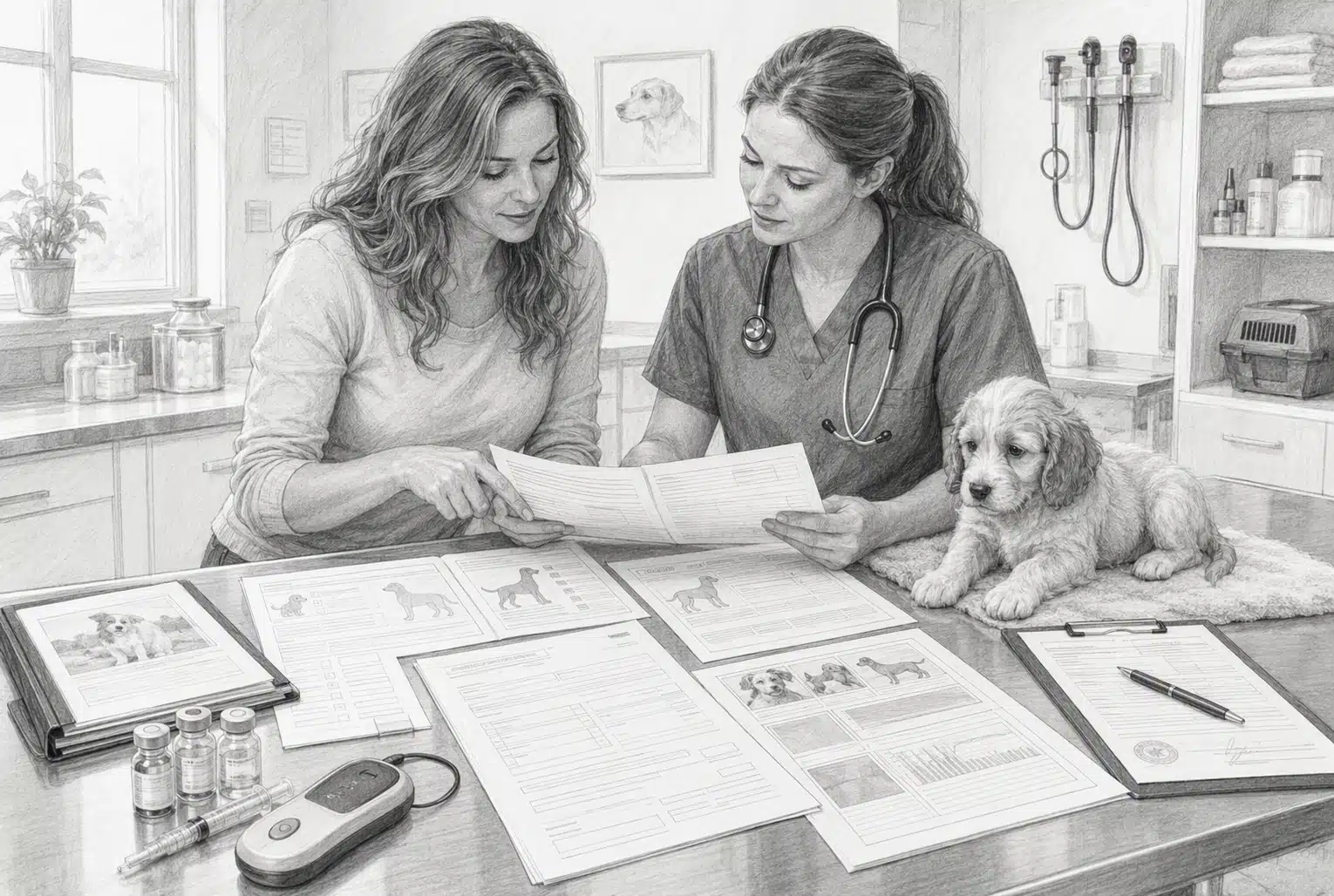
A health certificate for transport is helpful, but it is not enough by itself. Federal transport rules say that certificate is tied to a licensed vet exam done within 10 days before transport and states the animal appeared free of infectious disease or physical abnormality at that time, per 9 CFR 2.78.
If a breeder only offers a screenshot, a vague “vet checked” claim, or refuses parent test records, pause.
Why health testing and records are ethics signals
Records show how a breeder thinks. Puppy mills hide details because details expose shortcuts.
Health testing matters because it happens before breeding, not after a puppy gets sick. Good breeders can explain which tests fit their breed mix and why. They also keep clean records, answer follow-up questions, and never rush you to reserve first and ask later.
Watch for these ethics signals:
- They volunteer records early.
- They explain limits honestly.
- They match paperwork to each puppy.
- They welcome your vet review.
That kind of transparency is what careful families should expect from a program like Sage Puppies.
Also Read: 10 Signs a California Puppy Listing Is a Scam – Sage Puppies
Why the Application Process Is a Trust Signal
A real breeder wants the right home, not the fastest sale. That is why an application matters. Good breeders screen for fit, routine, and breed match before they talk about deposits. Humane World for Animals notes that responsible breeders are willing to meet buyers, show where puppies are raised, and share information about the parents, while puppy mills often hide conditions and sell with little transparency according to Humane World for Animals.
A strong application often asks about:
- Your home setup
- Kids and other pets
- Work schedule
- Breed experience
- Training plans
- Travel or pickup plans
If a breeder asks thoughtful questions, that usually means they care where the puppy lands. At Sage Puppies, that kind of process helps protect both the puppy and the family.
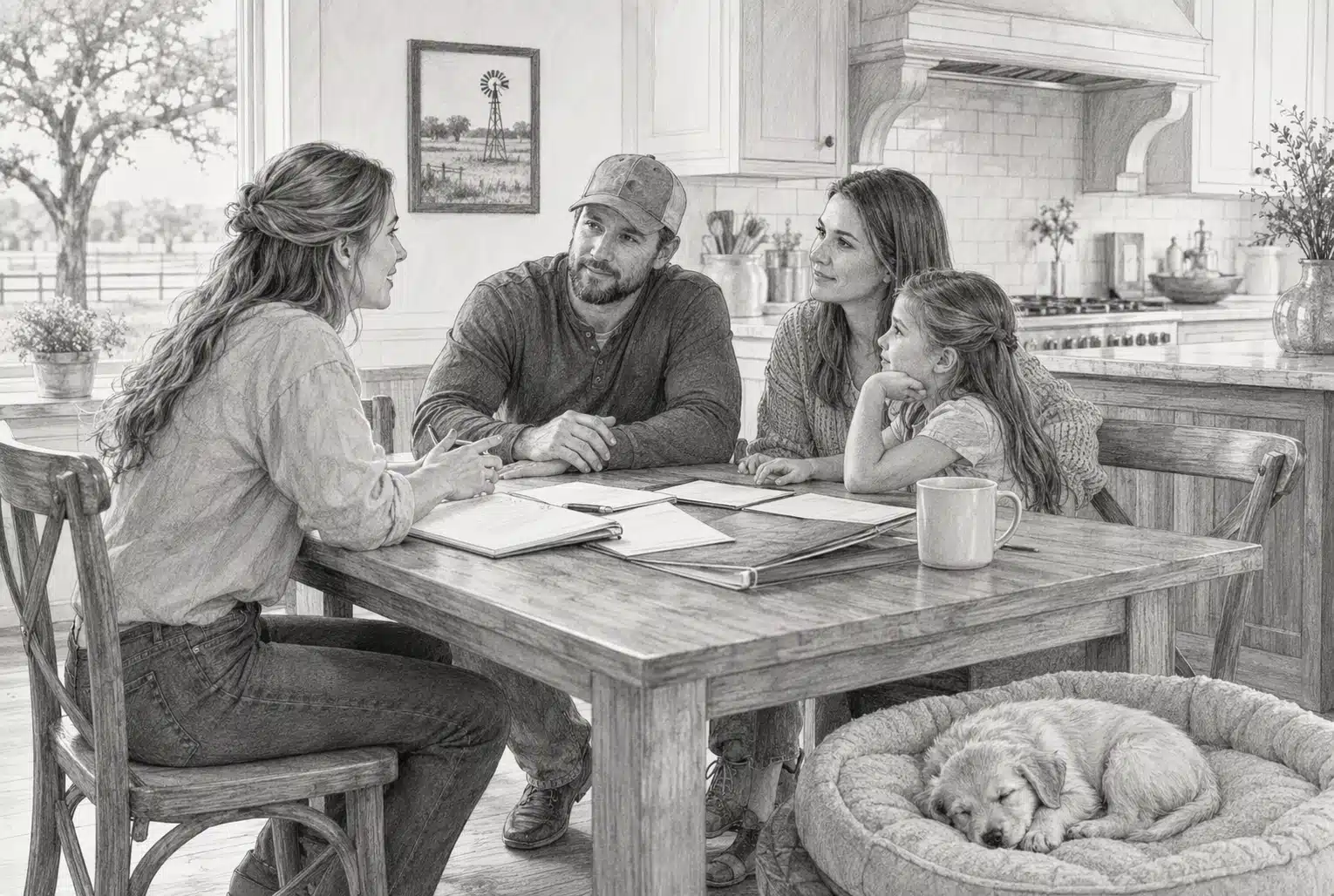
Fast checkout can be a red flag. If the seller only wants a payment link, same-day deposit, or parking lot handoff, slow down. The ASPCA warns that pet sellers and online puppy sites are built to move animals fast, and that claims like USDA-licensed or AKC-registered do not prove good care or healthy breeding per the ASPCA.
Watch for warning signs like:
- No application at all
- No questions about your lifestyle
- Pressure to pay before a call
- No video visit or in-person option
- Pickup arranged off-site
The more a breeder screens for fit, the less this feels like a retail checkout.
Also Read: 10 Must-Ask Questions Before Buying a Puppy Locally
Which Should You Choose for a Texas Puppy: A Thoughtful Breeder or a Puppy Mill?
Choose a responsible breeder if you want clear answers, healthy puppy records, and support after pickup. In Texas, larger breeders may need a state license, and the Texas Department of Licensing and Regulation says buyers should ask for the license number, check disciplinary history, meet in person, and review the puppy’s full medical history in its consumer protection guide. That is the right starting point, not the finish line.
A thoughtful breeder will usually:
- Let you ask hard questions
- Show where puppies are raised
- Explain health testing and parent temperament
- Talk honestly about fit, not just price
- Stay available after you bring your puppy home
If a breeder seems more focused on collecting a deposit than matching the right puppy to your family, step back.
Avoid mill-style selling if any core trust signal is missing. A polished website, fast shipping, or “USDA licensed” wording does not prove high standards. The ASPCA notes that USDA licensing can still apply to large commercial breeders operating under only minimal care rules, so buyers should not treat that label as a quality badge in its buyer warning on puppy sellers.
Watch for these red flags:
- No access to the breeder or living setup
- Vague answers about parents or health testing
- Multiple breeds always available
- Pressure to reserve right now
- No real screening of your home
| Better choice | Riskier choice |
|---|---|
| Family-raised, transparent breeder | High-volume, low-detail seller |
| Questions welcomed | Questions dodged |
| Ongoing support | Sale ends at payment |
For a deeper breakdown, go back to the parent guide on Texas puppy breeders vs puppy mills before you reserve.

If you want a puppy from a breeder who values health, home raising, and clear communication, start with Sage Puppies. We help families avoid the red flags covered in this guide with health-tested parents, early socialization, and a transparent process. View available puppies, review pricing, and submit an application when you are ready.
Frequently Asked Questions
Q1: How can I distinguish a reputable Texas puppy breeder from a puppy mill?
Ask for proof of health testing, parent details, and where puppies are raised. A good breeder answers clearly, welcomes questions, and explains socialization. They care about fit, not fast sales. Puppy mills avoid specifics and push deposits first.
Q2: What are the main differences between Texas puppy breeders and puppy mills?
Ethical breeders focus on health, temperament, and clean home-raised care. Puppy mills focus on volume and quick turnover. You usually see better records, breeder support, and thoughtful matching with a reputable breeder, while mills often offer vague claims and little follow-up.
Q3: What red flags indicate a puppy is from a puppy mill in Texas?
Watch for multiple litters always available, low prices with urgency, no parent information, and refusal to share vet records. Poor photos can be a clue too. If the seller will not discuss living conditions, walk away.
Q4: Should I visit in person before reserving a puppy?
Yes, if possible. If distance makes that hard, ask for a live video call and clear answers about routines, handling, and pickup. A trustworthy breeder stays transparent. That matters whether you buy in Texas or from Sage Puppies in Utah.
Q5: Is USDA licensing enough to prove a breeder is ethical?
No. A license only shows a seller meets basic legal rules. It does not prove strong health practices or family raising. Use it as one data point, then verify testing, socialization, contract terms, and breeder communication.
Conclusion
Texas families do not need to guess. The pattern is clear. A responsible breeder welcomes questions, shows where puppies are raised, shares health testing, and cares about fit as much as payment. A puppy mill or shady seller hides details, rushes deposits, and leans on vague promises.
This matters even more because Texas has an inspection system for licensed breeders, including regular checks and added inspections for serious or repeat issues, according to TDLR’s breeder inspection page. Federal oversight is also getting tighter, with USDA announcing a 2026 crackdown on chronic dog welfare violators in this USDA update.
The best takeaway is simple: verify first, reserve second, and trust breeders who stay transparent from first message to pickup.



