Quick Summary: Small-breed puppies can thrive in apartments when noise, exercise, alone time, grooming, and cost fit the household routine, not simply because they are small. Cavapoos are the quietest choice for shared walls, Havapoos suit active or work-from-home households, and Havanese work best for owners who are often home and can manage their alert barking and daily coat care. Sage Puppies offers all three breeds, with pricing, health-testing details, and support for apartment-dog matching.
Yes, small breed apartment dogs can thrive in condos and apartments, but not because they are little. A 20-pound dog that barks at every elevator door causes more trouble through a shared wall than a 7-pound dog that settles quietly. The real deciding variables are noise, exercise scheduling, alone-time tolerance, coat care, and cost.
The problem is that most breeder pages and videos skip those details entirely, so first-time buyers commit before knowing whether a breed fits their floor plan, commute, and budget. This guide compares the Havanese, Havapoo, and Cavapoo on those five variables. It separates what breed-club guidance actually says from assumption, and it ends with a per-household pick. As a starting point, the Havanese suits owners who are often home, the Havapoo suits active households, and the Cavapoo suits quiet routines.
Havanese vs Havapoo vs Cavapoo for Apartment Living: At a Glance
| Havanese | Havapoo | Cavapoo | |
|---|---|---|---|
| Adult size and weight | About 7-13 lb and 8.5-11.5 in tall | Roughly 7-20 lb depending on the Poodle parent’s size | Roughly 12-25 lb and 9-14 in tall |
| Exercise needs | Moderate; roughly30 minutes of daily activity per published breed guidance | Moderate to active; often30-45 minutes split across the day | Low to moderate; short play bursts plus daily walks |
| Barking tendency | Moderate; alert barking that responds to training | Low to moderate when socialized; can bark when under-stimulated | Low; among the quieter small companion options |
| Coat and grooming commitment | Long silky double coat; daily combing plus regular professional trims | Soft wavy to curly coat; brushing several times a week with trims every 4-8 weeks | Wavy to curly coat; brushing several times a week with trims every 4-8 weeks |
| Best apartment household | Owners home often who want a social, sturdy toy breed | Active apartments and work-from-home owners who want a trainable, quiet dog | Calmer households wanting a gentle, low-noise companion |
How Havanese, Havapoo, and Cavapoo Compare for Apartment Life
Havanese
The Havanese is the only AKC-recognized breed of the three, a sturdy Cuban toy companion with a silky double coat. It suits owners home often who want a social small breed apartment dog. Published guidance points to roughly 30 minutes of daily activity, with alert barking that responds well to training.
Havapoo
A Havanese and Poodle cross, the Havapoo is gentle and people-oriented, with a soft wavy coat and moderate-to-active energy. Adults range from about 7 to 20 pounds, depending on the Poodle parent’s size. It fits active apartments and work-from-home owners who want a trainable, quiet dog.
Cavapoo
The Cavapoo combines a Cavalier King Charles Spaniel and Poodle, and it is widely described as the calmest and quietest of the three for shared-wall living. Expect roughly 12 to 25 pounds and short play bursts plus daily walks. Calmer households wanting a gentle, low-noise companion tend to match it best. Breeders, including Sage Puppies, raise all three as companion dogs.
Are Small Breed Puppies Good for Apartments?
Yes, small breed apartment dogs work well, but only if five things line up. The AKC notes that smaller breeds often adapt well to confined spaces, yet size alone never decides the fit. Before you commit, weigh:
- Barking and how neighbors hear it
- Daily exercise you can actually provide
- Alone time tolerance during work hours
- Coat care and grooming costs
- Upfront price and first-year expenses
What Apartment-Friendly Actually Means
Apartment-friendly is not just small. It means quiet, calm indoors, and easy to potty train on a schedule that includes elevator trips and hallway walks. A 7-pound puppy that settles quietly bothers neighbors far less than a big dog that barks at every sound through the wall.
Where Small Breeds Have a Real Edge
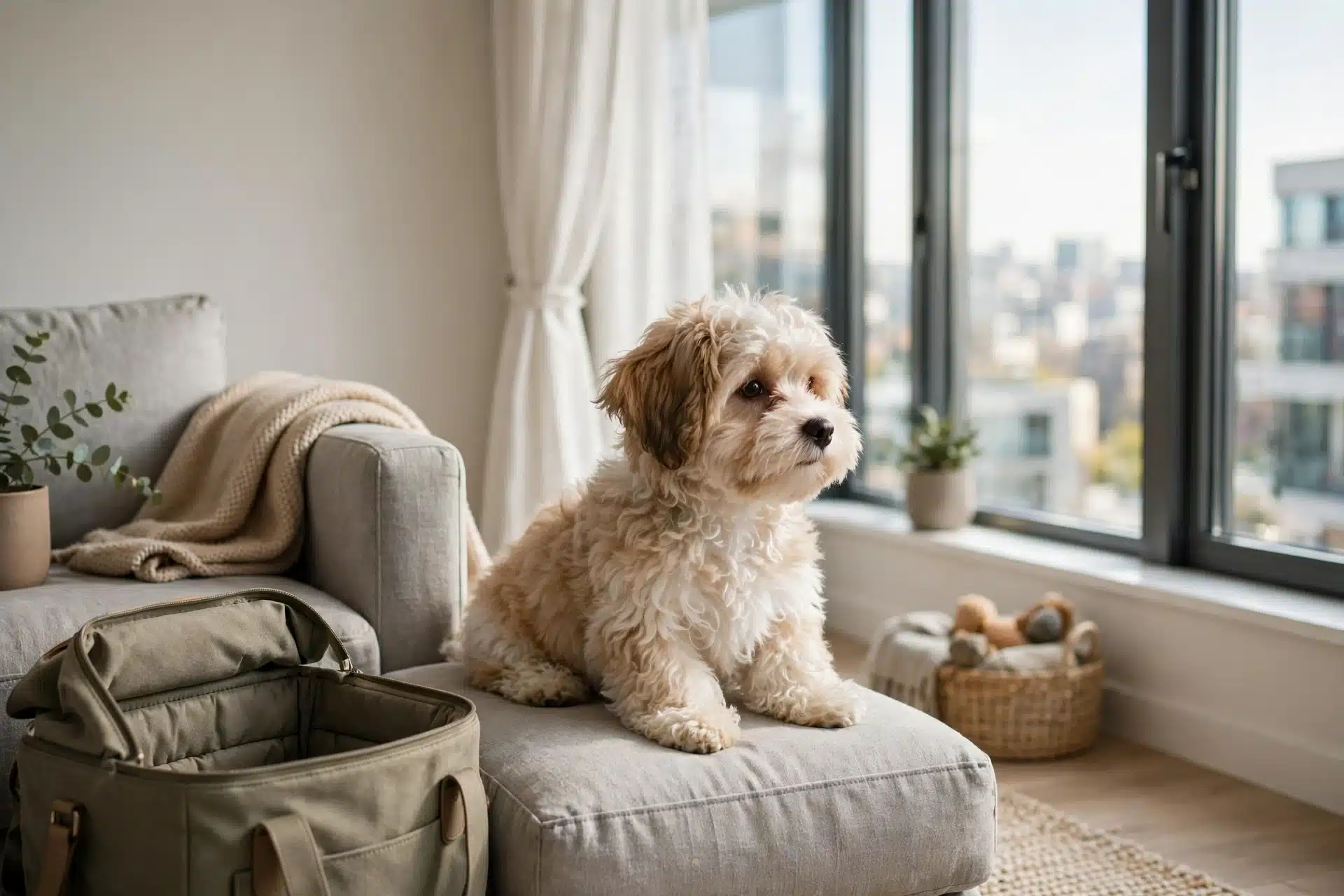
Small bodies fit small spaces, and their exercise needs are modest, often 30 to 45 minutes a day. They travel easily, which matters for building trips and weekend getaways. Breeds like the Havanese appear often in apartment discussions, and Sage Puppies breeds that line on purpose.
Where Small Breeds Disappoint
Tiny dogs come with real limits. Many need near-daily coat care, some struggle when left alone, and small bladders mean more potty breaks. Ignore those needs and noise or accidents follow, no matter the breed’s size.
Noise and Neighbor Etiquette in Shared Walls
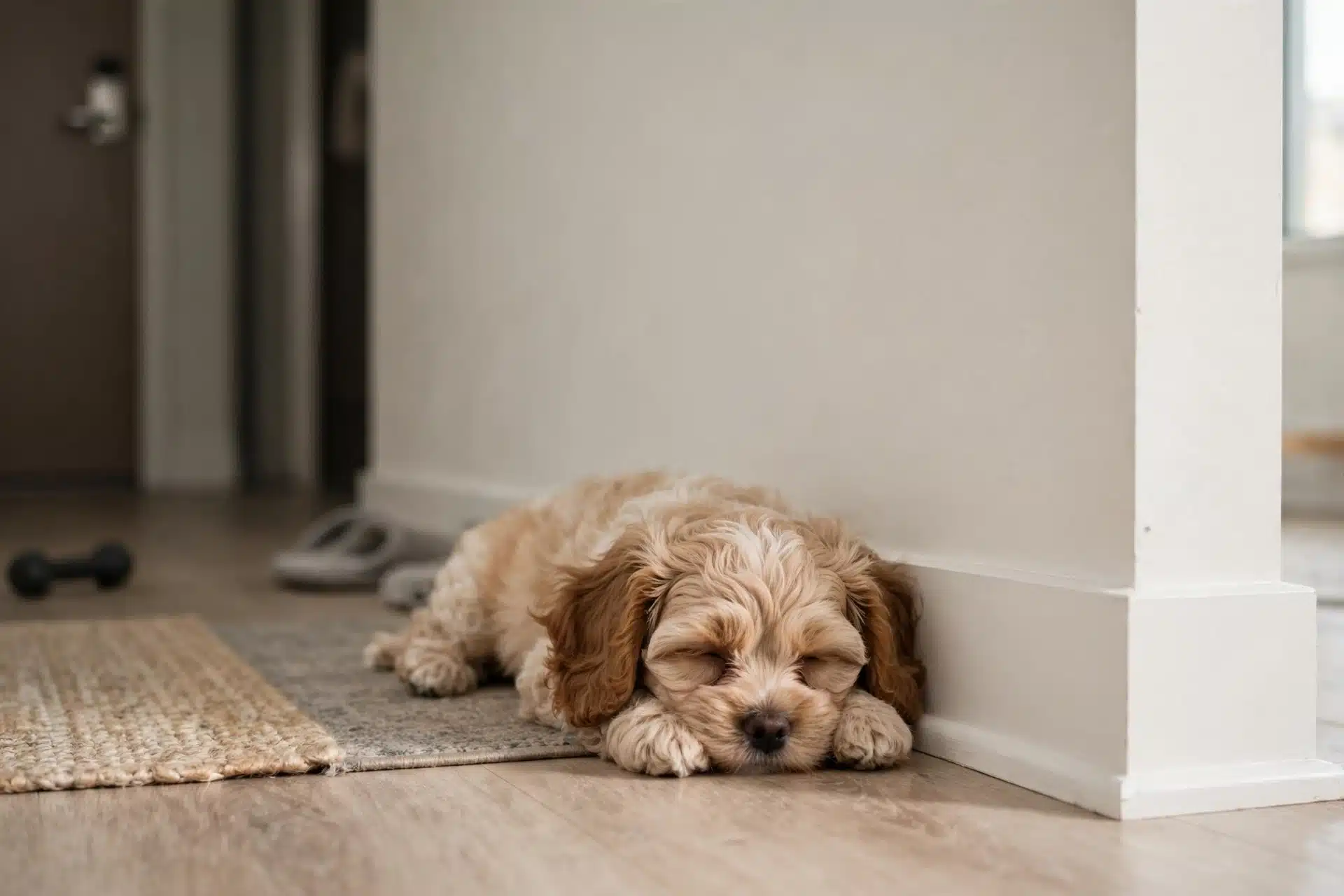
Which small breed is quietest for apartment living? Most published guidance ranks the Cavapoo first, the Havapoo close behind, and the Havanese third, though all three can live calmly in shared-wall buildings with training. Havanese are known watchdogs, so expect alert barking at hall noise. Cavapoos tend to be the softest-spoken, and Havapoos fall in between, often quieter than a purebred Havanese once grown.
Baseline Barking Tendencies of the Three Breeds
| Breed | Typical barking pattern | How it shows up in an apartment |
|---|---|---|
| Havanese | Alert and watchdog-style; quick to sound off at doors and elevators | Noticeable through thin walls until trained |
| Havapoo | Moderate; barks at real triggers, then settles | Usually manageable with basic training |
| Cavapoo | Low to moderate; often the quietest of the three | Rarely disturbs neighbors once exercised |
Why Under-Stimulated Small Dogs Get Loud
Boredom, not size, drives most noise complaints. A puppy left alone with no walk, no puzzle, and no outlet will bark at every sound in the hallway. published breed guidance puts these breeds at roughly 30 to 45 minutes of daily activity, and a tired puppy sleeps instead of barking. Window views of busy sidewalks also feed barking, so block the sightline during the day.
Teaching a Quiet Cue Without Punishment
Reward-based puppy training works better than scolding. Wait for a natural pause in barking, mark it calmly, and hand over a treat. Pair the pause with a word such as “quiet,” then ask for it before the reward. Keep sessions short, a few minutes each, and practice at real triggers like hallway footsteps. Punishment tends to raise anxiety, and anxious dogs bark more, not less. Consistency across everyone in the household matters most.
Energy, Exercise, and Indoor Play for Small Floor Plans
What Published Breed Guidance Actually Measures
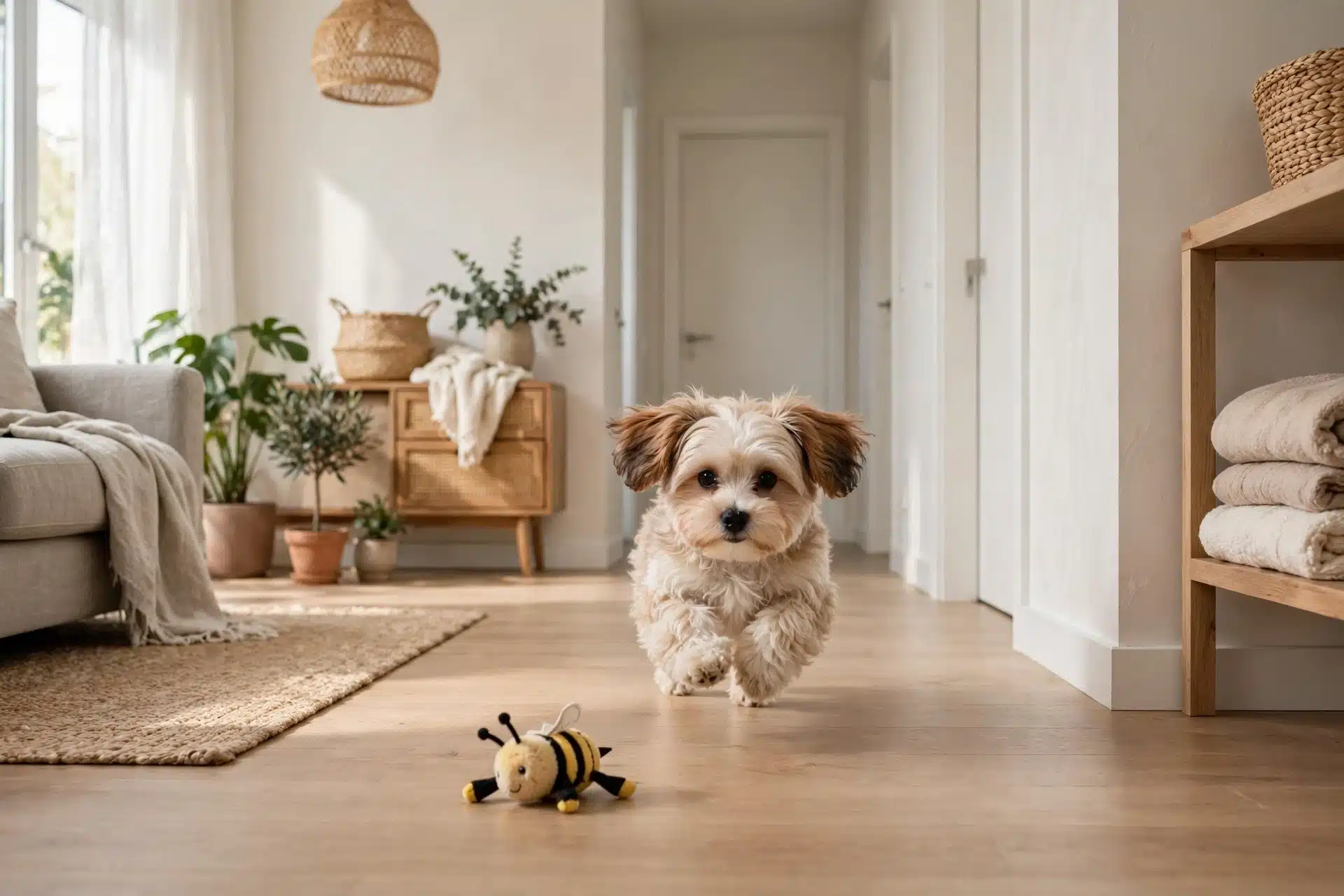
Published exercise guidance is based on adult dogs, not puppies, and it measures total daily activity. For these three breeds, AKC breed profiles describe roughly 30 minutes for a Havanese, 30 to 45 minutes split across the day for a Havapoo, and short play bursts plus daily walks for a Cavapoo. Split into two or three short sessions, that fits any apartment schedule.
Where the Differences Show Up in Practice
The ranges overlap, so temperament matters more than the numbers. A Havapoo usually asks for the most movement and seems restless sooner. A Havanese tends to settle after one good walk and a play session. A Cavapoo falls in between. Watch your puppy, not the chart: pacing, nipping, and trouble settling usually mean more exercise is needed.
Substitutes for Outdoor Exercise Indoors
Weather and small floor plans still work. Try these:
- Hallway fetch with a soft ball
- Puzzle feeders that make meals last
- Short training sessions, five minutes at a time
- Stair climbs for older, fully vaccinated puppies
A tired puppy sleeps instead of barking, which your neighbors will appreciate.
Alone Time, Workdays, and Separation Distress
Can you leave a small breed puppy alone during a full workday? Not at eight weeks old, and not for hours at a time. Young puppies need a midday potty break and a plan. The goal is a dog that naps quietly while you are gone, not one that panics.
Separation Distress Versus Ordinary Boredom
Boredom means chewing a shoe or whining for a few minutes, then settling. Distress runs deeper. Behavior experts list signs such as constant barking, escape attempts, house soiling, and destruction that start when you leave and stop only when you return. In an apartment, distressed barking bothers neighbors, so it needs early attention, not punishment.
How Each Breed Behaves When the Door Closes
None of these three breeds is a naturally aloof breed, so expect some protest at first. Havanese bonds hard and may vocalize. Havapoo usually adapts quickly once exercise and routine are steady. Cavapoo wants company but tolerates short absences well with calm practice. Individual temperament varies by litter, so ask your breeder what each puppy has already practiced.
Building a Workday Plan That Holds Up
Start small. Leave the puppy alone for five minutes, then ten, then a coffee run. Add a midday dog walker or a lunchtime visit from you. Tire your puppy with a short morning play session, offer a food puzzle, and keep departures boring. Our guide to crate training a Havanese puppy without stress walks through the first weeks step by step. If distress signs persist, a reward-based trainer can help.
Coat Care, Shedding, and Allergy Expectations
Coat Types and Shedding Reality
All three breeds shed far less than a typical double-coated dog, but they are not identical. A Havanese carries a long silky coat that sheds lightly, while Havapoo and Cavapoo coats lean wavy to curly and loose very little hair. Curly coats can hold shed hair until you brush it out, so expect some fuzz on the brush, not on the couch.

Grooming Time, Trims, and Cost
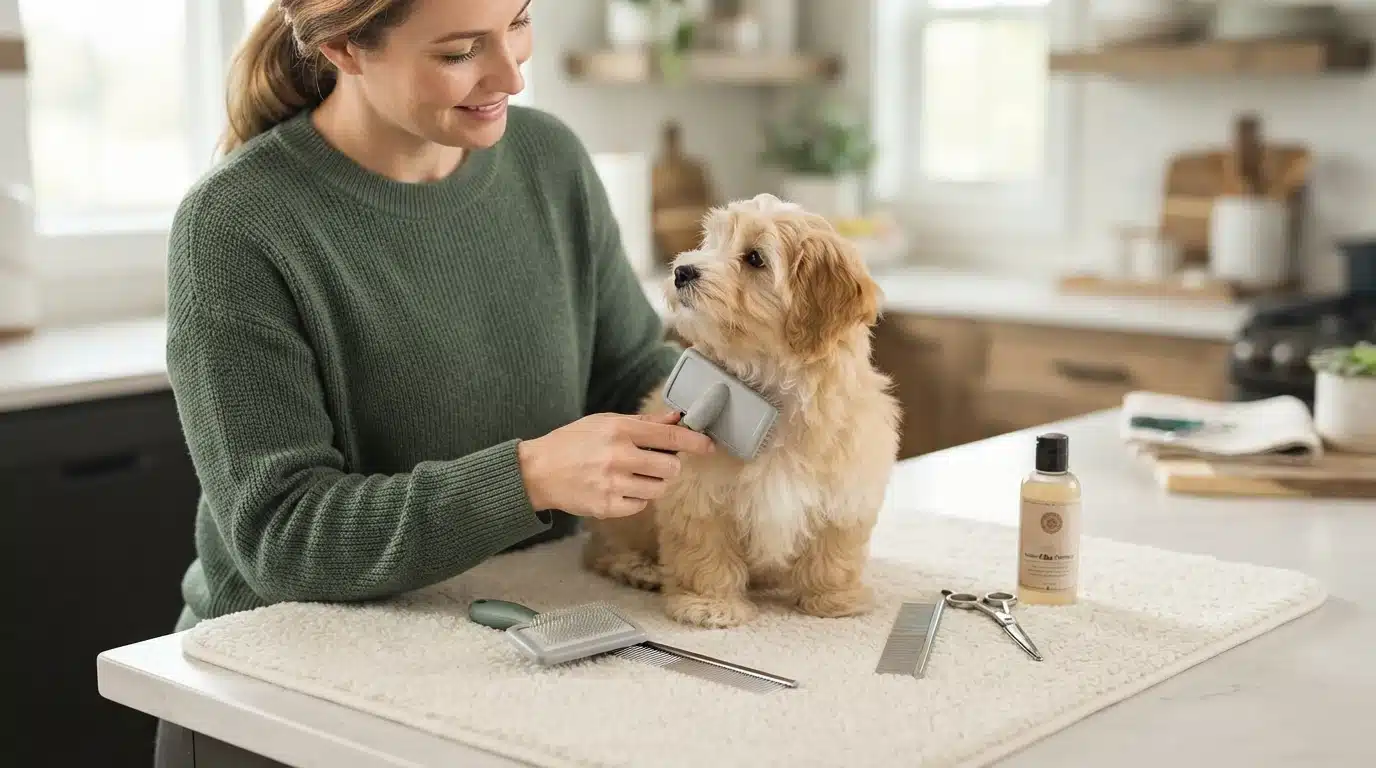
Plan on real weekly work. Havanese need daily combing to prevent mats, and doodle coats need brushing several times a week, with professional trims every 4 to 8 weeks. Most small-dog grooms run roughly $60 to $100 per visit depending on your area, so budget for it. Between appointments, a few minutes of brushing protects the coat, a routine covered in Havanese coat care between professional grooms.
Allergy, Dander, and Apartment Practicalities
No dog is truly hypoallergenic, and any breeder or trainer who promises one is overselling. These breeds tend to shed less dander-carrying hair, which helps many mild allergy households, but reactions vary by person. Spend time with the breed before you commit. In an apartment, low shedding simply means less fur on bedding and carpets to clean each week.
What an Apartment Dog Costs to Keep
A Havanese, Havapoo, or Cavapoo puppy from a health-tested program typically runs $3,500 to $4,500, then adds roughly $2,500 per year for food, vet care, grooming, and supplies, based on AKC figures. Label your own yearly example before you commit, and include the grooms these coats need.
Purchase Price and What It Covers
That range buys more than a puppy. It should reflect health testing on the parents, early socialization, and breeder support after you bring your puppy home. Sage Puppies lists its pricing and what’s included openly on its puppy pricing and reservation page, so compare inclusions, not just the sticker number, across programs.
Year One Running Costs
Budget labeled examples: $700-900 for food and treats, $600-1,000 for vet visits and vaccines, $360-800 for professional grooms at $60-100 per visit, and $450-1,165 for starter supplies like a crate, per Petco’s puppy budget guide. Small breeds eat less, but grooming and vet care stay full price.
The Cost of Your Time
Money aside, plan on daily walks, brushing sessions, and potty trips to your building’s relief area. A bored puppy chews shoes and barks at neighbors. Ten to fifteen focused minutes of training twice a day pays for itself in quiet evenings.
Matching a Breed to Your Specific Apartment Routine
Scenario Matching for Common Households
Match the breed to your day, not the breed chart. Work from home? A Havanese stays close and content with roughly 30 minutes of activity, but its alert barking needs early training. Out of the house four to six hours? A Havapoo handles the split better if a dog walker or neighbor breaks up the afternoon. Busy family with kids? A Cavapoo’s short play bursts fit a full household, and its 12 to 25 pounds still suits most condos.
Questions to Ask Before You Commit
Before you commit, answer these honestly:
- How many hours will the puppy be alone, and who covers the midday break?
- Can your walls handle puppy barking during the first few weeks?
- Does your building allow puppies, and what are the pet rules on noise?
- Who combs a Havanese coat daily or books trims every 4 to 8 weeks?
- What is your real budget, including the $2,500 yearly estimate?
Write the answers down. If two or more make you hesitate, slow down and talk it through with your breeder before reserving.
Which Small Breed Puppy Should You Choose for Your Apartment?
The Verdict by Household Type
Busy working households do best with a Cavapoo or a Havapoo, because both mixes handle company and play bursts well when you build in midday breaks. Families with young kids usually lean Cavapoo for its sturdy, patient nature. If you work from home and want a calm shadow, a Havanese fits beautifully. Light sleepers sensitive to sound should weigh the Havanese’s alert barking honestly before deciding.
Next Steps After You Decide
Once you pick a breed, the practical work starts. Apply through a health-tested program, ask for the parents’ test results, and confirm pickup or delivery details. Here at Sage Puppies, the application and matching process walks you through that step by step. Before your puppy arrives, set up a crate, a potty plan, and a quiet settling corner. Two quiet-week prep moves:
- Book your first grooming appointment for around week 12.
- Line up a neighbor-friendly potty spot.
Then bring your puppy home to a space that already expects it.

If you’ve matched one of these breeds to your apartment and your budget, the next step is a thoughtful match with a program that knows each litter. Visit Sage Puppies to review available Havanese, Havapoo, and Cavapoo puppies, then submit an application so Cassie can help you find the right fit, with Utah pickup or nationwide delivery.
Frequently Asked Questions
Q1: Are small breed puppies good for apartments?
Yes, when noise, exercise, alone time, coat care, and cost line up with your routine. Small bodies fit small spaces, but a quiet, well-exercised puppy matters more than size.
Q2: Which breed is quietest in a shared-wall building?
The Cavapoo ranks first in published guidance, with the Havapoo close behind. Havanese alert barking responds to training, so start a quiet cue early.
Q3: How much daily exercise do these puppies need?
Plan on roughly 30 to 45 minutes, split into two or three short sessions. Indoor play like hallway fetch and puzzle feeders covers bad-weather days.
Q4: Can I leave the puppy alone during a full workday?
Not at eight weeks old. Young puppies need a midday potty break, so arrange a walker, neighbor, or lunchtime visit while building alone time gradually.
Q5: How much grooming do these coats require?
Havanese need daily combing; Havapoo and Cavapoo coats need brushing several times a week plus professional trims every 4 to 8 weeks, usually $60 to $100 per visit.
Q6: Are any of these breeds hypoallergenic?
No dog is truly hypoallergenic. These breeds shed less, which helps many mild allergy households, but reactions vary, so spend time with the breed first.
Conclusion
Small breed apartment dogs thrive when five things line up: low noise, manageable exercise, a real alone-time plan, coat care you can keep up with, and a budget that covers both the puppy and the yearly costs. For quiet households, the Cavapoo leads; for active or work-from-home homes, the Havapoo fits well; and owners home often will love the Havanese, as long as its alert barking gets early, reward-based training. Size never decides the fit, but your daily routine does. Match the breed to your schedule, ask a health-tested program about the parents’ results, and you will bring home a companion that settles quietly through shared walls.