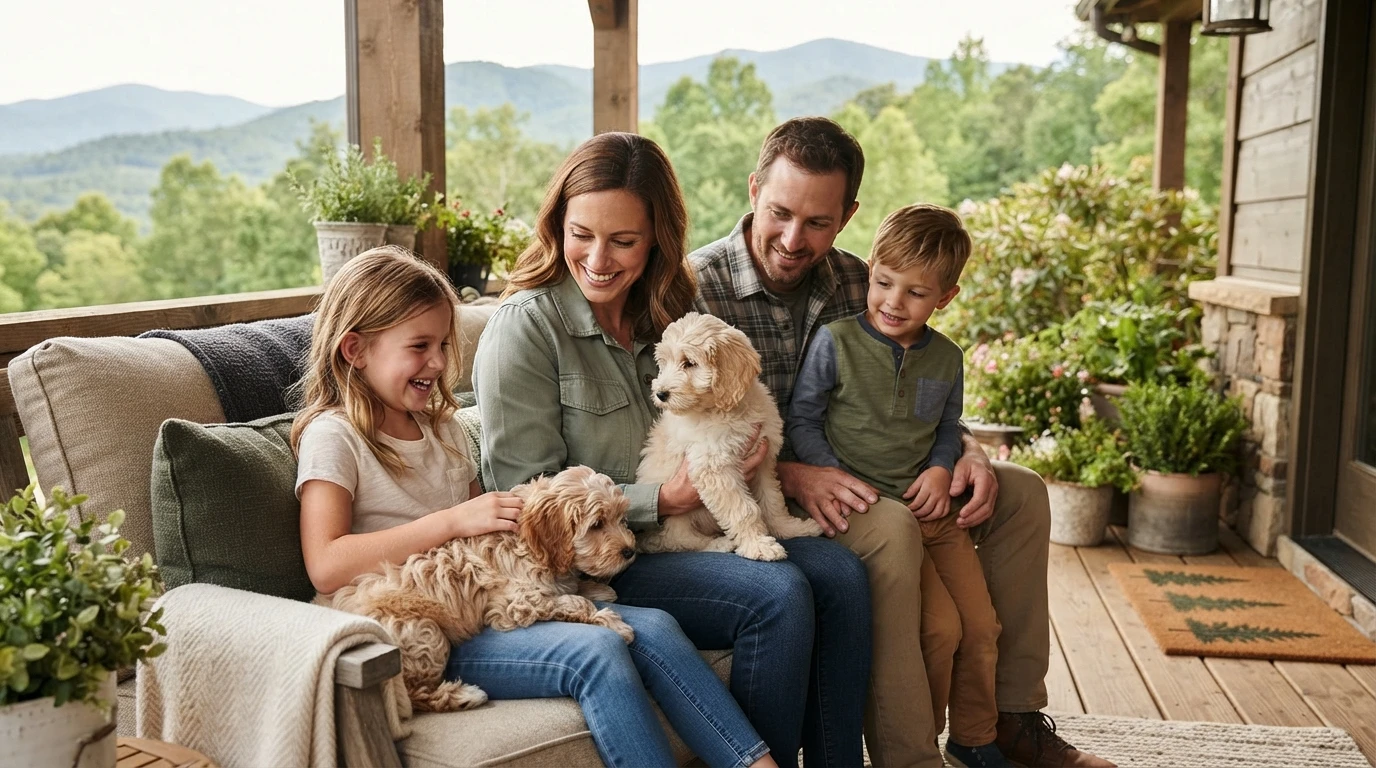
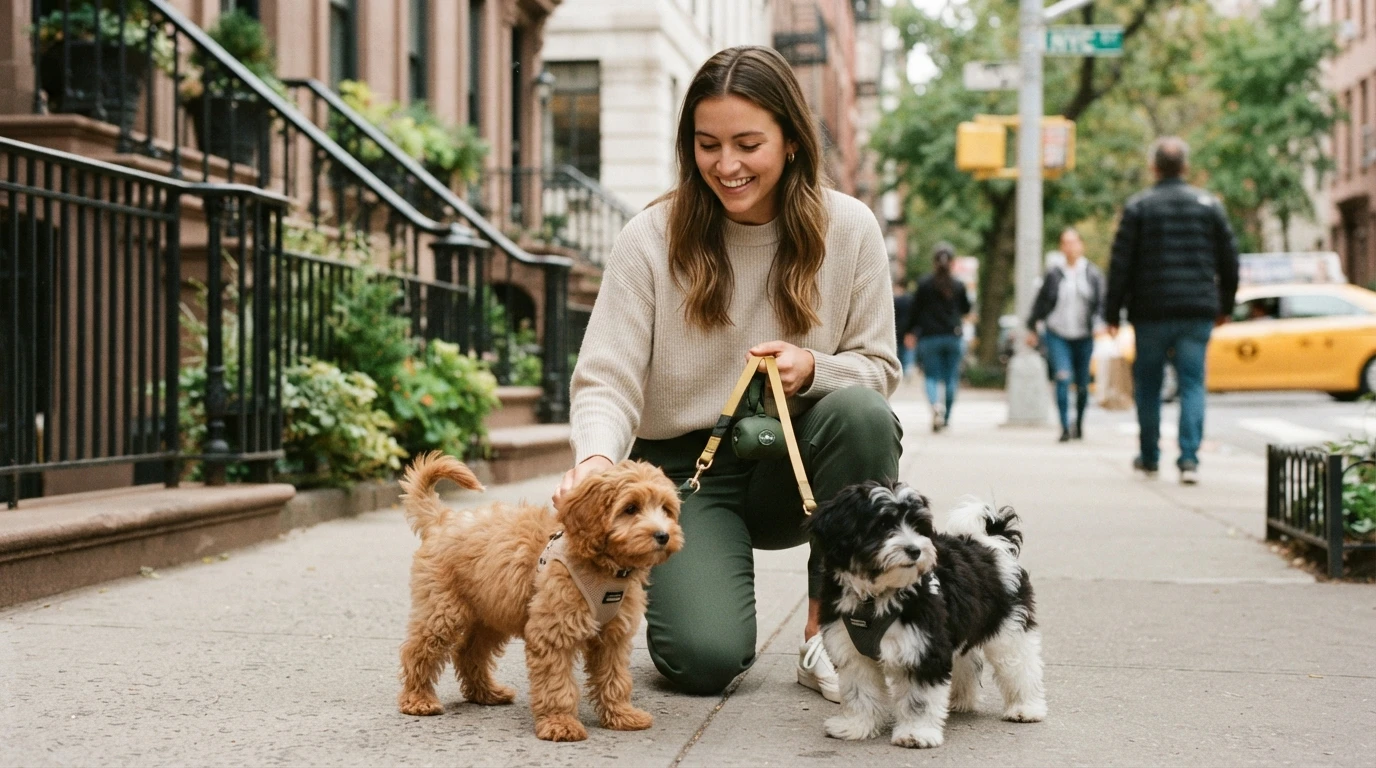
Quick Summary: Small family-friendly breeds like Havanese, Havapoo, and Cavapoo are popular choices in 2026, but choosing the right one depends on temperament, grooming needs, and family routine. Responsible breeding, health testing, and matching the dog’s personality to your home are crucial for a good fit. Families should focus on breed purpose, size, and care requirements, and work with reputable breeders like Sage Puppies for a healthy, well-raised puppy.
Families looking for a puppy in 2026 usually compare Havanese, Havapoo, and Cavapoo first. That makes sense. These small companion breeds work well for many homes, but they do not fit every family in the same way.
The hard part is not finding cute small companion breeds. It is figuring out which one truly matches your kids, space, budget, grooming tolerance, and long-term expectations. Many buyers also struggle to tell the difference between a careful breeder and one that simply markets well.
This guide helps you compare the best small companion breeds for family life, with a close look at temperament, care needs, trainability, and what responsible buying should look like in 2026. You will also see why many families narrow their choice to Havanese, Havapoo, or Cavapoo.
Our focus is practical and breeder-aware, built for families who want a healthy, well-raised puppy and a clear path to choosing with confidence.
What Makes a Great Family Small Breed?
Temperament Comes First
A great family small breed feels safe, steady, and easy to live with. That matters more than looks or trend appeal. You want a puppy that leans friendly, handles normal home noise well, and can bond with both adults and kids.
The best fit often shows these traits:
- Gentle, people-focused behavior
- Willingness to learn
- Moderate energy, not nonstop chaos
- Confidence without pushiness
The AKC notes that companion breeds like the Shih Tzu were developed for close human company and are described as friendly and alert in the FCI breed standard. That gives families a useful clue – breed purpose shapes day-to-day life.
A calm, well-socialized puppy is usually a better family match than the tiniest or fluffiest one.

Size Is Only One Part of the Decision
Small size helps, but it does not guarantee an easy family dog. Some little breeds are bold, loud, or fragile. Others are sturdy, adaptable, and more forgiving with busy home life.
Look at the full picture:
- Build – sturdy enough for respectful children
- Energy level – fits your routine
- Trainability – easier for first-time owners
- Noise level – important in close neighborhoods
- Handling tolerance – key for family life
For many families, Havanese, Havapoo, and Cavapoo types stand out because they stay companion-sized without feeling too delicate. That balance is one reason breeders like Sage Puppies focus on family-raised, health-minded small companions instead of chasing ultra-tiny puppies.
Grooming and Shedding Expectations
Low shedding does not mean low maintenance. That catches many first-time buyers off guard. The AKC explains there are no 100 percent hypoallergenic dogs, though some breeds shed less and may produce less dander because of coat type in its guide to hypoallergenic dogs.
Expect regular care such as:
- Brushing several times a week
- Face cleaning
- Nail trims
- Professional grooming for longer coats
If your family wants less hair on the couch, be ready for more brushing on the calendar.
Also Read: 10 Adorable Havapoo Colors You Need to See (2026)
A Predictable Purebred Companion
Why Families Choose Havanese
Families pick Havanese because the breed is small, social, and easy to live with. The AKC describes the Havanese as friendly, playful, alert, and intelligent, with a sweet disposition in the official breed standard. That matters if you want a dog whose general look, size, and temperament are more predictable.
A purebred does not mean perfect. It means you can make a more informed choice about size, coat, and temperament.
- Small enough for many homes and travel
- People-focused and affectionate
- Often a strong fit for first-time owners
What to Expect from Coat Care and Daily Life
Havanese are charming house dogs, but they are not low-maintenance. Their long, silky coat needs steady brushing to prevent mats. Some families keep the coat in a shorter puppy trim to make daily care easier.
Daily life is usually simple:
- Short walks or indoor play
- Regular brushing
- Close contact with people
They do best with families who want a true companion nearby, not a dog left alone for long stretches.
Health Testing and Responsible Breeding
Good breeding starts before a puppy is born. The Havanese Club of America says breeders on its list must complete health testing for the sire and dam to earn current CHIC certifications, including exams for eyes, patellas, hips, and historically BAER in its 2020 health statement.
Ask for:
- Parent health records
- Clear temperament information
- Honest pickup or delivery details
At Sage Puppies, that kind of transparency matters because families deserve a well-started puppy, not guesswork.
Also Read: 10 Unique Care Tips for Small Breed Puppies in Urban Settings
A Balanced Mix for Families Wanting Softness and Spark
Temperament and Household Fit
A Havapoo often fits families who want a puppy that feels cuddly but still lively. You usually get the Havanese side’s cheerful, people-first nature, plus the Poodle side’s quick mind and playful bounce. Havanese are known for being social and adaptable, according to AKC’s Havanese overview. That said, mix temperaments vary.
Small dogs still need calm handling, clear routines, and supervised time with kids.
Families with gentle children, flexible schedules, and time for daily interaction often do well here.
Coat Variability and Grooming Reality
The coat is where many buyers guess wrong. Some Havapoos keep more of the Havanese’s soft, wavy look. Others lean curlier from the Poodle side. A Havanese coat is described in the breed standard as soft, long, and often wavy, not harsh or wiry, per the official AKC standard. In a mix, that means no breeder can promise one exact adult coat.

Plan for:
- Regular brushing
- Professional grooming
- Tear and ear care
- Coat changes as the puppy matures
Low shedding does not mean low maintenance.
When a Havapoo Makes Sense
A Havapoo makes sense if you want:
- A small companion with more pep than a very mellow lap dog
- A family puppy that can enjoy training games
- A softer, often lower-shed coat, with grooming commitment accepted up front
It may be a strong fit for Utah families and nationwide buyers who want a social, health-minded companion from a program like Sage Puppies, but only if they value temperament match over coat myths or impulse buying.
Also Read: 10 Must-Ask Questions Before Buying a Puppy Locally
A Gentle, People-Centered Family Favorite
What Families Usually Love About Cavapoos
Cavapoos tend to win families over fast. They are often gentle, social, and easy to live with, which is why many first-time owners put them on their shortlist. Their biggest strength is usually temperament, not trend appeal.
Families often like that Cavapoos are:
- affectionate without being too intense
- smart and usually eager to please
- small enough for easier daily handling
- adaptable in apartments or larger homes
PetMD notes they are known for a friendly, playful nature and often do well with many types of households, including first-time dog owners according to PetMD.

Health Awareness Matters Here
Cavapoos are not a “cute equals carefree” breed. They can inherit real health risks from both parent breeds, so breeder quality matters more than marketing.
A large 2024 study found designer crosses like Cavapoos were not dramatically healthier across the board than their parent breeds, which is a useful reality check for buyers in this peer-reviewed study.
Ask for clear proof of:
- parent health testing
- cardiac screening
- eye testing or DNA screening where relevant
- honest discussion of family history
A responsible breeder should welcome health questions. If they dodge them, move on.
Who Cavapoos Fit Best
Cavapoos fit best with families who want a true companion dog and have time for closeness, grooming, and steady training.
They are often a good match for:
- families with gentle children
- first-time owners who want a softer temperament
- buyers who want a smaller dog with moderate exercise needs
They are less ideal for homes where the puppy will be alone most of the day.
If you want a calm, people-first small breed and plan to buy carefully, a well-bred Cavapoo can be a lovely fit.
How to Choose the Right Puppy for Your Home
Match the Puppy to Your Daily Routine
Pick a puppy that fits your real week, not your ideal one. The best match feels manageable on workdays, school mornings, and weekends. According to the AKC puppy ownership guide, routine, training, and early setup shape how smoothly puppy life goes.
Ask yourself:
- How many hours will the puppy be alone?
- Who handles potty breaks, meals, and grooming?
- Do you want a playful shadow or a calmer lap companion?
Havanese, Havapoos, and Cavapoos often suit family life well, but they still need daily training, attention, and social time.
Small puppies are easy to carry, but they are not low-effort.

Think About Children, Visitors, and Activity Level
Your home’s energy matters as much as breed size. Some families have young kids, frequent guests, and constant movement. Others want a quieter home and a puppy that settles fast. The AKC guide to dogs for kids notes that families should consider lifestyle, child age, and training, not just breed popularity.
Use this quick check:
| Home factor | Better fit |
|---|---|
| Toddlers and busy traffic | Sturdy, social, easygoing puppy |
| Older kids and calmer home | Gentle, sensitive companion puppy |
| Frequent visitors | Confident, people-friendly temperament |
| Active family outings | Puppy with moderate play drive |
- Teach children to sit, pet gently, and give the puppy space.
- Supervise all early interactions.
- Avoid choosing based on color alone.
Predictability vs Variety
This choice matters more than many buyers expect. A purebred Havanese usually offers more predictability in size, coat, and general temperament. A cross like a Havapoo or Cavapoo may offer more variety from puppy to puppy.
Neither path is wrong. It depends on what you value most:
- Choose predictability if you want a clearer idea of adult size, coat care, and temperament.
- Choose variety if you are open to a wider range of looks and traits within a well-bred pairing.
- Choose the breeder first if you want the best odds of a healthy, well-started puppy.
At Sage Puppies, that often means helping families compare temperament, grooming, and home rhythm before they reserve.
What Responsible Buyers Should Ask a Breeder
Request Health Testing Information Early
Ask for health testing before you fall in love with a puppy. A good breeder should explain what tests were done on the parents, why those tests matter for the breed, and what records you can review. Do not settle for vague lines like “vet checked” or “healthy bloodline.”
Use a short checklist:
- Parent health clearances
- Vaccination and deworming records
- Family health history
- Early care plan for the litter
Good breeders also start safe socialization early. The AKC notes that early handling and exposure help shape a puppy’s future confidence in the home and around people, according to AKC puppy socialization guidance.
If a breeder avoids paperwork or gets defensive, step back.
Understand the Contract and Reservation Process
Read the contract before you send a deposit. You want clear terms on price, reservation order, pickup or delivery, health records, and what happens if the match is not right. The AKC says the contract should not be a last-minute surprise and should be available for review early, as explained in AKC’s puppy contract guide.
Ask these direct questions:
- Is my deposit refundable or transferable?
- How are puppies matched to families?
- What support do you offer after pickup?
- What happens if our timing changes?
Clear answers now prevent stress later.
Look for Family-Raised Care and Clear Communication
Ask where the puppies are raised and how often they are handled. Family-raised puppies usually get more day-to-day exposure to normal home sounds, routines, and people. That matters for small companion breeds.
You should also ask how the breeder communicates:
- Weekly updates
- Honest timing
- Feeding and transition advice
- Pickup or delivery details
The CDC also advises families to supervise young children around dogs, even trusted ones. That makes breeder guidance on temperament and home fit even more important.
Delivery, Pickup, and Next Steps for Qualified Families
What to Review Before Applying
Start with the basics. Make sure your timeline, budget, and home routine fit a small companion puppy. Review the breeder’s health testing, parent temperament, early socialization, and communication style before you apply.
Use a simple checklist:
- Breed fit for kids, work hours, and activity level
- Clear pricing, reservation terms, and pickup timeline
- Vet plan, supplies, and first-week schedule
If you may travel across state lines later, check current pet travel rules early. The CDC says dogs entering or returning to the U.S. need a microchip and import paperwork in some cases, with added rules tied to travel history and age CDC entry guidance.
Utah Pickup and National Delivery
Qualified families often want two things: a calm handoff and a clear plan. Local Utah pickup can feel easiest because you meet in person, ask final questions, and head home on your own schedule. For out-of-state families, national delivery should be organized, transparent, and built around puppy safety.
Ask for details on:
- Pickup location and timing
- Delivery method and who handles transport
- What records and go-home items you receive
Safe travel matters. The CDC recommends secure crates or harnesses, updated ID, and planning ahead so pets stay safe in cars or on flights pet travel safety tips.
How to Move Forward with Confidence
Move one step at a time. First, review available puppies. Next, submit an application only if the breed and timing truly fit your family. Then confirm pricing, reservation steps, pickup or delivery details, and your first week at home.
A good final review includes:
- Your chosen breed and puppy match
- Expected go-home date
- Travel or pickup plan
- Ongoing support and contact steps
For families considering Sage Puppies in South Jordan, Utah, this is where clear answers should replace guesswork.

If you want a small family puppy without the guesswork, start with Sage Puppies. Their South Jordan, Utah program focuses on health-tested, home-raised Havanese, Havapoo, and Cavapoo puppies, with clear pricing, pickup, and nationwide delivery. Browse available puppies, review the process, and submit an application when you are ready.
Frequently Asked Questions
Q1: Best small breed puppies for first-time owners?
Havanese, Cavapoo, and Havapoo are strong picks. They are small, people-focused, and usually easier to live with than more intense toy breeds. Choose based on energy, coat care, and temperament, not looks alone.
Q2: Which small breed is best for kids?
Families often do well with Havanese or Cavapoo. Both tend to be gentle and social when bred well and raised with care. Still, young kids need coaching. Even sweet small dogs can get scared by rough handling.
Q3: How do I choose a trustworthy breeder?
Look for health-tested parents, clear communication, home-raised puppies, and a simple process. Ask about socialization, pickup or delivery, and what support comes next. A program like Sage Puppies should explain each step without pressure.
Q4: Are small breed puppies hard to potty train?
They can take longer because tiny bodies mean tiny bladders. Success comes from a set routine, crate use, frequent trips out, and patience. The breed matters less than your consistency during the first few months.
Q5: What should I budget for besides the puppy?
Plan for food, grooming, vet visits, vaccines, training, supplies, and emergency care. Small breeds may cost less to feed, but coat care can add up fast. A realistic first-year budget helps you avoid stress later.
Conclusion
The right small breed puppy fits your family’s pace, space, and experience level. That is the main takeaway. Havanese, Havapoo, and Cavapoo can all be strong family choices when you look past looks and focus on temperament, size, grooming, training, and breeder standards.
A smart choice also means buying carefully. Ask for health testing, clear puppy-raising details, and honest support after pickup. The AKC notes that choosing the right breed and working with a responsible breeder are key parts of a good puppy start in its puppy ownership guide. The CDC also reminds families to supervise young children around dogs and match the dog to the home for safety and health.