Quick Summary: Before buying a small puppy, check the breeder’s reputation, health testing on parents, and the puppy’s early environment. Ensure the puppy’s breed and size fit your lifestyle, and review vet records, socialization, and home setup. A responsible source provides clear documentation, honest answers, and support after purchase. This careful approach helps you choose a healthy, well-adjusted puppy that suits your family and living situation.
A cute photo can pull you in fast. But when you search for small puppies for sale near me, the listing that looks sweetest often tells you the least. Many small puppies look alike online, so it is easy to miss the details that matter most.
The real differences show up off the screen. You need to check health testing, breeder honesty, early social time, and whether that puppy truly fits your home, kids, work hours, and budget. Good buyers slow down here. That is where a smart Puppy Checklist helps.
This Puppy Checklist walks you through the 10 checks that matter most before you commit. It helps you compare listings with a clearer eye, ask better questions, and choose with confidence. Think of it as part Puppy Adoption Checklist, part breeder screen, and part real-life guide for family fit.
We built this Puppy Checklist around the checks trusted breeder resources repeat most: parent visibility, home setup, age at placement, vet records, contract terms, and buyer fit. We also added Small Puppy Tips for grooming, exercise, and long-term lifestyle match.
Quick Checklist
| Check | Best for | What to verify | Why it matters |
|---|---|---|---|
| Responsible breeder or rescue source | Filtering out risky or rushed sellers | Home-raised care, transparency, questions, and support | The source shapes the puppy’s start and your long-term experience |
| Health testing on the parents | Reducing inherited-risk surprises | Parent testing, breed relevance, and documentation | It helps you understand what was done before the litter was planned |
| Meet the mother and see the environment | Confirming the puppy’s early living conditions | Cleanliness, parent presence, and puppy behavior | It helps reveal how the puppy was actually raised |
| Breed and size fit for your lifestyle | Finding a puppy you can realistically live with | Temperament, grooming, exercise, and family fit | A tiny puppy still becomes an adult dog with daily needs |
| Vaccination, deworming, and vet records | A smoother first vet visit | Vaccines, deworming, wellness checks, and documents | You need a clear health history, not verbal reassurance only |
| Age at placement and socialization history | Supporting a calmer transition home | Age, socialization, and early experiences | Early development affects behavior and confidence |
| Daily care costs and budget | Avoiding later financial strain | Monthly care costs and emergency planning | The purchase price does not cover lifetime care |
| Contract, return policy, and support | Understanding the breeder’s responsibilities | Contract terms, support, and return policy | It shows whether the breeder stands behind the puppy |
| Home setup and puppy-proofing | A calmer first day at home | Safety, supplies, and routine setup | Prepared homes help puppies settle faster |
| Go-home logistics and next steps | Making go-home day simple and calm | Timing, transport, and transition instructions | The first 48 hours shape the settling-in experience |
What to know about buying a small puppy
Buying a small puppy should feel like choosing a new family member, not grabbing the first cute face in search results. Small breeds can be wonderful with kids, apartments, and busy homes, but they also have specific needs around health, size, training, and daily care.
The best puppy matches usually come from a thoughtful breeder or rescue that answers real questions in plain English. They should explain the puppy’s background, parent health, early social time, and what life with that breed looks like at home.
A good source helps you slow down, ask better questions, and make a choice you still feel good about months later.
That matters even more now, when online listings make every puppy look the same. They are not the same, and your checklist should help you spot the difference.
1. Responsible breeder or rescue source
Start with the source before you fall in love with the photo. A good puppy seller should explain how the puppy was raised, ask about your home, and stay available after pickup.
Highlights
- A responsible breeder should ask about your schedule, kids, and dog experience, as noted by AKC breeder interview guidance.
- A reputable breeder or rescue welcomes questions, shares records, and does not rush payment.
- They should clearly explain home-raised care, socialization, and the puppy’s background.
- Humane World warns that sellers who hide where puppies were raised can be a red flag for puppy mill warning signs.
Specs
- Best for: Filtering out risky or rushed sellers
- What to verify: Home-raised care, transparency, questions, and support
- Why it matters: The source shapes the puppy’s start and your long-term experience
- Check level: Essential
Pros
- Sets the standard for every other check
- Helps avoid puppy mills and impulse sellers
- Usually comes with clearer records and guidance
Cons
- Requires more research and patience
- Not every good breeder has frequent availability
This ranks first because source quality affects health, socialization, and support later.
Last updated: July 20, 2026
Also Read: 10 Questions to Ask Before Buying a Puppy Locally
2. Health testing on the parents
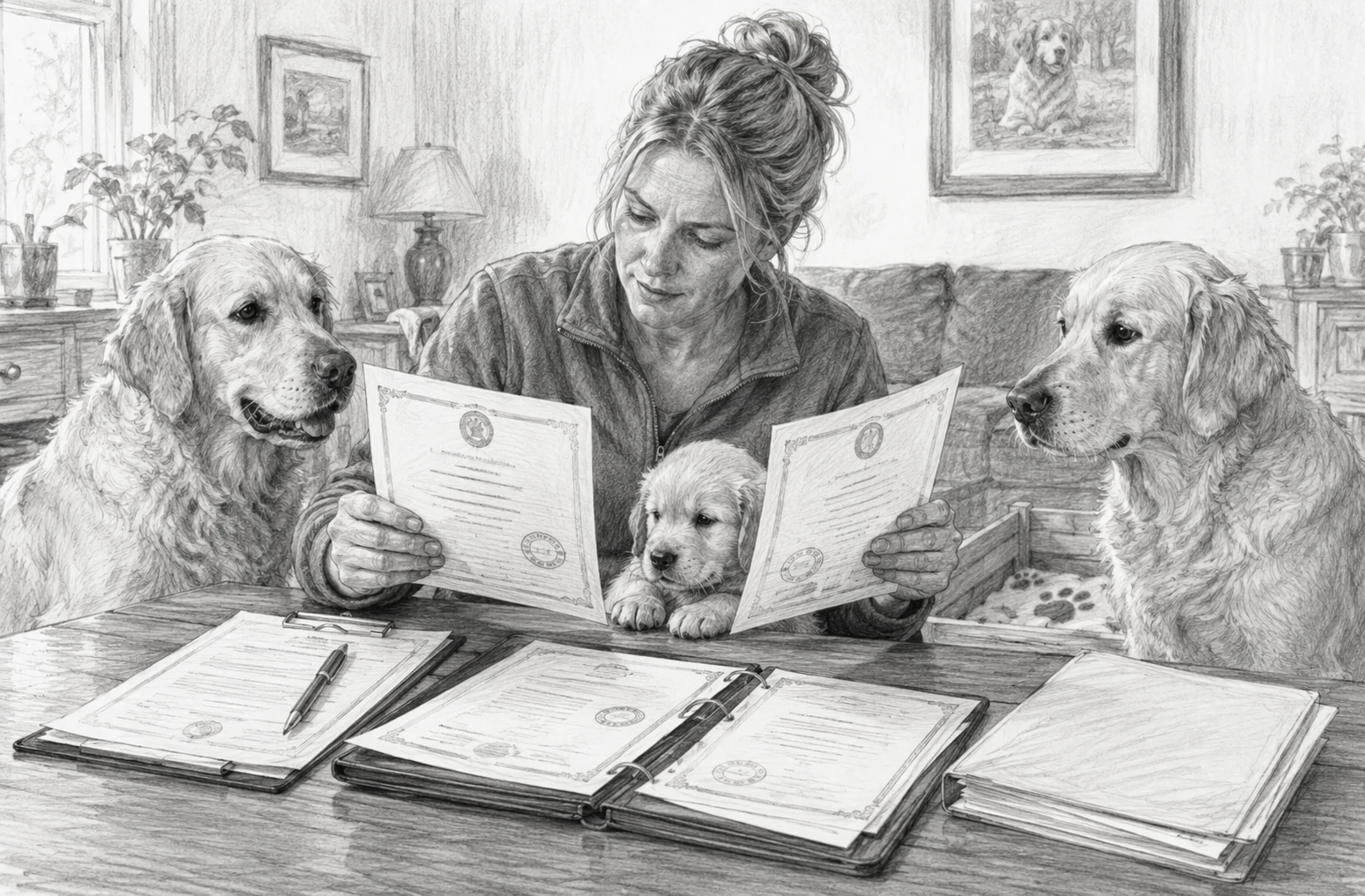
Health testing is one of the clearest signs of a careful program. For small puppies, ask what screening was done on both parents and what the breeder can prove with records. Breed needs differ, and AKC breed health testing requirements note that testing should match the breed, not a vague claim like “vet checked.”
Highlights
- Ask for the exact tests used on the sire and dam.
- Check that the screening was breed-relevant and done before breeding.
- Ask what the results mean for this litter, not just the parents.
- Verify records in a public source when possible, since OFA advises buyers to ask to see results.
Specs
- Best for: Reducing inherited-risk surprises
- What to verify: Parent testing, breed relevance, and documentation
- Why it matters: It shows what was done before the litter was planned
- Check level: Essential
Pros
- Shows the breeder planned responsibly
- Helps make your questions specific
Cons
- Testing does not promise a puppy will never have health issues
- Results can be hard to read without context
This ranks here because health testing is a basic buyer-protection step and a strong sign of responsible breeding.
Last updated: July 20, 2026
Also Read: 10 Adorable Havapoo Colors You Need To See 2026 Guide
3. Meet the mother and see the environment
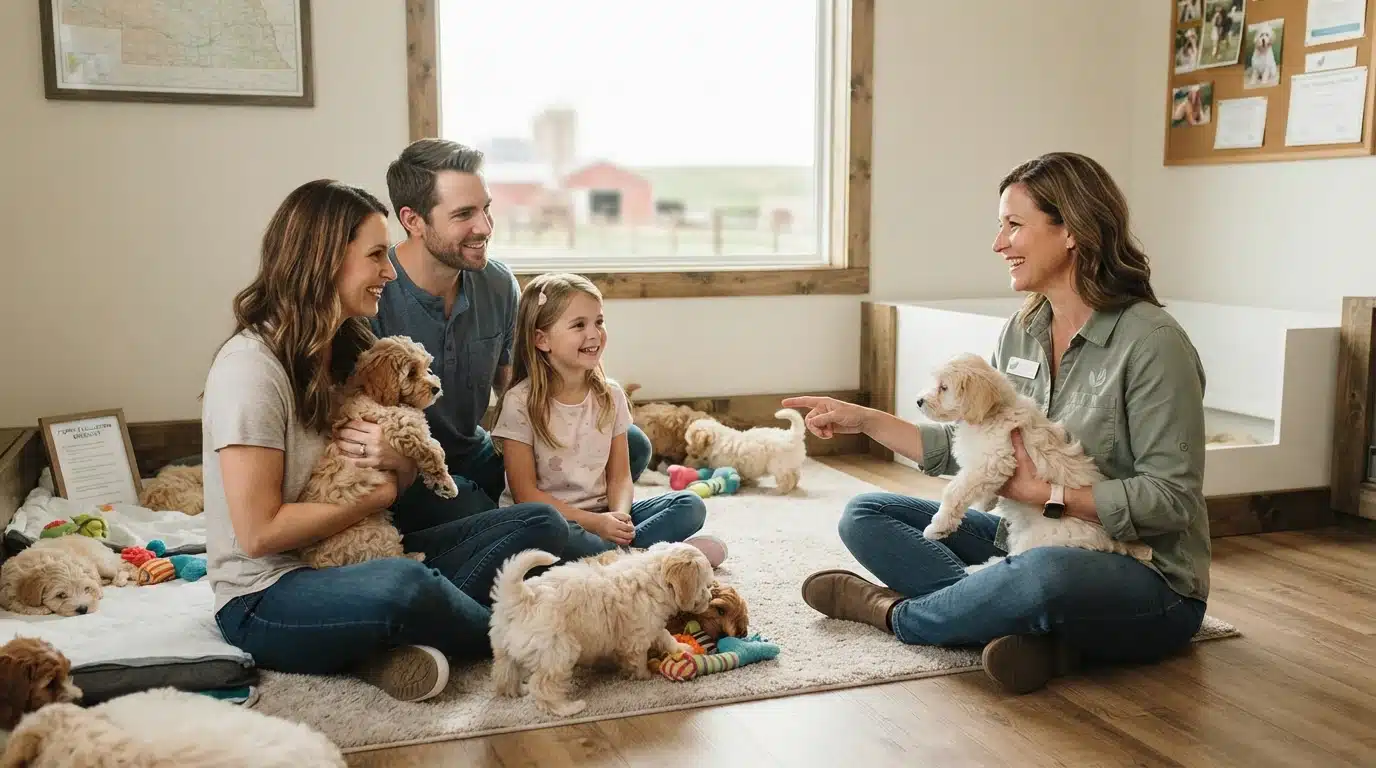
What you see in person tells you more than a listing ever will. A clean, calm, home-like setup and a visible mother dog usually point to better daily care, early socialization, and a more honest seller. The ASPCA says you should visit where the puppy was born and expect to meet the mother, not just do an off-site handoff or parking lot sale in their breeder guide.

Highlights
- Clean, low-odor space
- Mother dog visible and settled
- Puppies look alert, active, and comfortable
- Setup matches the breeder’s listing and claims
Specs
- Best for: Confirming the puppy’s early living conditions
- What to verify: Cleanliness, parent presence, and puppy behavior
- Why it matters: It shows how the puppy was really raised
- Check level: Essential
Pros
- Builds confidence fast
- Helps spot hidden red flags
- Gives better clues about future temperament
Cons
- Harder with remote-only sellers
- A polished room still means little without records
Cornell also notes responsible breeders keep the environment clean and provide early socialization in its puppy selection advice. This ranks here because seeing the mother and space helps verify welfare, socialization, and honesty.
Last updated: July 20, 2026
4. Breed and size fit for your lifestyle
A small puppy should fit your routine, not just your preferences. Tiny pups look easy, but adult size, energy, coat care, and temperament matter just as much as cuteness.

Highlights
- Check the adult size estimate, not just the puppy’s current weight.
- Match exercise needs to your work hours and home setup.
- Ask about grooming and coat upkeep before you commit.
- Make sure the puppy fits your kids, noise level, and apartment rules.
Specs
- Best for: Finding a puppy you can realistically live with
- What to verify: Temperament, grooming, exercise, and family fit
Pros
- Prevents impulsive choices
- Lowers rehoming risk
- Improves long-term fit
Cons
- Adult size and temperament are not guaranteed
- Family routines can change
AKC notes that some small dogs are great for apartment life, but not all are lap dogs. The Havanese, for example, needs daily grooming and regular attention. That is why this ranks here – lifestyle mismatch often turns puppy ownership stressful fast.
Last updated: July 20, 2026
5. Vaccination, deworming, and vet records
Paperwork should match the puppy’s real care history. Ask for written records you can bring to your vet, not a verbal recap. A first visit goes smoother when your vet can review prior vaccines, deworming, and exam notes, and PetMD says to bring all health records to that appointment because missing paperwork can lead to repeated care during the first vet exam.

Highlights
- Written vaccine and deworming records
- Vet wellness exam information
- Food and transition notes
- Clear next-vet-visit guidance
Specs
- Best for: A smoother first vet visit
- What to verify: Vaccines, deworming, wellness checks, and documents
- Check level: Essential
Pros
- Helps your vet plan next steps
- Creates accountability
- Makes care easier after pickup
Cons
- Records vary by breeder and puppy age
- Not all paperwork is easy to read at a glance
WSAVA notes puppy vaccines are given in a series, so dates matter, not just the word “up to date” in its vaccine guidance. This ranks here because clean records make your first days home safer.
Last updated: July 20, 2026
Also Read: Home
6. Age at placement and socialization history
A puppy should be old enough and prepared enough to leave well. Before you reserve one, ask the breeder exactly how old the puppy will be at pickup and what happened in those first weeks. AKC guidance notes most puppies go home around 8 to 10 weeks, and AVSAB says the first three months matter most for socialization.
Highlights
- Do not take a puppy too early
- Ask how long it stayed with littermates
- Ask about handling, household sounds, and daily routines
- Look for calm, curious behavior, not shut-down fear
Specs - Best for: Supporting a calmer transition home
- What to verify: Age, socialization, and early experiences
- Check level: Important
Pros - Helps you assess emotional readiness
- Often predicts easier settling-in
- Supports better training outcomes
Cons - Socialization is hard to measure perfectly
- Puppies mature at different rates
This ranks here because timing and early experience strongly shape confidence in the first weeks home.
Last updated: July 20, 2026
Also Read: 7 Health Checks for Small Breed Puppies Before Sale
7. Daily care costs and budget
The puppy price is only the beginning. A small puppy still brings real monthly costs, so check your budget before you commit.
Highlights
- Food, treats, bowls, and chew replacements
- Grooming and dental care
- Vaccines, exams, and parasite prevention
- Insurance or an emergency fund
Specs
- Best for: Avoiding later financial strain
- What to verify: Monthly care costs and emergency planning
- Why it matters: The purchase price does not cover lifetime care
Pros
- Encourages realistic planning
- Protects long-term care
- Helps families compare options honestly
Cons
- Costs vary by breed and location
- Unexpected care can still happen
Build a simple monthly budget before you buy. AAHA notes that routine exams, vaccines, dental care, and year-round parasite prevention all belong in your plan. If you want extra backup, puppy insurance options can help with surprise vet bills. This ranks here because money stress is one of the easiest problems to prevent early.
Last updated: July 20, 2026
Also Read: Small Puppies for Sale Near Me: 8 Questions to Ask First
8. Contract, return policy, and support
Good breeders stay involved after go-home day. Read the puppy contract before you pay, and ask what happens if life changes or a health concern shows up later. The AKC says good agreements should be in writing and clearly state each side’s duties in plain written terms.
Highlights
- Written contract in plain language
- Return-to-breeder or support policy
- Health guarantee details, if offered
- Ongoing communication after placement
Specs
- Best for: Understanding the breeder’s responsibilities
- What to verify: Contract terms, support, and return policy
- Why it matters: It shows whether the breeder stands behind the puppy
- Check level: Important
Pros
- Creates clearer expectations
- Protects against surprises later
- Signals long-term accountability, like a return-to-breeder clause
Cons
- Contracts can be dense
- Guarantees vary and need careful reading
It ranks here because the agreement shows if this is a lifelong breeder relationship or just a sale.
Last updated: July 20, 2026
9. Home setup and puppy-proofing
The right prep makes the first week much easier. Small puppies are tiny, fast, and curious, so your home should be ready before pickup. A clear setup helps them settle faster and helps you start routines on day one.
Highlights
- Crate and quiet rest area
- Baby gates and wire management
- Chew-safe toys and bedding
- Potty plan and feeding station
Specs
- Best for: A calmer first day at home
- What to verify: Safety, supplies, and routine setup
- Why it matters: Prepared homes help puppies settle faster
- Check level: Useful
Pros
- AKC puppy-proofing tips cover cords, trash, toxic foods, and small choking hazards.
- ASPCA prep advice also recommends gates, safe storage, and having puppy basics ready before arrival.
Cons
- Needs a bit of planning before pickup
- No home is perfectly puppy-proof
Preparation ranks here because it cuts accidents, stress, and chaos right as your puppy is adjusting.
Last updated: July 20, 2026
10. Go-home logistics and next steps
Your puppy handoff should feel calm, not rushed. Before you commit, ask exactly how pickup or delivery works, what to bring, and what the breeder wants you to do in the first 48 hours.
Highlights
- Pickup or delivery details
- Go-home age and timing
- First-week feeding and potty guidance
- Clear communication before arrival
Specs
- Best for: Making go-home day simple and calm
- What to verify: Timing, transport, and transition instructions
- Why it matters: The first 48 hours shape the settling-in experience
Pros
- Prevents last-minute confusion
- Helps families prepare properly
- Supports a smoother adjustment
Cons
- Travel and delivery can add complexity
- Timing may change based on puppy readiness
For longer trips, ask about crate setup and travel papers. The CDC travel guide and AVMA travel tips show why planning matters. This ranks here because a rushed handoff can spoil an otherwise great start.
Last updated: July 20, 2026
How to choose the right small puppy
Pick the source before you pick the puppy. A cute face means very little if the breeder, rescue, or referral cannot show clear records and honest answers.
Use these criteria:
- Match the puppy to your real life. Check adult size, activity level, barking, grooming, and kid-friendliness. A family with young kids may do best with a steady, social small breed, not the most delicate or high-strung pup.
- Ask for paperwork early. Get written proof of parent health testing and the puppy’s vet care. If anything feels unclear, send it to your own vet before you commit.
- Choose a source that interviews you too. Good breeders ask about your home, schedule, and dog experience. They explain the puppy’s background and do not rush your decision.
- Read the contract line by line. Compare health terms, support after pickup, and the return policy. You need to know what happens if life changes after go-home day.
- Check boutique breeder fit. Ask about breed focus, communication, pickup or delivery, and how they help families prepare.
Best fit for many first-time families: Sage Puppies stands out here because it stays focused on Havanese, Havapoo, and Cavapoo, uses health-tested parents, raises puppies in a home setting, and offers clear local pickup in South Jordan, Utah, plus nationwide delivery.
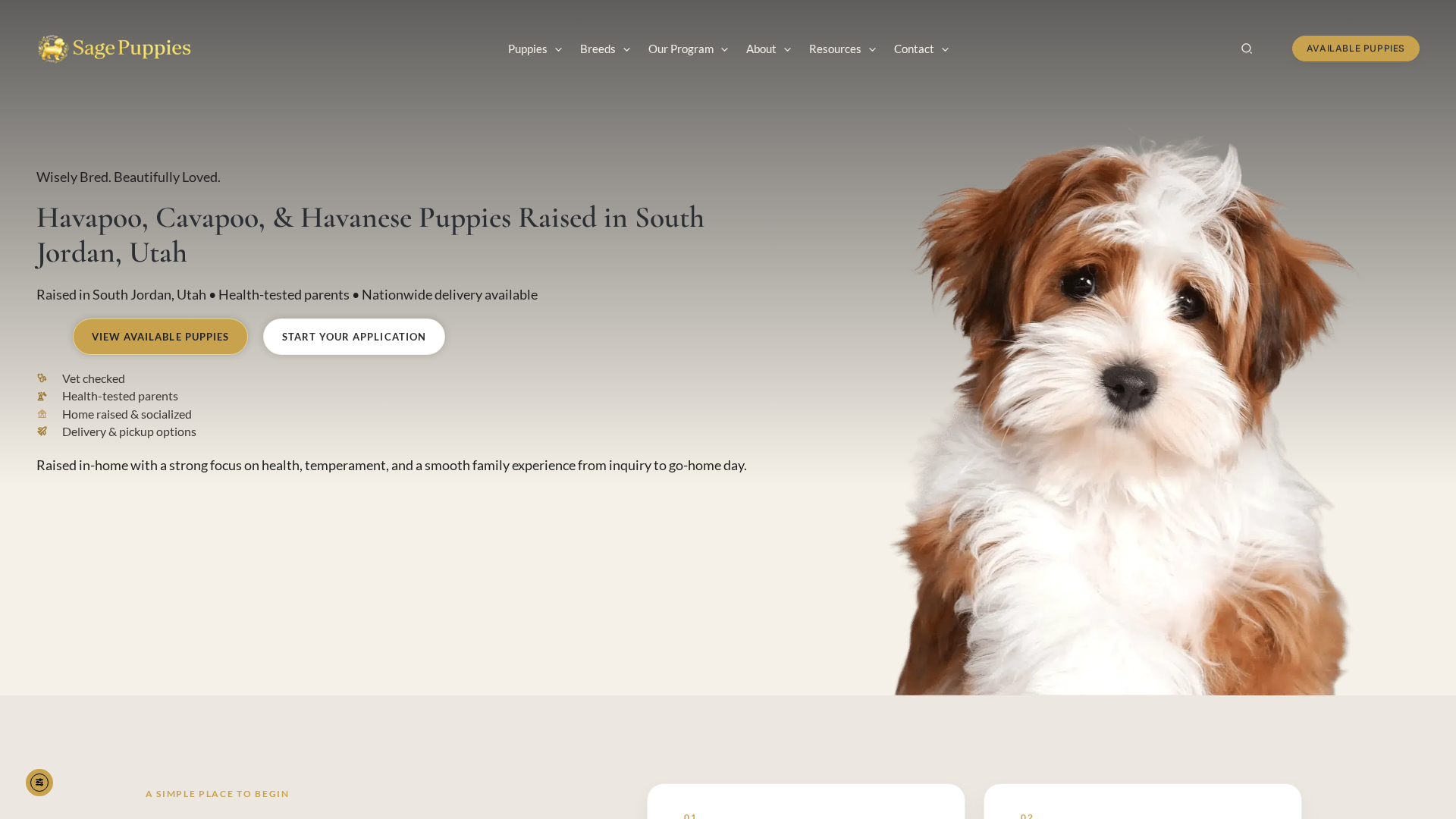
If you want a small puppy that truly fits your family, start with a source that checks the boxes in this guide. Sage Puppies helps you review health-tested parent lines, early socialization, clear next steps, and pickup or delivery options without guesswork. Browse available Havanese, Havapoo, and Cavapoo puppies, then apply when you find the right match.
Frequently Asked Questions
Q1: What are the most important health tests to check before buying a small puppy?
Ask for parent health testing, not just a puppy vet check. Good breeders should share proof for breed-relevant issues like patellas, hips, eyes, heart, and DNA screening. Also ask for vaccine records, deworming dates, and a clear health history for the litter.
Q2: How do I choose a small puppy breed that suits my lifestyle and family?
Match the breed to your home, schedule, grooming budget, and kid age. Some small dogs want constant company. Others handle quiet homes better. Havanese, Havapoos, and Cavapoos often fit family life well, but each puppy still has its own energy and personality.
Q3: Where can I find reputable small puppies for sale near me in the US?
Start with breeders or adoption groups that show health records, parent details, home-raising practices, and clear communication. If you are comparing options, look for the same standards everywhere. Sage Puppies, based in South Jordan, Utah, is one example of a transparent, family-first program.
Q4: Should I meet the puppy’s parents before I buy?
Yes, if possible. Seeing at least the mother helps you judge size, coat, confidence, and social behavior. If one parent is off-site, ask for photos, health records, and temperament notes.
Q5: What are red flags that a breeder may not be responsible?
Watch for cash-only pressure, no questions for you, no health paperwork, multiple breeds at once, or pickup in parking lots. A good breeder cares where the puppy goes and gives clear answers.