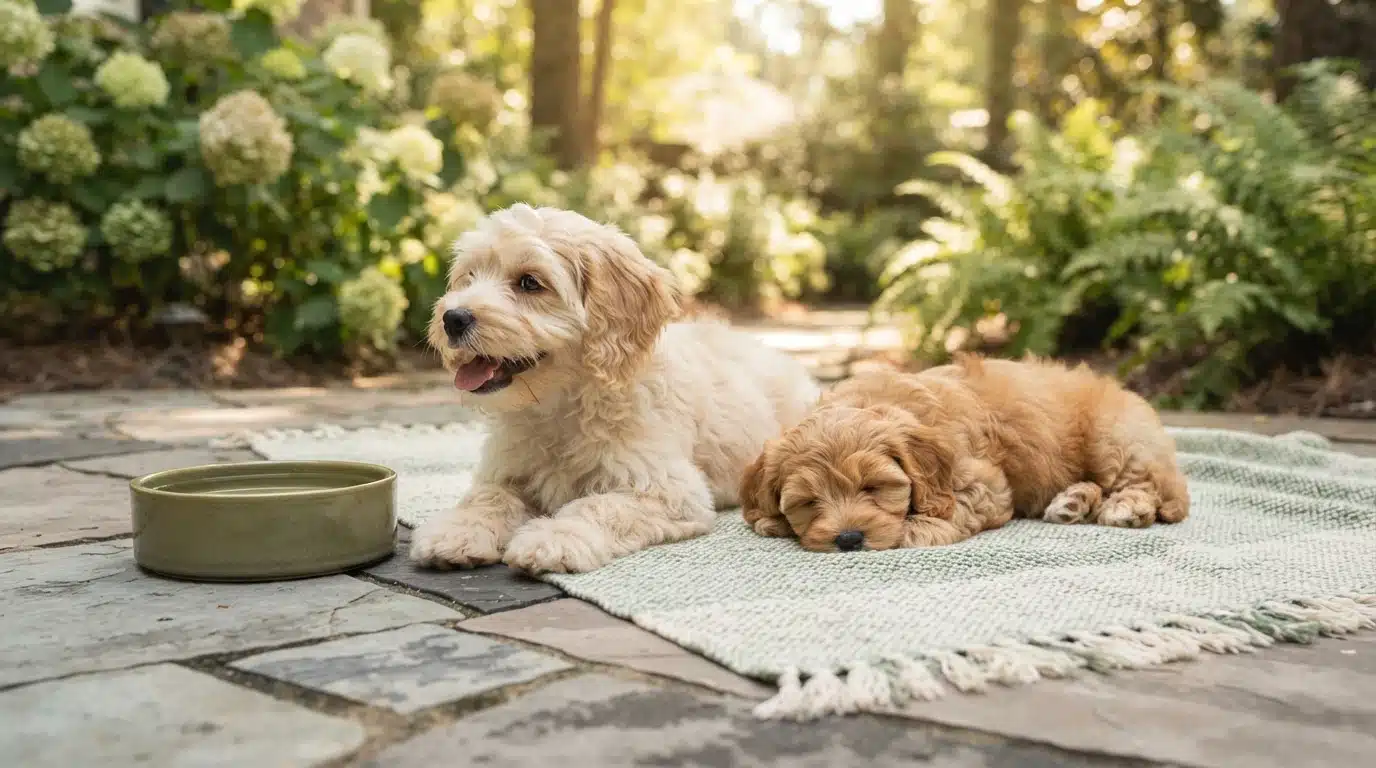
Quick Summary: Before visiting a Mississippi breeder, ask for the actual health test results on both parent dogs, not just a claim that they were tested. Confirm the puppies are raised inside a home and socialized with household noise, kids, and handling, since kennel or garage litters are a red flag. Get the puppy’s vet exam, vaccine dates, and deworming records by email before you drive out, and expect to wait until 8 to 12 weeks for pickup. Sage Puppies, a home-based program in South Jordan, Utah, shares parent health results and puppy vet records before families commit and delivers to Mississippi.
A clean kennel and a playful litter can make any visit feel reassuring. But when you’re looking at puppies Mississippi breeders advertise, that first impression can’t tell you whether the parents passed health screenings or what support comes with your puppy. Many Mississippi dog breeders are honest and careful, yet some rely on charm instead of records. That’s the gap this guide closes. We walk through the puppy buying questions that matter most, what answers to expect, and what proof to request before you drive anywhere or place a deposit. You’ll learn how to read a breeder’s responses, spot warning signs early, and confirm health, temperament, and delivery details with confidence. The advice comes from years of home-raised breeding at Sage Puppies, where health-tested parents and early socialization are standard, not extras. Ask better questions, and you’ll bring home a healthier, happier companion.
Start With the Breeder’s Practices and Transparency
The breeder matters more than the breed. Before you fall in love with a photo, find out who is behind the litter and how they work. A few direct questions will tell you quickly whether you are talking to a careful, home-based program or a volume seller. This is where any search for puppies Mississippi families bring home should start.
Ask Who Raises the Litter and Where Puppies Live
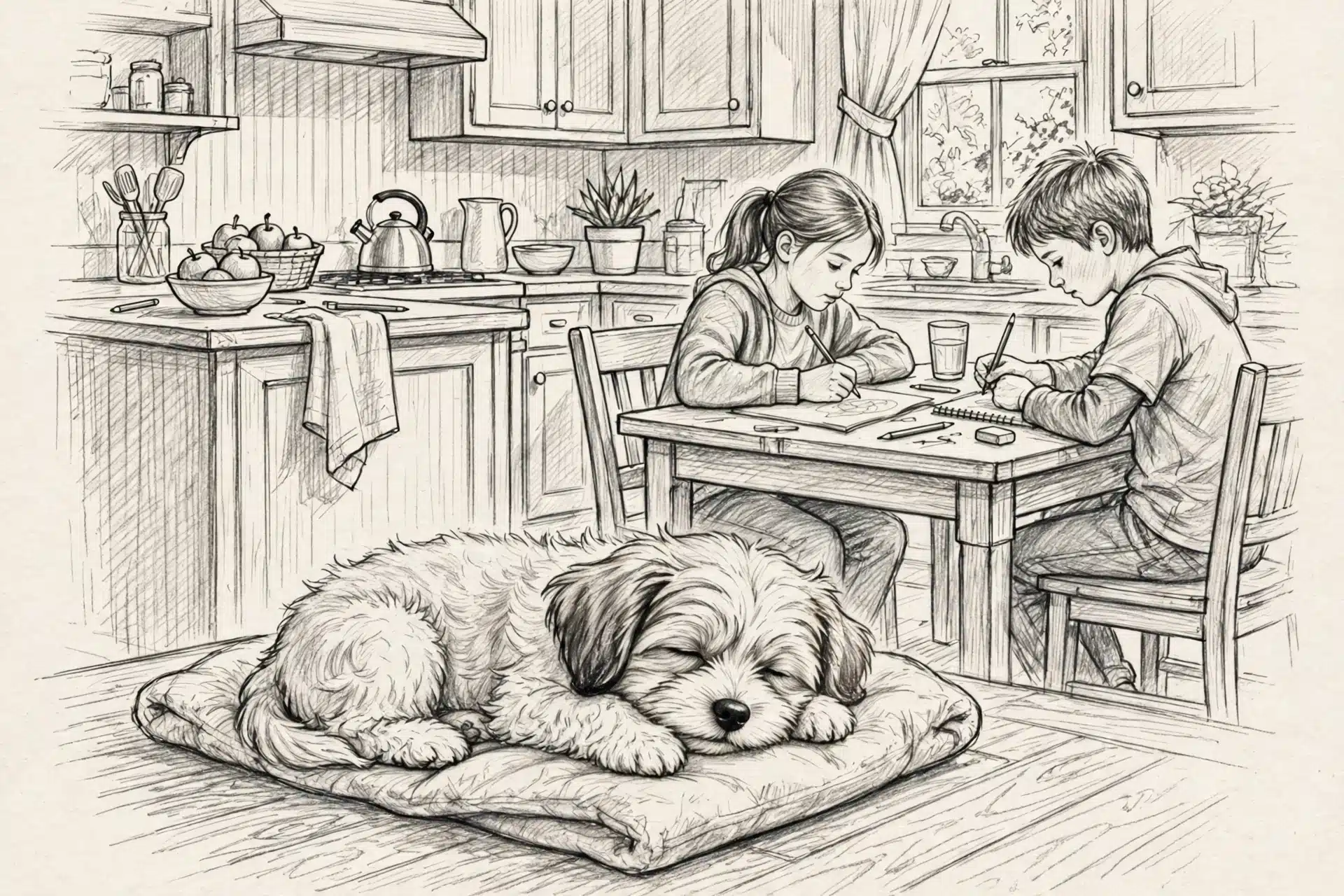
Ask the first question plainly: who is with the puppies every day? In a home-raised program, the litter grows up in the house. They hear vacuums, kids, and doorbells. That daily exposure builds the calm, confident temperament families want in a companion dog.
Then ask where the puppies sleep and play. A kennel run, a garage, or an outdoor shed is a warning sign, especially for small companion breeds like Havanese, Havapoo, and Cavapoo puppies. These dogs are bred for family life, so early life should look like family life.
Also ask how many litters the program raises each year. A boutique breeder plans a few well-timed litters and has time for each puppy. A program producing litter after litter usually cannot give each one the same attention.
Pay attention to how the answers come back. A transparent breeder offers photos or video of the puppies in the home, not just staged portraits. This is the standard we hold at Sage Puppies, where every litter is raised inside our South Jordan, Utah home with our own family. If a seller dodges the question or pushes you toward “just come see,” keep looking. You deserve to see where your puppy’s first eight weeks actually happen.
Ask About Breeding Decisions and Buyer Screening
Next, ask why this pairing happened. A thoughtful breeder can explain the parents’ health testing, how their temperaments complement each other, and what they hoped to improve in the line. “We had two cute dogs” is not an answer.
Then ask what they expect from you. Good programs screen buyers. Expect questions about your home, your schedule, children, and other pets. That conversation protects the puppy, and it shows the breeder plans to stay in touch after pickup or delivery.
Use our adoption process overview as a checklist for these conversations.
Ask for Parent Health Testing and the Evidence Behind It
Any breeder can say their dogs are “health tested.” The phrase means nothing until you see which tests were run, on which dogs, and when. Before you drive anywhere to see puppies Mississippi families are considering, ask this one question: “Can you send me the actual test results for both parents?” How a breeder answers tells you more than any website photo.
Ask Which Tests Apply to These Parent Dogs
Health testing is not one exam. It is a set of breed-specific screens done by veterinarians and labs, and the right tests depend on the breed mix. For the small companion breeds most families want, start with these:
| Test Area | What It Screens For | Who Runs It |
|---|---|---|
| Orthopedic (OFA/ PennHIP) | Hip and patella problems common in small breeds | Veterinary radiologist, certified through the Orthopedic Foundation for Animals |
| Eye exam (CAER) | Inherited eye disease | Board-certified veterinary ophthalmologist |
| Cardiac exam | Heart murmurs and structural defects | Veterinarian, OFA cardiac registry |
| DNA panels | Gene variants tied to breed-specific disease | Labs such as Embark or UC Davis |
Ask the breeder two things. First, which of these were done on each parent? Second, can you see the certificates or lab reports? Reputable programs keep results on file and share them without hesitation. Many also list dogs publicly in the OFA’s verification database, where you can look a dog up by name or registration number.
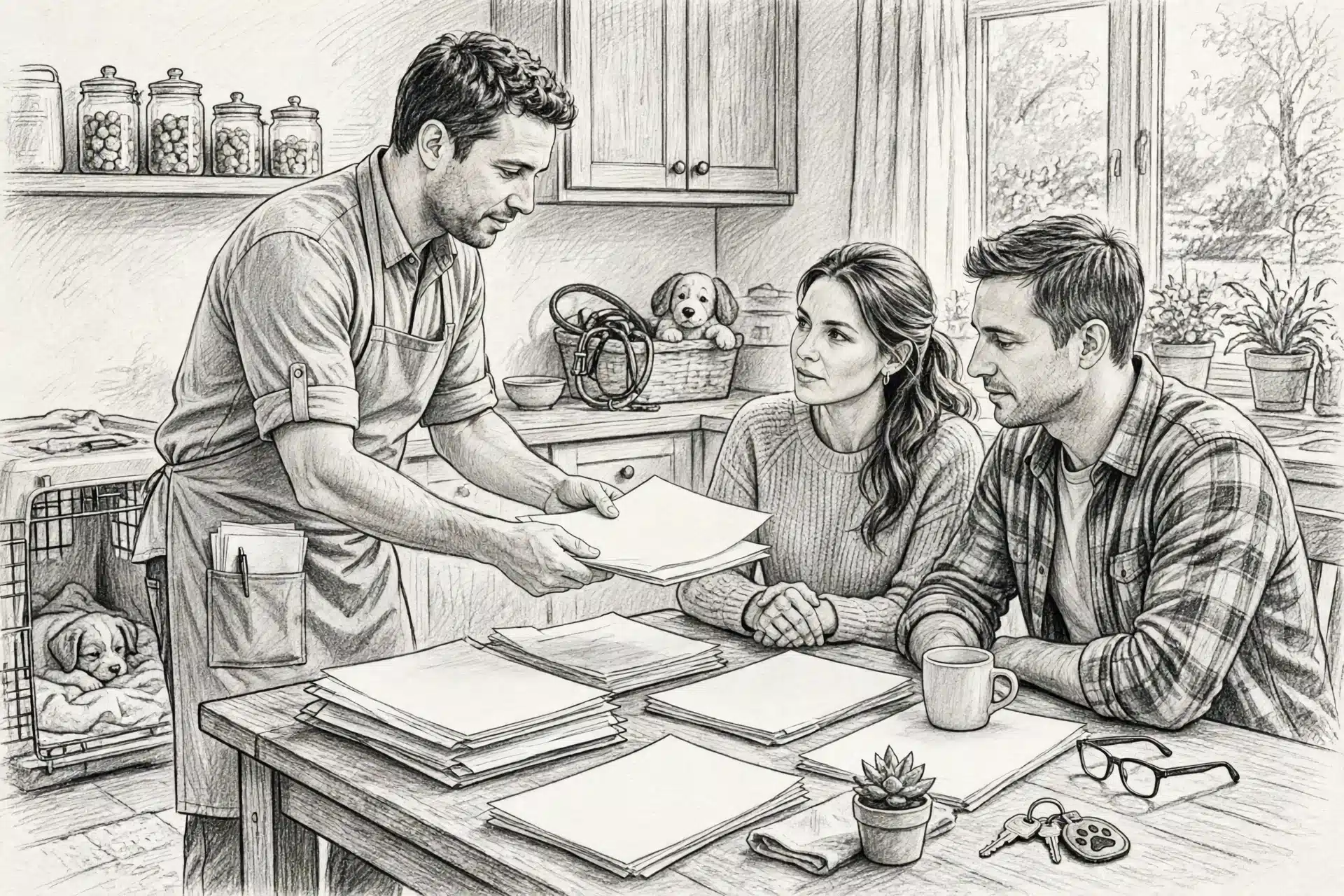
Watch for vague answers. “The vet checked them” is not health testing. A routine wellness visit does not screen for inherited disease. And aDNA results for only one parent are incomplete; both sides of a puppy’s pedigree matter.
Separate Parent Screening From the Puppy’s Veterinary Record
These are two different things, and a good breeder provides both. Parent testing tells you about risk the puppy inherited. The puppy’s own record tells you about care it received so far.
A puppy record should include a physical exam by a licensed veterinarian, age-appropriate vaccines, and deworming on a standard schedule. Ask for the dated paperwork, not just “yes, the vet saw her.” Most companion puppies go home after their first round of shots, around eight to ten weeks, so expect one exam visit and one or two vaccine entries. Anything more at that age is a bonus, not a requirement.
At our home-raised program in South Jordan, Utah, we share parent health results and each puppy’s veterinary record before families commit, so there are no surprises on pickup or delivery day.
Your checklist before visiting: parent test certificates, both parents listed by name, puppy exam record, and vaccine dates you can verify with the clinic.
Ask How Puppies Are Raised, Socialized, and Matched
The first weeks of a puppy’s life shape the dog you will live with for years. So this question matters more than coat color or price. A good breeder can describe a normal day in detail because their puppies live in the home, not in a kennel or barn out back.
Ask for Examples of Daily Care and Early Experiences
Ask the breeder to walk you through a typical day. Where do the puppies sleep? Who handles them, and how often? Good answers sound specific: puppies whelped in a bedroom, handled by children, exposed to household noise, and started on crate and potty training before they leave.
Then ask what the puppies have experienced by eight weeks. Strong programs follow early socialization steps like gentle handling, new surfaces, car rides, and meeting people of different ages. Vague replies like “they’re around people a lot” are a yellow flag. The breeder should be able to name real experiences, not generalities.
Ask for the puppy’s current routine too. Feeding schedule, sleep habits, and any start on house training all tell you how much work the breeder has already done for you.
Ask How the Breeder Describes Temperament and Fit
Every puppy in a litter is different, so a breeder who says “they’re all sweet” is not really answering. Ask which puppy is bolder, which one is a cuddler, and which would suit a home with young kids.
A thoughtful breeder asks about you in return: your schedule, other pets, activity level, and experience. That back-and-forth is a good sign, because matching is a two-way decision. Breeders who raise puppies in the home see these differences daily and can pair each puppy with the right family, which is how the process works at Sage Puppies.
If a breeder lets you pick any puppy on sight without discussing fit, slow down. The right match should feel guided, not rushed.
Review Timing, Records, Contract Terms, and Ongoing Support
Ask What Comes With the Puppy and When the Puppy Is Ready
Before you plan a drive across Mississippi, ask exactly what paperwork and supplies travel with the puppy. A good breeder answers without hesitation. You should hear about vaccination records with dates, a deworming history, a vet exam summary, and food the puppy already eats.
Then ask when the puppy can come home. Most ethical breeders release puppies around 8 to 12 weeks, because those extra weeks with the mother and littermates build confidence and bite control. If someone offers a 5-week-old puppy, walk away.
Tip: Ask for records before you visit, not after. A breeder who sends vaccination and health documents by email ahead of time is easy to trust.
Also confirm what happens if your travel date slips. Life happens, and a reasonable breeder will hold your puppy a few extra days with clear communication. Vague answers about timing or paperwork are a signal to keep looking.
Read the Agreement and Ask What Support Continues After Pickup
Get every promise in writing. A solid agreement covers the purchase price, deposit terms, a health guarantee window, and what happens if a vet finds a problem in the first days. Read it before you pay anything, and ask questions about anything unclear.
Then ask about support after pickup. Will the breeder answer a feeding question at week six? Do they want updates or photos? Breeders who raise dogs as a family commitment, like Sage Puppies with its Havanese puppies, stay in touch long after the puppy leaves, because a well-started dog reflects on their whole program.

Ask two closing questions before you commit: “Can I contact you after pickup?” and “What do you need from me if a health issue comes up?” The answers tell you whether this breeder sees you as a one-time sale or a lifetime placement. A confident, warm answer is exactly what you deserve.
Ready to meet a well-prepared puppy? See our available puppies and ask us any of these questions yourself.
Plan the Visit and Decide Whether to Proceed
You have asked the right questions and reviewed the paperwork. The visit itself is where impressions confirm or contradict what a breeder has told you. Go with a plan, not just good intentions, so you leave with real evidence instead of a warm feeling.
Use a Simple Visit-Day Observation Checklist
Watch the puppies before anyone notices you. Healthy pups move with purpose, play with each other, and recover quickly from startle. Runny eyes, coughing, a pot belly, or a litter that seems flat and sleepy all deserve a direct question.
Look for these signs during the visit:
- Clean, warm living space with room to move, toys, and soft bedding
- Puppies that approach people rather than cowering or hiding behind mom
- Mother dog present, calm, and healthy, since her temperament predicts a lot
- Willing answers to repeat questions, even the ones the breeder has clearly heard before
- Vet records, vaccination dates, and health test results offered without prompting
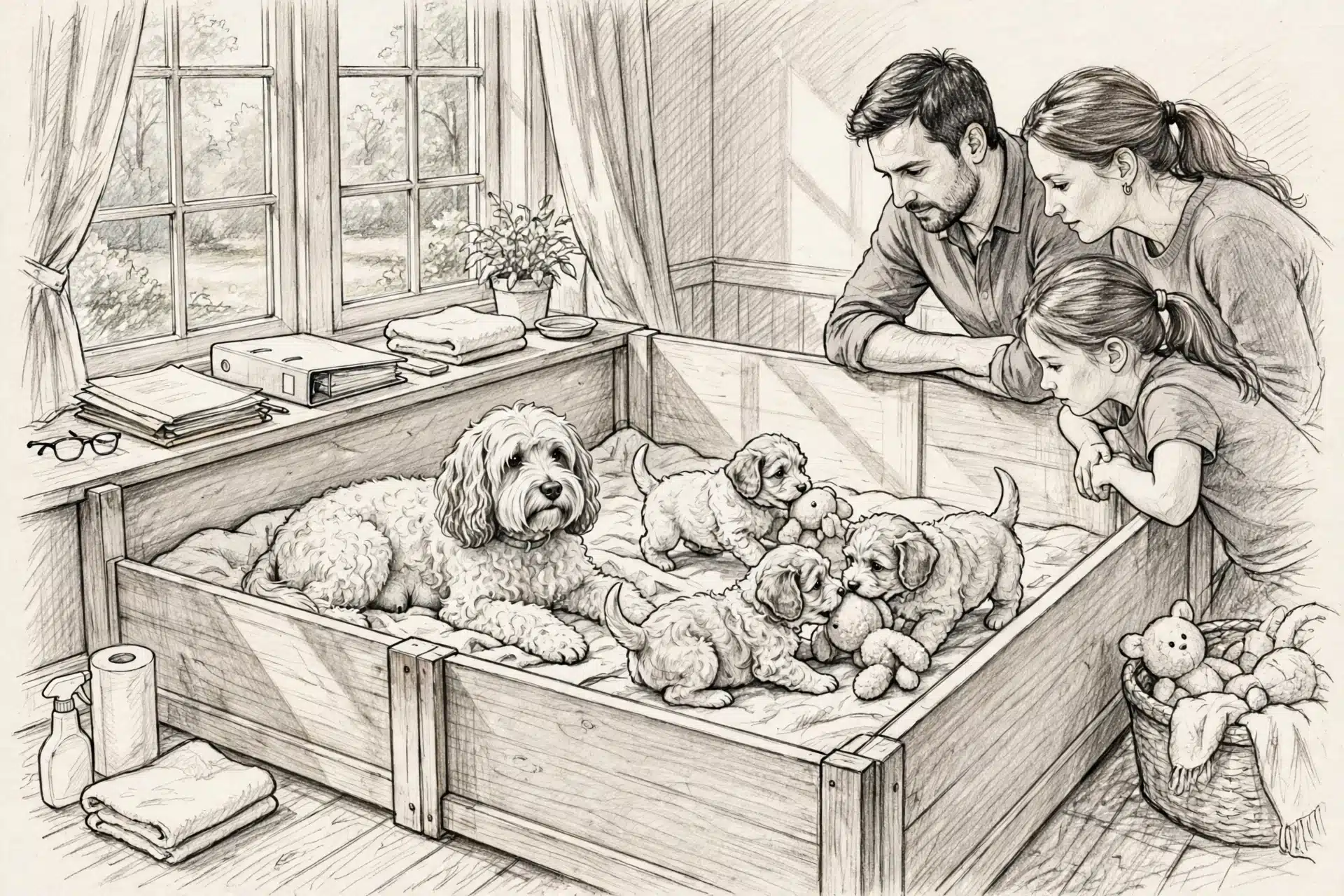
Ask to see where the puppies sleep. A breeder who raises pups at home, as we do in South Jordan, will usually show you without hesitation. Hesitation here is worth noting.
Choose a Next Step Without Rushing
A good breeder will never push you to decide on the spot. If you feel pressured to place a deposit before you have gone home and thought it through, treat that as data.
Plan a simple decision window before you arrive, such as 24 to 48 hours. During that time, review what you saw, talk it over as a family, and compare the litter against your wish list for temperament, size, and coat.
If the visit confirms what the breeder promised, take the next step with confidence. Review the available puppies and reserve the pup that fits your family, or ask about pickup and delivery options if you live outside Utah. When something feels off, walk away politely. The right litter is worth waiting for.

You deserve a puppy raised with the same care you plan to give it. That is how every litter is raised at Sage Puppies, with health-tested parents and early socialization in a family home in South Jordan, Utah, plus nationwide delivery to Mississippi. Meet our well-started Havanese, Havapoo, and Cavapoo puppies at Sage Puppies.
Frequently Asked Questions
Q1: What should I ask a Mississippi puppy breeder before visiting?
Ask to see both parents’ health testing records, where puppies are raised, vaccination and deworming history, and whether you can visit the home. Ethical breeders welcome these questions and answer them openly.
Q2: How do I verify a puppy breeder is legitimate in Mississippi?
Request vet references, check state kennel permits, and ask for recent photos or video calls showing the puppy with its mother. Avoid breeders who only meet in parking lots or rush your decision.
Q3: What health tests should puppy parents have in Mississippi?
Parents should have vet exams, current vaccinations, and breed-specific screenings for heart, eyes, knees, and hips. Ask for written results, not just verbal assurances, before you commit.
Q4: Is it safer to buy from a Mississippi breeder or out of state?
A reputable program with transparent records and delivery options can be safer than a nearby seller with no documentation. Focus on evidence, not mileage.
Q5: How old should a puppy be before coming home?
Puppies should stay with their mother until at least eight weeks. Early separation often causes anxiety, weak immunity, and harder potty training later.
Q6: What documents should I receive with my puppy?
Expect vaccination records, deworming dates, a vet health check summary, and feeding instructions. Written paperwork shows the breeder follows through.
Make Your Visit an Informed Next Step
A good breeder visit comes down to questions answered with proof, not promises. Ask about health testing, the parents’ temperament, socialization routines, and how the puppy has been raised so far. Then match each answer to the evidence in front of you: clean living areas, calm, well-handled puppies, and paperwork you can verify. Breeder responses tell you as much by how they’re given as by what they say. Vague answers deserve follow-up; evasive ones deserve a walk away. The same standards apply whether you’re visiting a Mississippi breeder in person or comparing an out-of-state program that family-raises Havanese, Cavapoo, and Havapoo puppies. If you’re weighing which breed fits your home best, our breed comparison guide can help. Trust what you can confirm, take your time, and choose carefully.