Quick Summary: New 2026 veterinary warnings stress that puppy seasonal risks like ticks, heat, and toxins now threaten year-round, not just in summer, so owners must watch for subtle symptoms like itching, vomiting, or heavy panting. Small breeds such as Havanese, Havapoo, and Cavapoo puppies dehydrate fast and hide illness, making early red flags like bloody diarrhea or pale gums a same-day vet emergency. The guide urges year-round parasite prevention, seasonal home audits, and a daily observation routine to catch problems before they escalate.
New 2026 puppy health warnings from veterinary groups point to rising risks from tick-borne disease, heat, and toxins. For small breeds like Havanese, Havapoo, and Cavapoo puppies, every puppy seasonal illness can start with easy-to-miss signs: itching, vomiting, weakness, or heavy panting. Because puppies explore with their mouths and dehydrate fast, dangerous dog symptoms can look like simple tiredness. This guide ranks puppy seasonal illness risks by urgency and helps you build a vet-ready plan.
The 2026 Warnings Put Year-Round Puppy Prevention in Focus
Puppy safety advice used to follow the calendar. The 2026 veterinary warnings don’t, and that changes how families should watch for puppy seasonal illness all twelve months.
What the 2026 parasite forecast says
The Companion Animal Parasite Council’s 2026 forecast projects Lyme disease, ehrlichiosis, anaplasmosis, and heartworm spreading into areas once considered low risk. Built on more than 10 million test results per disease each year, the forecast has topped 94% accuracy. Its core message: ticks feed 12 months a year, so “low risk” does not mean “no risk.” Even Mountain West states, including Utah, show growing ehrlichiosis and anaplasmosis pockets.
Why puppies need closer observation
Puppies have smaller bodies, less fat reserve, and immature immune systems. A parasite load or dehydration that an adult dog shrugs off can push a young puppy into trouble within hours. Watch closely for:
- Diarrhea or vomiting lasting more than a day
- Sudden low energy or refusal to eat
- Coughing, labored breathing, or pale gums
The AVMA now calls year-round prevention foundational, not optional. Consistent monthly protection and annual testing catch puppy seasonal illness before it escalates.
Also Read: Puppy Care Blog & Resources | Sage Puppies
The Symptoms That Should Prompt Immediate Veterinary Guidance
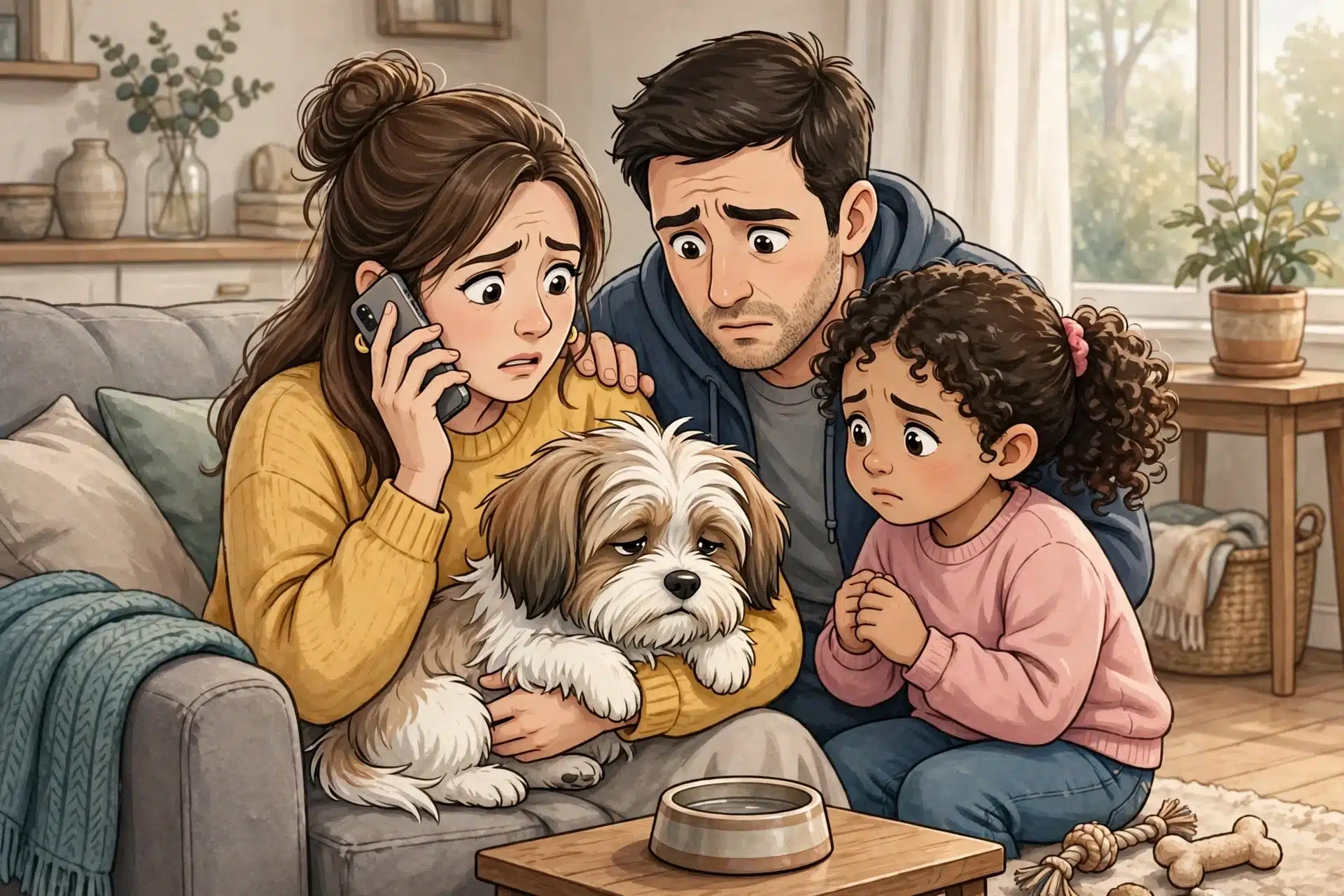
Some puppy symptoms need a vet the same day, not a wait-and-see weekend. Puppies dehydrate fast, and parvo can turn fatal in 48 to 72 hours without treatment.
Red flags families should not watch at home
Call your vet or an emergency clinic right away if your puppy shows any of these:
- Bloody, black, or foul-smelling diarrhea
- Vomiting plus diarrhea plus low energy
- Refusing food or unable to keep water down
- Pale, white, or grey gums
- Weakness, wobbling, or collapse
- Fever, or a puppy that feels cold
- More than three loose stools in an hour
Blood is not required for diarrhea to be serious. Vets warn against waiting for a dramatic stool change, because early parvo often starts with quiet signs like tiredness and appetite loss, then moves to vomiting and diarrhea within 24 to 48 hours, according to the Merck Veterinary Manual.
What to do after a suspected exposure
- Isolate the puppy now. Use a separate room away from other dogs, shared bowls, and bedding.
- Call before you go. The clinic may need a separate entrance to protect other patients.
- Describe everything. Mention age, vaccine status, and any known exposure.
- Follow their timing. If they say emergency hospital, go immediately.
Do not give human anti-diarrheal medicine or sports drinks. The AKC notes most untreated parvo cases are fatal, so early care matters most.
Why symptom timing can mislead owners
Parvo symptoms usually appear three to seven days after exposure, so a puppy can seem healthy while already sick and shedding virus.
Also Read: 10 Red Flags to Avoid When Visiting a Local Puppy Breeder
Spring Brings Allergies, Plants, Yard Chemicals, and Cleaning Risks
Spring opens up a whole new world for a puppy. It also opens up a new set of hazards. Pollen, bulbs, fertilizers, and cleaning products all spike at once. Here is what to watch for and how to stay ahead of it.
How seasonal puppy allergies usually appear
Puppies react to pollen and dust much like people do, just with different signs. Instead of sneezing fits, you will usually see skin trouble. Watch for:
- Constant scratching, licking, or chewing at paws
- Red, irritated skin or recurring ear infections
- Mild sniffling, sneezing, or watery eyes
The ASPCA notes that pets can be allergic to plants, pollens, and dust, and that a suspected allergy deserves a vet visit. If symptoms flare every spring, your vet can confirm the trigger.
Spring toxins that deserve a prevention plan
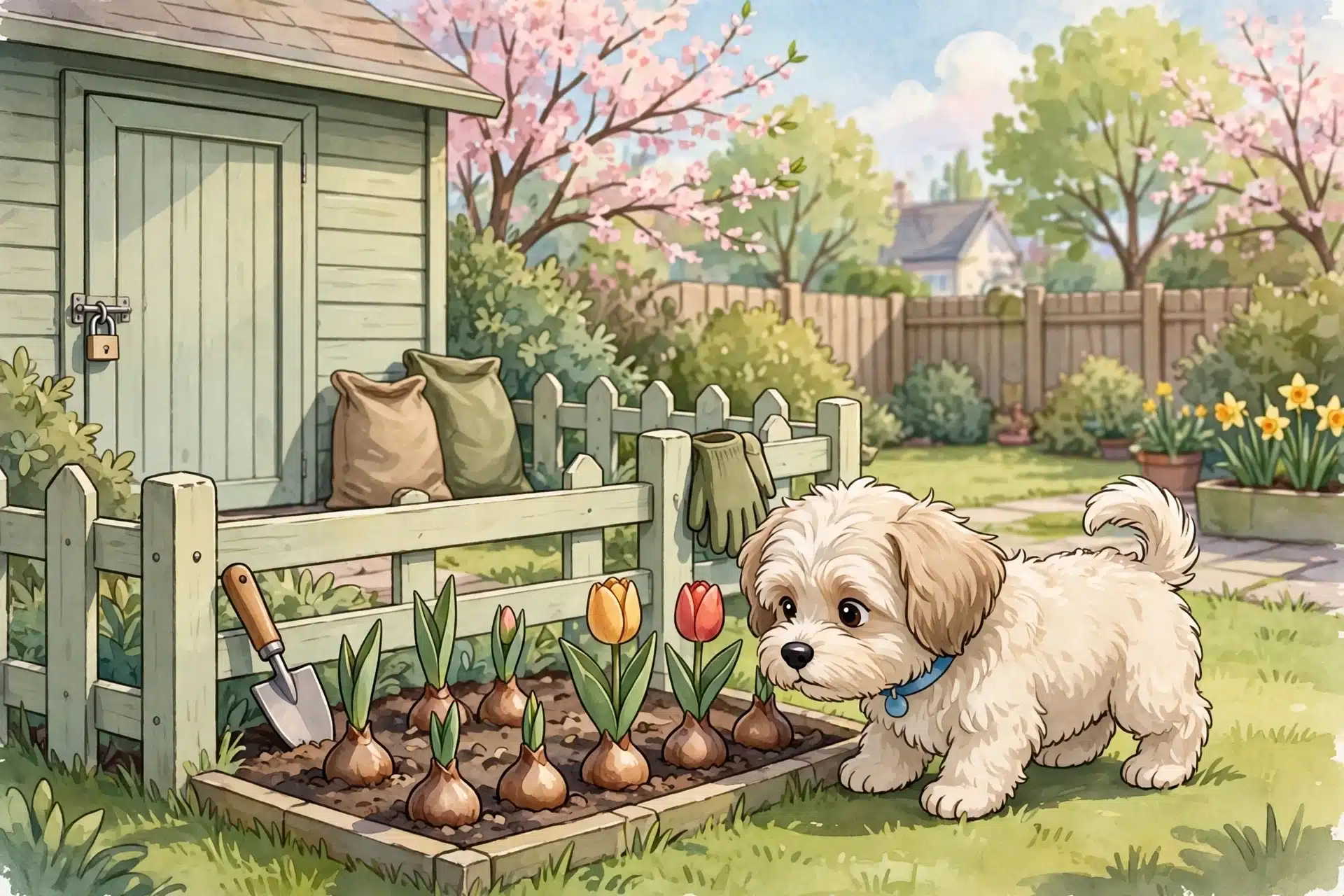
Many favorite spring plants are toxic to dogs. Tulips, hyacinths, irises, daffodils, and crocus all cause vomiting, diarrhea, and drooling, and the bulb is the most dangerous part, according to the ASPCA’s gardening safety guide. Fertilizer adds risk because blood meal and bone meal smell like food to a curious puppy.
Your prevention plan:
- Check the ASPCA’s toxic plant list before buying anything new.
- Fence off garden beds or skip risky bulbs entirely.
- Keep your puppy indoors while fertilizing, and follow all label directions.
- Store fertilizer and insecticide bags behind a locked door.
Household and holiday hazards
Spring cleaning brings its own problems. Most cleaners, even natural ones, contain ingredients that can harm pets. Keep your puppy out of the room while you clean, rinse surfaces well, and store bottles up high. Around Easter, keep chocolate, candy, plastic grass, and lilies out of reach. Confine your puppy during home projects too, since paints and solvents can burn skin. Small dogs reach more than you think.
Summer heat sneaks up on puppies. Small breeds like Havanese, Havapoo, and Cavapoo puppies sit close to the hot ground, so they warm up faster than the adults walking beside them. Plan around the heat instead of hoping for the best.
Recognizing heat stress before collapse
Early signs show up before your puppy ever stumbles. Watch for:
- Heavy or nonstop panting that does not slow after 5 to 10 minutes of rest
- Drooling, thick saliva, or a long, hanging tongue
- Seeking shade, lying down mid-play, or refusing to move
- Bright red gums, restlessness, or weakness
If you see these, move your puppy into air conditioning, offer water, and wet the body with cool (not ice-cold) water in front of a fan. According to Cornell’s veterinary team, vomiting, confusion, seizures, or collapse mean a trip to the vet right away. Do not wait for your puppy to “shake it off.”
Safer walks, play, and car travel
Walk early in the morning or after sunset. Try the 10-second test: if you cannot hold the back of your hand on the pavement for 10 seconds, it can burn your puppy’s pads. Grass and shaded trails are safer choices, and the AVMA reminds owners to skip the midday hours entirely and pack water for both of you. Never leave a puppy in a parked car, even briefly, even with the windows cracked.
Pools, ponds, and outdoor water
Supervise every swim. Puppies tire fast, and pool ladders are hard for small legs to climb out of. Use a dog ramp, rinse off chlorine afterward, and keep ponds off-limits until you know what grows in them.

Also Read: How to Keep Puppies Safe During Extreme Weather and Temperature Changes
Ticks, Fleas, Mosquitoes, and Seasonal Illness Are Not Just a Summer Problem
Puppy families often treat parasites as a June problem. The data says otherwise. The 2026 CAPC Pet Parasite Forecast projects Lyme disease, ehrlichiosis, anaplasmosis, and heartworm all expanding into areas once considered low risk, and many tick species stay active whenever temperatures rise above freezing.
What expanding vector risk means for puppy families
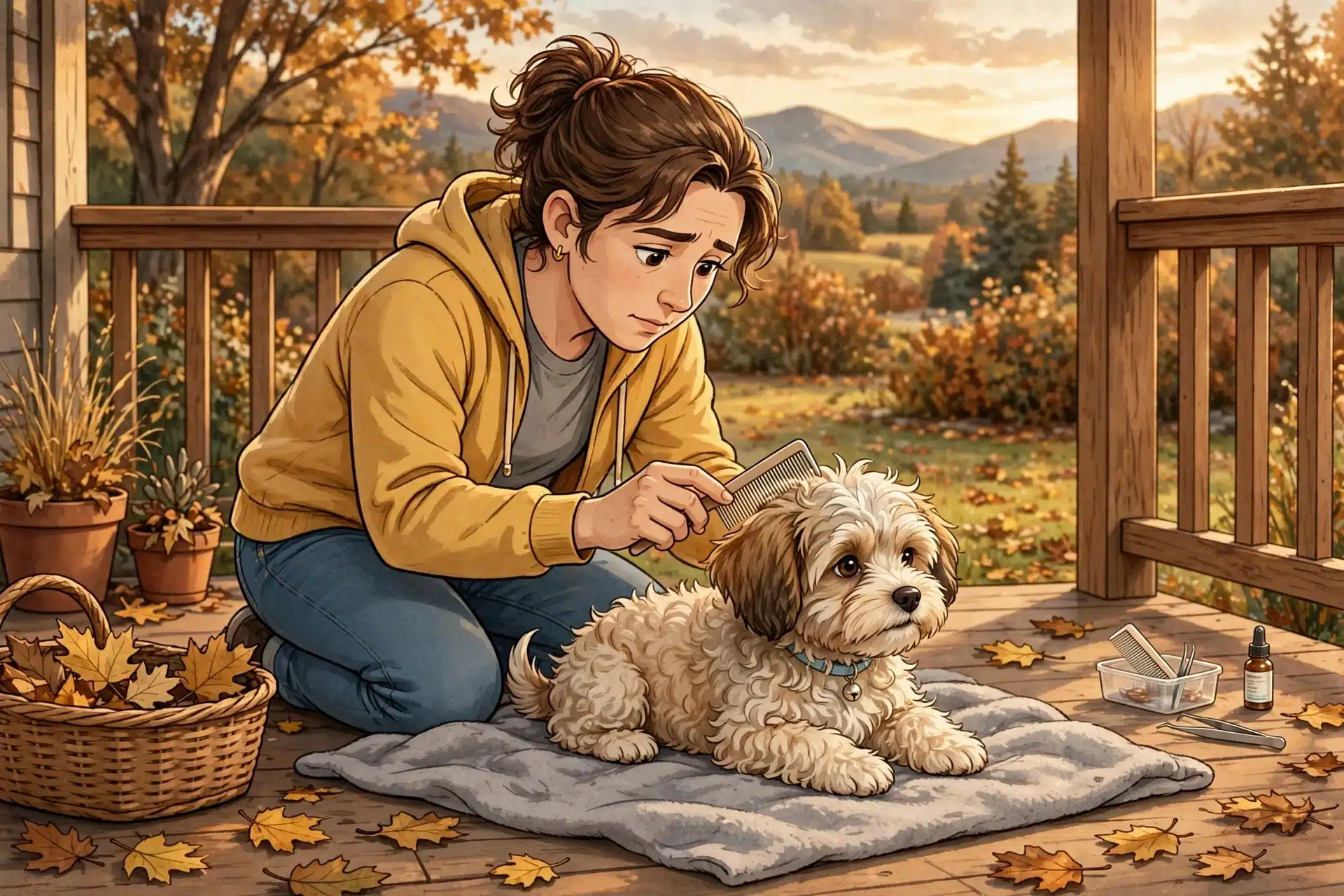
“Vector” is a simple idea: a bug that carries disease from one animal to another. Ticks, fleas, and mosquitoes are the big three for dogs. Warmer winters and shifting wildlife patterns now keep these pests active in more months and more states, including Utah, where the 2026 forecast flags growing ehrlichiosis risk. Small breeds like Havanese, Havapoo, and Cavapoo puppies spend plenty of time close to the ground, in grass, and in leaf litter, right where ticks wait. Some ticks can even live indoors year-round.
Symptoms that can be easy to miss
Early vector-borne illness is quiet. Watch for:
- Low energy after normal play
- A cough that lingers a few days
- Less interest in food
- Stiff joints or a limp that comes and goes
- Pale gums, which can signal flea-related blood loss in a tiny puppy
Building a prevention schedule with the veterinarian
Ask your vet for a plan that covers all 12 months, not just summer:
- Year-round flea, tick, and heartworm prevention, sized for your puppy’s weight
- Annual heartworm and tick-borne disease testing
- A quick tick check after every outdoor walk
Also Read: 10 Signs a California Puppy Listing Is a Scam – Sage Puppies
Fall and Winter Add Cold, Salt, Antifreeze, and Holiday Risks
Cold weather brings its own list of puppy dangers. Watch for ice melt salt, antifreeze puddles, frozen water bowls, and short walks that leave small breeds shivering.
Cold-Weather and Sidewalk Exposure
Small puppies lose body heat fast. Keep winter walks short and use a coat when temperatures drop near freezing. Road salt and ice melt irritate paws and can cause life-threatening electrolyte imbalances if licked. Rinse paws with warm water after every walk, and choose pet-safe ice melt for your own driveway.
Antifreeze is the biggest winter poison risk. Its sweet taste attracts dogs, and even a tablespoon or two can be fatal. Clean spills in the garage right away and steer your puppy away from driveway puddles.
Holiday Foods, Decorations, and Visitors
Holiday gatherings tempt puppies with dropped food and shiny decorations. Chocolate is the top cause of pet poisonings at Christmas, and grapes, raisins, macadamia nuts, and turkey bones are all dangerous too.
- Keep candy, wrapped gifts, and trash cans out of reach
- Skip tinsel, glass ornaments, and low-hanging lights
- Watch holly, mistletoe, and poinsettias around curious noses
- Ask guests to keep medications zipped inside closed bags
Some holiday snow globes even contain ethylene glycol, the same toxin as antifreeze.
Fireworks, Open Doors, and Escape Prevention
New Year’s Eve fireworks, party poppers, and loud music can frighten a young puppy. Give your pup a quiet interior room with a crate or bed before celebrations start.
Front doors open constantly when guests arrive. Put your puppy in a safe room first, double-check gate latches, and keep a collar with an ID tag on. A microchip adds a second layer of protection.
A Seasonal Puppy Safety Plan Families Can Use at Home
A good safety plan has three parts: a one-time audit, a daily habit, and a ready emergency kit. Each takes under an hour.
The home-and-yard audit
Walk your house at puppy eye level once per season. Look for new risks as weather changes: antifreeze drips in fall, hot pavement in summer, holiday plants in winter. Seasonal puppy safety guidance recommends locking up toxins, supervising outdoor time, and adjusting routines by season. Check fence gaps, cords, trash cans, and low cabinets.
The daily observation routine
Spend two minutes each morning checking basics before the day starts.
- Note appetite, energy, and mood.
- Look at gums, eyes, and coat.
- Check paws after every outdoor play session.
- Record anything odd, like paw licking or scratching.
Small puppies hide early illness, so a written pattern of symptoms helps your vet act fast.
The emergency information kit
Keep one folder or phone note with your vet’s number, the nearest 24-hour animal ER, your puppy’s vaccine records, current weight, and any medications. Add a muzzle-free first-aid pouch in the car. Update it after every vet visit.
Also Read: Havanese, Havapoo & Cavapoo Puppy Care Blog
Why Seasonal Puppy Warnings Keep Evolving
Puppy health warnings used to follow a simple calendar. Not anymore. Warmer winters and shifting weather now let ticks and mosquitoes stay active longer, so vets keep updating their advice each year.
From fixed seasons to changing exposure patterns
For years, tick season meant summer and heartworm season meant warm months. The 2026 CAPC Pet Parasite Forecast now projects Lyme, heartworm, ehrlichiosis, and anaplasmosis spreading into areas once considered low risk. Some ticks even stay active in winter. Research on heartworm risk projects the danger climbing in new regions through 2100. That is why “seasonal” warnings keep changing shape.
Why local veterinary advice remains essential
National headlines give you the big picture, but risk varies county by county. Your local vet knows which threats are active in your area right now, including here in Utah. Ask them which preventives your puppy needs and when. At Sage Puppies, we encourage every family to schedule a vet visit within days of bringing a puppy home, whether you pick up in South Jordan or receive nationwide delivery.
Key point: “Low risk” does not mean “no risk.” Year-round prevention and annual testing are now the standard of care.

Spotting a sick puppy early starts with choosing one raised right. At Sage Puppies, our health-tested Havanese, Havapoo, and Cavapoo puppies come home confident and well-started. See our Available Puppies or apply today – pickup in South Jordan, Utah, or delivery nationwide.
Frequently Asked Questions
Q1: What are common seasonal health risks for puppies?
Heatstroke, dehydration, parasites, foxtail seeds, pollen allergies, and holiday toxins like chocolate top the list. Puppies under six months dehydrate fast, so watch water intake and limit outdoor time during heat waves.
Q2: How can I spot symptoms of seasonal allergies in my puppy?
Look for itchy skin, paw licking, watery eyes, sneezing, and ear redness. Unlike humans, puppies usually show allergies through their skin. Call your vet if scratching disrupts sleep or skin looks raw.
Q3: What are the signs of poisoning in puppies during spring?
Vomiting, drooling, wobbling, tremors, or sudden tiredness are red flags. Spring brings fertilizers, mulch, and toxic plants. If you suspect poisoning, call a vet or pet poison hotline immediately.
Q4: When should a puppy symptom become an emergency?
Trouble breathing, seizures, collapse, repeated vomiting, or bloating mean go now. Don’t wait overnight to see if it passes.
Q5: How do I protect my puppy from heat?
Walk early morning or evening, always offer shade and fresh water, and test pavement with your hand. Flat-faced and small breeds overheat faster.
Q6: What should I ask a breeder about puppy health?
Ask about parent health testing, vaccinations, deworming, and what the puppy ate. Ethical breeders answer openly. At Sage Puppies, every Havanese, Havapoo, and Cavapoo puppy goes home with a clear health history.
Conclusion
Seasonal danger is predictable, and that is good news. Heat, cold, toxins, and holiday chaos follow a pattern, so a prepared family can spot trouble early. Vets report preventable warm-weather emergencies like heatstroke, burned paws, and toxic algae every year, while antifreeze remains a fast-acting winter threat. Small breeds like Havanese, Havapoo, and Cavapoo puppies have less margin for error, but simple habits cover most of the risk: check the ground, adjust walks, secure chemicals, and act fast on warning signs. Preparedness, not worry, keeps your puppy safe in every season.