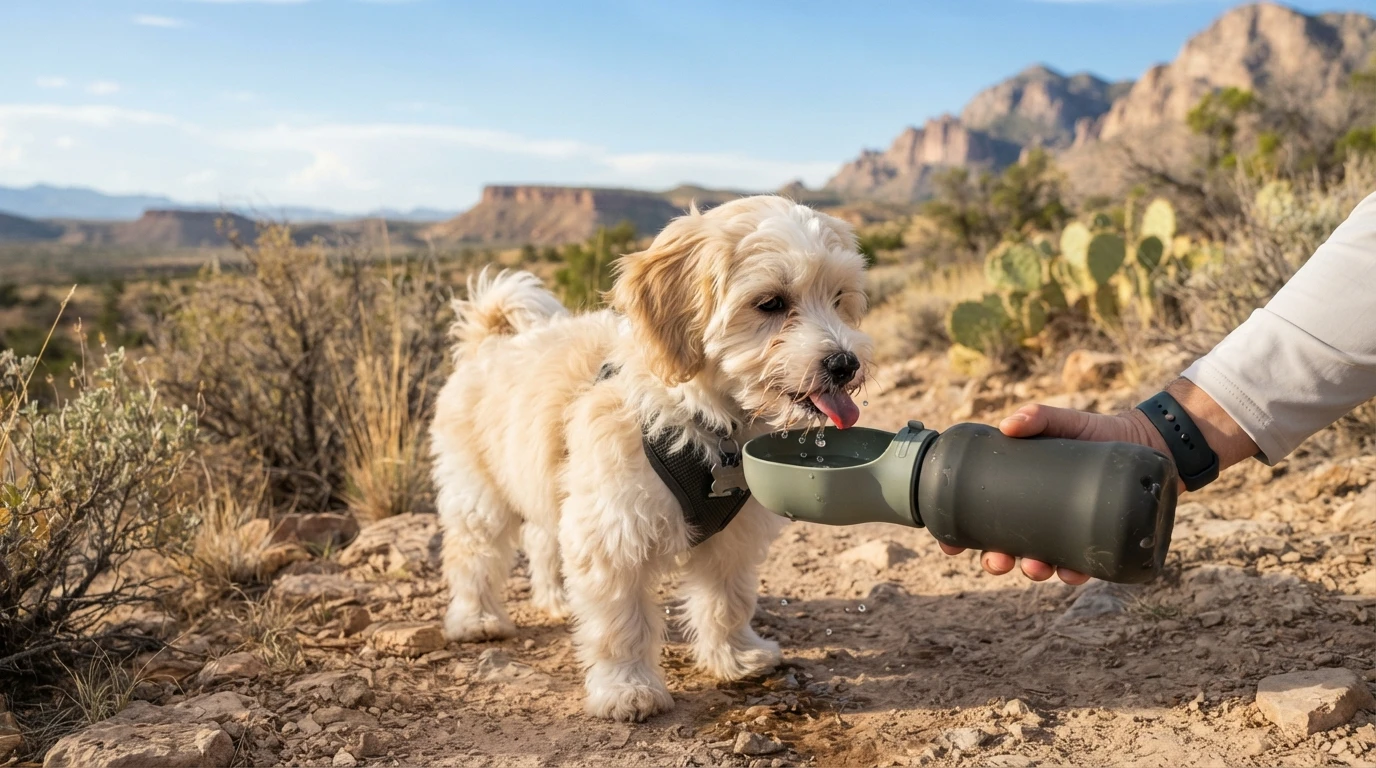
Quick Summary: Puppies face deadly seasonal risks-like overheating on pavement or swallowing toxic plants-that can strike in minutes. Heat is the fastest killer, so always check pavement with your hand and avoid midday walks, while winter demands quick paw rinses after salted sidewalks. Small breeds like Havanese or Havapoos need extra vigilance: a single lick of antifreeze or a 10-minute car sit in summer can be fatal. The article ranks hazards by urgency, with holiday chaos (chocolate, fireworks) and algae-filled ponds as sneaky threats. Prevention boils down to three rules: lock up toxins, supervise outdoor time, and adjust routines by season-no generic advice works for every puppy.
A small puppy in South Jordan may play in a pollen-heavy spring yard, step onto hot July pavement, then meet ice melt and holiday guests before its first birthday.
Most new owners plan for food, crate training, and potty breaks. Yet seasonal hazards can affect a puppy within minutes. Small companion dogs may overheat fast, get chilled on a short walk, lick chemicals from their paws, or swallow a tempting plant or decoration.
This ranked guide covers eight risks to prepare for first: puppy seasonal allergies, summer heat, winter cold, parasites, toxic plants and products, holiday dangers, outdoor water, and travel or escape concerns. You will also learn where summer puppy risks and winter puppy hazards need extra care.
The ranking weighs how fast each issue can become serious, how often families face it, how at-risk young small dogs may be, and how much simple planning can help. Watch for signs of puppy seasonal allergies, but discuss symptoms and treatment choices with your veterinarian.
Seasonal Puppy Safety at a Glance
| Hazard | Best for | Highest-risk season | Early warning signs | First prevention step |
|---|---|---|---|---|
| Extreme heat, hot pavement, and parked cars | Summer walks, play, road trips, and outdoor family time | Summer, especially hot or humid days | Heavy panting, drooling, restlessness, wobbling, abnormal gums | Use cool-hour outings and never leave the puppy in a parked car |
| Toxic plants, lawn products, and household chemicals | Gardening, spring cleaning, home improvement, and yard access | Spring and fall, with year-round household exposure | Vomiting, drooling, diarrhea, weakness, tremors, unusual behavior | Secure plants and chemicals before allowing puppy access |
| Cold, ice, salt, and antifreeze | Snow walks, Utah winters, road travel, and icy sidewalks | Winter and freezing fall or spring weather | Shivering, paw lifting, curling up, reluctance, cracked pads | Shorten outings and clean paws immediately afterward |
| Fleas, ticks, mosquitoes, and related disease | Yards, parks, hikes, travel, and warm-weather routines | Spring through fall, depending on local conditions | Scratching, flea dirt, attached ticks, scabs, lethargy | Ask the veterinarian for an age- and weight-appropriate plan |
| Puppy seasonal allergies and skin irritation | Families noticing recurring itching or irritation outdoors | Spring and fall, with variation by allergen | Paw licking, scratching, red skin, ear irritation, watery eyes | Record patterns and schedule a veterinary assessment |
| Holiday foods, decorations, visitors, and fireworks | Thanksgiving, winter holidays, Halloween, July celebrations, and parties | Fall and winter holidays, plus summer fireworks | Vomiting, diarrhea, drooling, hiding, panic, chewing, escape attempts | Set up a secure quiet zone before guests or decorations arrive |
| Pools, ponds, blue-green algae, and outdoor water | Pools, lakes, camping, boating, and summer outings | Summer and warm early fall | Coughing, weakness, vomiting, distress, unusual fatigue | Provide constant supervision and clean drinking water |
| Seasonal travel, open doors, and routine disruption | Puppy pickup, delivery, road trips, moves, storms, and house guests | Year-round, especially holidays and severe weather | Pacing, hiding, panting, refusal to eat, escape attempts | Plan secure transport, identification, contacts, and a calm routine |
What to know about seasonal puppy safety
Seasonal puppy safety is not about keeping your puppy indoors. It means changing daily routines as weather, plants, pests, holidays, travel, and home activity shift through the year.
Young puppies need closer watch than adult dogs. They explore with their mouths, miss signs that they are tired, and may struggle more with heat, cold, long car rides, and busy gatherings.
A simple plan helps you spot risks before they become emergencies. Watch your puppy’s behavior, keep routines steady, and adjust walks, playtime, and supervision as each season changes.
Small companion breeds can still face big seasonal risks. A calm, prepared approach helps your Havanese, Havapoo, or Cavapoo stay safe while enjoying family life.
1. Extreme heat, hot pavement, and parked cars
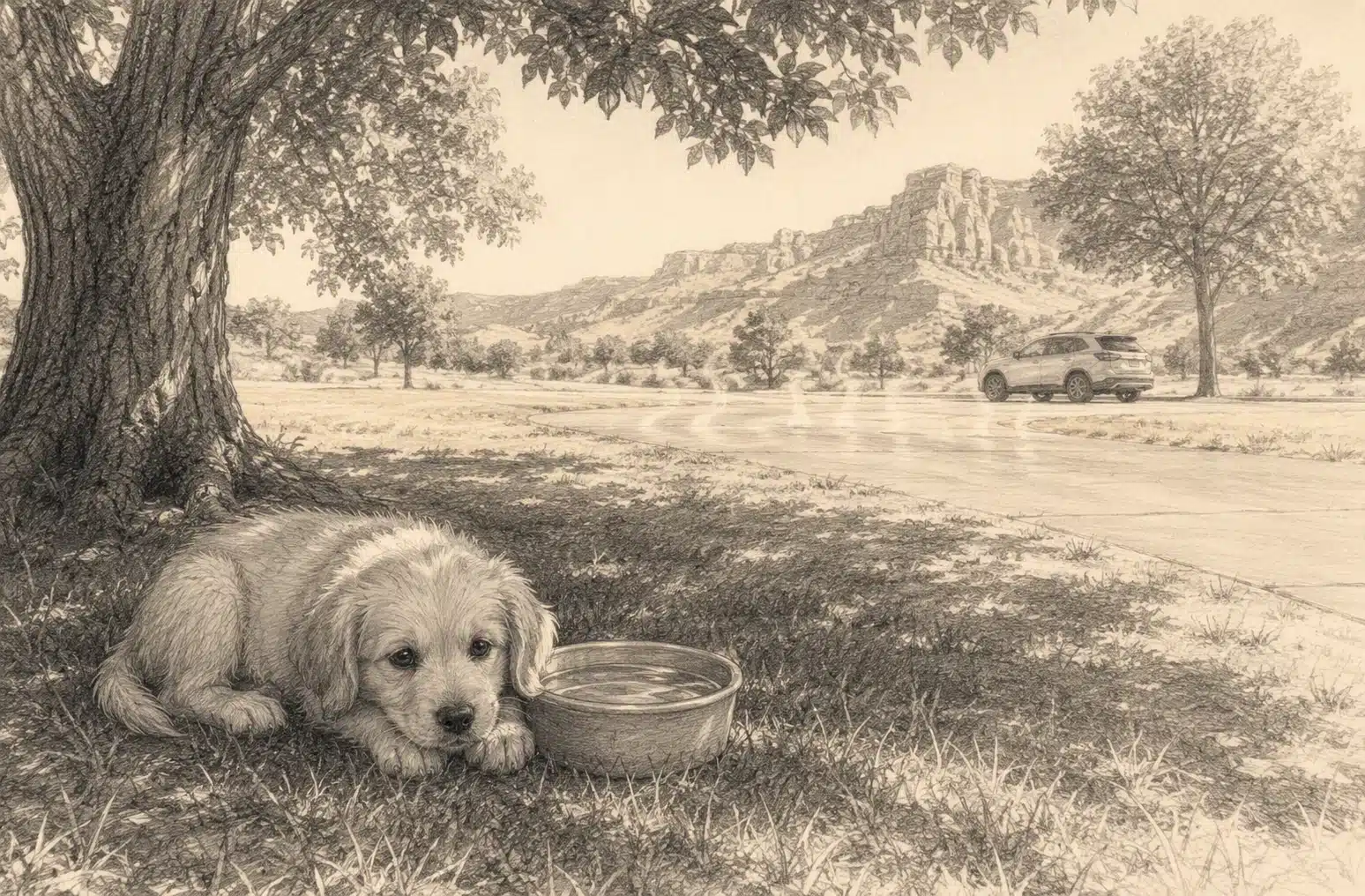
Summer heat can overwhelm a young puppy before a walk feels long to you. Small companion puppies can overheat during Utah outings, humid travel days, active play, or car rides.
Highlights
- Plan walks and play for early morning or later evening. Bring fresh water, find shade, and offer rest breaks.
- Check pavement with your hand first. Choose grass or indoor enrichment if it feels hot. The AVMA warns that hot asphalt can burn paws.
- Never leave a puppy in a parked car. Shade and cracked windows do not make it safe, as vehicle temperatures can rise quickly.
Specs
- Best for: Summer walks, play, road trips, and outdoor family time
- Highest-risk season: Summer, especially hot or humid days
- Early warning signs: Heavy panting, drooling, restlessness, wobbling, or abnormal gums
- First prevention step: Use cool-hour outings and never leave your puppy in a parked car
Pros
- Routine changes prevent most heat exposure.
- Indoor games offer a safe hot-day option.
Cons
- Heat can become dangerous before people feel uncomfortable.
- Puppies may keep playing when they need rest.
Treat collapse, severe weakness, breathing trouble, or abnormal gum color as an emergency.
This ranks first because heat stress can worsen fast and cause serious harm, yet it is highly preventable.
Last updated: August 28, 2026
Also Read: Maine Puppy-Proofing Checklist for a Safe First Week
2. Toxic plants, lawn products, and household chemicals
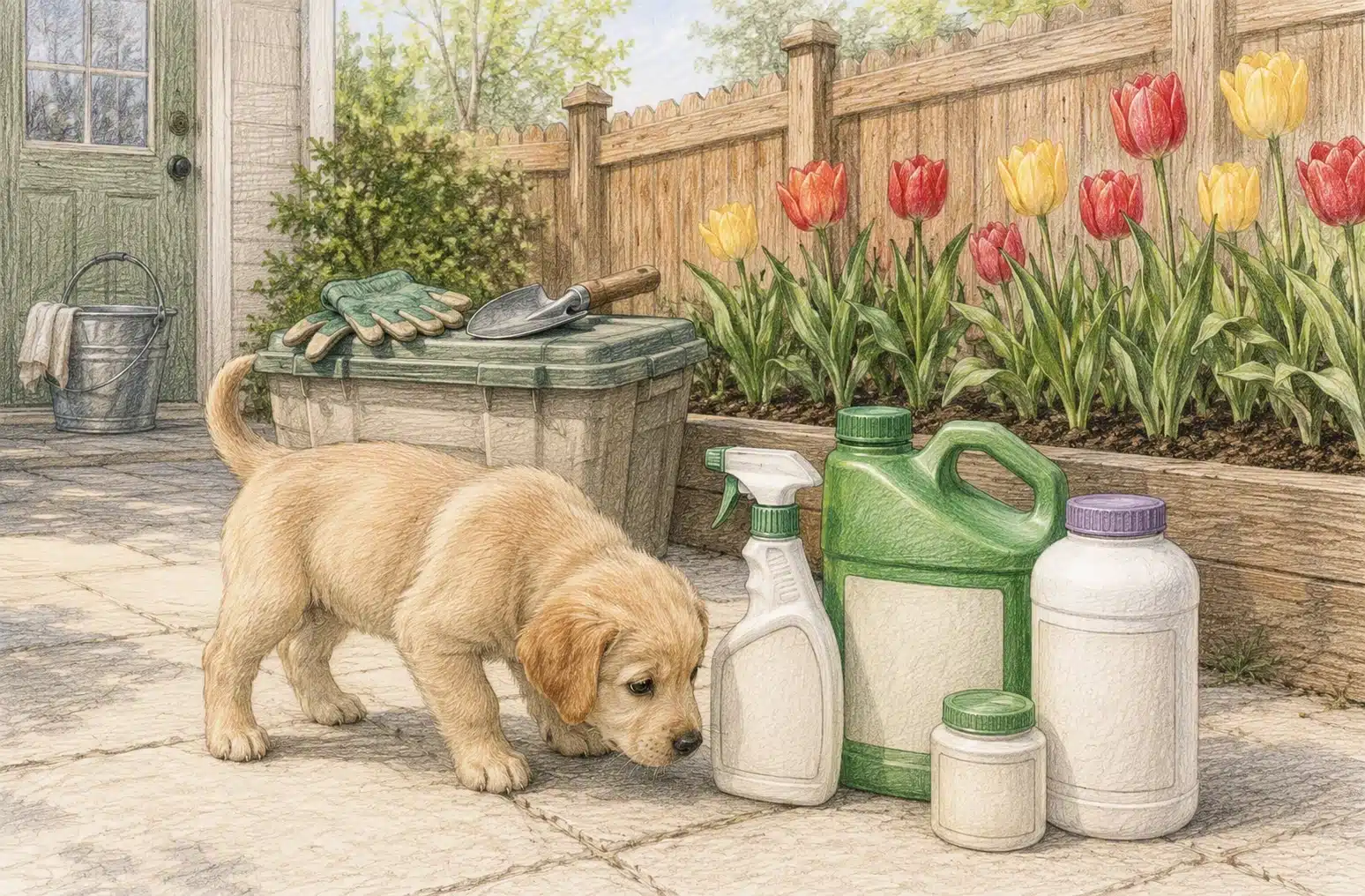
Spring gardening and seasonal cleaning put tempting toxins within a curious puppy’s reach. A quick home and yard audit prevents far more harm than watching for symptoms later.
Highlights
- Check indoor plants, flower beds, mulch, sheds, garages, and compost before puppy yard access. Tulip, hyacinth, iris, and daffodil bulbs are especially risky if eaten, according to the ASPCA’s garden safety guide.
- Lock up fertilizer, herbicides, insecticides, cleaners, and rodenticide. “Natural” or pet-friendly labels still require careful reading and storage.
- Keep puppies off treated grass and garden beds for the exact time on the product label.
- Fence off cocoa mulch and compost. Cocoa mulch can cause chocolate-like toxicity, while moldy compost may lead to tremors or seizures, notes the ASPCA.
Specs
- Best for: Gardening, spring cleaning, home projects, and yard access
- Highest-risk season: Spring and fall, with year-round household exposure
- Early warning signs: Vomiting, drooling, diarrhea, weakness, tremors, unusual behavior
- First prevention step: Secure plants and chemicals before puppy access
Pros
- A full audit removes many risks before exposure.
- Labels and veterinary guidance give clear prevention steps.
Cons
- Some toxins cause delayed signs.
- Plant names and product ingredients can be hard to confirm later.
If your puppy may have eaten a plant or chemical, call a veterinarian or poison-control professional right away. Do not wait for symptoms or induce vomiting unless directed.
This ranks high because toxic exposure can be silent at first, while puppies investigate new smells with their mouths.
Last updated: August 28, 2026
Also Read: 10 Adorable Havapoo Colors You Need to See (2026)
3. Cold, ice, salt, and antifreeze
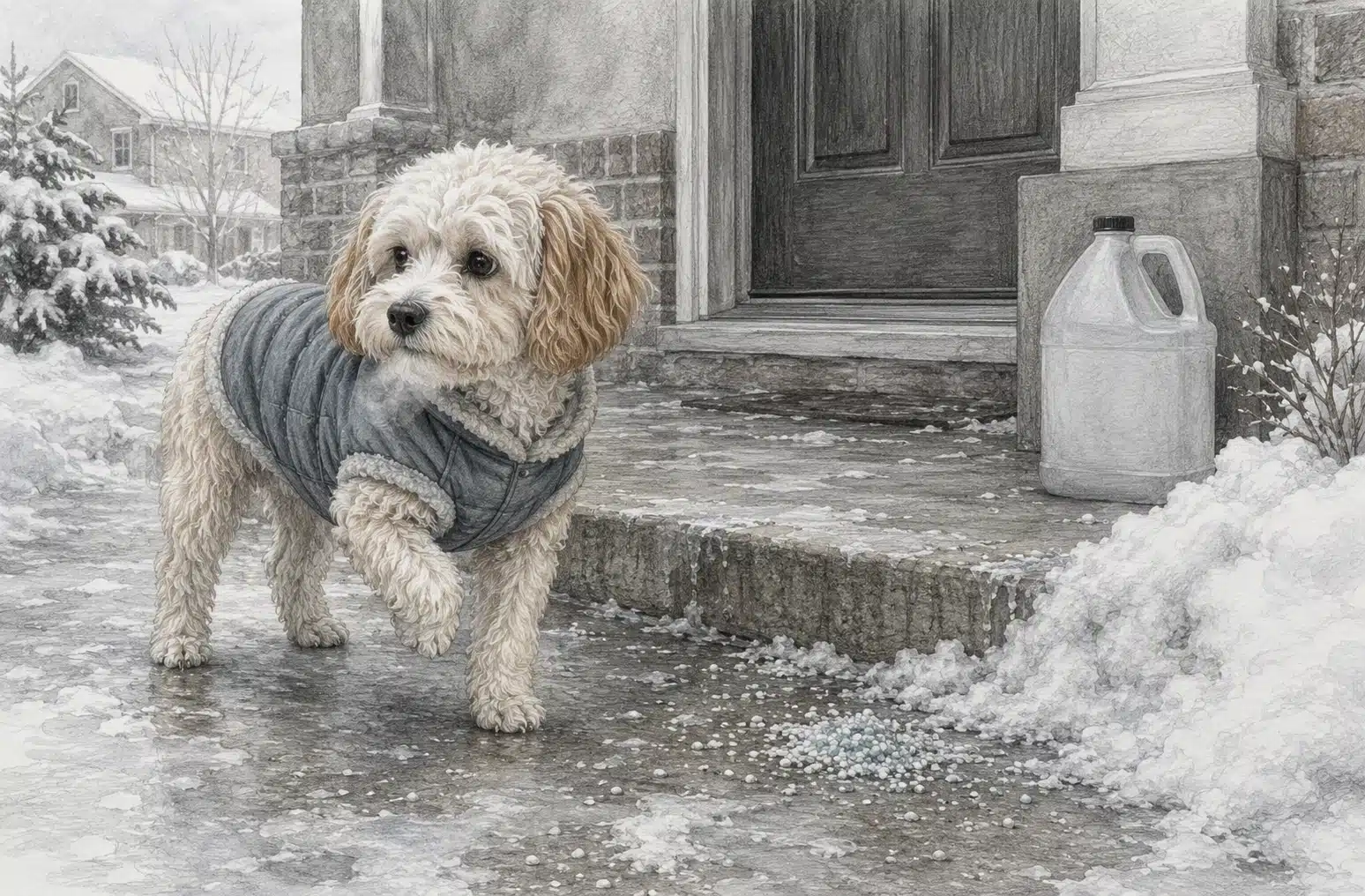
Winter puppy hazards include freezing air and chemicals left behind after a storm. Small puppies can chill fast when wind, wet fur, or icy ground are involved.
Highlights
- Keep outings brief. Bring your puppy inside at shivering, paw lifting, curling up, or reluctance to walk.
- Use a dry, fitted coat or boots with supervision, not as a reason to stay out longer.
- Wipe or rinse paws, legs, and belly after every walk. Ice melt can irritate paws and cause illness if licked.
- Keep puppies off frozen ponds and away from garage spills, open de-icer bags, and slushy curb snow.
Specs
- Best for: Snow walks, Utah winters, road travel, and icy sidewalks
- Highest-risk season: Winter and freezing fall or spring weather
- Early warning signs: Shivering, paw lifting, lethargy, reluctance, and cracked pads
- First prevention step: Shorten outings and clean paws right away
Pros
- A towel by the door and quick paw check cut cold and chemical exposure.
- Indoor training and play can replace long walks.
Cons
- Cold tolerance shifts with coat, health, wind, and wetness.
- Antifreeze can be fatal in small amounts, so store it securely and treat any suspected exposure as urgent. Ethylene glycol is highly toxic to pets.
Cold and winter chemicals are easy to underestimate, especially for small puppies.
Last updated: August 28, 2026
4. Fleas, ticks, mosquitoes, and related disease
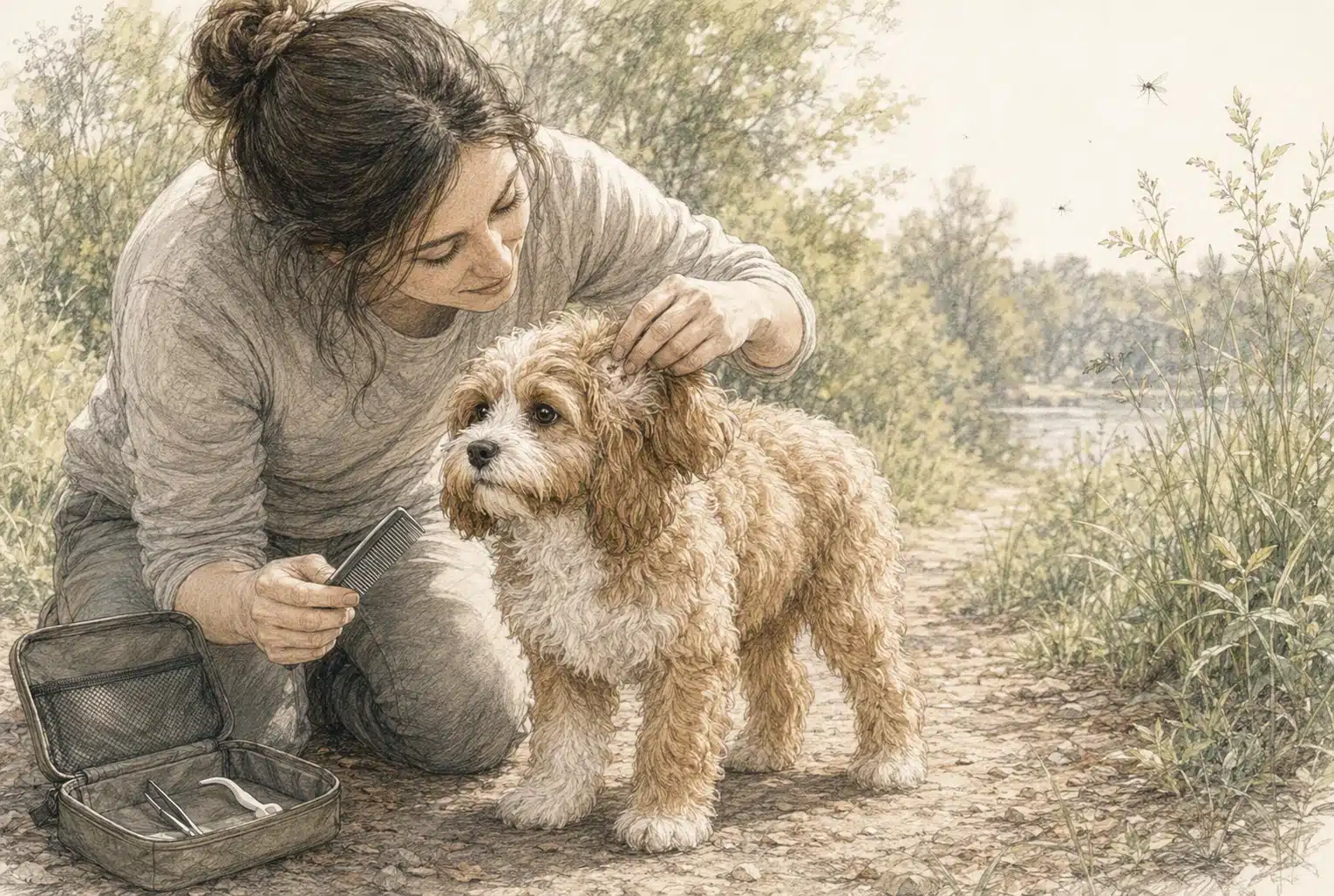
Warmer weather brings parasites that irritate puppies and can spread disease. Fleas may trigger itching and scabs, ticks can attach after outdoor play, and mosquitoes spread heartworm.
Highlights
- Ask your veterinarian about a puppy flea and tick prevention plan based on age, weight, home area, travel, and routine. Parasite products are not one-size-fits-all, notes the American Veterinary Medical Association.
- Check ears, paws, armpits, belly, and coat after parks, tall grass, hikes, or new places.
- Never use a product for another species or the wrong weight range.
- Track each dose and bring prevention records to wellness visits.
Specs
- Best for: Yards, parks, hikes, travel, and warm-weather routines
- Highest-risk season: Spring through fall, based on local conditions
- Early warning signs: Scratching, flea dirt, attached ticks, scabs, lethargy
- First prevention step: Ask the veterinarian for an age- and weight-appropriate plan
Pros
- Consistent prevention beats reacting after an infestation.
- Quick daily checks cost nothing.
Cons
- The right plan varies by puppy and region.
- Heartworm risk exists nationwide because mosquitoes can carry it, including indoors, according to the AVMA.
This ranks here because young puppies can become uncomfortable or ill before owners spot the problem.
Last updated: August 28, 2026
Also Read: 10 Red Flags to Avoid When Visiting a Local Puppy Breeder
5. Puppy seasonal allergies and skin irritation
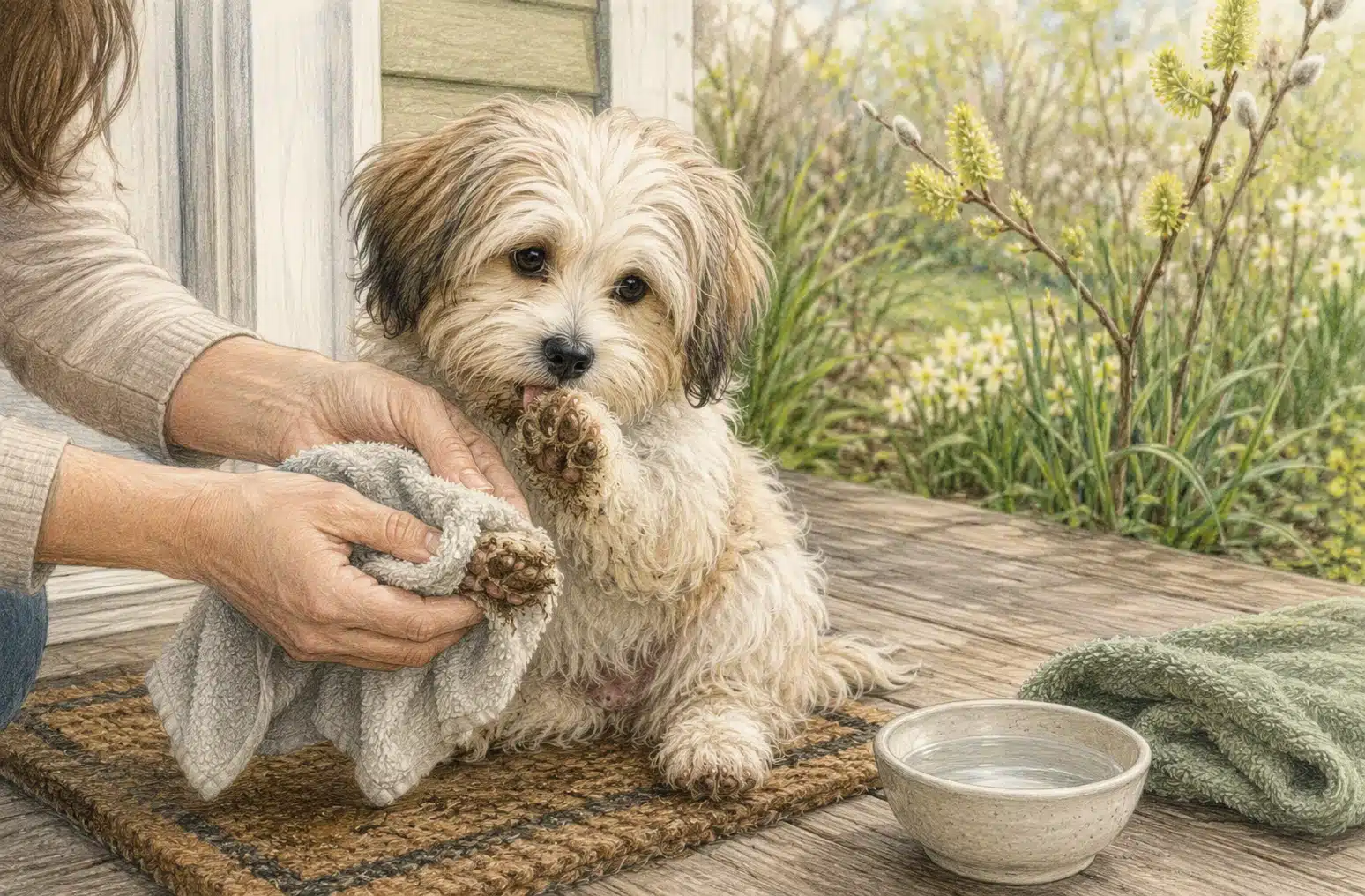
Pollen, grasses, molds, and flea exposure may show up on a puppy’s skin before the nose. Puppy seasonal allergies can cause paw licking, scratching, face rubbing, red skin, ear irritation, watery eyes, or sneezing.
Highlights
- Rinse or wipe paws and coat after outdoor time, then wash bedding often and keep sleep areas clean and dry.
- Track dates, walk spots, foods, grooming products, and symptoms. Itching often affects paws, face, and ears.
- Ask your veterinarian before using human allergy medicine or supplements. Fleas, mites, food reactions, infection, and contact irritation can look similar.
Specs
- Best for: Families seeing repeat itching after outdoor time
- Highest-risk season: Spring and fall, depending on the trigger
- Early warning signs: Paw licking, red skin, ear irritation, watery eyes
- First prevention step: Record patterns and book a veterinary assessment
Pros
- Pattern notes help your vet narrow likely triggers.
- Simple cleaning may improve comfort.
Cons
- Skin symptoms overlap with several health issues.
- Care should fit your puppy’s age and health.
Seek prompt veterinary care for hair loss, sores, ear odor, or facial swelling.
This ranks here because ongoing itching can harm the skin barrier and lead to infection.
Last updated: August 28, 2026
Also Read: 10 Must-Ask Questions Before Buying a Puppy Locally
6. Holiday foods, decorations, visitors, and fireworks
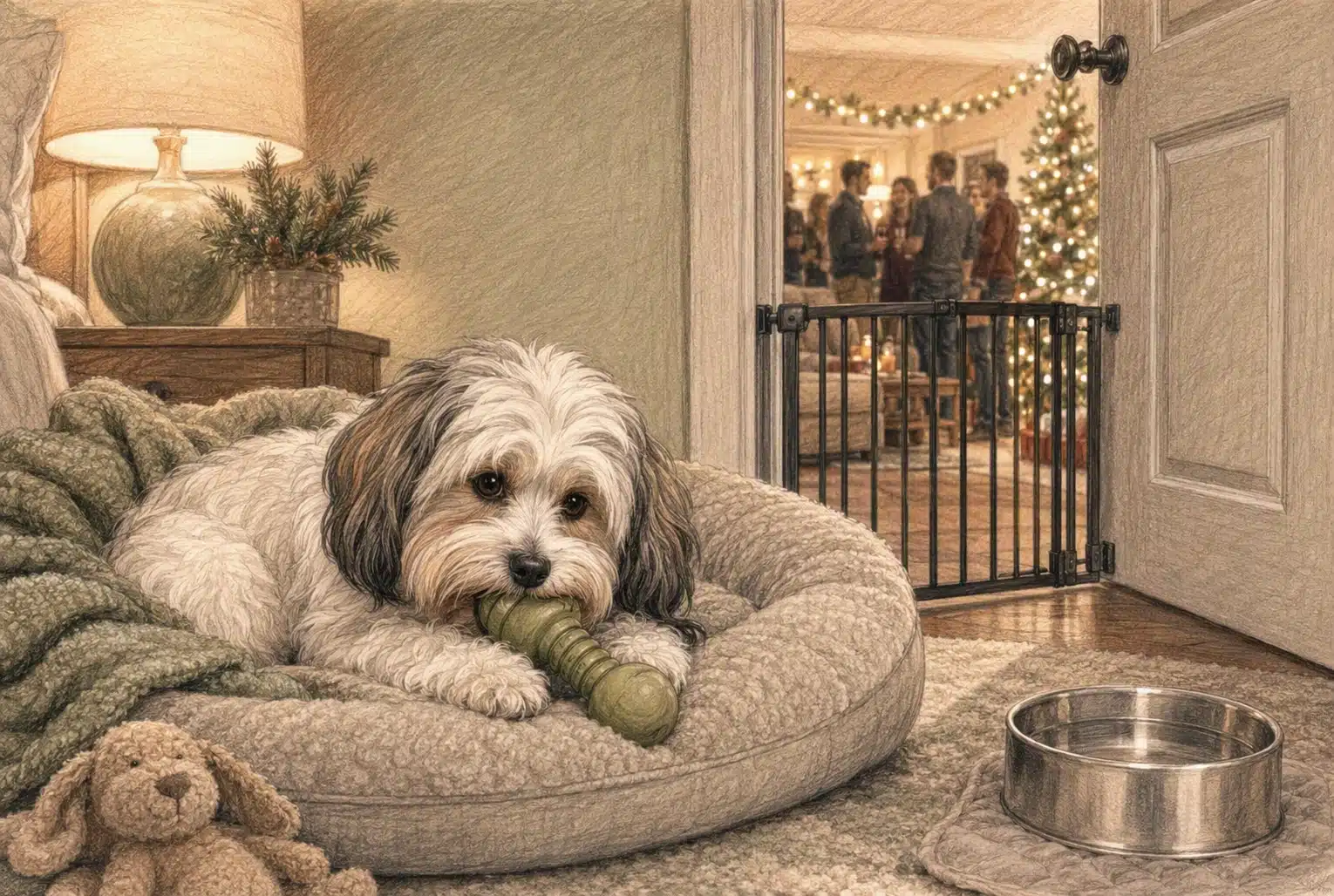
Celebrations create a concentrated mix of toxic foods, tempting objects, loud noise, and open doors. Set up a secure quiet zone before guests or decorations arrive.
Highlights
- Keep chocolate, xylitol treats, grapes, raisins, onions, garlic, alcohol, fatty foods, cooked bones, dough, trash, and guest medications out of reach. ASPCA food safety guidance explains why several can cause serious harm.
- Lock away batteries, cords, ribbons, tinsel, ornaments, candles, holiday plants, and tree water. Tell guests not to feed your puppy.
- Give your puppy a gated room or crate area with water and a safe chew. Keep a leash at the door, follow normal meals and potty breaks, and supervise introductions.
- After fireworks, inspect the yard for debris before potty time. Fireworks safety tips also recommend an indoor, calm retreat.
Specs
- Best for: Thanksgiving, winter holidays, Halloween, July celebrations, and parties
- Highest-risk season: Fall and winter holidays, plus summer fireworks
- Early warning signs: Vomiting, diarrhea, drooling, hiding, panic, chewing, or escape attempts
Pros
- Gates, supervision, and a quiet retreat prevent several problems at once.
- A steady routine helps puppies cope with busy homes.
Cons
- Guests and children may miss safety rules.
- Swallowed objects may need urgent veterinary care.
This ranks here because one holiday plan can reduce poisoning, choking, burns, fear, and escape risks.
Last updated: August 28, 2026
7. Pools, ponds, blue-green algae, and outdoor water
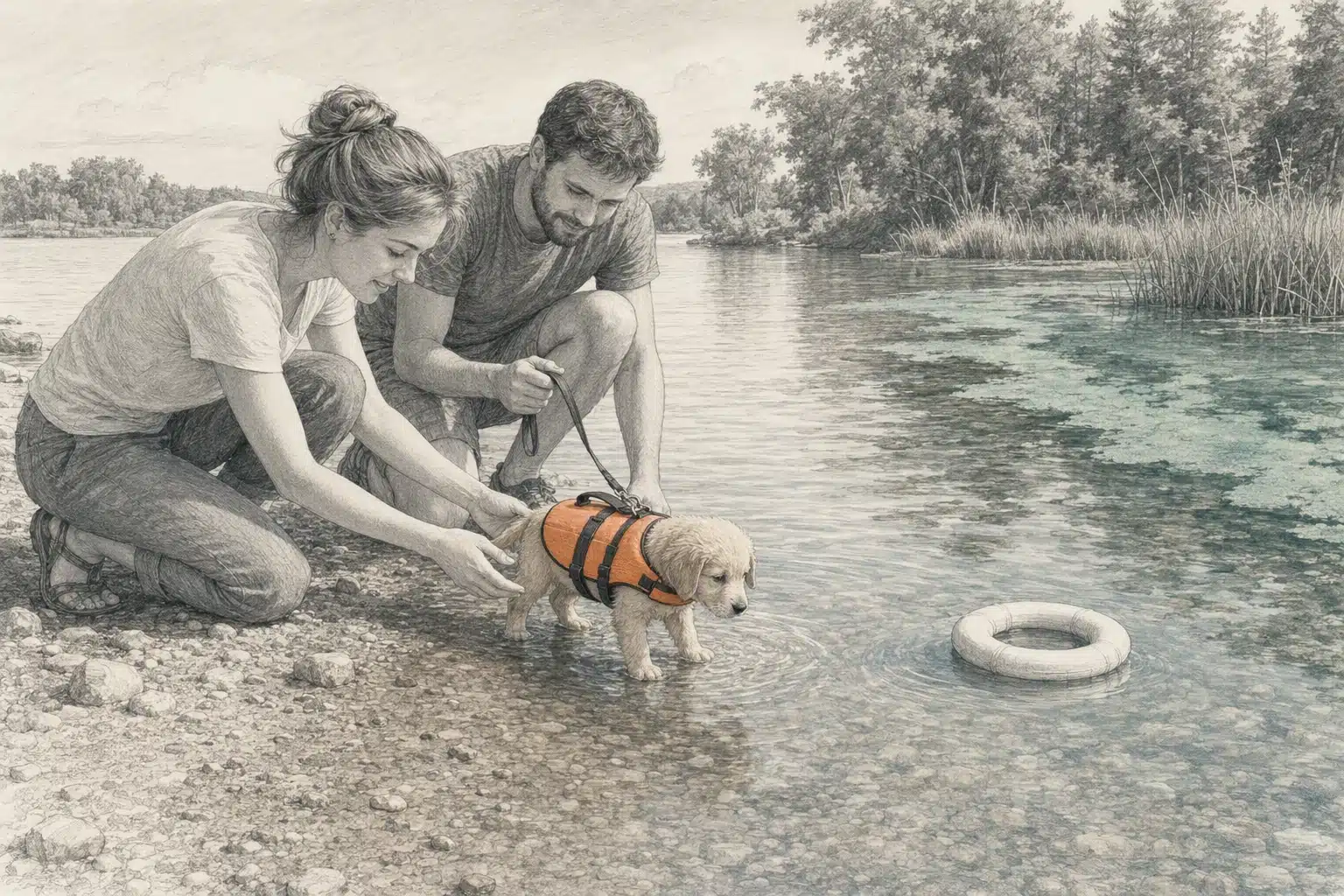
Water play is safe only with close supervision and clean, controlled water. Puppies can fall in, panic, tire fast, or drink unsafe water.
Highlights
- Never assume a puppy can swim safely because it is a dog. Use a secure pool barrier, show the exit, and stay within reach.
- Bring fresh water and shade. Do not let your puppy drink from pools, puddles, or lakes.
- Avoid green, scummy, foul-smelling, or discolored water. EPA guidance warns that harmful blooms can look like foam, mats, or floating paint.
Specs
- Best for: Pools, lakes, camping, boating, and summer outings
- Highest-risk season: Summer and warm early fall
- Early warning signs: Coughing, weakness, vomiting, distress, unusual fatigue
- First prevention step: Constant supervision and clean drinking water
Pros
- Barriers and supervision prevent many accidents.
- Fresh water reduces unsafe drinking.
Cons
- Puppies can tire or panic quickly.
- Water quality may change without warning.
Rinse and dry your puppy after swimming. If algae exposure is possible, call your veterinarian promptly. Pets can get sick from drinking, swimming in, or licking contaminated water.
This ranks here because water risks are less common than heat or toxins, but can become emergencies quickly.
Last updated: August 28, 2026
Also Read: 7 Seasonal Puppy Safety Rules for Hot Summer Days
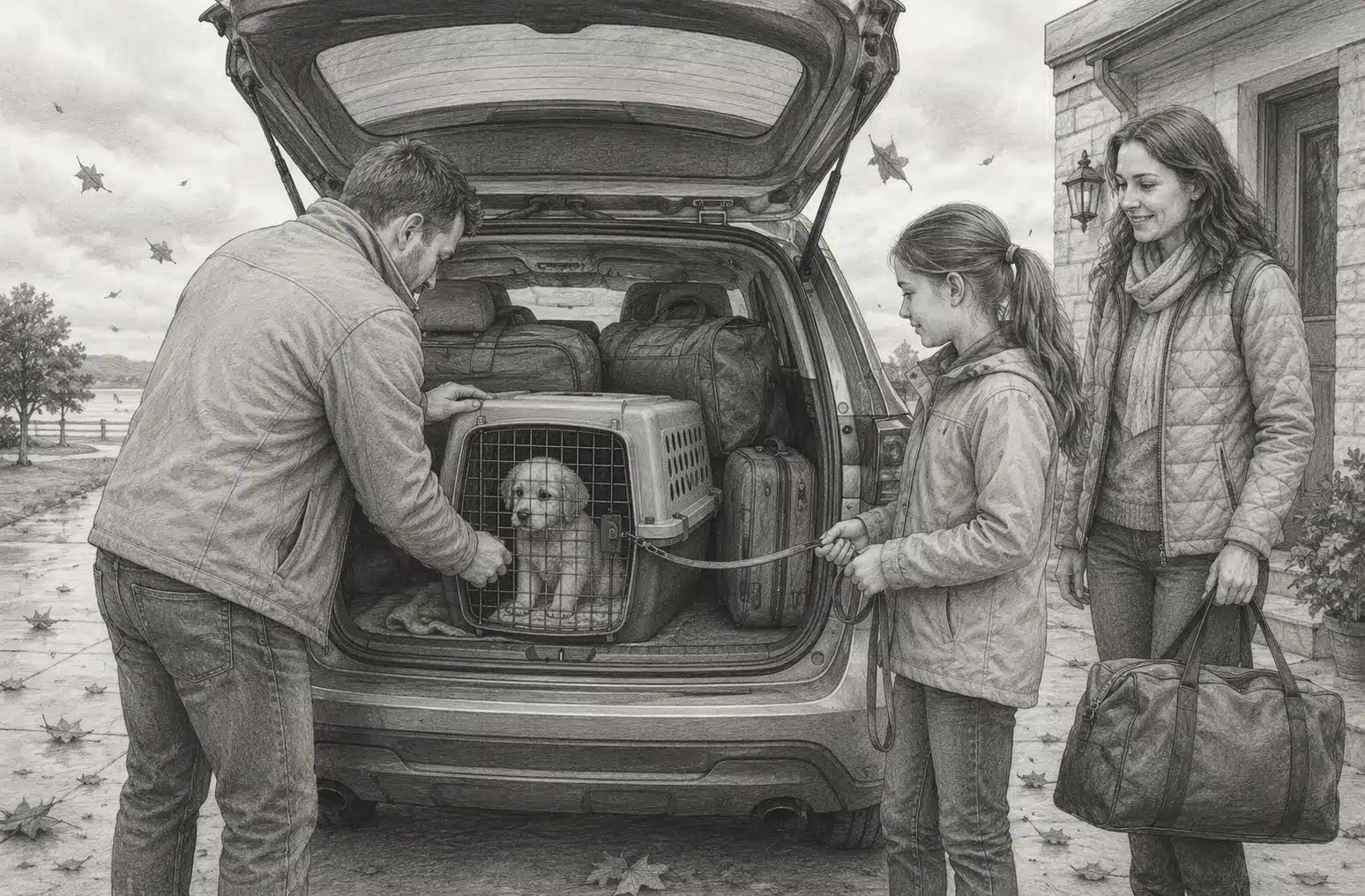
8. Seasonal travel, open doors, and routine disruption
A changed schedule can make an ordinary day risky for a puppy. Guests, open doors, road trips, storms, pickup, and delivery all call for a simple safety plan.
Highlights
- Use a secured crate or vehicle harness. Loose pets can distract drivers and be hurt in a sudden stop, notes the AVMA vehicle safety guide.
- Update collar tags and microchip contacts. A chip only helps if its registration is current, according to the AVMA.
- Set up a quiet arrival space with familiar food, bedding, potty breaks, and rest.
- Keep veterinary contacts, records, and medication instructions handy.
Specs
- Best for: Pickup, delivery, road trips, moves, storms, and house guests
- Highest-risk season: Year-round, especially holidays and severe weather
- Early warning signs: Pacing, hiding, panting, skipped meals, escape attempts
- First prevention step: Plan secure transport, ID, contacts, and a calm routine
A written plan ranks here because travel can quickly add stress, weather risk, and escape risk.
Last updated: August 28, 2026
Also Read: 10 Signs a California Puppy Listing Is a Scam – Sage Puppies
How to choose the right seasonal safety plan
Build the plan around your puppy, not a generic chart. Small, young puppies may struggle with heat and cold, so keep outdoor trips short and closely watched.
Use these five criteria:
- Puppy needs: Consider size, age, coat, health history, and how well your puppy handles warm or cold weather.
- Your setting: South Jordan families should plan for dry heat, hot pavement, snow, ice melt, and cold wind. Traveling families also need safe transport and weather checks.
- Veterinary guidance: Ask your vet about vaccines, parasite prevention, allergies, safe exercise, medicines, and urgent warning signs.
- Home setup: Before each season, lock up chemicals, check plants, fences, screens, heating, and cooling. Set up a quiet retreat for guests or loud holidays.
- Indoor backup: Use short training sessions, food puzzles, scent games, gentle play, and rest when conditions are unsafe.
A puppy does not need a long outdoor outing every day. Safe, focused indoor activity still meets important needs.
For Havanese, Havapoo, or Cavapoo families, Sage Puppies is a strong starting point because its home-raised approach supports a thoughtful transition. Review available puppies, breed details, the application, pricing and reservation, pickup or delivery, and family reviews before choosing your plan.

A well-started puppy makes every season easier to handle. Sage Puppies raises Havanese, Havapoo, and Cavapoo puppies in a home setting, with health-tested parents and early social time. Explore available puppies, learn about pickup or nationwide delivery, and take the next step when your family is ready.
Frequently Asked Questions
Q1: What are the most common seasonal hazards for puppies in spring?
Spring brings fleas, ticks, standing water, lawn chemicals, mushrooms, and fast-rising pollen. Wipe paws after walks, block access to treated yards, and ask your vet about parasite prevention before outdoor time increases.
Q2: How can I protect my puppy from summer heat dangers?
Walk during cooler morning or evening hours, offer fresh water, and use shade. Never leave a puppy in a parked car. Hot pavement can burn paws, so check it with your hand before heading out.
Q3: What winter risks should I watch for with my new puppy?
Watch for cold stress, ice melt, frozen ponds, and antifreeze leaks. Small puppies chill quickly. Keep potty trips short, rinse paws afterward, and use a secure leash near icy surfaces or open water.
Q4: Which holiday items are dangerous for puppies?
Chocolate, xylitol gum, alcohol, rich foods, candles, batteries, ribbons, and discarded bones can cause real harm. Set up a quiet puppy-safe room before guests arrive, and keep bags, plates, and decorations off the floor.
Q5: How should I prepare for seasonal emergencies?
Save your vet and nearest emergency clinic numbers. Keep a carrier, leash, water, food, medications, records, and a basic first-aid kit ready. Practice calm car rides so an urgent trip feels less overwhelming.