
Quick Summary: Star ratings on Indiana breeder reviews measure service, not ethics, so buyers must verify claims with evidence like OFA health test records, live visits, and contracts. The article advises reading review patterns, meeting the mother dog, and checking registration status, since Indiana only requires registration for breeders with over 19 unaltered females. It also notes that programs like Sage Puppies offer nationwide delivery with transparent health testing, making distance less important than the breeder’s practices.
A five-star puppy review can tell you a buyer felt supported. It cannot show whether the parents were health tested or let you see where the litter was raised. That gap is the problem with most Indiana breeder reviews: they measure service, not ethics. This guide shows you how to read reviews the right way, which claims to verify, and what separates a caring home program from a puppy mill with good marketing. We connect every review signal to evidence you can check yourself, from health testing records to how Indiana dog breeders register their litters. Use this method before your Indiana puppy adoption so you choose with confidence, not just hope. It works whether you are comparing Indiana dog breeders or reviewing out-of-state programs.
How to Read Indiana Breeder Reviews Without Relying on Star Ratings
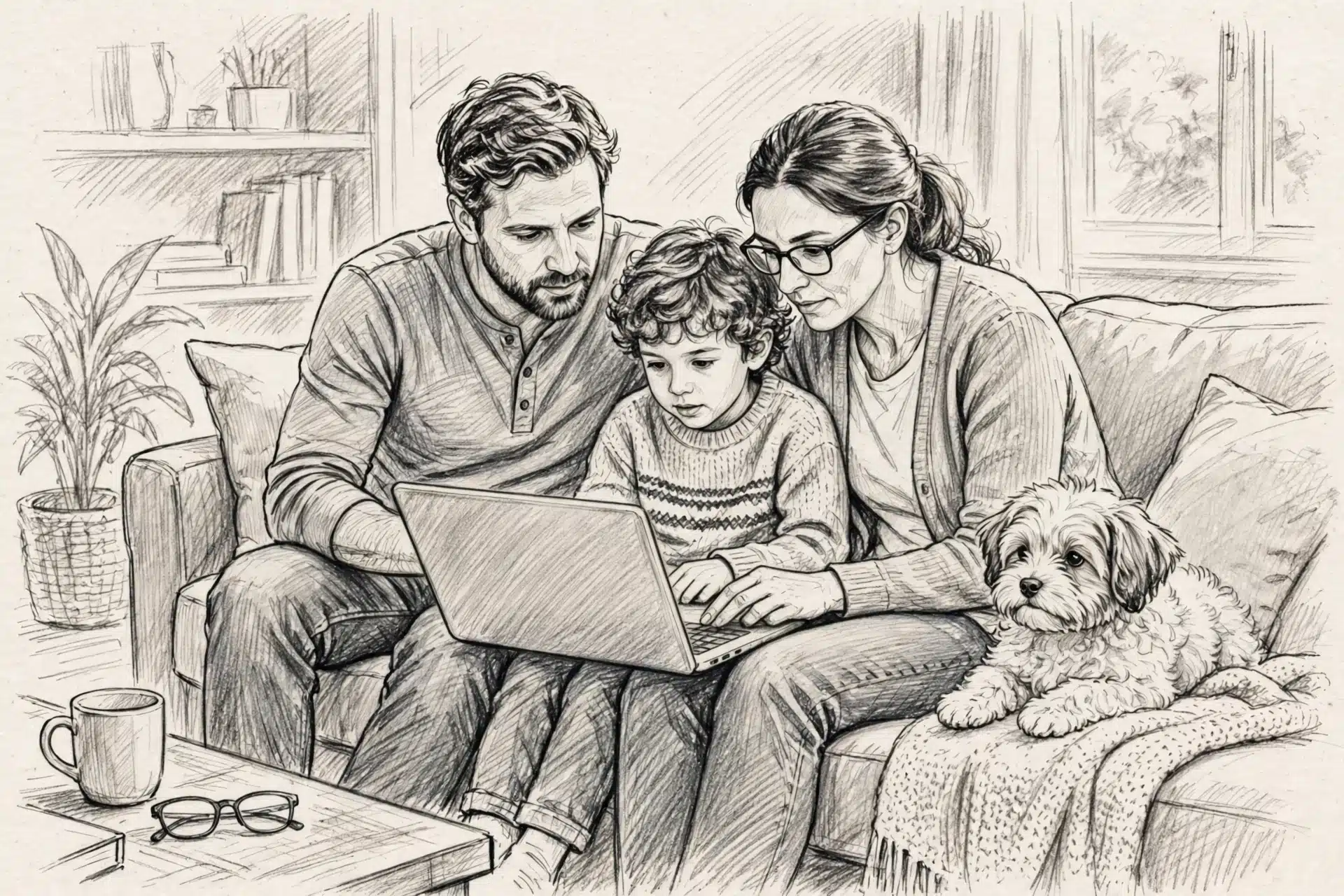
A five-star average tells you very little on its own. Reviews from real puppy families are useful because of what they say, not the number attached. The FTC notes that fake reviews are hard to spot, even for careful readers, and some fakes use less than five stars to look believable.
Look for Patterns, Not a Perfect Score
When you evaluate Indiana dog breeders, read ten reviews instead of two. You want repeated details:
- Families mention the puppy’s temperament months later, not just on pickup day.
- Several buyers describe the same health testing or vet records being shared.
- Reviewers talk about how the breeder handled a problem, because that reveals character.
- Reviews span different dates. A sudden burst of glowing reviews in one month can mean they were posted all at once.
The FTC’s review guidance suggests checking how recent reviews are, whether the reviewer has other reviews, and whether reviews arrived in a suspicious burst. A page where every review lives only on the seller’s own website is also a weak signal. Third-party platforms and breed forums give you a fuller picture.
Check Who Actually Bred and Sold the Puppy
Some listings for Indiana dog breeders are really brokers or resellers. The person posting the puppy may not know the parents, the whelping setup, or the first eight weeks of the puppy’s life. Reviews aimed at a broker will not tell you how the breeder raised the litter.
Ask one direct question: who owns and raised the mother? A legitimate breeder answers easily and invites a video call or visit. The AKC advises talking by phone or video before buying, and treating hesitation as a warning sign. If a seller only communicates by email and pushes fast payment, the FTC recommends walking away.
Also Read: How Indiana Families Can Prepare for a Puppy Before Pickup
What to Verify Beyond Reviews: Access, Identity, and Daily Care
Reviews tell you how a breeder treats people. They rarely show how a breeder treats puppies. Two checks close that gap: seeing the dogs in person, and reading the delivery plan like a detective.
Ask to Meet the Puppy and Mother Dog
An ethical breeder wants you to meet the puppy. The Humane Society advises buying only from breeders who let you visit and see the mother dog with her litter, because that single step screens out most problem sellers at once.
When you visit, watch for these signs:
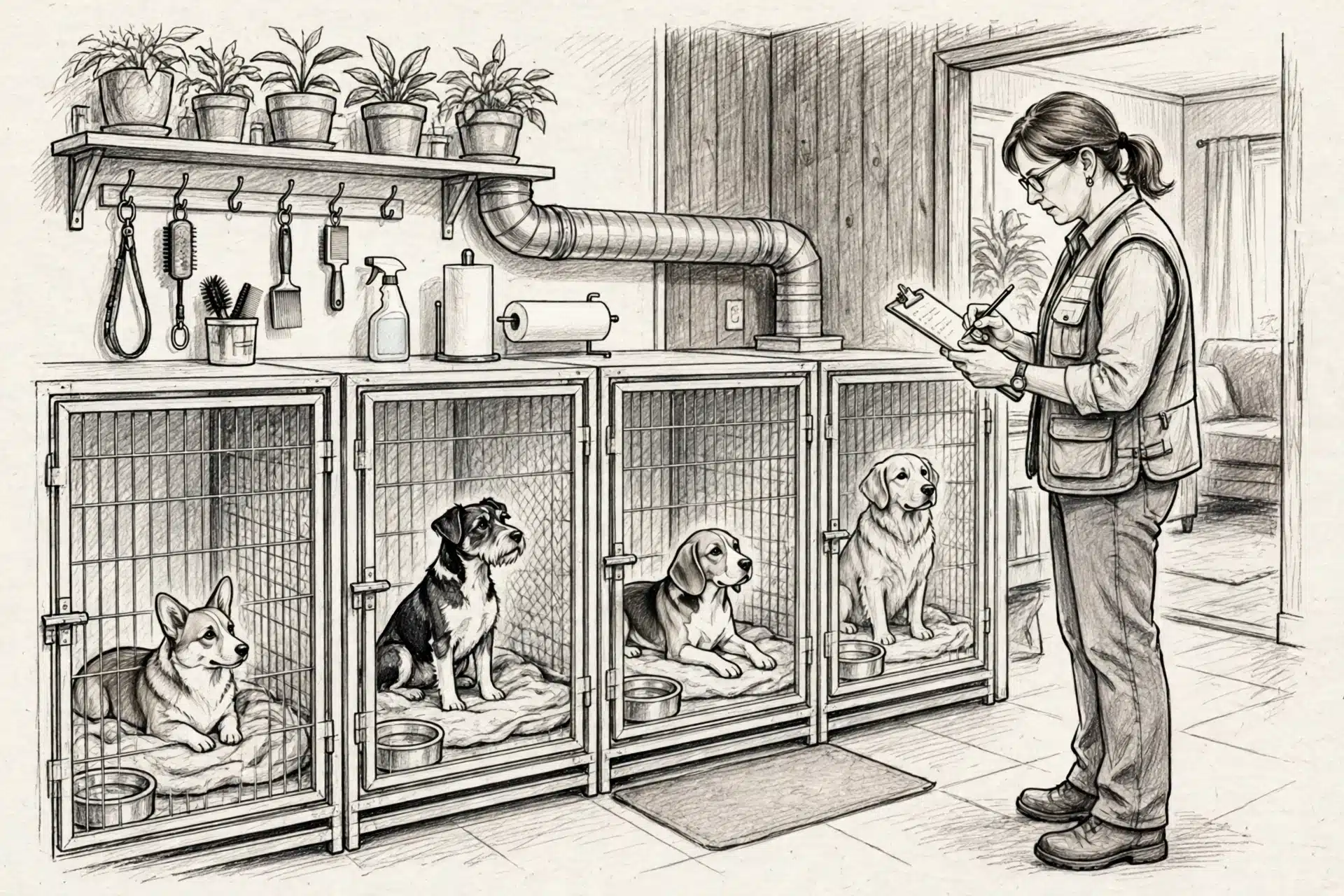
- The mother greets you calmly and looks healthy, not caged or fearful.
- Puppies live inside the home, in clean space with room to move.
- The breeder answers questions about the sire, health testing, and vet care without hesitation.
- You see where puppies sleep, eat, and play, not just a staging room.
A refusal is a warning sign. Some excuses sound reasonable, like protecting puppies from germs, but “we’ll just meet you in a parking lot” means you never see the living conditions. If a visit is truly impossible, ask for a live video walkthrough of the home, the mother, and the litter, in real time, with the breeder responding to your requests. Pre-recorded tours don’t count.
Separate a Legitimate Visit Plan from a Shipping Scam
Legit breeders and scammers both talk about delivery. The difference is what comes before it. The American Kennel Club warns that many online puppy scams push fast payment, offer to “ship” a puppy you have never met, and refuse any video call or in-person meeting.
Compare the two paths:
| Legitimate Breeder | Common Scam Pattern |
|---|---|
| Invites you to visit or offers live video calls | Photos only, no video, no visit |
| Discusses the mother, health tests, and vet records | Vague answers, stock-like photos |
| Waits for your application and questions | Pressures you to pay a deposit today |
| Payment after identity and health checks | Wire transfers, gift cards, or payment apps |
Ask for one specific proof: a live video call where the breeder turns the camera to the puppy, the mother, and their ID badge together. Scammers almost always refuse this.
Trusted programs, including home-based breeders like Sage Puppies, follow this pattern: meet first, verify health paperwork, then arrange pickup or delivery.
Also Read: 10 Signs a California Puppy Listing Is a Scam – Sage Puppies
How to Verify Health Testing and Puppy Records
A breeder can say anything on a website. Verification is where trust gets built. Before you commit to an Indiana breeder, ask for documents you can independently check, then check them yourself. It takes about 15 minutes and it filters out most problems before they ever reach your family.
Request the Actual Parent-Dog Results
Start with the mother and father of the litter. Ask the breeder for the registered names of both parent dogs and any health testing numbers tied to them. A confident breeder sends these without hesitation.
Then verify independently. The Orthopedic Foundation for Animals (OFA) keeps a free public database where you can search a dog by name or registration number and see its health clearances, the tests performed, and the results. The OFA’s CHIC program lists the recommended screenings for each breed, and a CHIC number confirms all required tests were performed and released publicly.
Watch for two traps:
- DNA testing alone is not enough. Some breeders advertise “fully health tested” dogs when only DNA was done. Eye exams, patellar luxation checks, and cardiac exams matter too.
- A CHIC number is not a clean bill of health. It means the tests were done, not that every result was normal. Read the actual outcomes.
If a parent dog has no OFA record at all, ask why. Some results simply have not been submitted, but silence deserves a straight answer.

Review the Puppy’s Veterinary and Sale Records
Next, focus on the puppy itself. Ask for these documents before pickup or delivery:
- A veterinary health check record dated within about 10 days of transfer, signed by a licensed vet.
- Vaccination records showing which shots were given and on what dates.
- Deworming history with the product used and the dates.
- Microchip information, if the puppy is chipped.
Cross-check the details. The puppy’s age should match the vaccine schedule. The vet’s clinic should be real and callable. A summary of the breeder’s health testing philosophy is nice, but the itemized records are what count.
Keep everything in one folder. If a health issue surfaces later, dated records protect both your puppy and your wallet.
Also Read: Guides – Sage Puppies
What Indiana Registration and Certification Do, and Do Not, Prove
Understand the Commercial Breeder Threshold
Indiana does not require every puppy seller to register with the state. The rules kick in at a specific size. Under Indiana law, a “commercial dog breeder” is anyone who keeps more than 19 unaltered female dogs aged 12 months or older and sells their puppies. These breeders must register annually with the Indiana State Board of Animal Health, pay a fee based on kennel size, and state that they meet basic care standards.
Smaller operations fall into a different bucket. The state’s own FAQ explains that anyone keeping 19 or fewer unaltered females is a hobby breeder and is not required to hold this registration. That matters when you review an Indiana breeder. A missing registration number does not mean someone is a puppy mill hiding from the state. It may simply mean they keep four dams in their living room.
Registration proves three things: the breeder met the size threshold, filed paperwork, and paid the fee. It does not prove the dogs are healthy, socialized, or well-bred.
Treat Certification as One Evidence Point
Registrations and certifications are a floor, not a seal of quality. Here is how to weigh them:
- Registration confirms legal compliance and inspection eligibility. It says nothing about health testing or temperament.
- Voluntary certifications show a breeder invests beyond the legal minimum, but standards vary by program.
- Health test results for parents (hips, eyes, heart, breed-specific panels) are verifiable proof, and you can check them yourself.
- Reviews and references show how puppies actually turn out in real homes.
Filing false registration statements is a misdemeanor in Indiana, so registration does carry accountability. But use it as one data point. The strongest file combines registration, genetic test records, and buyer reviews that name specific experiences. A breeder who welcomes those checks is telling you something no certificate can.
Compare Contracts, Communication, and Post-Placement Support
Reviews tell you how a breeder treats buyers. Contracts and communication tell you how they treat puppies. Compare both before you send money.
Read the Agreement Before Sending a Deposit
Ask for the written contract before you pay anything. Reputable breeders expect this. The AKC advises that a contract should be available to review before you decide to buy, and that it should never be a last-minute surprise.
Check that it covers the basics:
- Full purchase price, deposit amount, and whether the deposit is refundable
- The puppy’s details: birth date, sex, sire and dam, and microchip number
- A health guarantee with a clear time window, often one to two years for genetic conditions
- A vet exam window, usually 48 to 72 hours after pickup, and what happens if the vet finds a problem
- A return-to-breeder clause, meaning the breeder takes the dog back if you ever cannot keep it
That last clause matters most. Breeders who care where their puppies end up will always want the dog back first.

Judge Support by Clear, Consistent Answers
Email two or three questions before you commit. Ask about the health testing results, what food the puppy eats, or how pickup and delivery work. Then watch how the answers arrive.
An ethical breeder answers within a day or two, in plain language, with details you can verify. Vague replies, pressure to pay quickly, or refusal to video chat are red flags.
Ask past buyers one simple question: did the breeder stay in touch after the puppy went home? Good support looks like feeding advice, a vaccine schedule, and someone who answers the phone when you’re worried at midnight. At Sage Puppies, for example, we stay available after placement because a well-started puppy deserves a well-supported family.
Also Read: Indiana Puppy Reservation Deposits: A Complete First-Time Buyer Guide
Pros and Cons of Using Reviews to Evaluate Indiana Breeders
Reviews are a useful starting point, but they have real limits.
The pros:
- They reveal how a breeder communicates, ships, and follows up after the puppy goes home.
- Patterns matter more than single comments. Repeated praise for healthy puppies or repeated complaints about missed vet records both count as signals.
- Federal rules now ban fake reviews, so legitimate feedback carries more weight. The FTC’s rule banning fake reviews also prohibits paying for positive sentiment.
The cons:
- A breeder can delete or hide negative reviews on its own site. The FTC calls this review suppression, and it happens even where the rule applies.
- Reviews describe feelings, not facts. They rarely mention OFA testing, parent health history, or contracts.
- Small programs produce few reviews, so one unhappy buyer can skew the picture.
Use reviews to shape questions. Verify the answers with health records and a live visit or video call.
Also Read: Reviewing Puppy Breeder Profiles: What Deserves a Closer Look
Is an Indiana Breeder a Good Fit for Your Family?
An Indiana breeder can be a great match if you value meeting a dog’s first home in person and live within driving distance. The key is the breeder, not the state line. Some Indiana programs are small and family-based, while others operate large kennels and sell through pet stores or brokers. Indiana’s dog license and care rules exist, but they set a floor, not a promise of quality, so you’ll want to verify health testing and reviews yourself.
If you want a Havanese, Havapoo, or Cavapoo raised in a home rather than a kennel, geography matters less than practice. Programs like Sage Puppies, based in Utah, offer nationwide delivery, and families in Indiana can still meet the parents’ health records, see photos and videos of daily care, and ask questions before reserving.
Choose an Indiana breeder if:
- You can visit the home and meet the mother dog.
- You want local pickup and shorter travel for the puppy.
Look beyond your state if:
- Local options don’t health test parents or socialize puppies early.
Also Read: Puppy Care Blog & Resources | Sage Puppies

Ready to skip the guesswork? At Sage Puppies, every Havanese, Havapoo, and Cavapoo comes from health-tested parents, raised in our South Jordan, Utah home and delivered with full transparency. Browse available puppies, submit an application, and welcome a well-started companion – pickup or nationwide delivery.
Frequently Asked Questions
Q1: How do I find ethical puppy breeders in Indiana?
Ask to visit the home, meet the mother dog, and review health test records. Ethical breeders welcome questions and limit litters.
Q2: What are the red flags of a puppy mill in Indiana?
Multiple breeds always available, no vet records, refusal to visit, and shipping-only sales. Puppies sold cheap with no paperwork deserve extra caution.
Q3: How can I verify a breeder’s health testing in Indiana?
Ask for OFA or CERF results and parent DNA panels. Look up dogs by name at ofa.org. Reputable breeders share results freely.
Q4: Should I only choose a local Indiana breeder?
No. Quality matters more than distance. Programs like Sage Puppies offer nationwide delivery with health records and support.
Q5: What should I ask before reserving a puppy?
Request parent health tests, vaccination dates, socialization details, and a written contract with a health guarantee.
A Careful Review Is the Beginning, Not the Final Check
Reading reviews is a start, but the real proof sits in verifiable evidence. Health testing you can confirm, parents you can meet, and clean records matter more than a five-star average. As Cornell’s veterinary college notes, registration alone doesn’t guarantee quality, so ask breeders direct questions and trust your instincts. When a breeder like Sage Puppies welcomes visits, shares test results, and interviews you back, that’s a good sign. A careful review method protects your family for the next twelve years or more.



