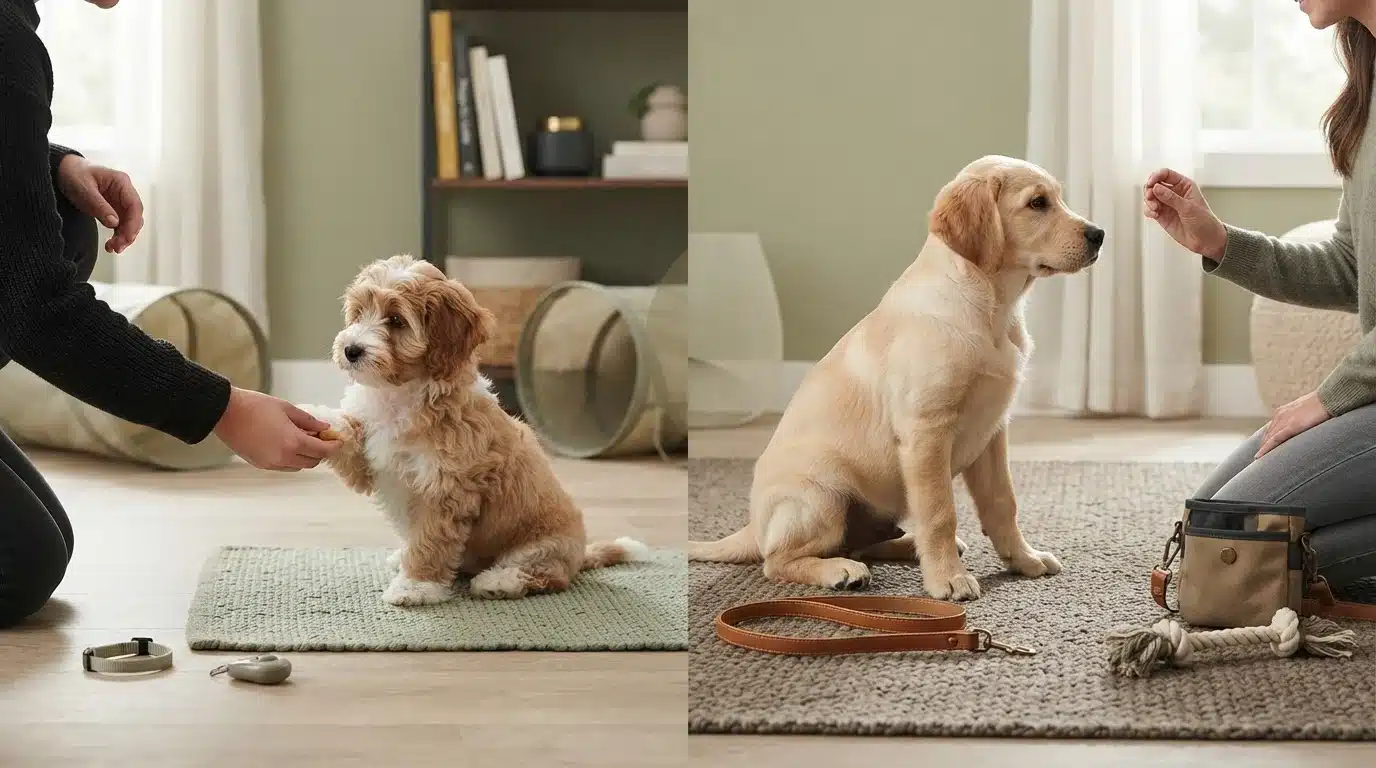
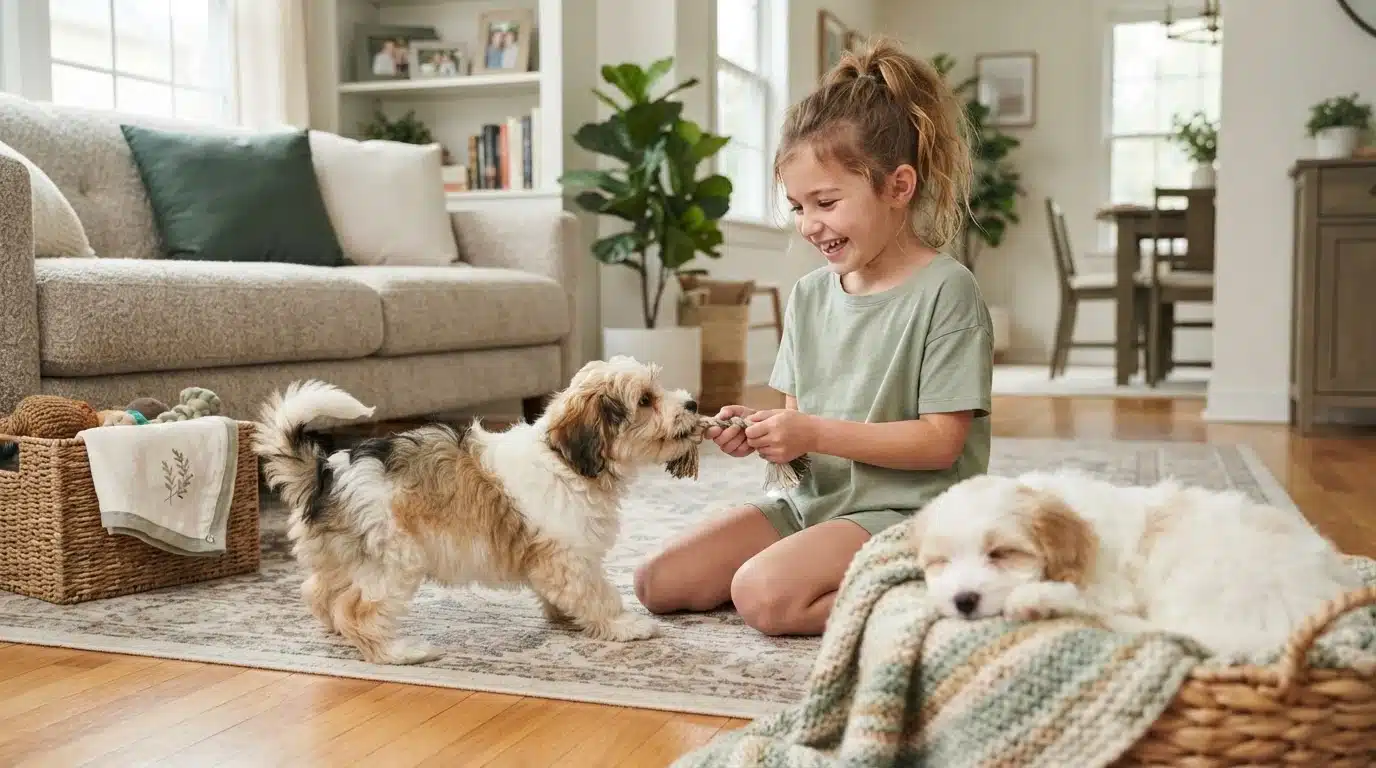
Quick Summary: Havapoo puppies tend to bark less than the typical small dog because both parent breeds (Havanese and Poodle) were not bred to be vocal. The article breaks barking into four triggers (alert, play, separation, boredom) and explains that most Havapoos learn a “quiet” cue within about a week, while alert-prone small breeds often need double that. Apartment living amplifies the difference, since Havapoos usually settle faster after a single bark, whereas small-breed averages tend to keep going. Training, routines, and ruling out health or adolescent fear periods matter far more than pedigree alone for keeping any small dog quiet.
Live behind thin walls and the quietest question gets loud fast: will your neighbors hear a Havapoo before they meet one? Havapoo barking habits lean toward the quiet side, but every puppy has a voice, and why it barks matters more than how often. First-time owners and apartment families need real answers before a deposit is signed, not wishful thinking. This guide compares Havapoo barking habits against the small-dog average, then sorts the noise into four triggers: alert, play, separation, and boredom. You will find trigger-by-trigger training notes, a side-by-side table, and a clear verdict on which puppy fits a quiet household. Havapoo barking habits, in short, are shaped more by training than by breed alone.
Havapoo vs Other Small Dogs: Barking at a Glance
| Havapoo puppies | Other small dogs | |
|---|---|---|
| Baseline noise level | Low to moderate; quieter than many small breeds when socialized | Varies widely; small-breed average leans moderate to high |
| Most common triggers | Doorbells, greetings, sudden household sounds | Squirrels, passersby, doorbells, territorial alerts |
| Separation barking | Low to moderate; can develop if left alone often | Moderate to high; small breeds often vocalize when alone |
| Trainability of quiet | High; Poodle side responds well to positive reinforcement | Mixed; some terriers and toy breeds learn fast, others resist |
| Apartment suitability | Strong fit for low-noise households with steady routines | Variable; depends on the breed and the household |
| Verdict for quiet homes | Quieter average, especially when trained early | Louder group average; quiet individuals exist within |
How Havapoo puppies and Other small dogs Compare
Havapoo puppies
A Havanese crossed with a Toy or Miniature Poodle, bred as a quiet, people-focused companion. Suit low-noise households and apartment dwellers who can keep a steady routine, since early training shapes how little they bark.

Key strengths
- Low to moderate baseline noise, quieter than many small breeds when socialized
- High trainability; the Poodle side responds well to positive reinforcement
- Main triggers stay predictable: doorbells, greetings, sudden sounds
Other small dogs
This group covers toy and small companion breeds as a whole, from Yorkshire Terriers and Chihuahuas to Shih Tzus and toy Poodles. It suits owners weighing any small breed against a Havapoo on noise alone. The group average leans louder, but quiet individuals exist in every breed.
Why a Havapoo’s Noise Level Stands Out
Most Havapoos land on the quiet side of the small-dog scale, and the reason sits in their family tree. This mix pairs a Havanese with a Poodle, and both parents were bred for work that did not reward barking. Compare that with the small-dog average, where alarm barking is common, and the difference becomes easy to hear in an apartment hallway.
The two sides of the Havapoo lineage
The Havanese is a companion breed from Cuba. Its job was keeping people company, not guarding property, so it has no deep habit of alarm barking. It can be a little alert-prone, but it usually settles once you acknowledge the sound.
The Poodle side pulls the other way. Standard and Miniature Poodles are sporting dogs bred to retrieve waterfowl calmly, so they tend to be observant rather than loud. Put the two together and you get a dog that notices the doorbell but does not hold a grudge against it. That balance is why the mix earns its quiet reputation, and why early training still matters. Sage Puppies matches each Havapoo puppy to the household’s noise comfort for exactly this reason. For what to expect week by week, the complete Havapoo care guide covers the first year.
Why small dogs as a group bark more
Small dogs bark more often, and research points to history rather than body size. Breeding shaped behavior. Many small terriers were meant to dig in and make noise at prey, a job barking encouraged, as studies of breed-specific barking show. Companion and lap breeds, on the other hand, were chosen for calm company.
Size adds a second layer. Small dogs hear higher pitches, and people often respond to a yip that they would ignore from a big dog, so the habit pays off. Training, not height, decides which side your dog lands on.
The Four Triggers That Pull the Most Noise from a Havapoo
Most Havapoo noise comes from four predictable situations, not random yapping. Learn to spot each trigger and you can answer it with the right fix instead of guessing. The ASPCA groups barking by cause, and these four cover the bulk of what a small companion dog does all day.

Alert barking: doorbells and passersby
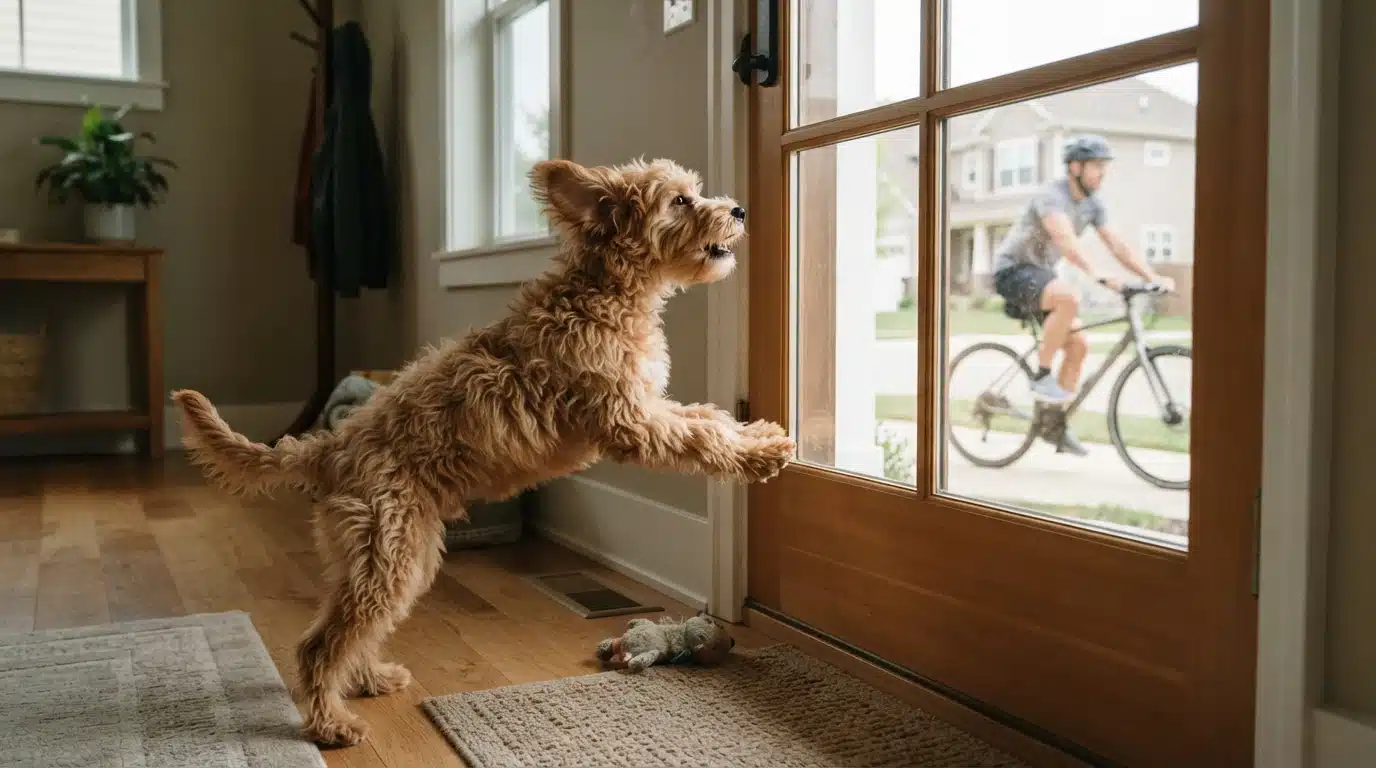
This is the loudest and most common one. Havapoos come from alert watch-dog stock, so footsteps in the hall or a doorbell on TV gets a report. It usually stops once the “threat” leaves. Manage it by blocking the view: sheer window film, closed blinds, or moving the perch away from the glass. White noise helps in busy buildings. When the bark starts, thank your dog calmly, then redirect to a quiet mat. Havanese owners describe the same pattern, and simple management like this works well, as one long thread of Havanese owners notes.
Play and greeting barking
Excited barking sounds higher and looser than alert barking, and it comes with wiggles, play bows, or a toy in the mouth. Dogs greeting you at the door or meeting a friend at the park do this. It is the easiest to live with and the hardest to argue with, because your dog is simply happy. Help by keeping arrivals boring: no attention until all four paws are down. Reward silence with calm greetings, and build in sniffy walks so pent-up energy has somewhere else to go.
Separation barking when you leave
Barking that starts minutes after you shut the door points to distress, not rudeness. The ASPCA notes this kind of barking tied to separation anxiety happens only when the dog is left alone. Watch for pacing, scratched doors, or house soiling alongside the noise. Fix it with short absences that grow slowly, a stuffed chew at departure, and no dramatic goodbyes. A camera lets you check whether the noise fades in ten minutes or never stops, which tells you if you need a trainer.
Boredom bark that fills an empty afternoon
A steady, flat bark that comes and goes all afternoon usually means a dog with nothing to do. Small companion breeds were bred for company, so empty hours feel long. Rotate puzzle feeders, schedule two short training sessions, and give a midday walk. Tired brains stay quiet. For breed-level habits, the Havanese puppy care guide from Sage Puppies covers how much daily engagement these dogs actually need.
Training a Quiet Cue: What Works for the Havapoo vs the Average Small Dog
A quiet cue works when it rewards silence, not when it scolds noise. The method is the same for any small dog: wait for a bark, let it happen two or three times, then bring a treat to the nose. Most dogs pause to eat, and that pause is your moment. Say “quiet,” mark it, and pay. The San Francisco SPCA’s quiet command guide follows this same setup, using a known trigger so the bark happens on your schedule.
The difference is how each dog responds. A Havapoo usually wants to work with you, so the cue often sticks in a week or two of short sessions. The average small dog, bred to alert, may learn the cue but still fire off a bark first. You manage that gap rather than erase it.
The “quiet” cue that sticks with a Havapoo
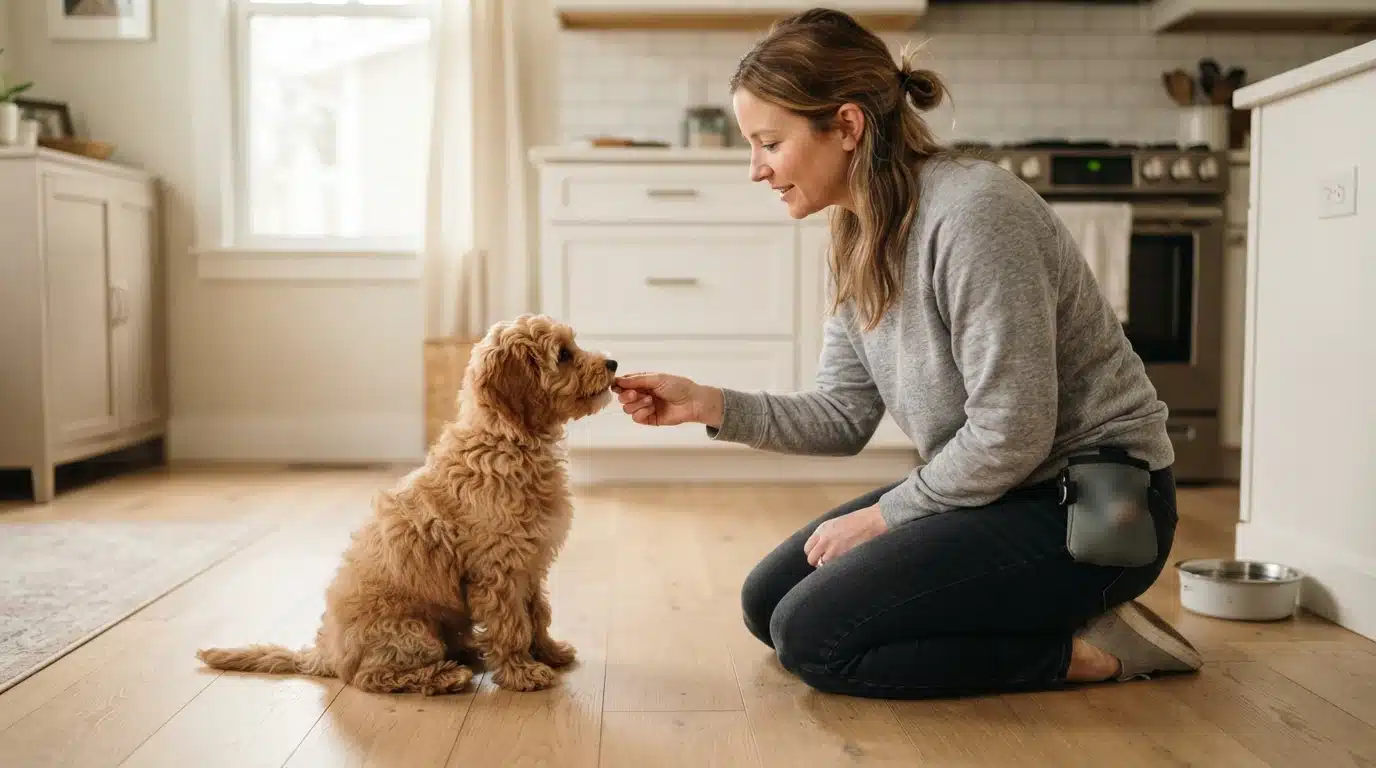
Start with a planned session, not a chaotic one. Ring the doorbell yourself or have a helper knock. Let your Havapoo bark twice, then place a high-value treat at her nose. When she stops, say “quiet,” count one second in your head, then release the treat. That one second grows to three, then five.
Because Havapoos read your mood closely, keep your voice flat. A sharp “QUIET!” can read as you joining the alarm, which rewards the bark. Calm and boring wins.
Practice two or three times daily for five minutes. Most Havapoos offer silence on cue within a week. The average small dog often needs double that, plus the window work below.
Rewiring the alert bark at the window
Window barking is self-rewarding: the mail carrier leaves, so the dog thinks the bark worked. Break that loop by managing the view first. Close blinds during peak hours or apply frosted film to the lower panes.
Then retrain the trigger. When your dog glances at a passerby and stays quiet, mark it and treat. This builds a new habit: see a person, look back at you, get paid. Havapoos pick this up fast because the treat beats the excitement. Alert-type small dogs often need the visual block in place for weeks before the new pattern holds without it.
Preventing the separation bark before it starts
Separation barking is easier to prevent than to fix. Start the day your puppy comes home, and keep arrivals and departures flat. No goodbyes, no fanfare.
Build alone time in tiny steps. Leave the room for ten seconds, return, reward calm. Stretch to one minute, then five. If your puppy barks, you moved too fast, so drop back to the last quiet duration.
For the average small dog, add a food puzzle that only appears when you leave. Havapoos, being people-focused, often do better with a worn t-shirt nearby and a short pre-departure routine. Either way, crate or pen training from day one gives both types a safe spot, and a tired puppy stays quieter than a bored one.
Apartment Living: Where the Havapoo Quiet Edge Shows Up Most
Noise rules hit apartment dogs hardest. Many cities treat barking that runs past ten minutes as a violation, and landlords can act on complaints long before that. A quieter breed gives you margin, and that margin matters most when walls are thin.
Thin walls and your neighbor’s nap schedule
In a house, a barking spell bothers you. In an apartment, it bothers four households at once. Sound travels through shared walls, floors and hallways, so a Havapoo’s lower bark volume buys real goodwill with the neighbor who works nights.
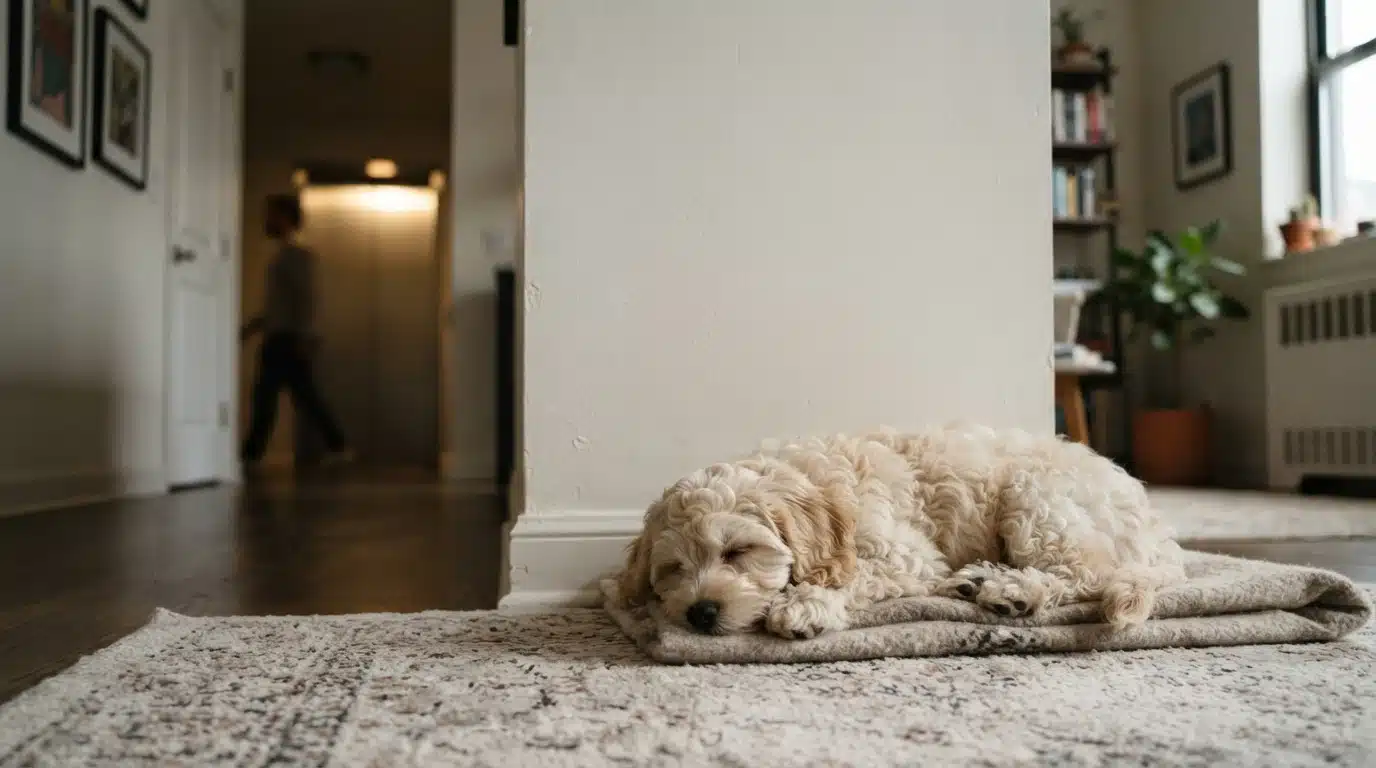
That said, no breed is silent. Havapoos still alert to hallway footsteps, elevator dings and the dog two doors down. The difference is recovery time. A well-socialized Havapoo tends to sound off once, check with you, then settle. A typical small dog, bred for centuries to be vocal, often keeps going because the behavior was rewarded somewhere along the way.
Routines that keep both groups quiet
Whichever dog you own, structure beats volume. These habits cut barking for Havapoos and average small dogs alike:
- Cover the triggers. Frost a lower window section or close blinds during peak hallway traffic.
- Burn energy before you leave. A ten-minute play session before work prevents the bored barking that fills an empty unit.
- Reward the quiet. Treat the pause after the first bark, not the silence you beg for after five minutes of noise.
- Mask the sounds. A white noise machine near the entry door softens footsteps that set your dog off.
Start these in the first week. For potty breaks and quiet time on a small footprint, our apartment potty training guide pairs well with the routine above, and this Havapoo article on choosing between two apartment-friendly breeds compares how the Havanese stacks up.
When a Havapoo Will Be Loud No Matter What
Even the calmest Havapoo goes through noisy stretches that training cannot fully fix. Knowing when these phases hit helps you wait them out instead of worrying that you picked the wrong puppy.
Puppy adolescence and the second wind of barking
Somewhere between 6 and 14 months, your sweet young Havapoo may suddenly startle at trash cans, bark at neighbors she has known for a year, and act spooked by ordinary sounds. This is a fear period, a normal development stage that can last one to two weeks and sometimes longer. Research on adolescent dogs confirms that behavior changes measurably in this window. Keep her world calm and safe, avoid big new exposures, and most of that barking fades on its own, according to guidance from San Diego Humane Society.
Health and anxiety spikes to rule out
Some barking is not behavioral at all. Small dogs are good at hiding pain, and a sore ear, dental problem, or upset stomach often shows up first as grumpy, restless noise at odd hours. If a normally quiet dog turns loud overnight, call your vet before you assume it’s a training failure.
Watch for anxiety triggers too: a new work schedule, a move, or a household guest can push a sensitive Havapoo into days of clingy barking. Rule out the physical and situational causes first, then go back to the trigger-based plan.
Which Should You Choose If a Quiet Home Matters Most?
Both dogs can live happily in an apartment. The difference is how much daily work you will put into keeping the volume down. Match the dog to the effort you can honestly give.
Pick a Havapoo if…
You can train from day one and respond when barking starts. Havapoos are alert but not chronic barkers, and they learn the “quiet” cue fast with consistent practice. They also want to be near you, so a dog-walker midday or a work-from-home schedule keeps them settled. If you can handle the 6-to-14-month noise-fear phase with patience, a Havapoo gives you a quieter long-term companion. Families who meet a well-bred Havapoo’s people-first needs rarely report nuisance barking.
Stay with the small-dog average if…
Your schedule is packed and training time is thin. A typical small dog barks more per trigger, so expect street noise, doorbells, and passing dogs to set him off until you invest in desensitization. That is fine if you accept it. Some owners also prefer a dog with more independence, one that settles alone without the near-constant company a Havapoo craves. Choose honestly: a barky dog in a thin-walled apartment strains leases and neighbor goodwill. An easygoing adult small breed, or one already known for a calm temperament, may fit your home better than a puppy of any breed.

If quiet matters in your home, a well-matched Havapoo makes that goal realistic. Sage Puppies matches families with puppies raised for calm, people-first temperaments, and Cassie’s team guides you through every step of the application. Start yours today and meet the puppy that fits your noise level.
Frequently Asked Questions
Q1: Are Havapoo puppies noisier than other small dogs?
Usually not. Havapoos sit low to moderate on the noise scale, quieter than the small-dog average, especially when trained early.
Q2: At what age do Havapoos bark the most?
Between 6 and 14 months. A normal fear period can spark noisy weeks, but most of it fades on its own.
Q3: How long does the “quiet” cue take to work?
Most Havapoos offer silence on cue within a week of two daily five-minute sessions. Alert-prone small dogs often need longer.
Q4: Can separation barking be prevented?
Yes. Start with seconds-long absences, keep goodbyes flat, and build duration slowly from day one.
Q5: Do Havapoos bark at night?
Rarely, if they get enough daytime activity and company. Sudden nighttime noise often signals pain, so call your vet.
Conclusion
Havapoos sit below the small-dog average on noise, mostly because their Havanese and Poodle parents were never bred to bark for a living. That edge is not automatic, though. It depends on early training, predictable triggers, and routines that keep alert, play, separation, and boredom barking in check. The small-dog group leans louder by history and habit, but quiet individuals exist in every breed, and training narrows the gap more than pedigree does. If your walls are thin, the Havapoo’s faster quiet cue and shorter recovery time give you real margin. Match the dog to the effort you can give, rule out fear periods and health issues before blaming training, and any well-prepared home can stay quiet.