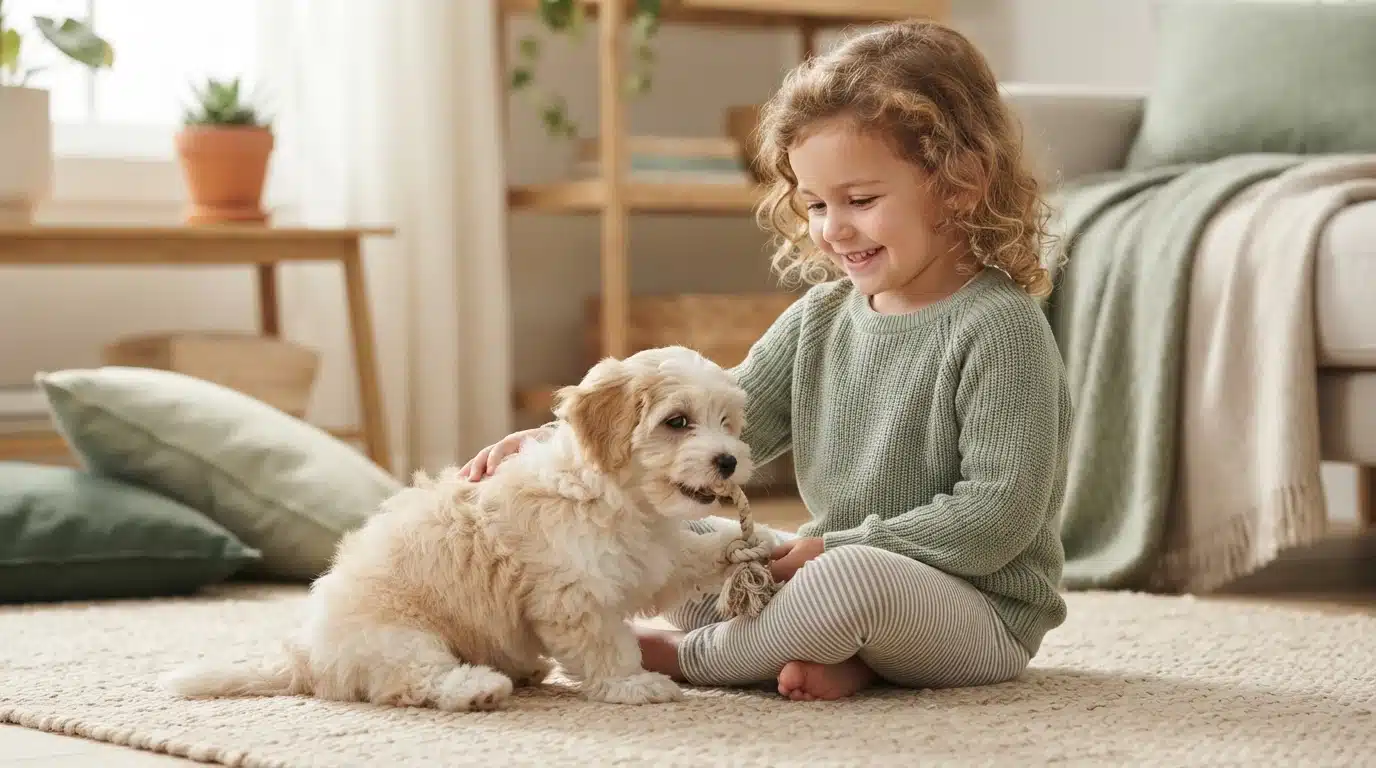
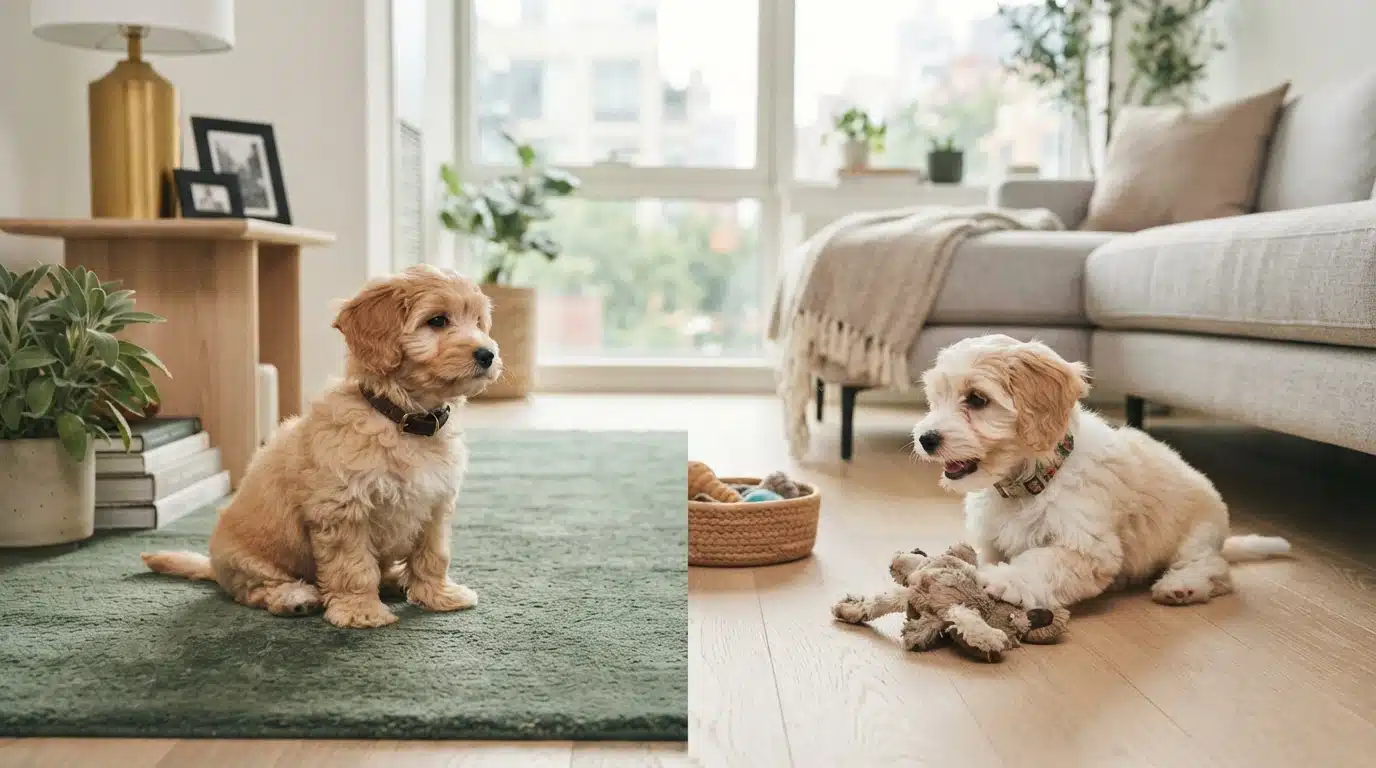
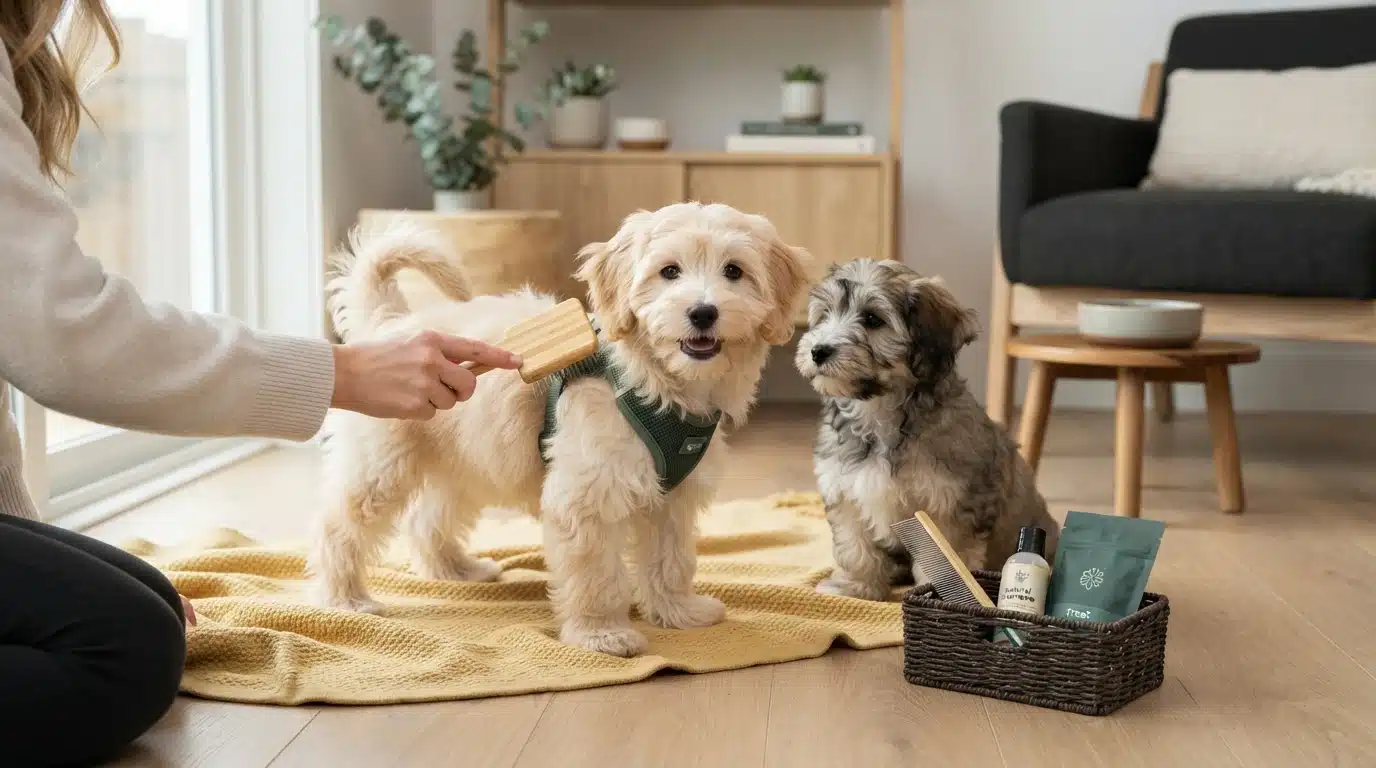
Quick Summary: Havanese puppies usually fit families better because they are sturdier, quieter, gentler with children, and easier for first-time owners to train. Pomeranians suit calm homes with adults or older children, offering a tiny, portable companion but requiring more careful handling and early training to manage their alert barking and spitz-like energy. The coat trade-off is that Havanese shed less but need regular brushing to prevent mats, while Pomeranians shed more heavily and need frequent brushing during seasonal coat blowouts.
Two toy breeds, and two very different weekends waiting for you. The Havanese vs Pomeranian choice usually comes down to this: a Havanese settles into the family room and sticks close to the kids, while a Pomeranian wants to be the center of a quieter home and will loudly report every change upstairs. Families weighing havanese vs pomeranian for families tend to share the same worries, just in different order. Will this dog like my children? Can I keep up with the coat? How much will neighbors hear? Who trains a small dog that never outgrows a toddler? This guide works through temperament, coat, training, energy, health, and household fit, so you can match a breed tendency to your home before you ever contact a breeder.
Havanese vs Pomeranian: At a Glance
| Havanese | Pomeranian | |
|---|---|---|
| Temperament with children | Generally playful and gentle with children, sturdy for its size | Lively and devoted, though small size means active adult supervision |
| Coat and grooming | Long, silky double coat needing regular brushing and routine professional trims | Very dense double coat with heavy shedding and frequent brushing needs |
| Training and noise | Often responsive and eager to learn; typically less vocal than a Pomeranian | Alert and vocal by nature; benefits from steady early socialization and training |
| Exercise and activity | Moderate needs, with short walks and indoor play usually sufficient | Moderate to high energy, with daily walks and mental play needed |
| Health considerations | Generally healthy breed; parents commonly tested for heart, hip, eye and joint issues | Watch for luxating patella, dental crowding and tracheal concerns in toy dogs |
| Best for | Families with children, first-time owners, apartment and suburban homes | Adults and older children in calm homes who want a very attached companion |
Meet the Two Breeds Side by Side
Havanese
Cuba’s national breed is a cheerful, sociable toy companion with a silky double coat and an easygoing, people-focused nature. It suits families with children, first-time owners, and apartment or suburban homes. Havanese puppies are one of the three breeds Sage Puppies breeds in Utah, so this guide leans on that hands-on context.
Key strengths
- Playful and gentle with children, sturdy for its size
- Typically less vocal than a Pomeranian
- Moderate exercise needs met by short walks and indoor play
Pomeranian
A small spitz-type companion with a dense double coat, a bright alert temperament, and a strong watchdog instinct. It fits adults and older children in calm homes that want a very attached dog. Active adult supervision matters around its tiny frame.
Key strengths
- Lively, devoted, and alert to anything new
- Moderate to high energy for daily walks and mental play
- Steady early socialization builds a confident companion
How Each Breed Handles Kids, Visitors and Busy Homes
Havanese dogs were bred to be house companions, and it shows. They tend to greet strangers warmly, follow kids from room to room, and settle quickly once the chaos dies down. Most handle noise, dropped toys and surprise guests without much drama, which is why so many families with young children shortlist them first. If you want a deeper look at what to ask before bringing one home, this Havanese breeder checklist covers the questions that matter.

The Pomeranian brings a different energy. Poms carry a spitz-type temperament, which means they watch everything and comment on it. Expect a sharp watchdog instinct: doorbells, hallway footsteps and new faces often earn a burst of barking first, curiosity second. They can bond deeply with their family, but many do better with older, gentler kids who respect their small frames. In a busy, high-traffic home, that alertness is either charming or exhausting, depending on your tolerance for noise.
Neither tendency is a guarantee. Individual puppies vary, and early socialization shapes both breeds more than any breed standard does. Meet the parents, ask how the litter has been raised, and judge the puppy in front of you rather than the label on it.
Coats, Shedding and the Reality of the Grooming Schedule
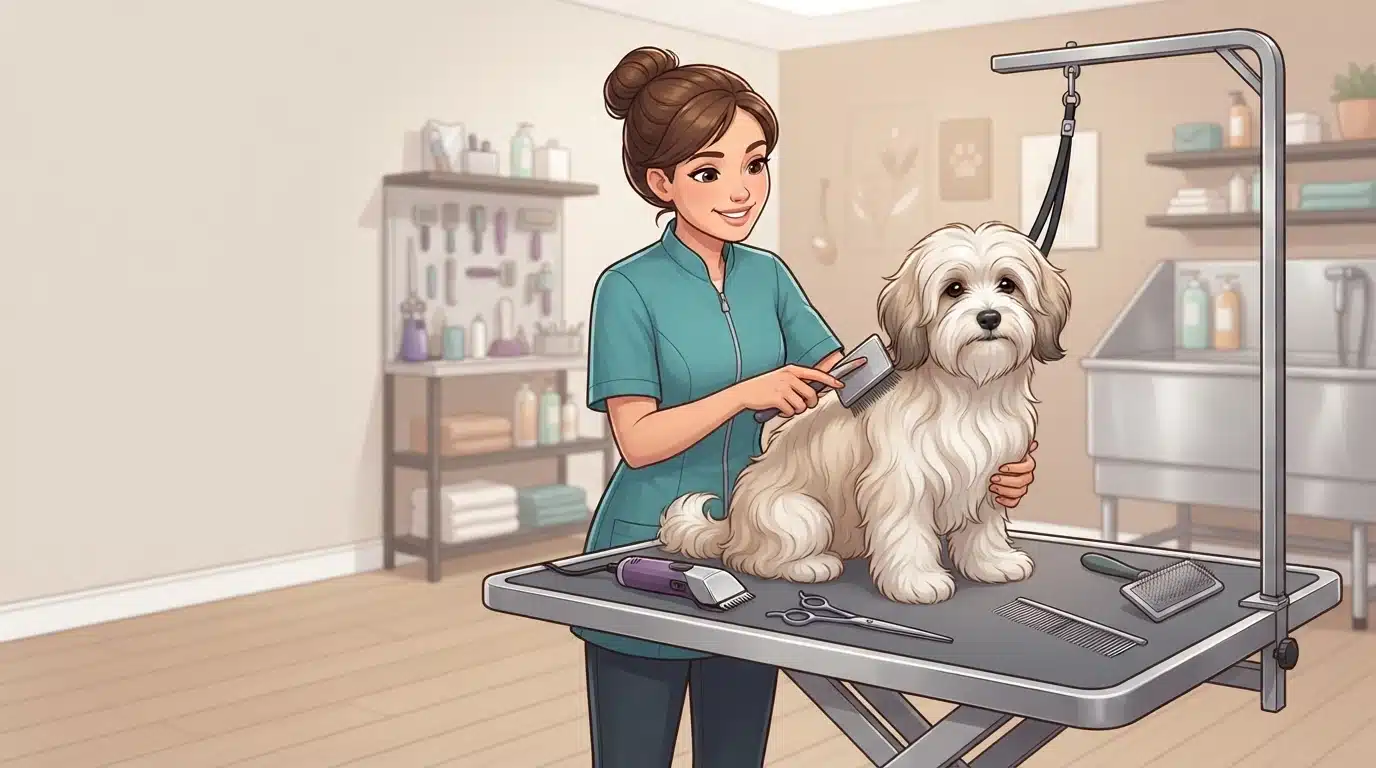
Short answer: the Havanese sheds far less, but the Pomeranian asks for less daily coat work. A Havanese has hair that grows like yours, so it rarely drops fur but mats fast without brushing. A Pomeranian has a dense double coat that sheds heavily twice a year and steadily the rest of the time, yet mostly needs weekly brushing.
| Aspect | Havanese | Pomeranian |
|---|---|---|
| Shedding | Very low | Moderate daily, heavy seasonally |
| Brushing | Daily for full coat | 2-3 times weekly, daily when blowing coat |
| Professional groom | Every 4-6 weeks | Every 4-8 weeks |
| Haircuts | Puppy cut or full coat | Tidy-ups only |
Havanese coat care, mats and professional trims
The Havanese’s silky single coat is the closest thing to low-shedding you will find, which is why many allergy-aware families shortlist it. The trade-off is matting. Skip brushing for a week and tangles form behind the ears, in the armpits and under the harness. Most owners pick a short puppy cut to cut the workload down. A solid habit of brushing several times a week and booking a professional groom every four to six weeks keeps mats from reaching the skin. Our guide to coat care between professional grooms walks through the at-home routine step by step.
Pomeranian shedding and dense-coat upkeep
A Pomeranian carries a soft undercoat under longer guard hairs, and that undercoat sheds year-round with two heavy “blows” each year, usually in spring and fall. During those weeks you will find fluff on every couch cushion and in every corner, so daily brushing is worth it. The rest of the year, two or three sessions a week plus a bath every month or so keeps the coat healthy. Never shave a Pom; the double coat often grows back patchy. Weekly ear checks, nail trims and a light tidy around the rump complete the schedule.
Training, Barking and the First Year With Either Breed
Learning style and what beginners actually manage
So, are Havanese easier to train than Pomeranians? Generally yes, and mostly because of focus. Havanese want to be with you, so they watch your face and repeat what earns praise. Pomeranians learn just as fast but decide when a lesson is worth their attention, which tests a new owner’s patience. Both breeds pick up house training, crate habits and simple cues with short, reward-based sessions. Keep them to five minutes, two or three times a day, and either puppy will surprise you. The real first-year work is routine: consistent potty trips, gentle handling, and calm alone time so neither breed leans too hard on constant company. Plan the week by week and the small-breed first-year care schedule stops feeling like guesswork.
Why noise differs, and how to manage it
Both breeds bark, but for different reasons. The Pomeranian carries a spitz-type watchdog instinct and will announce every passerby, so quiet training starts early: reward silence, teach a “settle” cue, and manage window access. Havanese usually bark less and mostly at real triggers, though a few become alert-barkers too. Because Havanese dislike being alone, some noise is really separation stress, so build calm departures from day one. Neither breed is a reliable silent apartment dog; both respond to patience and consistency rather than punishment, as rescue trainers note for Pomeranian barking habits. Treat barking as a skill you shape, not a flaw you fix once.
Energy, Play and How Much Time You Can Give
A moderate, people-centered routine
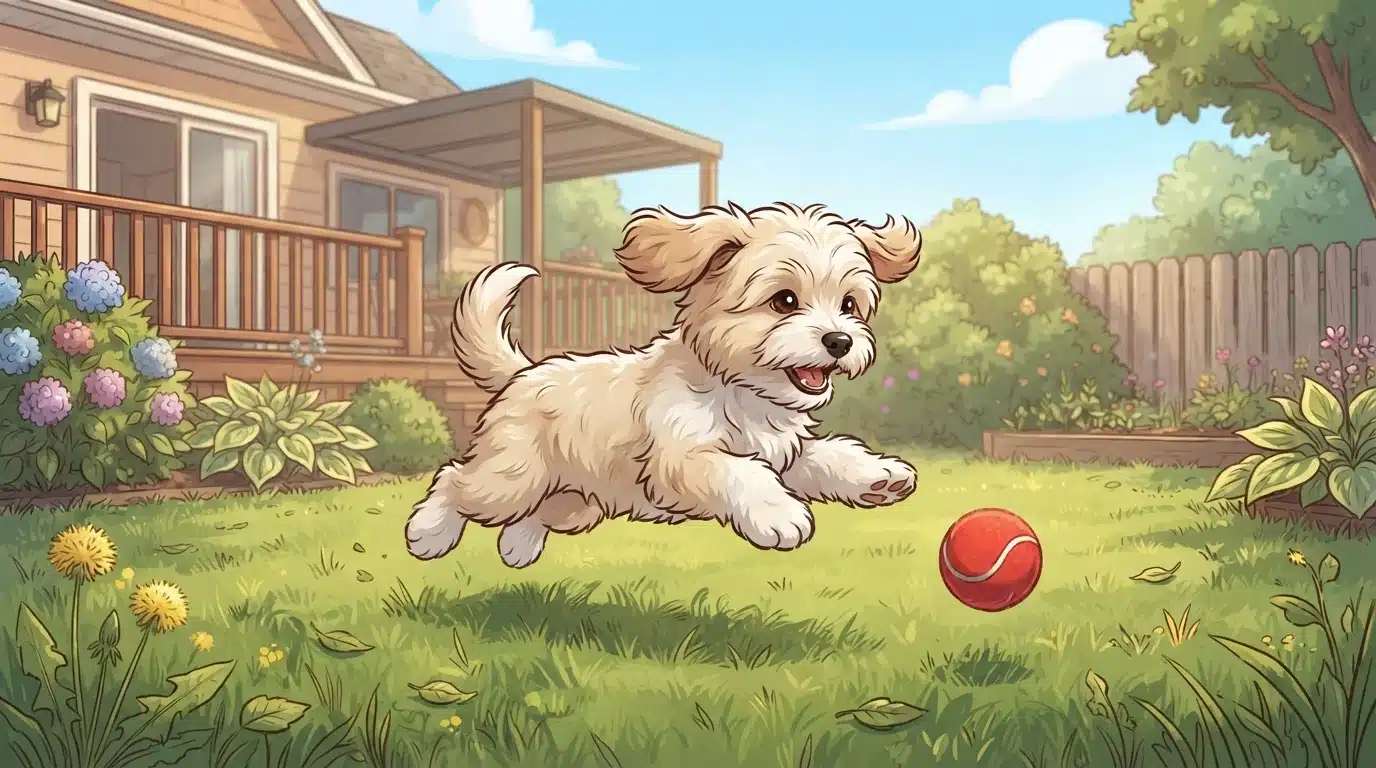
Havanese puppies settle into a middle gear. They need short daily walks, a couple of play sessions, and plenty of time near their people, but they are not built for marathon exercise. Most families find their energy easy to live with: a romp in the yard, a game of fetch down the hallway, then a nap on the couch. Because the breed bonds so closely, they dislike long stretches alone, so plan companionship rather than long workouts. If you want a fuller picture of daily activity, this guide to Havanese energy and exercise needs covers routines in more depth. Bred for companionship, the Havanese breed standard centers on a cheerful, willing housemate.
When a spitz temperament needs more outlets
Pomeranians carry the classic spitz-type temperament: bright, busy, and alert. Formal exercise needs stay modest, often under an hour a day, according to a breed care guide, but mental stimulation matters just as much. Poms enjoy puzzle toys, short training sessions, and games that work the brain, since mentally engaging activities suit them well. Their watchdog instinct also means they scan the house and bark at sounds, which calls for early training and calm outlets. A Pomeranian suits a household that enjoys daily interaction, not one that wants a dog to entertain itself.
Both breeds ask for your time; the difference is how they use it.
Health, Vet Care and What Testing Can Tell You
Does health testing guarantee a healthy puppy? No. Testing screens parents for inherited problems like luxating patella and eye disease, so it lowers risk. It cannot rule out injury, infection or every genetic issue. Think of it as odds-making, not a promise. Both breeds are generally healthy, but knee and eye checks matter most.
Breed health patterns and what parents get tested for
Havanese and Pomeranians share similar watchpoints. Both small breeds face luxating patella, where the kneecap slips out of place, plus inherited eye conditions and early tooth trouble. The Havanese Club of America lists patella, hearing and eye exams as core breeder tests. Responsible programs register results with the OFA’s CHIC program, which tracks breed-specific screening, and a vet can explain any certificate. Ask a breeder to see the parents’ results, not just hear that testing happened. A vet-recommended screening checklist walks you through each test, so you know what to expect before you commit.
What health records should tell a buyer

Expect four things in writing: the parents’ test results, your puppy’s vaccination dates, deworming history, and a recent vet exam note. Vaccination records should list which vaccines were given and when the next doses fall. Match those dates to your first-year veterinary care plan. If a seller offers photos instead of documents, that is a real gap. Legitimate programs hand over records before you pay, and Havanese-focused breeders like Sage Puppies provide them during the application.
| Records | What to check |
|---|---|
| Parent tests | OFA patella, eye and hearing results |
| Vaccinations | Dates given and next due doses |
| Deworming | Product used and schedule |
| Vet exam | Exam date and any findings |
Matching the Breed to Your Household, Space and Budget
Both breeds fit apartments, but size still matters for daily handling. Here is what each grows to:
- Havanese: 8.5 to 11.5 inches tall at the shoulder (the AKC breed standard), 7 to 13 pounds
- Pomeranian: 6 to 7 inches tall, 3 to 7 pounds
Size, stairs, carriers and travel
A Havanese is sturdier to lift, which helps on stairs and in and out of cars. Pomeranians are lighter, so airline carriers and lap travel feel easier, but their tiny frames need gentler handling around toddlers and big dogs. Both fit under-seat carriers, and neither needs a yard. Think about who carries the dog most often, and pick the weight range that person can manage comfortably.
Budgeting for grooming, food and vet care
Ongoing costs follow coat and body size. Havanese need a professional groom every 4-6 weeks, Pomeranians every 4-8 weeks, so Pomeranian grooming often costs slightly less. Food bills are small for both, though Havanese eat a bit more. Set aside more for first-year puppy costs than for any single purchase, including vaccines, spay or neuter, and an emergency fund. Grooming, not food, is the line item that surprises most first-time owners.
Which Should You Choose: Havanese or Pomeranian?
The short answer for family households
For most families with kids, the Havanese wins. It is sturdier (7 to 13 pounds versus the Pomeranian’s 3 to 7), more patient, and easier to train. Havanese are known to be gentle and affectionate with children when supervised and well socialized, according to PetMD. Pomeranians are bold and loyal but more fragile and quicker to bark.
The deciding factors:
- Tolerance for rough play – Havanese handle busy homes better
- Noise level – Pomeranians bark more, Havanese less
- Training ease – Havanese learn faster for first-time owners
- Fragility – tiny Pomeranians need gentler handling
- Grooming – similar coat work either way
When a Pomeranian is the better choice
Pick a Pomeranian if you want a tiny, portable companion for an adult-only or older-child household. Their small size suits apartment living and travel carriers, and their watchdog instinct alerts you to every visitor. If you enjoy a spirited, spitz-type personality and can commit to consistent training, a Pom can be a delightful fit.
Next steps if Havanese fits your family
Write down your household’s priorities: kids’ ages, grooming budget, and alone time. Then compare individual puppies, not just breeds, since each one has its own temperament. Families ready to move forward can browse available Havanese puppies, with South Jordan, Utah pickup or nationwide delivery, and start the application process from there.

If a Havanese fits your household best, the next step is simple: browse current litters at Sage Puppies, then submit an application. Cassie matches each puppy to your family through an owner-managed process, with local pickup in Utah or nationwide delivery.
Frequently Asked Questions
Q1: Which is better for families, Havanese or Pomeranian?
For most families with young children, the Havanese is the better pick. It is sturdier at 7 to 13 pounds, more patient with busy households, and easier for first-time owners to train. Pomeranians suit calmer homes with adults or older kids.
Q2: Which breed sheds less?
Havanese shed far less; their hair rarely drops fur but mats without brushing. Pomeranians shed steadily and blow their undercoat twice a year.
Q3: Are Havanese easier to train than Pomeranians?
Usually, yes. Havanese focus on you and repeat what earns praise. Pomeranians learn just as fast but choose when lessons are worth their attention.
Q4: Which breed barks more?
Pomeranians. Their spitz-type watchdog instinct means they announce every visitor. Havanese bark less and mostly at real triggers.
Q5: What should a puppy purchase cost?
Well-bred Havanese from Sage Puppies run $3,500 to $4,500, but plan a larger first-year budget for vaccines, spay or neuter, and grooming.
Conclusion
The Havanese vs Pomeranian choice comes down to household shape. A Havanese usually fits families with young kids: sturdier, quieter, and easier for a first-time owner to train. A Pomeranian suits calm adult homes that enjoy a bold, watchful little companion.
Neither breed label predicts the puppy in front of you. Meet the parents, read the health testing results, and judge each dog’s temperament on its own. If your priorities land with the Havanese, compare individual puppies, budget for grooming and first-year costs, and keep those numbers in writing before you commit.