Quick Summary: The Havanese is usually the easier family choice because it is smaller, eager to please, easier to house train, and flexible about coat length. The Bichon Frise suits families wanting a slightly sturdier, cheerful dog who can handle busier play, but its curly coat requires daily brushing and professional trims every four to six weeks. Both breeds shed little but are not truly hypoallergenic, need similar moderate exercise and comparable budgets, and should be chosen by verified health records and the care routine your household can sustain.
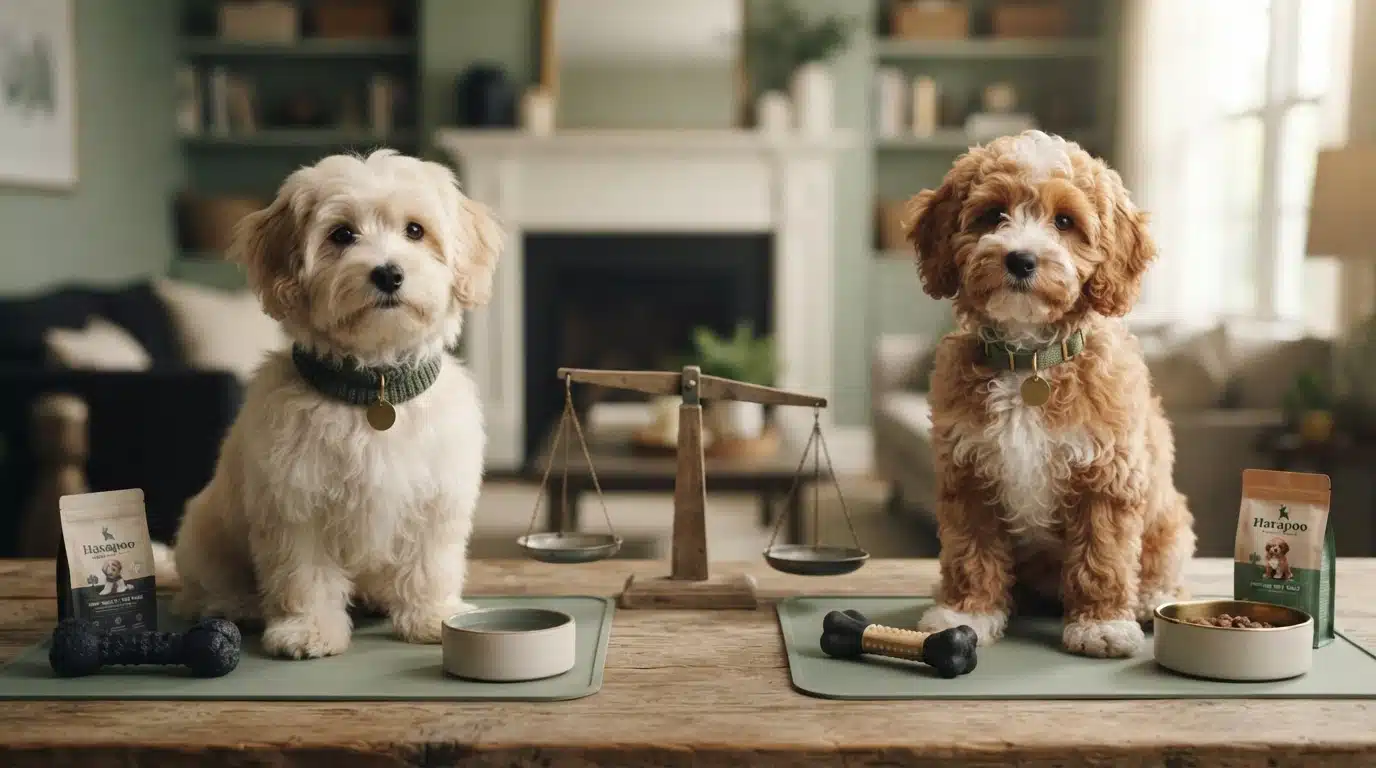
Two fluffy white puppies in a playpen can look like twins, yet they suit different homes. The Havanese has a silkier, longer coat that stays manageable between professional trims, while the Bichon Frise carries a rounded curly coat that needs grooming every few weeks for life. For most families, the Havanese is the more flexible pick. Households that already keep a grooming routine and budget often prefer the Bichon’s tidy, structured look.
That choice trips up first-time owners and families nationwide, including Utah households weighing local pickup, because both breeds share size, charm and marketing talk about hypoallergenic dog breeds. What you need is a decision framework built on your schedule, budget and patience for coat care.
This guide compares temperament with children, grooming realities, size and exercise, health records, training fit and first year puppy costs, then closes with a clear Havanese vs Bichon verdict for each family type.
Havanese vs Bichon Frise: At a Glance
| Havanese | Bichon Frise | |
|---|---|---|
| Coat and Grooming | Long, silky double coat in many colors; regular brushing plus periodic trims | Dense curly white coat trimmed to a rounded shape; regular professional grooming |
| Temperament With Family | Affectionate and people-focused, adaptable to household routines | Playful and sociable, often lively and alert in the home |
| Adult Size Range | About 8.5 to 11.5 inches at the shoulder, roughly 7 to 13 pounds | About 9.5 to 11.5 inches at the shoulder, roughly 12 to 18 pounds |
| Exercise and Activity | Moderate daily activity with indoor play and short walks | Moderate daily activity with more frequent indoor and outdoor play |
| Health Conditions to Watch | Portosystemic shunt, hip dysplasia, patellar luxation, eye and dental issues | Cataracts, patellar luxation, allergies and skin conditions, ear infections |
| Best For | Families wanting an affectionate small dog with flexible coat upkeep | Households ready for a structured grooming routine and an alert companion |
Introducing the Havanese and the Bichon Frise
Havanese
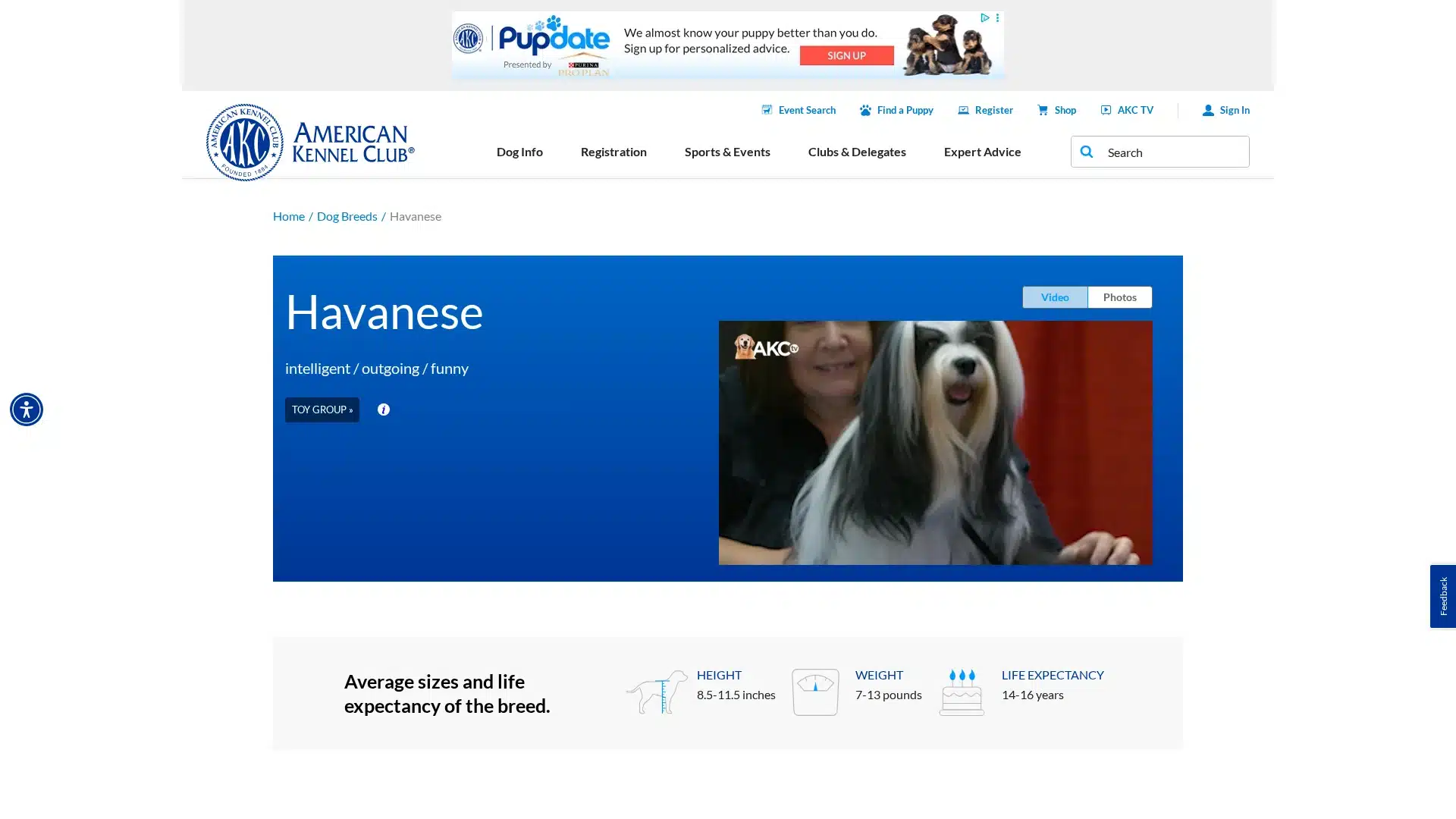
Cuba’s national breed is a small companion dog with a long, silky coat and a sociable, people-focused nature. It suits families who want an affectionate, adaptable pet with flexible grooming. Havanese puppies are among the breeds Sage Puppies raises in Utah.
Key strengths
- Affectionate and people-oriented
- Adapts easily to household routines
- Moderate exercise needs
Bichon Frise
The Bichon Frise is a powder-white companion breed with a dense curly coat and a playful, alert personality. It fits households ready to keep a steady grooming routine.

Key strengths
- Playful and sociable
- Comfortable living small spaces
- Steady, cheerful companion temperament
Temperament With Children and Other Household Members
How Each Breed Handles an Active Family
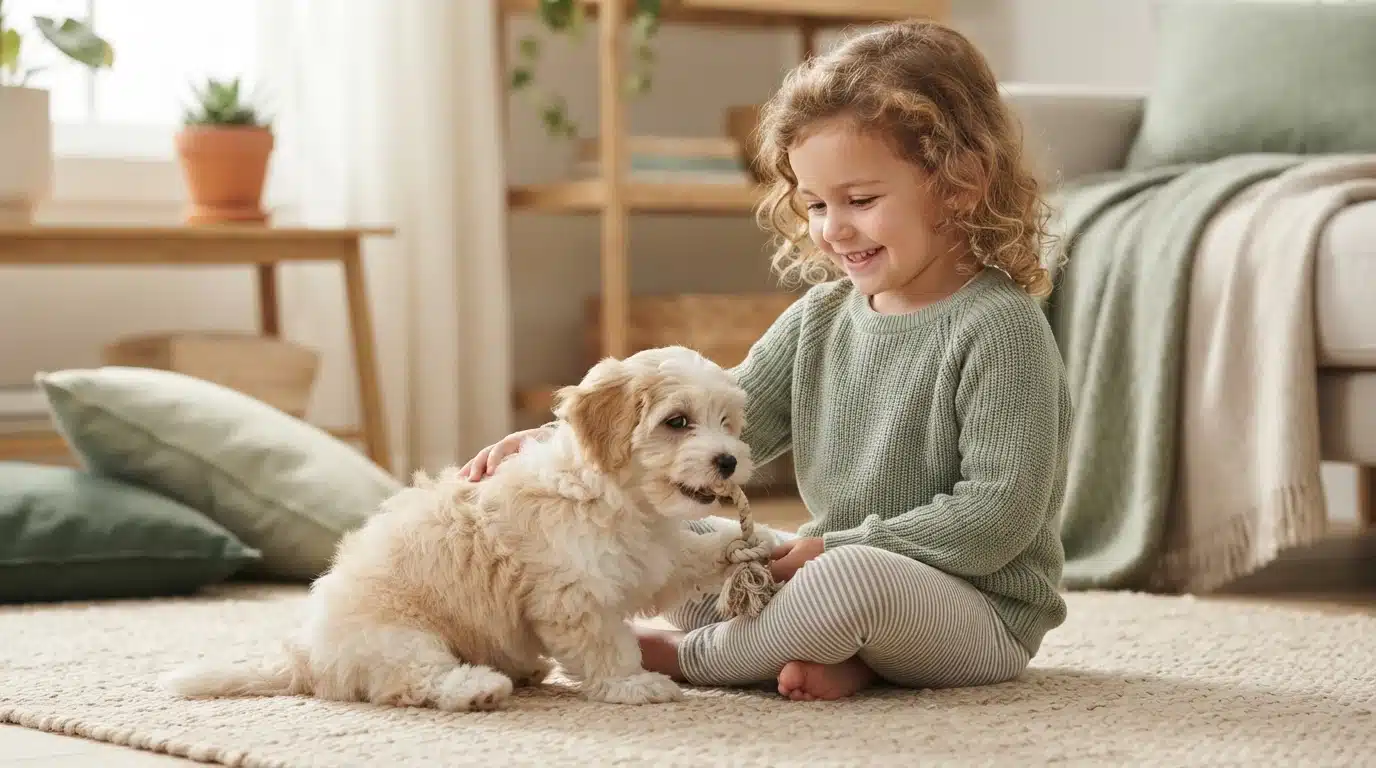
Both breeds are companion dogs first, so neither tolerates rough handling or long hours alone in a yard. Havanese tend to be a bit more playful and biddable, which suits kids who want a buddy for fetch and trick games. Bichon Frise are cheerful and sturdy for their size, but they do best with calmer play sessions.
Separation, Visitors and Schedule Changes
This is where the real difference shows. Havanese bond tightly with their people and often struggle when left alone all day, a trait sometimes called Velcro dog behavior. Bichon Frise handle a busier household a little better but still prefer company. If your schedule shifts constantly, plan for dog walkers, midday breaks or a second pet before you commit to either breed.
Older Adults and First-Time Owners
Both breeds suit first-time owners because they are small, eager to please and quick to learn house rules. Gentle, positive training works best with each. Seniors often prefer the slightly calmer Bichon, while families who want an outgoing shadow lean Havanese. Either way, ask breeders how each puppy was socialized with children before you buy; if you are comparing Havanese puppies for sale in Utah, a good breeder will describe each puppy’s time around kids in detail.
Coat Care, Shedding and the Allergy Question
Two Different Coat Types, Two Different Timelines
Neither breed is truly hypoallergenic. Dog allergies come from skin dander, saliva and urine, not fur, so low-shedding coats reduce allergens in the home but never remove them. Both the Havanese and the Bichon Frise carry hair-like double coats that shed very little, and the Havanese coat tends to feel silkier and slightly lighter to brush.
What Grooming Actually Costs in Your Week
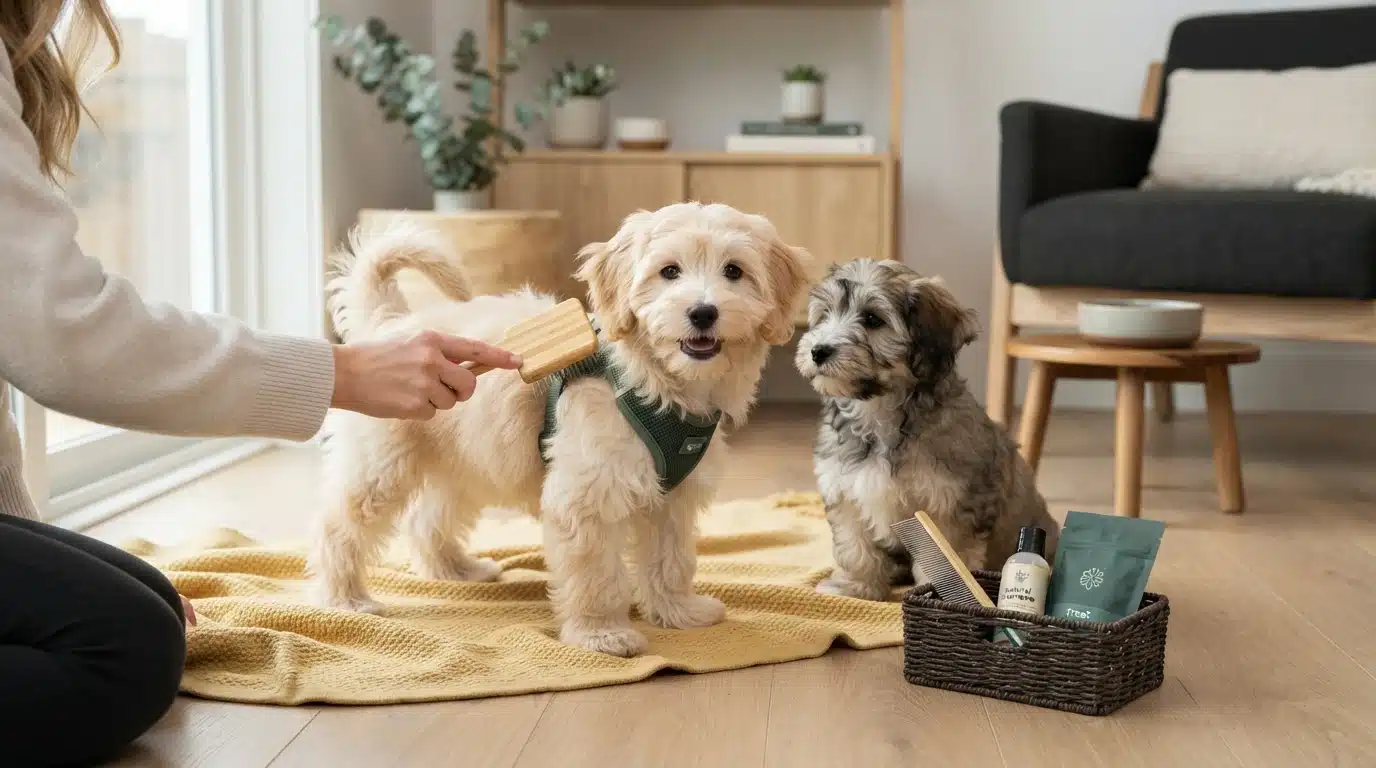
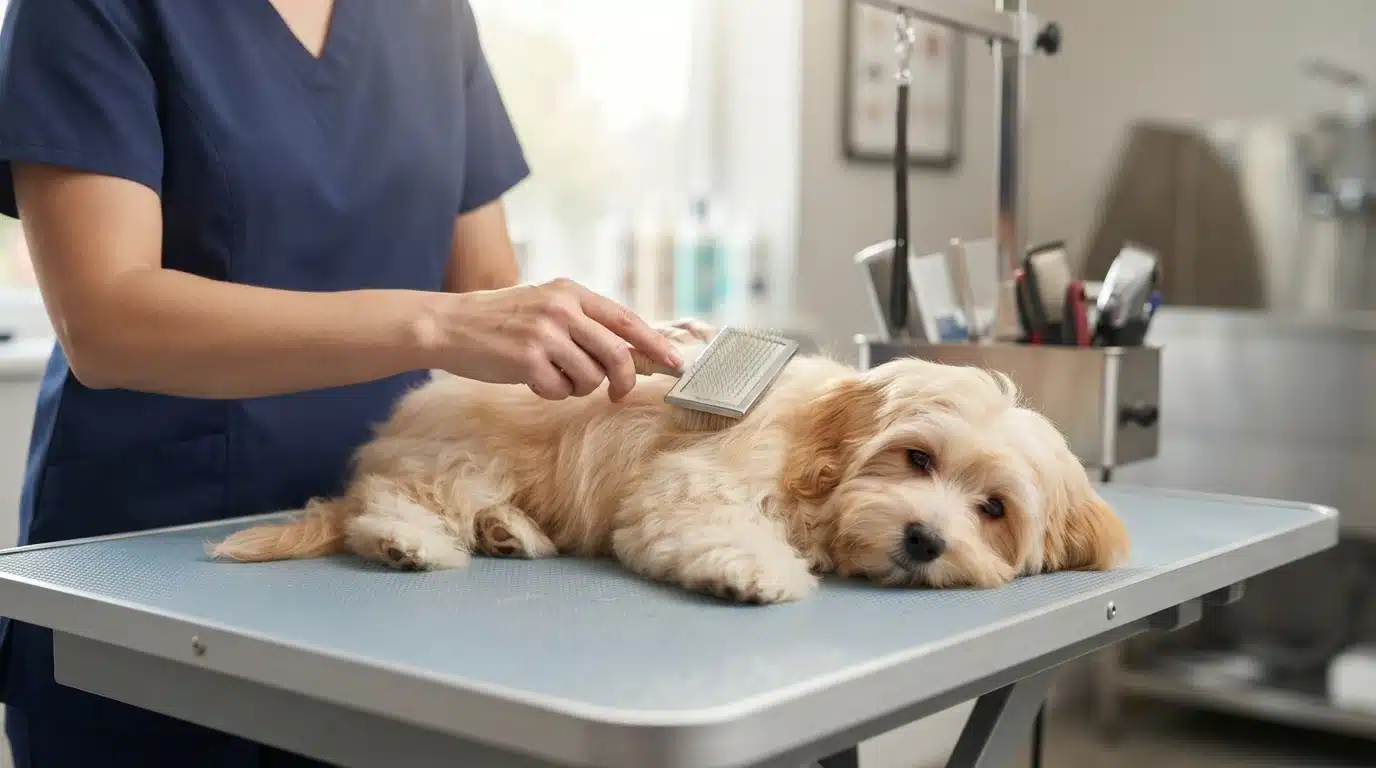
Which is easier to groom? The Bichon needs a full trim every four to six weeks plus brushing most days to prevent mats. The Havanese can stretch to the same schedule, though many families keep it in a short puppy cut. Budget 10 to 15 minutes of brushing daily for either breed, plus regular nail trims and ear checks.
Allergies, Dander and Honest Expectations
If a family member has allergies, spend time with the breed before committing. Wash hands after contact, keep the bedroom pet-free and use a HEPA filter to lower dander. Some people react to one breed and not the other, so a trial visit matters more than any coat claim. Anyone researching Havanese puppies before you buy should ask the breeder about coat changes as the adult hair grows in, since puppy coats often shift texture between six and twelve months.
Size, Exercise and How Each One Fits Your Home
Adult Size and the Car and the Couch
How big do Havanese and Bichon Frise puppies get? Both stay small. A Havanese grows to about 8.5 to 11.5 inches at the shoulder and 7 to 13 pounds. A Bichon Frise reaches about 9.5 to 11.5 inches and 12 to 18 pounds. So either fits in a car seat, a lap or a studio apartment with ease.
Daily Activity Without Overstating It
Neither breed needs a jogger. The Havanese wants two or three short play sessions a day, plus games that use its brain. The Bichon is similar but often a touch calmer indoors. A 20 to 30 minute walk and some fetch usually covers both. Skip the marathon exercise plans; these are companion dogs, and boredom shows up as mischief, not hyperactivity.
Apartments, Yards and Travel
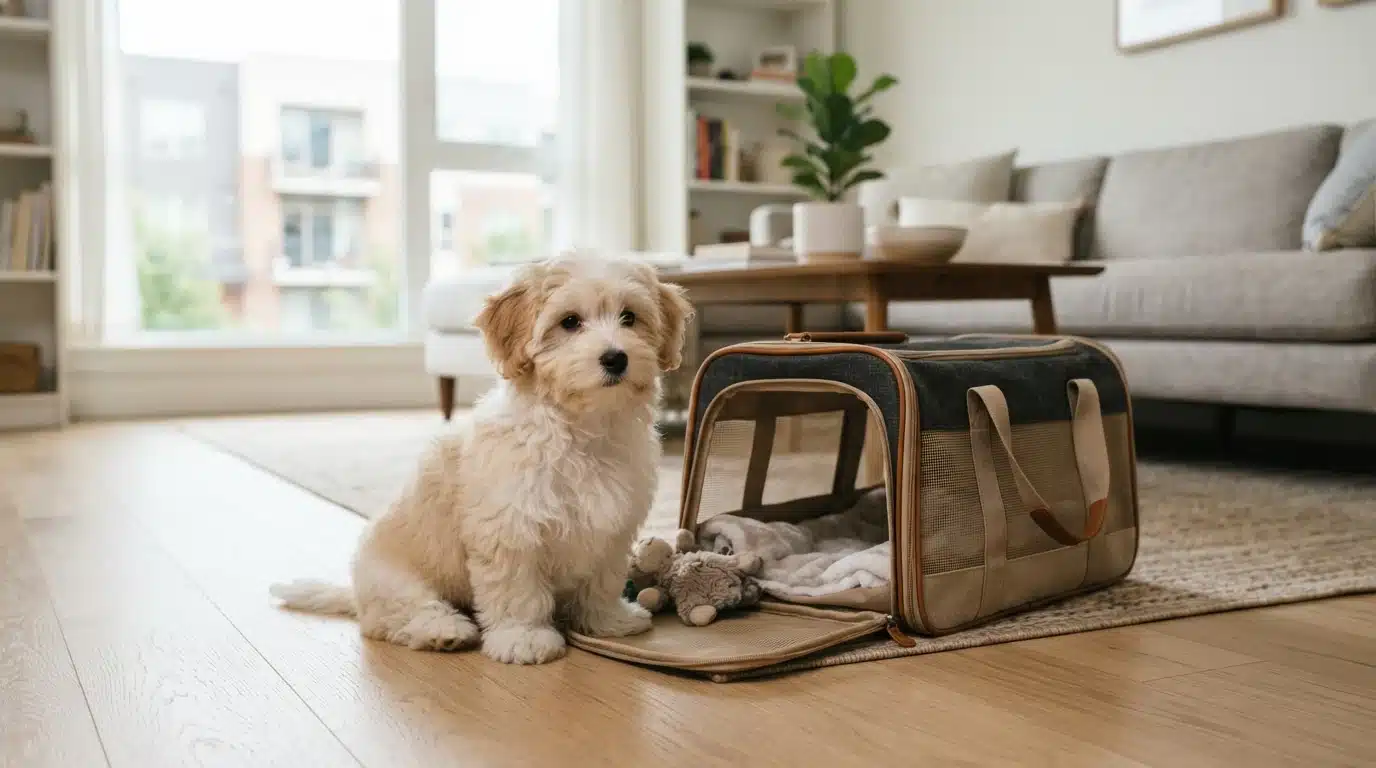
You do not need a yard for either breed, which makes both strong choices for small breed companion dogs in apartments. Fenced outdoor time is a bonus, not a must. Both travel well because of their size, though the Havanese tends to cling harder when left alone. If your weeks include road trips or flights, plan for a carrier and short practice runs first.
Health Considerations and the Records You Should Ask For

Conditions Breeders Watch in the Havanese
The Havanese Club of America lists the breed’s main screening targets as eyes, knees and hips. Breeders test parents for patellar luxation, where the kneecap slips out of place, plus cataracts and other inherited eye disease through annual CAER exams. Cardiac murmurs, Legg-Calve-Perthes disease and dental crowding also show up in the breed, so a thoughtful breeder tracks more than the required three tests.
Conditions Breeders Watch in the Bichon Frise
The Bichon Frise shares the small-breed knee problem. Patellar luxation is common in toy breeds and can lead to pain and arthritis, so OFA patella results matter here too. Ask also about eye certifications, dental care plans and the breed’s tendency toward skin allergies and bladder stones. Neither breed is fragile; both simply need parents screened before breeding.
What Health Records Actually Prove
So what health records should you ask a breeder for?
- Parent OFA results for hips, patellas and cardiac
- Annual CAER eye exam certificates
- The puppy’s own vet exam and vaccination records
- Any DNA test results for the parents
Verify everything in the public OFA database yourself rather than trusting photocopies. A CHIC number confirms testing happened, not that every result was normal. Our guide to checking a breeder’s health testing records walks through this step by step.
Training, Independence and the First Year
Responsiveness and Motivation
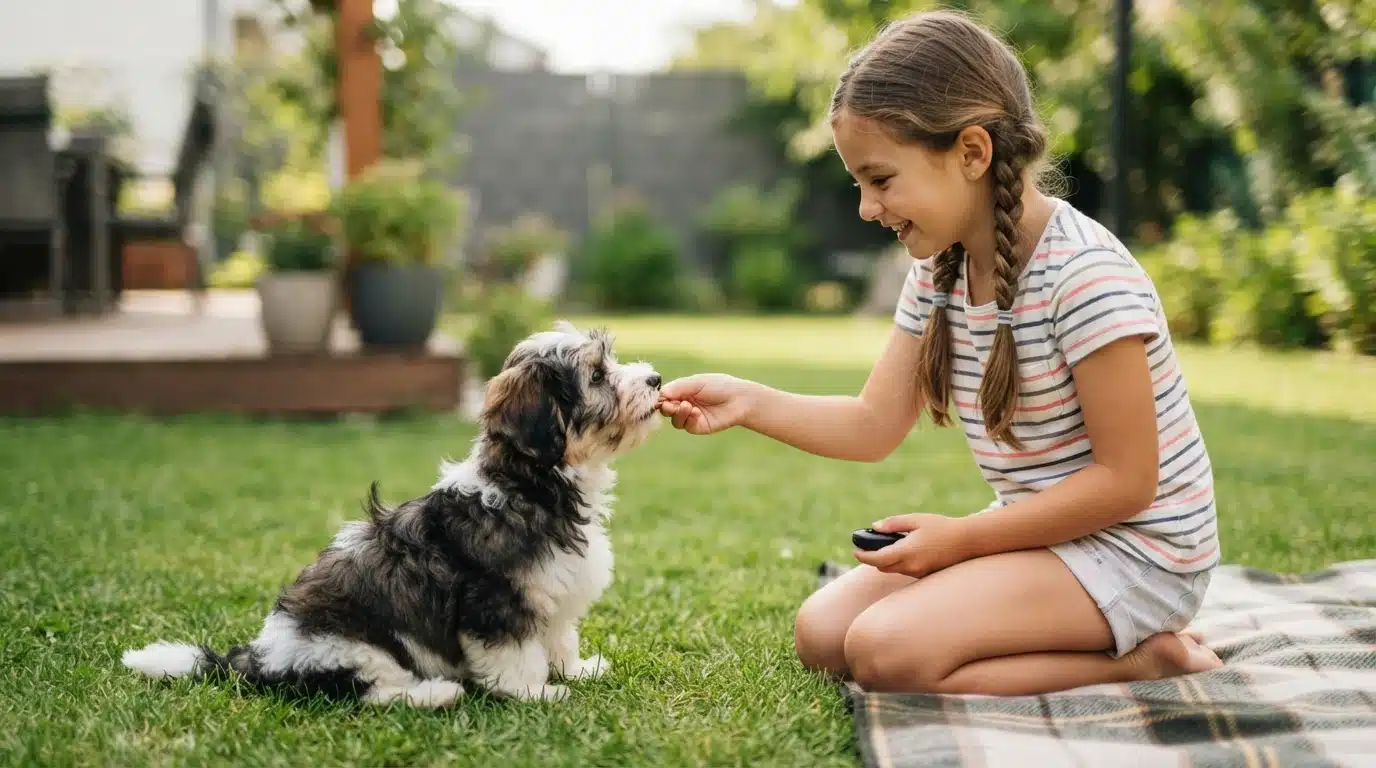
Both breeds are smart and eager to please, and both do best with positive, reward-based training rather than harsh corrections. The Havanese usually picks up new cues faster because it stays glued to its person, so praise and treats land hard. The Bichon is just as bright but a bit more easily distracted, so short, fun sessions work better than long ones.
House Training and Small-Breed Frustrations
Here is the real gap. Bichons are widely described as one of the harder breeds to housebreak, mostly because of small bladders and sensitive, people-focused temperaments rather than stubbornness. Havanese house-train more readily, though owners still report mixed experiences on breed forums. Either way, plan on frequent potty trips, a consistent schedule and patience through the first several months.
Don’t punish accidents. Small breeds respond to timing and praise, not scolding, and punishment often slows progress.
A Real Difference in Daily Life
In year one, the Havanese’s clinginess means quicker crate training but less tolerance for long days alone. The Bichon handles short absences a little more easily yet may test your patience on potty training. Both need the same basics: early socialization, gentle handling practice with kids, and short daily sessions that build habits before bad ones form.
Cost of Ownership Over the First Three Years
Purchase Price and What Is Included
Both breeds carry a real upfront cost. Well-bred Havanese and Bichon puppies from health-tested parents often run $2,500 to $4,500 depending on the breeder and pedigree. Sage Puppies prices its Havanese puppies at $3,500 to $4,500, which covers documented health records and early socialization. Ask any breeder what the fee actually includes before you commit, because paperwork and first vaccines vary widely.
The Recurring Costs That Surprise Owners
| Cost | Typical Range (Year 1) |
|---|---|
| Vet exams and vaccines | $300 to $700 |
| Spay or neuter | $200 to $600 |
| Grooming every 6 to 8 weeks | $600 to $900 |
| Food, toys, supplies | $400 to $800 |
| Training classes | $150 to $400 |
Professional grooming is the line item families underestimate. Both coats need clipping.
What Total Cost Means for the Decision
Plan on roughly $5,000 to $8,000 in the first year and $1,000 to $1,500 yearly after that for either breed. Budgets differ, but the two breeds cost nearly the same to own, so fit should drive your choice, not price. Whichever you pick, set aside an emergency fund of at least $1,000 for the surprises no one schedules.
Which Should You Choose: Havanese or Bichon Frise?
Both breeds suit families, but the better pick depends on your household. Choose the Havanese if you want a smaller, lighter dog with a playful, people-first nature. Choose the Bichon Frise if you prefer a slightly sturdier dog with a famously cheerful temperament. Either way, you get a low-shedding companion that thrives on family time.
Choose the Havanese If
Pick a Havanese when a lighter dog fits your home better. At 7 to 13 pounds, it is easy for kids to sit beside and for you to carry. Havanese love to follow their people from room to room, so they suit families who are home often. First-time owners also appreciate how eager they are to please. Sage Puppies raises Havanese, Havapoo and Cavapoo puppies only, so a Havanese is the choice of the two you can take home from this program.
Choose the Bichon Frise If
A Bichon Frise fits families who want a bit more dog in a small frame. At 12 to 18 pounds, it handles rough-and-tumble play with young children a little better than the lighter Havanese. Bichons carry a happy, gentle reputation and rarely shed, which helps households that want low-shedding small breed puppies. Just expect steady grooming, since that soft white coat mats fast without daily brushing.
If You Are Still Deciding
Meet both breeds in person if you can. Ask breeders about health-tested parents and health records, then compare each puppy’s temperament with your kids’ energy level. Both breeds cost a similar amount to buy and raise, so let lifestyle, not price, decide. The right match is the puppy whose daily care routine you can honestly keep up with.

If a Havanese sounds like the better fit for your family, Sage Puppies can help. Cassie’s Utah program raises well-socialized Havanese, Havapoo and Cavapoo puppies with documented health records. Browse available puppies or start the application to begin matching today.
Frequently Asked Questions
Q1: Is a Havanese or Bichon better for families?
Both fit families well. Choose a Havanese for a lighter, people-first dog; choose a Bichon for a sturdier frame with calm, older kids.
Q2: Do Havanese or Bichon Frise shed?
Very little. Neither is truly hypoallergenic, though, since allergies come from dander, so spend time with the breed first.
Q3: Which breed is easier to house train?
The Havanese, generally. Bichons are among the harder breeds to housebreak, so expect extra patience and frequent potty trips.
Q4: How much grooming does each breed need?
Plan on daily brushing and a full trim every four to six weeks for either coat.
Q5: Can these breeds live in an apartment?
Yes. Neither needs a yard; a daily walk plus play sessions covers their exercise needs.
Q6: What health records should I ask a breeder for?
Parent OFA results, annual CAER eye certificates, the puppy’s vet exam and vaccines, plus any DNA tests.
Conclusion
Both breeds make wonderful family dogs, but the better pick depends on your home. The Havanese suits families who want a lighter, people-first companion with easier house training and flexible coat care. The Bichon Frise fits households that can commit to a steady puppy grooming schedule and a slightly sturdier, calmer dog. Costs run nearly identical for either breed, so let your schedule and your kids’ energy level decide. Above all, verify health records before you buy, and choose the low-shedding small breed puppy whose daily care routine you can honestly keep for the next twelve to fifteen years.