Quick Summary: Check a breeder’s health records by requesting full DNA reports and OFA certificates for both parents, then verify names, numbers, dates, and results in the OFA DNA repository and each lab’s database. Keep genetic tests separate from clinical screenings for hips, patellas, eyes, and heart, and check each parent against its own breed requirements, including both sides for crossbred puppies. DNA parentage testing and the puppy’s microchip can confirm that the records belong to the actual litter, while missing, mismatched, or unverifiable records should prompt questions or a walk-away.
A cropped screenshot of a DNA result can travel from one litter to the next, because the dog’s name and sample number are usually cut out of the image. So the picture proves little about the puppy in front of you. To verify breeder DNA tests, you need the full report, then a cross-check in the OFA database and its DNA repository.
This guide walks through that process step by step: reading a lab report correctly, confirming OFA certificates, matching results to each parent, and keeping DNA results apart from clinical screenings. It applies to both purebreds like the Havanese and crosses like the Cavapoo, where each parent needs a different breed’s test list.
The methods here follow OFA’s public records and the breed-club requirements breeders cite. Anyone reviewing breeder testing records, including our own program’s paperwork, can use the same checks.
(Note: keep tone consistent with byline Matt Milar for Sage Puppies.)
Step 1: Ask the Breeder for the Records Themselves
Before you fall in love with a face, ask for paperwork. A breeder who health tests keeps the proof on hand and sends it without fuss. You want copies of the actual lab reports and certificates, not a summary texted from memory, because you will need exact names and numbers to verify breeder DNA tests and OFA entries yourself later.
The six things to request in writing
Put your request in one message so nothing gets lost. Ask for:
- Lab reports for each DNA panel on both parents, showing the lab name and result per condition
- OFA certificates or results for hips, elbows, patellas, eyes and heart, with dates
- Each dog’s registered name and registration number
- The OFA or CHIC number, if one exists
- A vet exam record for the puppy, plus the puppy’s microchip number
- Parentage verification results, when a DNA panel includes them
Ask that the reports be sent as PDFs or photos of the original documents. Screenshots of a summary page are not the same thing.

Why both parents, and why the registered name
Puppies inherit one set of genes from each parent, so a clear sire cannot cancel out a carrier dam. You need results for both. The registered name matters too: it is the exact string, correct spelling included, you will type into the OFA database to confirm the records match the dog. You can search by registered name or number in the OFA advanced search. A nickname like “Bailey” proves nothing.
Red flags in the first reply
Hesitation is data. Watch for excuses about lost files, claims that “the vet has it all,” results given only as a verbal summary, or stock images used as proof. If the answers feel slippery, trust that instinct; our guide to spotting fake breeders online covers the common scripts. A slow but complete reply beats a fast but vague one.
Step 2: Read the DNA Report Before You Judge It
A DNA panel can be a strong piece of evidence, but only if it belongs to the dog in question and you know what the wording means. Before you verify breeder DNA tests, read the report top to bottom. Is DNA testing alone enough to know a puppy is healthy? No. A clean panel covers inherited gene variants only, and it says nothing about hips, hearts, eyes or knees, which clinical exams check.
The identifying header is the whole ballgame
Start at the top of the report, not the results. The registered name and number should match the parent the breeder named. Check the breed listed, the date of birth, and any microchip or tattoo ID in the header. If the lab report names a dog you have never heard of, you have learned nothing about your puppy’s parents. Cross-check the same dog in the OFA DNA repository, where labs submit results, and confirm the breed and name line up.
A report with no registered name, no registration number and no date is a screenshot of nothing. Ask the breeder for the full PDF from the lab.
What each result word actually means
Labs use a short vocabulary, and every word matters:
- Clear: no copies of the tested variant.
- Carrier: one copy, usually healthy but able to pass the variant on.
- At-risk or affected: likely to develop the condition the test covers.
For pairings, one carrier parent can be fine if the other parent is clear, because puppies would need two copies to be at risk. Ask how the breeder matched the pair.
Why a clean panel is not the whole story
DNA results, vet exams and X-rays answer different questions. Eye and heart checks, patella and hip evaluations come from a vet’s hands and imaging, not a cheek swab. Parentage verification, when offered, confirms the stated sire and dam. Keep the three records separate as you read them, and treat any breeder who calls a DNA panel a health guarantee with caution.
Step 3: Verify DNA Results in Public Databases
How do I verify a breeder’s DNA test results?
Ask for the actual lab report, not a summary. Then check it yourself:
- Find the dog’s registered name and number. Every real report lists these on the first page.
- Match the DNA test to the breed list. A Havanese parent needs the Havanese panel; a Cavapoo parent needs both parent breed’s tests.
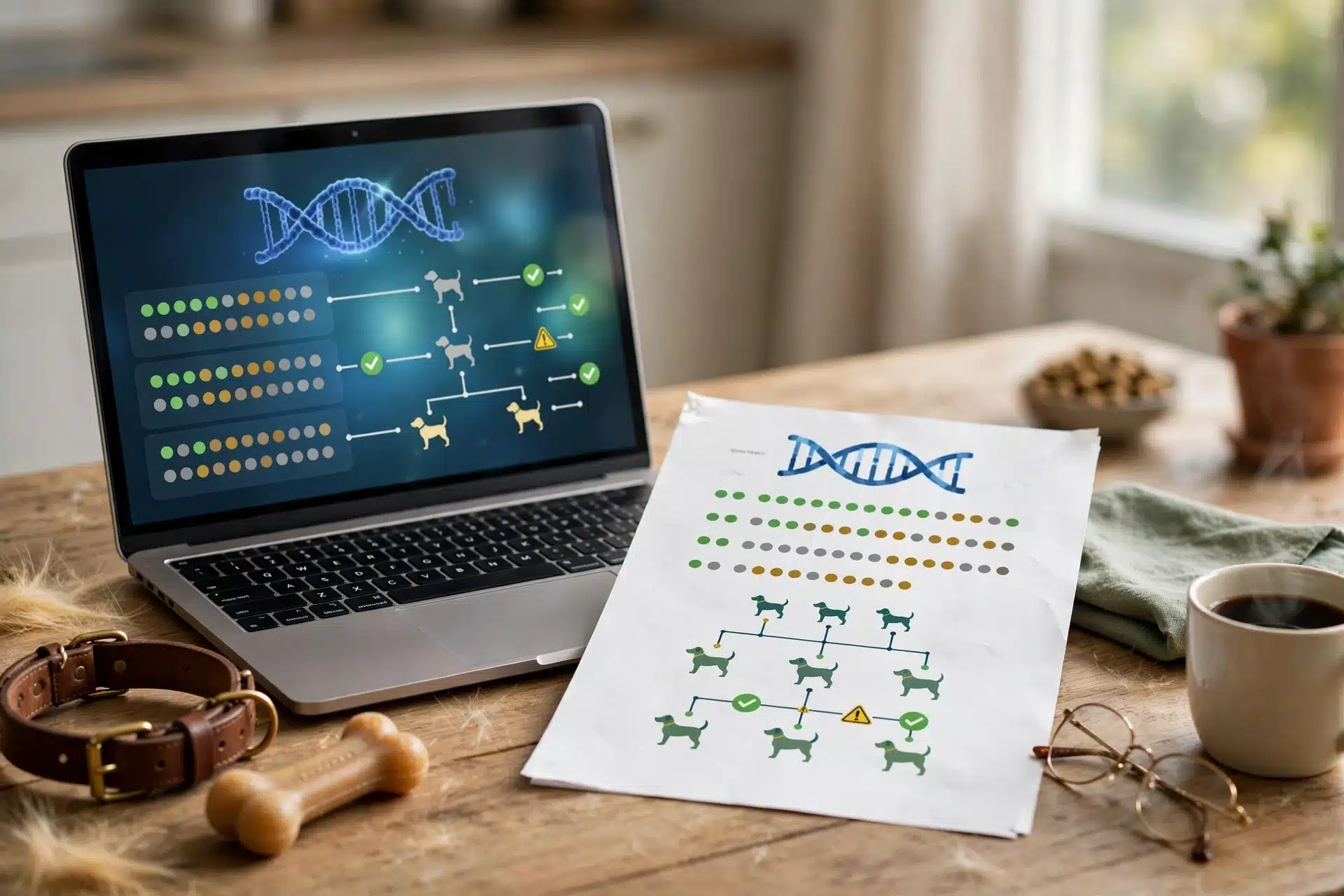
- Look up the dog in the OFA DNA repository. Enter the registered name and compare each result: clear, carrier, or at-risk.
- Check parentage verification. Good labs confirm the puppy belongs to the stated parents.
If a result says carrier or at-risk, ask how the pairing avoids affected puppies. A breeder who shares results honestly, including the messy ones, is usually a safe bet.
Checking the laboratory’s own database
Most DNA labs, including Embark and Paw Print Genetics, let you look up a result with the report ID or the dog’s details. Type in the ID printed on the breeder’s copy. If the database shows nothing, ask why. The lab’s own record is the source; a screenshot or a text message is not proof. When a breeder sends you the report right away, verifying OFA certificates and lab records takes minutes.
What a CHIC number does and does not tell you
A CHIC number means a dog has completed the health testing its breed club requires and the owner agreed to publish the results, pass or fail. It does not mean every result is normal. Read each listed test yourself. For a Cavapoo, check both the Cavalier King Charles Spaniel CHIC requirements and the Poodle’s. Good breeders publish everything, and they will walk you through any puppy health records you want to see.
Step 4: Check the Clinical Screening Separately
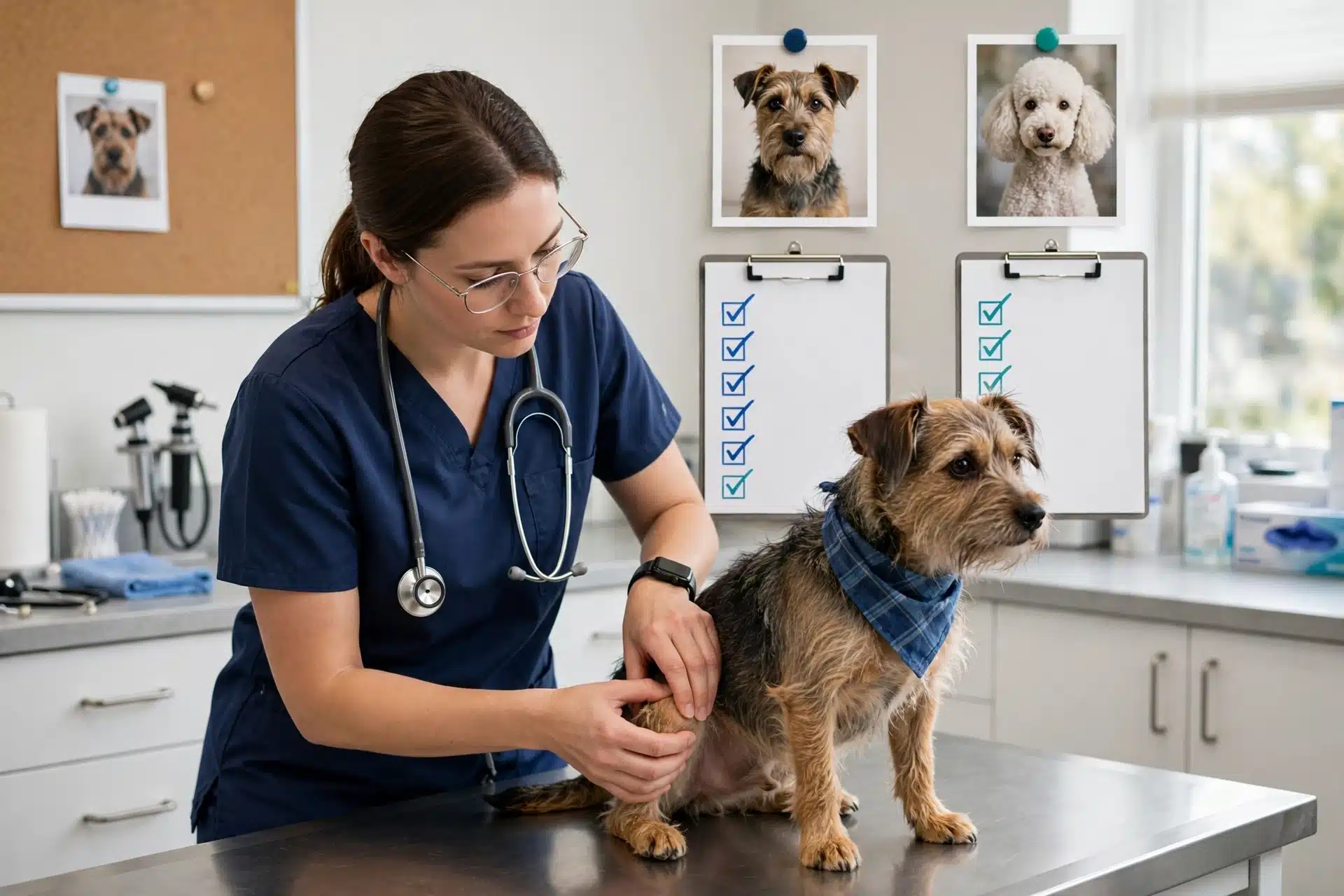
DNA results tell you what genes a dog carries. Clinical screenings measure the body itself: hips, kneecaps, eyes and heart. You need both, and they come from different places, so verify OFA certificates for the clinical side before you trust a puppy listing. For a Havapoo or Cavapoo, ask to see tests grouped by parent breed:
- Havanese parent: hips, patellas, and a CAER eye exam
- Cavalier parent: cardiac exam, patellas, and a CAER eye exam
Current Havanese requirements and what changed
The Havanese Club of America lists three CHIC tests: hips, patellas and eyes. Hip certification only counts once the dog turns 24 months, which is why a young dam with “passing hips” should raise a question. Patella, cardiac and thyroid exams can be done from 12 months. Requirements shift as clubs update them, so match what a breeder shows you against the CHIC program breed requirements today, not a checklist from three years ago.
Matching each parent to its own breed list
A cross inherits from two breeds, and each side carries its own risks. Cavaliers need a cardiac exam because mitral valve disease runs through the breed; Havanese do not face the same heart burden. So a Havanese dam cannot be screened “for the Cavapoo,” and a Cavalier sire cannot cover the Havanese side. Ask which parent is which breed, then check each dog against its own list. Some programs, including ours, apply the stricter of the two lists to every parent, whatever the cross. Use OFA’s browse by breed tool to confirm each requirement.
Reading hip and patella results without a veterinary degree
Hip ratings run from Excellent down through Good and Fair to dysplastic grades. Any of the first three is a pass. Patella results read as normal or luxated, often with a grade of 1 through 4; only normal belongs in a breeding dog’s record. Eye exams differ: a CAER form lists the exam date, and a normal result only means clear on that day, so recent dates matter more than an old pass. If a report shows a breed, registration number or name that does not match the parent you were told about, stop and ask. Papers are only proof if they belong to the right dog.
Step 5: Confirm the Records Belong to the Dogs in This Litter
A record for a dog is not proof of that dog’s offspring
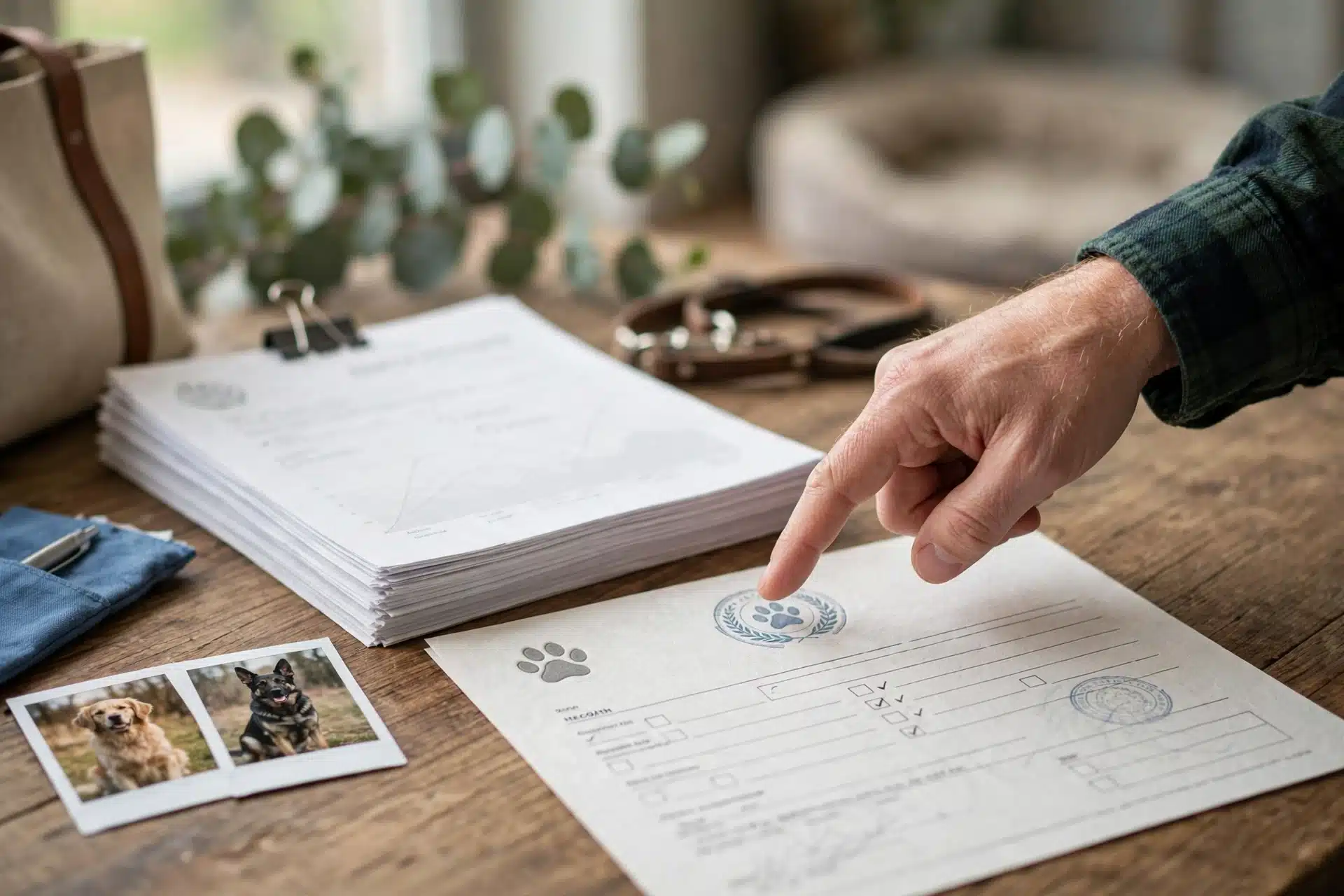
A passing health result proves one thing only: the tested dog cleared that screening. It says nothing about the puppy you’re holding. Some sellers post results from an adult relative, an older champion in the pedigree, or a completely different dog with a similar name. So match every document to a named parent. Each report should carry the dog’s registered name, and both parents’ results should line up with the names on the litter’s paperwork. If a breeder shares a folder of clean lab reports but can’t tie them to the actual dam and sire, you’ve learned nothing about your puppy’s risk.
Parentage verification as the strongest cross-check
DNA parentage testing compares the dam’s, sire’s and puppy’s profiles and confirms the match with more than 99% confidence, according to AKC’s DNA program. That makes it the strongest single check on whether the paperwork describes this litter. The OFA even verifies parentage when all three dogs are profiled through the same lab panel, per its policies. Ask whether the breeding pair was DNA profiled. Most honest breeders will answer without hesitation, and the answer should match the health records you review.
Microchips, paperwork and the puppy’s own records
Your puppy gets its own documents at the vet visit: a microchip number, a first vaccine entry and a deworming log. Scan the chip yourself or ask the vet to. Then check it against the chip number printed on the puppy’s health record. Names can repeat, and registries list many dogs with the same title. A chip is unique. That number, tied to this puppy, closes the loop between the parents’ testing and the dog that comes home with you.
Step 6: Decide What to Do With What You Found
Three levels of findings and what each one means
Most results fall into three buckets. Clear across the board means you can move forward. Missing but age-appropriate tests, like a patella exam for a dog over a year old, mean one more question before you commit. Young dogs with incomplete records may be fine, since hip certification only counts at 24 months, but you deserve a straight answer about when each screening will happen.
Walk-away signals worth taking seriously
Some findings should end the conversation. No testing at all. Paperwork with names that don’t match the dogs you met. DNA results showing both parents carry the same disease, yet pups are still being bred. Excuses that shift every time you ask. A breeder who refuses to register results publicly in the OFA database is asking you to trust a claim you cannot verify, and that is exactly the pattern that hides problems.
One message you can send, and when to involve a professional
If results are close but not complete, send this: “Could you share the OFA numbers for both parents and the date of any pending exams?” A confident breeder answers within a day. When you get conflicting documents, vague answers or pressure to decide quickly, pause. Ask your veterinarian to review the records before you pay anything.

You now know how to read a lab report, check OFA entries, and ask the right questions at each step. Use that checklist before you commit to any litter. If you want a program that already documents its Havanese, Havapoo and Cavapoo health records openly, see Sage Puppies, or bring your questions to the application call.
Frequently Asked Questions
Q1: How do I verify a puppy breeder’s health testing records?
Ask for full lab reports and OFA certificates, not screenshots. Then search each parent’s registered name in OFA advanced search and the OFA DNA repository, matching every result to the named dog and date.
Q2: Which health tests should I ask to see for a Havapoo or Cavapoo puppy?
Request results for both parents, grouped by breed. Havanese parents need hips, patellas and a CAER eye exam; Cavalier parents need a cardiac exam, patellas and eyes. Poodle-side testing follows the Poodle’s list too.
Q3: What genetic tests should a reputable small dog breeder have done?
A breed-appropriate DNA panel for each parent, covering inherited variants plus parentage verification. Reports should show the lab name, registered name, number and date, and every result should appear in the lab’s own database.
Q4: Do I need both parents’ results for a crossbred puppy?
Yes. Puppies inherit from both, so a clear sire cannot cancel a carrier dam. Check each parent against its own breed’s CHIC program breed requirements.
Q5: What does a CHIC number actually prove?
It shows the dog completed its breed club’s required tests and results were published, pass or fail. It does not mean everything is normal, so read each listed result yourself.
Q6: How do I confirm the records match my puppy?
Use DNA parentage verification, which confirms sire, dam and puppy with over 99% confidence, then scan the puppy’s microchip and match it to the health record.
Q7: Should I walk away if a parent is a carrier?
Not necessarily. Carrier plus clear pairing avoids affected puppies. Ask how the breeder matched the pair; hesitation or both parents carrying the same variant is the real red flag.
Conclusion
Verifying a breeder’s health testing records comes down to a short checklist: get the full lab reports, read the header for the registered name and date, and confirm breeder DNA tests yourself in the OFA DNA repository. Check clinical screenings like hips, patellas, eyes and heart against each parent’s own breed list. Then use DNA parentage verification and the puppy’s microchip to tie every document to this litter.
A clear result is only proof when it belongs to the right dog. Complete, published records and straight answers about any gaps are what a trustworthy program looks like. You can apply these same checks to our available puppies’ health records before you commit to any breeder.