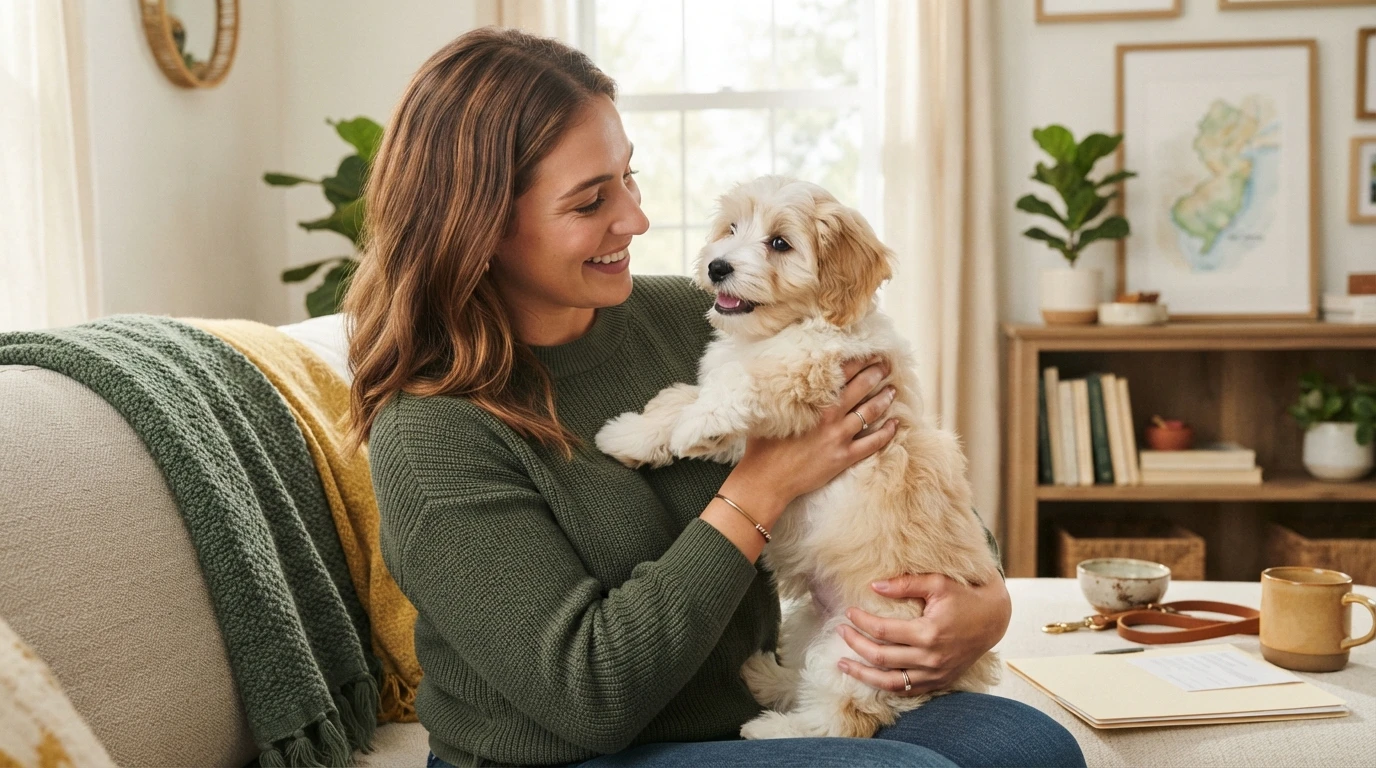
Quick Summary: Choosing family-raised puppies requires verifying breeder transparency, health testing, and proper socialization. Costs extend beyond the initial price to include vet care, supplies, and ongoing expenses. Clear communication, documentation, and a good fit for your home are key to avoiding costly mistakes and ensuring a healthy, well-adjusted puppy.
If you are looking at family-raised puppies for sale near me, the biggest question is not which puppy has the sweetest photo. It is whether the breeder can clearly show health testing, early social care, and a simple, honest go-home plan. That matters just as much in South Jordan as it does if you are searching family-raised puppies for sale near me from another state.
Most first-time buyers get stuck sorting through cute listings, vague promises, and missing details on price, pickup, and breeder standards. That is where costly mistakes happen. A polished ad can hide weak communication, poor early care, or no real proof behind the claims.
This guide helps you cut through that fast. You will learn how to compare breeders, what costs to expect, which questions to ask, and how to judge Havanese, Havapoo, and Cavapoo puppies with a clear head.
At Sage Puppies, the focus stays on family-first placement, careful early care, and clear next steps for families searching family-raised puppies for sale near me with confidence.
1. Check Whether the Breeder Is Truly Family-Raised
A true family-raised breeder should be easy to verify. You should see puppies raised in a home, regular contact with people, and clear proof that the breeder knows each puppy well. According to Cornell’s breeder guide, good breeders provide early socialization, clean living space, and health testing for breeding dogs.
What a real family-raised program should show you
“Family-raised” is not a cute label. It should describe how the puppies actually live.
Look for signs like these:
- Puppies are raised inside the home, not in a detached shed or row of pens.
- The breeder can explain the puppies’ daily routine, noise exposure, and social time.
- You can meet the mother dog, and sometimes more family members involved in care.
- The breeder knows each puppy’s temperament, not just coat color or size.
- Photos and videos show normal home life, not staged shots only.
- The breeder asks you questions too.
| Strong sign | Why it matters |
|---|---|
| Home setting | Puppies get used to real family sounds and routines |
| Clean, calm space | Shows steady care, not volume sales |
| Temperament notes | Helps match the right puppy to the right home |
If the breeder avoids showing where puppies are raised, slow down and ask more.
Questions that reveal quality fast
You do not need a long interview to spot gaps. A few direct questions tell you a lot.
Ask:
- Where do the puppies sleep and play each day?
- How do you socialize them with kids, sounds, grooming, and handling?
- Can you show health testing for the parents?
- How do you choose which puppy fits which family?
- What happens if a family cannot keep the puppy later?
The AKC says responsible breeders should welcome questions, show at least one parent when possible, and keep puppies until about 8 to 12 weeks so they can mature and socialize well with their littermates and mother, per AKC’s breeder advice.
Fast answers are good. Clear answers are better.
Why breed fit matters more than convenience
The nearest puppy is not always the right puppy. A family-raised Havanese, Havapoo, or Cavapoo may fit your home far better than a convenient listing from a seller who knows little about the breed.
Breed fit affects:
- energy level
- grooming needs
- size expectations
- trainability
- how the puppy handles family life
A careful breeder will slow you down if the match feels off. That is a good sign. Programs like Sage Puppies tend to focus on fit first, which matters even more for first-time families, Utah buyers, and national buyers arranging pickup or delivery.
Also Read: 10 Small Breed Puppies That Stay Friendly & Easygoing
2. Verify Health Testing, Early Care, and Documentation
Before you reserve a puppy, ask for proof, not promises. A good breeder should show health testing on the parent dogs, explain the puppy’s early care, and hand over clear records in writing. Cornell’s veterinary team says responsible breeders test for breed-related conditions, provide early socialization, and often send puppies home with vaccine records and starter care details in place according to Cornell.
The health details you should expect before reserving
Ask for a simple list of what was done for the parents and what was done for the puppy. Those are not the same thing.
You should expect:
- Parent health testing for breed-related risks
- A vet check for the puppy before go-home day
- Age-appropriate vaccines
- Deworming or parasite care
- Early socialization in a clean home setting
Do not settle for “our puppies are healthy” with no paperwork.
| What to verify | What you should ask for | Why it matters |
|---|---|---|
| Parent dog testing | Named test results or certificates | Helps reduce inherited risk |
| Puppy wellness care | Vet exam date and notes | Shows the puppy was checked |
| Vaccines | Record with dates | Helps your vet continue care |
| Deworming | Product or treatment dates | Confirms basic early care |

Tip: “Vet checked” is a start, not the whole story. Ask what tests were done on the parents before breeding.
What puppy records should be in writing
Get every key detail on paper before pickup or delivery. USDA care rules for regulated dog sellers require written veterinary care programs and medical records that include vaccines, treatments, and exam findings under federal veterinary care standards. Even if a breeder is small or home-based, written records are still the standard you want.
Your packet should include:
- Date of birth
- Breed or mix details
- Vaccination record
- Deworming record
- Vet exam record
- Microchip details, if included
- Sales contract or reservation agreement
- Feeding instructions and current food
If something is only verbal, ask for it by email or in the take-home folder.
How to read a breeder’s transparency signals
Clear breeders answer direct questions fast. Vague breeders stall.
Good signs:
- They show records without acting offended
- They explain what was tested and why
- They tell you what is known and what is not
- They welcome questions about pickup, delivery, and next steps
Red flags:
- No parent test results
- No written vaccine dates
- Pressure to send a deposit right away
- Refusal to show where or how puppies are raised
For families comparing options, this is where Sage Puppies should feel different – calm, clear, and documented.
If a breeder is transparent before payment, that usually carries through after you bring your puppy home.
Also Read: 10 Adorable Havapoo Colors You Need to See (2026)
3. Build the Real Cost of a Family-Raised Puppy
The puppy price is only the first number. Your real budget needs to cover purchase, setup, vet care, food, grooming, training, and a cushion for surprises. If you are still comparing breeders, read the parent guide on Family-Raised Puppies for Sale Near Me: Adoption Checklist and Costs first, then come back here to build your budget.
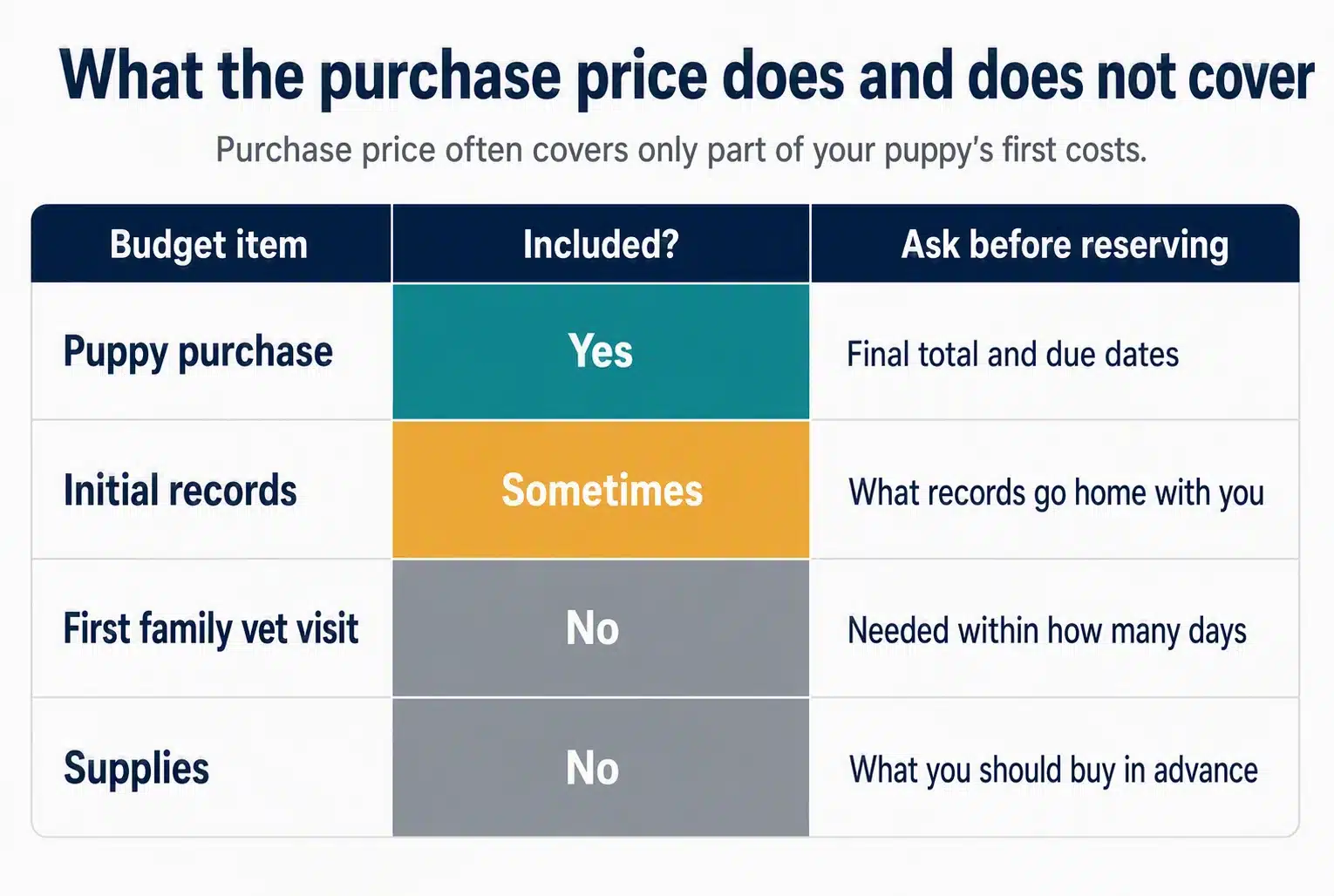
What the purchase price does and does not cover
A higher puppy price can reflect real value, but only if you know what is included. Ask for a plain list before you apply or reserve.
Often included:
- The puppy itself
- Age-appropriate early care already completed
- Basic starter paperwork
- A go-home date and pickup or delivery details
- Early socialization work in a home setting
Often not included:
- Your first vet visit after pickup
- Ongoing vaccines and preventives
- Food after the starter supply runs out
- Crate, bed, bowls, leash, and toys
- Grooming, training, and insurance
According to the ASPCA cost guide, one-time startup costs for a dog can add up fast, even before regular yearly care begins.
A low puppy price can cost more later if the breeder cuts corners on care, records, or early handling.
| Budget item | Usually included in puppy price? | Ask before reserving |
|---|---|---|
| Puppy purchase | Yes | Final total and due dates |
| Initial records | Sometimes | What records go home with you |
| First family vet visit | No | Needed within how many days |
| Supplies | No | What you should buy in advance |
The first-month and first-year costs families should plan for
Your first month is the busiest. You are buying supplies and booking care at the same time.
First-month costs usually include:
- Initial vet visit
- Crate, bed, bowls, collar, leash
- Food, treats, chew toys, cleaning supplies
- Grooming tools or first grooming visit
- Training class or home setup items
First-year costs often continue with:
- Vaccine boosters
- Routine exams
- Flea, tick, and heartworm prevention
- Grooming
- Food and treats
- Licensing and boarding if needed
The ASPCA estimates annual dog costs around $1,391 plus $1,030 in initial costs, with a first-year total of $3,221 in its sample budget, not counting every family’s travel or breeder purchase price ASPCA breakdown.
| Time frame | Main costs | Budget note |
|---|---|---|
| First month | Vet, supplies, food, setup | Highest cash outflow |
| First year | Preventives, grooming, training, routine care | More than most families expect |
How timing affects your budget and reservation plan
Timing matters almost as much as price. A puppy ready soon may mean you need cash for reservation, final payment, supplies, and travel in the same month.
Use this simple plan:
- 60 days out – start your puppy fund
- 30 days out – buy must-have supplies
- 2 weeks out – confirm pickup or delivery costs
- Homecoming week – pay for first vet visit and food restock
If you are working with a boutique breeder like Sage Puppies, ask about:
- Reservation timing
- Final payment deadlines
- Pickup versus delivery cost differences
- What to have ready before go-home day
Families who plan the full cost early tend to choose more calmly and avoid last-minute money stress.
4. Confirm Pickup, Delivery, and the Go-Home Plan
What to confirm before pickup or delivery day
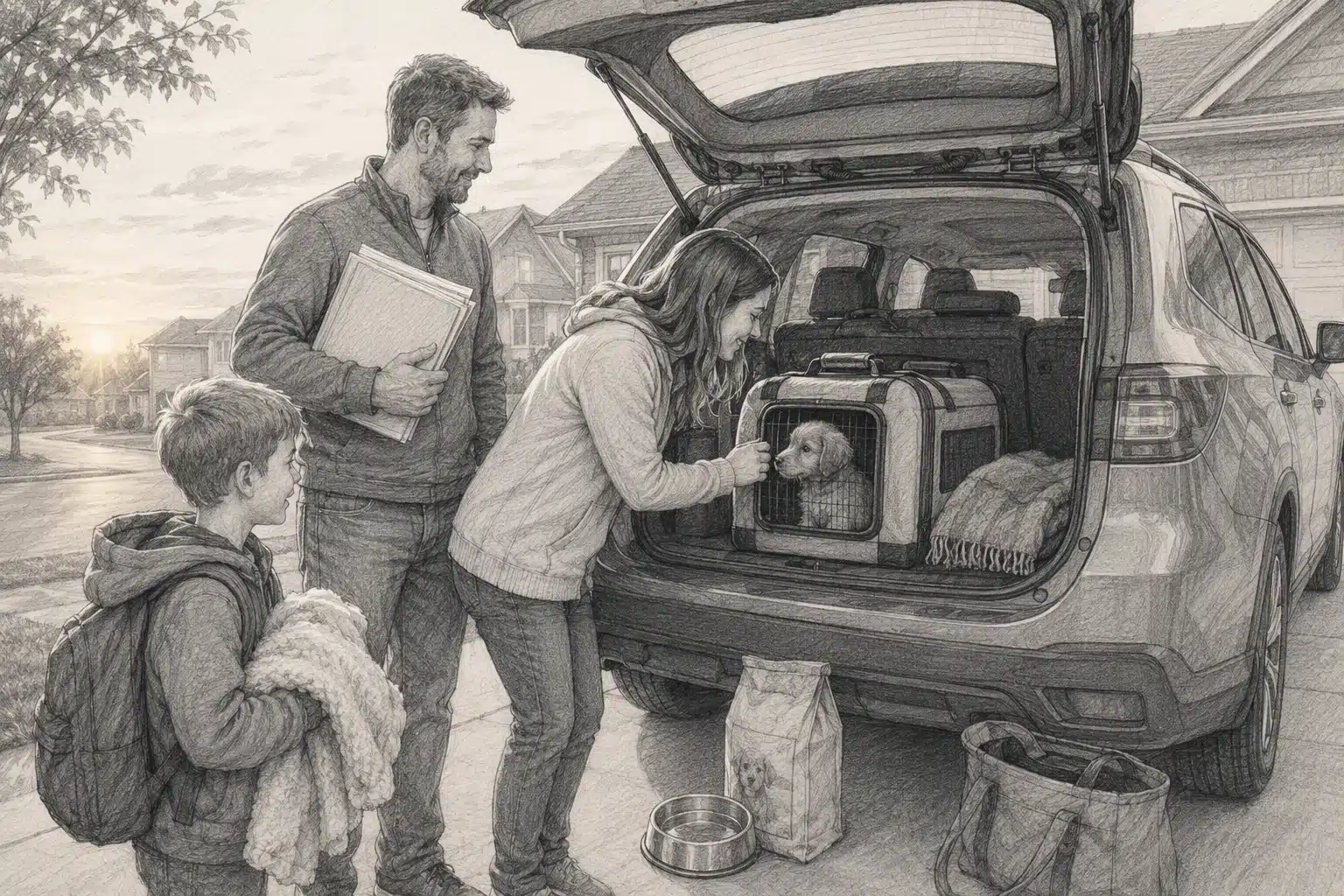
Get the handoff details locked in early. You do not want loose ends once your puppy is ready to go home. Ask for the exact pickup window or delivery date, who will handle the transfer, what records come with the puppy, and when final payment is due.
Use this quick check list:
- Go-home date and time
- Pickup address or delivery method
- Feeding schedule and current food
- Vaccine and deworming record
- Microchip details, if included
- Travel crate or carrier plan
- First-night routine recommendations
If your puppy is crossing state lines, ask whether any airline or state-specific paperwork applies. The CDC notes that health certificates may be required by airlines or some states even when they are not a general U.S. entry rule for pets in all cases according to CDC travel guidance.
| Item to confirm | Why it matters | What to ask |
|---|---|---|
| Timing | Avoid rushed handoff | “What is the exact release day?” |
| Records | Helps your vet continue care | “What documents come home with my puppy?” |
| Food plan | Prevents stomach upset | “How many days of current food should I have ready?” |
Why Utah families and national families can follow the same process
The steps are mostly the same whether you live near South Jordan or across the country. You still need a clear reservation, written next steps, go-home supplies, and a vet visit booked within the first few days. The only real change is the handoff method.
For local families, that may mean in-person pickup. For national families, it may mean flight delivery or arranged ground transport. Good breeders keep the process simple and clear either way. Sage Puppies should be able to explain the timeline in plain English, not vague promises.
For families returning to the U.S. from abroad with a dog, CDC says all dogs entering the U.S. need a CDC Dog Import Form receipt, with added rules in some cases under current CDC import rules.
Questions to ask about transport and transition
Ask direct questions before you commit:
- Who stays with the puppy during transport?
- How long will the puppy be in transit?
- What happens if weather delays travel?
- Will my puppy eat, potty, and rest before handoff?
- What should I do in the first 24 hours at home?
Keep your own transition plan simple:
- Bring your carrier inside first
- Offer water before food
- Keep kids calm and gentle
- Skip big outings on day one
- Follow the breeder’s routine for meals and sleep
A smooth first day matters. Most stress comes from too much change at once.
Also Read: 10 Must-Ask Questions Before Buying a Puppy Locally
5. Avoid the Mistakes That Lead to Regret
The biggest regrets usually start with a shortcut. Families rush, skip questions, or treat a puppy like a quick purchase instead of a long commitment. The Better Business Bureau warns that puppies bought at the wrong time, near a move, during stress, or without a real budget, often bring avoidable strain later BBB buying a puppy tips.
Common costly shortcuts include:
- Choosing the lowest price without asking what is included
- Sending money before a phone or video call
- Trusting a polished website more than real records
- Assuming AKC registered or USDA licensed means high quality on its own
- Skipping a temperament and lifestyle fit check

A USDA license can apply to larger sight-unseen sellers, but it is not a quality promise by itself USDA breeder licensing overview.
Before you reserve, use one simple final check:
- Confirm the puppy fits your home, kids, and schedule.
- Ask for parent health testing and recent puppy records.
- Have a live call or video visit.
- Read the reservation terms slowly.
- Map your pickup or delivery plan.
- Add up first-month costs, not just the puppy price.
| Final check | What you want |
|---|---|
| Health | Clear records you can review |
| Seller communication | Direct, calm, transparent answers |
| Timing | A week when your family can settle in |
| Payment | Clear terms with no pressure |
If any part feels rushed, vague, or too good to be true, pause. Good breeders do not push qualified families to decide fast.
For the full buyer framework, go back to the parent guide on Family-Raised Puppies for Sale Near Me: Adoption Checklist and Costs.

If you want a family-raised puppy without the guesswork, start with Sage Puppies. You can review available Havanese, Havapoo, and Cavapoo puppies, see how pickup or delivery works, and take the next step with a clear application and reservation process. It’s a simple way to move from searching to choosing with confidence.
Frequently Asked Questions
Q1: best family-raised puppy breeders
Look for breeders who raise puppies in the home, health test parent dogs, share clear pricing, and ask you questions too. Good breeders explain socialization, pickup or delivery, and what support you get after you bring your puppy home.
Q2: How much should I budget for a family-raised puppy?
Plan for more than the puppy price. Add reservation fees, travel or delivery, a crate, food, grooming, first vet visits, and supplies. A realistic first-year budget helps you avoid stress and choose a puppy you can truly care for.
Q3: How do I tell if a breeder is trustworthy?
Ask for parent information, health testing details, recent puppy photos, and a clear process. Read reviews carefully. A trustworthy breeder answers directly, does not rush you, and explains how puppies are raised, matched, and sent home.
Q4: Is pickup better than delivery?
It depends on your location and schedule. Local pickup gives you a face-to-face handoff. Delivery can work well for national buyers if the breeder explains timing, safety, and what your puppy experiences during transport.
Q5: What questions should I ask before I place a reservation?
Ask about parent temperament, socialization, vaccine timing, go-home age, food, potty habits, and support after pickup. If you are comparing options, Sage Puppies should be able to explain each step clearly and calmly.
Conclusion
Finding family-raised puppies for sale near me gets much easier when you slow down and check the right things. The best choice is not just the closest puppy. It is the puppy raised with care, clear health records, honest breeder communication, and a temperament that fits your home.
This guide covered the big pieces:
- how to vet a breeder
- what questions to ask
- what first-year costs really look like
- how pickup or delivery changes planning
- why family fit matters more than impulse
A good puppy match should feel clear, not rushed.
Budget matters too. Ongoing care is real, and routine vet spending adds up over time, as shown in AVMA pet ownership statistics. Safety matters just as much. The CDC says families should supervise young children around dogs and wash hands after handling pets or supplies, according to CDC dog health guidance.