
Quick Summary: Searching for puppies in California requires seven deliberate filters to avoid wasting time on irrelevant listings. Start by setting a realistic travel radius, then filter by breed fit, availability timeline, source type, health documentation, and pickup or delivery logistics before comparing a shortlist with the same checklist. The article emphasizes that filters only build a shortlist, and real verification comes from asking breeders direct questions about parent health testing, records, and written terms. It also notes that California’s AB 506 law requires written origin and health disclosures for covered sales starting January 2026.
Type “puppies California near me” and you’ll get pages of results. Some are hundreds of miles from your door. Some were reserved weeks ago. A few look alike but tell you very different things.
Without a deliberate set of filters, you can burn an afternoon clicking listings that never fit your travel radius, your breed, your timing, or your expectations for records and communication.
This guide fixes that. It walks through seven filters that turn scattered results into a practical shortlist. You’ll learn how to check distance, availability, source details, documentation, and pickup or delivery before you ever send a message.
The filters are ordered the way a real search unfolds: cut irrelevant results first, then identify suitable puppies and sources, then confirm practical details. No listing badge replaces direct questions and your own review of records. Use both, and the search gets easier.
Seven Filters for a More Focused California Puppy Search
| Filter | Best for | What to narrow | What to confirm |
|---|---|---|---|
| Set a realistic California search radius | Reducing travel-incompatible results | City, ZIP code, and realistic travel radius | Actual puppy location and meeting or pickup point |
| Filter by breed and household fit | Matching search results to household needs | Breed, expected size, coat care, and activity | Parent details and the breeder’s explanation of likely needs |
| Separate available puppies from planned litters | Families planning around a preferred go-home window | Available now, current litter, or planned litter | Status date, expected timing, and reservation steps |
| Choose the right source category | Families clarifying breeder purchase versus adoption | Breeder, shelter, or rescue listings | Who is responsible for the puppy and what process applies |
| Screen for origin and health documentation | Shortlisting sources with clear, checkable information | Origin, parent testing, puppy care, and written terms | Records correspond to the specific puppy and its parents |
| Filter for pickup or delivery feasibility | Families deciding between local pickup and delivery | Pickup location, delivery availability, and timing | Who arranges transport and which records accompany the puppy |
| Compare a short list using the same checklist | Choosing which listings merit a conversation | A shortlist of plausible, relevant sources | Consistent answers, written details, and remaining questions |
What to know about California puppy search filters
Searching “puppies California near me” can pull up hundreds of listings in seconds. Filters help you narrow that flood to results that actually fit your family: breed, size, distance, and availability. But a listing that’s close by isn’t automatically a good source.
Think of filters as the first step, not the last. They build a shortlist. Then you do the real work: confirm who bred the puppy, ask what health records come with it, and nail down how pickup or delivery would happen.
California buyers should also ask for written origin and care details, and read the sale terms closely. A calm, transparent breeder answers these questions easily. The next section walks through seven filters that make your local search far more effective.
1. Set a realistic California search radius
Use distance to make the first cut, not the final decision. When you search for puppies california near me, start with the travel radius your household can actually manage – not the widest setting on the page.
Begin near your city or ZIP code, then widen in measured steps if results run thin. California is huge, so a statewide result can include listings that are not practical to visit. A quick local puppy search plan works best when you layer location filters first, then judge the sources behind them.

Highlights
- Search by city or ZIP code and test a few radius settings
- Compare nearby regions only if travel is workable
- Check the breeder’s location directly with the listing
Pros
- Quickly cuts a statewide result set down to size
- Helps families plan visits and travel realistically
Cons
- A nearby result is not proof of responsible breeding
- Some listings show a regional area, not the puppy’s true spot
Record the listed city and the actual pickup point separately. Sage Puppies, for example, is based in South Jordan, Utah with pickup and delivery options – distance is one fact, not the whole decision. That is why this filter ranks first: it is fast and convenient, but it should never outrank a more transparent source.
Last updated: September 29, 2026
Also Read: 7 Puppy Breeder Red Flags First-Time Dog Owners Should Know
2. Filter by breed and household fit
Search for the kind of companion that fits your home, not only the closest listing. Once your search area is manageable, use breed filters to sort by expected size, coat care, and activity level, plus the time your family can truly give a puppy.

Highlights
- Choose one or two breed preferences before searching.
- Compare grooming and daily-care demands alongside appearance.
- Keep an open option for a well-matched puppy rather than filtering only by color or sex.
What to narrow
- Breed, expected size, coat care, and activity
What to confirm
- Parent details and the breeder’s explanation of likely needs
Pros
- Makes the search more relevant to daily family life.
- Encourages consideration of care needs beyond puppy appearance.
Cons
- Breed and mix labels do not guarantee a specific adult temperament or coat.
- Overly narrow appearance preferences can hide suitable matches.
For example, the Havanese is a friendly, adaptable companion that thrives on people time but needs regular brushing to prevent mats. If you are comparing Havanese, Havapoo, or Cavapoo programs, ask how the breeder describes the parents and the traits puppies are likely to inherit. A mix label alone is not a promise of adult size or coat.
Breed fit shapes which listings are relevant and which care questions matter, so it comes right after checking distance.
Last updated: September 29, 2026
Also Read: 7 Puppy Listing Details to Check Before You Reach Out
3. Separate available puppies from planned litters
Listings can mean three different things: a puppy ready now, a current litter not yet old enough to leave, or a planned litter with a waitlist. Treat these as three timelines. Before you fall for a profile, match the listing to when you actually want a puppy home. Check when the listing was last updated, then ask directly whether the puppy is still available or reserved, when placement is expected, and what steps come before you can hold a spot.

Highlights
- Look for current status and dates, not just a cute photo
- Ask whether the puppy is available, reserved, or part of a planned litter
- Confirm the expected go-home window and how the breeder sends updates
Pros
- Makes your search results far more useful for realistic planning
- Encourages a direct confirmation instead of trusting old listing details
Cons
- Availability labels go stale fast
- A planned litter does not guarantee a specific puppy or exact timing
A timing filter saves families from chasing listings that do not fit their schedule, so it earns this spot.
Last updated: September 29, 2026
Also Read: Puppy Care Blog & Resources | Sage Puppies
4. Choose the right source category
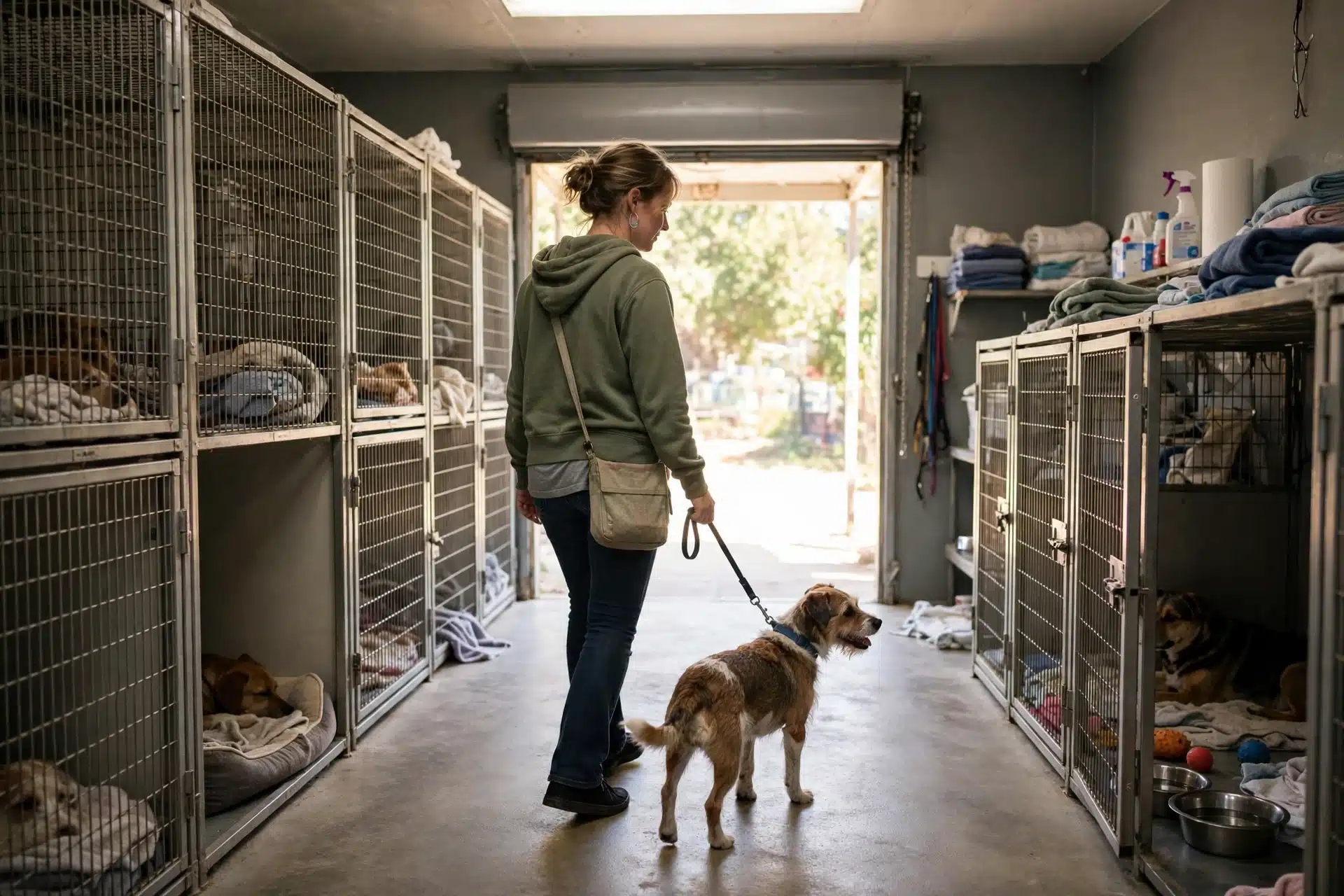
Before you compare listings, decide the route: buy from a breeder or adopt through a shelter or rescue. These are different processes with different information, so run them as separate searches instead of mixing the results. A breeder listing should tell you who bred the puppy and where it was raised. An adoption listing usually starts with a conversation about the animal’s known history and needs.
Highlights
- Use a separate search for breeders and for adoption organizations
- Check whether the listing identifies the actual source of the puppy
- Read the application, screening, and placement steps before proceeding
Pros
- Prevents mismatched comparisons between distinct placement routes
- Clarifies which questions and records to request
Cons
- A category label alone does not establish the quality of a source
- Listings may leave the puppy’s original source unclear, requiring follow-up
For a planned breed search, like Havanese puppies from a home-raised program, ask who handled the litter and how the puppies were socialized. Groups like the ASPCA adoption guide walk through what rescue screening typically involves. If a listing hides the puppy’s origin, that is a reason to pause, not to assume.
Specs
- Best for: Families clarifying breeder purchase versus adoption
- What to narrow: Breeder, shelter, or rescue listings
- What to confirm: Who is responsible for the puppy and what process applies
It ranks here because once location, fit, and timing are set, source type organizes the remaining results around the process your family is prepared to follow.
Last updated: September 29, 2026
5. Screen for origin and health documentation
Good listings invite specific questions and offer records you can review. Vague ones rely on phrases like “health tested” with nothing behind them, so treat that wording as a prompt to ask which tests were run and on which parent.

Highlights
- Ask who bred the puppy and where the litter was born and raised.
- Request parent-specific health-test results and the puppy’s veterinary records.
- Review written origin and care disclosures and the contract before paying.
Specs
- What to narrow: Origin, parent testing, puppy care, and written terms
- What to confirm: Records correspond to the specific puppy and its parents
Pros
- Moves the search from marketing language toward verifiable details.
- Encourages families to review records before committing.
Cons
- A listing may not display all records, so follow-up is necessary.
- Health screening reduces some risks but cannot guarantee future health.
If you buy from a California breeder, AB 506, effective January 1, 2026, requires written notice of a dog’s original source along with certain treatment and health information for covered sales. Confirm which requirements apply to your purchase and collect the documents before you pay. This filter matters most for out-of-state sources too. At Sage Puppies, every Havanese, Havapoo, and Cavapoo pairing includes parent health testing, so ask any breeder the same questions, including us.
It ranks here because documentation is a higher-value quality screen than listing polish or distance, and it should shape which results make your final shortlist.
Last updated: September 29, 2026
Also Read: California Puppy Delivery vs Pickup: Which Option Fits Your Schedule?
6. Filter for pickup or delivery feasibility
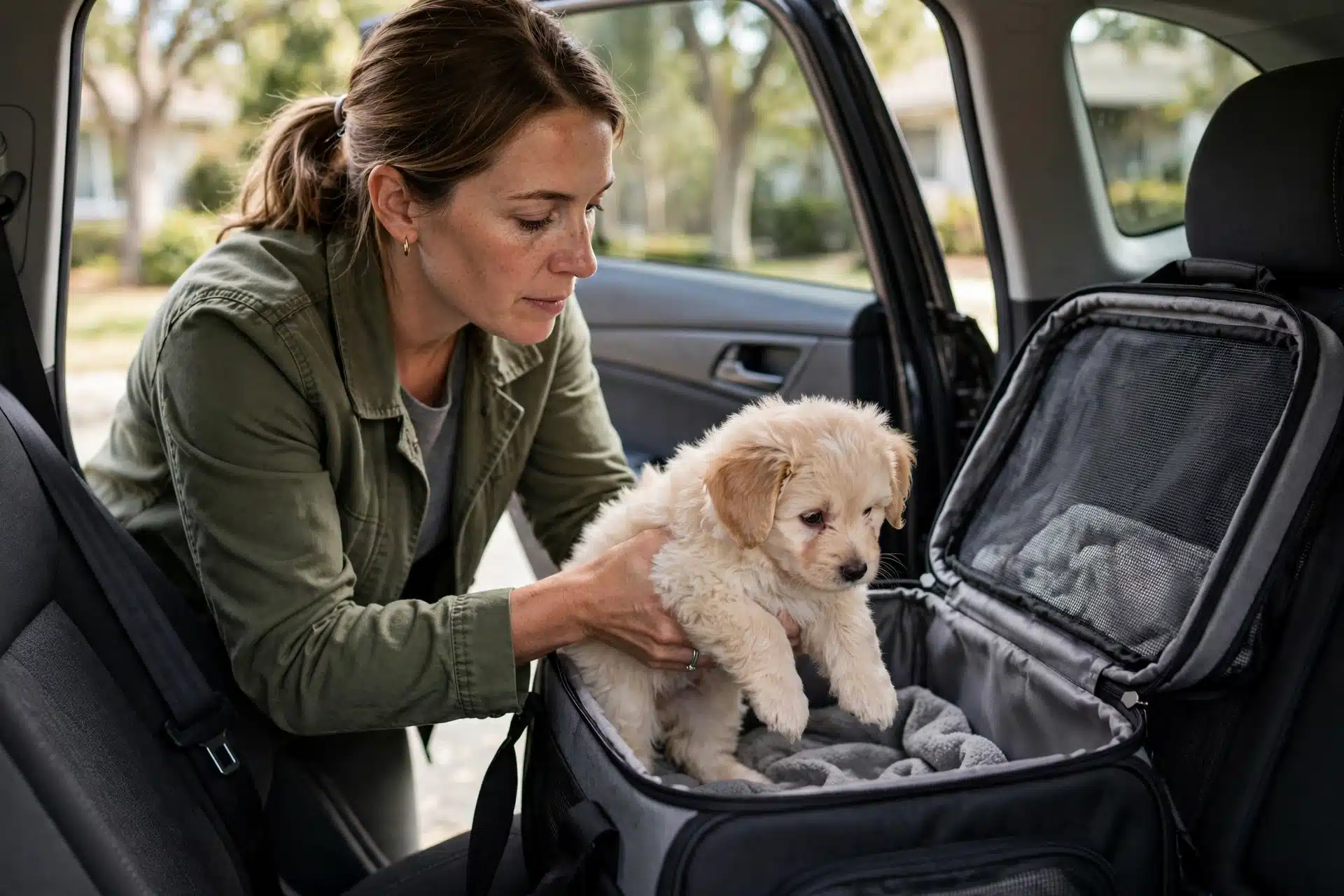
A listing can show up in a local search while the puppy sits in another state. Before you treat a distant result as “near me,” confirm how the puppy actually reaches your door. Ask where pickup happens, whether delivery is offered, who handles transport, and what it costs.
Highlights
- Confirm the puppy’s physical location and the exact handoff location.
- Ask for a written description of the pickup or delivery plan.
- Check timing, who travels, and which health or origin records come along.
If you’re open to out-of-state programs, know the difference. National delivery is not the same as California-based breeding, so ask breeders to explain the puppy’s origin and transfer plan clearly. Sage Puppies, for example, is a home-raised program in South Jordan, Utah. It offers local pickup plus nationwide delivery to California families, but it presents itself honestly as a delivery option, not a California-local breeder.
Pros
- Prevents surprises about travel and handoff logistics.
- Makes out-of-area options easier to compare fairly.
Cons
- Delivery availability does not make a program local.
- Transport plans and paperwork must be confirmed directly with each breeder.
Logistics can make an otherwise great result impractical, especially when a search engine’s local label says nothing about where breeding or pickup actually happens.
Last updated: September 29, 2026
Also Read: 7 Idaho Puppy Search Filters for First-Time Dog Owners
7. Compare a short list using the same checklist
Filtering gets you down to a manageable set. Now keep three or four plausible listings and judge them against the same questions: who bred the puppy, what parent health testing is available, what records come with the puppy, how the breeder matches puppy to family, and what happens at pickup or delivery. Write down unanswered questions too, not just the good details. The American Kennel Club recommends asking about parent health testing, vaccine records, and written contracts before you commit.

Highlights
- Save a small number of genuinely suitable listings.
- Use one note page per source to track records, process, timing, and logistics.
- Schedule a call or visit only after the basic facts are clear.
Pros
- Makes comparisons fairer and easier to remember.
- Helps you resist pressure to decide from a single cute photo.
Cons
- Takes time and follow-up conversations.
- A checklist supports judgment but cannot replace meeting the source directly when that is possible.
A thoughtful breeder or rescue should welcome questions about fit. Review written terms before any deposit, and take your time. That is how we work with families considering our Havanese and Doodle-mix puppies, and it is how you should evaluate everyone, including us.
Last updated: September 29, 2026
How to choose the right California puppy search filters
Start narrow, then widen on purpose. A 50-100 mile radius keeps visits simple. Add delivery only if you truly want it.
- Travel radius: Pick a distance you can drive comfortably. Widen it if the breeder offers delivery with clear terms.
- Breed fit: Match the puppy to your routine, grooming time, and companionship needs – not just looks. Havanese, Havapoo, and Cavapoo families often want low-shedding, people-focused dogs.
- Timeline: Filter “available now” separately from planned litters and waitlists so you know exactly when you could bring a puppy home.
- Source type: Keep breeder and adoption searches apart. Each needs different questions.
- Transparency: Favor listings that show parent health testing, care records, and written terms over ones that push urgency.
- Logistics: Confirm pickup or delivery details, then compare a short shortlist before applying.
We recommend Sage Puppies here. Home-raised litters, health-tested parents, and a transparent process make it a strong fit for the filters above – including families choosing delivery to California.

Ready to skip the endless filtering? At Sage Puppies, every Havanese, Havapoo, and Cavapoo puppy comes from health-tested parents and is raised in our home with early socialization. Browse available puppies, submit an application, and choose local pickup in South Jordan or nationwide delivery. Your well-started companion is one clear step away.
Frequently Asked Questions
Q1: How can I narrow down puppy listings in California?
Use filters for breed, distance, health testing, and price, then verify each breeder separately. Search results only show relevance. A smaller, transparent program like Sage Puppies may beat a longer local list.
Q2: What distance filter should I start with?
Begin at 100 miles around major metros like Los Angeles or Sacramento. If options are thin, expand statewide, since many breeders offer delivery.
Q3: How do I verify a breeder after filtering?
Ask for health testing records, parent photos, and a video call with the home. Reputable breeders answer willingly.
Q4: Is delivery safe for a puppy?
Yes, when handled by experienced ground or flight nannies with short travel times. Ask exactly how and when your puppy travels.
Q5: Should price be a filter?
Use it last. An unusually cheap listing often signals skipped health testing or poor care, which costs more later.





