
Quick Summary: Choosing between a small or medium puppy depends on your daily routine, not just size, since temperament, activity needs, and grooming matter just as much. Small breeds fit apartments and travel easier but need gentle handling, while medium dogs suit active families but cost more to feed and house. Neither size is inherently easier, so match the dog to your household, kids, and space, and ask breeders about adult size and health testing. Sage Puppies recommends its Havanese, Havapoo, and Cavapoo breeds as a balanced middle ground for most families.
The small puppy vs medium puppy question comes down to your daily life. If you want a companion who is easy to lift, carry, and fit into a compact home, a small breed may be the better match. If your household is more active and you want a sturdier dog for hikes and play, a medium puppy often fits better. Neither size is automatically easier. What matters is your routine, your kids, your space, and the individual dog in front of you. In this guide, we compare everyday care, family safety, activity needs, and long-term costs, then share the questions to ask any breeder about adult size, temperament, health testing, and bringing your puppy home.
Small Puppy vs Medium Puppy: At a Glance
| Small puppy | Medium puppy | |
|---|---|---|
| Space and portability | Often easier to accommodate in compact homes and carriers; individual rules and fit vary. | Needs room for a larger body and gear; transport and carrier options depend on actual size. |
| Handling and safety | Requires careful handling around young children, stairs, crowds, and larger dogs. | May feel sturdier, but still needs respectful handling, supervision, and training. |
| Activity and routine | Needs regular exercise, training, and enrichment; activity depends on breed and puppy. | Needs regular exercise, training, and enrichment; activity depends on breed and puppy. |
| Typical cost considerations | Food and some supplies may be smaller; grooming and veterinary needs vary. | Food and some supplies may cost more; grooming and veterinary needs vary. |
| Best fit | Households prioritizing a smaller companion and able to supervise gentle handling. | Households with room for a larger dog and a routine compatible with its needs. |
How Small puppy and Medium puppy Compare
Small puppy
A compact companion that often fits easier in apartments, cars, and travel carriers. Small breeds like the Havanese, Havapoo, and Cavapoo suit families who want a lap-sized friend, though they need gentle handling around young kids and bigger dogs.
Key strengths
- Often easier to accommodate in smaller homes and carriers
- Food and some supplies may cost less
- Fits families able to supervise gentle handling
Medium puppy
A sturdier pup that may suit active households with more room to move. Size, exercise needs, and costs depend on the individual breed, so it helps to match the dog to your daily routine.
Key strengths
- May feel more robust for busy family life
- Works well for homes with space for larger dogs and gear
- Still needs careful supervision and consistent training
How Size Changes Your Home and Daily Logistics
Size shapes your day more than most families expect. It affects where the crate goes, how you travel, and how quickly you can get outside for potty breaks.
Apartment, house, and access to outdoor space
Small puppies fit almost anywhere. A Havanese or Cavapoo needs a small crate, a corner of the living room, and a short path to the door. The AKC notes that smaller breeds adapt well to apartments and condos because their exercise needs are modest.
Medium puppies need a bit more planning. A 30-pound adult dog needs a crate that fits, room to turn around, and clear walkways. Apartments can still work, but you will lean harder on walks and trips to a dog park.
| Home Setup | Small Puppy | Medium Puppy |
|---|---|---|
| Apartment | Easy fit, short potty trips | Works with daily walks |
| House with yard | Comfortable, watches the yard | Great fit, room to run |
| Stairs | May need baby gates at first | Handles stairs sooner |
Carriers, travel, stairs, and everyday errands
Here the gap widens. Most small dogs fit in an airline-approved carrier and can ride in the cabin. Medium dogs usually must fly as cargo, which costs more and adds stress. Small pups also hop into a car seat or tote without a second thought.
Errands get easier too. Vets, groomers, and pet-friendly patios all handle a 12-pound dog more simply than a 30-pound one. The AKC’s vet guidance for small-to-medium dogs still recommends a leash, collar, and microchip, even for dogs you often carry.
Stairs deserve a mention. Tiny puppies can injure themselves on long staircases, so block them early. Medium puppies manage stairs sooner but still need supervision.
Families outside Utah often ask us about logistics. Sage Puppies offers local pickup in South Jordan and careful nationwide delivery, so either size arrives safely.
Also Read: 10 Signs a California Puppy Listing Is a Scam – Sage Puppies
Handling, Children, and Other Dogs
Size changes how you hold a puppy. It also changes what you need to watch around kids and other dogs.
Young children and gentle handling
A tiny puppy is fragile. A 5-pound Havanese puppy can be hurt by a short fall or a tight hug, so small breeds need a stricter “two hands, seated on the floor” rule. A medium puppy can take rougher play, but that cuts both ways: a 25-pound pup can bowl over a toddler without meaning to.
Either way, the AVMA reports that children account for at least half of the 4.5 million dog bites in the U.S. each year, and most bites come from the family’s own dog during everyday moments like hugging, feeding, or sleep interruptions. Supervision matters more than size.
Teach these basics early:
- Pet gently on the back or shoulders, never the face or tail
- Leave the puppy alone while it eats or sleeps
- Never carry a small puppy while standing or walking
- Let the puppy come to you first
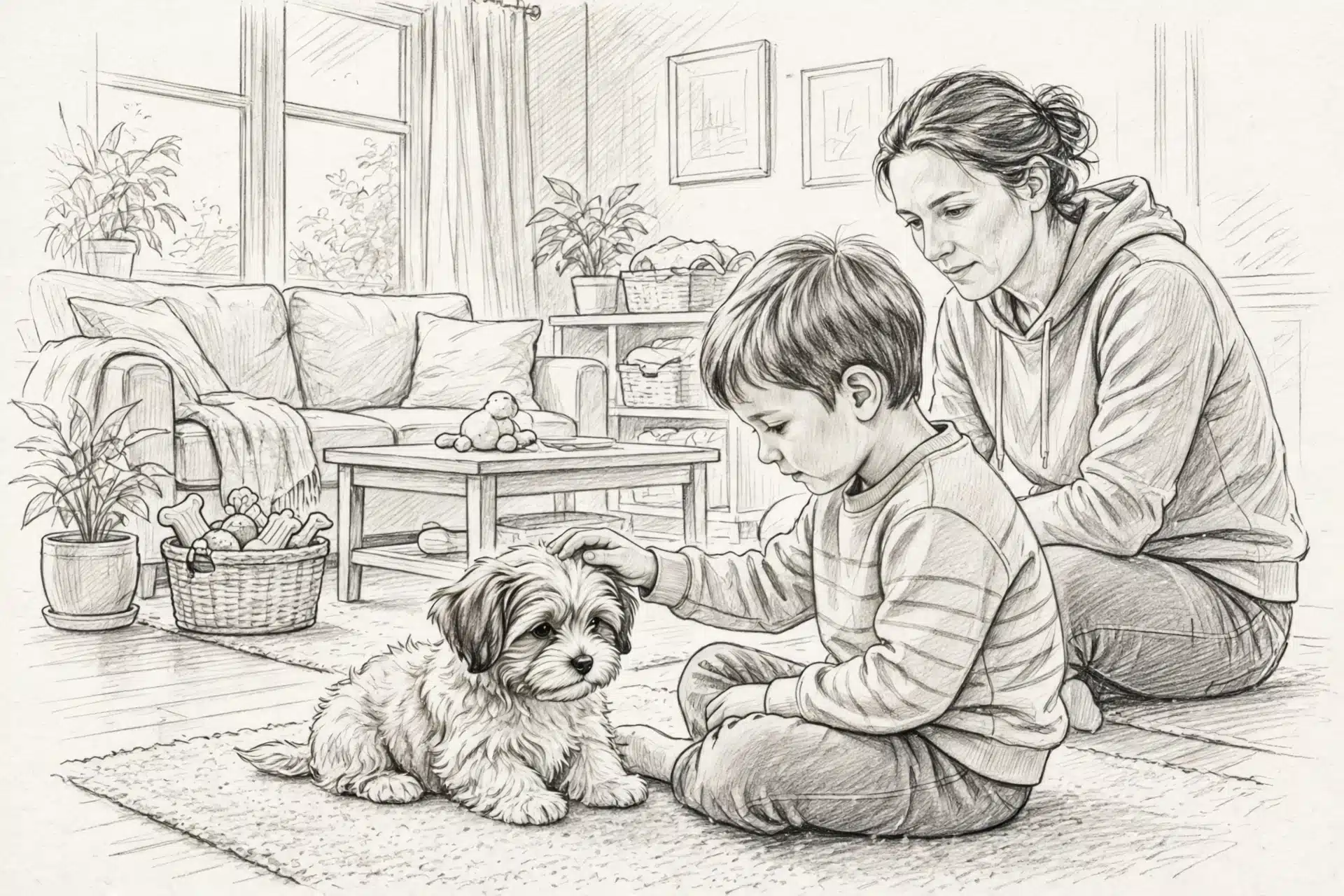
Every interaction between a young child and any puppy should have an adult watching. Never leave them alone together, even for a minute.
Resident dogs, play, and public spaces
Introduce a new puppy to your current dog on neutral ground, with both on leashes. Keep first meetings short and calm. Watch your older dog for stiff posture, growling, or turning away, and give the puppy a safe space the adult dog cannot reach.
Size matters at the dog park. A small Havanese or Cavapoo can be trampled by big, fast players, so pick the small-dog area or stick to quiet walks until your puppy is older and fully vaccinated. Medium pups usually keep up better, but puppies of any size tire faster than adult dogs.
The AKC advises never leaving dogs and children unattended and asking permission before any dog greets another. At Sage Puppies, our puppies go home already used to gentle handling and household activity, which gives kids and resident dogs a confident start.
Also Read: A First-Time Buyer’s Guide to Puppy Energy Levels in Georgia
Exercise, Training, and the First-Year Routine
Puppies need far less exercise than most people assume. Their bodies are still growing, and too much activity can stress developing joints and bones. The common rule of thumb is about five minutes of structured exercise per month of age, once or twice a day. A three-month-old puppy gets roughly 15 minutes of leashed walking or play. Free play in the yard is more forgiving, but long hikes, jogging, and stairs should wait until growth plates close.
| Age | Structured Exercise Per Day | Focus |
|---|---|---|
| 8-12 weeks | 5-10 minutes, 2-3 short sessions | Potty breaks, gentle play, name recognition |
| 3-6 months | 15-20 minutes | Short walks, basic cues, bite inhibition |
| 6-12 months | 20-30 minutes | Longer walks, leash manners, recall games |
Small and medium puppies both follow this pattern, but the difference shows up later. A small breed like a Havanese matures faster and settles into shorter daily walks sooner. A medium pup may need a bit more room to stretch its legs as it grows. Either way, mental work tires a puppy faster than miles do.
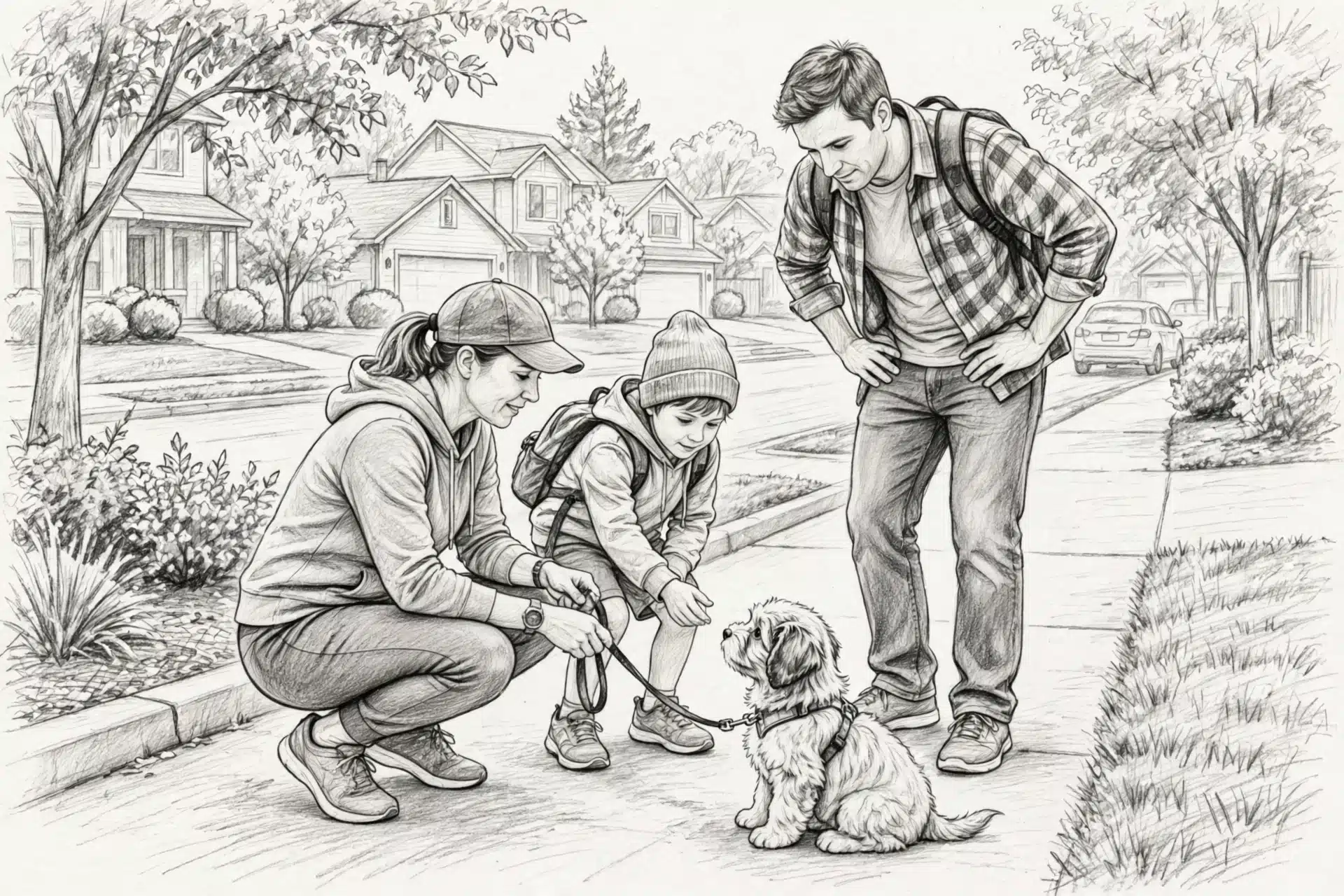
The American Kennel Club recommends keeping puppy exercise sessions short and avoiding forced, repetitive activity while joints are still developing, which applies equally to every size of pup.
Short puppy sessions versus adult activity
Think of the first year as three phases. Months one through three are about safety, potty training, and gentle exposure. Months four through six add leash skills and short training bursts of five minutes or less. After that, you can slowly build toward the adult routine your dog will keep for life.
Training and enrichment are not optional by size
A common mistake is treating a small puppy like a toy that does not need training. Small dogs skip classes more often, and it shows in barking, pulling, and handling issues later. A 10-pound dog with no manners is harder to live with than a well-trained 30-pound dog.
Every puppy, regardless of size, needs:
- Daily short sessions – two or three 5-minute training bursts beat one long one.
- Socialization before 16 weeks – positive exposure to people, sounds, surfaces, and handling.
- Enrichment – snuffle mats, puzzle feeders, and sniffing walks for mental exercise.
- Crate and alone-time practice – so your dog can rest calmly when you step out.
At Sage Puppies, puppies get a head start on handling and socialization before they ever leave our South Jordan home, but the first year of consistency is still yours to build. The habits you set now shape the adult dog either way.
Cornell’s canine behavior experts note that early socialization and reward-based training in the first months have lifelong effects on behavior, no matter the dog’s size.
What Size Means for Budget and Ongoing Care
Size shapes your budget, but not in the way most first-time owners expect. A bigger dog costs more each year. A small dog often lives longer, so the lifetime totals land closer together than you’d think.
Costs that may rise with body size
Most size-driven costs come down to one thing: weight. Food is the clearest example. A small breed under 22 pounds typically costs $260-$520 per year to feed, while a large breed runs $900-$1,550, according to PetCost’s comparison. Medications, flea and tick doses, insurance premiums, boarding rates, and even surgery bills all climb with body size too.
Between a small and a medium companion, the gap is real but manageable. Food might run $250-$400 a year for a small dog versus $400-$600 for a medium one. Gear costs a bit more in the bigger sizes. Over a lifetime, small dogs can rack up $16,500-$36,500 while mediums land at $18,000-$46,500, partly because small breeds often live 12-16 years against 10-14 for mediums.
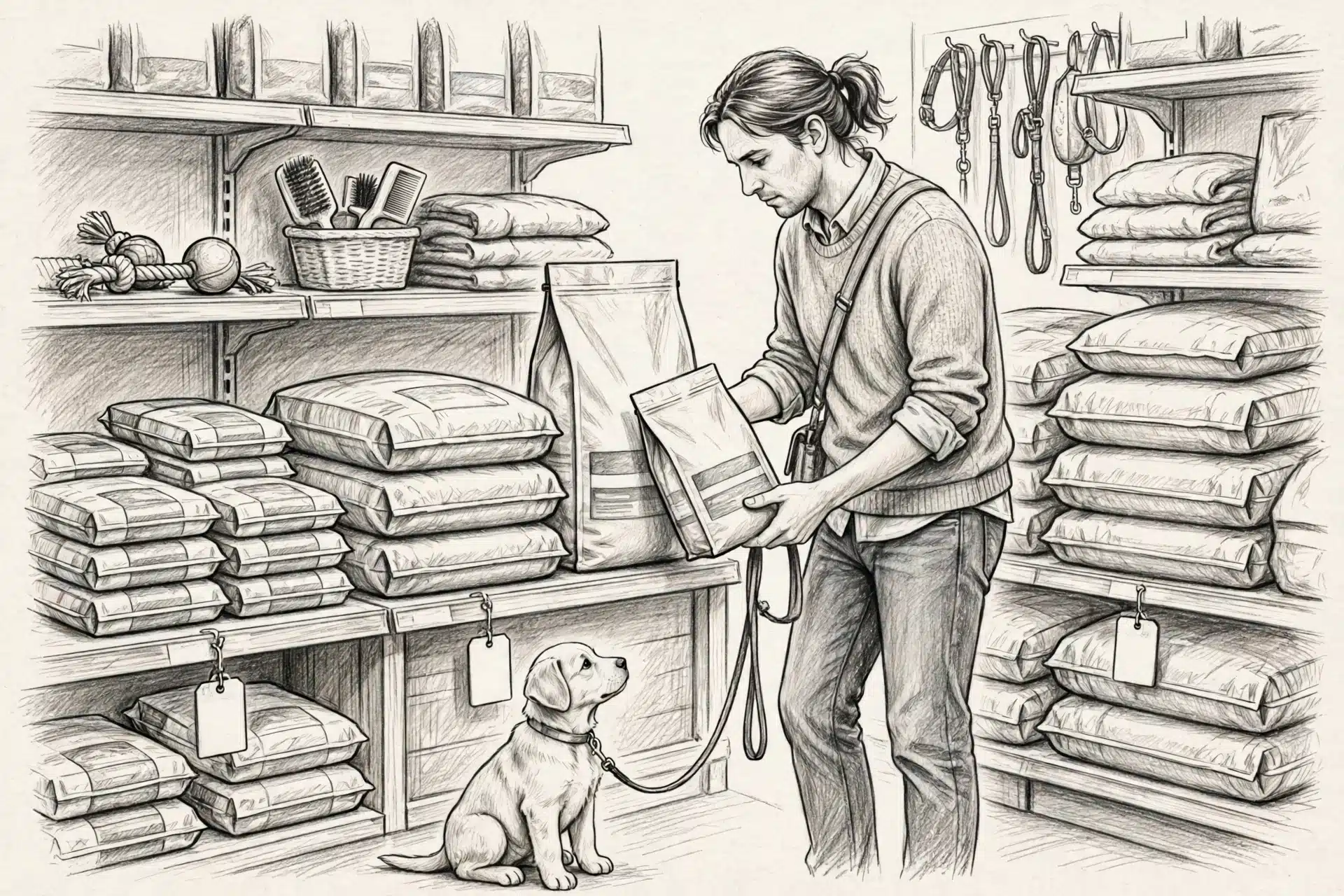
Care needs that depend more on coat and the individual dog
Here’s the twist: some of your biggest care costs have little to do with size. Coat type drives grooming. Havanese, Havapoos, and Cavapoos all carry hair that keeps growing, so they need regular brushing and trims whether they weigh 10 pounds or 25.
Dental care, training, and vet costs follow the individual dog and breed line more than the scale. Rover’s 2026 cost data notes lifetime care can range from about $20,000 for a small breed to far more for large ones, but health profile matters more than size in the long run.
That’s why we focus on health-tested parents and early socialization at Sage Puppies. A well-bred puppy with a sound temperament usually costs less over its life, whatever its weight.
Also Read: How Much Space Different Colorado Puppy Sizes Need
Size matters less than fit. A medium puppy in a busy apartment can struggle, while a small one thrives on a ranch – and the reverse is just as common. The American Veterinary Medical Association notes that unfulfilled expectations are the top reason dogs end up in shelters, so match the puppy to your real daily life, not the puppy in your head.
Questions to Ask Before Committing
Work through these before you fall in love with a face:
- Who is the main caretaker? If the adults carry the plan, training sticks.
- How much time alone will the puppy have? All puppies need company, feeding, and potty breaks several times a day.
- Can everyone handle the puppy correctly? Small breeds are easier to carry but easier to drop or step on.
- What is your grooming budget? Many small companion breeds need regular brushing and trims.
- Does anyone have allergies? Ask before, not after.
- What will change in five years? Moves, babies, and new jobs all shift routines.
The AKC recommends thinking through exercise needs, grooming, and temperament first – appearance last.
A Quick Household-Fit Check
| Your Household | Better Fit Tends To Be | Why |
|---|---|---|
| Toddlers in the house | Sturdy small or medium, calm temperament | Rough play and fragility both matter |
| Apartment, no yard | Small, moderate energy | Less space and easier potty trips |
| Active family, big yard | Medium, playful | Keeps up with hikes and fetch |
| Seniors or frequent travelers | Small, easygoing | Easier lifts and travel logistics |

Temperament matters as much as size. A puppy’s parents often hint at its future behavior, so choose a breeder who knows each puppy – not just each litter.
At Sage Puppies, we help families in South Jordan and nationwide match personality, not just size, before puppy pickup or delivery.
Also Read: Guides – Sage Puppies
Which Should You Choose: A Small Puppy or a Medium Puppy?
Size matters, but it matters less than you think. The better question is how a dog’s size fits your daily routine. The AKC notes that size is only one factor; personality, activity needs, and grooming matter just as much when you choose.
Use these quick checks:
- Apartment or small home? A small dog often fits easier and travels lighter.
- Young kids at home? A sturdier small-to-medium dog, around 15 to 25 pounds, usually handles play better than a tiny breed.
- Active weekends? A medium dog often keeps up longer on hikes.
- Frequent flyers? Small dogs fit in-cabin carriers, which makes trips simpler.
Keep in mind that size does not predict energy. Some small dogs need tons of exercise, while some big dogs are couch potatoes, as the Merck Veterinary Manual points out. Temperament and breeding shape your experience more than pounds and inches.
That is why we focus on Havanese, Havapoo, and Cavapoo puppies at Sage Puppies. These breeds land in the sweet spot between small and medium, with friendly, adaptable temperaments that suit both Utah families and homes across the country.
Bottom line: Match the dog to your routine, your household, and the breed’s temperament, not just the size chart. A well-bred companion puppy fits real family life far better than any measurement alone.

Still torn between a small or medium puppy? The right match is about temperament as much as size. At Sage Puppies, our home-raised Havanese, Havapoo, and Cavapoo puppies come health-tested and well-socialized, with pickup in South Jordan, Utah or nationwide delivery. Browse our available puppies and start your application today.
Frequently Asked Questions
Q1: Should I choose a small puppy or a medium-sized puppy?
Choose based on your daily routine. Small pups fit apartments and travel easily. Medium pups suit active families with yards. Also weigh temperament, since individual personality often matters more than size.
Q2: Are small puppies more fragile with young kids?
Yes, somewhat. Tiny breeds can be injured by rough handling, so supervise play and teach gentle touch. A well-socialized puppy from a home-raised program helps either way.
Q3: Do medium puppies cost more to raise?
Usually a bit. Expect higher food bills, bigger crates, and pricier meds as adults. The difference is modest for most families but worth budgeting for.
Q4: Which size is easier to potty train?
Size does not decide it. Consistency does. Small bladders just need more frequent trips early on.
Q5: Can I get a puppy delivered instead of picking up?
Yes. Sage Puppies offers local pickup in South Jordan, Utah, plus careful nationwide delivery so families across the country can adopt with confidence.
Q6: What breeds work for both small and medium homes?
Havanese, Havapoo, and Cavapoo puppies adapt well to many home sizes, pairing friendly temperaments with manageable exercise needs.
A Thoughtful Fit Matters More Than a Size Label
A small puppy and a medium puppy can both be wonderful. What matters is how well the dog matches your home, your schedule, and your energy level. Size alone doesn’t tell you how active a dog will be, as the Merck Veterinary Manual points out. Temperament, training, and routine matter just as much. Breeders who know their lines can help you match traits to your household, which is why experts recommend choosing a breed that fits your lifestyle first (AKC). Wisely bred, beautifully loved – that’s the goal.



