
Quick Summary: PuppyFinder is a useful directory for finding listings, but its badges only confirm identity, not ethical breeding, so Georgia families must verify breeders themselves. Check the Georgia Department of Agriculture license, meet the mother dog, and ask for verifiable OFA health test results before paying. The article recommends treating the platform as a phone book, not a safety seal, and warns that scammers and puppy mills can look polished. It highlights Sage Puppies as an example of a transparent breeder that shares health records and welcomes video visits.
Searching for a Havanese breeder in Georgia can turn up polished photos and reassuring labels within minutes. None of that shows how a puppy was actually bred and raised. PuppyFinder can help you find listings, but its own FAQ states it does not prescreen breeders, so a directory badge is not proof of anything. This review looks at what the platform does well, what it leaves unverified, and how Georgia families can vet sellers before moving forward. We break down the difference between ethical dog breeders and mass sellers, the questions worth asking, and the Georgia resources that confirm whether a source is truly ethical. If you want ethical puppy sources, verification is your job. This guide makes it simpler.
What PuppyFinder Helps Georgia Families Do
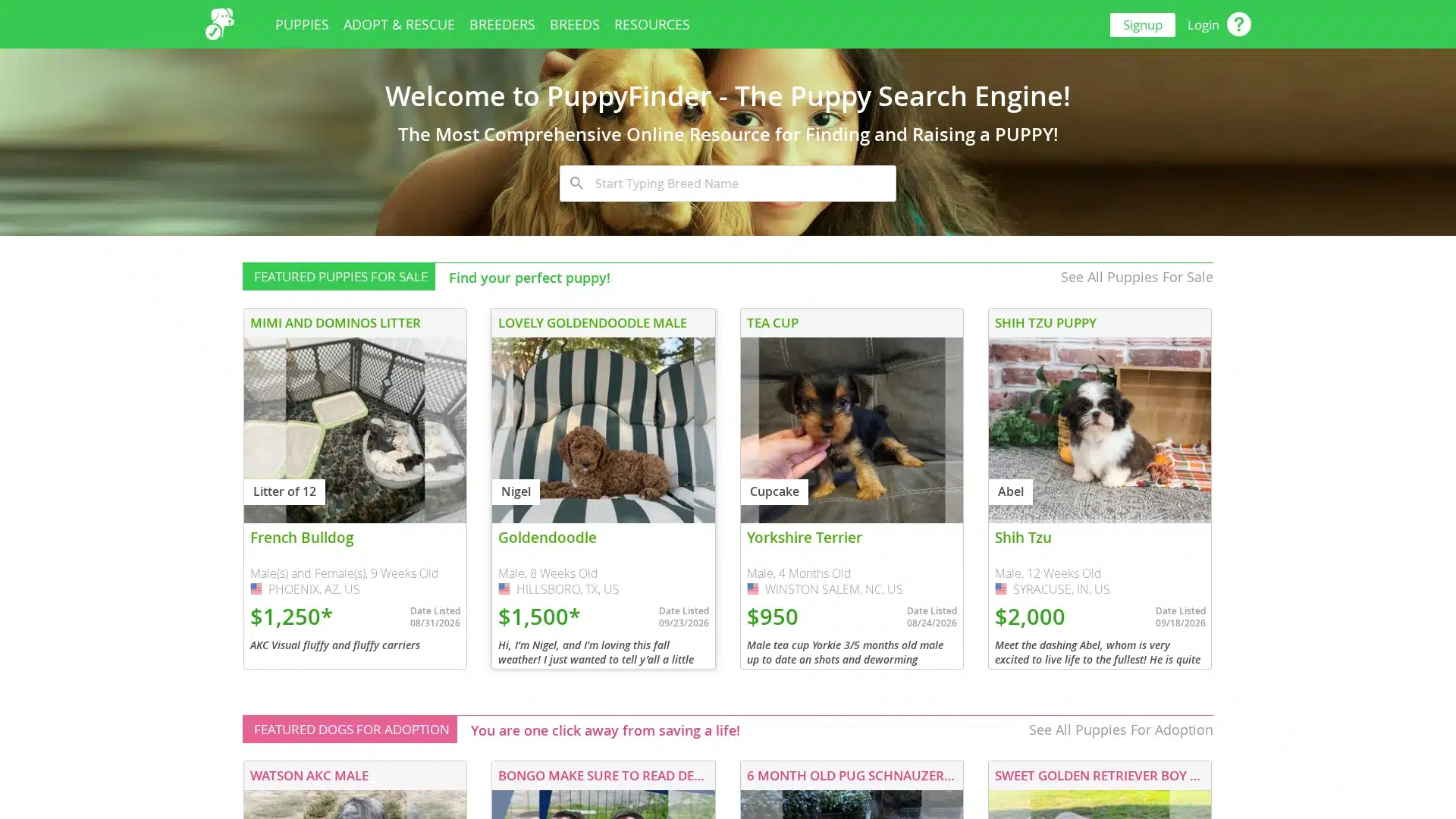
PuppyFinder is a large online directory where families can browse puppy listings from breeders, rescues, and individuals across the country. For Georgia families, it works like a search engine: you filter by breed, location, and price, then contact sellers directly. It is a starting point, not a promise.
Finding Listings by Location and Breed
The site lets you narrow results two ways that matter most: state and breed. You can browse a state-by-state index of breeders, so a family in Atlanta can pull up listings for Georgia and nearby states, then filter down to a specific breed like a Havanese. Each listing shows photos, the seller’s stated location, and contact details, and the site also offers a separate section for dogs listed by rescue organizations 1.
The catch: distance filters include listings far outside the state if you set the radius wide. Some Georgia searches return results from neighboring states, which is fine if you plan on delivery, confusing if you expected a local pickup. Also, anyone can post a litter. Search results include everything from small home programs to high-volume sellers, so the breed and location filters find options, but they do not rank them by care quality 2.
The Difference Between Search and Screening
Here is the part first-time buyers miss. Search and screening are two different jobs. PuppyFinder handles the first well: it saves you hours of digging through scattered listings to find a Havanese breeder Georgia families can actually reach. It does almost nothing for the second. A “verified” badge on a listing reflects membership status, not proof of health testing, socialization, or honest contracts.
That gap is why ethical dog breeders stand out when you know what to ask. Good ethical dog breeders welcome questions about parent health testing and daily puppy life. The best ethical dog breeders invite video calls and share vet records before you pay anything.
Also Read: How to Choose Safe Puppy Transportation in Georgia
What Verification Does, and Does Not, Tell You
PuppyFinder’s verification badge can be useful, but it is easy to read too much into it. The platform confirms that a seller exists and that listings come from real people. It does not walk into the home, meet the mother dog, or read a single health test result. That gap matters for Georgia families spending thousands on a companion.
Identity Checks Are Not Breeding Standards
Think of verification like checking a contractor’s license. It tells you the business is real. It tells you nothing about the quality of the work.
A verified PuppyFinder seller can still run a high-volume operation where puppies never leave a kennel. The badge does not measure how puppies are socialized, whether parents are health tested, or how a breeder handles a sick puppy at week nine. Those are the things that separate an ethical program from a careless one.
The OFA’s breeder interview guide puts it plainly: a good breeder will ask you as many questions as you ask them, welcome an on-site visit, and discuss inherited health risks in the breed without hesitation. No directory badge can substitute for any of that. Treat verification as a filter that clears a seller for a closer look, not as approval.

What Evidence to Ask a Breeder to Share
Ask for documents, not descriptions. Ethical breeders produce them quickly and happily.
- Parent health test results you can verify. Ask for the registered names of both parents, then look them up yourself in the public OFA database, which lists screening results for hips, eyes, heart, and more.
- Where the puppies are raised. Puppies should live in the home, not in a barn or shed, with normal household sounds and people.
- A written sales contract. It should cover health responsibilities, spay or neuter terms, and what happens if you cannot keep the dog.
- References from past families. A confident breeder offers them without being pushed.
- The age puppies go home. Around eight weeks is the standard, which allows time for socialization and early immunity.
If a seller dodges, delays, or sends photos instead of records, keep looking. Breeders who do the work never mind showing it. This is exactly how we operate at Sage Puppies: health-tested parents, records shared up front, and an open invitation to ask anything before you reserve.
Also Read: 10 Signs a California Puppy Listing Is a Scam – Sage Puppies
How to Check a Georgia Breeder Before You Commit
Georgia makes this easier than most states. The Georgia Department of Agriculture licenses and inspects pet dealers and kennels, and you can verify a breeder’s license yourself in a few minutes.
Check Applicable State Licensing
Under the Georgia Animal Protection Act, it is illegal to operate as a pet dealer or kennel without a valid license from the Commissioner of Agriculture. Dog breeders need a pet dealer’s license if they sell more than one litter in any 12-month period or keep over 30 adult dogs, according to the Georgia Department of Agriculture.
Before you put down a deposit, do this:
- Ask for the breeder’s GDA license number.
- Run it through the department’s license search tool.
- Confirm the license is current. Licenses expire 12 months after issue, and a late renewal doubles the fee.
- Check whether your city or county adds its own rules on animal limits.
Also ask if the breeder holds a USDA license. Anyone selling animals online may need one. A licensed breeder should answer without hesitation. If they dodge the question or claim licensing “isn’t required,” that tells you something. Smaller hobby breeders with one litter a year can be exempt, so ask how many litters they raise annually and why they fall outside the rule if they do.

See the Puppy-Raising Setting and Meet the Mother
A license proves someone passed an inspection. It does not prove the puppies were raised well. That part you judge yourself.
Plan an in-person visit, or a live video tour if the breeder is out of state. What you want to see:
- The puppies living in a home, not a shed, barn, or garage run.
- Clean bedding, fresh water, and space to play.
- Puppies that approach people with curiosity instead of fear.
- The mother dog, in person or on camera.
Meeting the mother matters most. Her temperament predicts your puppy’s adult personality more than any photo on a website. Watch how she greets you. A calm, friendly mother raised indoors with the family is the single best sign you are dealing with an ethical breeder. If a seller refuses to show the mother or claims she “isn’t available,” walk away.
At Sage Puppies, every litter is raised inside the family home in South Jordan, Utah, and we welcome video visits so families can see exactly where their puppy is growing up, no matter where they live.
Ask where the puppies sleep, who handles them daily, and how often. Puppies touched by many people early grow into confident adults. The answers should come easily and match what you see.
Can PuppyFinder Help You Avoid a Puppy Mill or Scam?
Partly. PuppyFinder can put legitimate breeders in front of you faster than a random search. What it cannot do is guarantee a listing is honest. Scammers have learned to look polished. In 2024 alone, the Better Business Bureau received 2,278 pet scam reports, with a median loss of $680, and many fake sellers start on ordinary listings and search results. So treat PuppyFinder as a starting point, not a safety seal. The real protection is knowing the warning signs and checking the breeder yourself.
Warning Signs That Deserve a Pause
The FTC’s scam guide is blunt about what fraud looks like. Slow down if you see any of these:
- The seller refuses phone calls or live video. Photos alone are not proof.
- They push you to pay by gift card, wire transfer, Zelle, or crypto. The FTC calls this a scam, full stop. Credit cards offer real protection.
- The price is far below normal for the breed, or a purebred puppy is “free” if you cover shipping.
- Fees keep stacking up after you pay: crates, insurance, vet costs, taxes.
- The puppy photos appear on other sites. Run a reverse image search.
- They dodge questions about the mother dog, health testing, or a home visit.
One or two soft answers might be shyness. A pattern of dodging means walk away.

Use Platform Safeguards Alongside Independent Checks
PuppyFinder’s filters and verified-style badges can narrow your search, but badges confirm a listing exists, not that a breeding program is ethical. Pair the platform with your own checks:
- Search the breeder’s name plus “scam” and “complaint.”
- Ask for a video tour of where the puppies live, or visit in person.
- Request proof of health testing and vet records before any money moves.
- Check state resources, like Georgia’s licensing databases, where they apply.
Ethical programs welcome this. When we built Sage Puppies, we assumed families would ask hard questions, and we answer with video calls, health records, and open communication. A breeder who resists basic transparency is telling you something.
Also Read: A First-Time Buyer’s Guide to Puppy Energy Levels in Georgia
Pros and Cons of Using PuppyFinder to Search in Georgia
PuppyFinder is a classified-ads style search engine. Breeders, rescues, and private sellers post listings, and you filter by breed, price, and location. For Georgia families, that means a big pond of Havanese and doodle listings, plus a fair number of fish you don’t want to catch.
PuppyFinder does run an identity check. Sellers can pay a small lifetime fee to get an IDVerified badge, and breeders must verify identity to appear in the breeder directory. But the site states plainly that it does not screen breeders beyond that. Identity is not the same thing as ethics. A badge confirms who someone is, not how they raise dogs. The site’s own FAQ says it is “not involved in any transaction” and offers no buyer protection, so the burden of vetting falls on you (PuppyFinder FAQ).

What works in your favor
- Wide selection. You can see many Havanese and Havapoo listings in one place instead of checking dozens of breeder sites.
- Useful filters. Sort by breed, distance, and price range to narrow a statewide search fast.
- Free to browse. You can scan listings and breeder profiles without paying anything.
- Educational pages. The site includes scam-awareness guides worth reading before you contact anyone.
Where it falls short
- No breeder vetting. Verification stops at identity, so puppy mill sellers can look just as polished as careful hobby breeders. Watchdog groups have documented serious abuse cases behind online listing sites (Stop Online Puppy Mills).
- No payment protection. Wire transfers and payment apps leave you with no recourse if a deal goes bad.
- Mixed buyer reviews. Complaints cite health problems and breeder accountability issues, with the platform itself staying hands-off (ConsumerAffairs).
- Distance temptation. Great Georgia listings can pull you toward sellers you’ll never visit in person.
The bottom line
Use PuppyFinder as a starting list, not a vetting system. Treat every badge as a claim to check, and screen each breeder with the checklist later in this guide. That is the same standard we hold at Sage Puppies, where health-tested parents and an open-door adoption process are things you can verify, not just read about.
Also Read: How to Check a Georgia Breeder’s Puppy Availability Safely
Is PuppyFinder Worth Using for an Ethical Puppy Search?
Short answer: it can be a starting point, but not the deciding factor. PuppyFinder is a listing board. Anyone can pay to post a litter, so the site itself does not prove a breeder is ethical. The platform even says it is not involved in transactions and offers no buyer protection, and its own safety pages warn buyers to meet sellers in person and avoid wire payments, per PuppyFinder’s scam guidance.
Consumer feedback tells a similar story. On ConsumerAffairs, PuppyFind holds a 1.0 star average across more than 300 reviews, with common themes like breeders who vanish after payment and health problems in delivered puppies.
| What PuppyFinder gives you | What you still have to verify |
|---|---|
| A wide pool of listed breeders | Breeder identity and licensing |
| Photos, prices, and locations | Real health testing records |
| A way to contact sellers quickly | Where the puppies are actually raised |
| Basic fraud warnings | A written contract and health guarantee |
![Puppyfind com [ With Proof Scam or Legit ? ] Puppyfinder ! Puppyfind Com Reviews ! Puppyfind.Com](
)
So is it worth using? Yes, if you treat it like a phone book instead of a stamp of approval. Directory listings and “verified” badges are marketing, not proof. Proof looks like OFA health testing on the parents, an open invitation to see where the dogs live, references from past families, and a breeder who asks you questions too.
That is exactly how a quality program works. At Sage Puppies, for example, every Havanese, Havapoo, and Cavapoo litter comes from health-tested parents raised in our home, and we welcome questions before we welcome a reservation. Use PuppyFinder to find names. Use your checklist to find your breeder.

You’ve seen what to check for. Now skip the guesswork and start with a breeder who already meets the mark. Sage Puppies raises health-tested Havanese, Havapoo, and Cavapoo puppies at home, with pickup or delivery to Georgia. See our available puppies or start your application today.
Frequently Asked Questions
Q1: How do I find an ethical puppy breeder in Georgia?
Start with your county’s animal control records and Georgia Department of Agriculture license lookups. Then visit the home, meet the mother dog, and ask for health testing proof on both parents. Reputable breeders welcome these steps.
Q2: How do I spot a puppy mill in Georgia?
Watch for multiple litters available at once, no parent visitation, puppies sold off-site, and refusal to share vet records. Websites with only stock photos and constant “puppies ready now” pressure are also red flags.
Q3: What should I look for when choosing a puppy breeder?
Look for health-tested parents, clean home conditions, early socialization, a written health record, and a breeder who interviews you. Good breeders ask as many questions as you do.
Q4: Can I get a puppy delivered to Georgia safely?
Yes. Ground transport or flight nanny options keep puppies with a person, not cargo. Programs like Sage Puppies offer nationwide delivery with clear handoff details, plus local pickup at their Utah home.
Q5: Are directory listings like PuppyFinder enough proof of a breeder?
No. A listing is only a starting point. Badges and member labels can be purchased, so always verify testing, licensing, and home conditions yourself before paying a deposit.
Q6: Should I place a deposit before seeing the puppy?
Only after you’ve seen photos or video of the parents, reviewed health testing, and confirmed return terms. Put everything in writing first.
A Careful Next Step
PuppyFinder can help you find listings, but badges and profiles are not proof of ethical breeding. The real work is yours: meet breeders by phone or video, visit when you can, and ask for health records. The FTC warns that fake puppy ads are common and urges you to research sellers before paying anyone. Take your time. Ask hard questions. Walk away from pressure. Whether you choose a Georgia breeder or a small program like ours, the checklist in this guide will help you bring home a healthy, well-raised puppy with confidence.



