
On August 4, 2026, an airlift brought 60 at-risk pets from eight crowded Louisiana shelters to Waukesha. Five Wisconsin puppy rescues received 54 dogs and six cats. NBC Chicago reported heartworm-positive dogs, large dogs, cats, and Lavender, a Collie mix with nine puppies.
This Louisiana puppy relocation eased shelters running at 95% to 100% capacity. It also gave rescue puppies Wisconsin families more options. We follow where the animals go, what to check before applying, and how Wisconsin puppy rescues compare with responsibly bred, family-raised puppies.
What Happened on the Louisiana-to-Wisconsin Rescue Flight
The Numbers, Route, and Organizations Involved
This was a lifesaving transfer, not a commercial puppy shipment. A flight moved 60 at-risk shelter animals from New Orleans to Waukesha, Wisconsin: 54 dogs and six cats from eight overcrowded Louisiana shelters.
Greater Good Charities ran the airlift with Clear The Shelters, NBCUniversal Local’s adoption and donation campaign. Louisiana shelters reported summer crowding near full capacity, while Wisconsin puppy rescues and shelters had room and stronger demand for adoption.
| Flight detail | What happened |
|---|---|
| Starting point | New Orleans, Louisiana |
| Arrival point | Waukesha, Wisconsin |
| Animals moved | 54 dogs and 6 cats |
| Sending shelters | 8 Louisiana shelters |
| Receiving shelters | 5 Wisconsin shelters |
The group included large dogs, cats, and dogs needing extra care, including heartworm-positive animals, according to NBC Chicago’s flight report.
Key point: Transport gives crowded shelters breathing room while helping adoptable pets reach families faster.
Lavender and Her Nine Puppies
Lavender, a young Collie mix, traveled with her nine Husky-Collie puppies. A rescue had removed her from an overcrowded shelter before learning she was pregnant.
She gave birth in a foster home, where she could nurse and care for her litter before the flight. That foster step mattered. It kept a new mother and tiny puppies out of a packed kennel during their most fragile weeks.
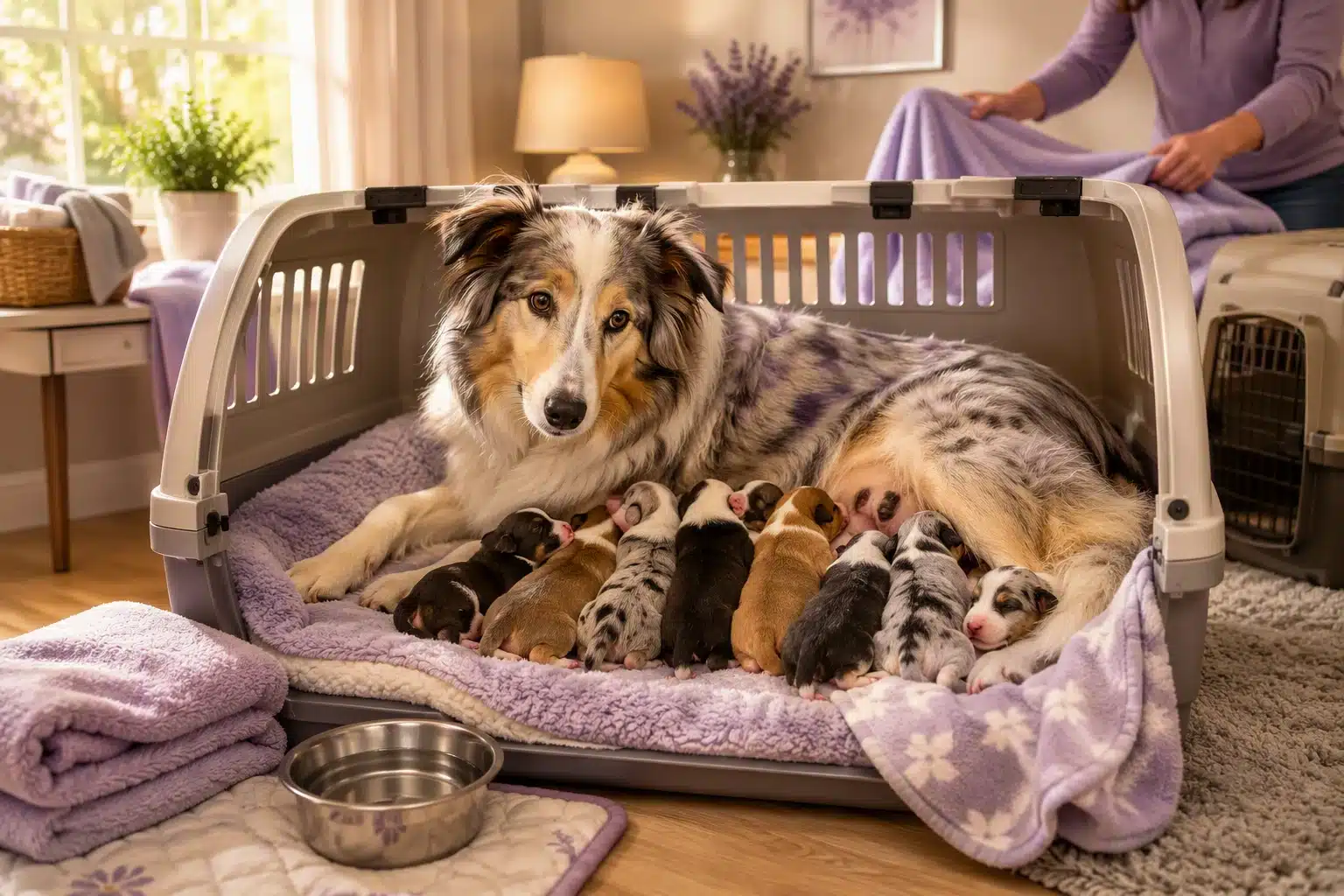
For families following Wisconsin puppy rescues, Lavender’s story shows why rescue timelines vary. A puppy may need foster care, health checks, and time to settle before a shelter lists it for adoption.
- Ask whether a puppy arrived with its mother.
- Confirm the shelter’s current medical and foster notes.
- Expect each puppy’s adoption timing to differ.
The Wisconsin Shelters Receiving the Animals
Five organizations accepted the animals: Elmbrook Humane Society, Humane Animal Welfare Society, Humane Society of Jefferson County, Humane Society of Southern Wisconsin, and Washington County Humane Society.
Staff planned to provide needed care and enrichment, then match animals with adopters. Greater Good’s update reports that Washington County Humane Society received 11 dogs and all six cats.
Check each shelter directly for current listings. Wisconsin puppy rescues may post pets only after intake and assessment.
Also Read: Puppy Care Blog & Resources | Sage Puppies
Why Louisiana Shelters Needed the Relocation
Capacity Pressure During Summer Intake
Louisiana shelters needed room, fast. During summer, more animals arrive while local adoptions can slow. Staff at several Gulf Coast shelters reported operating at 95% to 100% capacity before the flight north, according to NBC’s report on the Louisiana-to-Wisconsin airlift.
The transfer moved 54 dogs and six cats from eight strained Louisiana shelters. Some animals needed extra time or care, including large dogs and dogs with heartworm.
A full shelter is not just crowded. It limits the time, kennel space, and daily care each animal can receive.
Why Moving Animals Can Help Both Sides
Transport programs match animals in crowded areas with shelters that have more open space and stronger local adoption demand. Five Wisconsin shelters accepted the pets, giving them time for care, enrichment, and adoption matching.
| Louisiana shelters gained | Wisconsin shelters gained |
|---|---|
| Open kennel space for new intakes | More adoptable pets for local families |
| More staff time for animals left behind | Time to provide care before placement |
| A safer option for at-risk pets | A wider choice of dogs and cats |
This is not a quick handoff. Receiving shelters assess each animal, address needed care, and set adoption steps. Greater Good Charities says its flight work focuses on moving adoptable pets to places with capacity and potential homes.
What the Transfer Does Not Tell You
A rescue flight does not tell a family everything about an individual puppy’s past, health history, or early care. Ask the receiving shelter:
- What medical records are available?
- Has the puppy been in foster care?
- What behavior has staff observed?
Adoption and responsibly bred puppies are different paths. Choose the path that fits your family, then ask clear questions.
Also Read: Sage Puppies vs Happytail Puppies: Which Louisiana Breeder Is Better?
How a Louisiana Rescue Puppy Becomes Available in Wisconsin
Start With the Receiving Shelter, Not the Airport
A rescue puppy is not ready to adopt the moment the plane lands. The puppy first goes to its receiving Wisconsin shelter, where staff can settle it in, review records, and provide any needed care.
This transfer moved 54 dogs and six cats from Louisiana to five Wisconsin shelters, including Elmbrook Humane Society, HAWS, and the Humane Society of Jefferson County, according to NBC Chicago’s report on the airlift.
Start with the shelter’s website or adoption team. Watch its listings, then ask when transported puppies will be cleared to meet families.
A puppy’s online listing may change quickly. Apply only when you are ready to respond and bring a dog home.
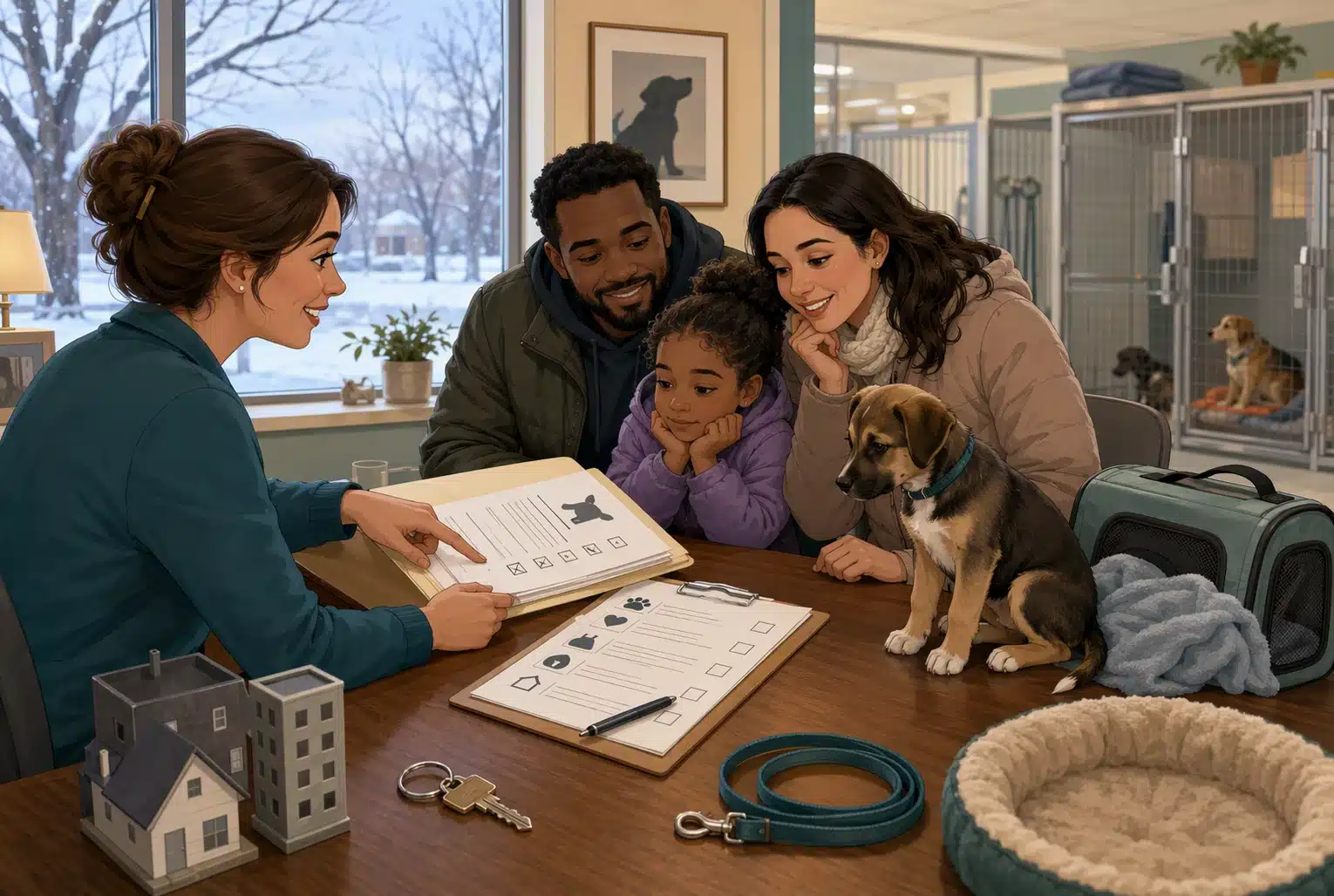
Questions to Ask Before Applying
A puppy’s past can be limited after a shelter transfer. That is normal. Ask clear questions that help you plan for the first weeks at home:
- What medical care, vaccines, or parasite treatment has the puppy received?
- Is the puppy ready to go home now, or still in a settling period?
- What has staff seen around children, adults, dogs, and handling?
- What is known about size, breed mix, or littermates?
- Does the shelter require a meet-and-greet, landlord approval, or all household members present?
| Ask about | Why it matters |
|---|---|
| Health records | Your vet needs a clear starting point |
| Behavior notes | Helps you match energy and needs |
| Adoption timing | Prevents rushed pickup plans |
Treat breed labels and adult-size estimates as informed guesses, especially for young mixed-breed rescue puppies.
Prepare for a Responsible Adoption Application
Complete the form honestly and fully. Shelters use it to find a safe, realistic match, not to reward a perfect answer.
- Confirm that pets are allowed where you live.
- Talk through feeding, training, walks, and vet costs.
- Choose a first-week routine before pickup.
- Bring a crate, collar, ID tag, and secure car restraint.
A transfer gives a puppy a new chance, but the adjustment still takes patience.
Can Families Outside Wisconsin Apply?
Each receiving shelter sets its own rules. Some may consider out-of-state homes, while others want adopters who can visit, return for follow-up, or collect the puppy in person.
Ask before applying. If you want a planned, home-raised Havanese, Havapoo, or Cavapoo option with nationwide delivery, Sage Puppies offers a separate responsible-breeding path.
Also Read: 10 Must-Ask Questions Before Buying a Puppy Locally
What Wisconsin Shelters Do Before Adoption
Medical Intake and Individual Assessment
Shelters do not simply put a newly arrived puppy up for adoption. Staff first gather its known history, check identification, and watch for health or stress concerns.
For licensed Wisconsin shelters, a veterinarian’s certificate of veterinary inspection documents a recent exam, vaccination status, and signs of contagious illness. It is not a lifetime health promise, but it gives adopters a clear starting record under Wisconsin DATCP guidance.
| Intake step | What families should ask |
|---|---|
| Health review | What care, vaccines, and treatment has this puppy received? |
| Behavior notes | What has staff seen around handling, food, play, and noise? |
| Records | Can I take home the medical and transfer paperwork? |
Ask what is known, what is still being watched, and what follow-up care your veterinarian may recommend.
Foster Care, Enrichment, and Behavior Notes
A foster home can show sides of a puppy that a busy kennel cannot. Foster caregivers may note sleep habits, house-training progress, comfort with children, or how the puppy reacts to visitors.

Shelter notes are useful, not a guarantee. A puppy may act quiet after transport, then become more playful once settled.
- Request the foster or shelter’s daily observations.
- Ask which environments the puppy has actually experienced.
- Plan slow introductions to resident pets and children.
Why Availability Can Change Quickly
Online listings can change within hours. The Wisconsin Humane Society uses real-time listings and generally serves adopters first-come, first-served, without advance holds, as its adoption process explains.
A puppy may also be temporarily unavailable for a medical visit, foster meeting, or paperwork.
- Check the listing on the morning you plan to visit.
- Call before a long drive.
- Bring ID, a leash, and a secure plan for the trip home.
Also Read: Puppies for Sale in Wisconsin: How to Shop Safely Online
What This Rescue Story Means for Families Choosing a Puppy
The Louisiana-to-Wisconsin airlift shows why adoption matters. Five Wisconsin shelters received animals after 54 dogs and six cats left overcrowded Louisiana shelters, where some were near full capacity, according to NBC Chicago’s report. Still, the best choice is the one that fits your household.
When Rescue Adoption May Be the Right Fit
Choose adoption if you can stay flexible on breed, age, coat, and past history. Meet the dog in person if possible. Ask staff what they have seen in foster care, around children, and with other pets.
- You want to give a dog a second chance.
- You can allow time for settling in.
- You are open to an adult dog or mixed breed.
- You can handle some unknowns.
Ask for medical records, known behavior notes, and the shelter’s plan if the match does not work out.
When a Planned Breeder Placement May Be Better
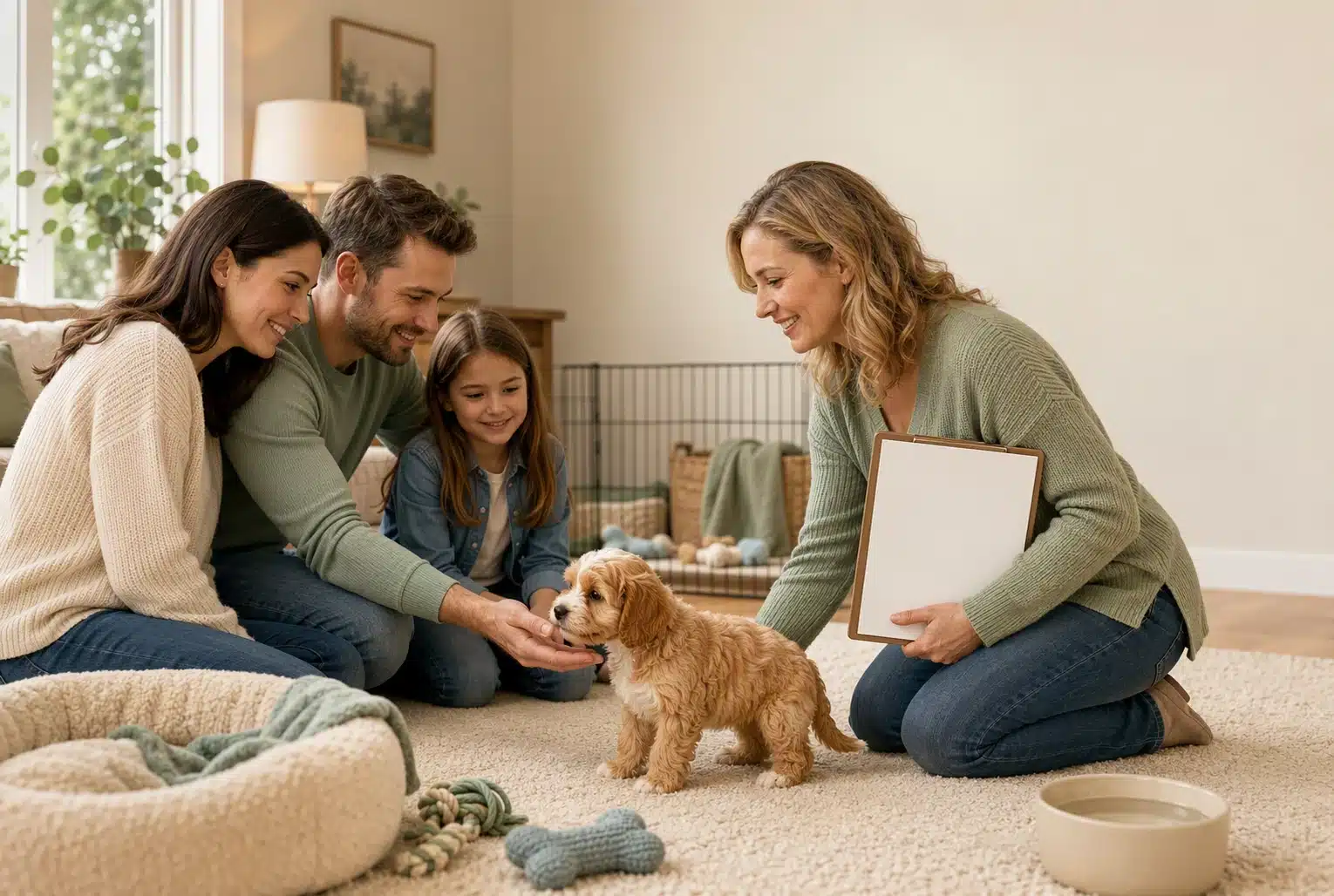
A responsible breeder placement can suit families who need more predictability. This matters for first-time owners, allergy-aware homes, and people seeking a small companion with known breed traits.
Sage Puppies in South Jordan, Utah, raises Havanese, Havapoo, and Cavapoo puppies with health-tested parents and early social time. Families can ask focused questions before choosing a puppy, then arrange local pickup or nationwide delivery.
| Priority | Rescue adoption | Planned breeder placement |
|---|---|---|
| Breed choice | Often flexible | More specific |
| Early history | May be limited | Usually documented |
| Timing | Based on shelter intake | Based on planned litters |
A Simple Fit Checklist
Use these questions before you commit:
- Can we cover food, grooming, training, and vet care?
- Who handles walks, play, and puppy naps each day?
- Do we need a known size, coat type, or temperament?
- Can we wait for the right match instead of rushing?
A good puppy source will welcome careful questions. Pressure is a reason to pause.
Also Read: 10 Adorable Havapoo Colors You Need to See (2026)
The Broader Rescue Network Behind the Airlift
A Repeated Transport Model
This flight was not a one-time response. It used a transport model that moves adoptable pets from crowded areas to shelters with room, care teams, and stronger local demand.
Greater Good Charities and Clear the Shelters moved 54 dogs and six cats from eight Louisiana shelters to five Wisconsin partners. The group included pets that can wait longer for homes, including large dogs, cats, and heartworm-positive dogs, according to NBC Chicago’s airlift report.
| Network role | What it does | Why it matters |
|---|---|---|
| Sending shelters | Identify pets needing placement | Opens space for new intakes |
| Transport team | Moves pets safely between states | Connects supply with available homes |
| Receiving shelters | Provide care and match adopters | Gives each pet a fresh start |
Transport helps shelters share a heavy load. It does not replace spay-neuter work, fostering, or local adoption.
Where Clear the Shelters Fits
Clear the Shelters is NBCUniversal Local’s annual adoption and donation campaign. Its partnership with Greater Good Charities supported this airlift and brings public attention to pets awaiting homes.
This was the seventh Clear the Shelters airlift since 2021, with more than 600 pets rescued through those missions, the campaign reported.
How Readers Can Help Responsibly
- Ask a receiving shelter about a pet’s health, behavior, and home needs.
- Adopt only when your housing, time, and budget are ready.
- Foster, donate, or volunteer if adoption is not right now.
- Choose a carefully planned, responsible breeder only if rescue is not your path.
Also Read: Havanese, Havapoo & Cavapoo Puppy Care Blog
How This Wisconsin Transfer Fits the Larger Story
Earlier Clear the Shelters Airlifts
This transfer follows a growing pattern of moving shelter pets from high-intake areas to communities with more open space and adopters. Clear the Shelters and Greater Good Charities have run seven airlifts since 2021, moving more than 600 pets, according to NBC Chicago’s report.
- Southern shelters gain needed kennel space.
- Receiving shelters can provide care before adoption.
- Families get a wider choice of dogs and cats needing homes.
A transport changes where a pet waits for a home. It does not skip the shelter’s adoption review.
A Separate 2025 Louisiana-to-Wisconsin Operation
A distinct May 2025 mission also flew more than 120 animals from Louisiana shelters to Wisconsin. iHeartDogs described it as its largest rescue flight. That operation and the later Clear the Shelters flights share a route, but they were separate efforts.
| Operation | Reported scale | Purpose |
|---|---|---|
| 2025 iHeartDogs flight | More than 120 animals | Relieve crowded Louisiana shelters |
| Clear the Shelters airlifts | Multiple missions since 2021 | Match pets with receiving shelters |
What Remains Unconfirmed
Public reports do not prove that every Louisiana puppy arriving in Wisconsin came through one linked program. Families should confirm each dog’s intake record, health notes, foster history, and adoption terms directly with the receiving shelter.

If shelter availability and timing do not fit your family, Sage Puppies offers a clear, family-first path to a well-started Havanese, Havapoo, or Cavapoo. View available puppies, review pricing, and begin an application for local pickup or nationwide delivery.
Frequently Asked Questions
Q1: How can I adopt a puppy from Louisiana shelters like those rescued to Wisconsin?
Check the receiving shelter’s website, submit its application, and ask about foster or adoption holds. Meet the puppy if possible, then plan for vet care, supplies, and a calm first week.
Q2: Why are Louisiana shelters overcrowded with puppies needing rescue?
High intake, limited spay and neuter access, and fewer local adopters can strain shelter space. Transport programs move adoptable puppies to areas where more families are waiting.
Q3: What’s the process for transporting puppies from Louisiana to other states?
Rescue groups arrange health checks, travel crates, records, and trained transport teams. Receiving shelters take over care, then match puppies with approved local adopters.
Q4: What should I ask before adopting a transported puppy?
Ask about age, vaccine records, known health needs, foster notes, and return rules. Confirm what the shelter knows and what remains unknown.
Q5: Is adoption better than buying from a responsible breeder?
Neither path fits every family. Adoption can involve unknown history. Sage Puppies offers Havanese, Havapoo, and Cavapoo puppies with health-tested parents and early family care.
Conclusion
Wisconsin shelters welcomed the Louisiana puppies because space, local demand, and care capacity can differ sharply by region. The transport moved 54 dogs and six cats from eight strained Louisiana shelters to five Wisconsin partners, where they could receive care and meet more potential adopters, NBC Chicago reported.
For families, the story is a reminder to choose with care. Shelter adoption can offer a meaningful match, but ask about a puppy’s health, history, energy level, and support needs. A responsibly bred Havanese, Havapoo, or Cavapoo is a separate path, built around known parent health and early family care. Both choices deserve patience, honest questions, and a home ready for the commitment.




