Quick Summary: Texas pet adoptions slowed in 2026 after New World screwworm cases, including one in Sutton County, triggered movement restrictions on animals leaving infested zones. The halt mainly affected interstate shelter transfers, not all local adoptions or private puppy sales, but 44 states restricted pet movement from affected areas, crowding shelters. Before adopting or buying, confirm the puppy’s origin, vet records, and destination-state entry rules, since requirements can change quickly. Sage Puppies can clarify pickup or delivery details for families considering a puppy in Texas.
A Texas pet adoption halt left shelters and rescue groups under pressure after New World screwworm crossed from Mexico into the United States. August reports said 44 states restricted pet movement from affected Texas areas, slowing interstate transfers and crowding shelters.
This Texas pet adoption halt does not automatically ban every private puppy sale. Still, families must confirm destination-state rules, vet records, pickup plans, and delivery limits. This guide explains the Texas pet adoption halt, the health controls behind it, and the checks to make before committing.
Why Texas Pet Adoptions Were Halted or Slowed in 2026
The parasite behind the restrictions
The concern was New World screwworm, a fly whose larvae can infest wounds and feed on living tissue. It can affect dogs, cats, livestock, wildlife, and people.
Texas officials found cases in 2026, including a canine case in Sutton County. The Texas Animal Health Commission set movement limits in affected zones to stop the parasite from spreading. Animals leaving a restricted area may need inspection, treatment, and written approval under the Texas Animal Health Commission order.
Shelters felt the impact quickly because many rely on interstate transfer partners.
- Some destination states paused intake from affected Texas areas.
- Others required recent vet exams, treatment, permits, or health papers.
- Tight travel windows made it harder to schedule transport.
Key point: These controls aimed to protect animal health. They also reduced the number of shelter pets that could move out of crowded facilities.
| Restriction | Why it slowed transfers |
|---|---|
| Vet inspection | Shelters needed appointments before travel |
| Treatment records | Partners needed proof of prevention steps |
| Entry permits | Each destination could set its own rules |
A halt to transfers is not a blanket puppy-sale ban
Headlines about “adoptions on hold” mostly referred to shelter and rescue transfers across state lines, not a statewide ban on every Texas puppy sale. As AP News reported, the disruption left more animals waiting in Texas shelters.
Before arranging pickup or delivery, ask:
- Is the puppy’s location inside a current restricted zone?
- Which health documents does my state require?
- Who confirms transport rules before the travel date?
Also Read: 10 Red Flags to Avoid When Visiting a Local Puppy Breeder
How Interstate Rules Created a Shelter Bottleneck
Why Texas shelters depend on out-of-state transfers
Texas shelters do not use interstate transfers as a bonus. For many, they are a vital release valve. Dogs and cats move to partner groups in regions with more adopter demand, often in the Northeast and Great Lakes.
In 2025, Texas transferred nearly 89,000 unadopted dogs and almost 53,000 cats out of shelters, according to AP reporting on the crisis. That flow opens kennels for incoming strays, owner surrenders, and animals from city shelters.
| When transfers run normally | When transfers stop |
|---|---|
| Kennels open for new arrivals | Kennels fill quickly |
| Partner shelters share placement work | Local shelters carry the full load |
| More animals reach new markets | Fewer animals get seen by adopters |
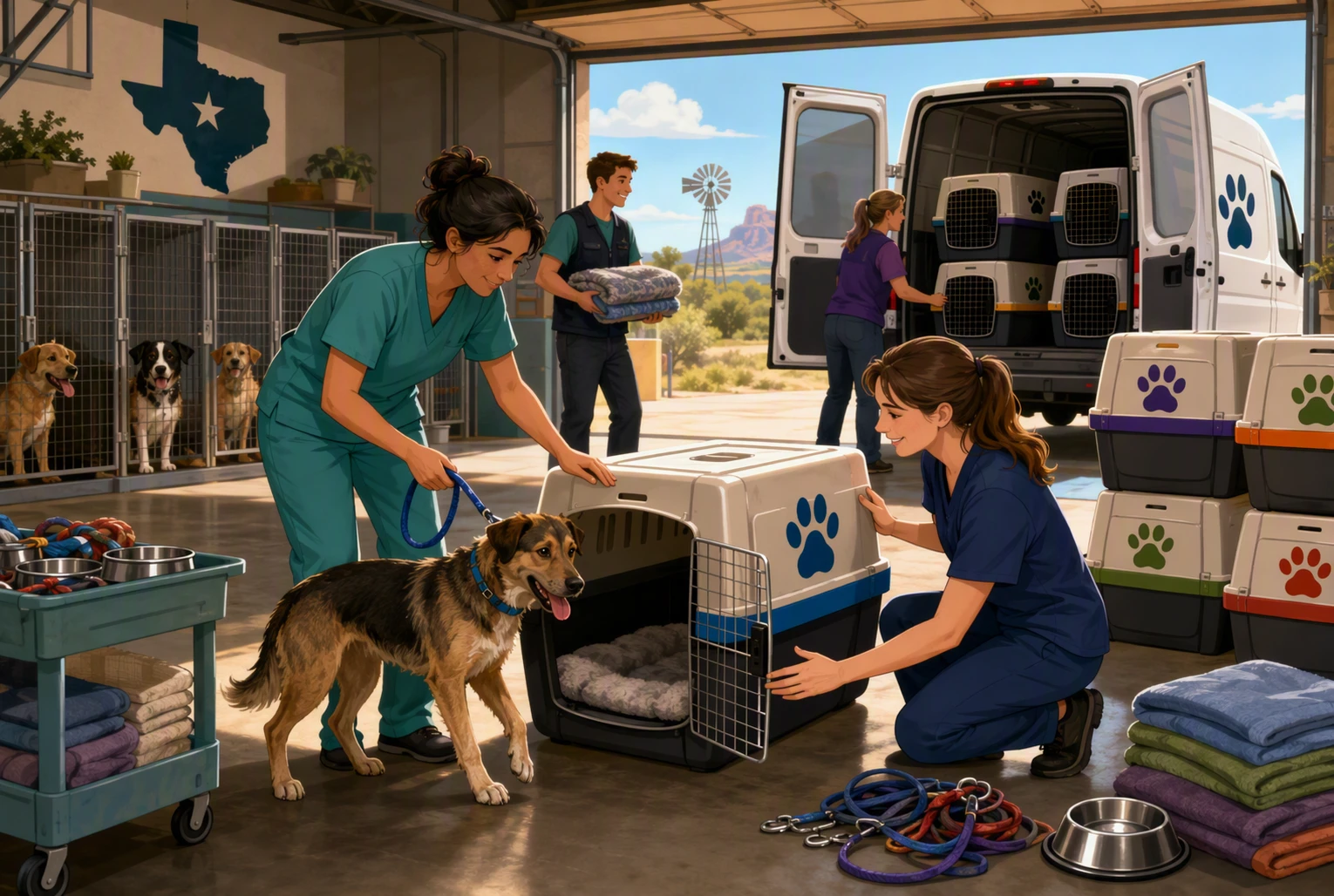
Key point: A transfer pause does not mean every Texas shelter has stopped local adoptions. It means a large part of the placement network has slowed or closed.
What happens when transport appointments disappear
Each receiving state can set different entry rules. Some require permits, a recent vet exam, parasite treatment, or a health form with a short valid window. A missed appointment can cancel the whole route.
Reports from KERA News show that many rules call for veterinary inspection within five to seven days before travel. More than 200 Texas shelters reportedly lack regular veterinary access.
The bottleneck builds fast:
- A shelter loses its transport date.
- Animals remain in kennels longer.
- Foster homes and exercise areas become overflow space.
- Municipal shelters cannot send animals onward.
- Stress, illness risk, and euthanasia pressure rise.
- Ask a shelter whether an animal is cleared for your state.
- Confirm the vet certificate date before booking travel.
- Expect plans to change if state rules tighten.
Also Read: 8 Seasonal Hazards Every New Puppy Owner Should Prepare For
What States Required Before Dogs Could Travel
Inspection, certificates, permits, and timing
Rules depended on where the dog started and where it was headed. For ordinary interstate travel into Texas, dogs generally did not need a Certificate of Veterinary Inspection. Dogs aged 12 weeks or older did need a current rabies record. Airlines could still require a health certificate issued within seven to ten days of travel, according to the Texas Department of State Health Services.
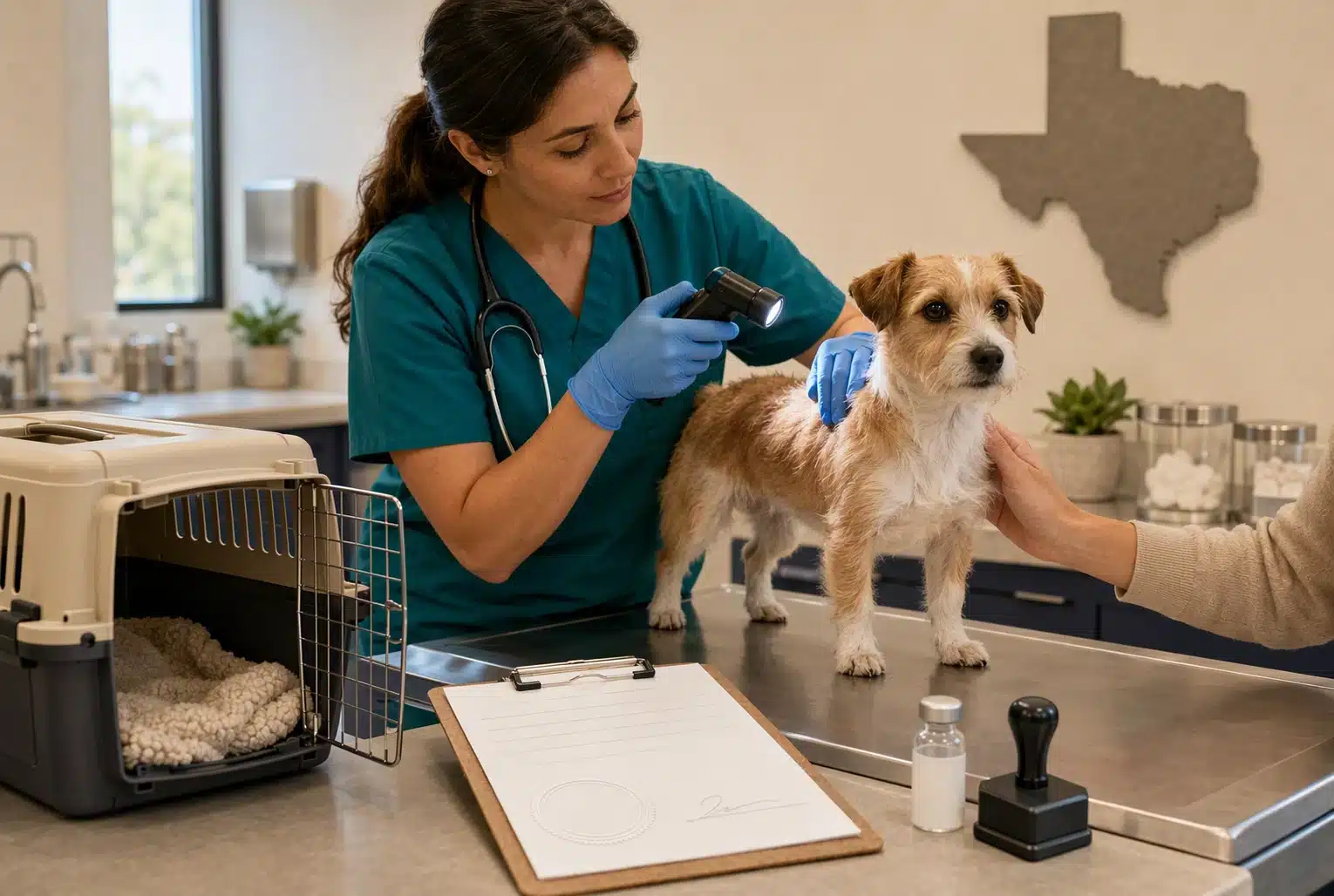
A screwworm zone changed the process. Before a dog could leave an affected Texas zone, owners needed:
- Prior approval from the Texas Animal Health Commission.
- An inspection by TAHC or a certified inspector.
- Required treatment, if directed.
- A movement or treatment certificate that traveled with the dog.
| Travel situation | What to confirm first |
|---|---|
| Dog entering Texas | Current rabies certificate |
| Airline pickup or delivery | Carrier health certificate deadline |
| Dog leaving an infested zone | Inspection, treatment, and movement authorization |
Do not book pickup or delivery until the breeder, transporter, and destination state agree on the current paperwork and travel date.
Preventive treatment and veterinary access
Screwworm prevention centers on wound care and fast action. The Texas Animal Health Commission says warm-blooded animals leaving an infested zone need inspection, any required treatment, and a movement certificate. Its current NWS guidance also lists counties with active restrictions.
Ask these practical questions before travel:
- Has the puppy been checked for wounds, irritation, or fly strike?
- Which vet or certified inspector will handle a needed inspection?
- What product was used if prevention or treatment was required?
- Is the destination clinic ready if the puppy needs care after arrival?
Keep the puppy clean, avoid unnecessary skin wounds, and get veterinary help right away for maggots, swelling, odor, or a sore that grows quickly.
The Rules Do Not Remove the Need for Careful Puppy Buying
Travel limits and shelter pauses do not make every puppy listing safe. Before you reserve, slow down and confirm who raised the puppy, what records exist, and how pickup or delivery will work.
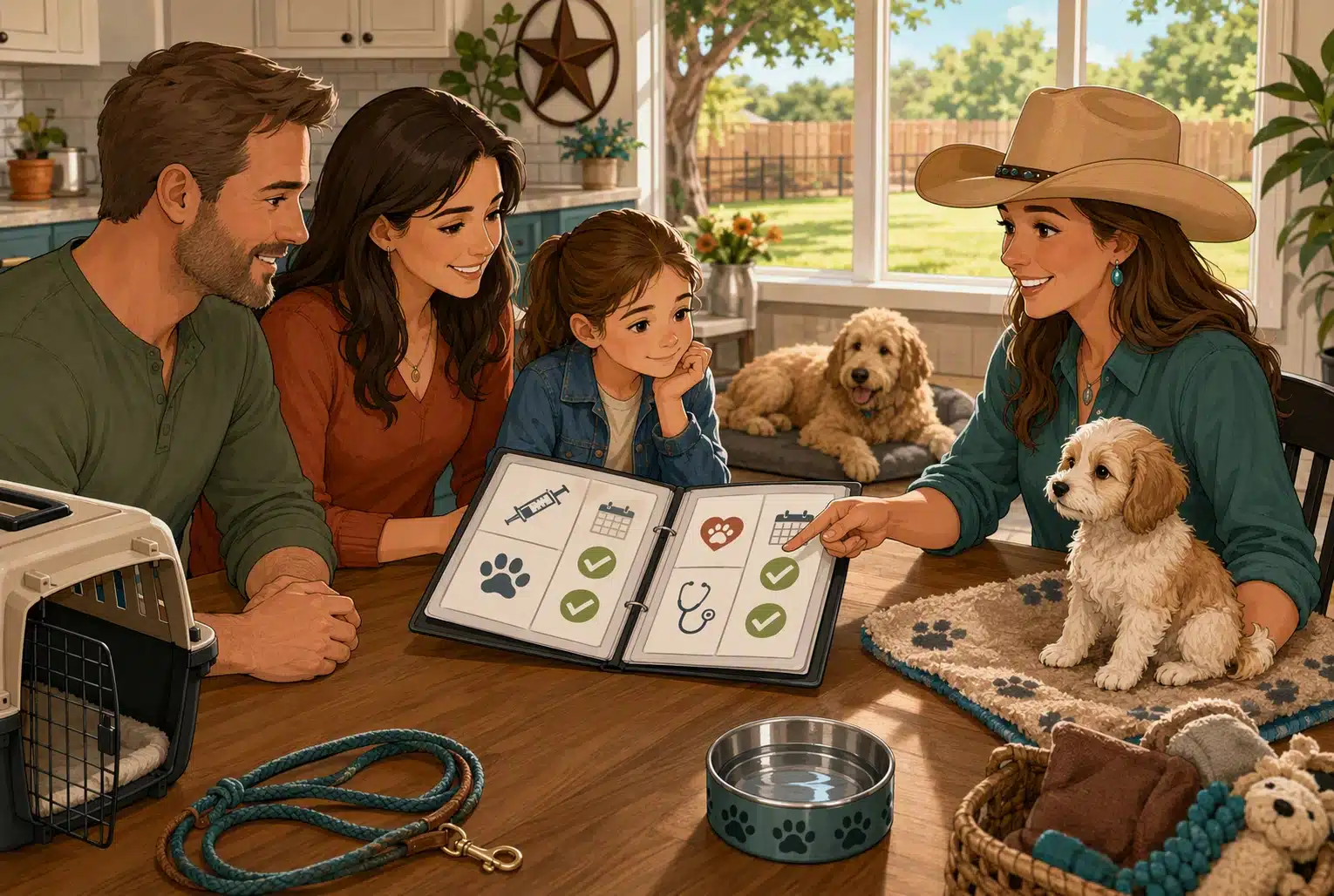
Questions to ask before reserving a puppy
Ask direct questions before sending a deposit:
- Can I see the puppy’s home setting by visit or live video?
- Can I meet the mother, or see current photos and records for both parents?
- Which health tests did the parents receive, and can I review the results?
- What vet care, vaccines, and deworming has the puppy had?
- What is the written deposit, contract, pickup, and delivery policy?
- What happens if my family cannot keep the dog later?
A responsible breeder should welcome these questions and ask about your home, routine, and dog experience too. The AKC breeder question guide also advises buyers to ask about socialization, vaccine timing, and support after pickup.
Warning: Do not let urgency, a “last puppy” claim, or a transport deadline rush you past basic checks.
Why health and temperament information matters
Health records are not just paperwork. They help you plan vet visits and understand what care comes next. Ask for clear, breed-relevant testing details, not a vague claim that parents are “health checked.”
Temperament matters just as much. Ask how the litter has met people, heard normal home sounds, and begun crate or routine practice. Cornell notes that early exposure to people, sights, sounds, and smells can help puppies handle new experiences later in life. Cornell’s puppy selection guidance also stresses full parent health testing.
Sage Puppies families can ask the same clear questions about health-tested parents, early socialization, and pickup or nationwide delivery details before reserving.
Also Read: 10 Signs a California Puppy Listing Is a Scam – Sage Puppies
What This Means for Texas Families and Nationwide Buyers
Local pickup may involve fewer transport variables
A Texas pickup can simplify the handoff, but it does not erase the need for a current location check. Restrictions apply to warm-blooded animals leaving an infested zone, not automatically to every pet transaction in Texas. The Texas Animal Health Commission order requires prior approval, inspection, treatment, and movement documents before an animal leaves a listed zone.
Ask the breeder or shelter:
- Is the puppy’s current location inside a restricted area?
- Has the pickup route changed?
- What health and travel records come with the puppy?
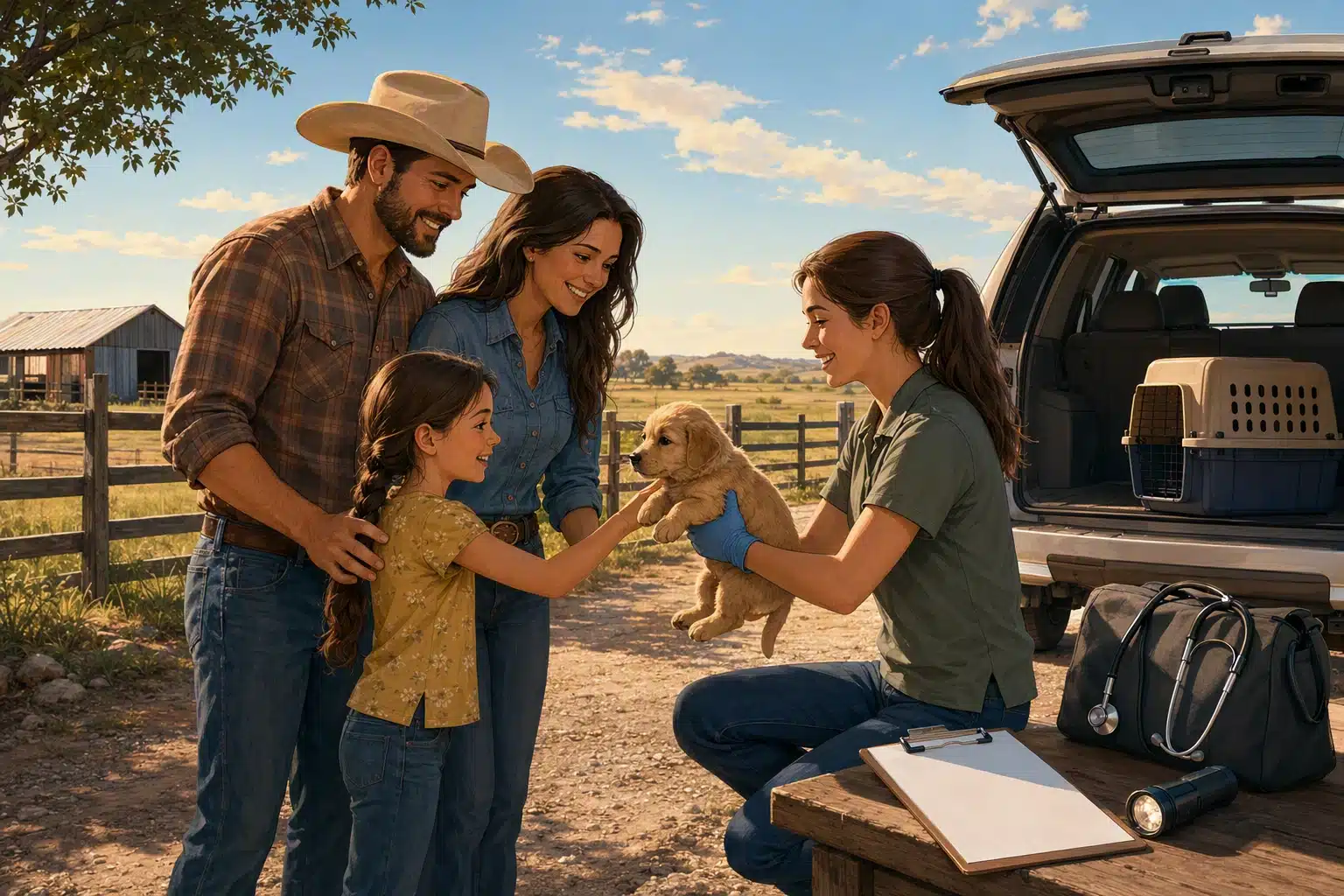
Tip: Confirm the plan again 24 to 48 hours before pickup. Zone lines and local orders can change.
Delivery requires a current route check
Nationwide delivery needs more planning. Your destination state may set its own entry rules, and the carrier’s route can cross areas with added controls. Some states have required a recent veterinary inspection and screwworm-free certification for pets coming from affected Texas areas, according to reporting on the transport restrictions.
Before you reserve delivery, get clear answers on:
- The puppy’s origin and planned route.
- Required inspection dates and documents.
- Who checks destination-state rules.
- What happens if a route or rule changes.
Sage Puppies families should ask for delivery details early, then confirm them shortly before travel.
Also Read: 10 Small Breed Puppies That Stay Friendly & Easygoing
The Shelter Crisis Predated the Screwworm Response
Why a short disruption can have a large effect
Texas shelters were already under strain before screwworm rules slowed animal movement. Many rely on transfers to other states to free kennels and prevent overcrowding.
A brief pause creates a fast backlog:
- New stray and surrendered pets still arrive.
- Dogs cleared for transport must remain in care.
- Full shelters cannot take animals from smaller local facilities.
Texas shelters took in an estimated 568,325 cats and dogs before the response, according to the Texas Tribune’s reporting. That is why a transport hold can raise pressure within days, not months.
The screwworm response is a health safeguard. The shelter crisis is a separate capacity problem that it exposed.
Long-term solutions extend beyond transport
Transport saves lives, but it cannot carry the whole system forever. Rural shelters may lack funding, staff, space, or steady veterinary access. One report noted that more than 200 Texas shelters lacked access to a veterinarian during the new requirements (WPR).
A stronger local plan includes:
- Low-cost spay and neuter access
- Foster homes for short-term overflow
- Help that keeps pets with families during hard times
- Reliable veterinary care and clear intake plans
- Local adoption events that match dogs with prepared homes
| Short-term need | Lasting fix |
|---|---|
| More kennel space | More foster and local adoption support |
| Faster transfers | Affordable prevention and vet access |
| Emergency transport rules | Stable shelter funding and staffing |
What Happens Next With New World Screwworm Controls
Sterile flies and surveillance
USDA’s response combines sterile fly releases, trapping, wildlife checks, and local animal inspections. Sterile males mate with wild females, but the eggs do not hatch. Since females mate only once, this slowly reduces the fly population.
USDA confirmed a 20-kilometer infested zone around the Zavala County detection, with quarantines, movement controls, and added surveillance.
- Check puppies and adult dogs for open wounds.
- Watch for worsening wounds, odor, discomfort, or larvae.
- Call a veterinarian and state animal health office at once if you see a concern.
- Do not move a suspected animal.
Sterile flies are a control tool, not proof that a pet is infected.
Why official orders matter to travelers
Rules can change by zone, county, destination state, and the animal’s travel route. A planned pickup or delivery may need a health check, a certificate, a permit, or a new date.
Before travel, confirm:
- The puppy’s origin and pickup location.
- Whether either location sits inside an active control area.
- Current state entry rules for companion animals.
- Required records from the breeder or veterinarian.
Federal guidance says companion animal owners leaving an infested zone should contact the destination state animal health office for entry requirements. APHIS movement guidance also allows states to set added rules or exceptions.
Do not rely on an old social post or verbal assurance. Ask for the current official order before travel.
Also Read: 7 Puppy-Friendly States for Finding Responsible Breeders
How to Proceed Before You Adopt or Reserve a Puppy
A six-step verification checklist
Do not cancel your plans automatically. Confirm the puppy’s origin, route, and paperwork before you pay a deposit or set pickup.
-
Ask where the puppy is located now. A Texas quarantine can apply to warm-blooded animals inside a named infested zone, not every puppy statewide. TAHC orders require authorization before an animal leaves an affected zone.
-
Confirm the pickup or delivery route. Ask whether travel crosses a restricted county or enters a state with added import rules.
-
Request current veterinary records. Get the exam date, health certificate details, parasite prevention given, and the veterinarian’s contact information.
-
Check destination-state rules yourself. Requirements can change fast. Some states require recent inspection records or permits for pets arriving from affected areas.
-
Ask about wounds and travel timing. Do not move a puppy with an open wound, unexplained skin issue, or delayed paperwork. New World screwworm larvae can infect living tissue.
-
Keep every document. Save your contract, veterinary record, transport plan, and written confirmation of the puppy’s location.
| Before You Reserve | What to Get |
|---|---|
| Origin | Exact county and current location |
| Travel | Pickup date, route, and destination rules |
| Health | Recent exam and prevention record |
A careful breeder welcomes these questions. At Sage Puppies, clear pickup or delivery details should be part of a calm, well-planned match.

If you are planning a puppy in Texas, ask clear health and travel questions before you commit. Sage Puppies offers home-raised Havanese, Havapoo, and Cavapoo puppies with a transparent process, local pickup, and nationwide delivery options for qualified families.
Frequently Asked Questions
Q1: Texas animal adoption halt screwworm concerns
The halt may limit animal movement or intake, not every Texas adoption. Ask the shelter which rule applies, its end date, and whether your pet can legally travel.
Q2: Can I still adopt a dog in Texas?
Possibly. Local adoptions may continue while transfers from affected areas pause. Confirm the dog’s origin, health record, and pickup rules before paying a fee.
Q3: Does screwworm spread from pets to people?
Screwworm larvae affect open wounds. Keep wounds covered, seek vet care fast, and follow local animal-health guidance if you see unusual maggots or swelling.
Q4: Should I delay puppy pickup or delivery?
Ask about the puppy’s travel route, required paperwork, and any active restrictions. Do not arrange transport until the breeder confirms the plan follows current rules.
Q5: What should I ask a breeder?
Ask where the puppy was raised, whether travel limits apply, and what happens if plans change. Sage Puppies can clarify pickup or delivery details before a family commits.
Conclusion
The Texas pet adoption halt is mainly a movement and transport issue, not a reason to assume every Texas dog is unsafe. New World screwworm rules can change fast, and they have slowed shelter transfers while adding pressure to already crowded facilities. AP News reports that many states restricted pet movement from affected areas.
Before pickup or delivery, confirm the puppy’s origin, current health records, veterinary inspection needs, and your destination state’s rules. A careful breeder or shelter should explain the plan clearly, without rushing your family.